 Hodinkee
Introducing: The Hublot Big Bang Integral
After 15 years of the Big Bang, we get a new integrated bracelet.
2,996 articles · 663 videos found · page 70 of 122
Hodinkee
After 15 years of the Big Bang, we get a new integrated bracelet.
 Revolution
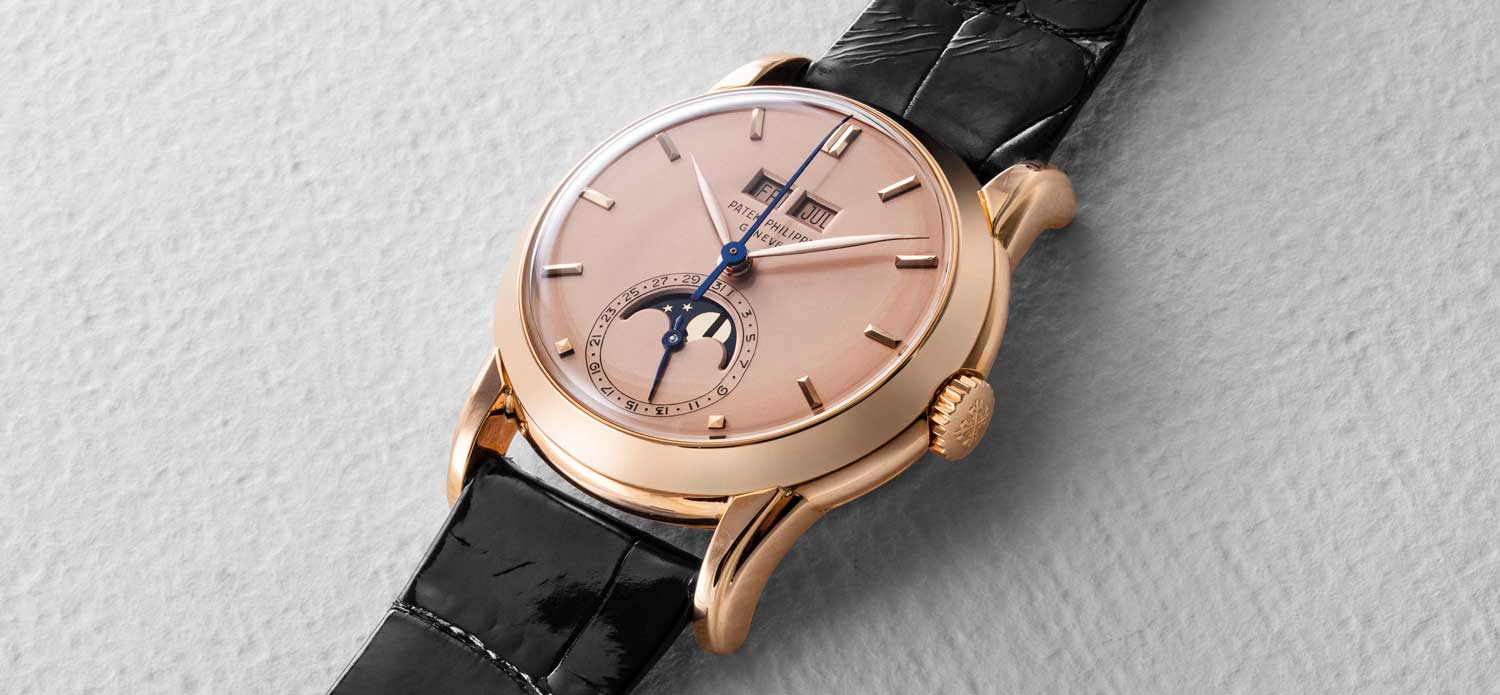
At the Watch Art Grand Exhibition in Singapore, Revolution got a closer look at some of the most precious wristwatches in Patek Philippe’s vault.
 SJX Watches
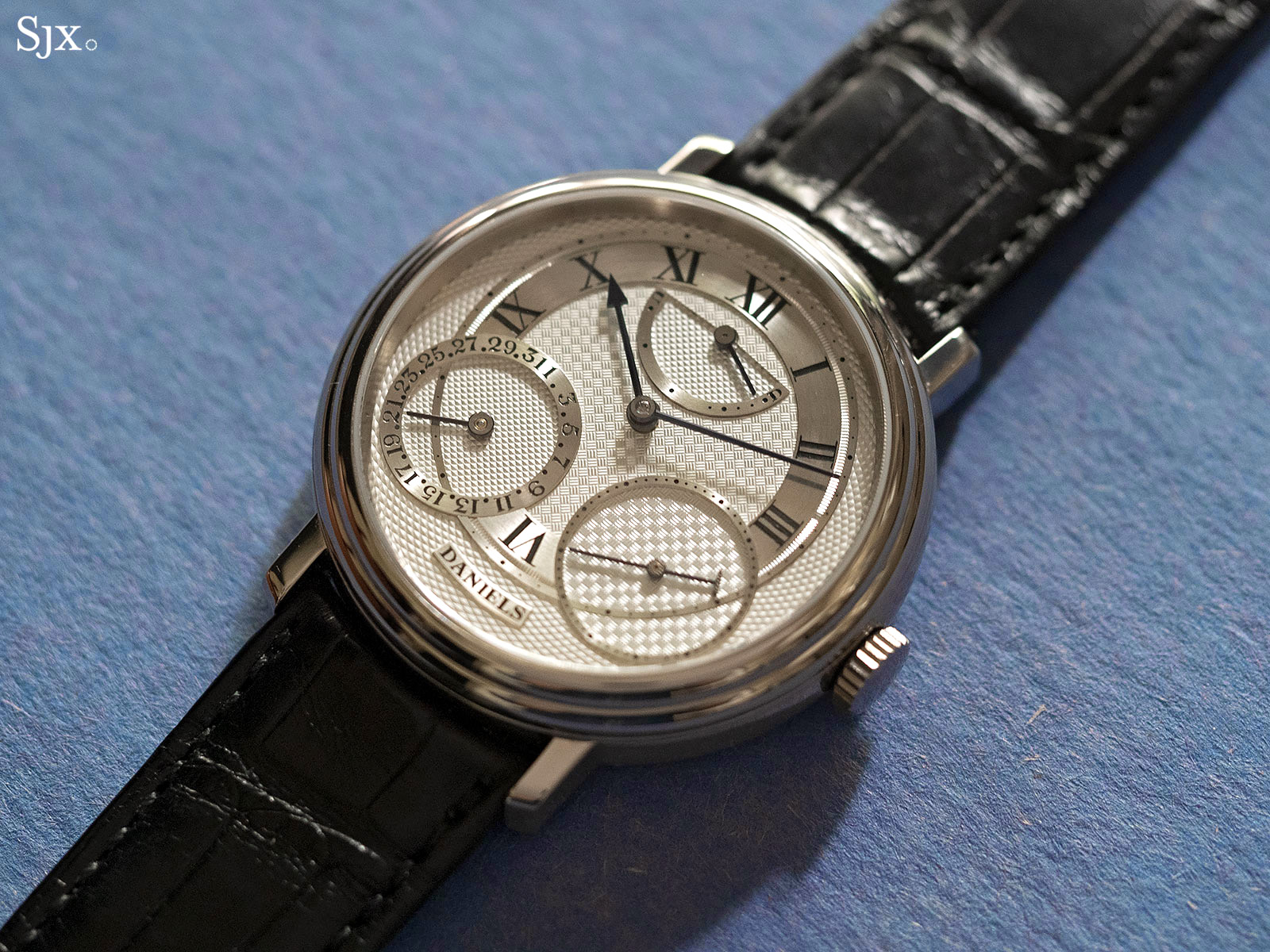
Though extremely rare, the George Daniels Anniversary Watch is a familiar timepiece because it has been widely covered and is arguably the signature George Daniels wristwatch. Though the Daniels Millennium was made in larger numbers, it was powered by a modified Omega (and by extension, ETA) movement. In contrast, the Anniversary relies on a proprietary movement designed by Daniels and his protege Roger W. Smith – and it’s almost a visual twin of the one-off Daniels chronograph wristwatch. But the basic architecture of the Anniversary movement comes from the movement in Series 2, the trademark Roger W. Smith timepiece, which was launched in 2006, three years before the Anniversary. The white gold Anniversary next to the owner’s other example in yellow gold The quintessential Daniels Anniversary is in yellow gold, of which 35 were made. But when first launched in 2009, the Anniversary series was also meant to encompass four box sets of four watches each, made up of one watch in each colour of gold and another in platinum. The sets were never produced, however, individual watches originally destined to be part of the sets were. Owned by a noted collector who acquired it direct from the George Daniels trust, this Anniversary in white gold is one of them. And it is the only Anniversary ever made in white gold so far. On the wrist of the owner Though identical in design to the yellow gold Anniversary, the white gold watch looks more contemporary by virtue of its colour. ...
 Hodinkee
It was awarded to Mike "The Bike" Hailwood by Mr. Heuer himself.
 Hodinkee
Our weekly picks of watches from around the web.
 Video
Video
 Hodinkee
A (Lake) Superior dive watch.
 Hodinkee
The same rugged looks, but a very different business.
 Deployant
The history of the TUDOR divers’ watch dates back to 1954 and the launch of reference 7922. The basic design with a bezel, triple link bracelet and screw-down crown laid down the aesthetic and technical foundations of an ideal divers’ watch.
 SJX Watches
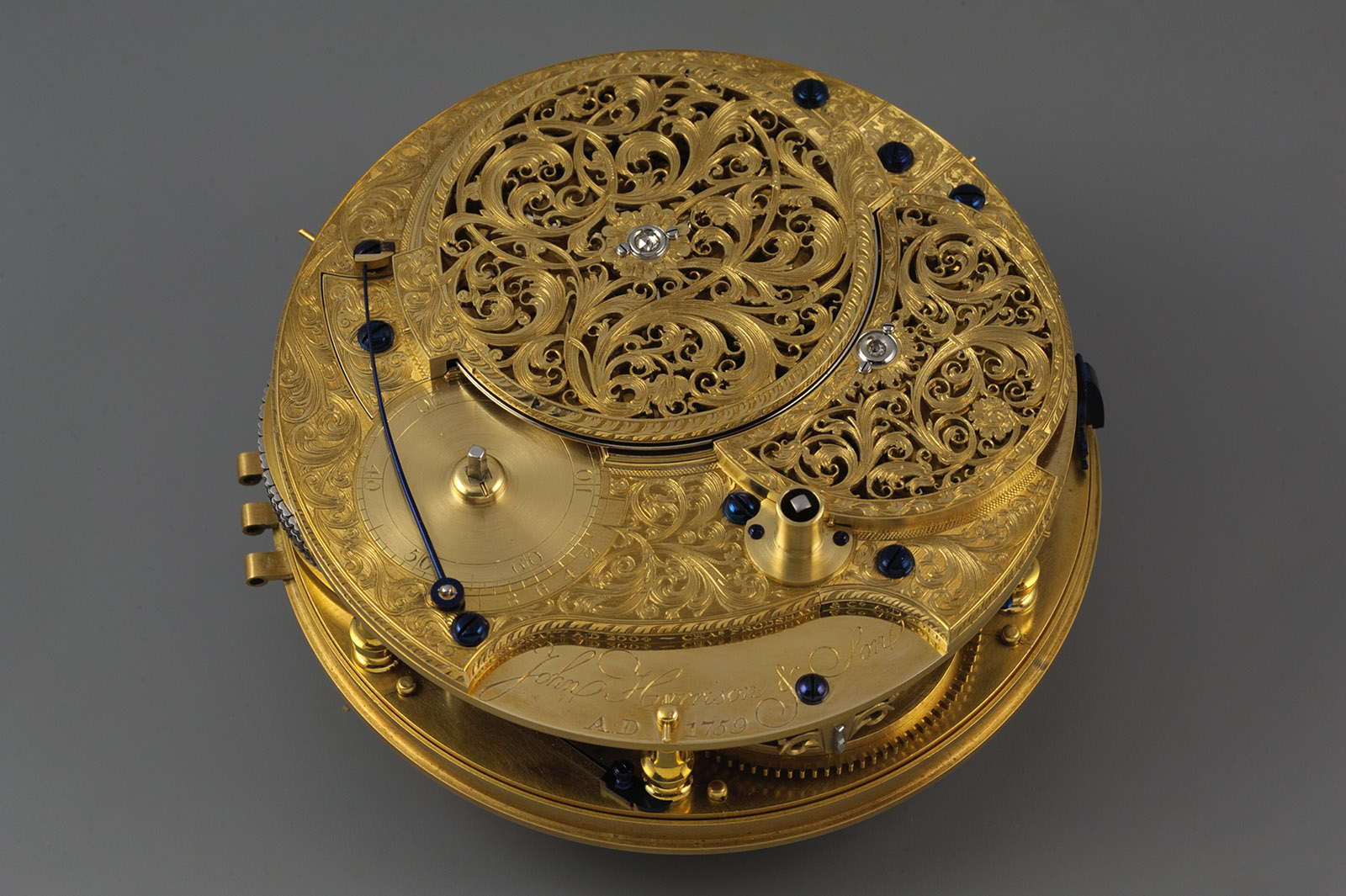
One can understand the opacity of the first published analysis of John Harrison’s first sea watch, colloquially known as H4 and the forerunner of the marine chronometer, in The Principles of Mr Harrison’s Time-keeper. Edited by the British Astronomer Royal Nevil Maskelyne, it was published by the British government in 1767; and hereafter referred to as Principles. Principles was both incomplete of enough information to allow the duplication of the watch, which Harrison (1693-1776) started in 1755 and finished in 1759, and contained somewhat incoherent description that only makes sense a posteriori after examination of the watch. ‘Principles of Mr. Harrison’s Time-keeper’ Amazingly, it was one hundred years later the next review took place. I can echo Harrison M. Frodsham’s comments in his review in Horological Journal of May 1878 when he said, “Former explanations taken from Harrison’s description are necessarily unsatisfactory, as his was very obscure, probably purposely so.” Although this may be dismissed as 19th Century gossip by some scholars, this may have arisen in part to protect any military advantage, given the importance of H4 to maritime navigation. Considering H4’s historical performance, it is odd that the otherwise comprehensive A Treatise on Modern Horology in Theory and Practice (2ndedition) by Claudius Saunier, published in 1887, barely mentions Harrison and certainly not H4’s technical content. Perhaps it was because it was so quic...
 Hodinkee
A closer look at one of the latest complete calendar wristwatches from Vacheron Constantin.
 Video
Video
 Revolution
Meta: Bearing one of the rarest of horological complications, MB&F; releases another limited edition of its dual regulator Legacy Machine N°2.
 Hodinkee
A sharp new color scheme for the Spring Drive GMT.
 Hodinkee
A watch that's equal parts patriotic and celebratory.
 Hodinkee
A look inside a suite of classic high complications.
 Hodinkee
The 23-time Grand Slam singles winner achieves a milestone for any American athlete.
 Video
Video
 Hodinkee
A two-tone take on a hard-wearing sport watch.
 Revolution
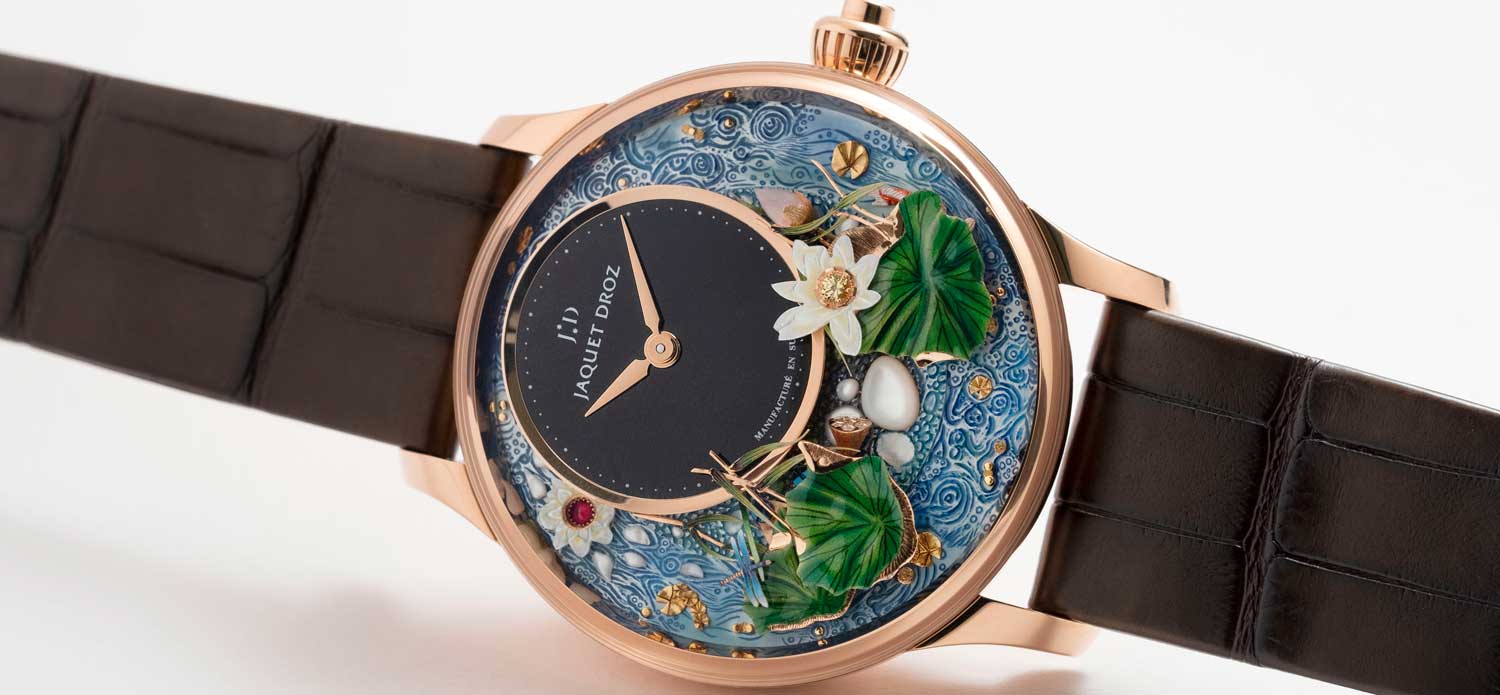
Jaquet Droz unveils its first chronograph and a new Dual Time look in its Grande Seconde collection and wows us with a unique Zen garden automaton.
 Deployant
The A. Lange & Söhne Datograph Perpetual Tourbillon was first introduced in 2016. It is currently the most complicated watch of the Datograph sub-family.
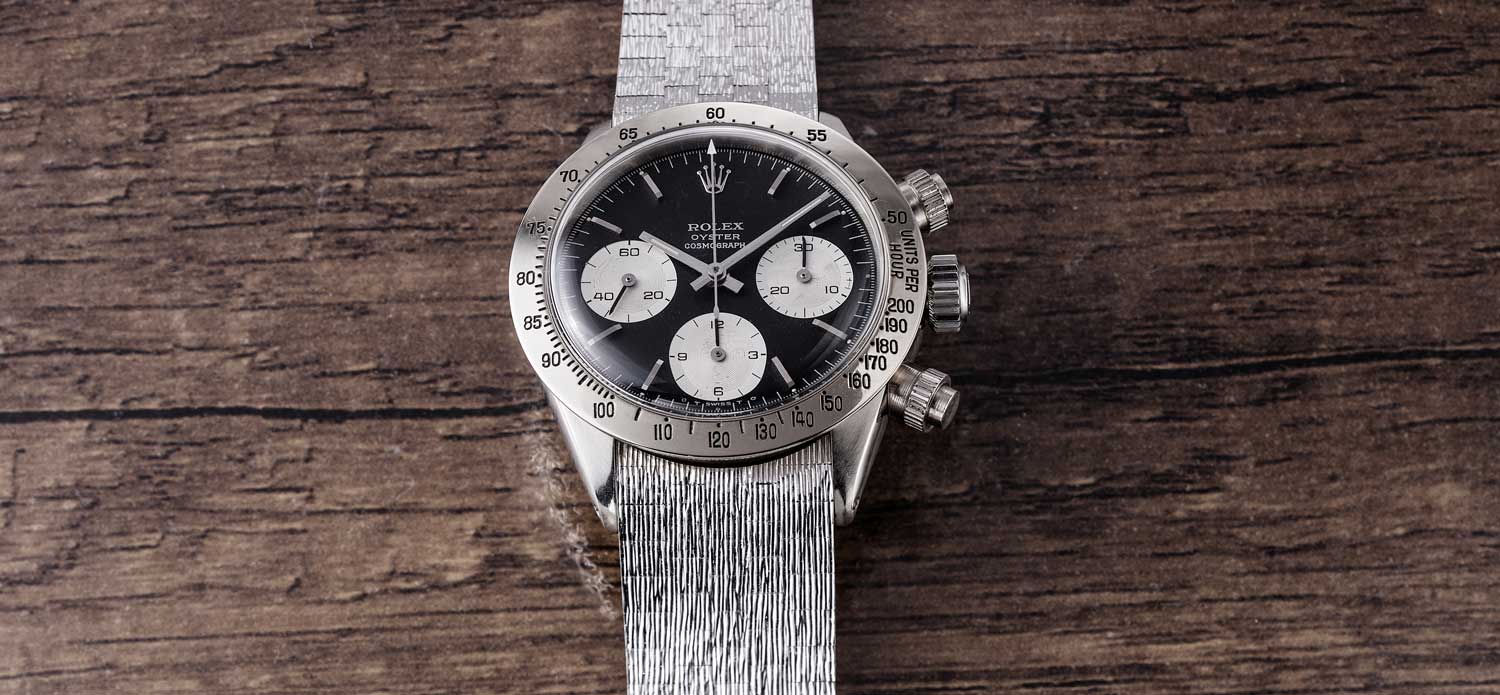 Revolution
 Deployant
We spotted a familiar watch on the wrist of Special Agent, Timothy McGee in the hit show NCIS for this installment of Spot the Watch.
 Video
Video
 Deployant
In this edition of Spot the Watch, David Beckham shows how wearing a watch on a different strap can give it a completely different look.
 Deployant
Created in the 1920s, the perpetual calendar is the least dramatic of complications but beneath its placid facade lies some grand mechanical wizardry.
 Revolution
How the Tudor Heritage Black Bay Bronze universally won hearts and minds in the blink of an eye.
 Deployant
The inherently distinguished new L.U.C GMT One provides a dual-time read-off powered by an original L.U.C 01.10-L calibre with integrated GMT function. This watch for gentleman globetrotters stands out by the sheer elegance of its details and the intensely practical nature of its horological complication.
 Revolution
 Video
Video
Question, suggestion, or just want to say hi? Drop a note.