 Hodinkee
The Grey NATO: Episode 93: A Chat With Andy Mann
Jason sits down for a chat with the photographer, filmmaker, conservationist, and watch designer.
42,104 articles · 280 videos found · page 712 of 1413
Hodinkee
Jason sits down for a chat with the photographer, filmmaker, conservationist, and watch designer.
 Revolution
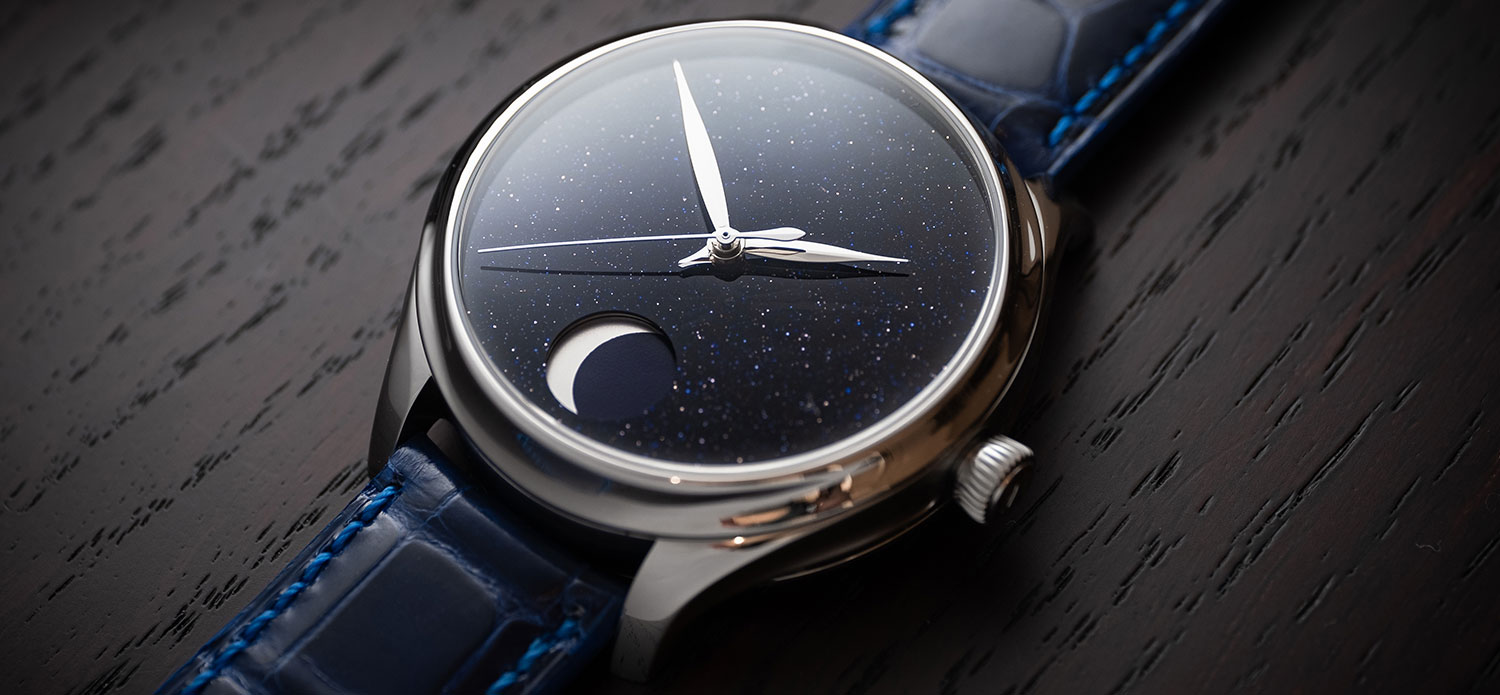
If you give someone the moon, why not the stars too? H. Moser & Cie brings a new poetic interpretation to its Endeavour Perpetual Moon Concept watch.
 Hodinkee
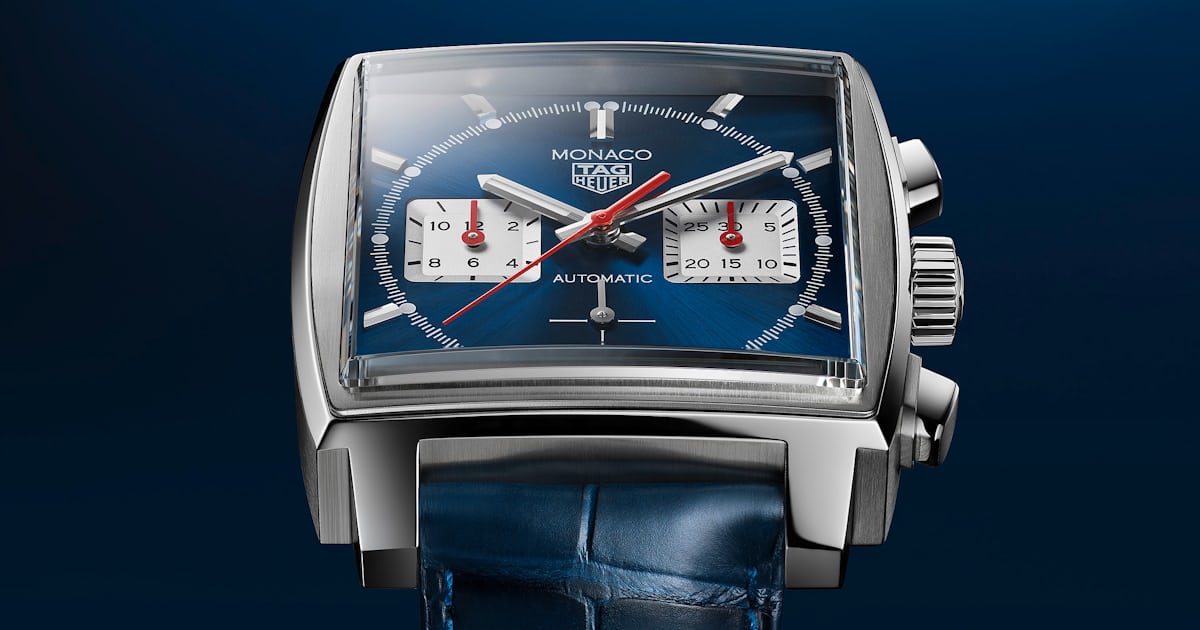
The swan song of a longtime caliber in the Monaco stable.
 Hodinkee
The quintessential track watch gets an in-house engine.
 Revolution
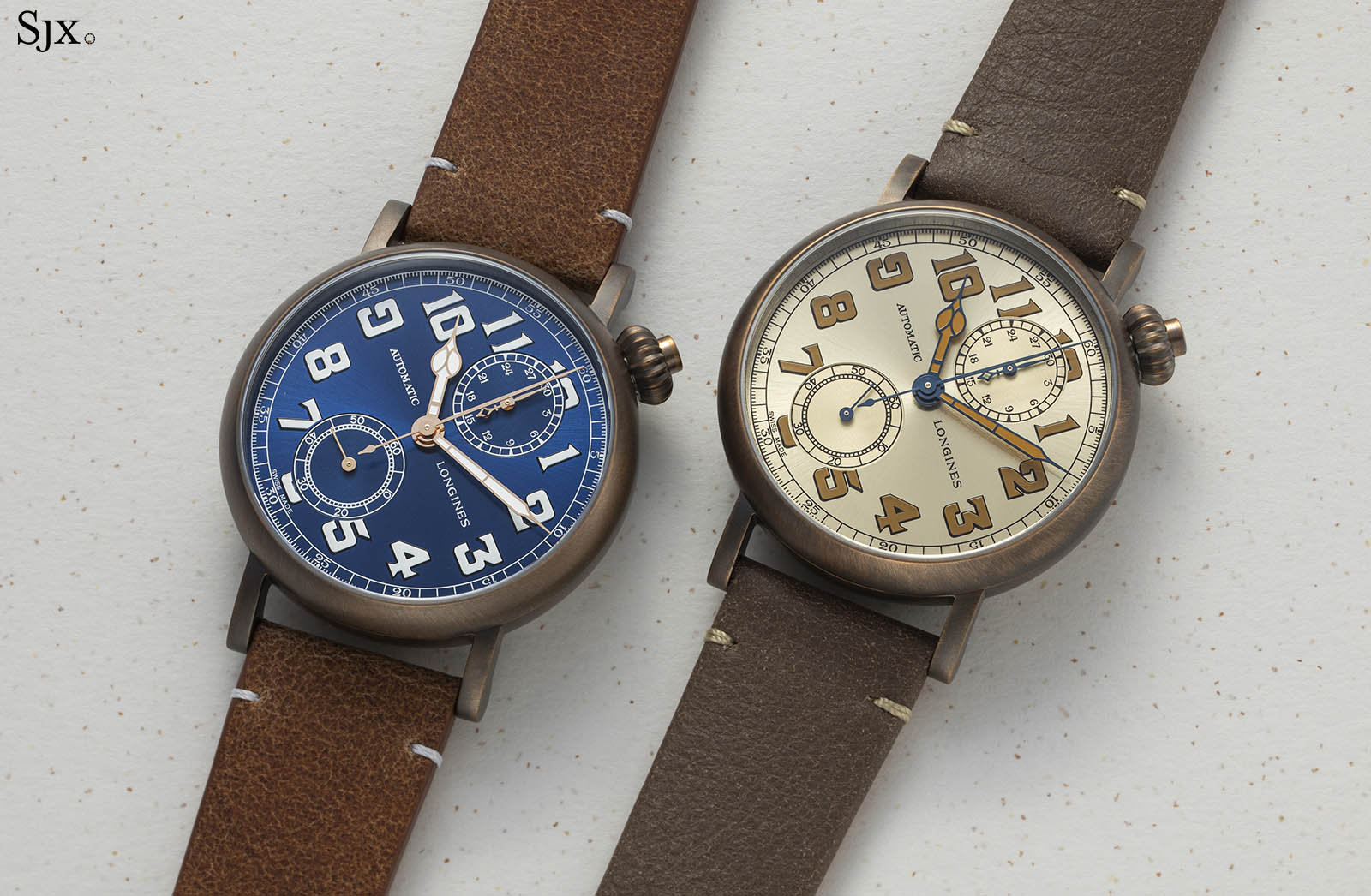
The Hour Glass revisits the Longines Avigation Watch Type A-7 1935 in two gorgeous bronze-cased limited editions to celebrate its 40th anniversary.
 SJX Watches
Following the launch of the Sinn 356 Pilot Chronograph limited edition to mark the 40th anniversary of The Hour Glass, the retailer has just announced yet another pilot’s chronograph, but this time, one that is more unusual and striking, the Longines Avigation Type A-7 1935 in bronze. Characterised by an askew dial and movement, the Type A-7 “The Hour Glass” is based on the second-generation, 2016 reissue of the chronograph Longines supplied to the US Army Air Corps in the 1930s that was known as the “Type A-7”. Striking colourways Though the distinctive case style is retained, the commemorative edition is made even more unusual by an attractive material and colour combination. The case is bronze and paired with either a blue or champagne dial finished with a metallic, sun ray-brushed finish. While bronze might seem a bit too fashionable, especially in this price segment, it’s surprisingly uncommon for Longines. In fact, the new Type A-7 is only the second Longines watch to have a bronze case; the first was the Heritage Military Kuwait limited edition. The case is made of phosphor bronze (CuSn8), an alloy that is 92% copper and 8% tin. In contrast to the aluminium-bronze alloys, used in watches like the Tudor Black Bay Bronze or Montblanc 1858 chronograph, which develops a brownish patina, phosphor bronze has a more reddish tone and develops a blue-green, sunken-treasure oxidisation over time. While the vintage Type A-7 was a 51mm diameter cockpit instrumen...
 Revolution
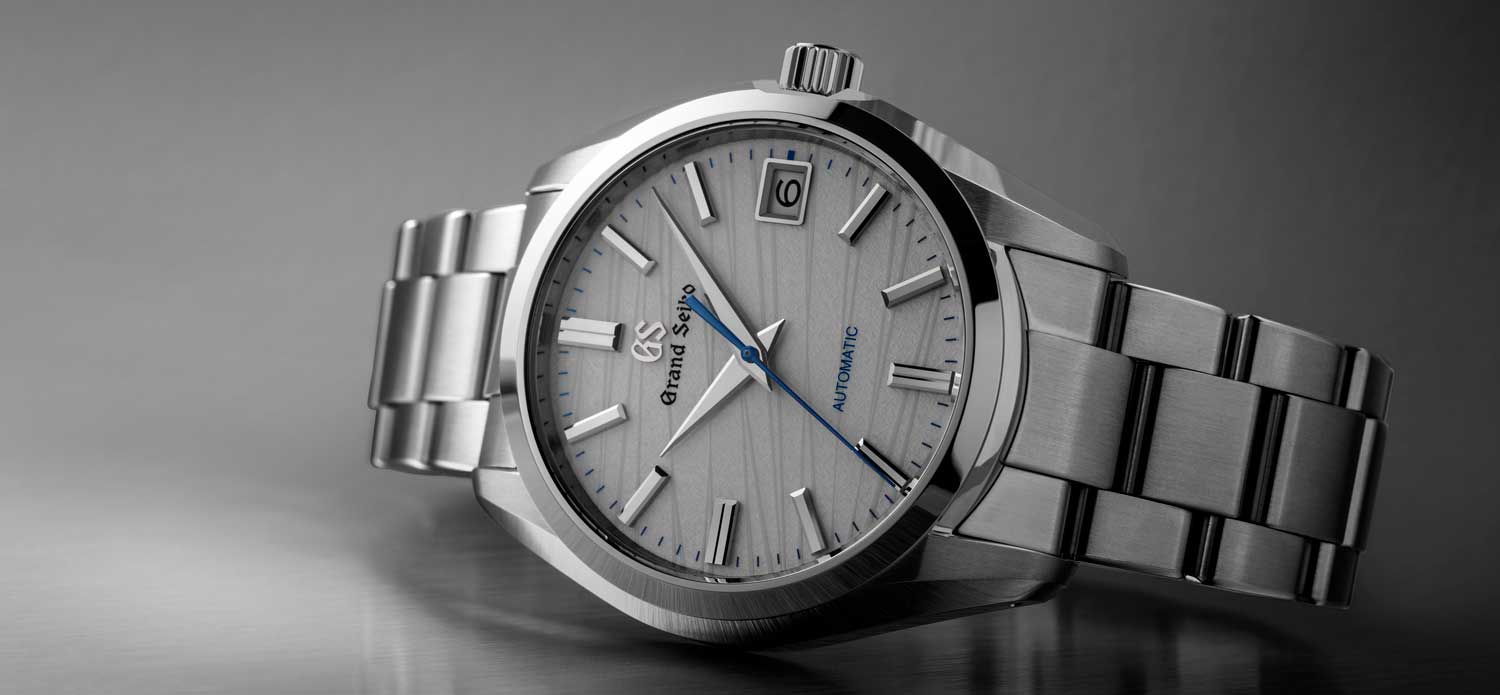
Grand Seiko introduces their latest depiction of the beauty held in nature with a dial that takes inspiration from the winter scenes that plays out at the mountain of Iwate.
 SJX Watches
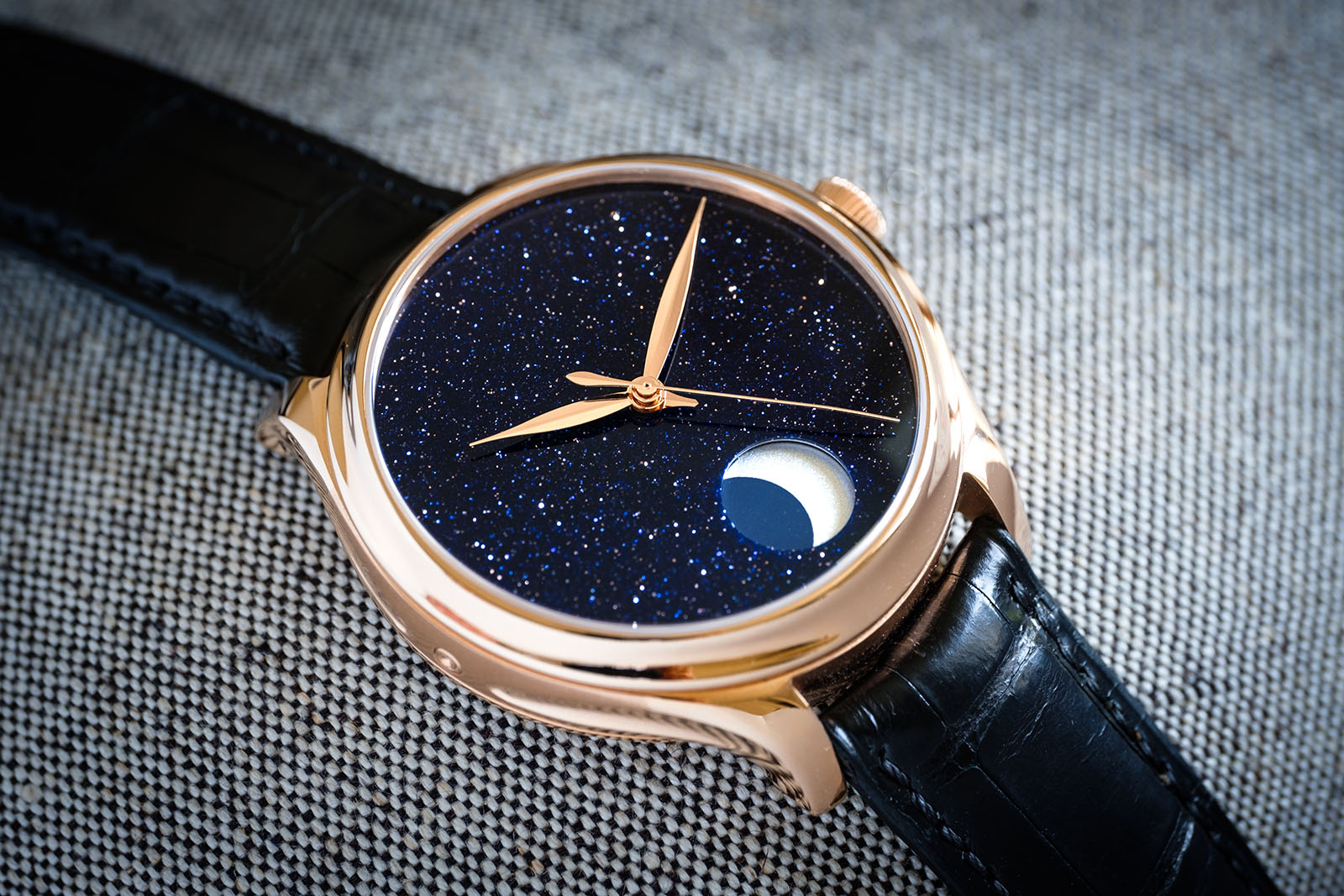
Introduced almost a decade ago in 2010, the H. Moser & Cie. Perpetual Moon is among the most accurate moon phase watches on the market, deviating by a day after 1027.3 years. A complex mathematical feat, the moon phase mechanism was originally conceived by none other than independent watchmaker Andreas Strehler, who himself holds the record for the most precise moon phase display in the world – accurate to a day in 2.045 million years. Having unveiled the watch with a blacker-than-black Vantablack dial a year ago, H. Moser & Cie. has now introduced the Endeavour Perpetual Moon Concept Aventurine that has a sparkly aventurine glass dial evoking a night sky. Full of stars Like many of Moser’s watches, the case of the Endeavour Perpetual Moon Concept is relatively large at 42mm wide and 13.1mm high due to the movement inside. It is available in both a red gold or a stainless-steel case that are characterised by a generously sloping bezel and brushed case band punctuated with polished concave flanks. The dial is made of aventurine glass, also known as goldstone, a man-made material produced by mixing fine metal particles into blue glass. Aventurine glass is often used in watchmaking, specifically for moon phases and calendar displays, for its striking, iridescent reflections that create the impression of a starry sky. According to legend, aventurine glass was discovered by accident on the Venetian island of Murano in the 16th century when copper filings fell into a vat o...
 Quill & Pad
Ahead of the eighth edition of the Only Watch auction taking place on November 9, 2019 in Geneva, Martin Green takes a look at ten unique-piece chronographs going under the hammer. Which is your favorite?
 Hodinkee
Can this steel watch dethrone the Paul Newman?
 Quill & Pad
The most interesting aspect of the Aiguille d’Or is how the winner won’t always be the most complicated, expensive, or groundbreaking. To win the Aiguille d’Or, a watch needs to be a fantastic all-around watch and have that little something extra, that 'je ne sais quoi.' So which watch has our panel set its sights upon? There is much discussion, of course . . .
 Two Broke Watch Snobs
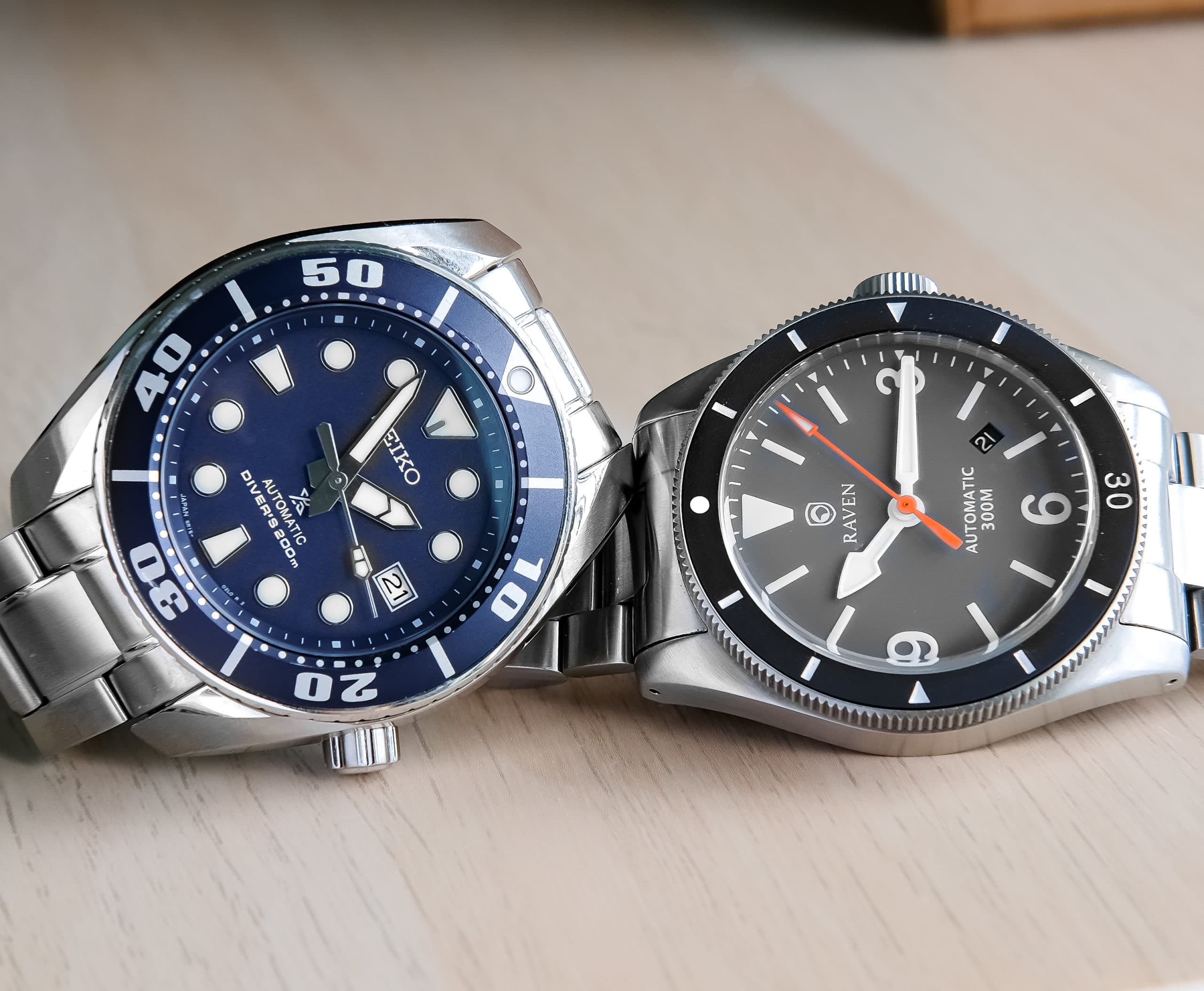
What does the watchfam really mean when referencing the "beater" watch? Is it an actually sub-genre to consider within your collection? Kaz and Mike talk about the concept of a beater watch and run through a few of the best options to shoot for if you're looking for a beater.
 Hodinkee
We discuss some serious horological reporting from The New York Times and how to create a truly 21st-century community for watch lovers.
 Deployant
Blancpain distills its Ultraplate watch to an even more essential form. Here, we bring you the details and our thoughts on the new Villeret Ultraplate 6605.
 SJX Watches
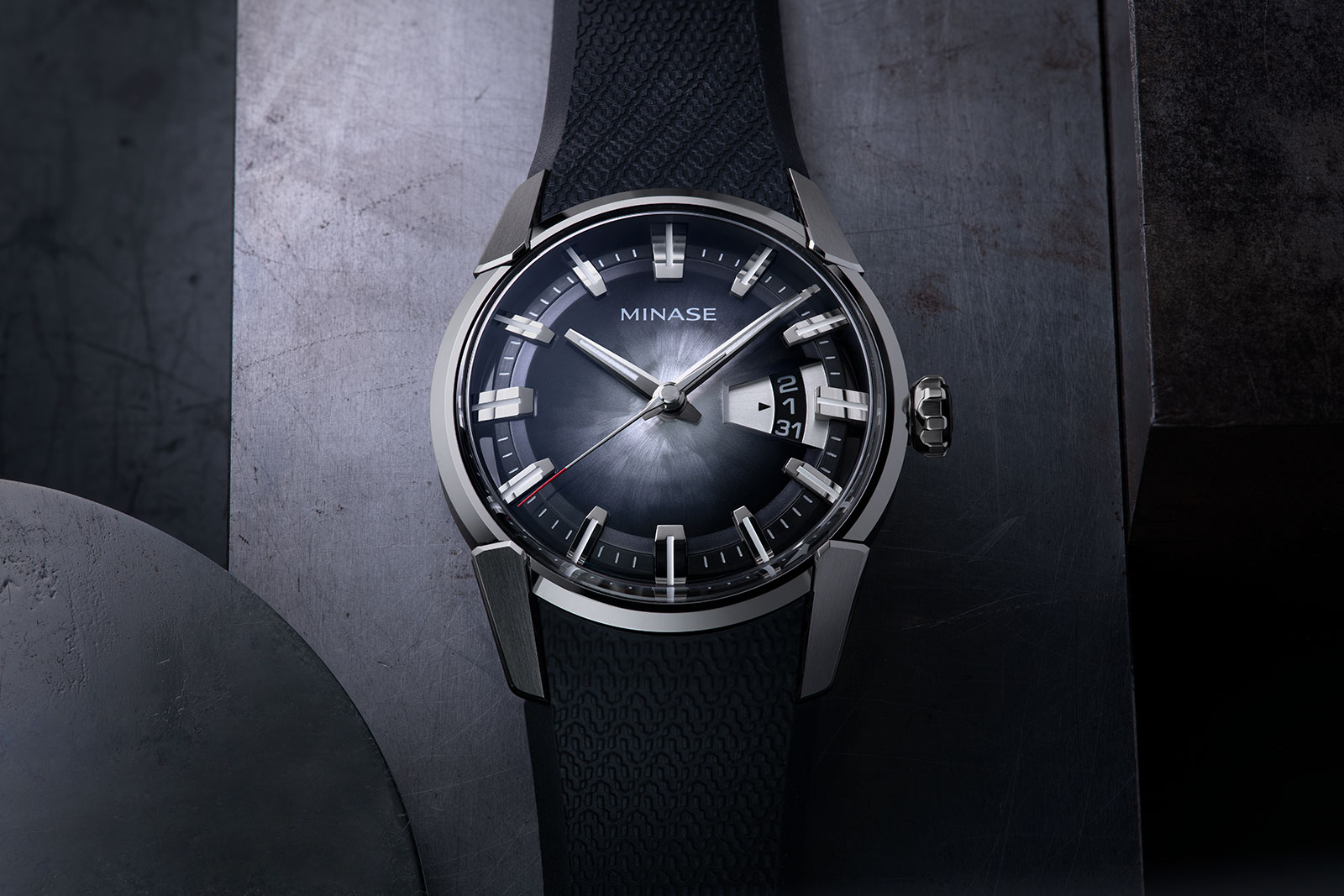
Having been established by Kyowa Co., Ltd, a precision toolmaker that also produces watch cases and bracelets, Minase is a brand that excels in, well, cases and bracelets. Its specialty is the high degree of surface finishing of the case and bracelet using the Zaratsu, or Sallaz, polishing technique that creates a remarkably flat, mirrored surface. Minase just gave its flagship Divido a new dégradé dial, which has a dark grey finish that darkens to black around the edges. Though similar looking dials are offered by Swiss watchmakers, and sometimes known as fumè or smoked dials, the new Divido dial is distinctly Japanese. Inspired by Japanese sumi-e paintings – that rely on different concentrations of black ink for shading and depth – the dégradé dial starts as a copper disc that is the hand-painted with several layers of black Japanese lacquer, each layer with a different concentration of black, creating the graduated finish and leaving each dial unique. The dégradé lacquer dial costs about 10% more than the standard model, which is reasonable. The rest of the watch is identical to the standard Divido, which is to say extremely sharply finished. All components of the case and bracelet are produced and finished in house. Every surface of the case is finished, with contrasting brushed and polished surfaces employed throughout. Even the folding clasp sports with a mix of surfaces finishes. The polished surfaces are finished with the Zaratsu technique – that...
 Revolution
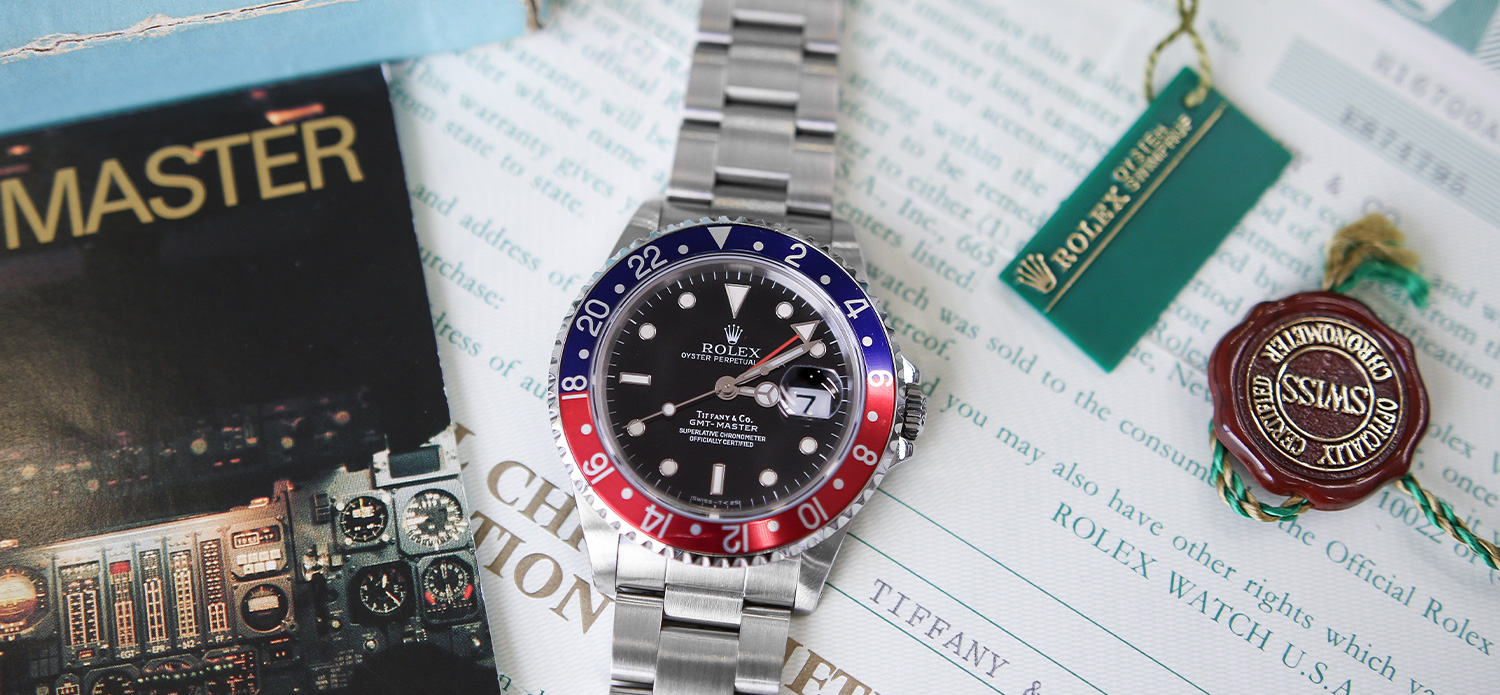
Phillips is presenting their Hong Kong Watch Auction 9 at the JW Marriott on November 25-26. Check out some of the highlights in this article.
 Quill & Pad
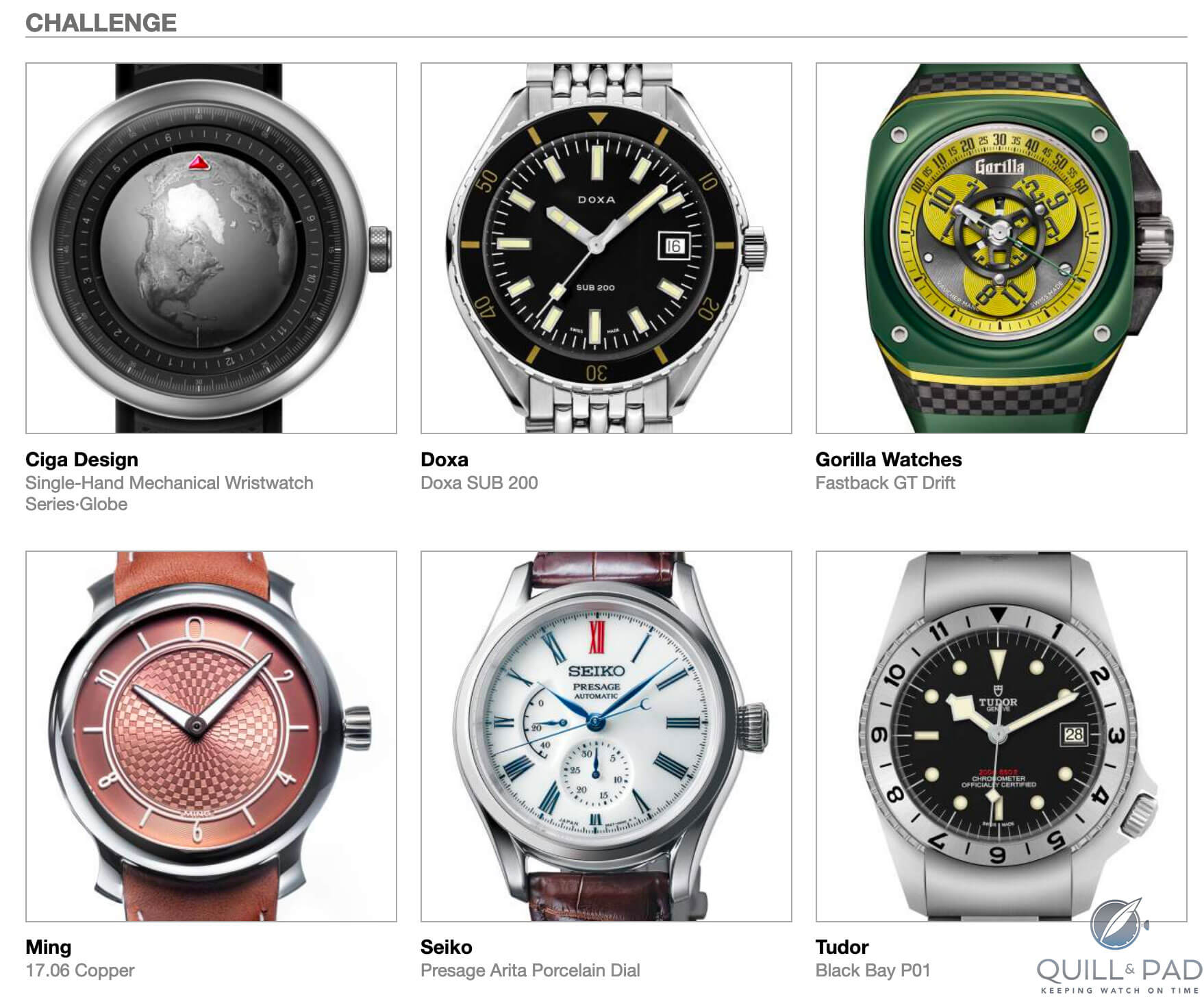
The GPHG Challenge category should probably more accurately be called the “Bang For Your Buck” category because this really is where you can see just how much watch you can get for your hard-earned dollar. But our panel is quite split on which watch delivers the most for the least.
 Revolution
Ross Povey presents some of the highlights among the impressive range of watches that Phillips has assembled for its Novemeber 2019 sale.
 SJX Watches
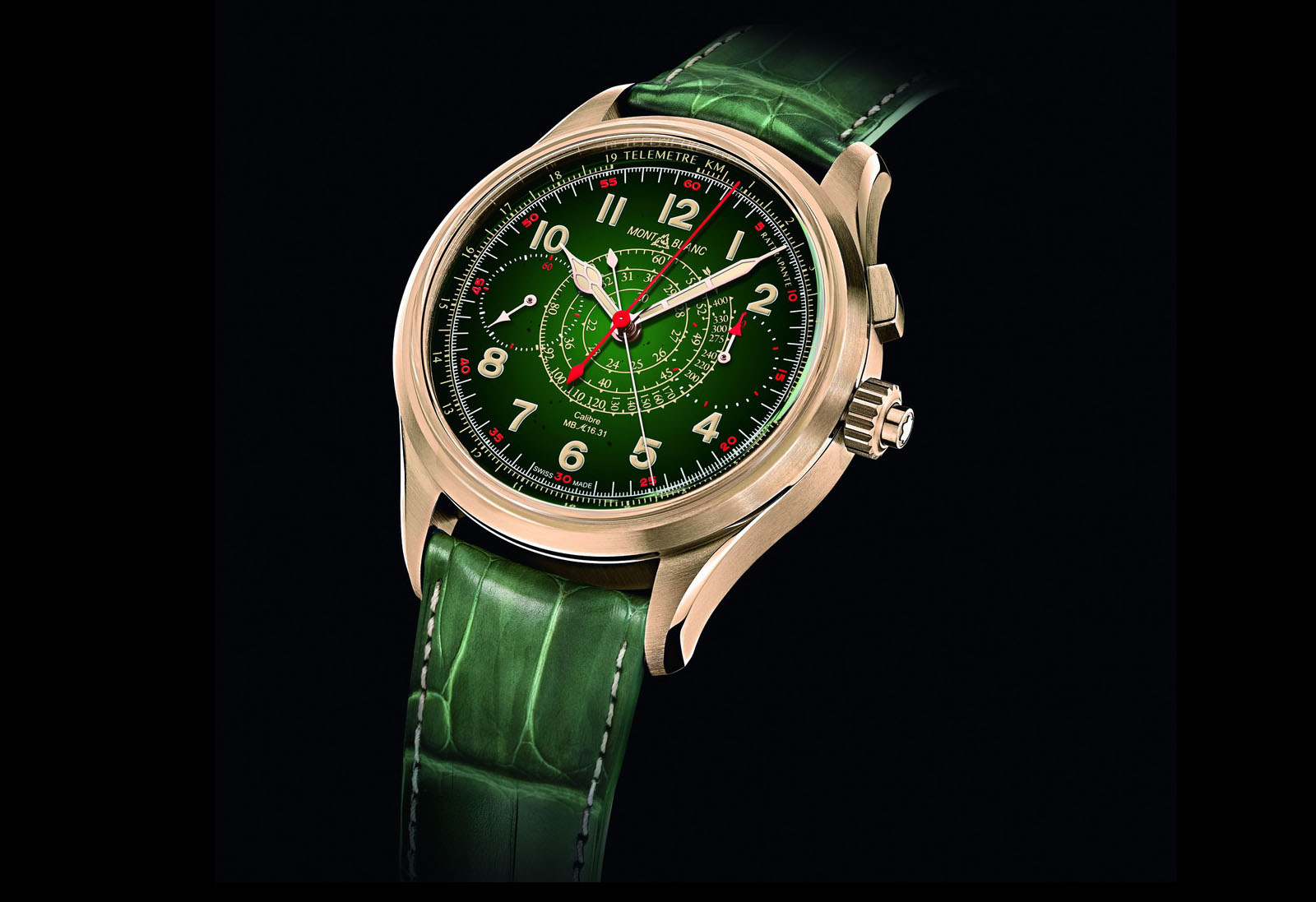
Following the launch of the one-of-a-kind 1858 Split Second Chronograph with a blue agate dial for the upcoming Only Watch charity auction, Montblanc has unveiled a limited edition in bronze with a nephrite jade dial. The eight-piece edition was created for Salón Internacional Alta Relojería (SIAR), a big watch fair in Mexico City attended by most major brands, explaining the green dial with red accents – a nod to the Mexican flag. Though the bronze-and-green livery has been applied to multiple models in the 1858 range, the new SIAR edition adds a fascinating point of departure, with the dial being a semiprecious stone rather than the usual lacquered brass. The dial is essentially a thin slice of nephrite, a mineral better known as jade. It’s usually dark green, but sometimes also yellow or white; white nephrite is known as “mutton fat” jade in China and highly prized. The other mineral also known as jade is jadeite, but it’s harder, denser and often found in brighter colours. Mechanically and aesthetically, the watch is as retro as it gets. The design of the dial was inspired by a pilot’s chronograph produced by Minerva in the 1930s. It has a double chronograph scales – a telemeter on the outer rim and a snail-shaped tachymeter in the centre. The rose-gold plated cathedral hands and Arabic numerals are coated with faux-aged lume, as on the regular production model. The red seconds numerals and hand adds a rich contrast against the pleasingly busy dial, ...
 SJX Watches
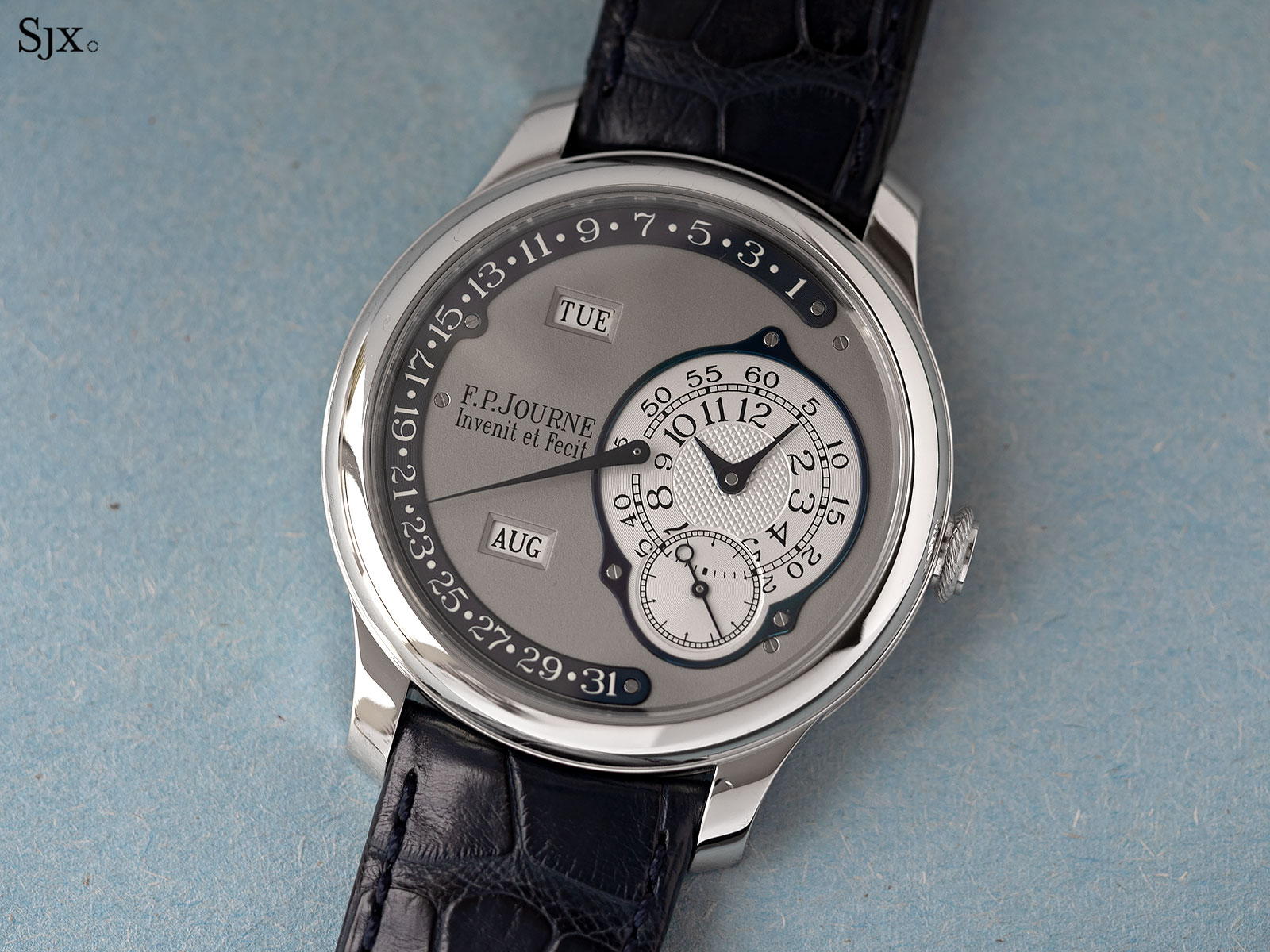
An F.P. Journe Octa Calendrier caught my eye at Phillips’ upcoming Geneva auction, not because of the watch itself, but because of the name engraved on the movement: “John R. Asprey”. Now 82, John Rolls Asprey ran his family’s luxury emporium in its heyday, when it was a purveyor of watches, jewels, silverware, fine bookbinding and hunting accessories, with the Sultans of Brunei and Oman as its top clients. Unusually, Asprey was a prominent name in two diverse segments of watchmaking – what are now valuable vintage watches, think “Khanjar” Rolex watches, as well as modern-day independent watchmaking. How it came to be is the remarkable story of the rise and decline of a grand name in British luxury retail. A wondrous emporium Long before luxury brand names had coalesced into conglomerates like LVMH and Richemont, they were independent, family-owned enterprises that were small but globally known – at least by the right clientele. Amongst them were names that are still famous today, including Cartier, Louis Vuitton, and Tiffany & Co., but also one that is less well known now, Asprey of London. Founded in 1781 and having opened in 1847 at 167 New Bond Street – still its premises today, albeit leased – Asprey was once London’s leading luxury merchant. In some ways, it was the ultimate gift shop, where one could buy all manner of exotic and exquisite goods from all over the world, from books to watches to sceptres to crystal. Many of the elaborate objects ...
 Revolution
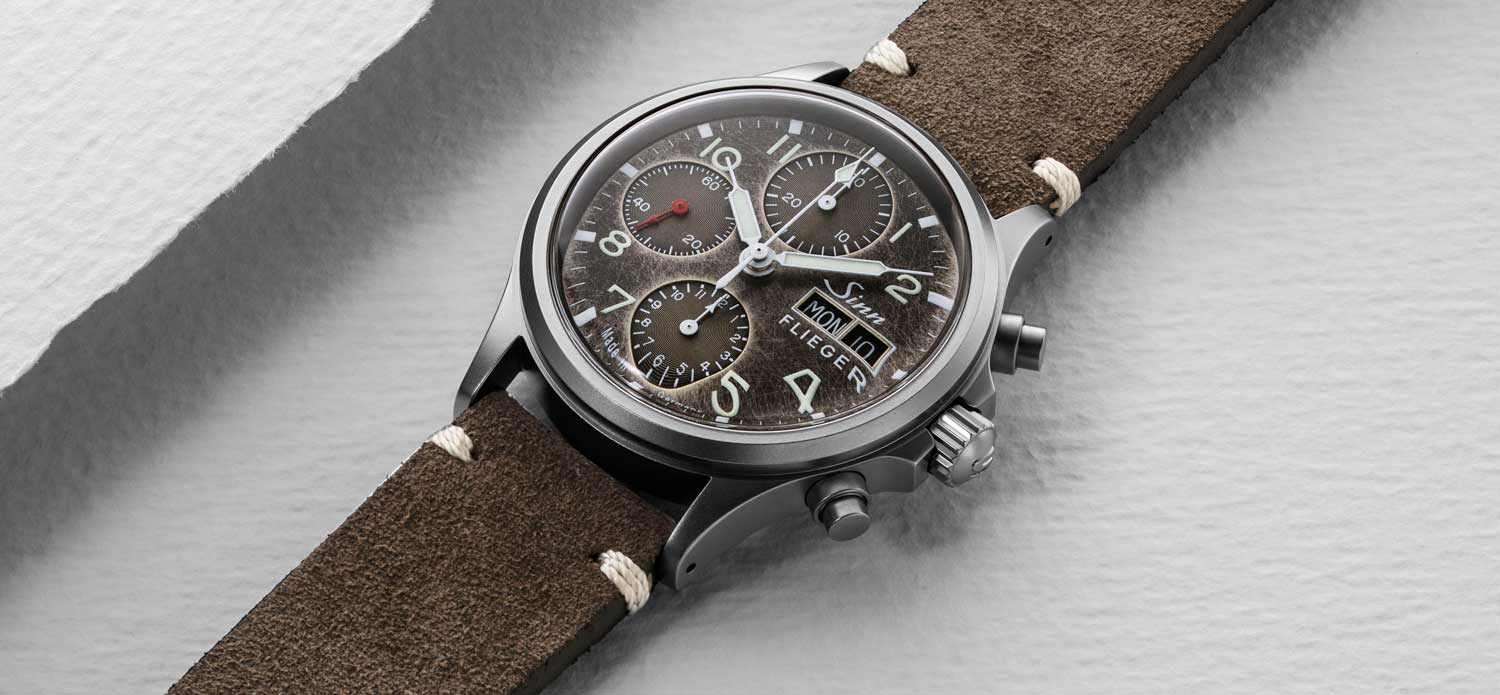
Sinn marks The Hour Glass’ 40th anniversary with the 356 Pilot The Hour Glass Commemorative Edition, limited to 100 pieces.
 SJX Watches
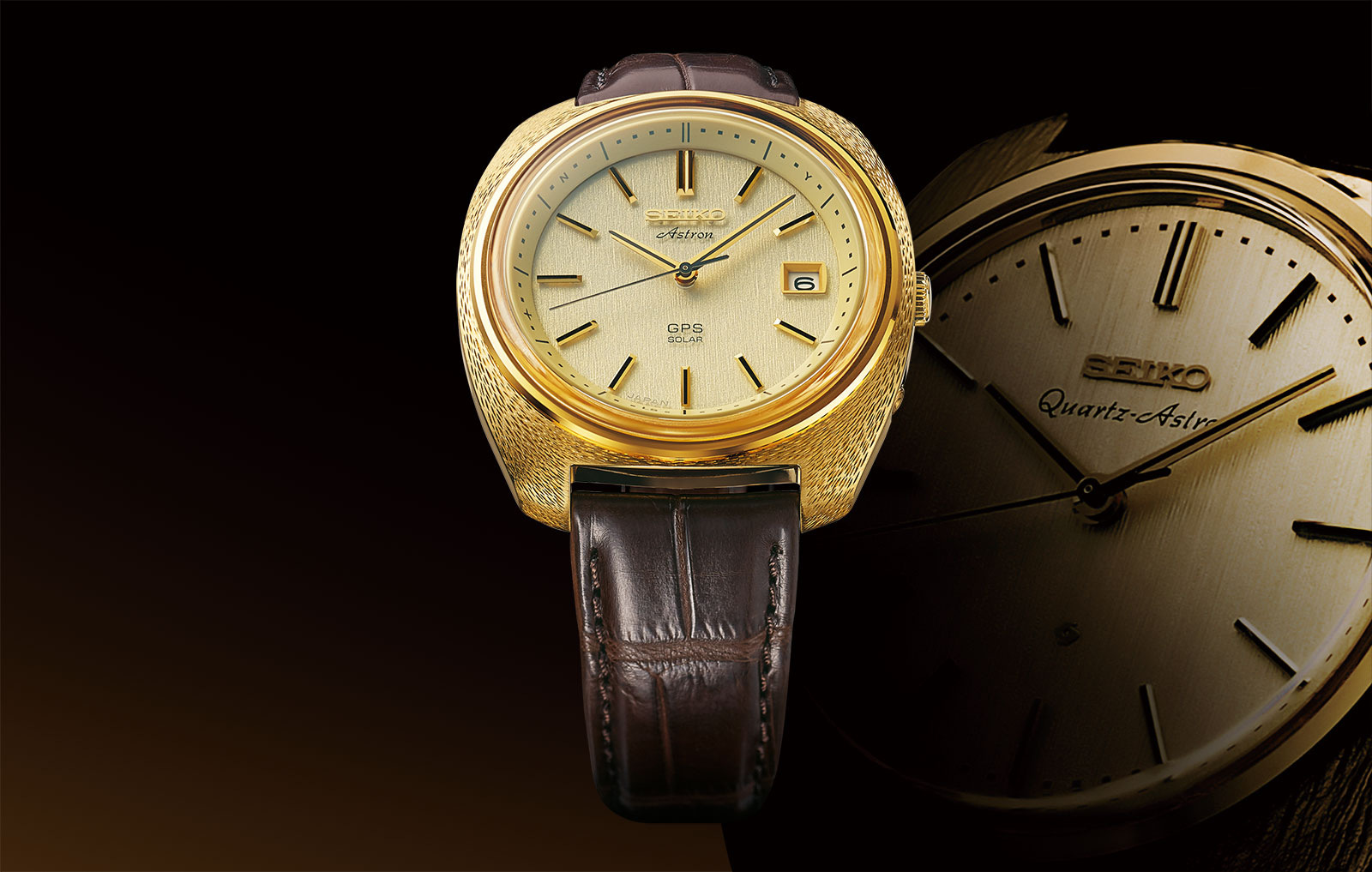
Seiko changed watchmaking when it introduced the Quartz Astron in December 1969. Though it cost as much as a small car, it was the first commercially available quartz watch. Technology and economies of scale would rapidly reduce the cost of the quartz watch, enough that by the late 1970s the Swiss watch industry was in full blown meltdown – the Quartz Crisis. To mark the 50th anniversary of that landmark watch, Seiko has just introduced the 1969 Quartz Astron 50th Anniversary Limited Edition. Though powered by a latest generation, solar-powered and GPS-enabled quartz movement, the Astron anniversary edition is visually a remake of the original – and it still costs as much as a small car, or about US$35,000. Notably, the Astron anniversary comes a couple months after Citizen introduced its own an ultra-high end quartz watch, also with a solid gold case, but with a different approach to technology. The case of the Astron anniversary is 18k yellow gold and cushion-shaped like the original, but slightly larger at 40.9mm in diameter. The top surface of the case is “hand carved” with a fine, grain-like motif echoing the textured finish of the vintage Quartz Astron. And the pattern on the remake is a reference to itself: the carved grain motif is executed in a circular manner around the bezel, a nod to the fact that Seiko has come full circle in reproducing the 1969 design. Similarly, the dial on the new watch has a vertical, linear graining, also inspired by the finish...
 Revolution
TAG Heuer unveils the best Monaco yet in marking the watch’s 50th anniversary, a one-off art piece called the Monaco Piece d’Art.
 Hodinkee
Fourteen years after the first MIH watch, the Swiss museum releases its follow-up.
 Hodinkee
The final decade in TAG Heuer's 50th Anniversary Monaco series inspires a smoky low-key take on the Monaco's distinctive charm.
 Deployant
We bring you the details and our thoughts on the latest addition to the Jaeger-LeCoultre Master Grande Tradition family, the new Tourbillon Céleste.
 Quill & Pad
How many years before we even start to recognize what the most popular timekeeping devices over the last 70 years were? Another 20 years? Forty? Who will use timekeepers? And for what purposes? What will they look like? I posed these questions to a few top watch industry professionals; their replies were perhaps surprising.
 Deployant
The classic Omega Seamaster vs Rolex Submariner debate has been talked about so often, we sometimes forget what its story symbolizes. The debacle has drawn many different opinions, but one argument is agreed upon unanimously.
 Quill & Pad
It's a rare event when the stars align, rarer still when they align to create what may well become a truly iconic chronograph. In fact, the Singer Reimagined Track 1 may already be truly iconic: it certainly has both the pedigree and the style. And more importantly for a horological icon, the Track 1 looks like it's been around since the 1970s.
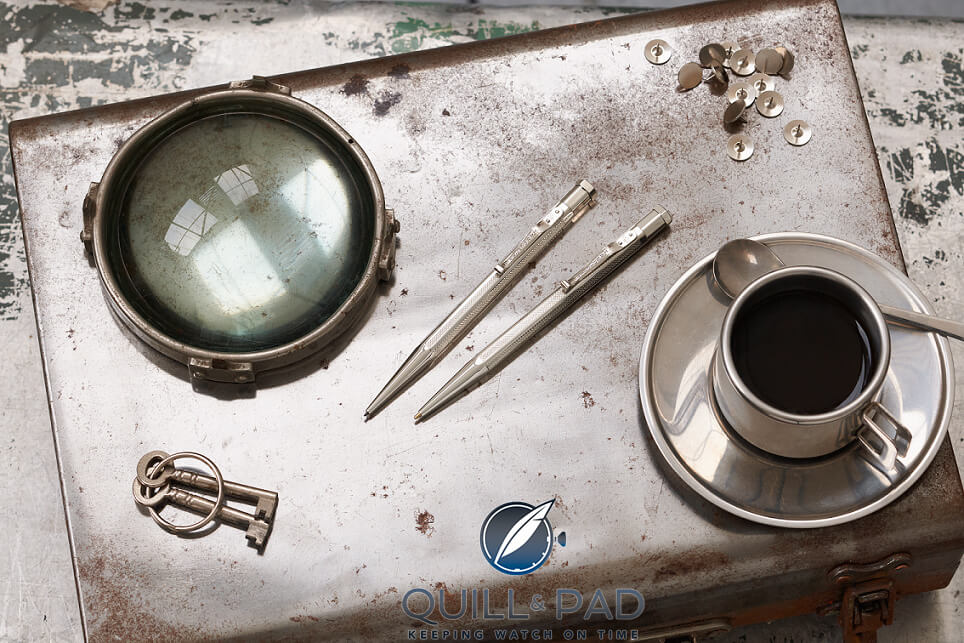 Quill & Pad
Yard-O-Led is not exactly your average, everyday, run-of-the-mill brand name. And it's especially not an everyday, run-of-the-mill luxury brand name. However, although Yard-O-Led is an unusual name, it also happens to be a very practical one as it states right up front precisely what made it famous.
Question, suggestion, or just want to say hi? Drop a note.