Sep 21, 2024
Watches, Stories & Gear: A 3-D Printed Road Bike, the Battle Over Paraguay’s Mickey, and the Latest iPhone Gets Reviewed
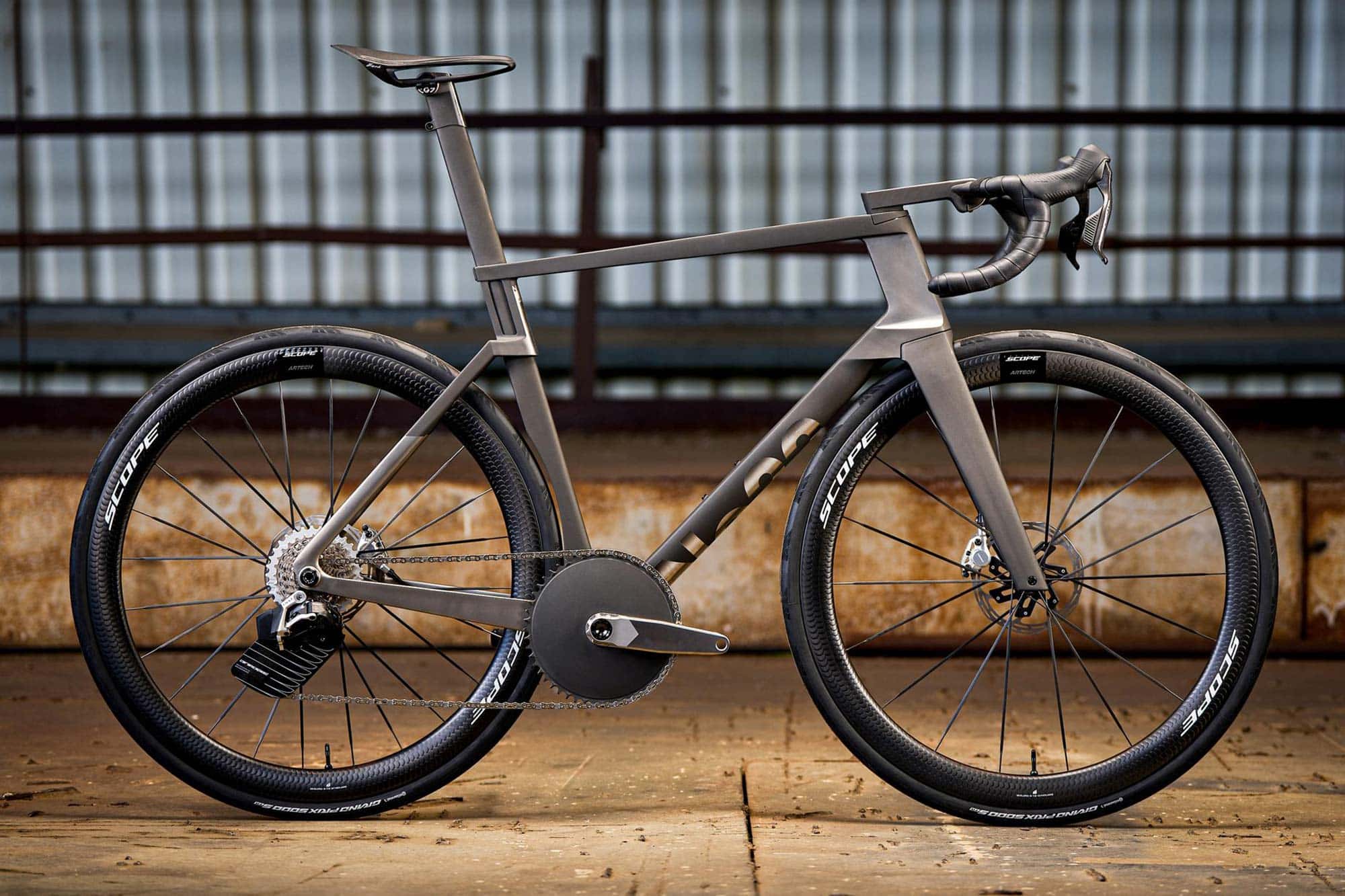
“Watches, Stories, and Gear” is a roundup of our favorite content, watch or otherwise, from around the internet. Here, we support other creators, explore interesting content that inspires us, and put a spotlight on causes we believe in. Oh, and any gear we happen to be digging on this week. We love gear. Share your story ideas or interesting finds with us by emailing info@wornandwound.com. The World’s First 3-D Printed Titanium Road Bike We’ve seen 3-D printing become more commonplace in the world of cycling over the years, with 3-D printed handlebars, stems, and frame components hitting the market. But this week saw the unveiling of a first: the first 3-D printed titanium road bike. The Reactor Aero still needs to go through wind tunnel testing before going into production, but it’s a pretty major advancement in bike manufacturing. Made by the No. 22 Bicycle Company in upstate New York, the Reactor Aero is said to represent a 30-40% reduction in drag compared to the existing Reactor model. The prototype is particularly impressive in that nearly the entire bike was printed in a single piece (only the carbon seat tube was not part of the print). You can read more about the Reactor Aero here. Patagonia Enters the Waxed Cotton Arena We’re pretty big fans of waxed cotton jackets around here. They have a certain timeless style and their overall utility is unmatched. If you’re similarly inclined, you’re probably pretty familiar with some of the big players in t...
 Fratello