 Hodinkee
Introducing: A Pair Of Breitling Chronographs That Embrace Old-School Style - With A Twist
Two chronos with such distinct personalities, you need them both.
3,802 articles · 10 videos found · page 90 of 128
Hodinkee
Two chronos with such distinct personalities, you need them both.
 Time+Tide
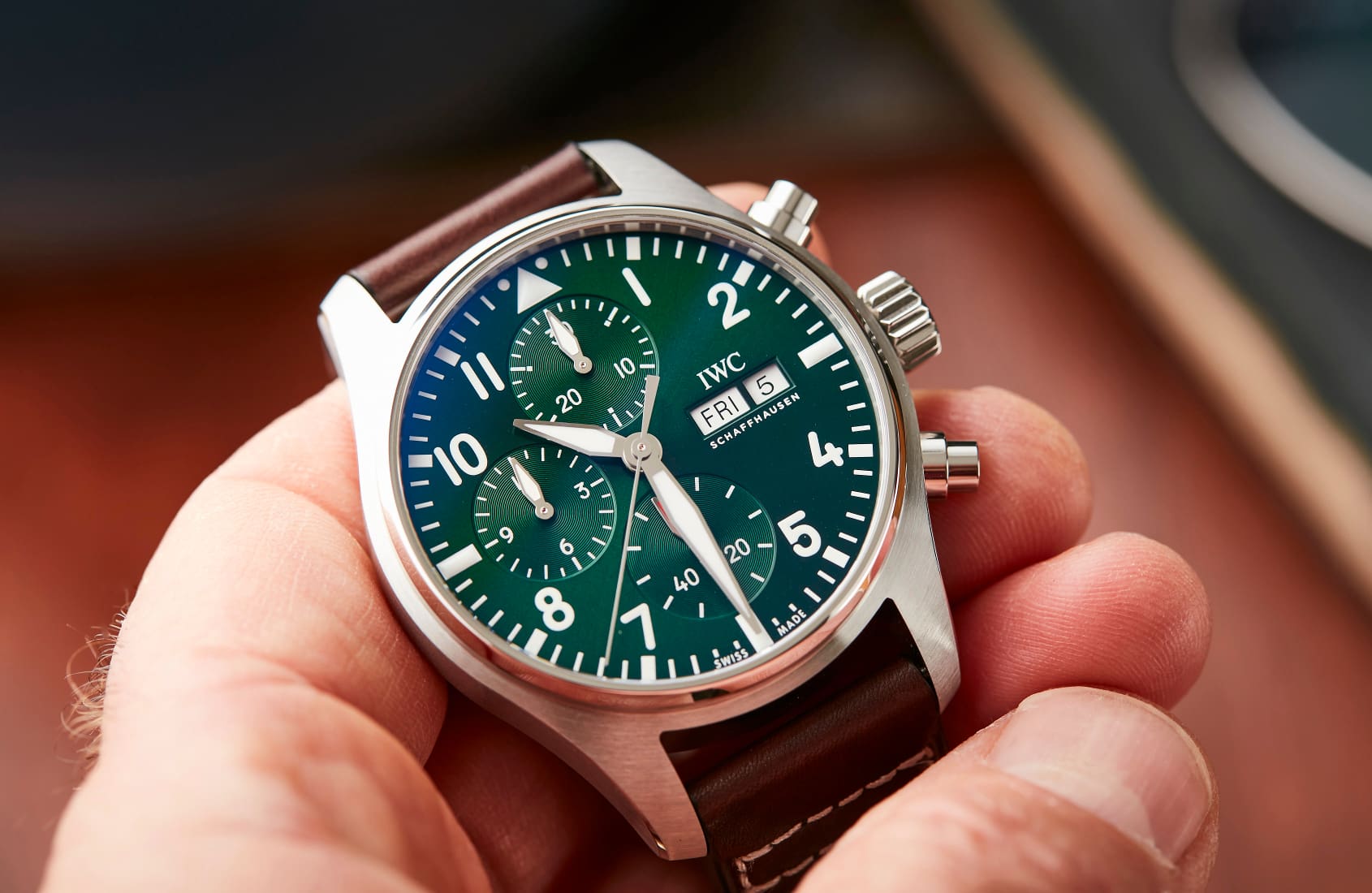
Given the disruptive effects of the pandemic upon watch manufacturers, it’s understandable that some are now cagey about taking too many big risks. At this year’s Watches & Wonders, many brands chose to expand on their design languages without pushing things too far and the results are some truly refined watches. But whether it be … ContinuedThe post The top 5 chronographs of Watches & Wonders 2021 appeared first on Time+Tide Watches.
 Revolution
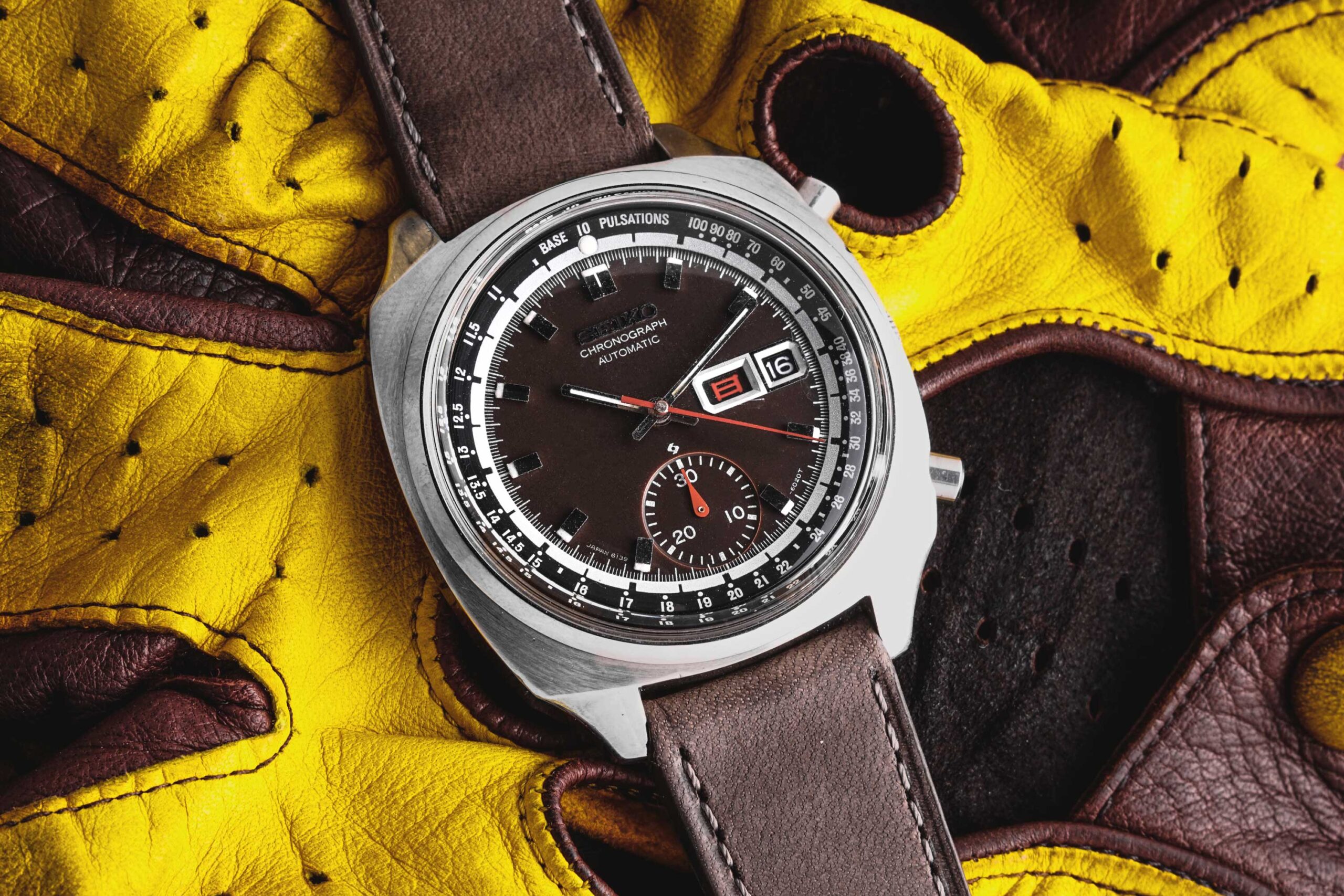
Here is a look at some options beyond the coveted Speedmasters and Carreras that offer plenty of period-correct design, legit heritage and sheer wrist appeal without the hefty price tag.
 Revolution
Enter the world of the super-fast chronographs, capable of marking time down to fractions of a second - tenths, hundredths and beyond.
 Time+Tide
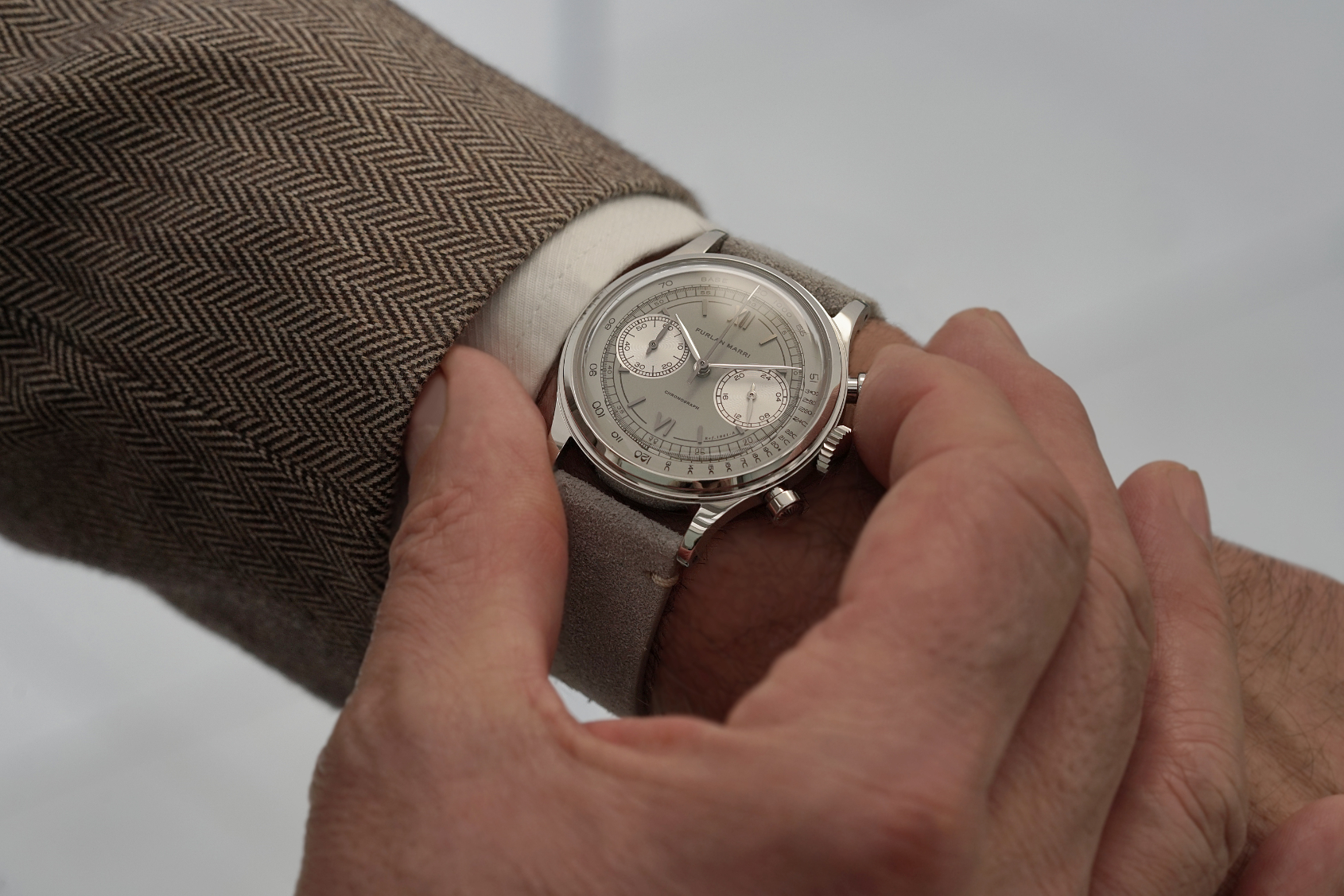
The 1940s were peak years for twin register chronographs with some notable greats from Patek Philippe, Vacheron Constantin and Lemania. As the functional sports watches of that era, the typical twin register layout was balanced with a delicate design language and an often whimsical art-deco flourish to the graphics. In 2021, their intricate detail and … ContinuedThe post MICRO MONDAYS: Furlan Marri deliver retro chronographs at a great price in their assured debut collection appeared first on Time+Tide Watches.
 SJX Watches
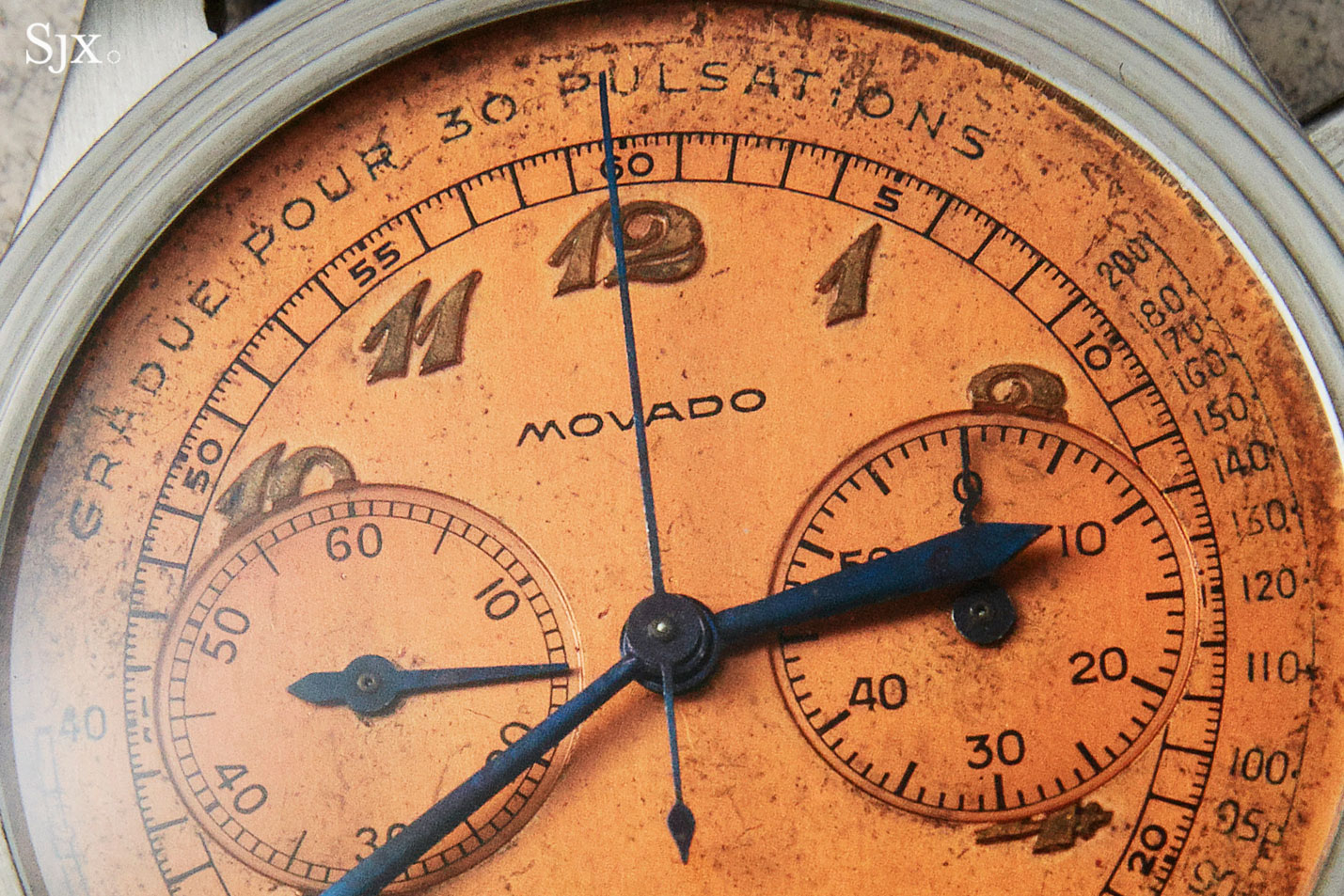
Every time you read a story about the ocean, there’s a good chance you’ll see that it is “95% unexplored”, or “we know more about the surface of the moon than of the seafloor”. As most tropes go, they are as annoying as they are true, and in this case they’re also an apt metaphor for vintage watch knowledge. While the details of vintage Patek Philippe and Rolex have been mapped down to their going trains, numerous brands remain relatively uncharted – a Marianas Trench’s of knowledge awaiting exploration. Midcentury Movado chronographs lie squarely at those depths; let’s dive in. As we arrive at the door of our submersible, we must first acknowledge those who have assembled taxonomies of this scantly-explored abyss: the late Fritz van Osterhausen, author of The Movado History, and the excellent M95 chronograph reference the e-newsletter Rescapement published a few years ago. Using their ballast - no, I haven’t run out of nautical metaphors yet - we hope to fathom yet further. Today, we’ll peer into with what many consider the pinnacle of Movado collecting, its exceptionally-cased midcentury chronographs. History Until the 21st century, Swiss watch production was predominantly a cottage industry. Specialists manufactured the case, dial, or ebauche (movement blank), and peddled their wares to as many brands as possible. While final products were modified to brand specifications, family traits are easily discernible across marques that shared sup...
 Time+Tide
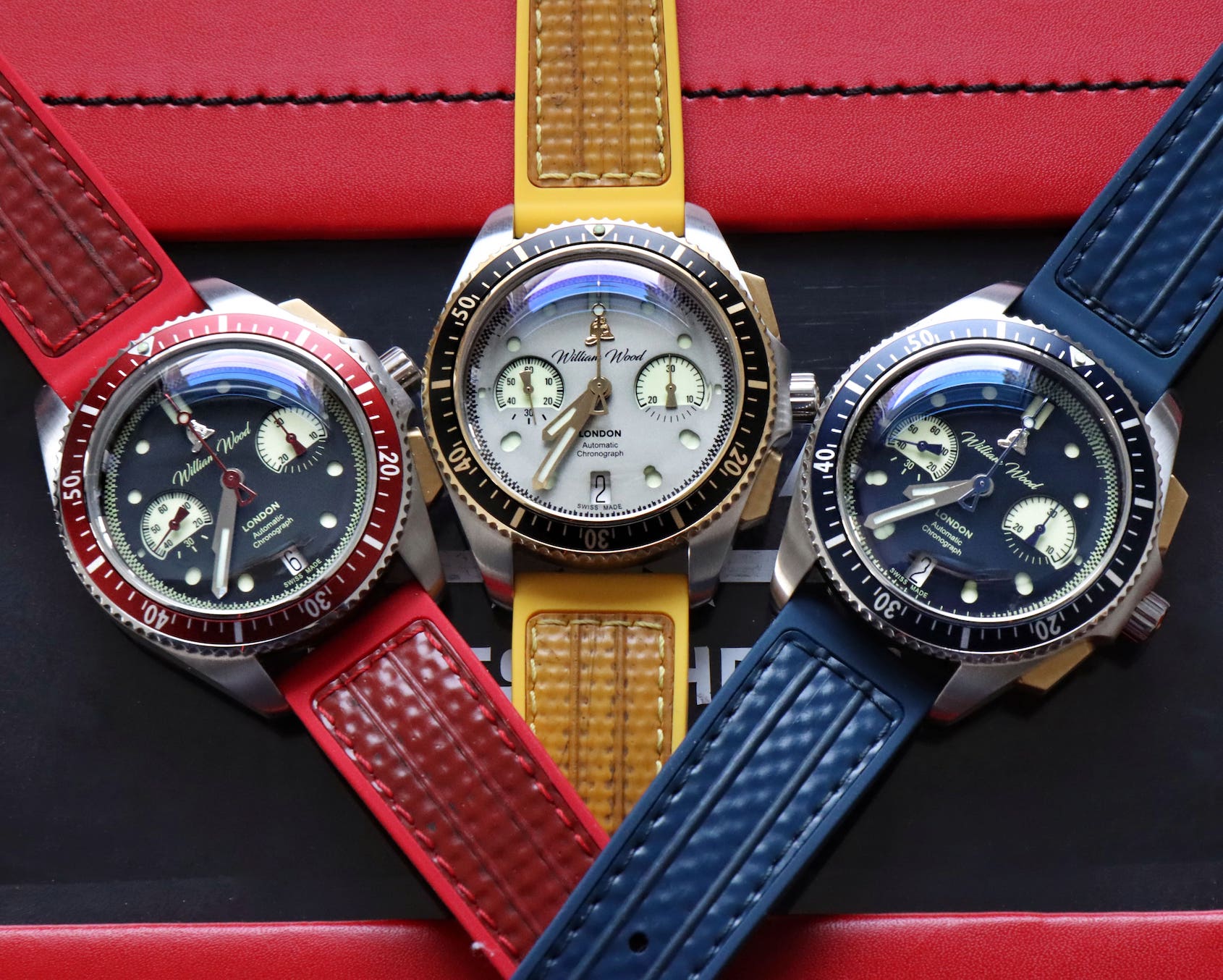
William Wood is known for their well built and accessibly priced timepieces, all of which are inspired by fire rescue and the brave people who put their lives on the line every day. We’ve covered the full backstory of the brand and its name before, but just to recap: William Wood was the name of … ContinuedThe post MICRO MONDAYS: The William Wood Triumph collection is a set of chronographs ready to catch fire appeared first on Time+Tide Watches.
 Revolution
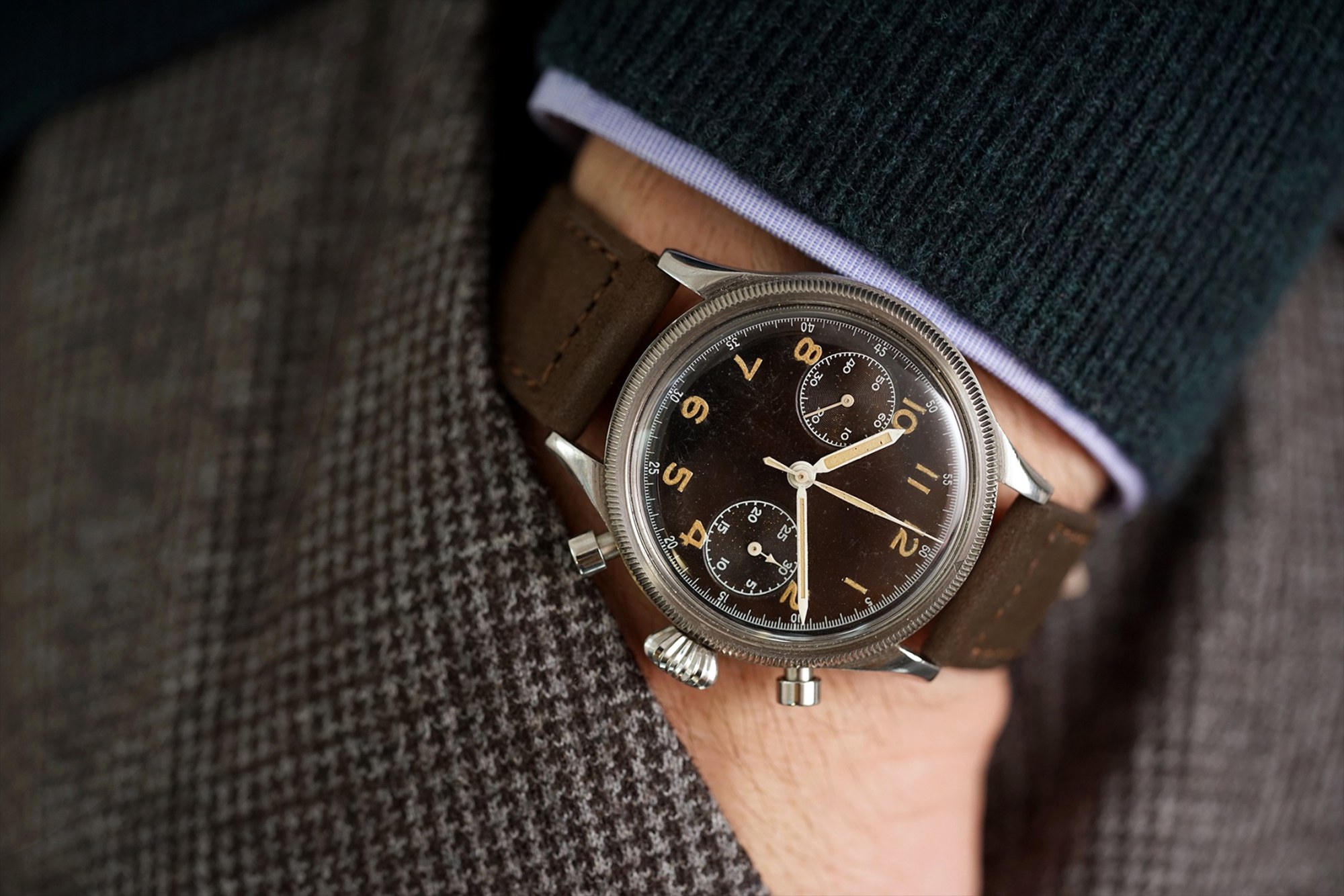
As service-issue chronographs continue to experience an inexorable growth in interest, we take a look at the origins and unusual specs of some of the finest, most important pilot’s chronographs in military history.
 Deployant
Here's Chester's choice of three chronographs from this year. They are mostly practical in function, unique in design and highly collectible.
 Time+Tide
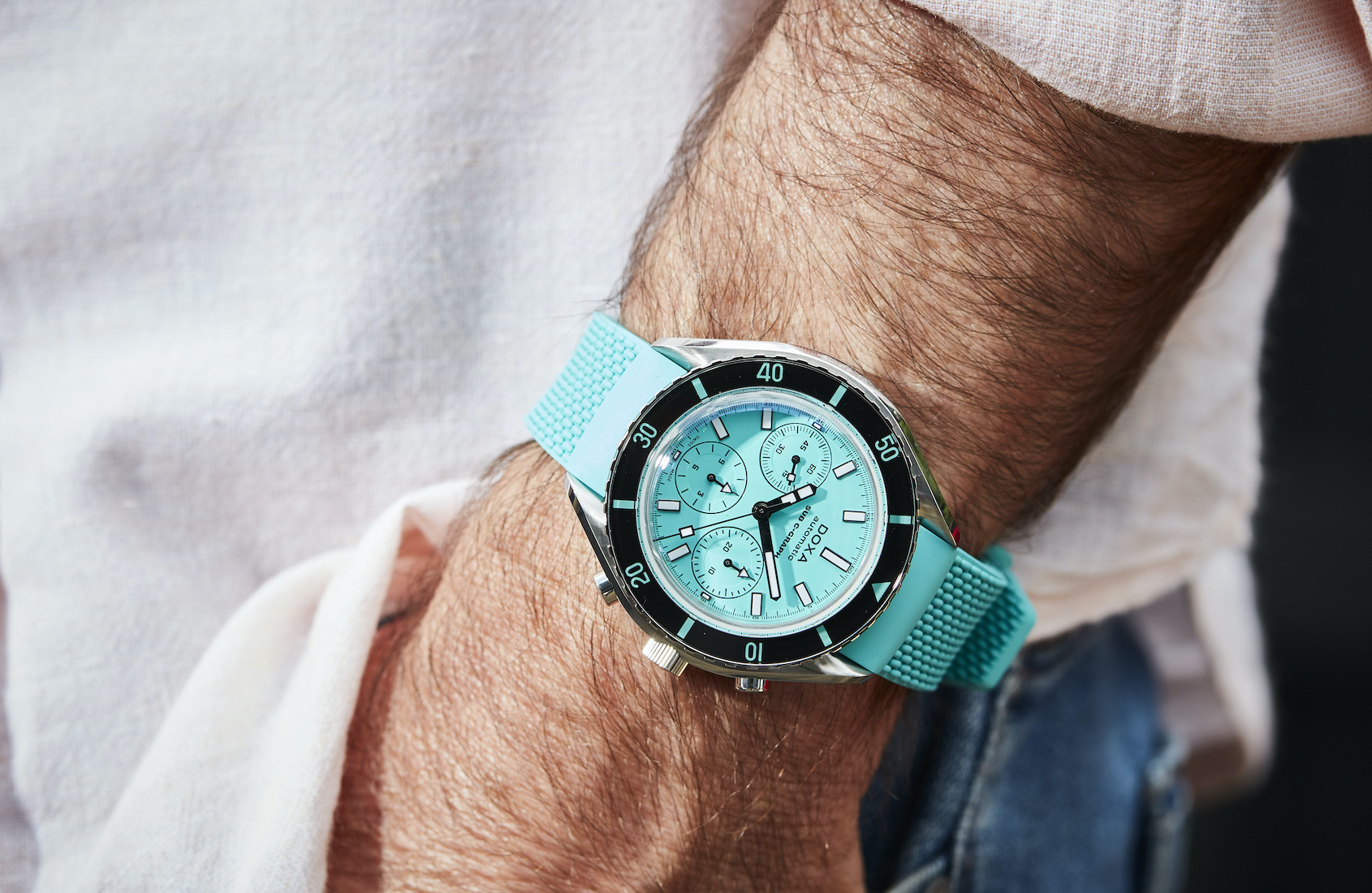
It is fair to argue that the two most popular watch categories that find their way onto the wrists of buyers around the world are dive watches and chronographs. Both have their merits and are classic staples of the watch industry, but what if there was a way to have both? The DOXA SUB 200 … ContinuedThe post HANDS-ON: The DOXA SUB 200 C-GRAPH – the most colourful chronographs we’ve seen in years appeared first on Time+Tide Watches.
 Hodinkee
Skeletonizing, two ways.
 Hodinkee
HODINKEE editors look back at the year in everyone's favorite complication.
 Hodinkee
A classic sport watch gets a colorful ceramic update.
 Hodinkee
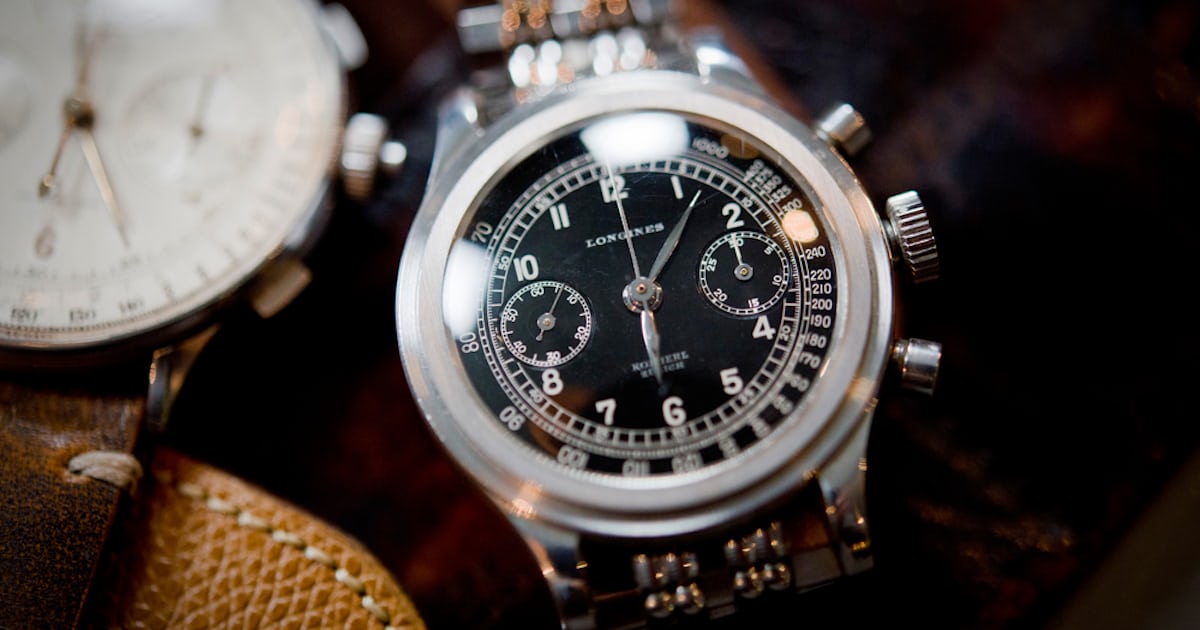
The 13ZN and more.
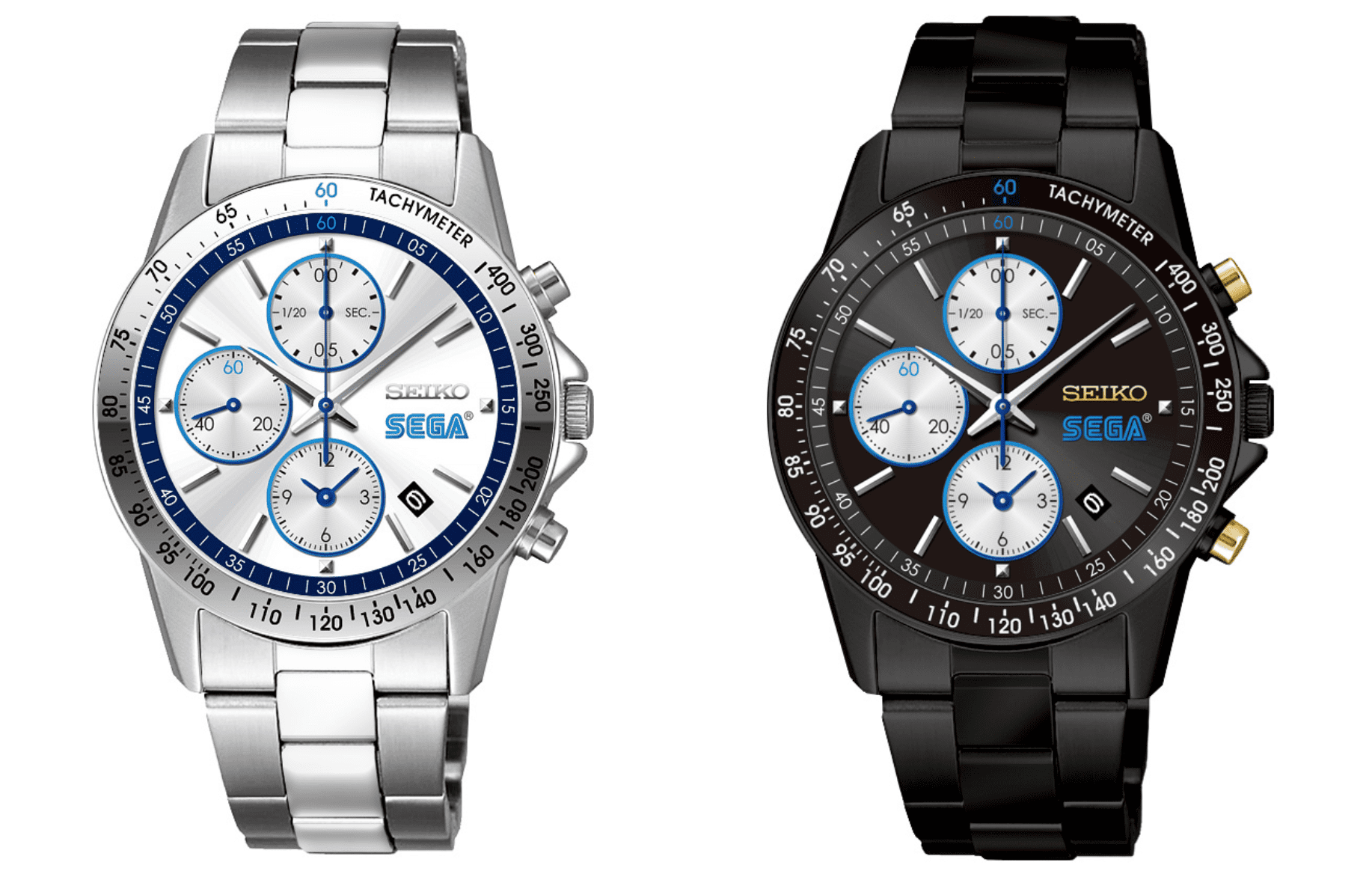 Time+Tide
Sega is celebrating their 60 anniversary, and Seiko has decided to mark the occasion with not one but two new limited chronographs.The post The Seiko x Sega 60th Anniversary Chronographs are worth a trip to Japan, if you can get there in time appeared first on Time+Tide Watches.
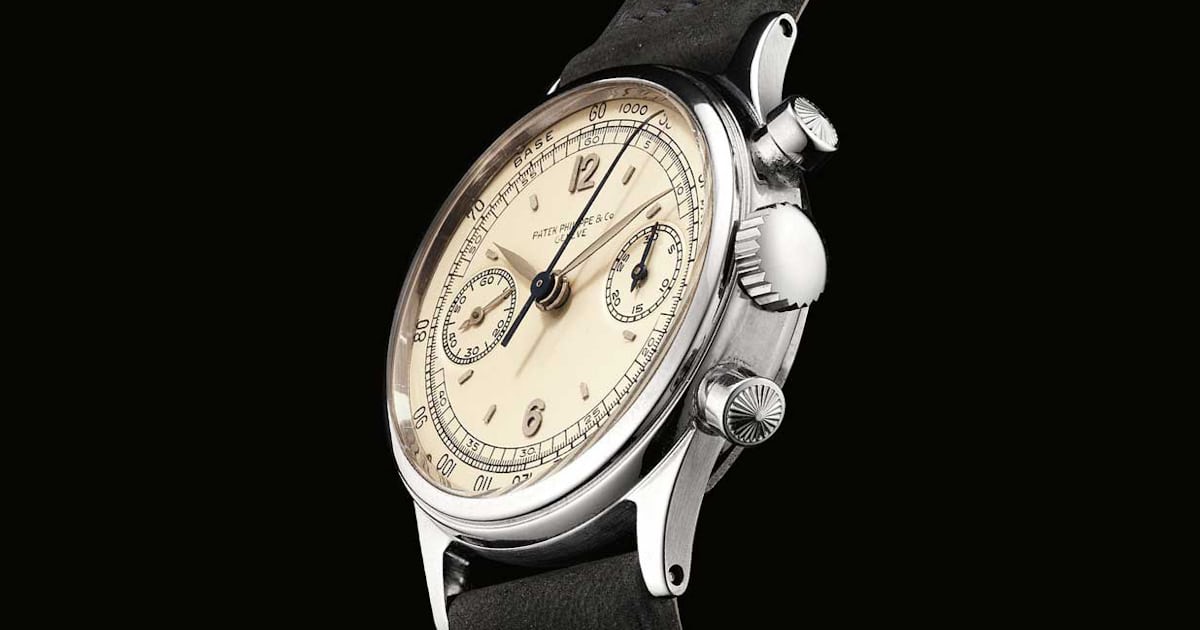 Hodinkee
Settle in and get comfortable for a long and enjoyable read.
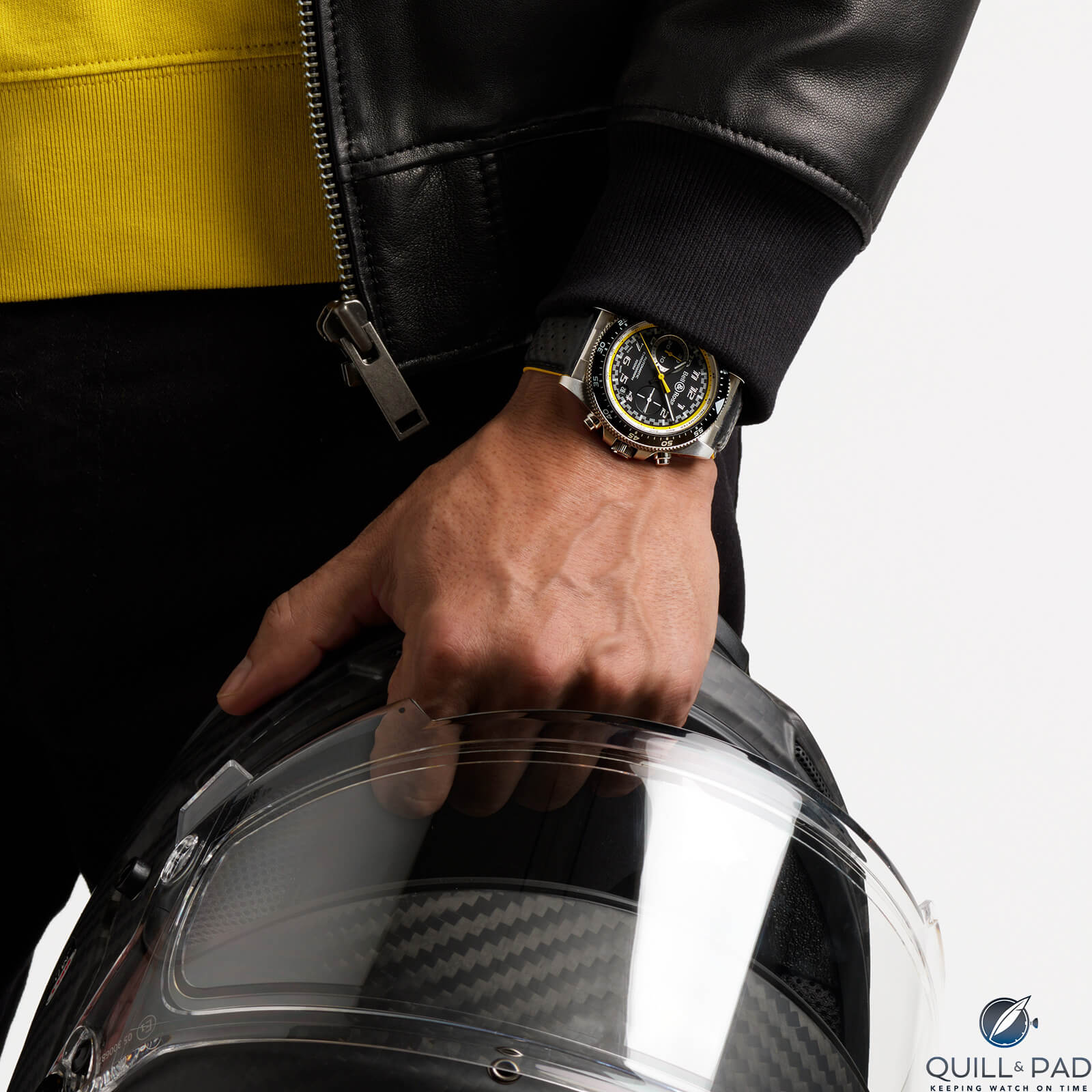 Quill & Pad
R.S.20 is the name of Renault’s F1 car for this season, and elements of the high-tech car’s design and technology are reflected in the four dynamic, limited edition, race-themed chronographs of the Bell & Ross R.S.20 Renault F1 collection.
 Deployant
In this week's column, we take a look at potential chronographs to consider for collectors who are picking up cooking and require a device to keep time.
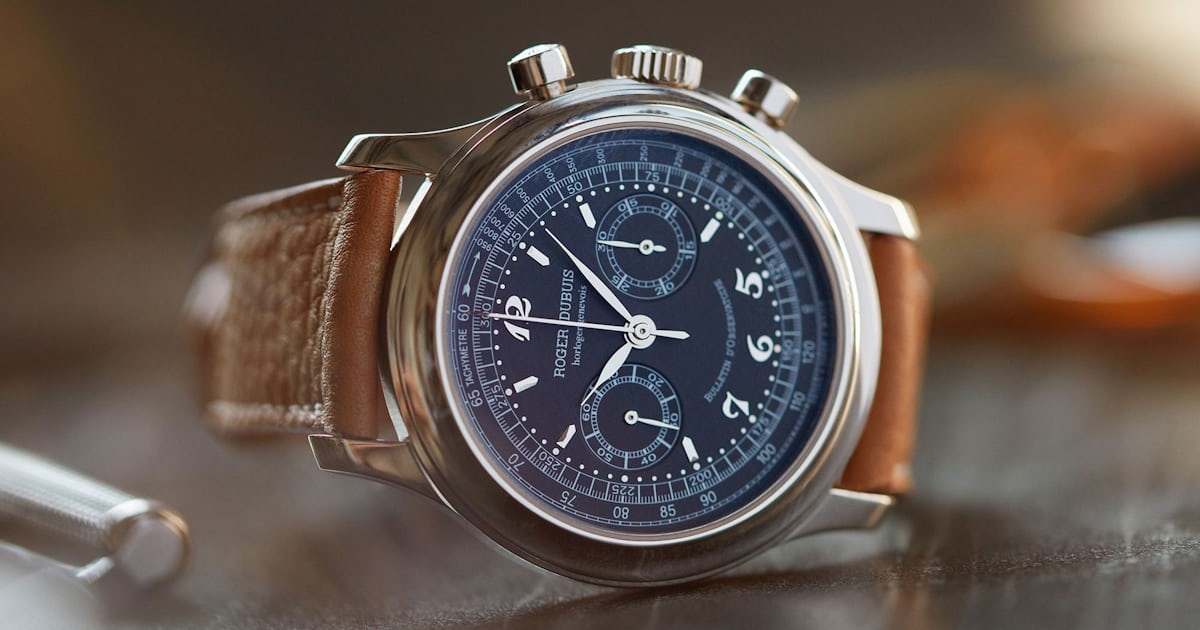 Hodinkee
I mean, just look at them!
 Quill & Pad
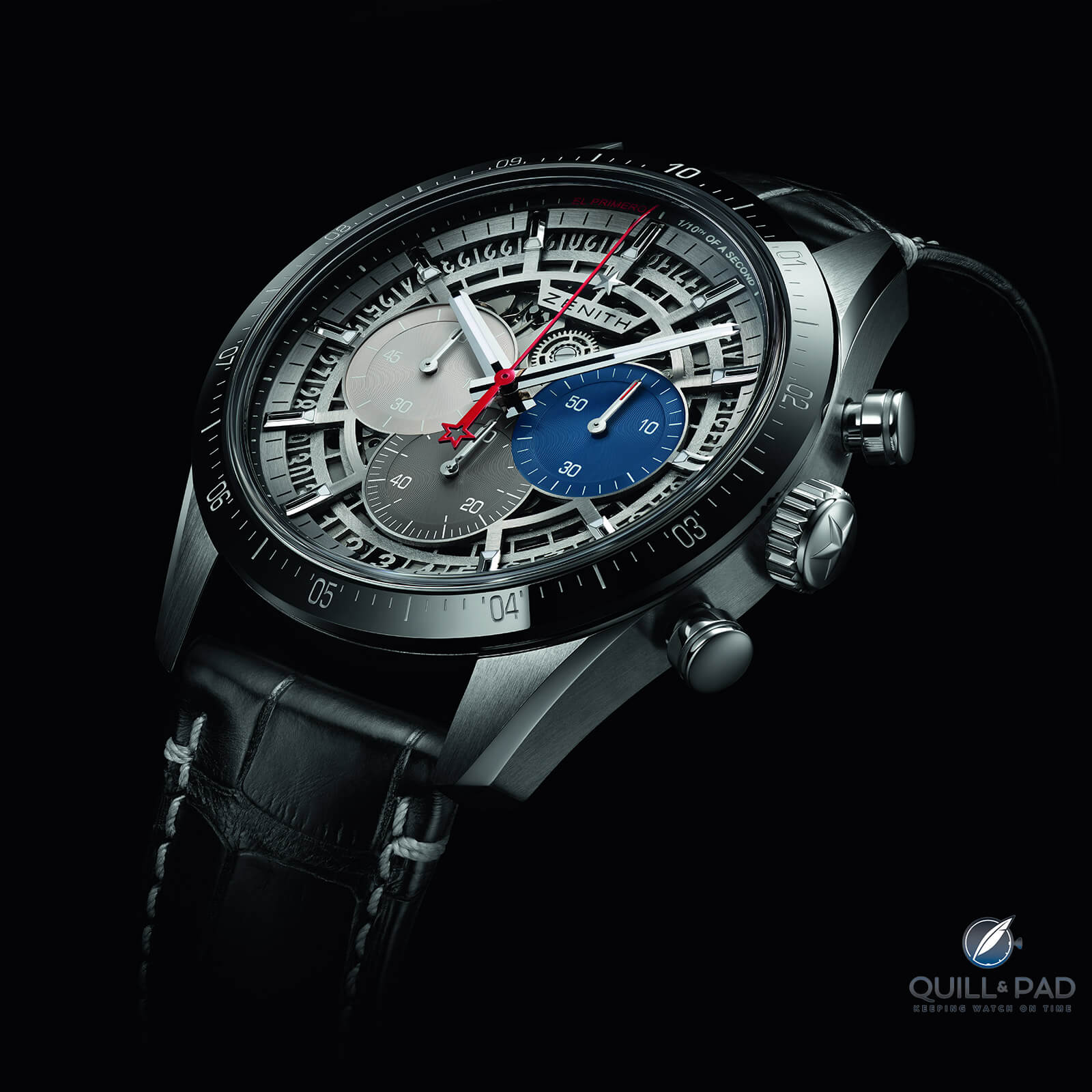
1969 marked the introduction of the world’s first self-winding chronographs. These were presented by Zenith with its El Primero, Seiko with the 5 Speedtimer, and an illustrious group consisting of Breitling, Heuer/Leonidas, and Hamilton/Büren, with the Chronomatic Caliber 11. Sabine Zwettler takes us through the history and looks at three of the latest-generation commemorative automatic chronographs by these early pioneers.
 Quill & Pad
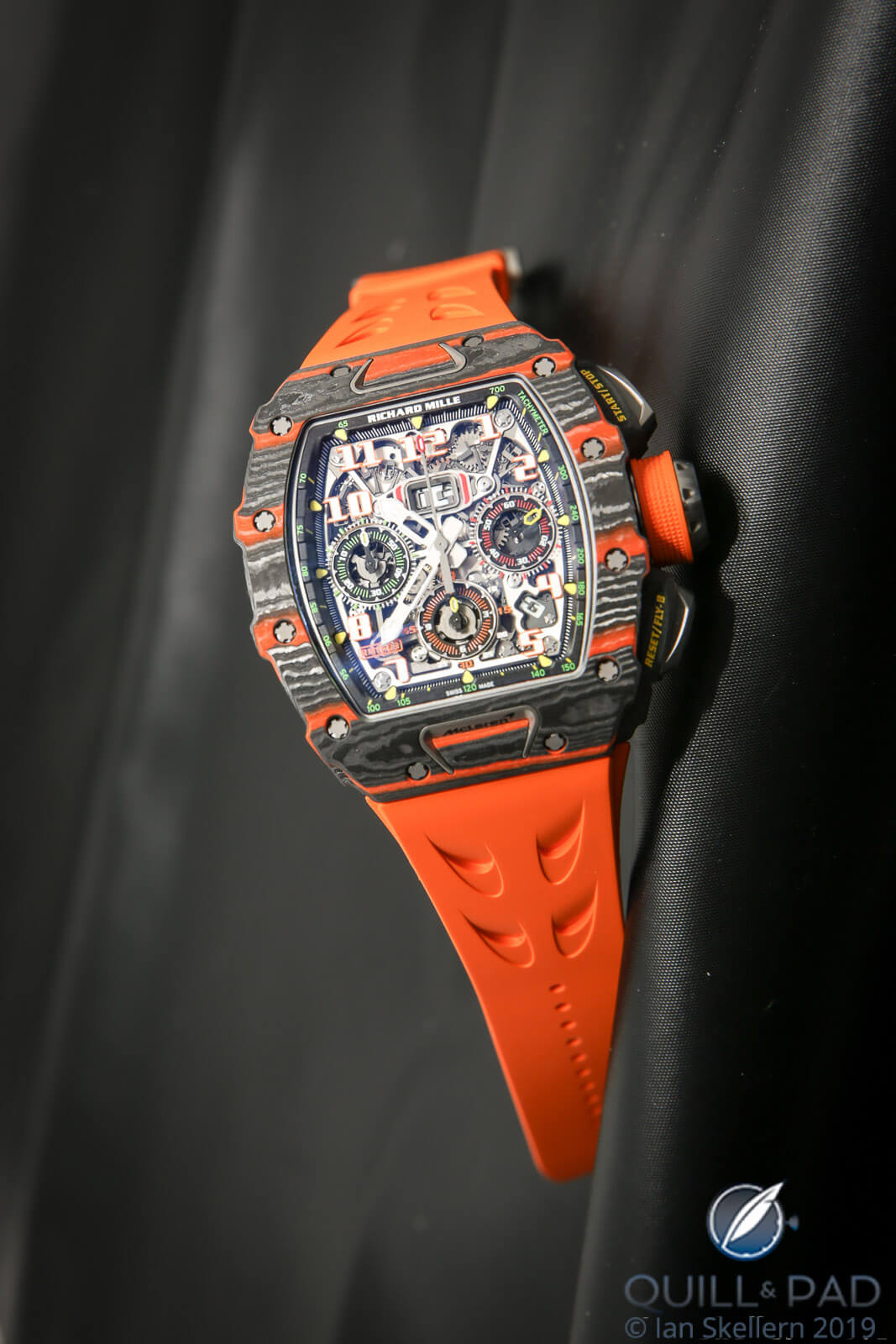
Ahead of the eighth edition of the Only Watch auction taking place on November 9, 2019 in Geneva, Martin Green takes a look at ten unique-piece chronographs going under the hammer. Which is your favorite?
 Time+Tide
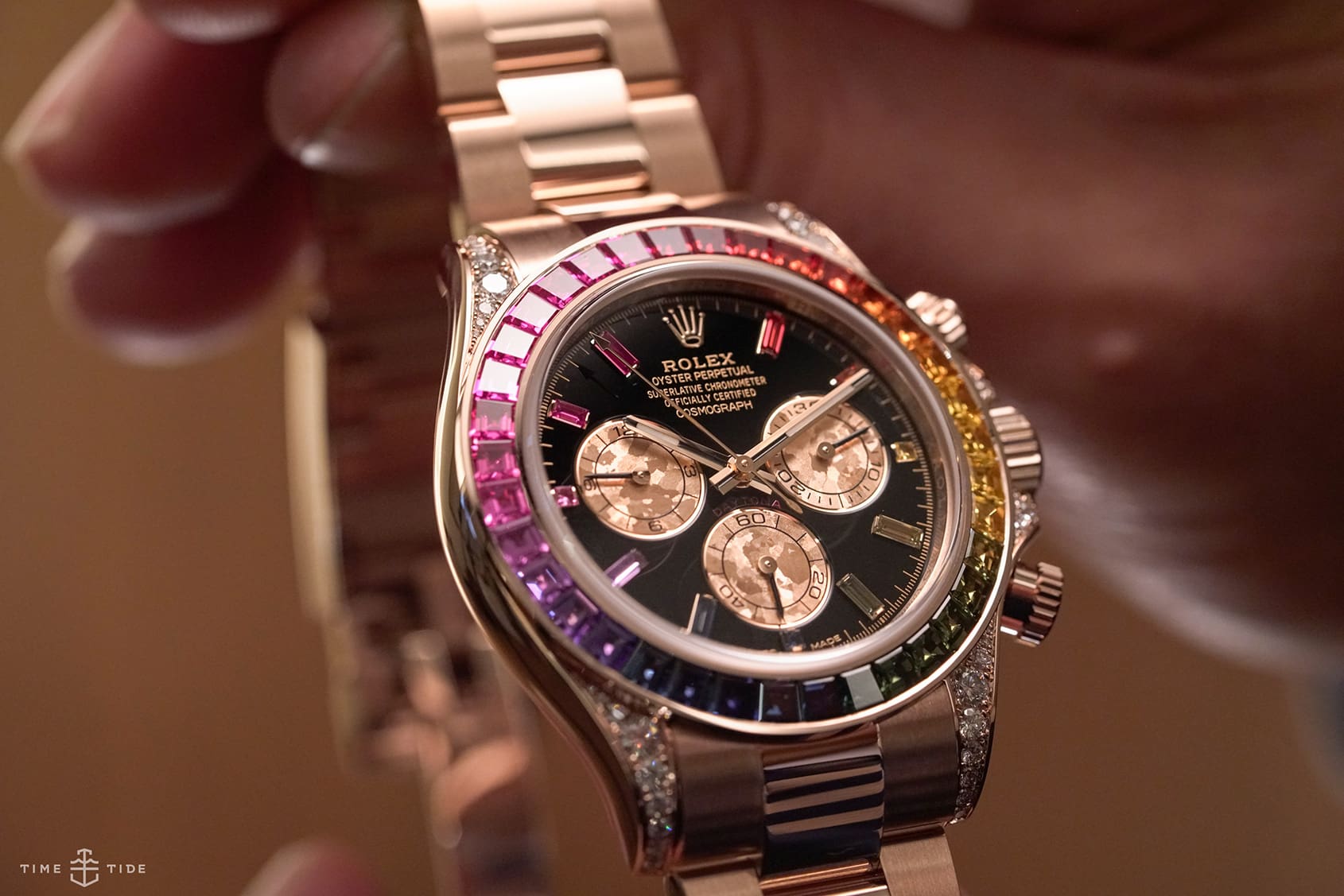
For some, money is no object. For most, this is far from the case, but still an enjoyable intellectual exercise of “what if”. So, what if you win the lottery, and after taking care of the dull administrative duties (mortgage, student loan, etc), you decide to treat yourself to a couple of nice watches and, … ContinuedThe post The 11 most exciting chronographs of 2018 appeared first on Time+Tide Watches.
 Time+Tide
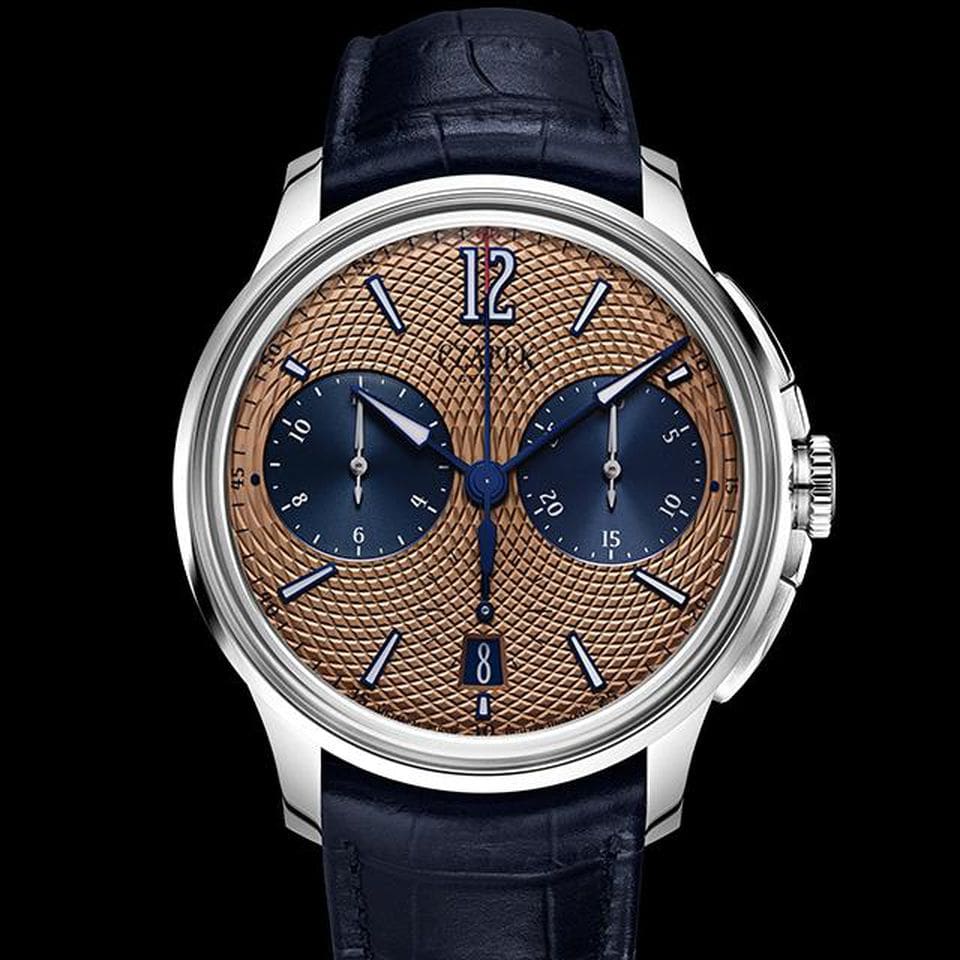
Tudor S&G; this, Patek 5172G that, but wouldn’t you rather have something … different? Year after year it’s the same story. News breaks in January and March, and all you hear about are these “hero watches” from brands X, Y, and Z time and time again. Sure, that’s cool, and there’s a reason there is … ContinuedThe post 9 of the most underrated chronographs of 2019 appeared first on Time+Tide Watches.
 Deployant
We recommend six split seconds chronographs from our archives: from Sinn, Habring², F.P. Journe, A. Lange & Söhne, Patek Philippe and Vacheron Constantin.
 Revolution
Wei Koh tells us how with the help of Bell & Ross’ Bruno Belamich and Carlos Rosillo, the “Dusty” and “El Mirage” Bellytanker Chronographs came to be.
 Revolution
 Revolution
While Zenith is currently the poster-boy for the ‘A. Cairelli’ CP-2s, there is a whole host of other non-Zenith models waiting in the wings for their chance to shine.
 Deployant
In this week's article, we have selected six chronographs, each with a racing pedigree. Click here to find out what we have selected!
 Deployant
In this week's Throwback Sundays, we look at six chronographs that you might want to have, when you are in a train delay.
 Deployant
Debates of technical superiority between Column Wheel and Cam Actuated Chronographs have gone back and forth. Does NASA certification settle the issue?
Question, suggestion, or just want to say hi? Drop a note.