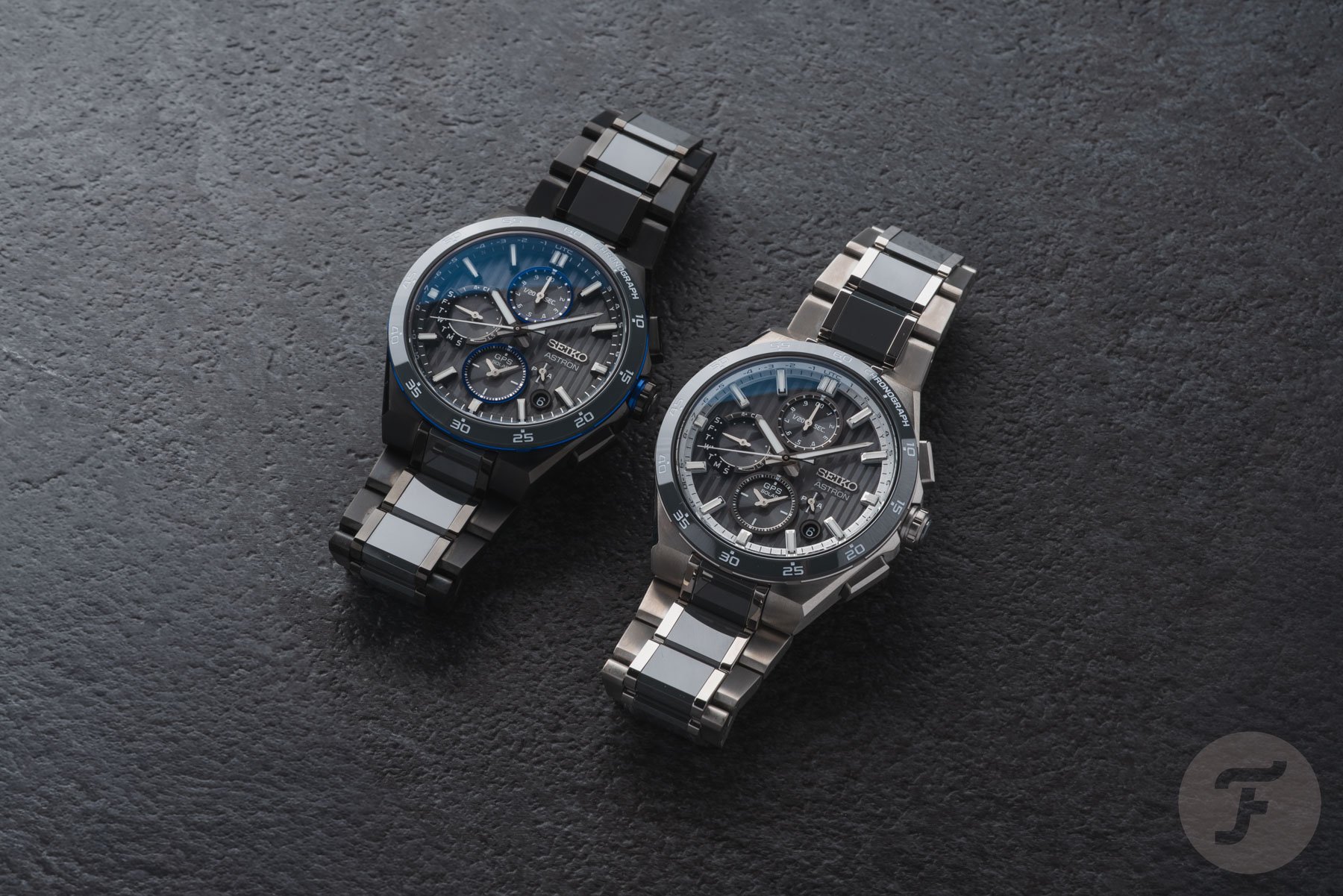
On Christmas Day 1969, Seiko launched the Astron 35SQ, the world's first commercial quartz wristwatch. The watch was 100x more accurate than the best mechanical chronometers of the day (±0.2 seconds per day vs ±2-4 sec/day for COSC), used a tuning-fork-like quartz crystal vibrating at 8,192 Hz, and had a battery life of one year. The launch price of JPY 450,000 was equivalent to a Toyota Corolla; only 100 were produced for the December 1969 launch.
The Astron's commercial impact reshaped the entire watch industry. By the mid-1970s, quartz had displaced mechanical movements across mid-tier and entry-tier watch markets globally, triggering the Quartz Crisis that bankrupted or near-bankrupted dozens of Swiss mechanical-watch manufacturers between 1973 and 1985. Seiko, having precipitated the crisis, became one of the largest watch companies in the world. The original 1969 Astron 35SQ in working condition trades at USD 25,000-50,000 at auction; only ~100 examples exist.
The Astron line went into hibernation in the 1980s as quartz movements became commodity electronics, but in 2012 Seiko revived it with the GPS Solar Astron, a watch that auto-syncs to GPS satellites for atomic-time accuracy and automatically detects the local time zone (one of 40 supported zones globally). The 2012 GPS Solar made the Astron once again a technically distinctive reference rather than a generic quartz, a watch that recognises which time zone you're physically in and adjusts itself.
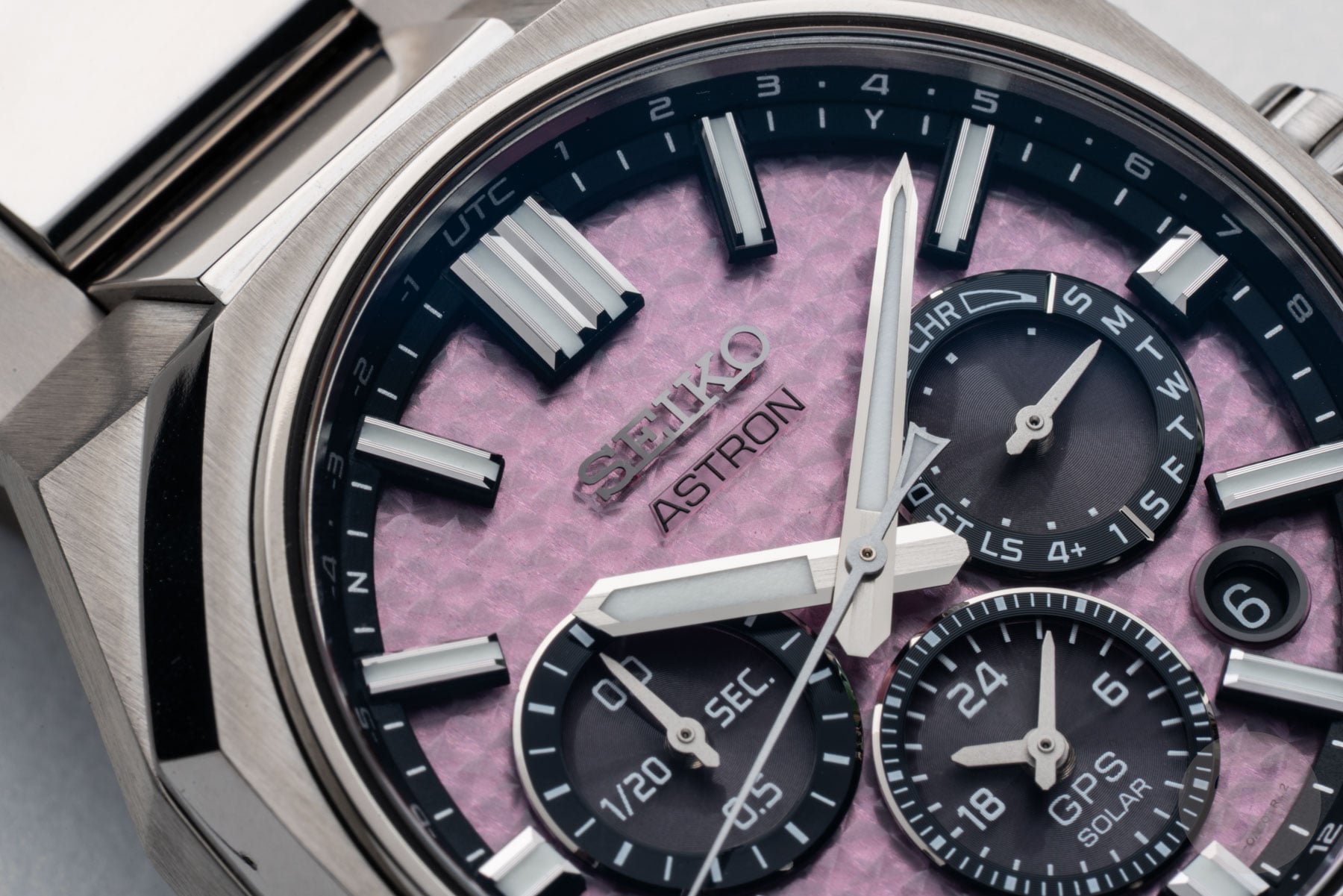
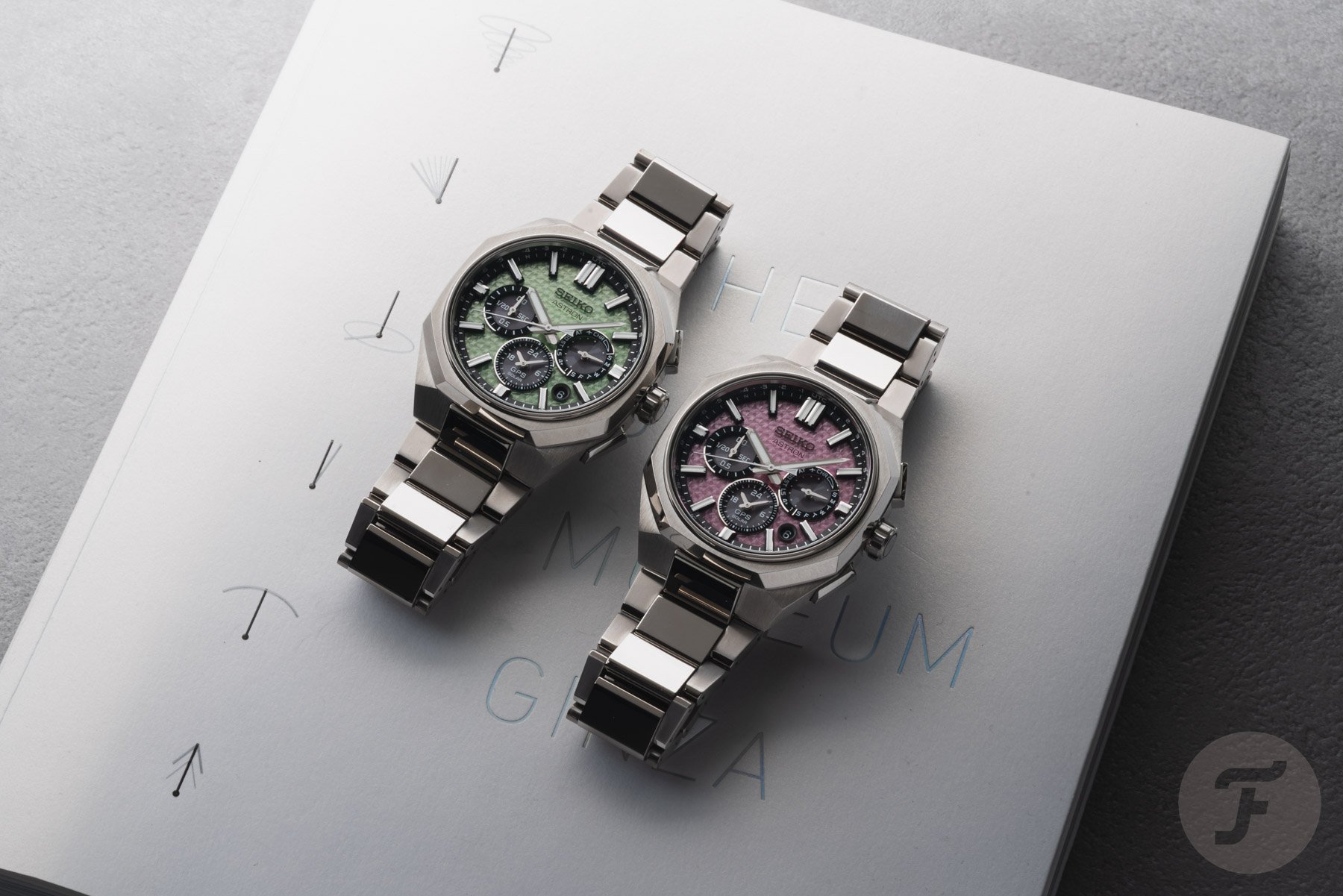
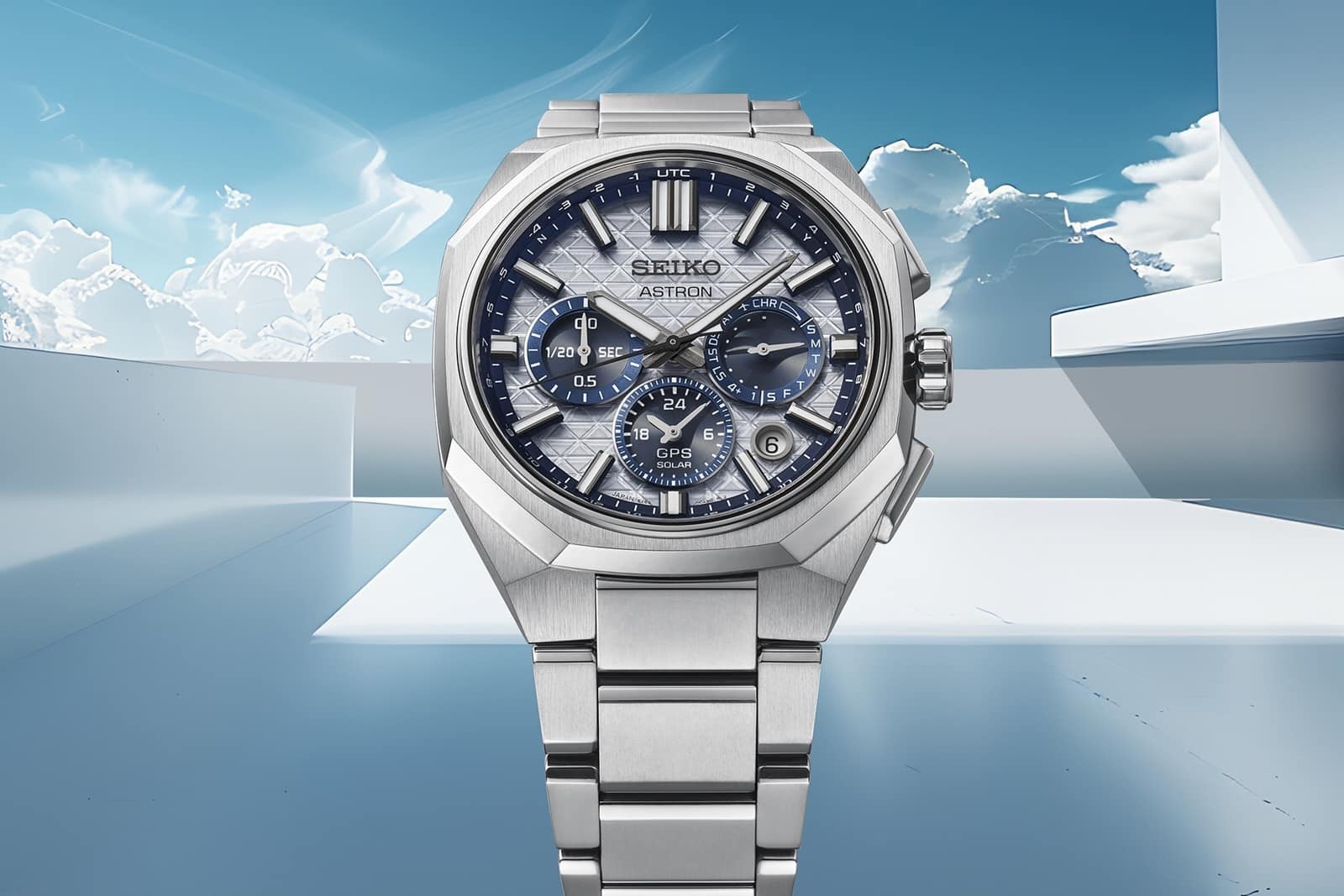
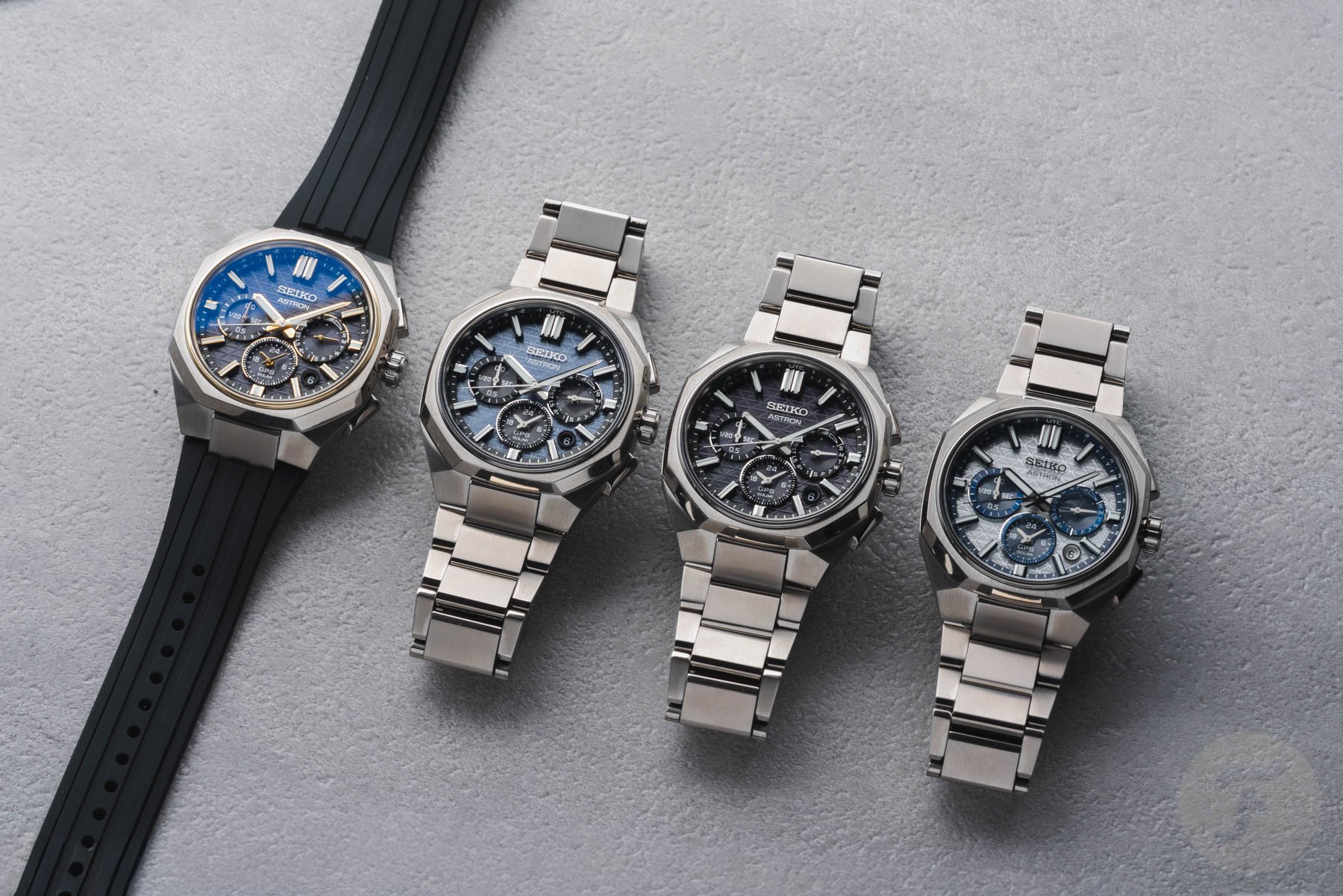
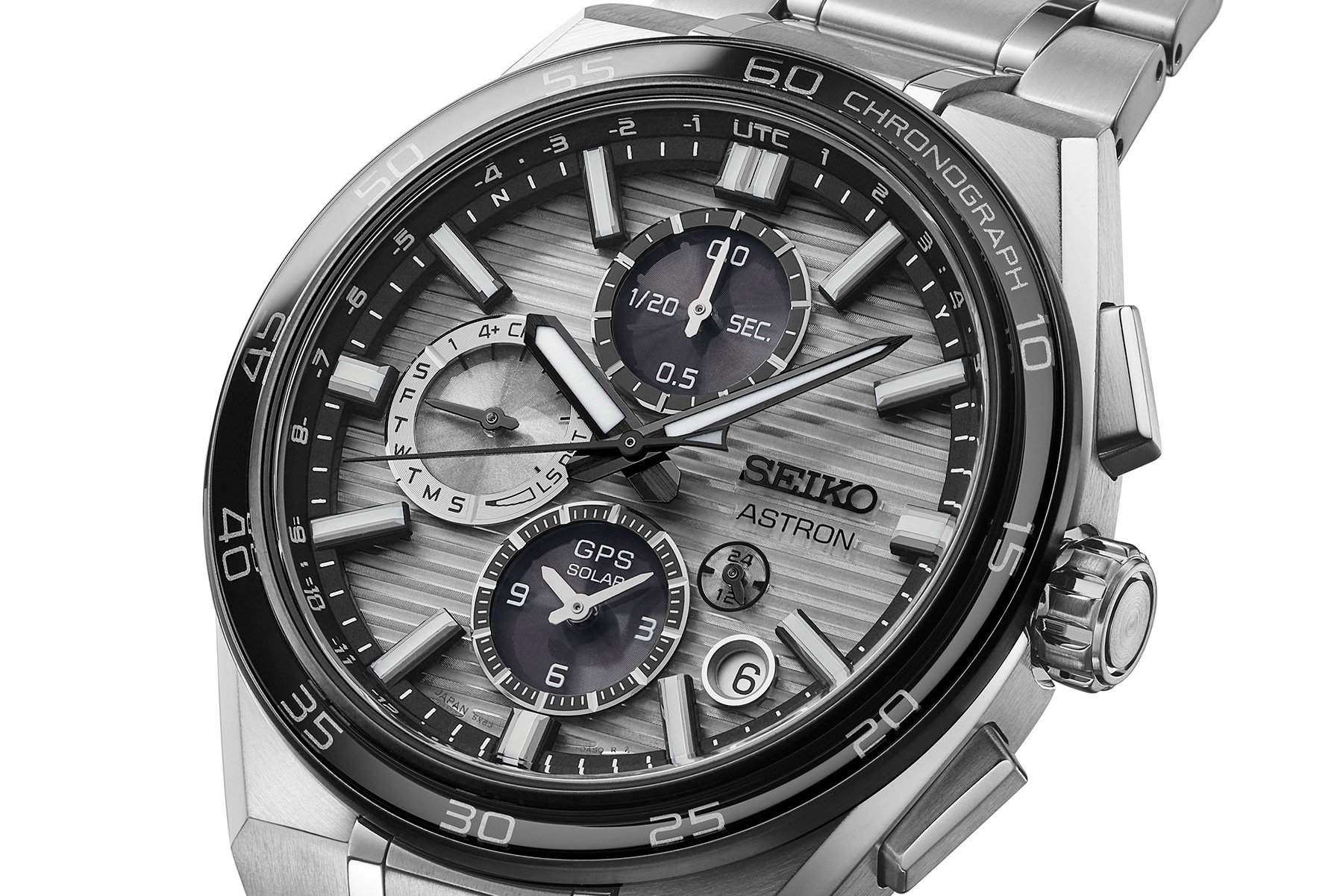
Modern Astron references run the Cal. 5X53 GPS Solar with light-powered (no battery service) operation, 6-month dark-storage reserve, and worldwide GPS auto-sync via dedicated buttons. Available in 42-44mm titanium or steel-and-ceramic configurations, with sport (Astron GPS Solar Diver) and dressy (Astron GPS Solar Classic) variants. Retail spans ~€2,200 (entry steel) to ~€5,500 (titanium ceramic-bezel diver) to ~€10,000+ for the special-edition references.





Comments
No comments yet, be the first to weigh in.