 Revolution
Book Review: Daytona Perpetual
Fans of the Rolex Daytona have a new, knowledgeable friend in the 300-page Daytona Perpetual, co-authored with Revolution’s very own Ross Povey.
Revolution
Fans of the Rolex Daytona have a new, knowledgeable friend in the 300-page Daytona Perpetual, co-authored with Revolution’s very own Ross Povey.
 SJX Watches
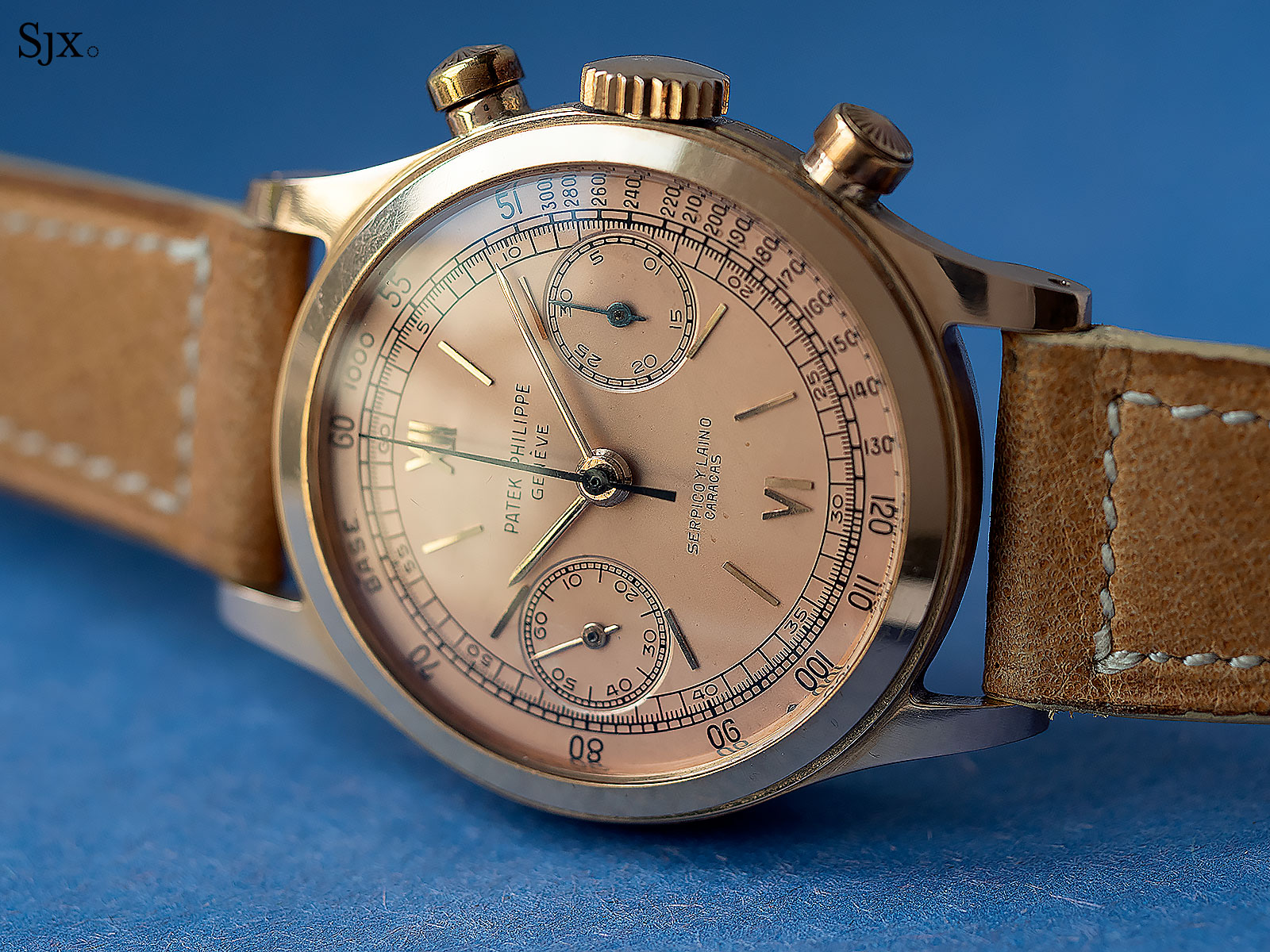
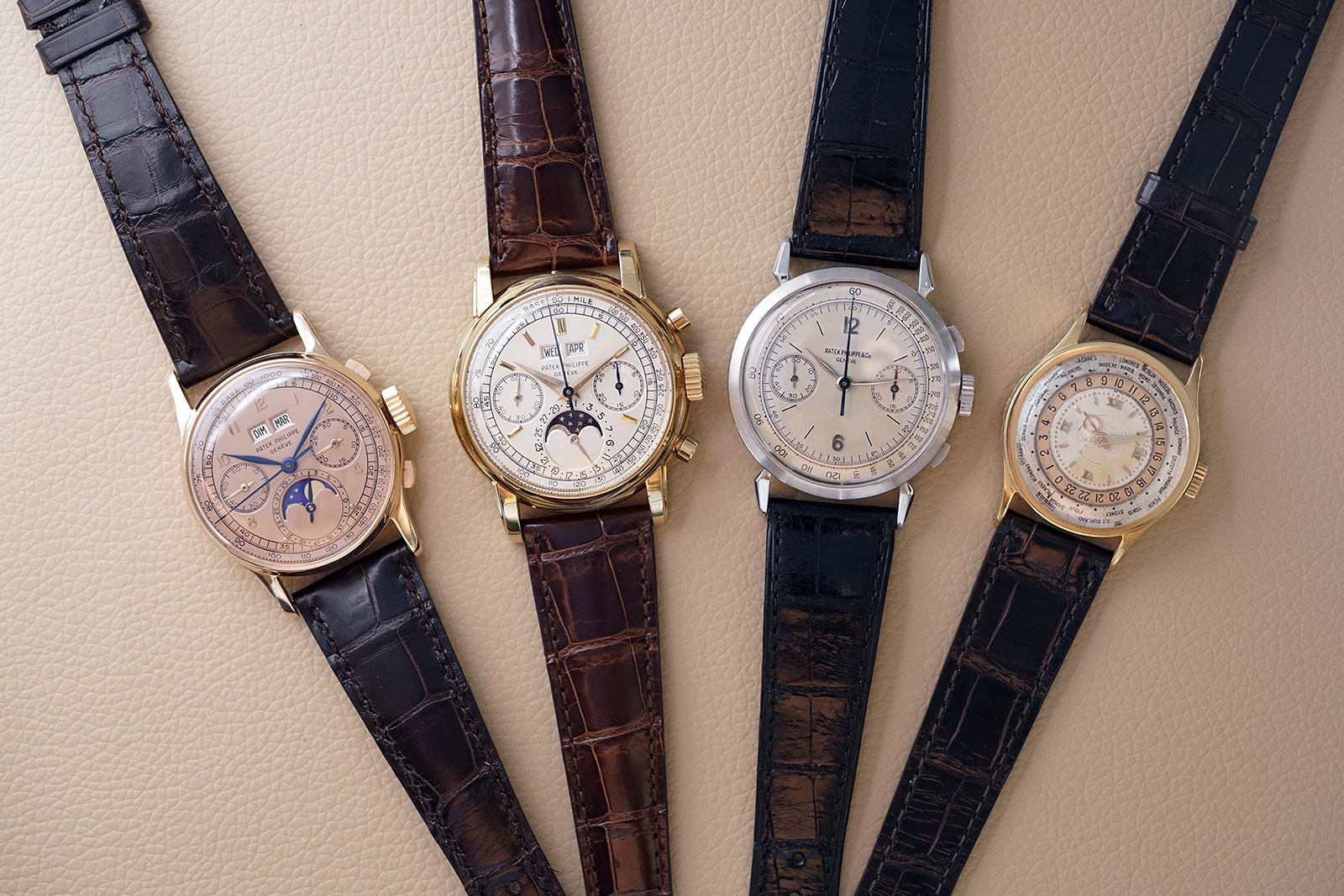
Here’s part II of highlights at Phillips’ Double Signed auction – you’ll find the first part here – including a lovely Audemars Piguet “Gobbi” chronograph with a green gold dial, as well as a gorgeous Patek Philippe Ref. 1463 “pink on pink” that’s more affordable than usual, for a reason. Lot 35 – Patek Philippe ref. 2499 in pink gold “Trucchi” The most valuable lot in the sale, with an estimate over 1.2m francs, is the Patek Philippe ref. 2499 third series in pink gold. It’s one of only six pink gold third series watches known; in fact, the total number of ref. 2499s in pink gold across all four series totals just 23. And this is the only one with the “Trucchi” signature on the dial, having been sold by the retailer in Naples that’s still in operation today. According to Phillips, it was sold by Trucchi to an Italian-American doctor in 1972, who then sold it to the consignor who sold the watch at auction in 1999 at Antiquorum in Geneva. It sold for almost 700,000 francs then, making it one of the most expensive watches in the world at the time. The watch is in exemplary condition, albeit with one quirk: the crystal is sapphire instead of PlexiGlas as is standard for the third series. Found only on fourth series ref. 2499s, the sapphire crystal and accompanying bezel was presumable installed by Patek Philippe in the 1980s according to Phillips, since the watch already had a sapphire crystal when it was sold in 1999. Lot 50 – Patek Phili...
 Hodinkee
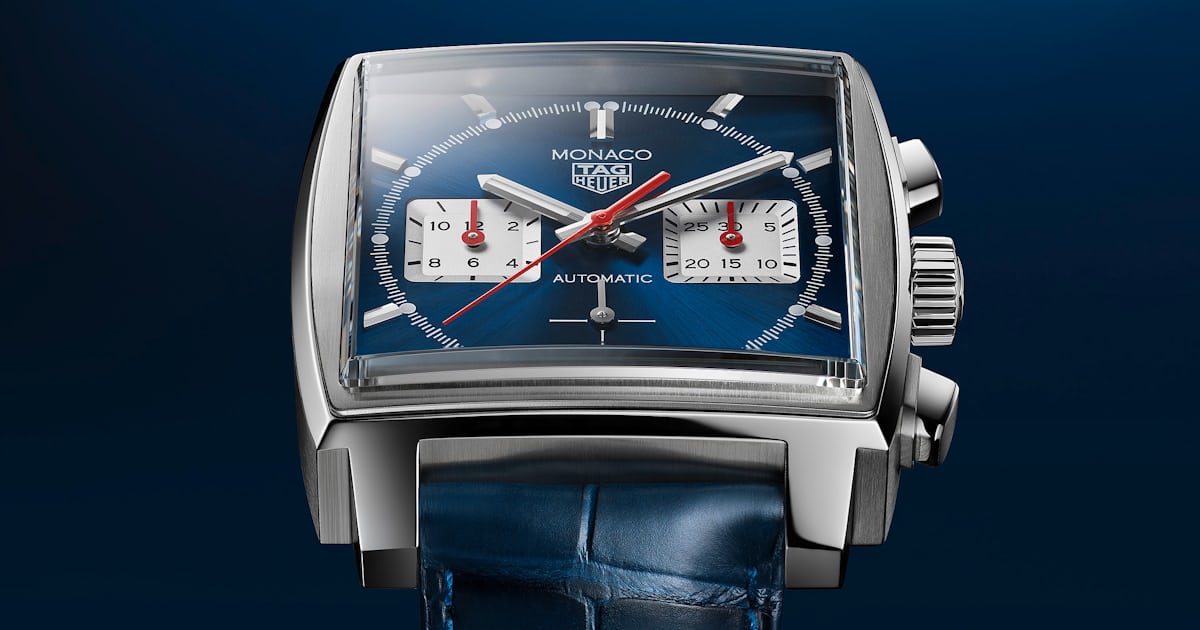
The swan song of a longtime caliber in the Monaco stable.
 Hodinkee
The quintessential track watch gets an in-house engine.
 SJX Watches
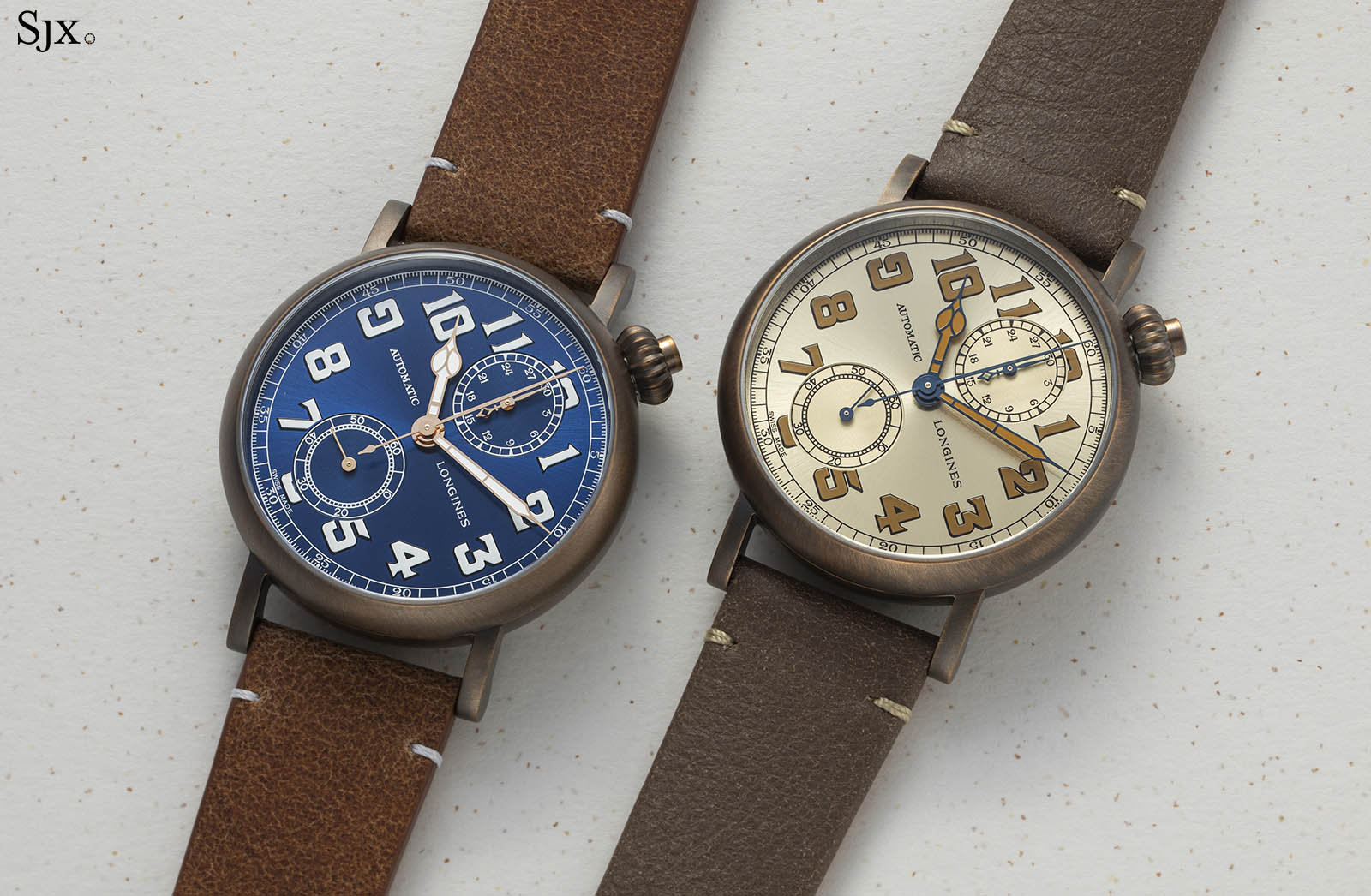
Following the launch of the Sinn 356 Pilot Chronograph limited edition to mark the 40th anniversary of The Hour Glass, the retailer has just announced yet another pilot’s chronograph, but this time, one that is more unusual and striking, the Longines Avigation Type A-7 1935 in bronze. Characterised by an askew dial and movement, the Type A-7 “The Hour Glass” is based on the second-generation, 2016 reissue of the chronograph Longines supplied to the US Army Air Corps in the 1930s that was known as the “Type A-7”. Striking colourways Though the distinctive case style is retained, the commemorative edition is made even more unusual by an attractive material and colour combination. The case is bronze and paired with either a blue or champagne dial finished with a metallic, sun ray-brushed finish. While bronze might seem a bit too fashionable, especially in this price segment, it’s surprisingly uncommon for Longines. In fact, the new Type A-7 is only the second Longines watch to have a bronze case; the first was the Heritage Military Kuwait limited edition. The case is made of phosphor bronze (CuSn8), an alloy that is 92% copper and 8% tin. In contrast to the aluminium-bronze alloys, used in watches like the Tudor Black Bay Bronze or Montblanc 1858 chronograph, which develops a brownish patina, phosphor bronze has a more reddish tone and develops a blue-green, sunken-treasure oxidisation over time. While the vintage Type A-7 was a 51mm diameter cockpit instrumen...
 SJX Watches
The most intriguing watch in Phillips’ upcoming Double Signed auction is by far the smallest watch in the sale – it’s the Patek Philippe ref. 3652 that’s just 31mm in diameter. In fact, the ref. 3652 is a dead ringer for a Calatrava ref. 96 from the 1930s. But – the ref. 3652 is a unique reference produced during a brief period when Patek Philippe is known to have made a handful of remarkably interesting, one-off timepieces. All were powered by vintage movements, and some were vintage watches freshly re-cased. One example is the ref. 3651, a chronograph re-cased in the late 1980s of which only a handful are known. Most of these watches are now in its museum; some of them were made for Philippe Stern himself, who was then running the company alongside his father, Henri. The ref. 3652 was one such reference, created as a custom watch for a client. It’s a minute repeater made in 1985, but powered with a ladies’ watch movement from the early 20th century. And it has a fired enamel dial signed “Golay Fils & Stahl” – which was a watchmaker itself a century before. At 31mm, the watch is tiny by any standard. That’s compounded by the fact that the lugs are set widely apart, making the case seem even smaller. If not for the slide on the case, it would easily pass as a ref. 96, the quintessential Calatrava model that Patek Philippe produced for some four decades until 1973. But the ref. 3652 is neither a ref. 96 nor a vintage watch, which is why it’s inte...
 Quill & Pad
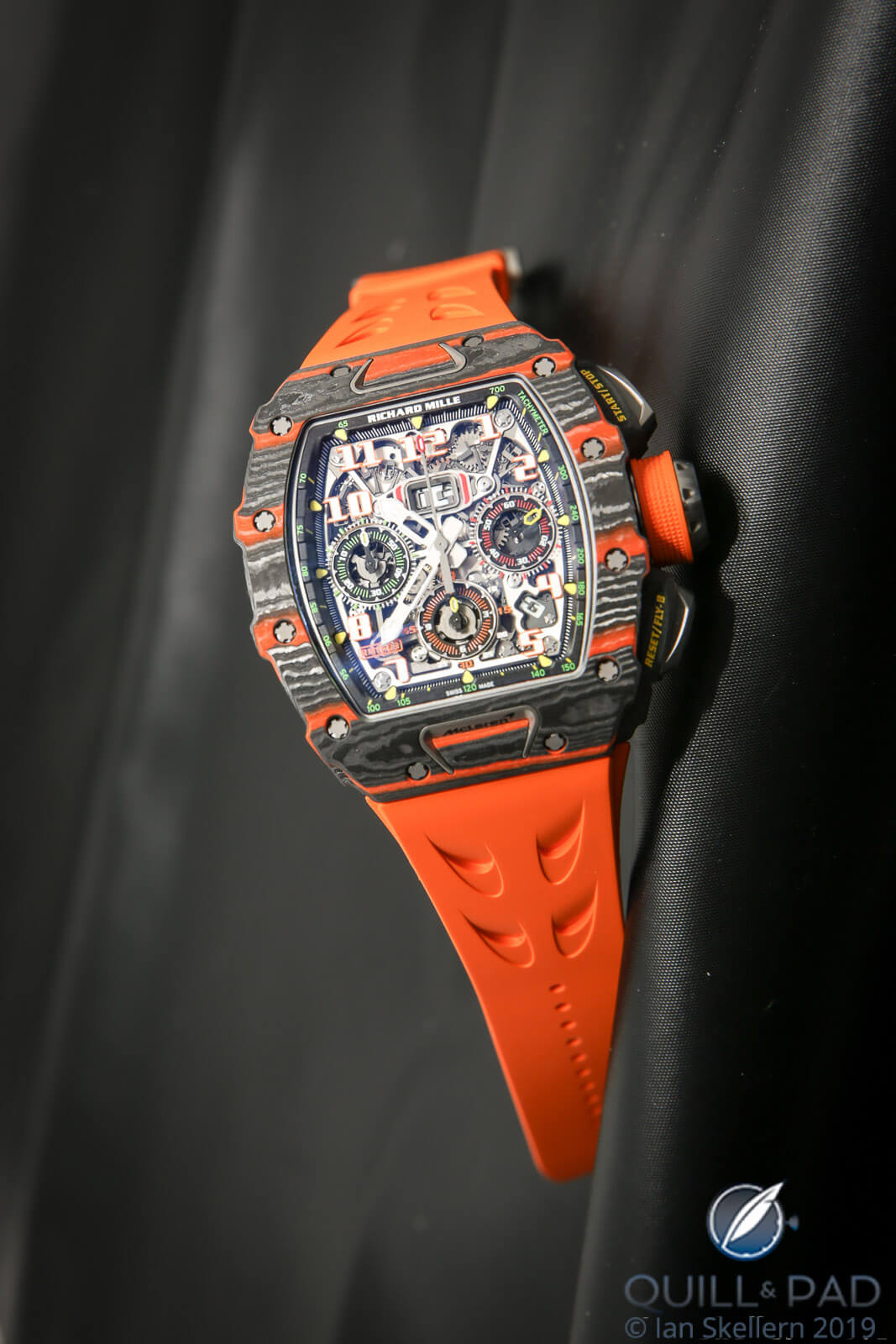
Ahead of the eighth edition of the Only Watch auction taking place on November 9, 2019 in Geneva, Martin Green takes a look at ten unique-piece chronographs going under the hammer. Which is your favorite?
 SJX Watches
Now the non-executive chairman of the watch division at LVMH, Jean-Claude Biver has enjoyed a remarkable career in the watch industry that has spanned some 45 years. That success has enabled him to build a timepiece collection that is both magnificent and diverse, ranging from vintage Patek Philippe to modern independent watchmaking. Now the entire collection will be on display for the first time at Phillips in Geneva, after which it will embark on a world tour. Bookends of Mr Biver’s career so far: a Royal Oak ref. 5402 ST by Audemars Piguet, where he started his career And a Hublot Big Bang Tourbillon Chronograph Titled Jean-Claude Biver: A Retrospective. Share, Respect, Forgive, the exhibition includes two dozen watches – including some lovely Patek Philippe pocket watches – that are amongst the best examples of 20th century watchmaking. Notably, the collection also includes several watches by prominent independent watchmakers, many of which were relatively recent purchases. They include a Philippe Dufour Simplicity in rose gold – the exact watch we featured several weeks ago in fact – and a fresh-off-the-press Akrivia Chronometre Contemporain in platinum. According to an inside source, Mr Biver’s late-in-life interest in independent watchmaking, and also the Rolex Daytona “Zenith”, is the result of counsel from his son, Pierre, who is a specialist at Phillips’ London office, showing that the love of watches can be hereditary. A Patek Philippe Ref. 15...
 SJX Watches
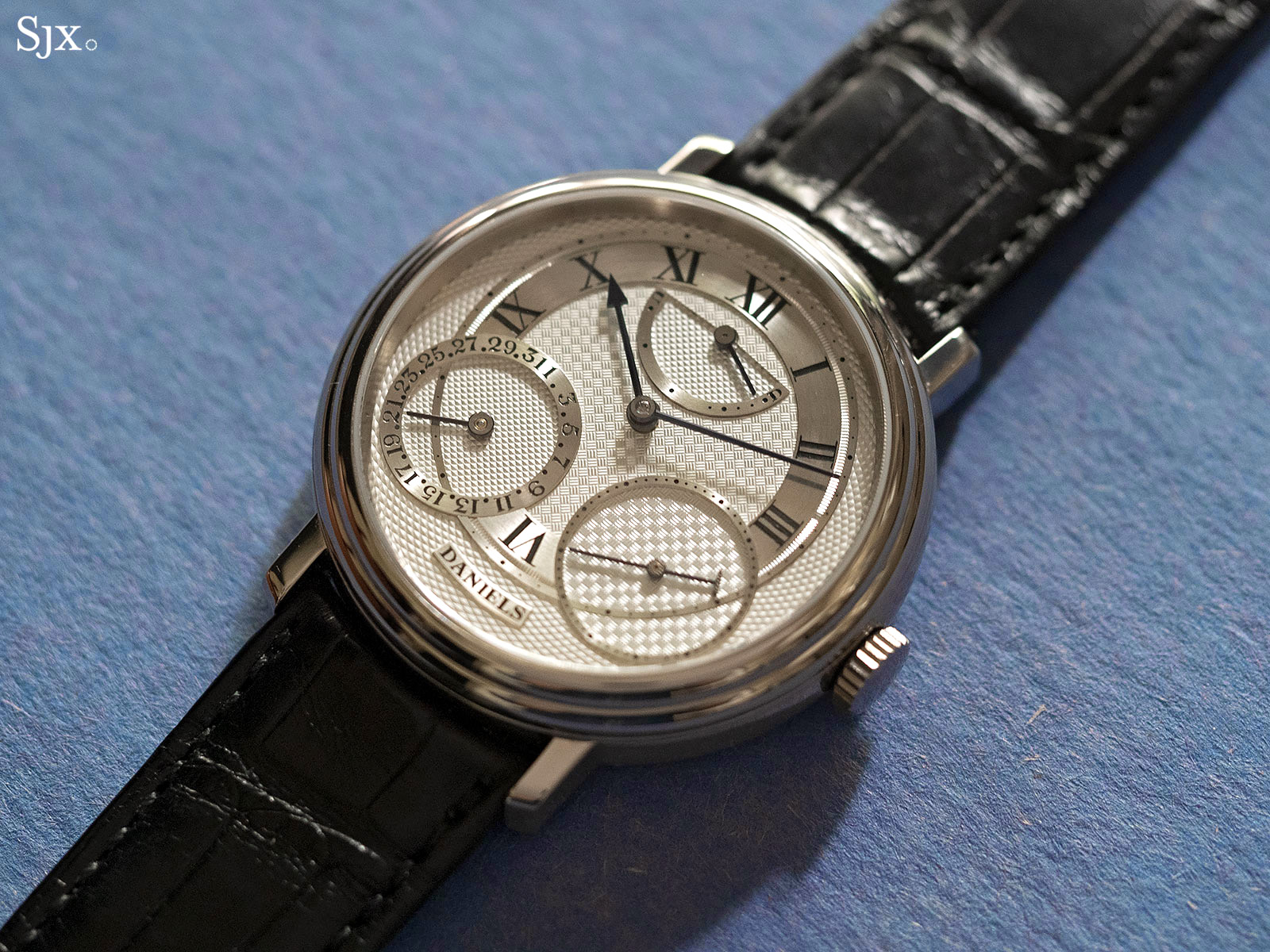
Though extremely rare, the George Daniels Anniversary Watch is a familiar timepiece because it has been widely covered and is arguably the signature George Daniels wristwatch. Though the Daniels Millennium was made in larger numbers, it was powered by a modified Omega (and by extension, ETA) movement. In contrast, the Anniversary relies on a proprietary movement designed by Daniels and his protege Roger W. Smith – and it’s almost a visual twin of the one-off Daniels chronograph wristwatch. But the basic architecture of the Anniversary movement comes from the movement in Series 2, the trademark Roger W. Smith timepiece, which was launched in 2006, three years before the Anniversary. The white gold Anniversary next to the owner’s other example in yellow gold The quintessential Daniels Anniversary is in yellow gold, of which 35 were made. But when first launched in 2009, the Anniversary series was also meant to encompass four box sets of four watches each, made up of one watch in each colour of gold and another in platinum. The sets were never produced, however, individual watches originally destined to be part of the sets were. Owned by a noted collector who acquired it direct from the George Daniels trust, this Anniversary in white gold is one of them. And it is the only Anniversary ever made in white gold so far. On the wrist of the owner Though identical in design to the yellow gold Anniversary, the white gold watch looks more contemporary by virtue of its colour. ...
 Time+Tide
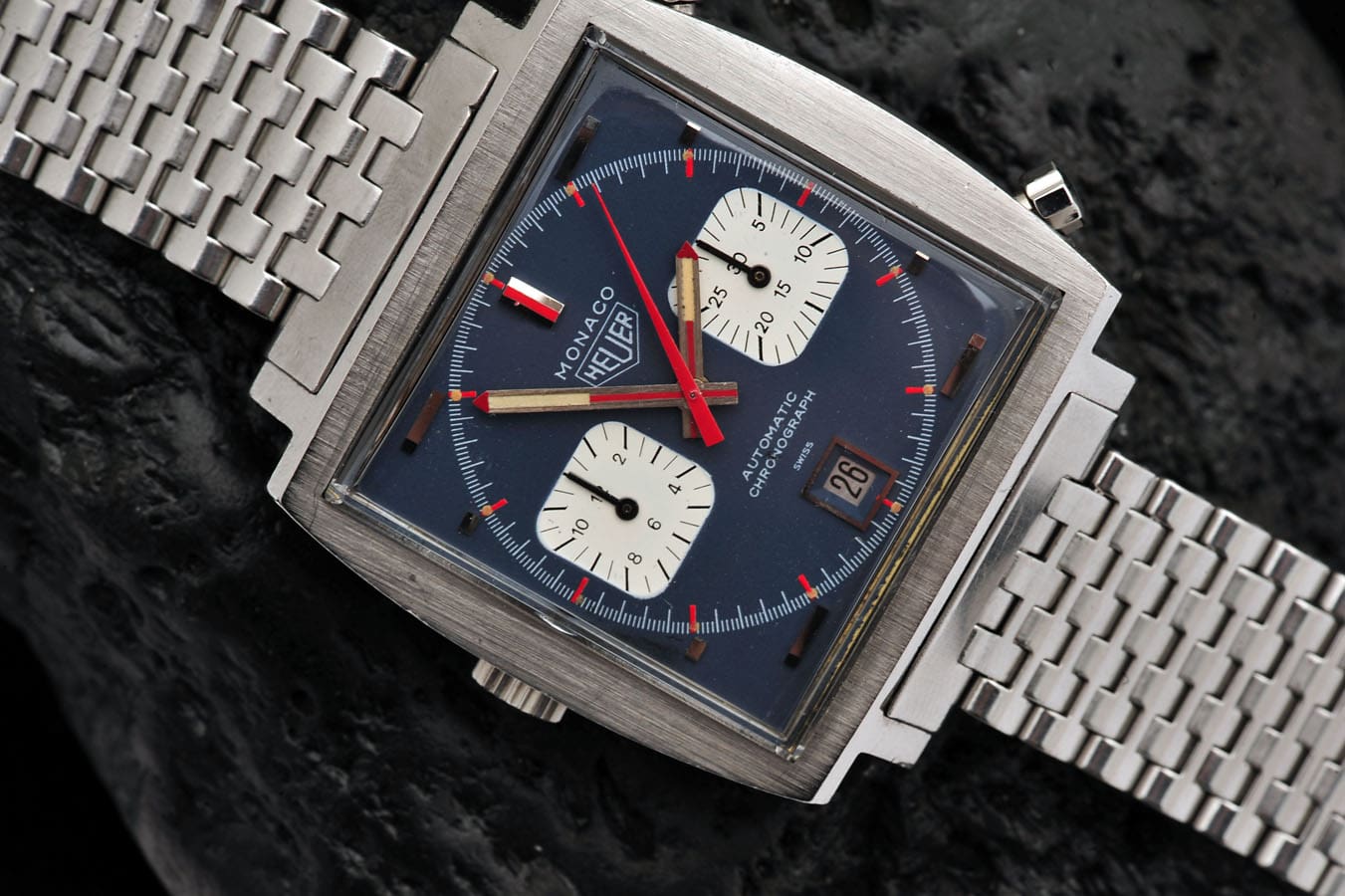
This year we were lucky enough to celebrate the 50th anniversary of the TAG Heuer Monaco. It was in the last year of the 1960s that the brand (just Heuer at the time) released their iconic watch that was one of the first ever automatic chronographs, and was cemented as a legend when it was … ContinuedThe post Monac-oh yeah! An overview of all 5 TAG Heuer Monaco limited edition watches appeared first on Time+Tide Watches.
 Hodinkee
We're back with your weekly dose of vintage watch finds from around the web.
 SJX Watches
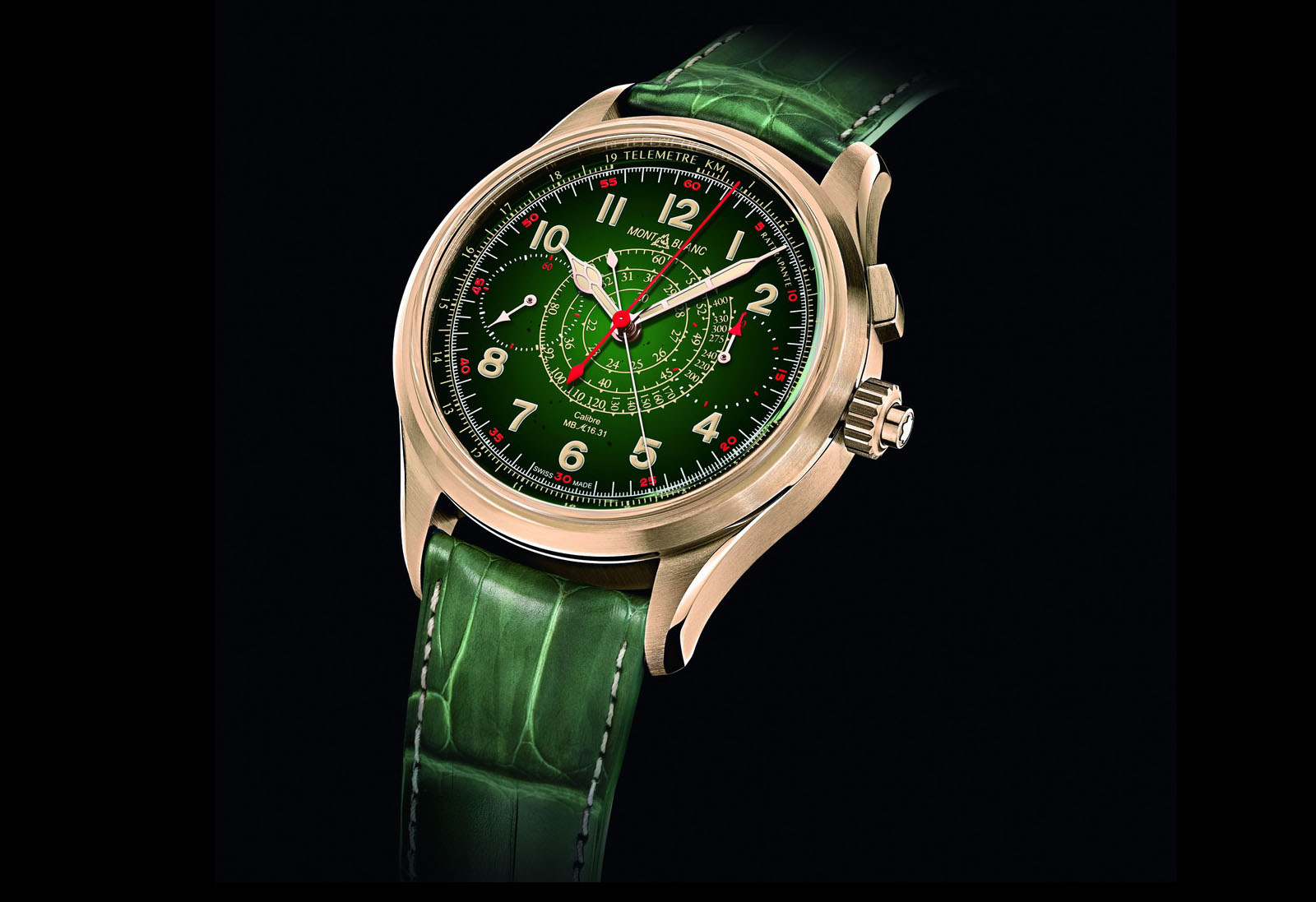
Following the launch of the one-of-a-kind 1858 Split Second Chronograph with a blue agate dial for the upcoming Only Watch charity auction, Montblanc has unveiled a limited edition in bronze with a nephrite jade dial. The eight-piece edition was created for Salón Internacional Alta Relojería (SIAR), a big watch fair in Mexico City attended by most major brands, explaining the green dial with red accents – a nod to the Mexican flag. Though the bronze-and-green livery has been applied to multiple models in the 1858 range, the new SIAR edition adds a fascinating point of departure, with the dial being a semiprecious stone rather than the usual lacquered brass. The dial is essentially a thin slice of nephrite, a mineral better known as jade. It’s usually dark green, but sometimes also yellow or white; white nephrite is known as “mutton fat” jade in China and highly prized. The other mineral also known as jade is jadeite, but it’s harder, denser and often found in brighter colours. Mechanically and aesthetically, the watch is as retro as it gets. The design of the dial was inspired by a pilot’s chronograph produced by Minerva in the 1930s. It has a double chronograph scales – a telemeter on the outer rim and a snail-shaped tachymeter in the centre. The rose-gold plated cathedral hands and Arabic numerals are coated with faux-aged lume, as on the regular production model. The red seconds numerals and hand adds a rich contrast against the pleasingly busy dial, ...
 SJX Watches
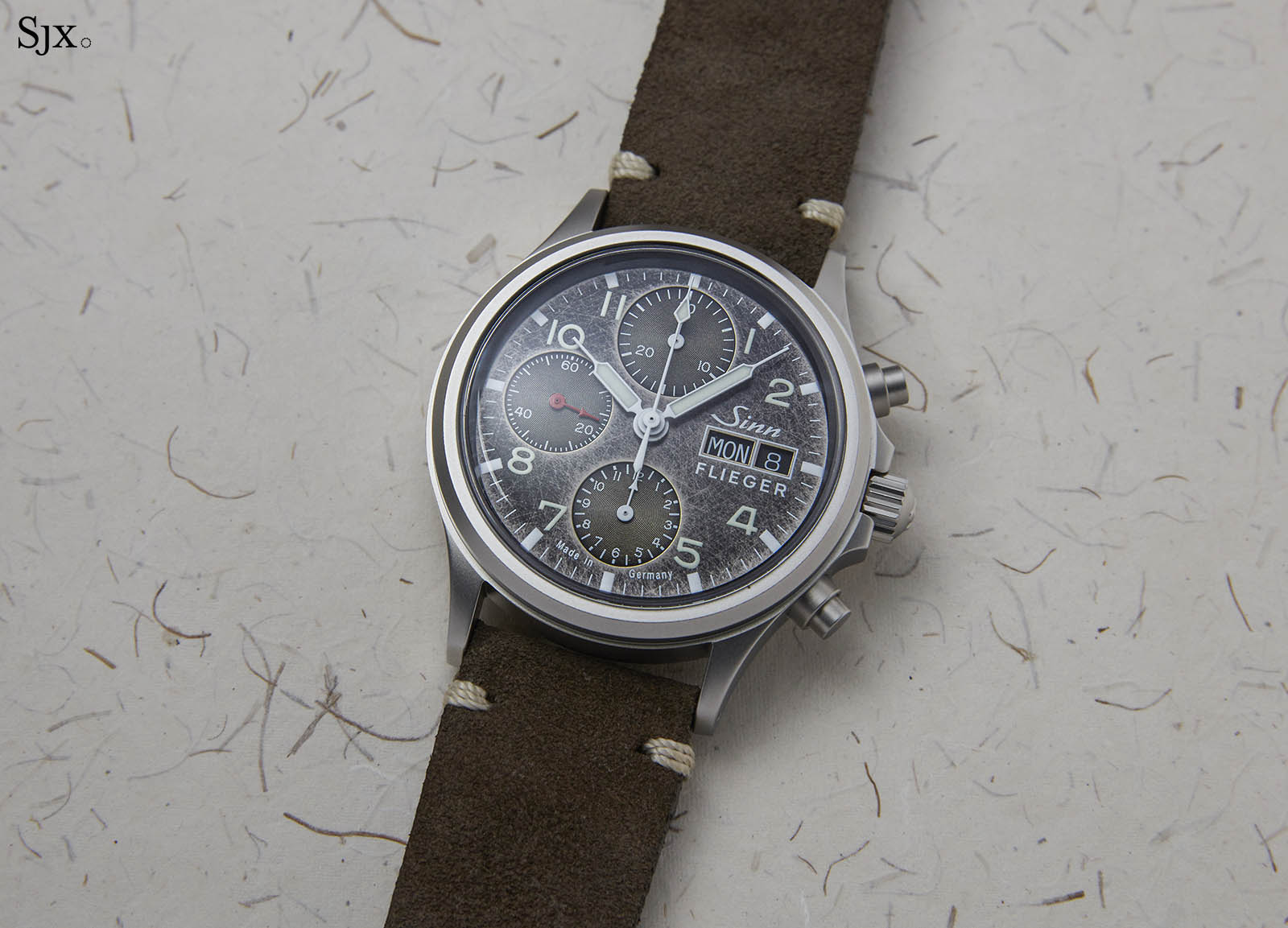
Continuing with its series of limited editions to mark its 40th anniversary, retailer The Hour Glass has just announced a special variant of the Sinn 356 Pilot Chronograph. A no-frills aviator’s watch, the 100-piece edition is the retailer’s most affordable commemorative model to date, priced at 3,850 Singapore dollars, or about US$2,800. In keeping with the series’ recurring theme of dial colours inspired by vintage watches – ranging from salmon on a Nomos to champagne on a Ulysse Nardin, the dial of the Sinn has a variegated, aged finish. Ideal dimensions The Sinn 356 is a simpler version of the Sinn 256 made for the Japanese market – itself the smaller version of the Sinn 156 conceived as a military chronograph for the German military. It’s a no-nonsense fliegerchronograph, or aviator’s chronograph, with just the essentials – a fixed bezel, large hour numerals, and syringe hands. It does also have the somewhat pointless date and day, but a consequence of the fact that the original 356 used the Valjoux 7750. It has the calendar as a standard feature, and was the de facto movement for most chronographs at the time. The stock 356 Dial aside, the commemorative edition is identical to the standard model. The stainless-steel case measures 38.5mm, making it one of the smallest pilot’s chronographs on the market. However, it is still considerably thick, a little bit too thick at 15.5mm, due to the height of the movement inside. As a result it sits high on th...
 Time+Tide
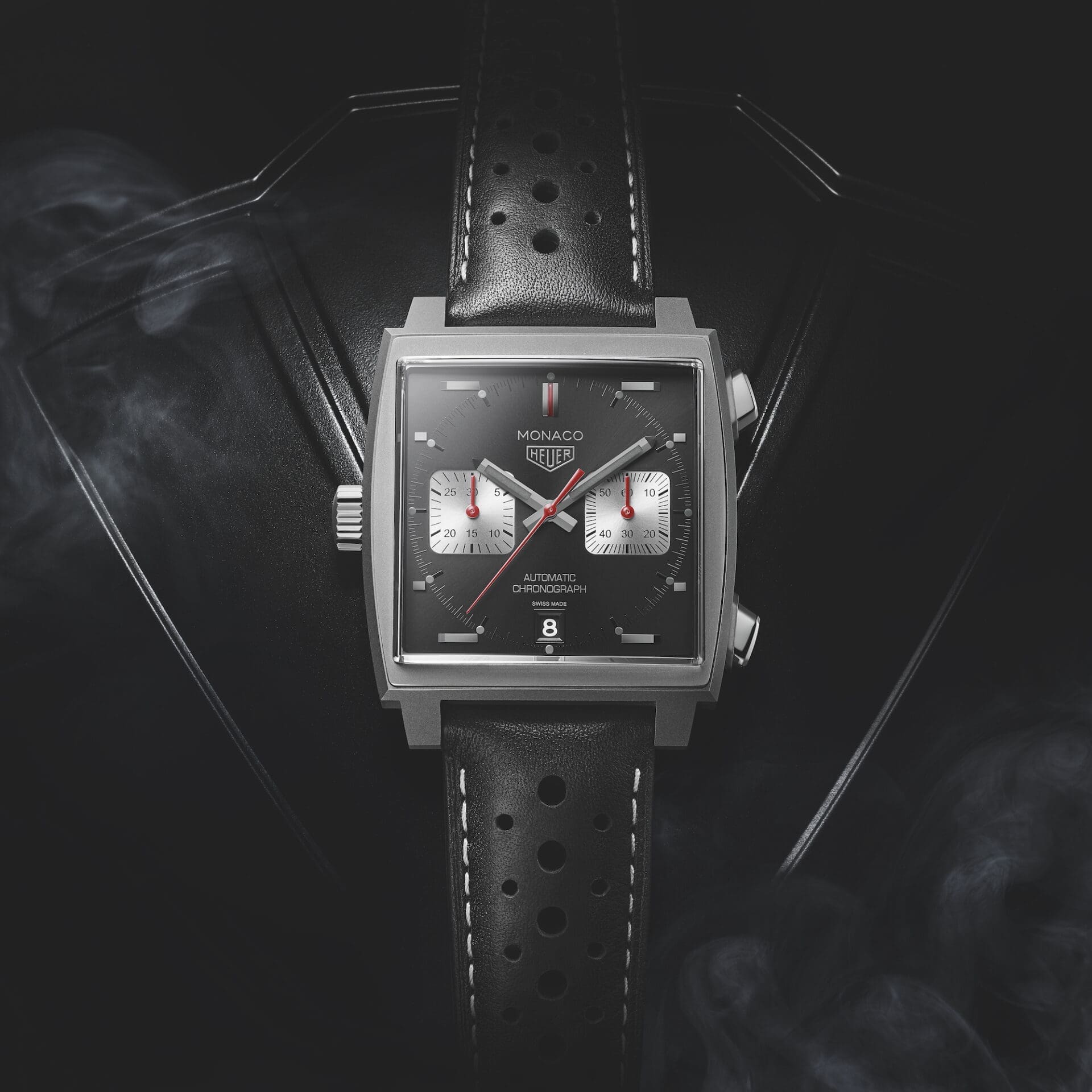
TAG Heuer has unveiled the fifth and final iteration of its limited edition series of timepieces celebrating 50 years of the heroic Monaco wristwatch. Like the rest of the limited-run watches, which each celebrate a separate decade in the history of the Monaco since its inception in 1969, the 2009-2019 example will be limited to … ContinuedThe post INTRODUCING: The TAG Heuer Monaco 2009-2019 Limited Edition appeared first on Time+Tide Watches.
 Revolution
TAG Heuer unveils the best Monaco yet in marking the watch’s 50th anniversary, a one-off art piece called the Monaco Piece d’Art.
 SJX Watches
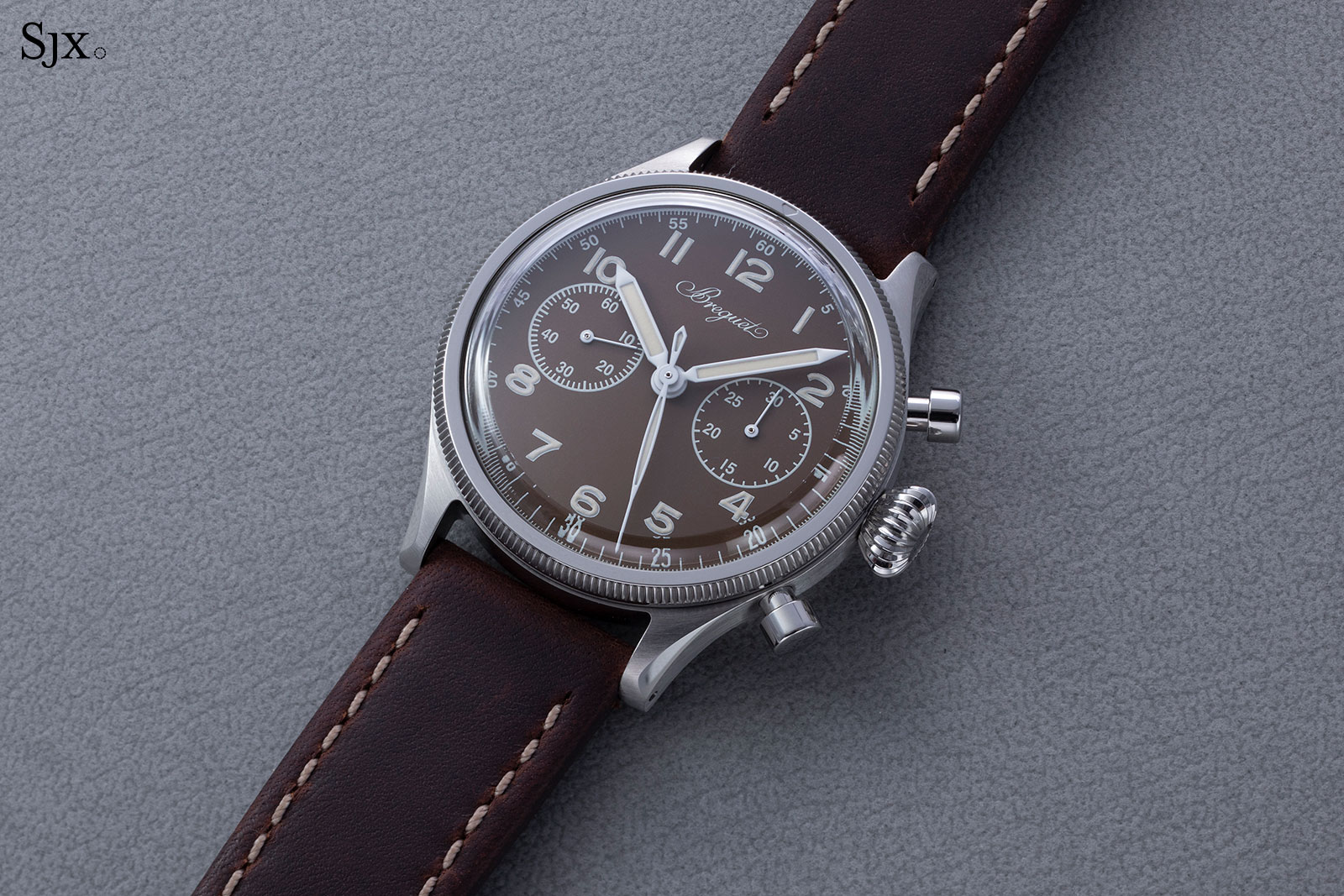
Breguet’s contribution to the most recent Only Watch auction in 2017 was a unique, enlarged version of its inventive in-line perpetual calendar that had the calendar indications arranged in a column vertically across the dial. Though clever and unusual, the watch was probably too esoteric and classical for current tastes, and it sold for 110,000 Swiss francs, just 10% above the high estimate, reputedly to a discerning collector in Australia. This year’s upcoming Only Watch, however, includes a very different Breguet that should sell for a multiple of its estimate. The Type 20 for Only Watch 2019 is essentially a spot-on replica of the two-register aviator’s chronograph Breguet supplied to the French military from the mid 1950s – exactly the type of watch that is desirable now. Specifically, it’s a remake of the first generation Type 20, which was marked “5101/54” on the case back, denoting the order number, “5101”, and the year of 1954. More specifically, it’s based on the Type 20 made for the French air force, distinguished by equal-sized sub-dials; watches for the naval air arm had oversized minute counters. Named after the French military specification for pilot’s chronographs, itself derived from the Second World War German air force chronograph design, the original Type 20s were produced by a variety of watchmakers, including Vixa, Dodane, and Auricoste. Breguet examples, however, are the most valuable. Note that “Type XX” refers to the same...
 Time+Tide
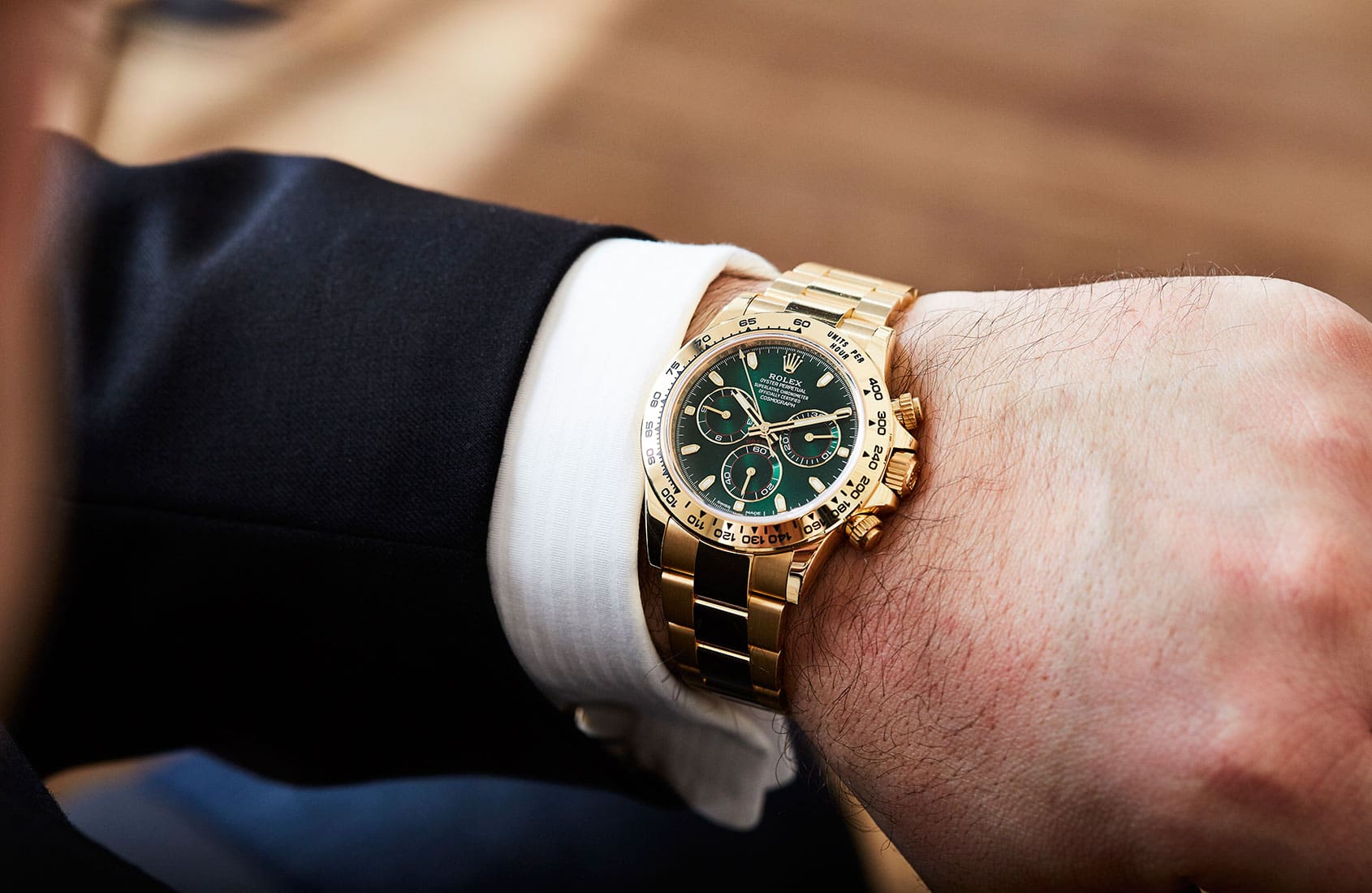
Editor’s note: OK, I’m guessing that 99 per cent of people reading this are already well aware of Rolex’s eponymous Daytona … and, admittedly, it’s hard not to be. Here is a watch that is deeply desirable, seemingly unobtainable, and a cashed-up speculator’s veritable dream timepiece. And, of course, it’s not just the modern iterations … ContinuedThe post RECOMMENDED READING: A history of the Rolex Daytona appeared first on Time+Tide Watches.
 Deployant
TAG Heuer announces a one of a kind Monaco Piece d'Art - a restored and redecorated version of an original 1969 model of the iconic caliber 11.
 SJX Watches
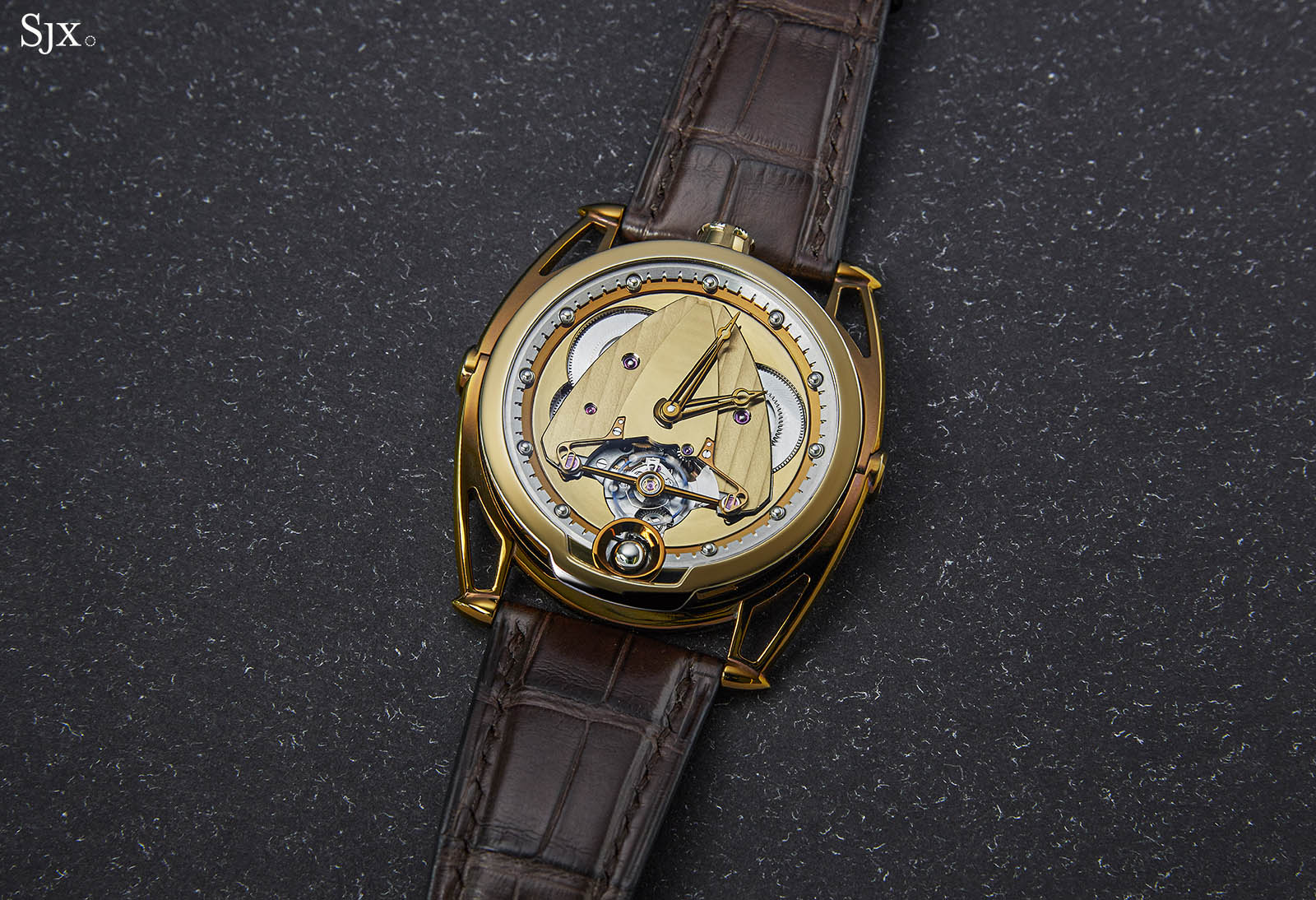
Even amongst avant-garde watchmakers, De Bethune stands out for its substance – aesthetic and material innovation matched by technical ingenuity. At its core, the brand has reimagined the most fundamental aspects of mechanical timekeeping, from the barrel to the hairspring, while pushing the boundaries of traditional complications, be it the moon phase, tourbillon or chronograph. But arguably its most distinctive innovation is an aesthetic one, which has come to define the brand no less – heat-blued titanium. The brand has used the alloy for more than 15 years across various parts of the watch, even making almost a whole watch out of it. But now De Bethune has a twist on the theme, resulting in the DB28 Yellow Tones in brilliant golden titanium. Fiery yellow Though the colour of the new DB28 is striking, it is by no means loud, as the amber shade of yellow isn’t the same as yellow gold and doesn’t pass off as such. In fact, it looks more like fresh brass than gold. The colour was achieved through thermal oxidisation of the surface, essentially the same process as that used for blued titanium (and also the same for blued steel). The yellow surface, just like the blue, is the result of an oxide that forms on the surface of titanium when it is heated to a certain temperature. But amber yellow tone in this case was created by heating it at a lower temperature than used for blued titanium. Titanium undergoes different stages of oxidation when heated, and yellow is o...
 Revolution
 Hodinkee
The final decade in TAG Heuer's 50th Anniversary Monaco series inspires a smoky low-key take on the Monaco's distinctive charm.
 Hodinkee
Roger Cooper spent 15 years sailing around the world on dinghies – wearing a £31,000 Speedmaster, no less.
 SJX Watches
The upcoming Phillips New York auction includes an unusual watch: the Monaco Piece d’Art, a one-off vintage watch restored and hand-finished by TAG Heuer that’s being sold to benefit a charity in the city. Created to mark the 50th anniversary of the iconic square-case chronograph, the Monaco Piece d’Art started out as a ordinary example of the Monaco ref. 1133B – also known as the “Steve McQueen” after the actor wore one in the 1971 film Le Mans – one of several specimens in TAG Heuer’s own museum. Hand-decorated and upgraded The Monaco ref. 1133B was powered by the Calibre 11 Chronomatic, one of the first automatic chronograph movements ever launched; the Chronomatic made its debut in 1969, the same year as the Zenith Primero and Seiko cal. 6139. Though important in the history of watchmaking, the Chronomatic movement was functional and fuss-free. So TAG Heuer decided to change that. The movement inside the Monaco Piece d’Art was taken apart and then carefully decorated, part by part, by a four-person team of watchmakers over three months. The steel levers and springs of the chronograph mechanism were straight grained and bevelled, screws heads were flat polished, gears were given circular graining, and so on. Even the countersinks for the jewels and screws were polished. The refinished movement inside the Monaco Piece d’Art (left), with an original Calibre 11 Chronomatic But the reworking of the movement was not merely aesthetic. The jewel count was...
 Quill & Pad
It's a rare event when the stars align, rarer still when they align to create what may well become a truly iconic chronograph. In fact, the Singer Reimagined Track 1 may already be truly iconic: it certainly has both the pedigree and the style. And more importantly for a horological icon, the Track 1 looks like it's been around since the 1970s.
Question, suggestion, or just want to say hi? Drop a note.
Comments 4