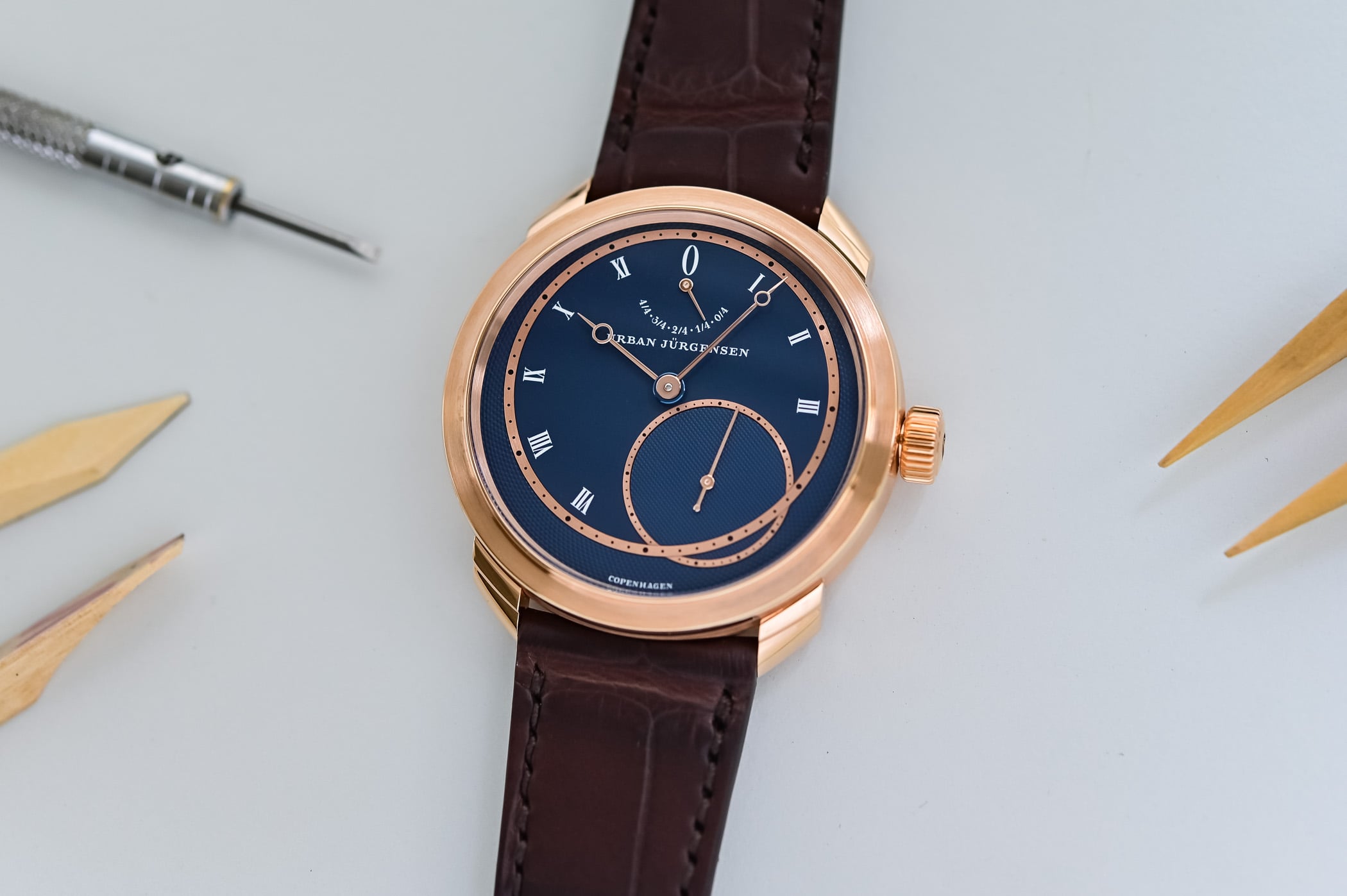
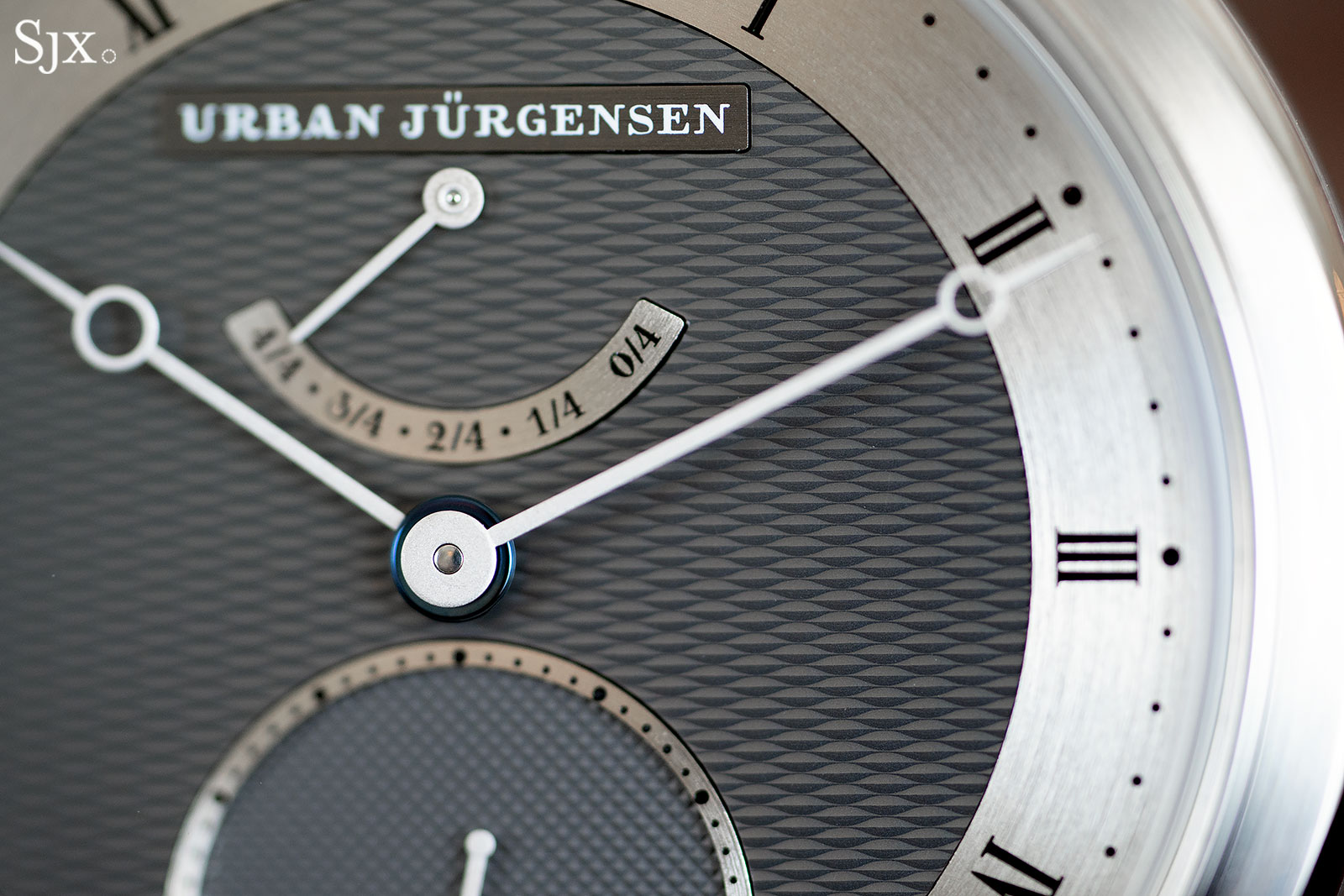
Jürgen Jürgensen founded his watchmaking workshop in Copenhagen in 1773 as a maker of marine chronometers and pocket watches for the Royal Danish Navy. His son Urban Jürgensen (1776-1830) trained in Le Locle, London, and Paris before returning to Copenhagen to build the family business into one of the most respected chronometer ateliers in Northern Europe. Urban Jürgensen and his sons supplied marine chronometers to most of the Scandinavian admiralties through the 19th century; the Jürgensen name became synonymous with chronometer-grade timekeeping in the same way Breguet was in France or Frodsham in England.
The brand effectively ceased active production in the early 20th century and entered a long dormancy. A first revival came in 1979 under Peter Baumberger, a Swiss collector and dealer who acquired the rights and produced small batches of high-end pocket watches and a handful of wristwatches with movements supplied by independent specialists. Baumberger's revival continued under his colleague Søren Petersen through the 2000s, building a small but loyal collector following for the Reference 1 and Reference 11 wristwatches with their distinctive grand-feu enamel dials and counterweighted seconds hands.
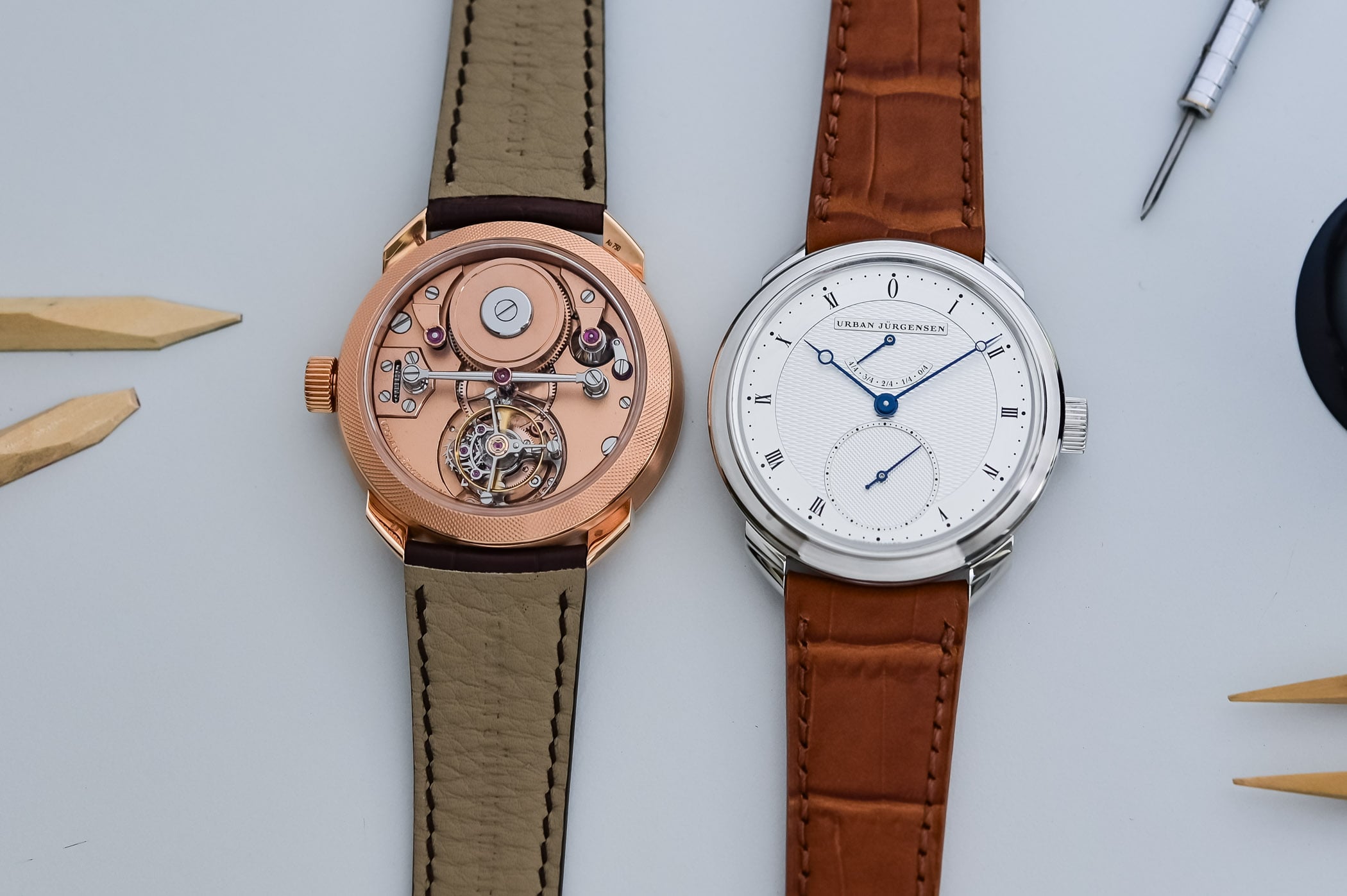
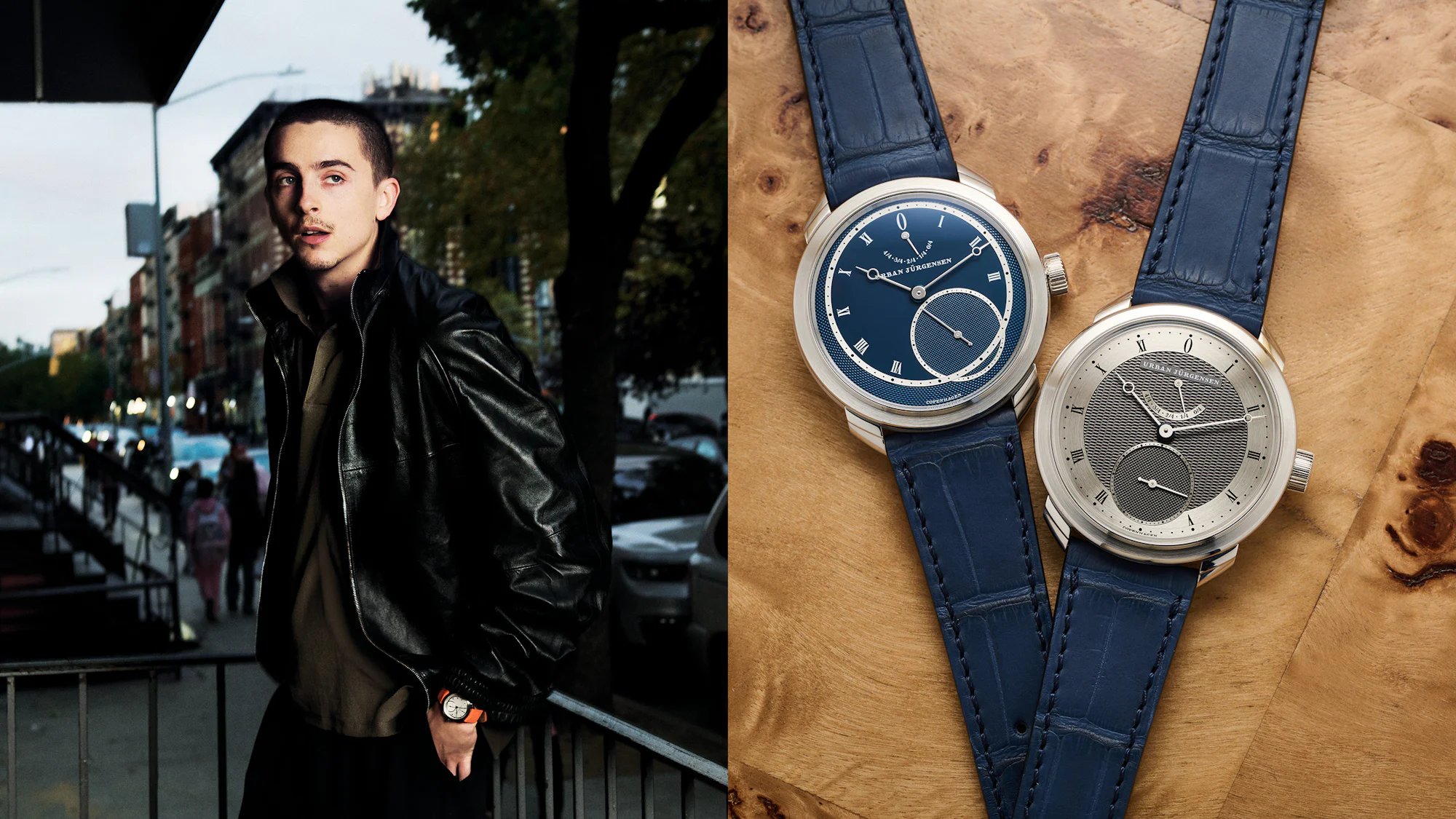
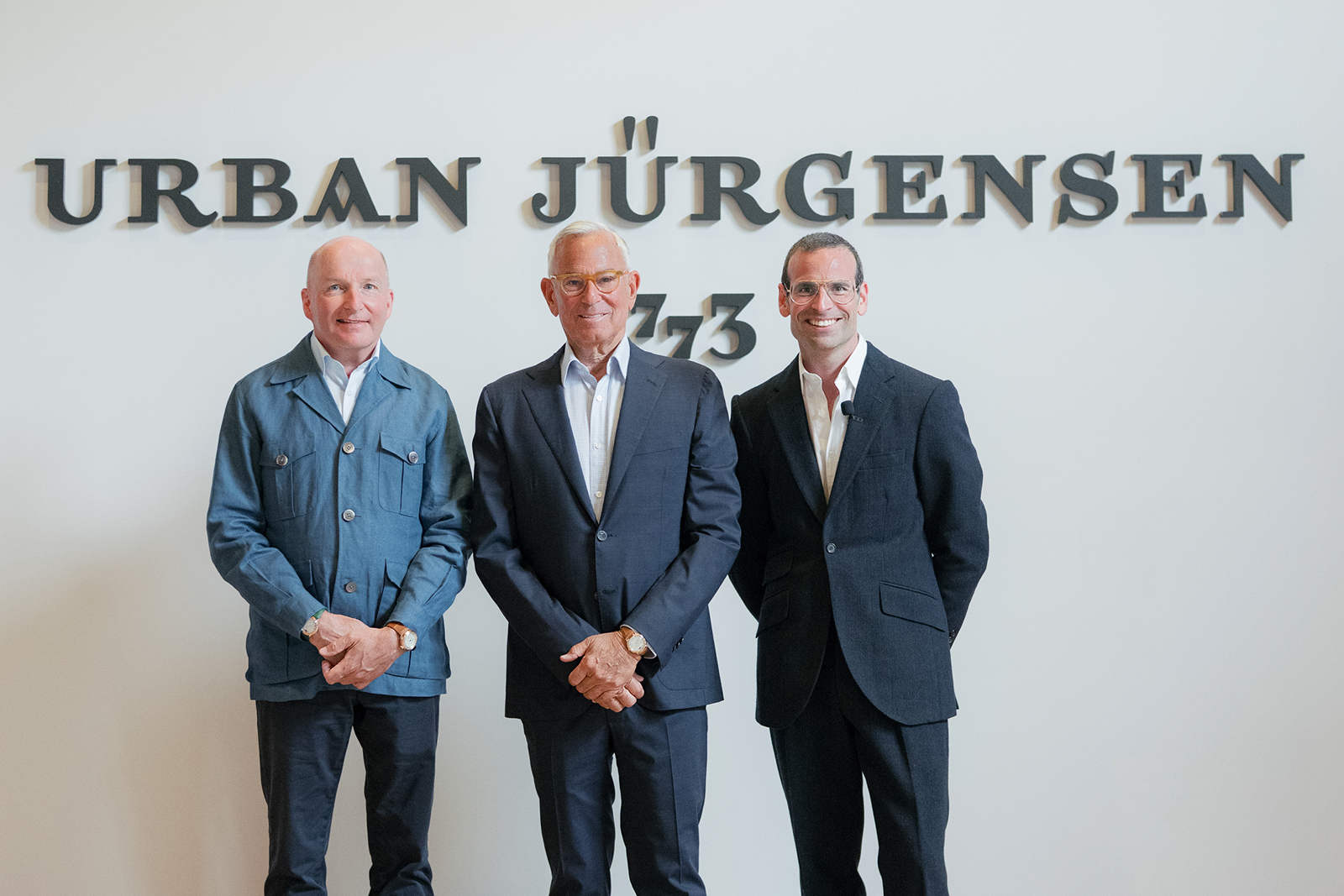
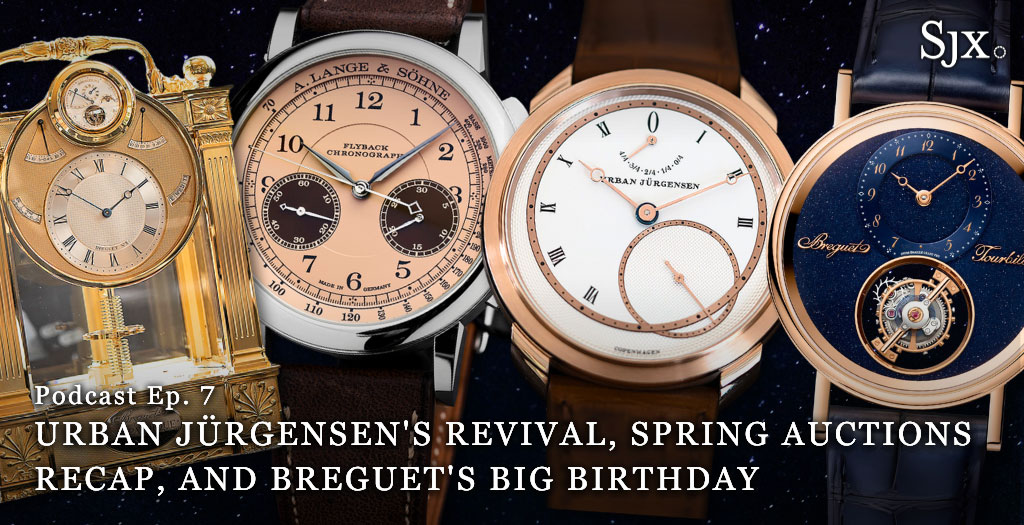
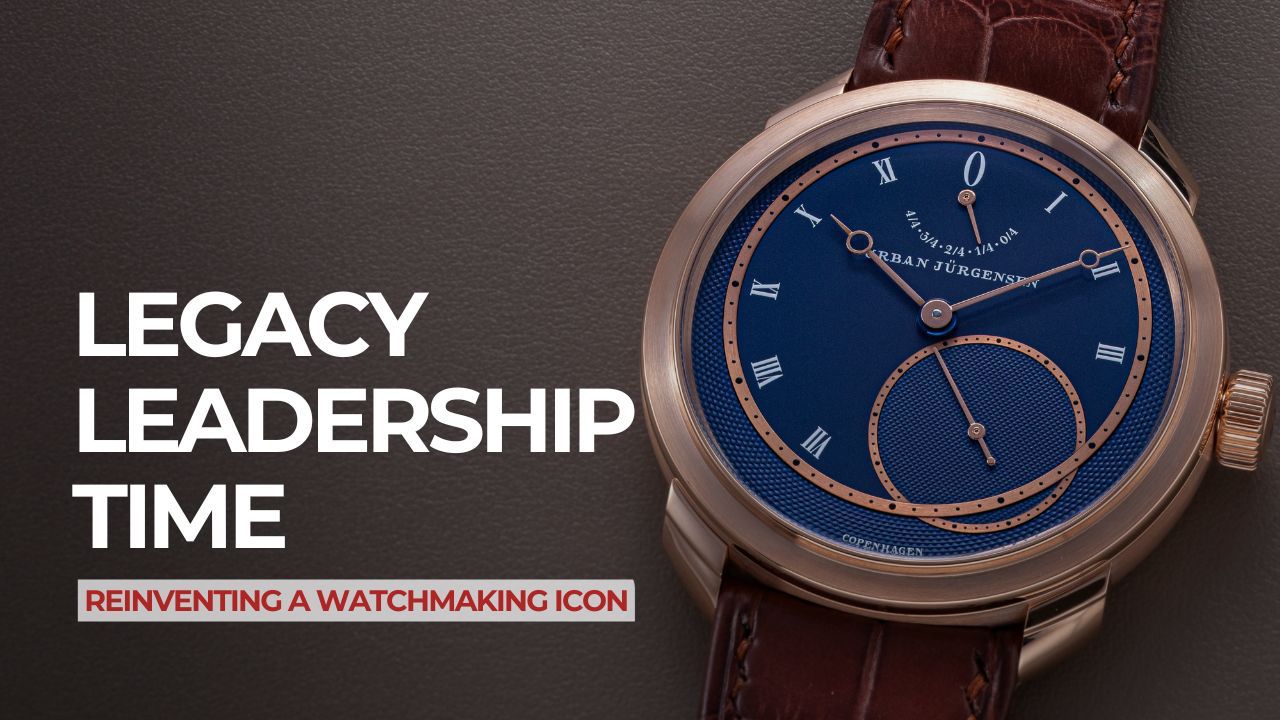
In 2024 a French-Swiss investor group (1773 SA) acquired the Urban Jürgensen rights from the Petersen family. The acquisition brought in Kari Voutilainen as movement architect and Andreas Strehler as case designer; Hans-Peter Schwarz (formerly chief horologist at A. Lange & Söhne) joined as CEO. The first product of the relaunch was the UJ-1: a time-only reference with a fully Voutilainen-developed in-house calibre, hand-finished to haute horlogerie standards, in a 39mm gold or platinum case at CHF 175,000-220,000. Production target is 50-75 watches per year. Urban Jürgensen 2024-onwards is positioned alongside Akrivia, Voutilainen proper, and Laurent Ferrier at the top of the modern haute horlogerie independent tier.





Comments
No comments yet, be the first to weigh in.