
Schaffhausen sits on the Swiss-German border in the Rhine valley, ~50km north-east of Zurich. The city's economic identity for centuries was based on the Rhine: water-powered grain milling, then water-powered industry. By the late 19th century the Rhinefall (Europe's largest waterfall, just south of Schaffhausen) was being harnessed for hydroelectric generation, providing cheap power that attracted industrial investment.
American engineer Florentine Ariosto Jones arrived from Boston in 1868 looking for a Swiss base to manufacture watches with American precision-engineering methods (interchangeable parts, machine tooling) for the American export market. Geneva and the Jura were too expensive and politically resistant to outside investment; Schaffhausen offered cheap power, lower wages, and an immigrant-friendly canton. He founded the International Watch Company in 1868; the brand has been continuously based in Schaffhausen since.
"Geneva makes watches that look beautiful. Schaffhausen makes watches that work beautifully."- Common Swiss watchmaking saying on the regional cultural divide
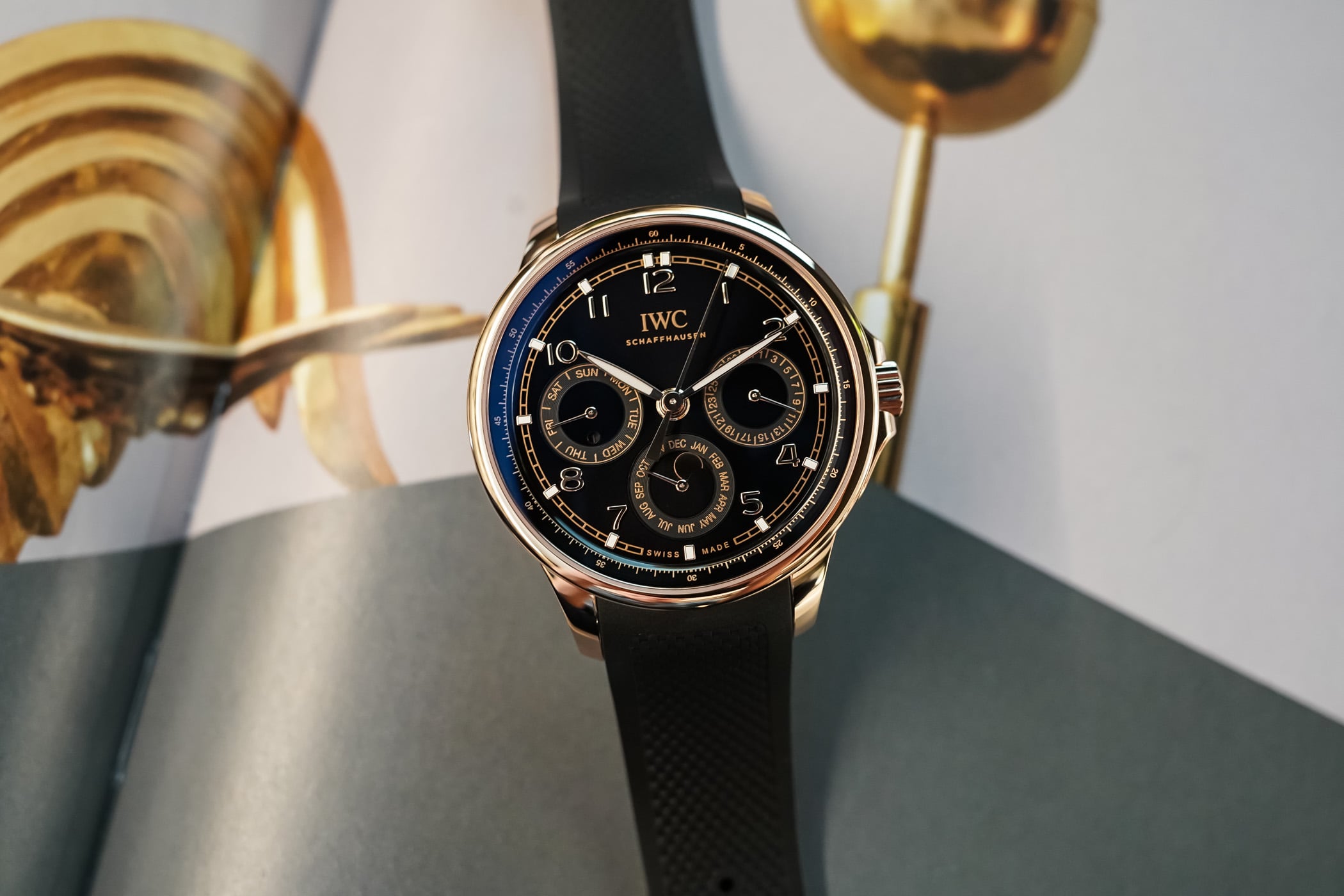
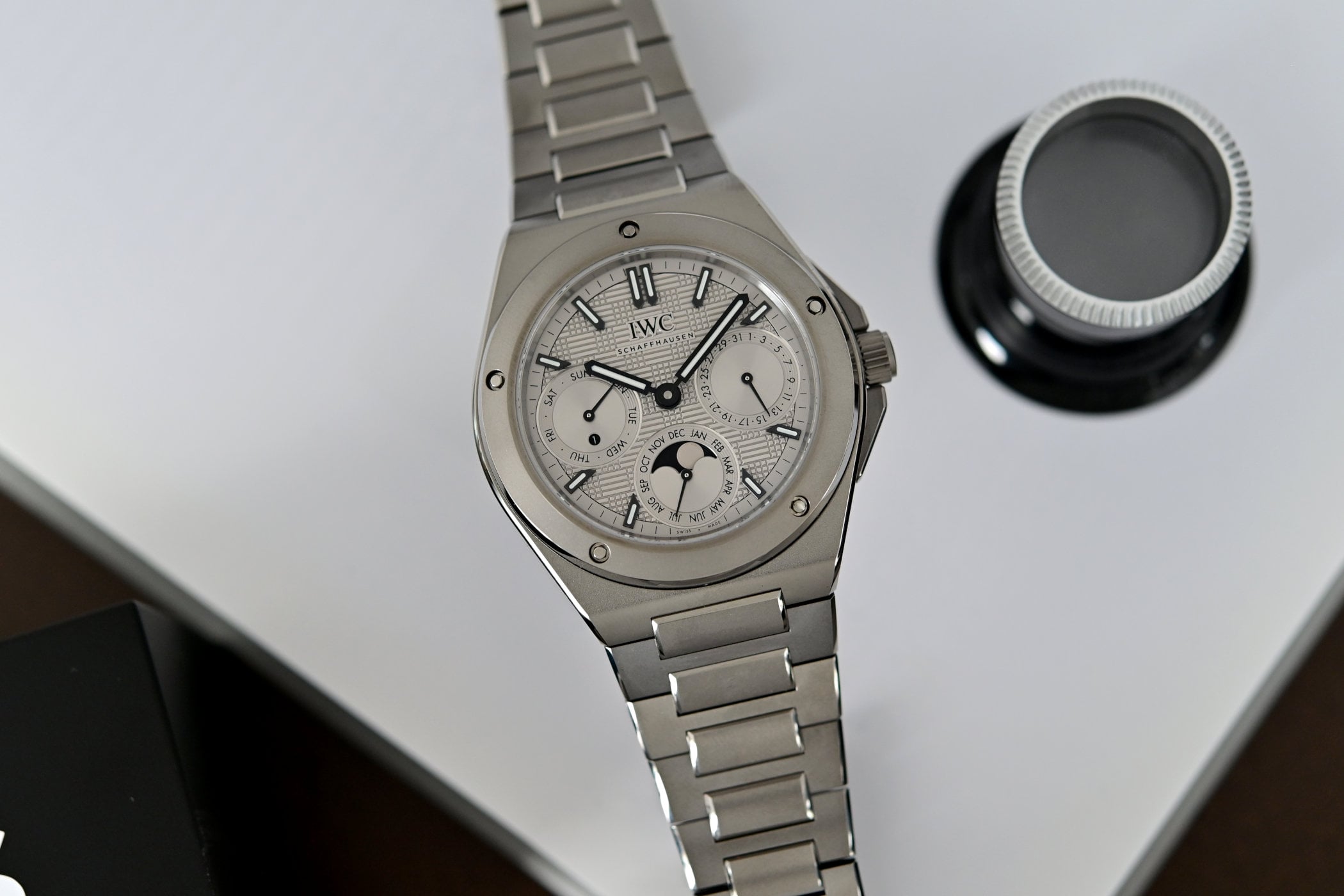
IWC defined the Schaffhausen watchmaking identity. The brand's catalogue (Portugieser, Pilot, Ingenieur, Da Vinci, Aquatimer) emphasises engineering rather than haute-horlogerie finishing; this is the German-Swiss tradition of robustness and function over visible craft. Schaffhausen's watchmakers historically trained in-house at IWC; the brand operates a watchmaking school on premises that produces ~30 graduates per year.
Beyond IWC, Schaffhausen has a small cluster of supplier and component businesses serving the watch industry, but no other major watch brand HQ. The cultural opposition to Geneva is real: where Geneva watchmaking is haute-horlogerie French-Swiss aesthetic, Schaffhausen is engineered German-Swiss function. The city is a single-brand watchmaking hub by every practical measure; IWC is Schaffhausen, and Schaffhausen is IWC.









Comments 3