Watch brandsWatch wikiWatch videosVariousWatch calendarSaved articles
PopularRolexOmegaPatek PhilippeAudemars PiguetTudorGrand SeikoCartierSeikoIWCTAG HeuerBreitlingJaeger-LeCoultreA. Lange & SohneZenith
WristBuzzWatch WikiSpring Bar
πŸ”§ Component Β· Lug Hardware Β· Universal

Spring Bar

The small spring-loaded steel bar that fits between the watch lugs to retain a strap or bracelet. Standard hardware across nearly all wristwatches; sized in millimetres to match the lug width.

A spring bar is a small steel tube containing a compressed spring and two telescoping ends, fitted between a watch's lugs to retain a strap or bracelet. The bar is sized in millimetres to match the lug width (18mm, 20mm, 22mm are most common; 19mm and 21mm appear on older or vintage references). Spring-bar standards include conventional double-flange bars (most common), shoulderless bars (for fixed-bar dive watches, also called 'fat' bars), and quick-release bars with sliding tabs that retract the ends without a tool. Spring-bar failure is a primary cause of accidental watch loss; periodic replacement is recommended.

TypeSmall spring-loaded retention bar
Common widths18mm, 20mm, 22mm
VariantsStandard, shoulderless, quick-release
Failure modeSpring fatigue β†’ accidental loss
WristBuzz Articles27
Spring Bar

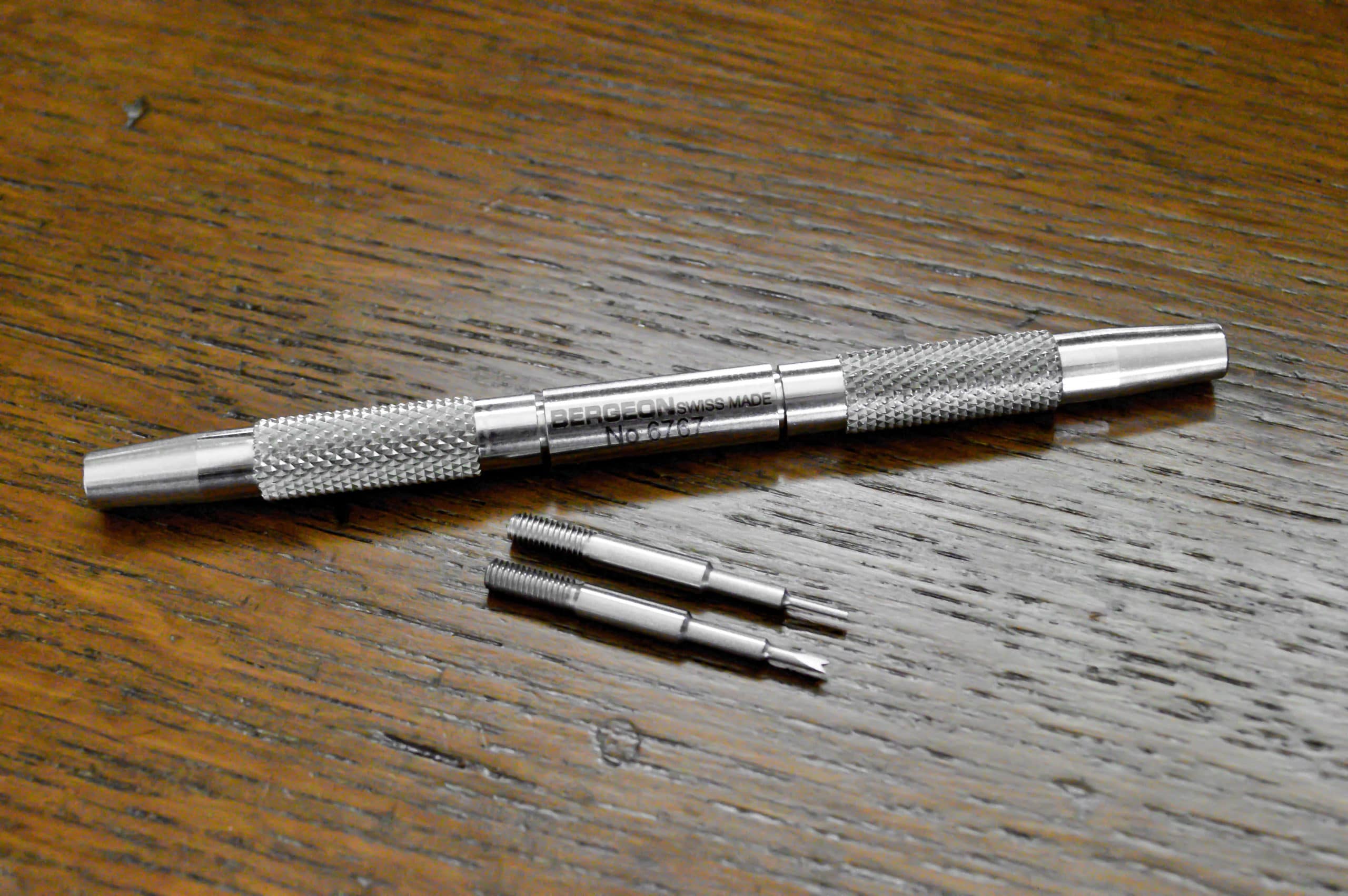
Photo: Two Broke Watch Snobs · Apr 19, 2019

SteelMaterial
18-22mmCommon
UniversalStandard
ReplacePeriodic
27WristBuzz Articles

The Spring Bar Story

A standard spring bar consists of a hollow steel tube ~1.5-2mm in diameter, internal coil spring, and two telescoping flanged ends. The flanged ends sit in small drilled holes on the inner faces of the watch's lugs. To install or remove a strap, the user uses a forked spring-bar tool to compress one end, freeing the bar from the lug hole. Bar diameter is typically standard (~1.5mm), so the principal sizing variable is length: the bar must match the watch's lug width (the inner distance between the lugs).

Common variants: standard double-flange bars (most watches); shoulderless ('fat') bars, used in dive watches with fixed-bar lugs and certain vintage references; quick-release bars with small sliding tabs that retract the flanges by fingertip pressure (avoid the spring-bar tool, though the bar is otherwise standard). Bar quality varies significantly: cheap bars deform or develop spring fatigue, while watch-brand-original or known-quality aftermarket bars (Bergeon, Watchgecko) hold their springs reliably for years. Replacing spring bars every 2-5 years on heavily-worn watches is a common recommendation.
Spring Bar Variants

Standard Β· Generic
Standard double-flange
Common

Most widely-used variant. Two telescoping flanges retract via a forked spring-bar tool.

Standard
Modern Β· Quick-release
Sliding-tab quick-release
Quick-release

Sliding tabs retract the flanges by fingertip pressure. Most NATO and rubber-strap aftermarket use these.

Tool-free

Latest Spring Bar News

SJX Watches
Hands On: Ressence Type 11
4 days ago
Hodinkee
Introducing: The MING Polymesh Straight Brings The Wild Hybrid Strap/Bracelet To More Watches
Apr 23, 2026
Worn & Wound
Ming’s Polymesh Bracelet Gets the Universal Straight Link Treatment
Apr 23, 2026
SJX Watches
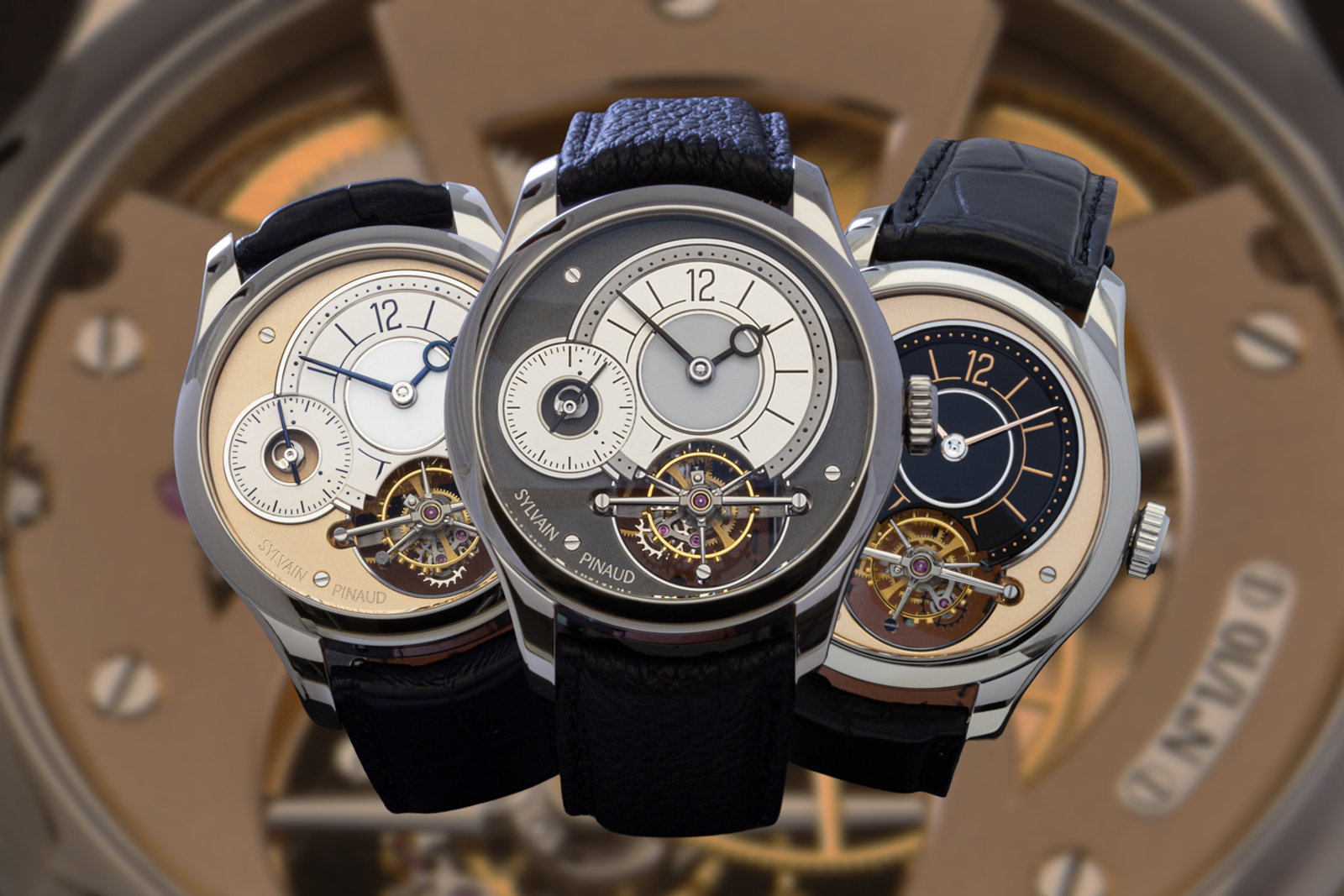
Sylvain Pinaud Returns with 30-Second Tourbillon
Apr 12, 2026
SJX Watches
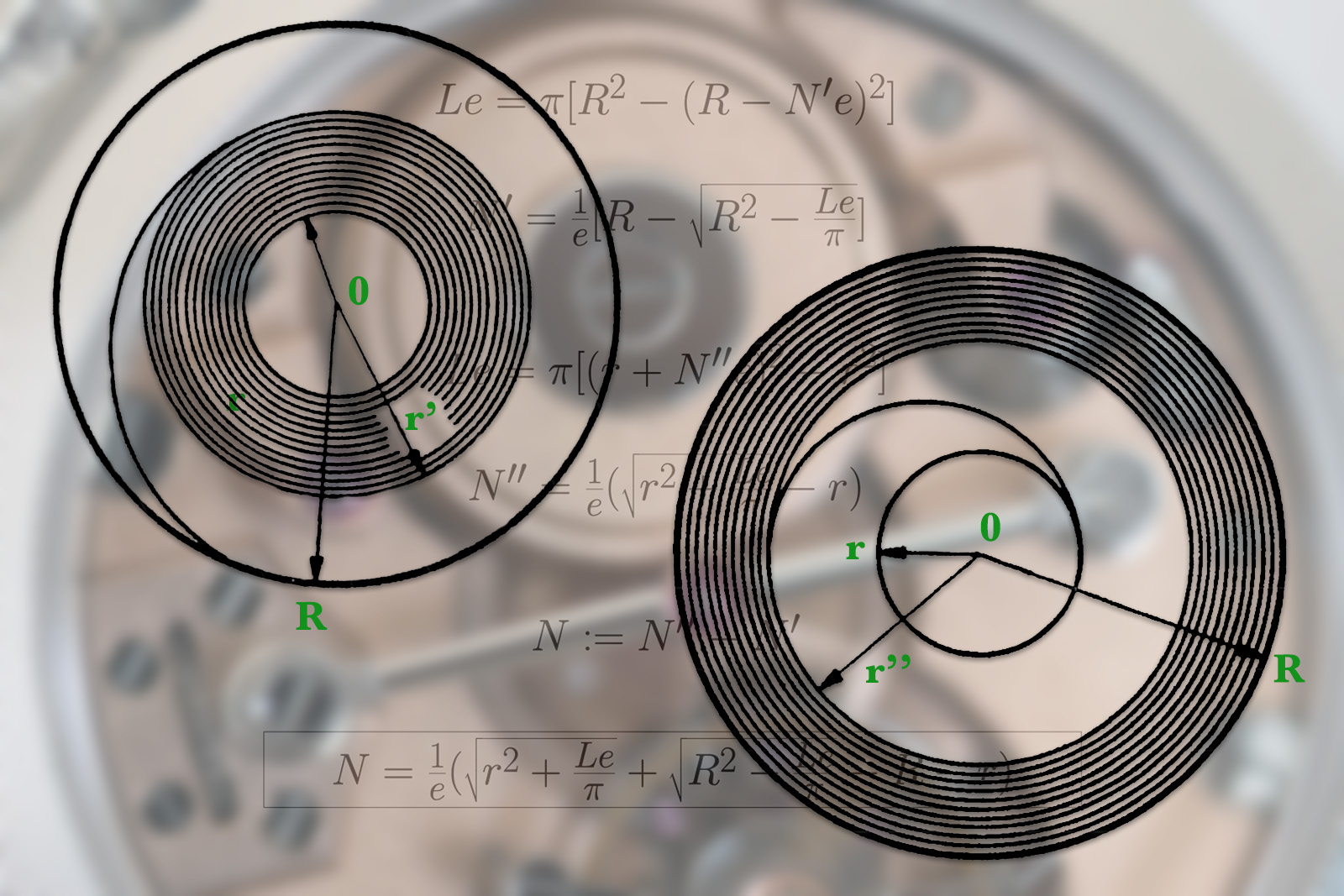
In-Depth: Balancing Mainspring Dimensions Inside the Barrel
Nov 7, 2025
Teddy Baldassarre
The NATO Strap: A History And 10 Best NATO-Strap Watches
Sep 30, 2025
Worn & Wound
Timex Expands the Marlin Collection with New Chronographs and GMTs
Aug 18, 2025
Fratello
Hands-On With The Pragma P1 – Perseverance: A 100% Swiss High-End Chronometer With High Morals
May 29, 2025
Teddy Baldassarre
Christopher Ward C12 Loco Review
Apr 23, 2025
Worn & Wound
My Watches May Be Strap Monsters, But I’m Not
Jan 16, 2025
SJX Watches
MB&F; Marks 20 Years with Legacy Machine Longhorn Editions
Jan 14, 2025
Worn & Wound
Tudor Announces the FXD β€œZulu Time,” the First Pelagos with a GMT Complication
Oct 30, 2024
View all 27 articles

Learn More