
Abraham-Louis Breguet (1747-1823) is regarded as the most influential watchmaker in history. He invented the tourbillon in 1795, the Breguet overcoil hairspring in 1795, the first self-winding watch (the perpétuelle, 1780s), and the modern wristwatch (a 1810 commission from Caroline Murat, Queen of Naples). His house was supplier to Marie-Antoinette, Napoleon, the Tsars, and most of the early-19th-century European elite. Almost every dress-watch design code in modern use was originated by Breguet personally: coin-edge fluted case sides, guilloché silver dials, Breguet numerals (the elegant Roman script Breguet applied to chapter rings), Breguet hands (the apple-shape with the hollowed-eccentric tip), and the secret signature hand-engraved on every dial as an anti-counterfeiting measure.
The Breguet maison endured through the 19th and 20th centuries with the House of Breguet in Paris and Switzerland. Major ownership changes occurred in 1976 (acquired by Chaumet), 1987 (acquired by Investcorp), and 1999 (acquired by the Swatch Group), which brought substantial investment and a return to manufacture-level production. The modern Classique reference line gathers all the historic Breguet design signatures into a single coherent dress-watch family: this is where the maison's codes are most fully expressed.
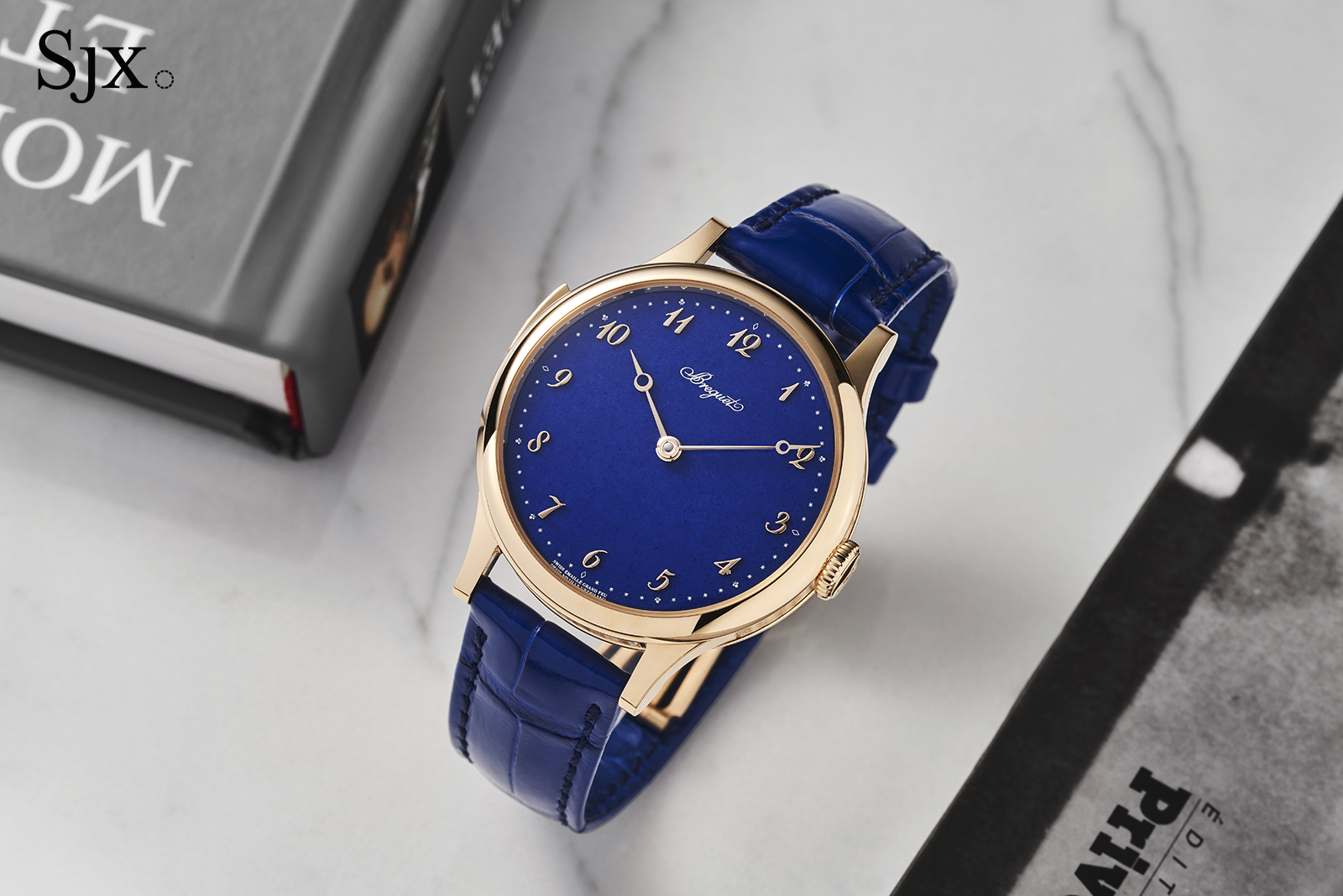
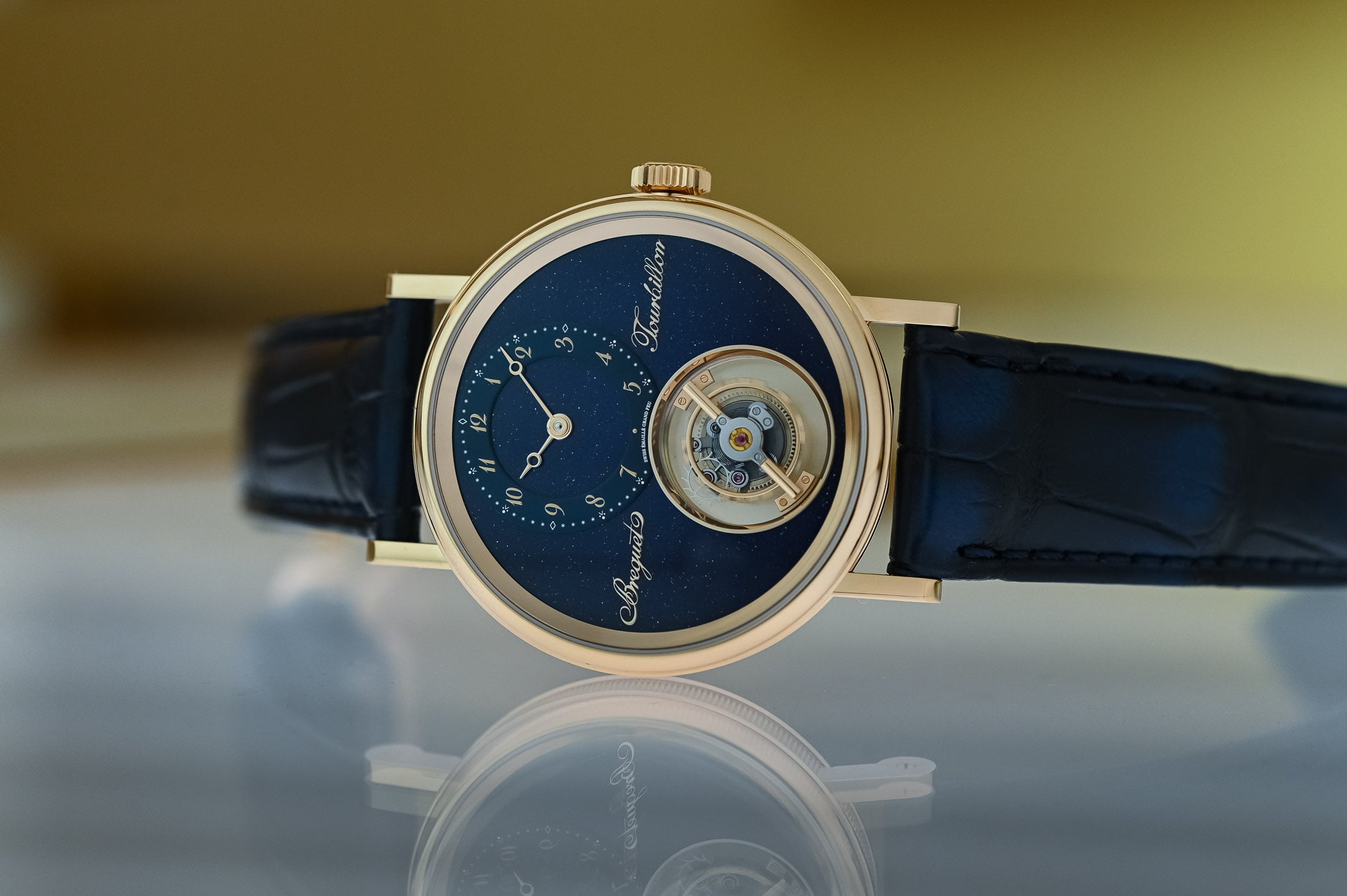
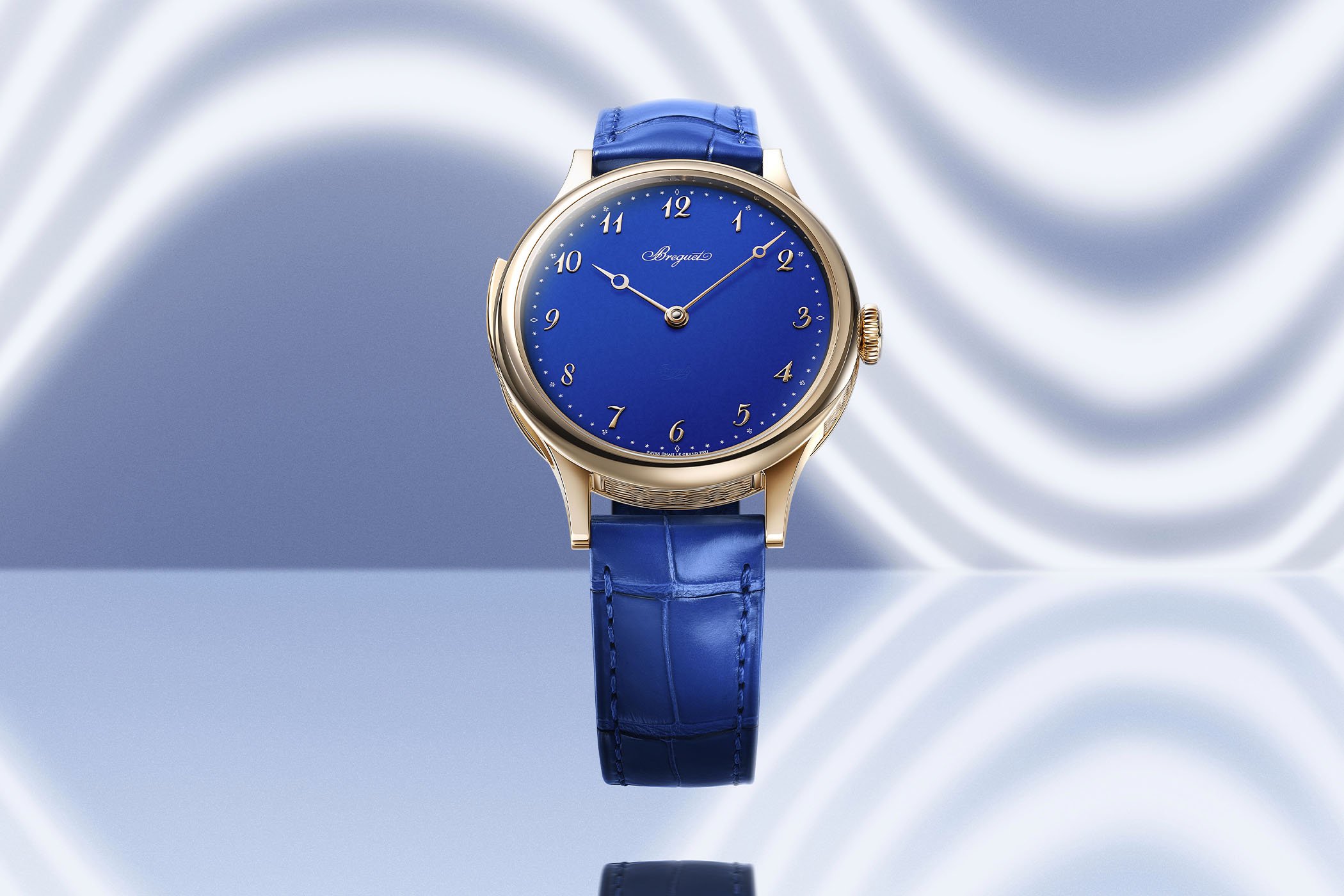
The Classique catalogue spans dozens of references. Three-hand simplicity at the entry point: the Classique 5177 (40mm) with grand-feu enamel dial. Off-centre small seconds: the 5957. Off-centre dial layouts: the 5947 and 7787. Tourbillon: the 5377 ultra-thin tourbillon (one of the thinnest tourbillon wristwatches in production). Moonphase: the 7137 with hand-engraved gold moonphase disc. Perpetual calendar: the 7327. Minute repeater: the 7637. Each reference carries the same dial-design vocabulary, varying mostly in case material (yellow gold, white gold, pink gold, or platinum) and complication.
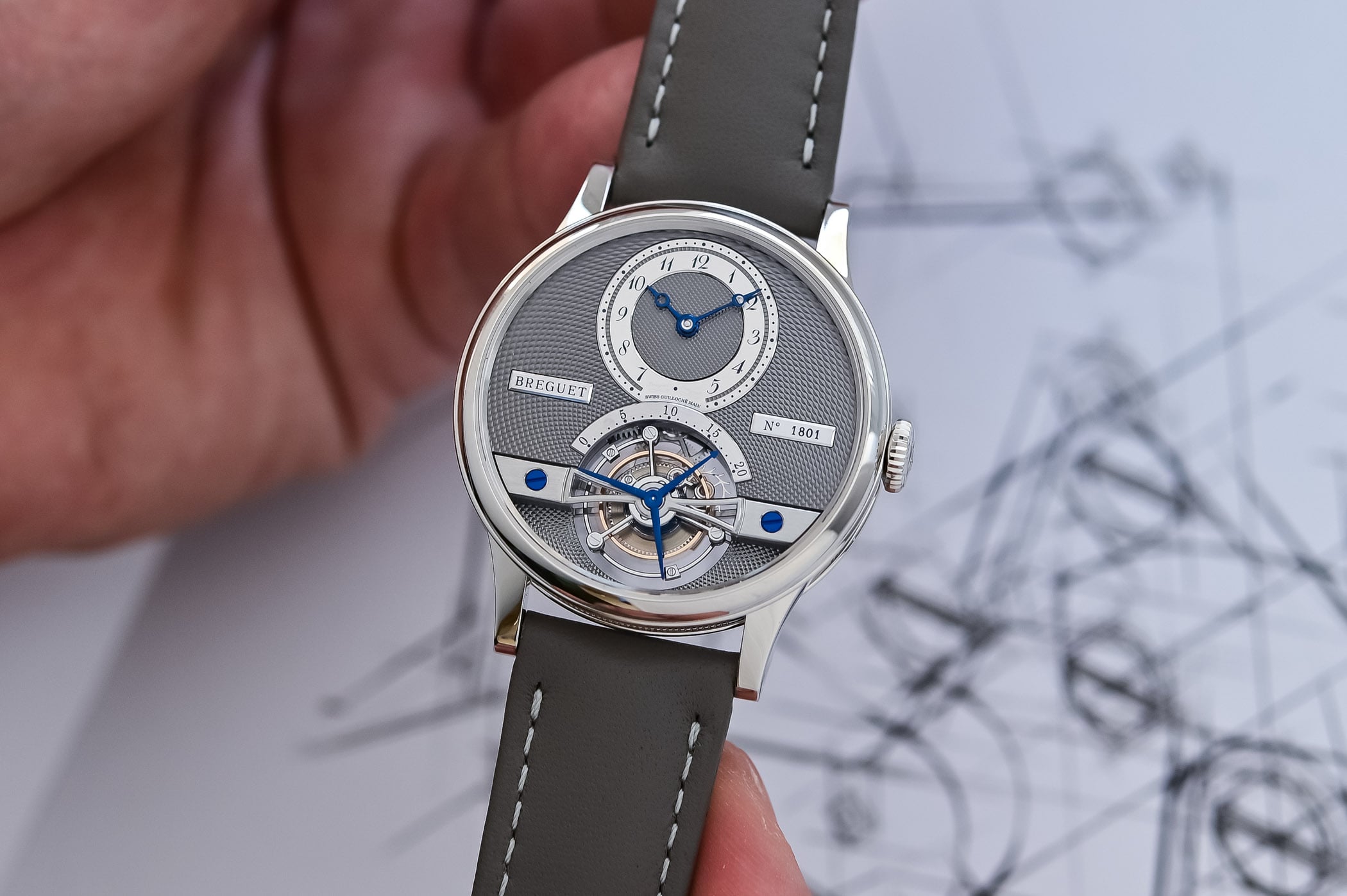
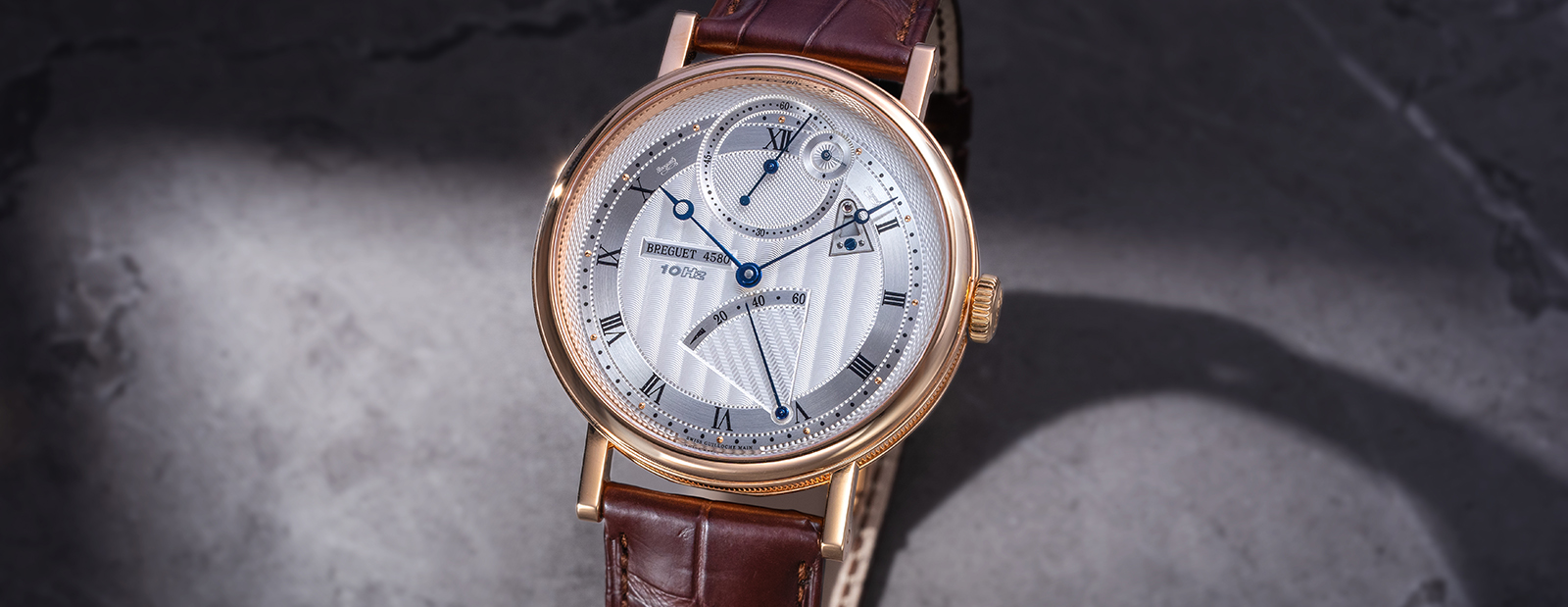
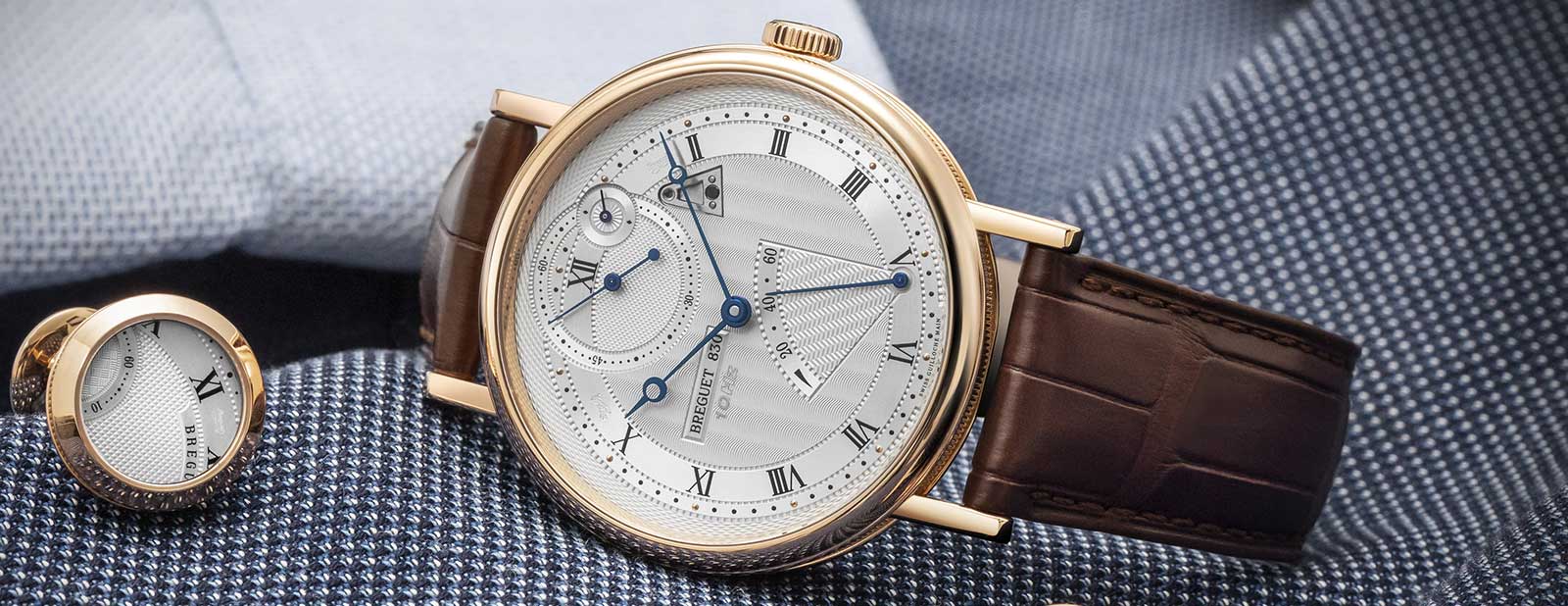
The defining detail across the entire Classique line is the silver guilloché dial, hand-turned on a 19th-century rose engine to produce intricate geometric patterns: Clous de Paris, panier, vagues, etc. Different patterns appear in different zones of the dial (chapter ring, subdial centre, dial sector). The Breguet house style is restrained: silver-grained main dial, blued steel hands, applied numerals, and minimal printing other than "Breguet" in script and the secret signature. Retail across the Classique line spans approximately USD 22,000 (Classique 5177 Yellow Gold) to USD 280,000+ (Minute Repeater 7637). The Classique is, in spirit, the most direct surviving expression of Abraham-Louis Breguet's 19th-century dress-watch tradition.





Comments
No comments yet, be the first to weigh in.