Abraham-Louis Breguet was born in Neuchâtel in 1747 and moved to Paris as a teenager to learn watchmaking. By his mid-twenties he had established a workshop on the Île de la Cité that would become the most celebrated address in the history of clockmaking. His clientele reads like a directory of 18th-century power: Marie Antoinette commissioned what became the most complicated pocket watch ever built, Napoleon Bonaparte owned multiple Breguet pieces, Wellington carried a Breguet at Waterloo, and the Tsar of Russia was among his regular patrons. Breguet was not merely a craftsman to these figures; he was a scientist who happened to express his discoveries in watch form.
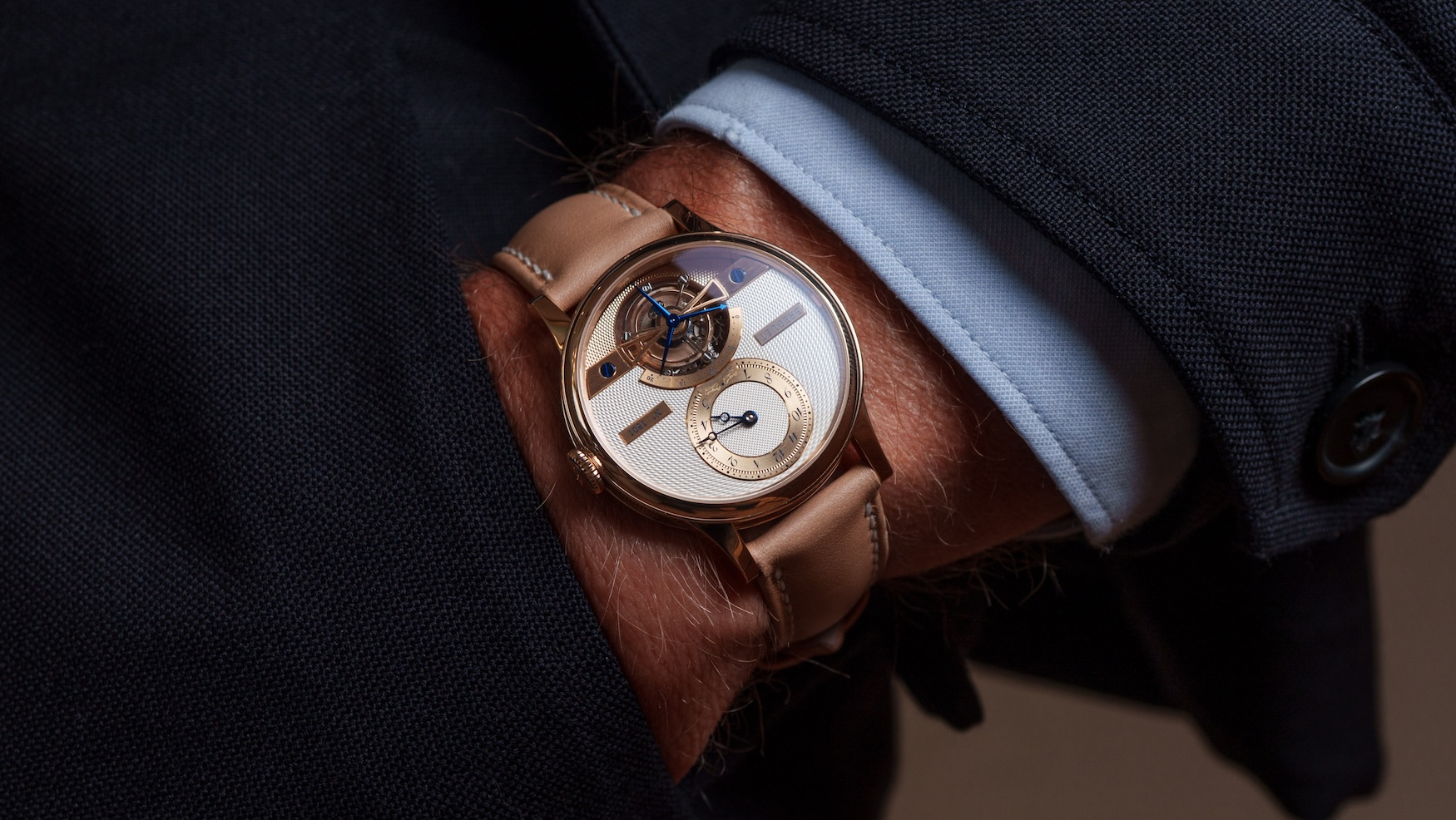
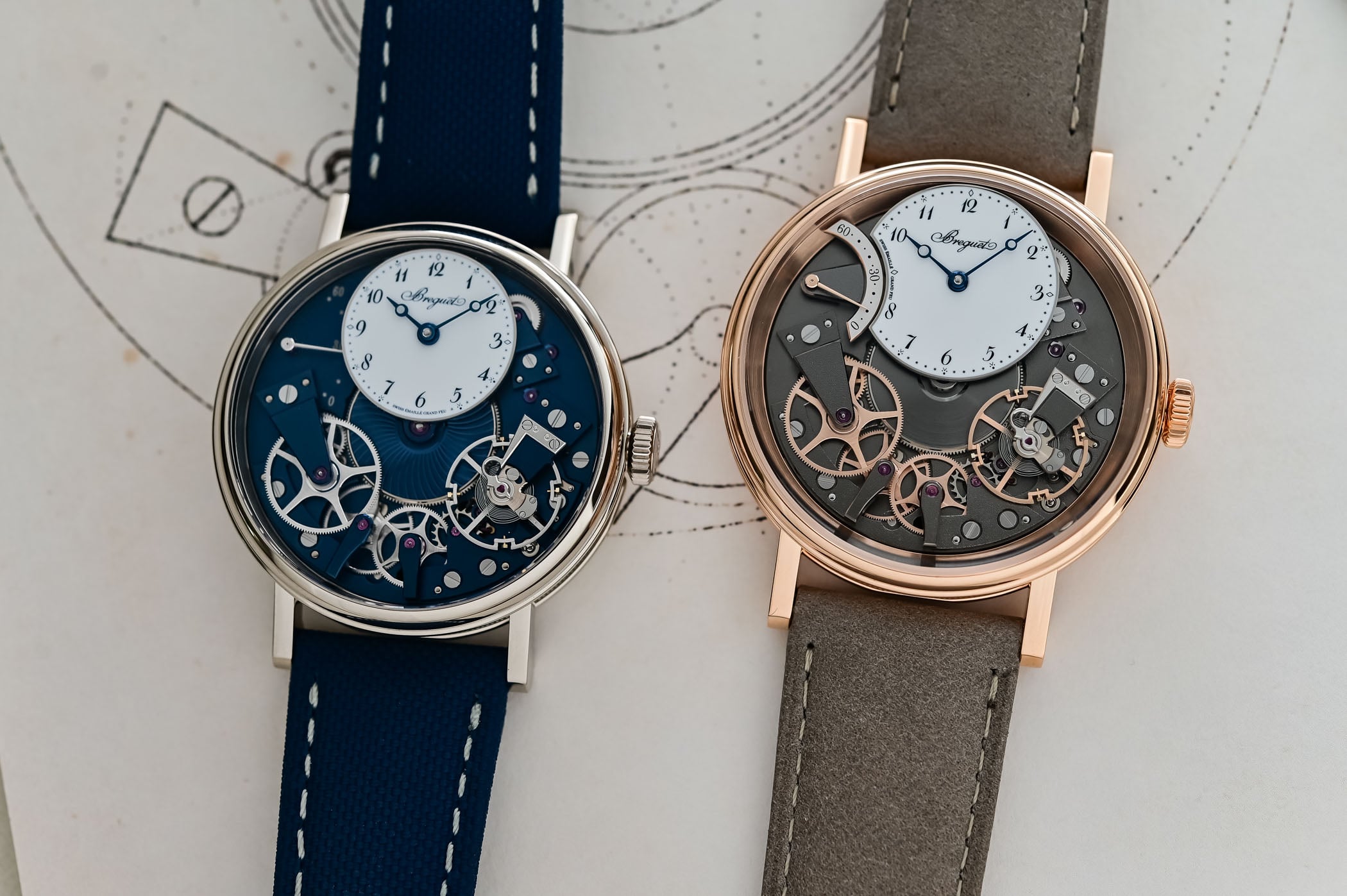
The tourbillon, patented in 1801, is Breguet's most famous invention. A rotating cage that carries the escapement and balance wheel through 360 degrees once per minute, the tourbillon was designed to counteract the positional errors caused by gravity acting on pocket watches kept vertically in waistcoat pockets. Breguet also invented the overcoil hairspring (still called the "Breguet spring"), the pare-chute shock absorber, the self-winding mechanism for pocket watches, and a style of hands and numerals so distinctive that both are named after him and used by dozens of manufacturers to this day.
After Breguet's death in 1823 the company passed through several hands, eventually being acquired by the Swatch Group in 1999. The modern Breguet manufacture in Le Locle continues to produce movements honouring the founder's inventions: tourbillons, perpetual calendars, minute repeaters, and the distinctive guilloché dials that identify a Breguet at twenty paces. The brand occupies the apex of the Swatch Group alongside Blancpain, and its historical credentials are unmatched by any other watchmaker still in active production.