Watch brandsWatch wikiWatch videosVariousWatch calendarSaved articles
PopularRolexOmegaPatek PhilippeAudemars PiguetTudorGrand SeikoCartierSeikoIWCTAG HeuerBreitlingJaeger-LeCoultreA. Lange & SohneZenith
WristBuzzWatch WikiGuilloché
🎨 Finishing · Engine-turned

Guilloché

Engine-turned geometric patterns cut into dials and cases

Mechanically engine-turned decorative patterns, cut into a dial or case by a hand-operated rose engine or straight-line engine. A defining element of Breguet, Abraham-Louis Breguet's house signature since 1786. Modern CNC approximations are common; true hand-guilloché is a vanishing craft practised by fewer than 50 people worldwide.

Inventedc.1700s, French
BreguetAdopted 1786
Hand engineRose engine / straight line
ModernCNC-milled approximation
CategoryDial & case finishing
WristBuzz Articles382
Guilloché

Photo: Quill & Pad · Apr 14, 2026

1786Breguet Adopts
<50Hand Guillocheurs Left
4-8hPer Dial
RoseEngine Type
382WristBuzz Articles

The Guilloché Story

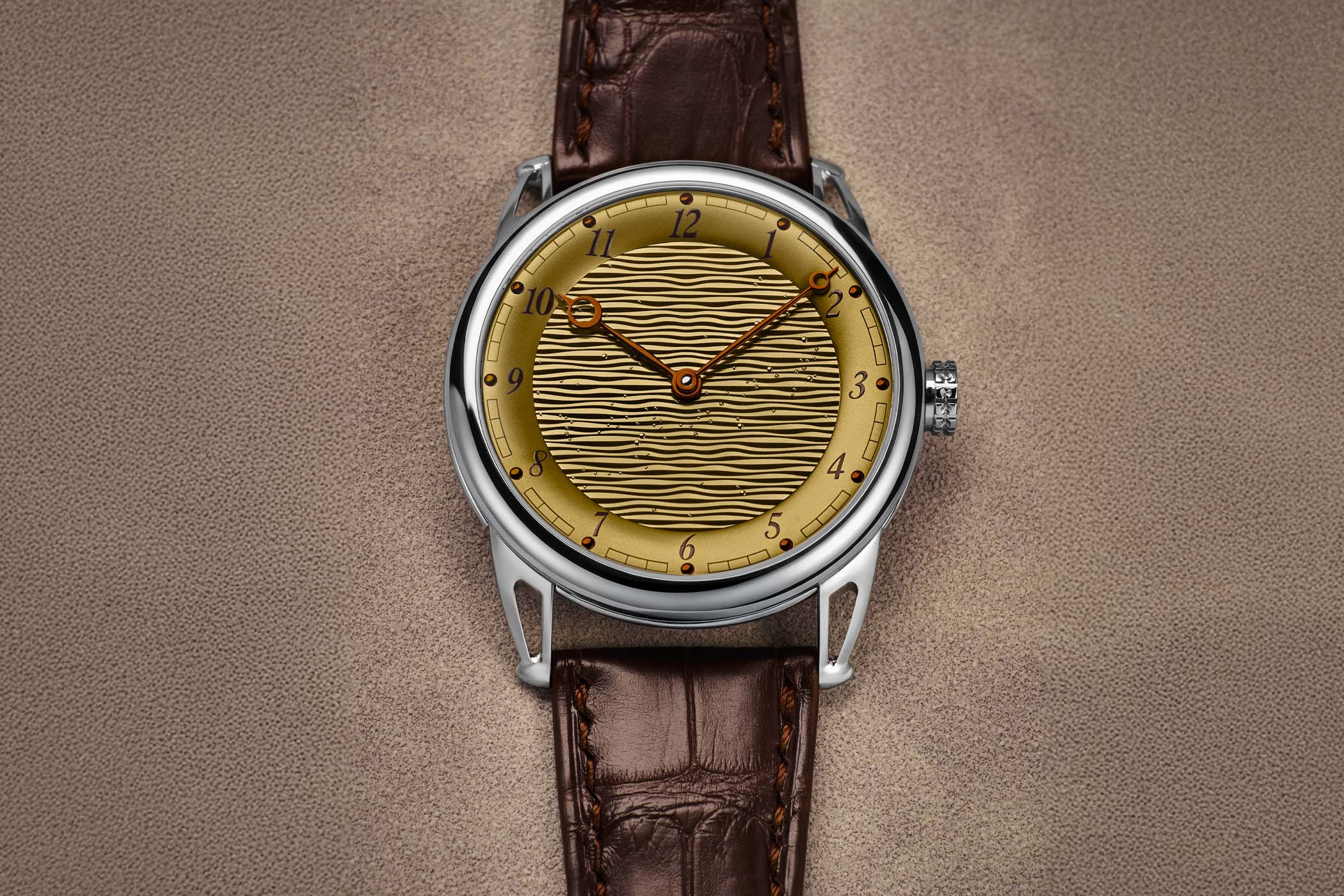
Guilloché is the French name for engine turning, a technique in which a cutting tool is held stationary against a workpiece mounted on a rotating mandrel. The mandrel turns and traverses under mechanical guidance from a pattern master, producing a geometric engraved pattern on the surface. The technique was developed in France in the early 18th century for goldsmith and jewellery work, and adapted for watchmaking by goldsmiths making pocket-watch cases. Abraham-Louis Breguet adopted guilloché for dials in 1786; it has been a Breguet signature continuously since.

Two machines do the work. A rose engine cuts circular and floral patterns on a piece rotating against a radial cutter; patterns include Clous de Paris (tiny pyramids), Grain d'orge (barleycorn), soleil (sunburst from the centre), waves, and proprietary brand patterns. A straight-line engine cuts linear patterns on a reciprocating slide, including Côtes de Genève and cross-hatched grids. Both machines are 18th-century mechanical technology; a good hand-guilloché dial takes 4 to 8 hours of bench time per piece, which is why modern manufacturers largely use CNC.

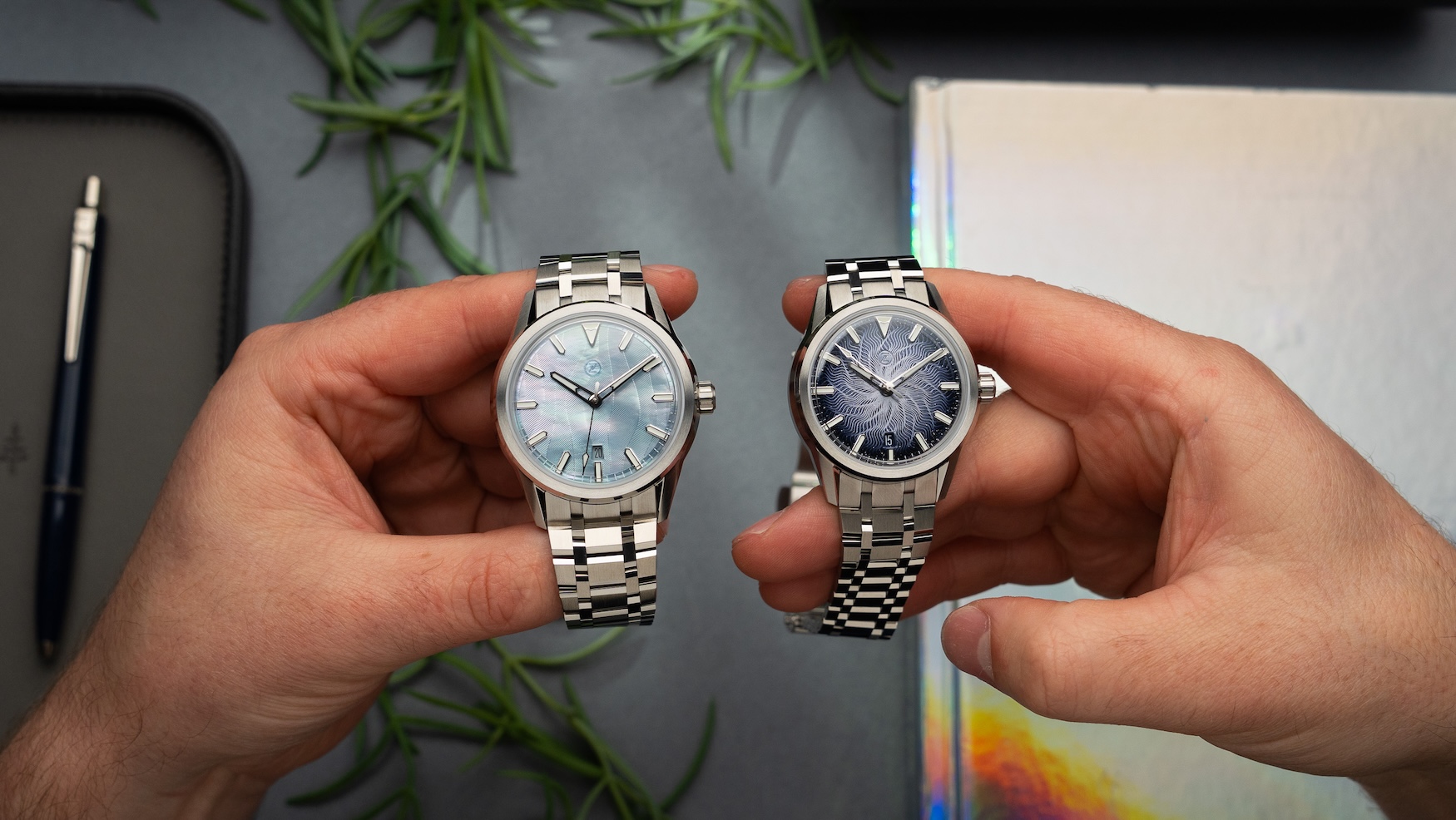
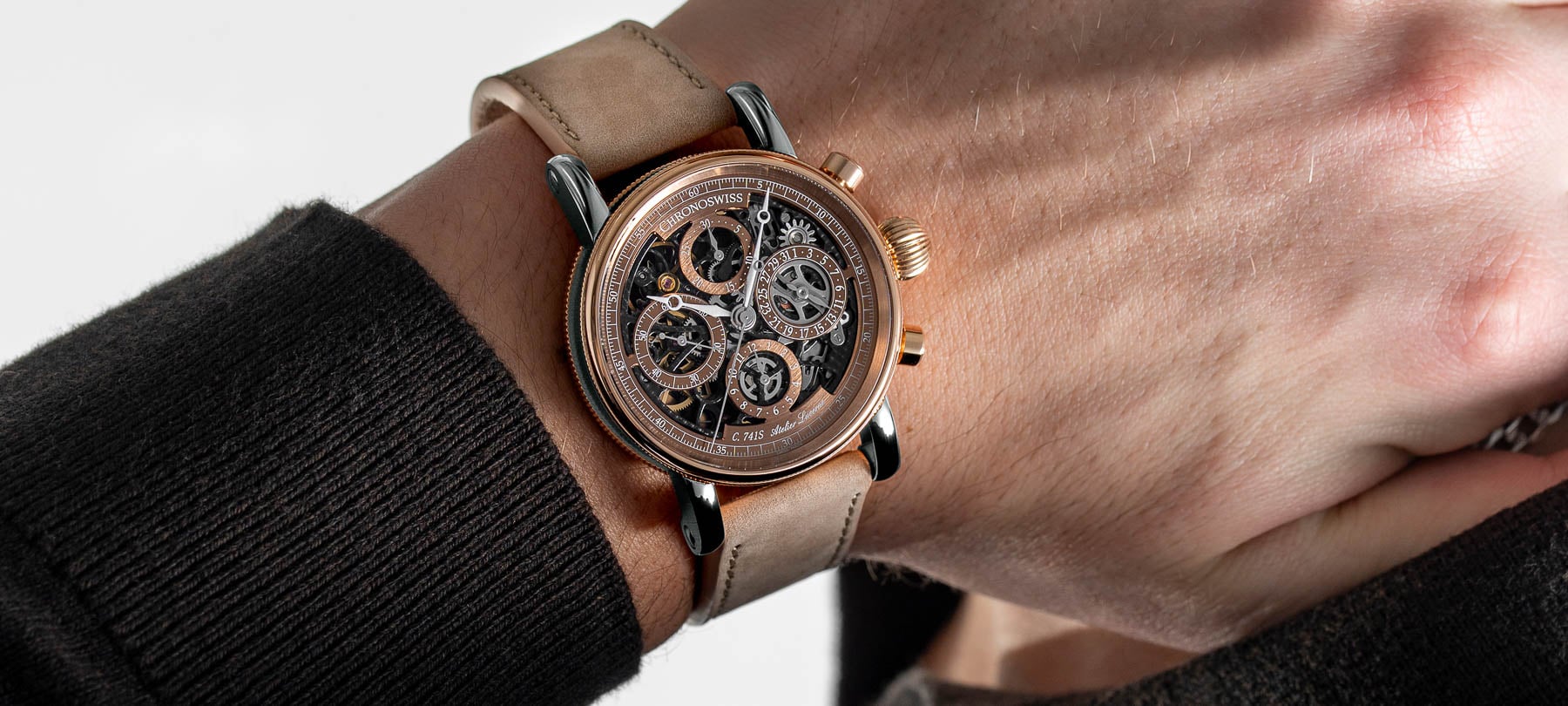
Hand guilloché is practised by fewer than 50 craftspeople worldwide today. The largest concentration is at Breguet (about a dozen dedicated guillocheurs at the Vallée de Joux manufacture) and at F.P. Journe. Independents Kari Voutilainen, Andreas Strehler, and Rexhep Rexhepi (Akrivia) cut their own guilloché by hand. The visual difference between hand and CNC guilloché is subtle but visible under magnification: hand-cut patterns show micro-irregularities and chatter marks that give a dial life; CNC patterns are uniformly perfect and, to an expert eye, lifeless.

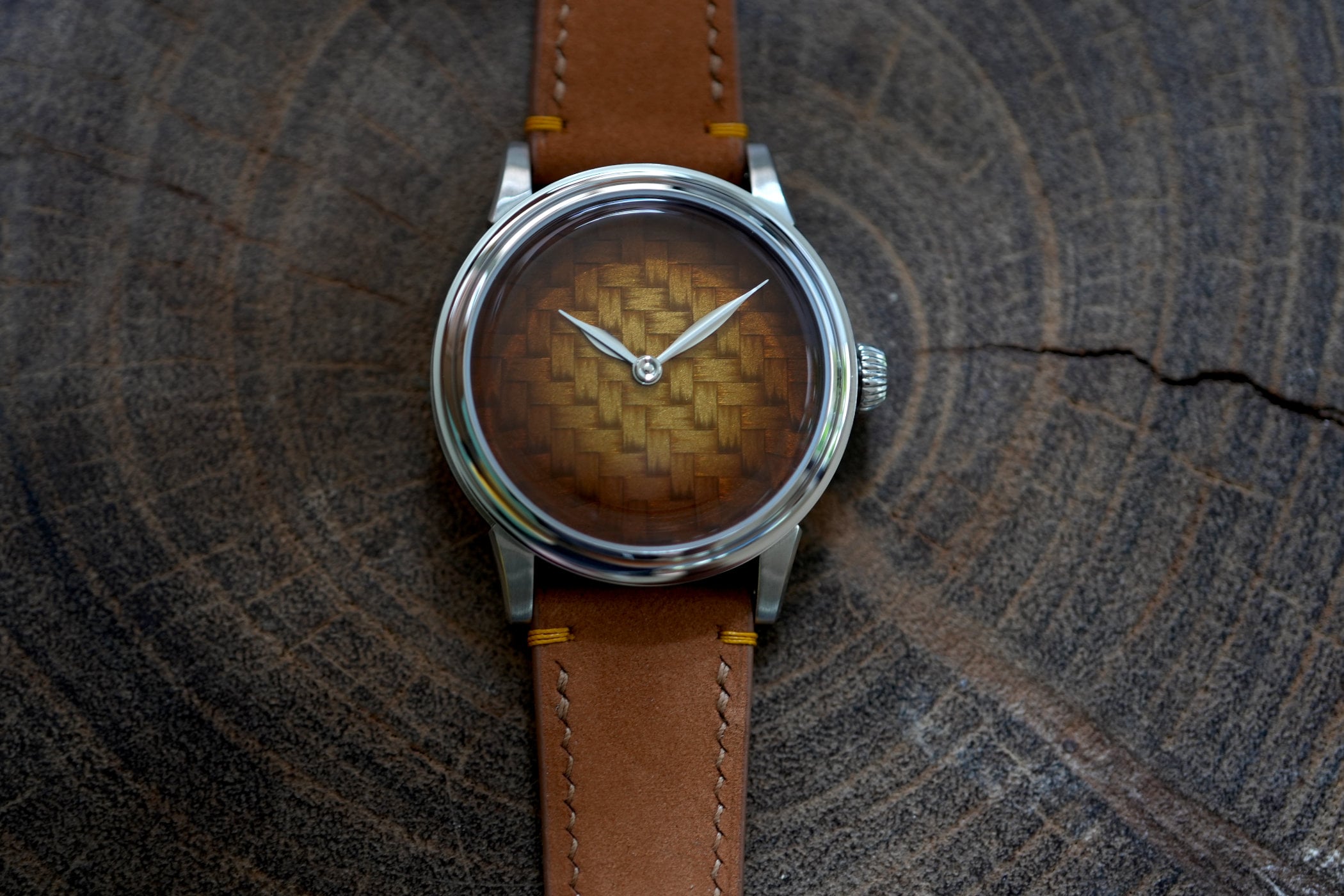
CNC guilloché produces perfectly repeatable patterns at a fraction of the cost. Most sub-€10,000 watches with "guilloché" dials today use CNC-milled or stamped patterns, often finished with an enamel or lacquer fill. The distinction is important to collectors: a Breguet Classique dial is hand-cut and each one takes a day of work; a similarly-priced competitor may have a machine-stamped dial that took minutes. Some brands (Voutilainen, Dornblüth, Moritz Grossmann) are explicit about which dials are hand-cut; most are not.
Notable Guilloché Dials

Modern · Breguet
Classique Quantième Perpétuel
Ref. 7327

Hand-guilloché dial with Clous de Paris (nail-head), grain d'orge (barleycorn), and soleil (sunburst) patterns in different dial zones. The reference example of hand-cut guilloché today.

Hand-Cut
2013 · Patek Philippe
Calatrava Ref. 5227
Officer's Case

Clous de Paris dial with hinged caseback revealing a solid-gold officer's back. Patek's most-subtle guilloché.

Clous de Paris
2018 · Audemars Piguet
Royal Oak "Petite Tapisserie"
Ref. 15202

The Royal Oak's signature tapisserie dial is a form of guilloché, cut by stamping a grid of small pyramids. Large Tapisserie appears on modern Royal Oak Offshore.

Tapisserie
2002 · F.P. Journe
Chronomètre Souverain
Hand-guilloché silver

F.P. Journe's silver hand-guilloché dials, cut on a rose engine in-house. The F.P. Journe dial is one of the most distinctive guilloché patterns in modern watchmaking.

Journe Engine
Current · Kari Voutilainen
Vingt-8
Hand-guilloché dial

Voutilainen cuts his own dials on his rose engine. Multiple guilloché zones per dial, colour-filled by hand. One of the few hand-guilloché independents outside Breguet/FPJ.

Independent
CNC · Industry
CNC "Guilloché"
Various

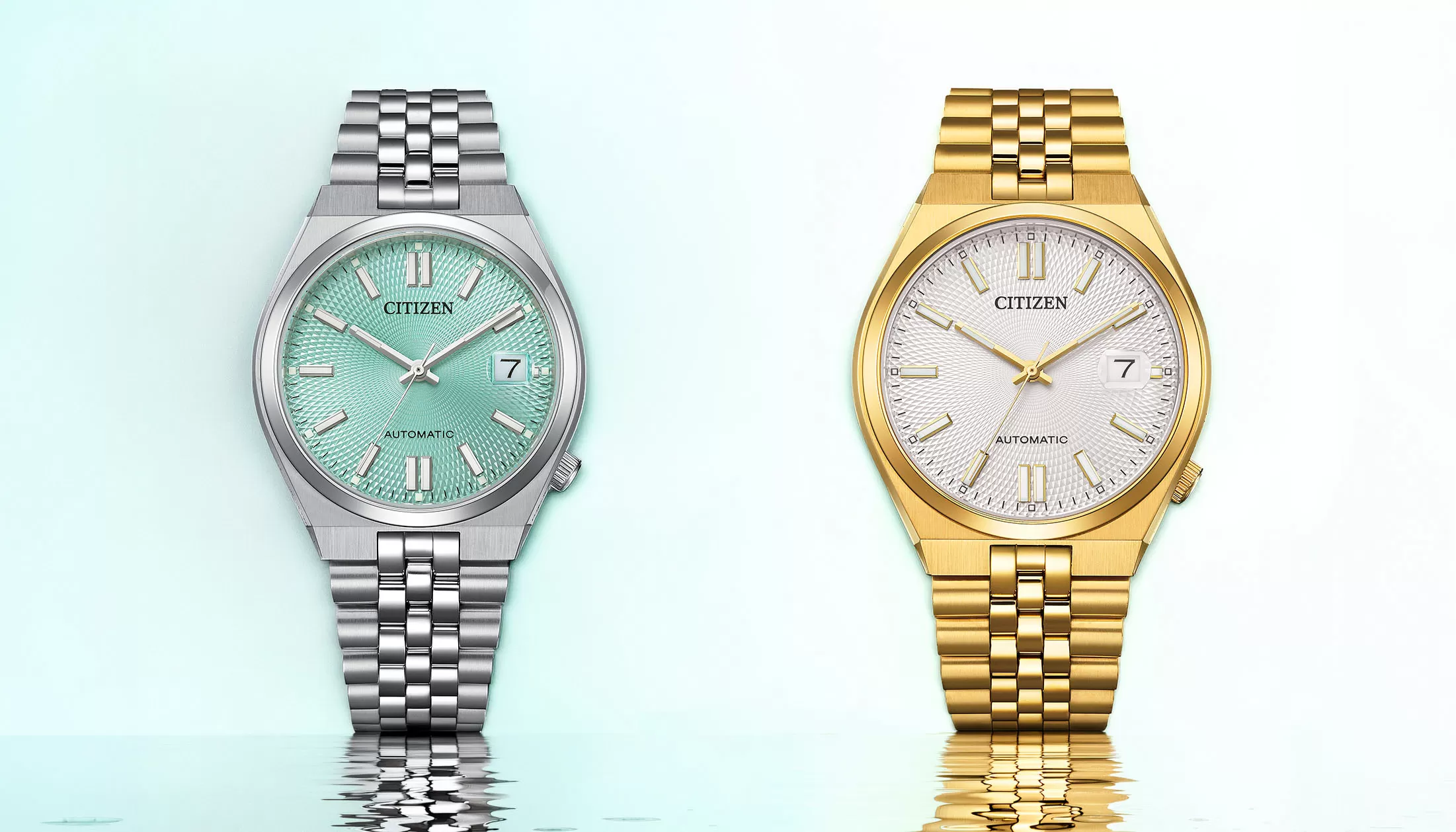
Most dials sold with "guilloché" below €10,000 are CNC-milled, often with stamped patterns finished by hand. Visually uniform; lacks the subtle irregularities of hand-cut work.

Industrial

Latest Guilloché News

SJX Watches
Canadian Watchmaker Bradley Taylor Returns with the Ardea
6 days ago
Hodinkee
Introducing: The Bradley Taylor Ardea
6 days ago
Worn & Wound
Farer Introduces New Watches in the Pilot Series
6 days ago
Hodinkee
Introducing: The Patek Philippe 5322G Brings A More Modern-Sized And Styled Chiming Alarm Function To The Catalog (Live Pics)
Apr 28, 2026
Worn & Wound
Anoma Debuts Two New References as Part of their Permanent Collection
Apr 28, 2026
Monochrome
First Look – The new Venezianico Arsenale Calendario, An Accessible Take on the Integrated Bracelet Watch
Apr 27, 2026
Teddy Baldassarre
Editors' Picks: Our Favorite Dress Watches from Watches & Wonders 2026
Apr 22, 2026
Hodinkee
Introducing: De Bethune DB25Vxs Silver Moon And DB28xs Dark Sand
Apr 21, 2026
Hodinkee
Introducing: The New Chopard L.U.C. Chopard Strike One In Titanium (Live Pics)
Apr 20, 2026
Worn & Wound
Watches & Wonders: Jaeger-LeCoultre Showcases Its Unique Mastery of Both Form and Function Through a Slew of New Releases
Apr 15, 2026
SJX Watches
Blue Steel: Chopard L.U.C 1860
Apr 15, 2026
Worn & Wound
Watches & Wonders: The Chopard L.U.C. 1860 Chronometer, Like the Original from Three Decades Past, May be Worth The Wait
Apr 14, 2026
View all 382 articles

Learn More