
Heinrich Moser established his eponymous brand in 1828 after relocating from Switzerland to Imperial St Petersburg, where he became watchmaker to the Russian court under Tsar Nicholas I. In the 19th century Moser watches were prized possessions of the Russian aristocracy, and the brand's pocket chronometers won precision competitions across Europe. After the Russian Revolution, the company contracted severely and by the 1970s had effectively gone dormant in its original form.
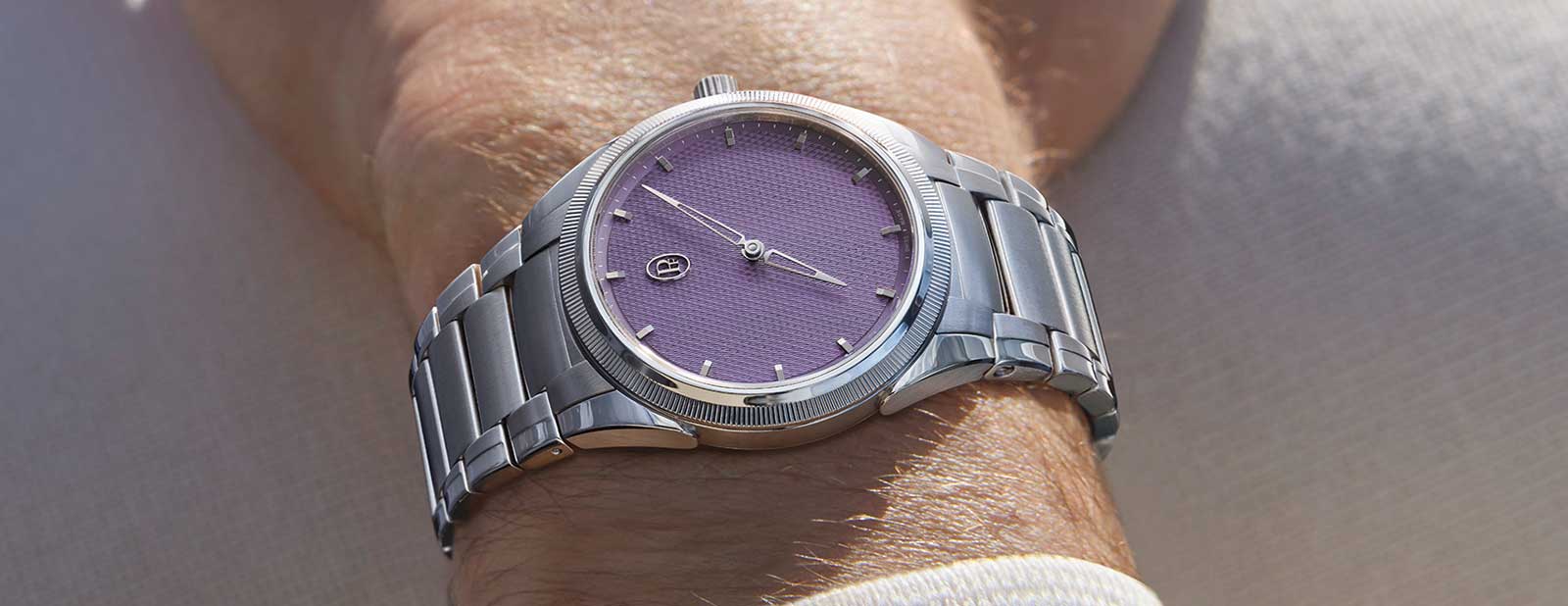
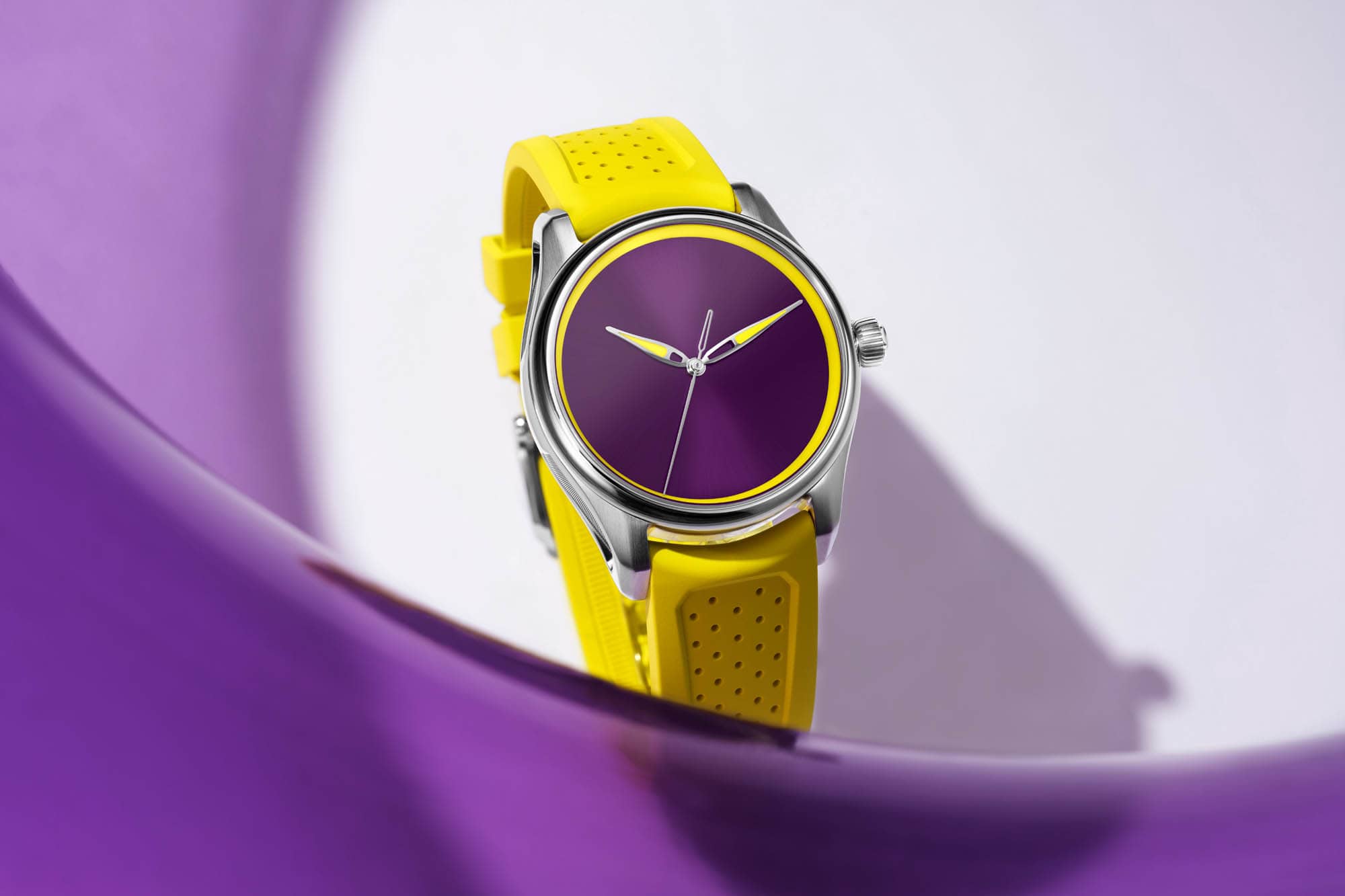
The modern H. Moser was revived in 2002 by Dr Juergen Lange, and in 2012 the MELB Holding (Meylan family) acquired control. Under creative director Edouard Meylan, the manufacture established its identity through the signature fume dial, a hand-finished gradient where the dial transitions smoothly from a lighter centre to a darker edge, with no painted numerals, no minute track, and in many references no indexes at all. The resulting minimalism became the brand's most recognisable signature.
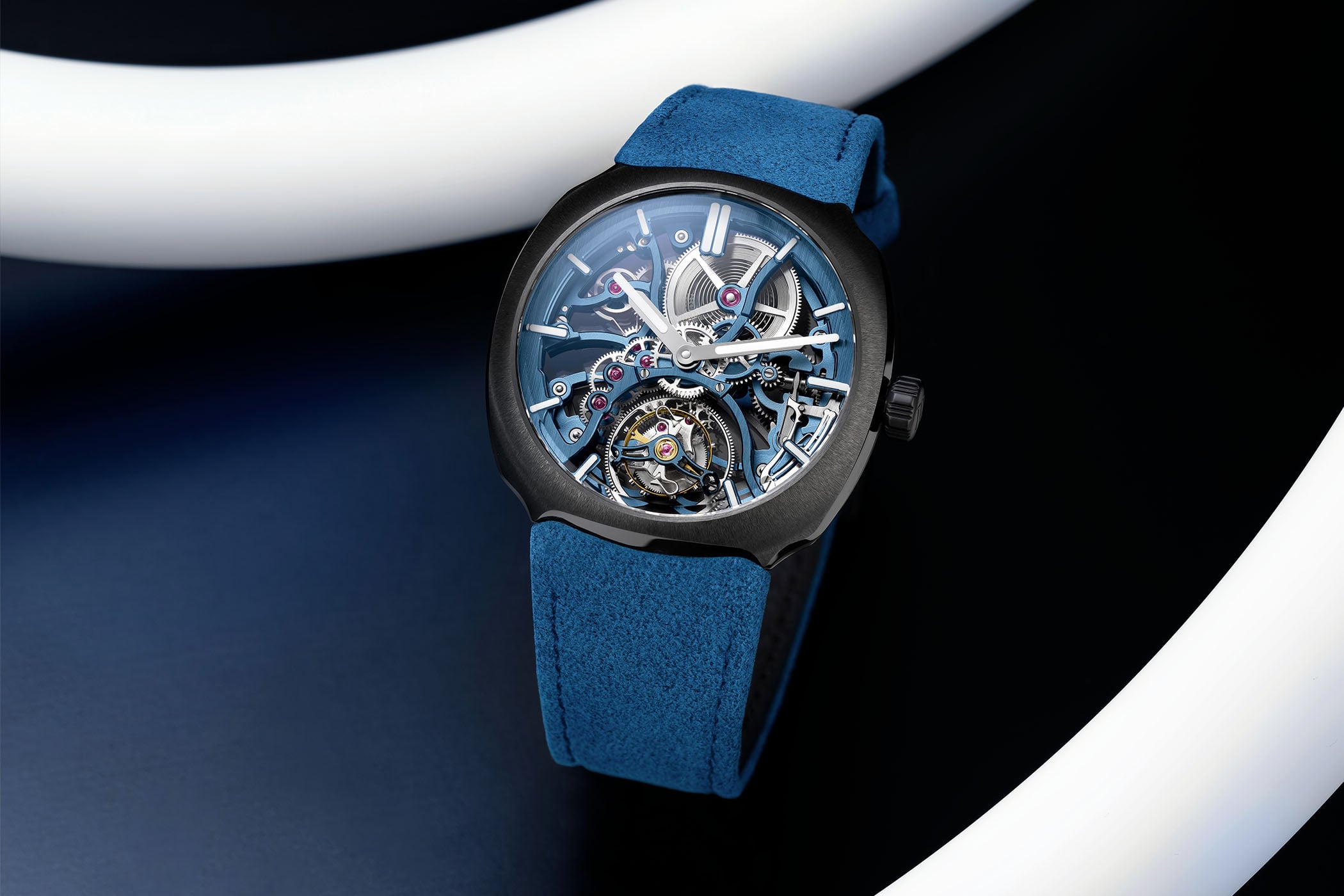
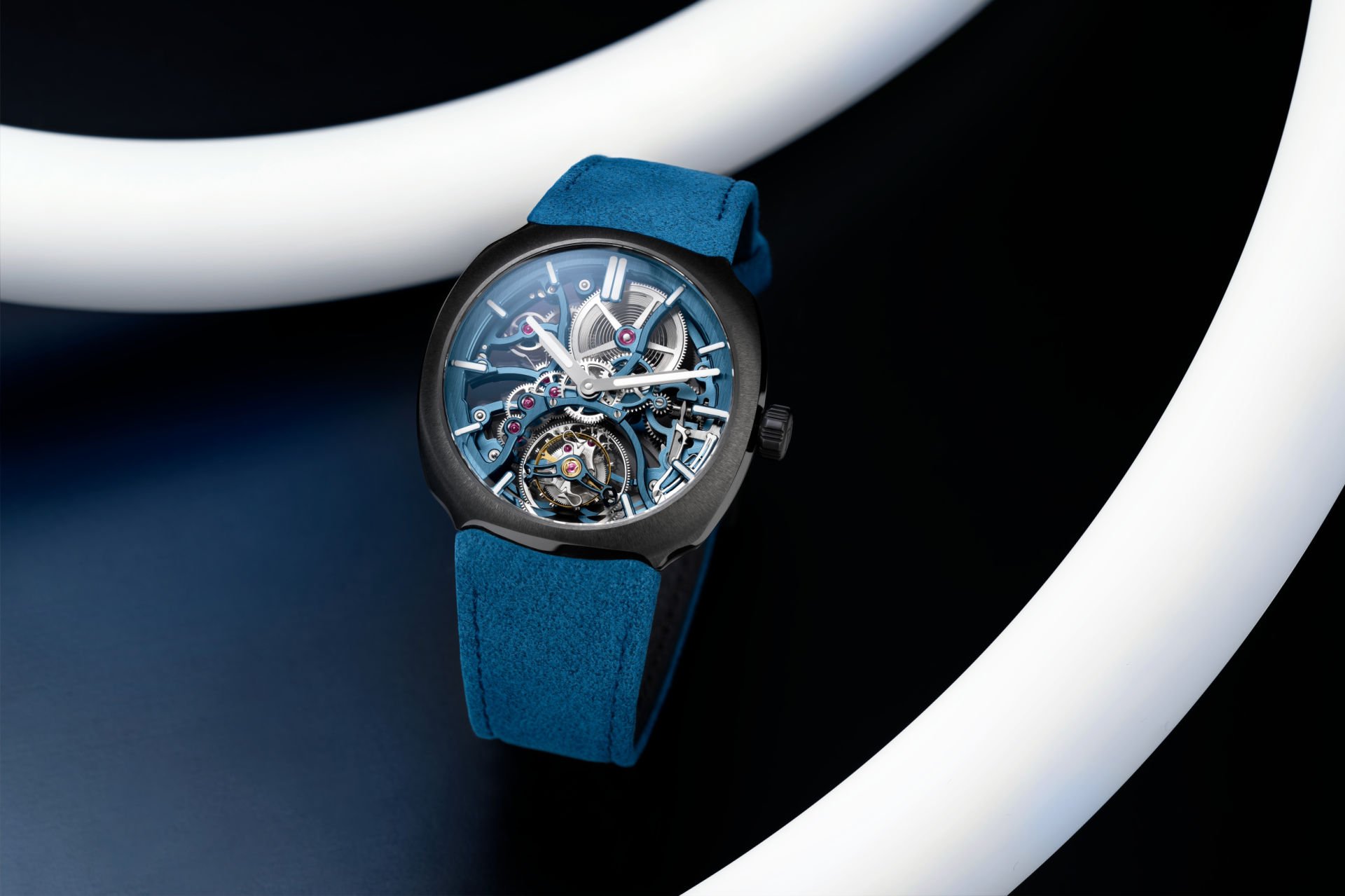
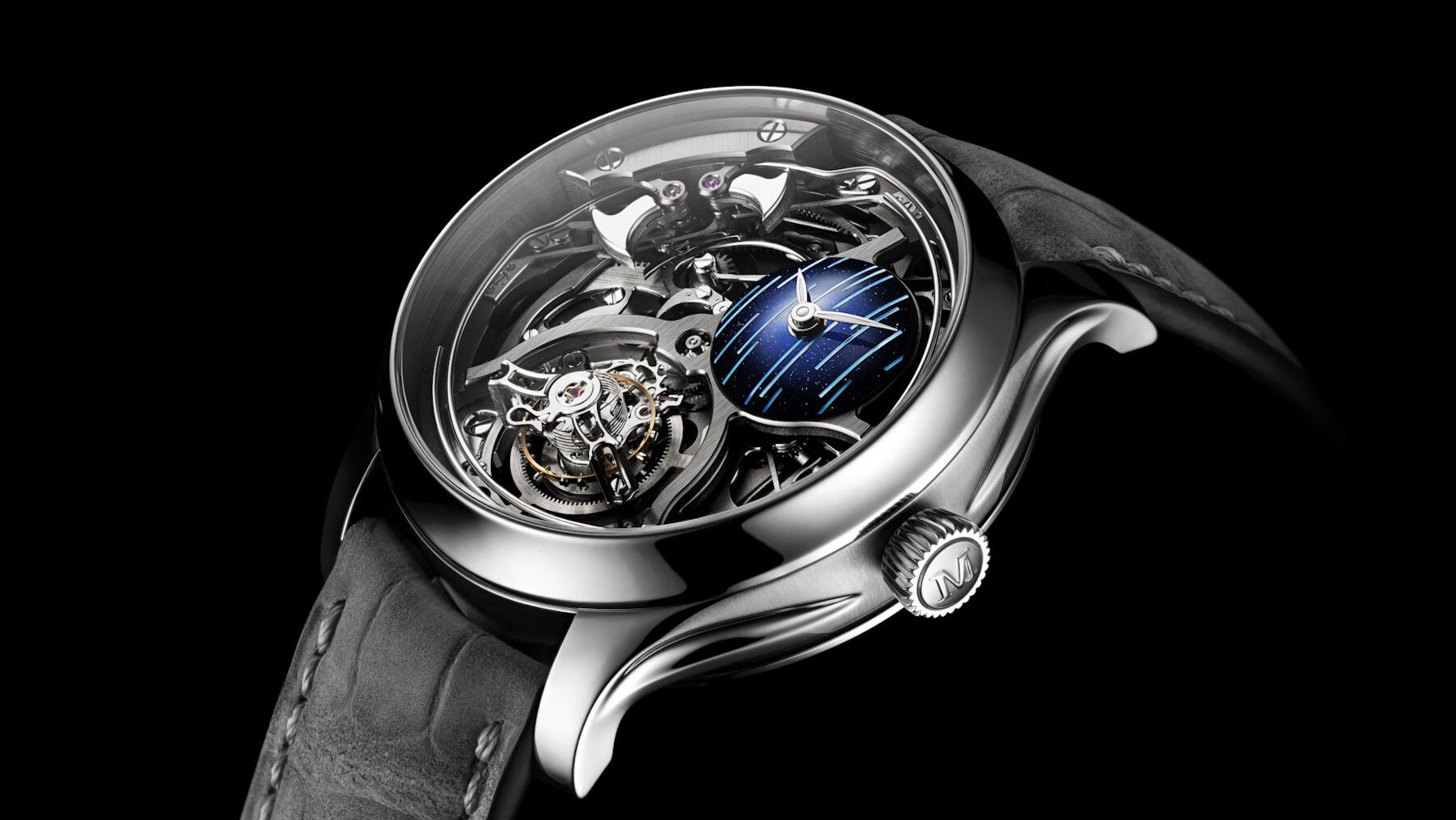
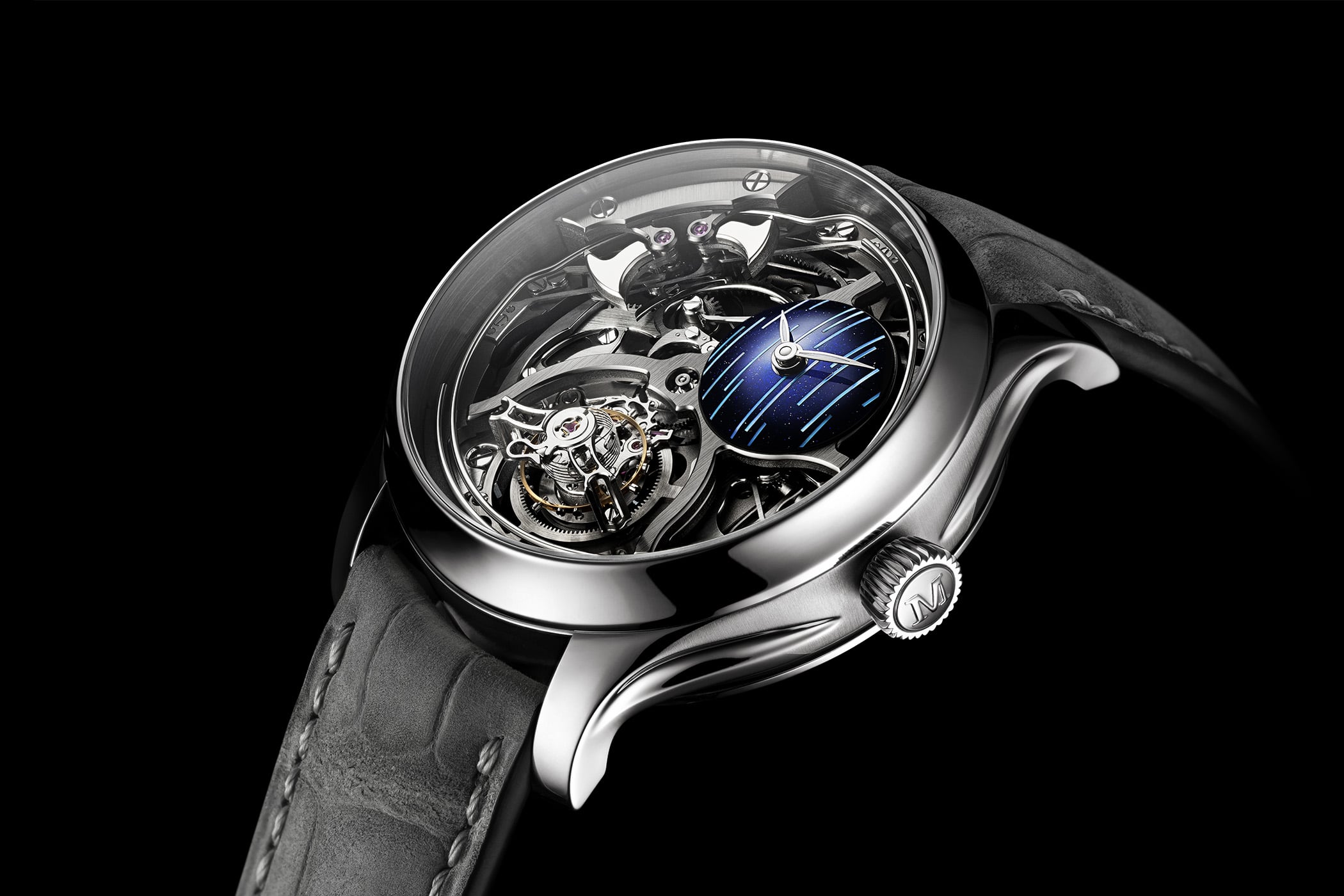
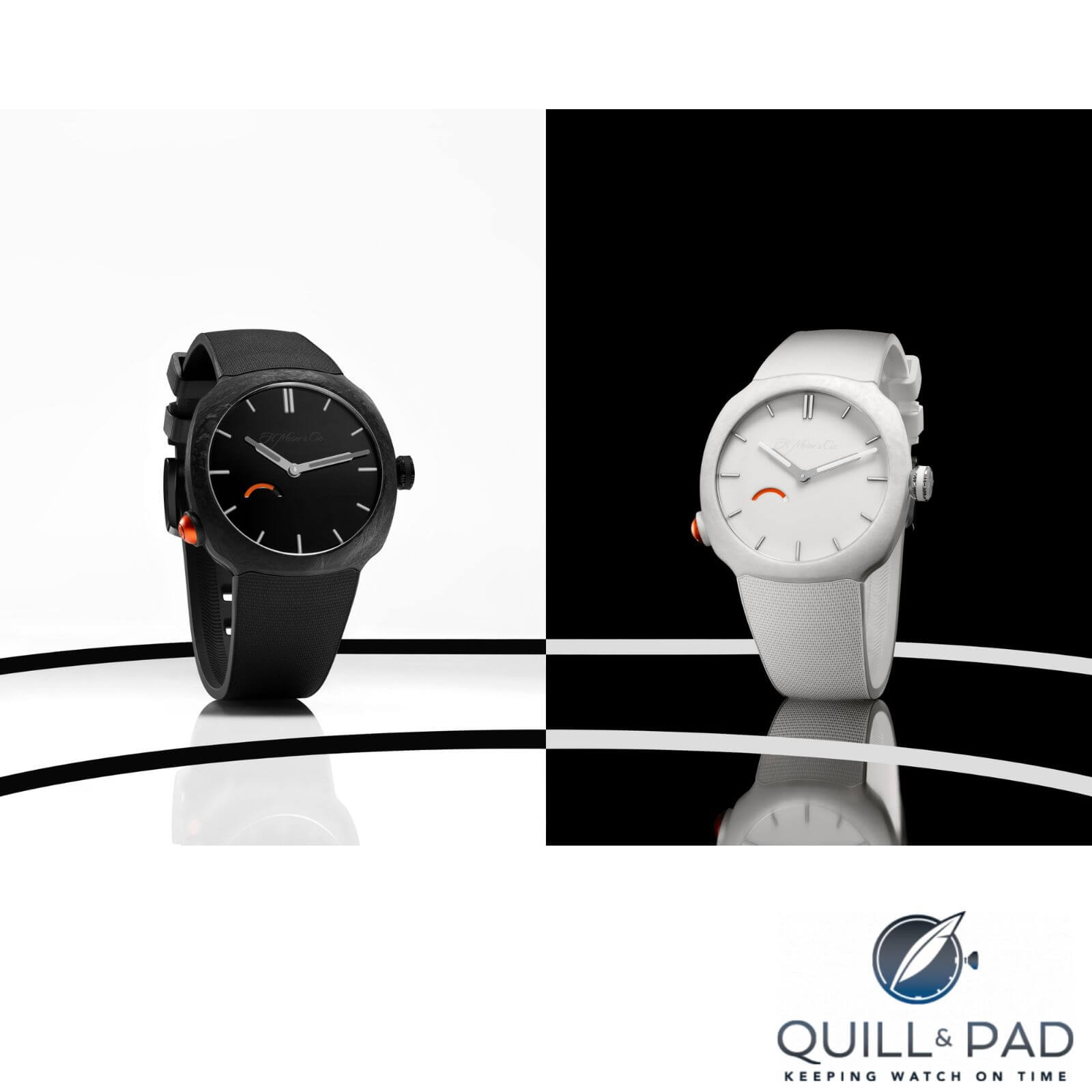
H. Moser's creative positioning has produced some of the industry's most discussed releases. The 2016 Swiss Alp Watch, designed as a direct visual parody of the Apple Watch, put a minute repeater tourbillon inside an Apple-Watch-shaped case with a hand-wound movement visible through the dial. The 2020 Streamliner collection introduced the brand's first integrated-bracelet sports watch, a flyback chronograph at around $50,000 that earned unanimous critical praise. The Endeavour Concept line continues to push minimalism further, including dials without any text or even a logo.



Comments
No comments yet, be the first to weigh in.