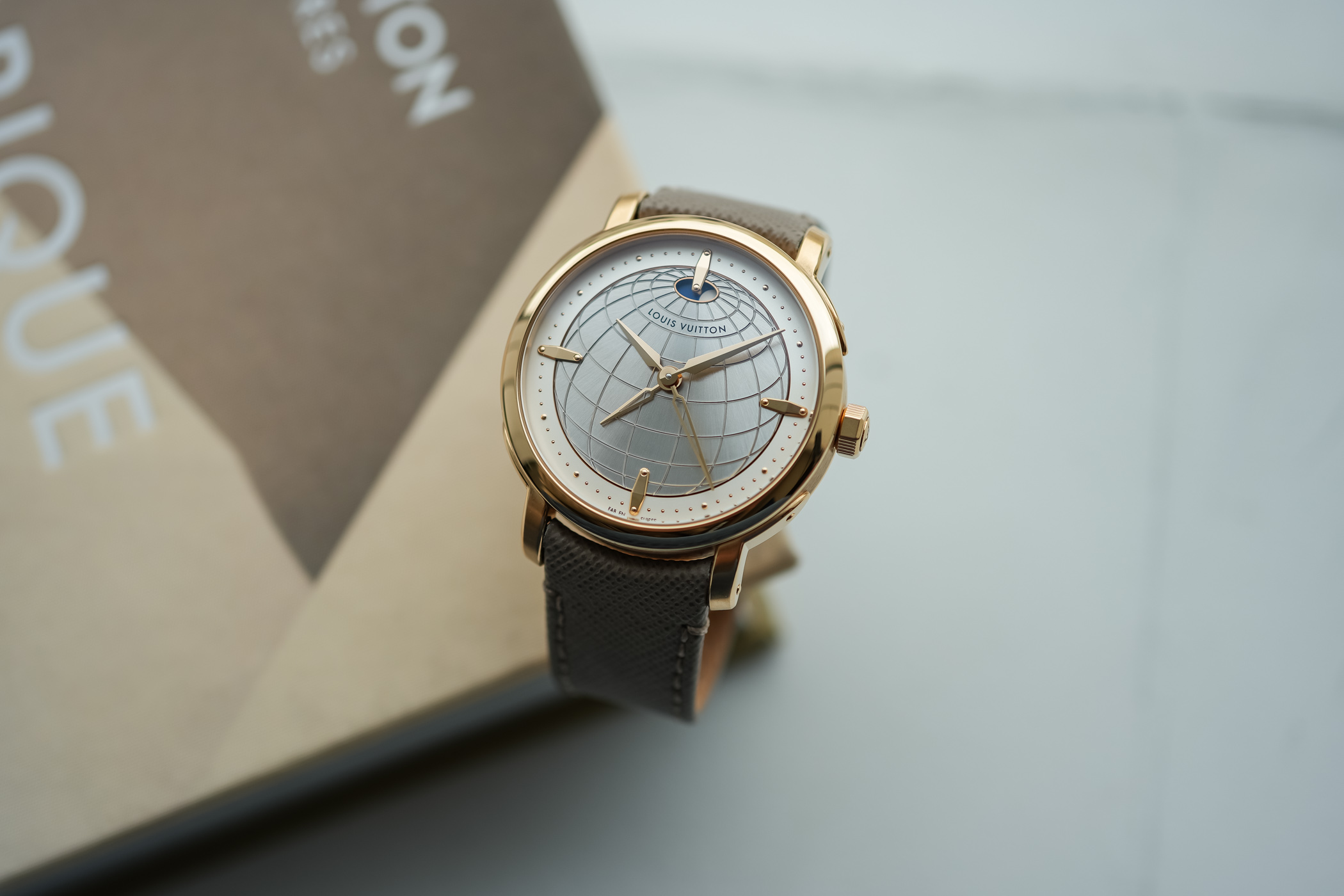
Louis Vuitton was founded in 1854 by its eponymous trunk-maker in Paris. For nearly 150 years, the brand built its reputation on leather goods, luggage, and the iconic monogram canvas that has become one of the most recognisable symbols in luxury. Watchmaking was not part of the Vuitton identity until 2002, when creative director Marc Jacobs and then-CEO Yves Carcelle authorised the launch of the Tambour - a drum-shaped watch that remains the house's signature case silhouette today.
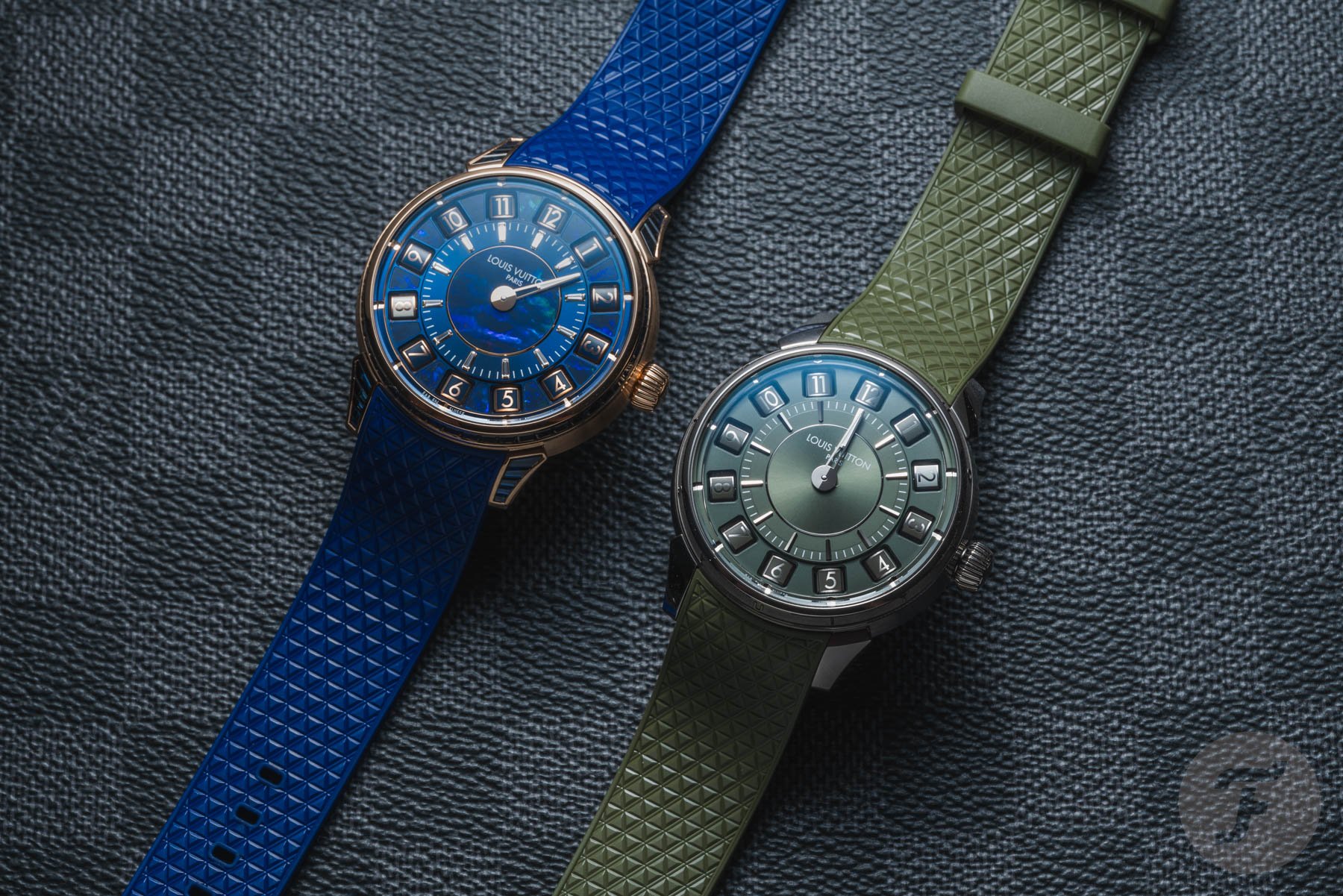
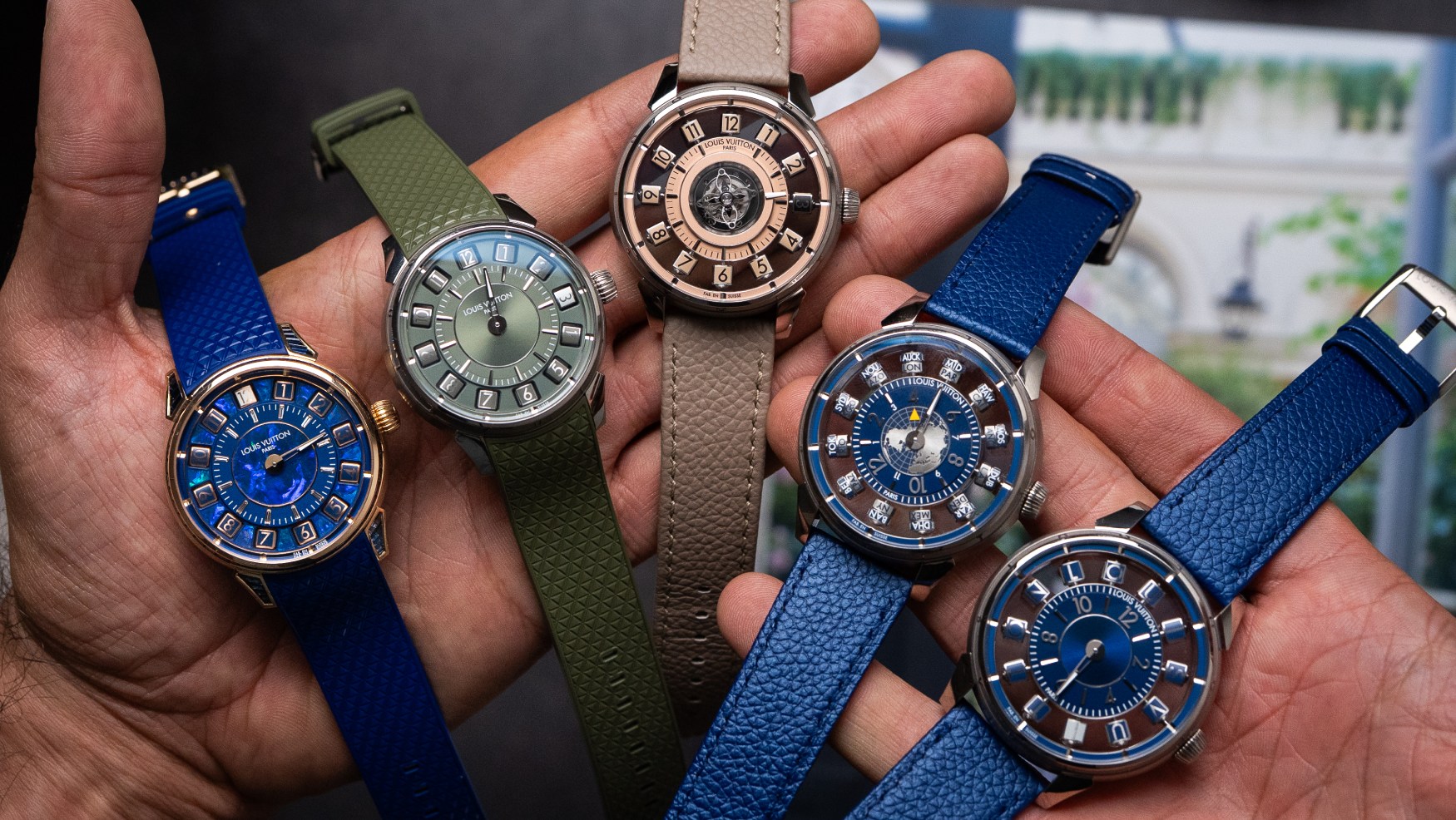
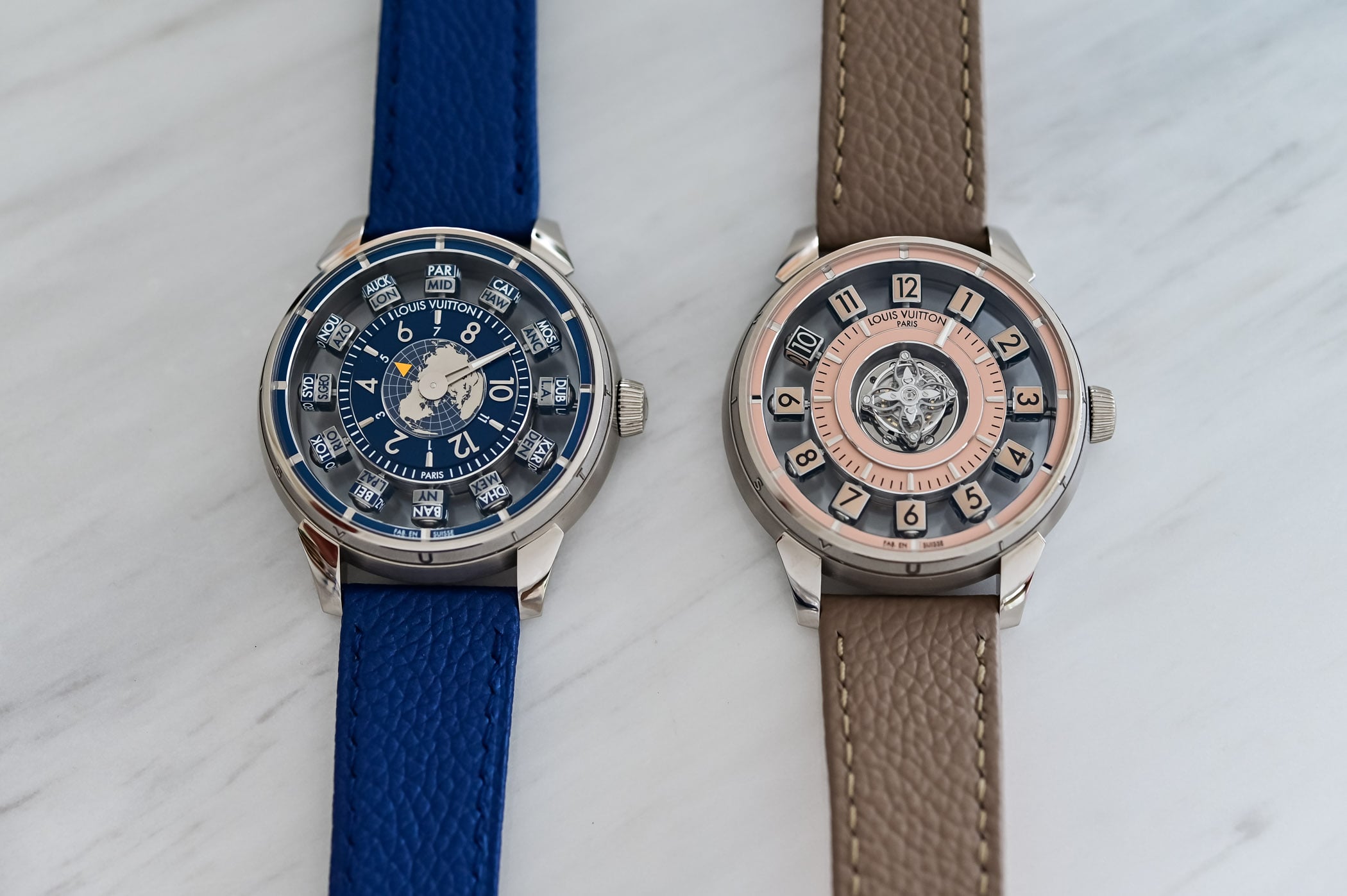
The critical transformation came in 2011 when Louis Vuitton acquired La Fabrique du Temps, the Geneva-based atelier of independent watchmakers Michel Navas and Enrico Barbasini. Both veterans of Patek Philippe, Audemars Piguet, and Franck Muller, Navas and Barbasini had built La Fabrique as a complications specialist producing for various brands. Inside Louis Vuitton, their atelier now develops in-house movements including tourbillons, minute repeaters, and the striking Spin Time mechanism that rotates cubes to display hours.
In 2023, Louis Vuitton relaunched the Tambour as a high-watchmaking integrated bracelet sports watch, signalling the brand's serious intent in haute horlogerie. The new Tambour, at roughly $20,000 for the automatic, sits in the space occupied by the Patek Nautilus and Audemars Piguet Royal Oak - and received critical praise for its proportions, case architecture, and in-house movement. Combined with the prodigious output of its Masters collection - tourbillons, minute repeaters, and experimental haute horlogerie - Louis Vuitton is arguably the most interesting "new" entrant to serious watchmaking of the past two decades.