
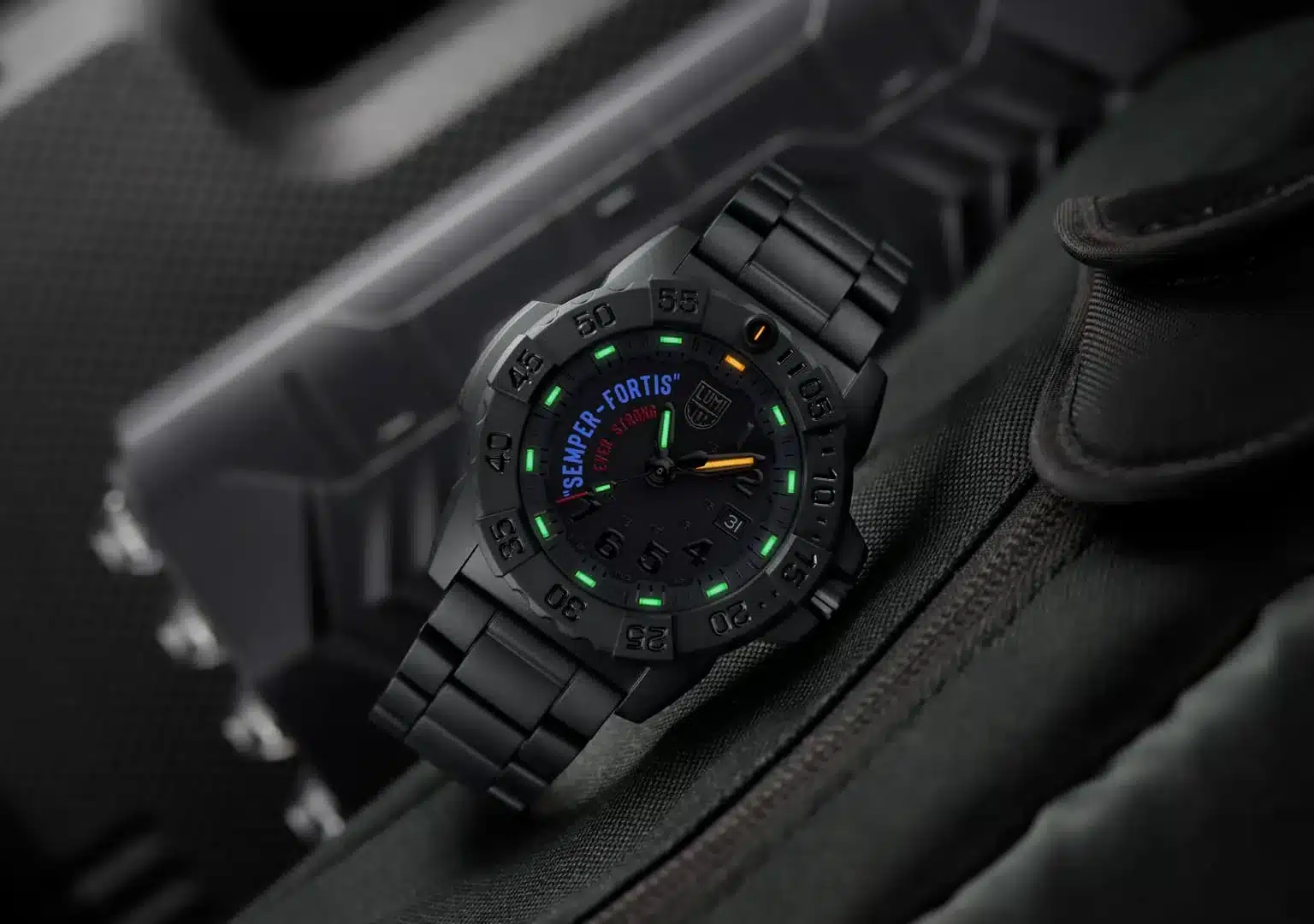
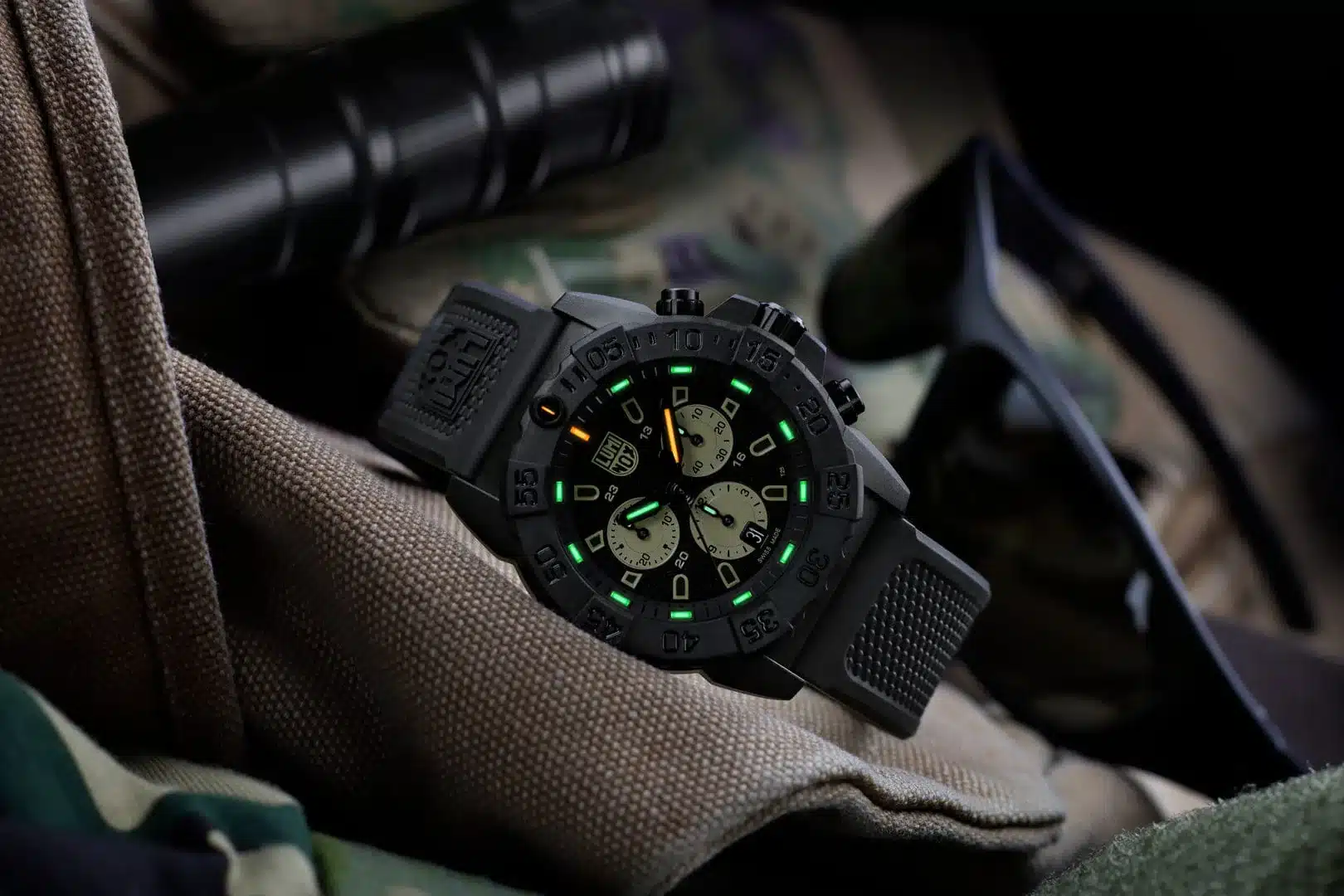
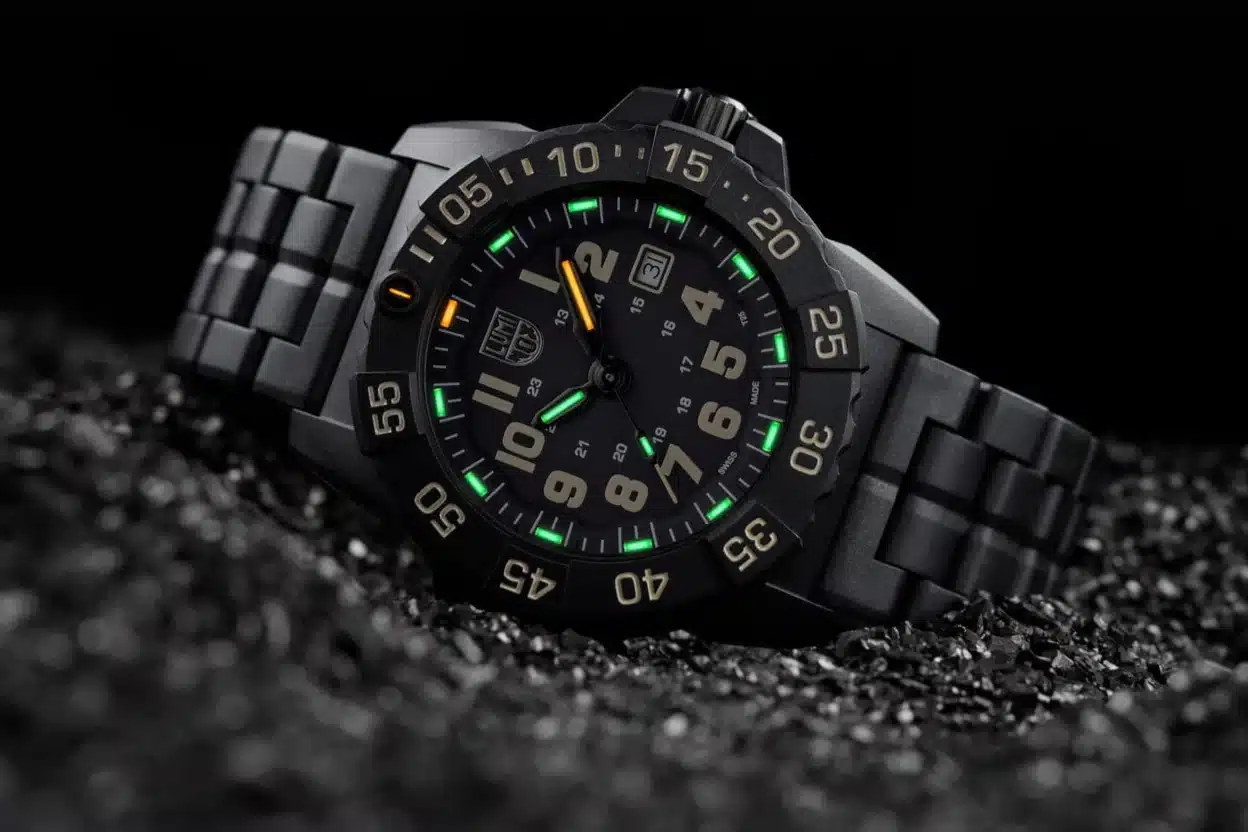
Barry Cohen founded Luminox in 1989 in Las Vegas with the licensing rights to a Swiss tritium-tube illumination technology developed by mb-microtec in Niederwangen, Switzerland. The technology — Luminox Light Technology (LLT), also known as tritium gas tubes or self-powered illumination — uses small borosilicate-glass capsules filled with tritium gas; the tritium's beta emission excites a phosphor coating on the inside of the tube to produce a steady, low-intensity glow that is visible for up to 25 years without requiring external charging. Unlike Super-LumiNova, which fades over hours, LLT lume is constant in any lighting condition.
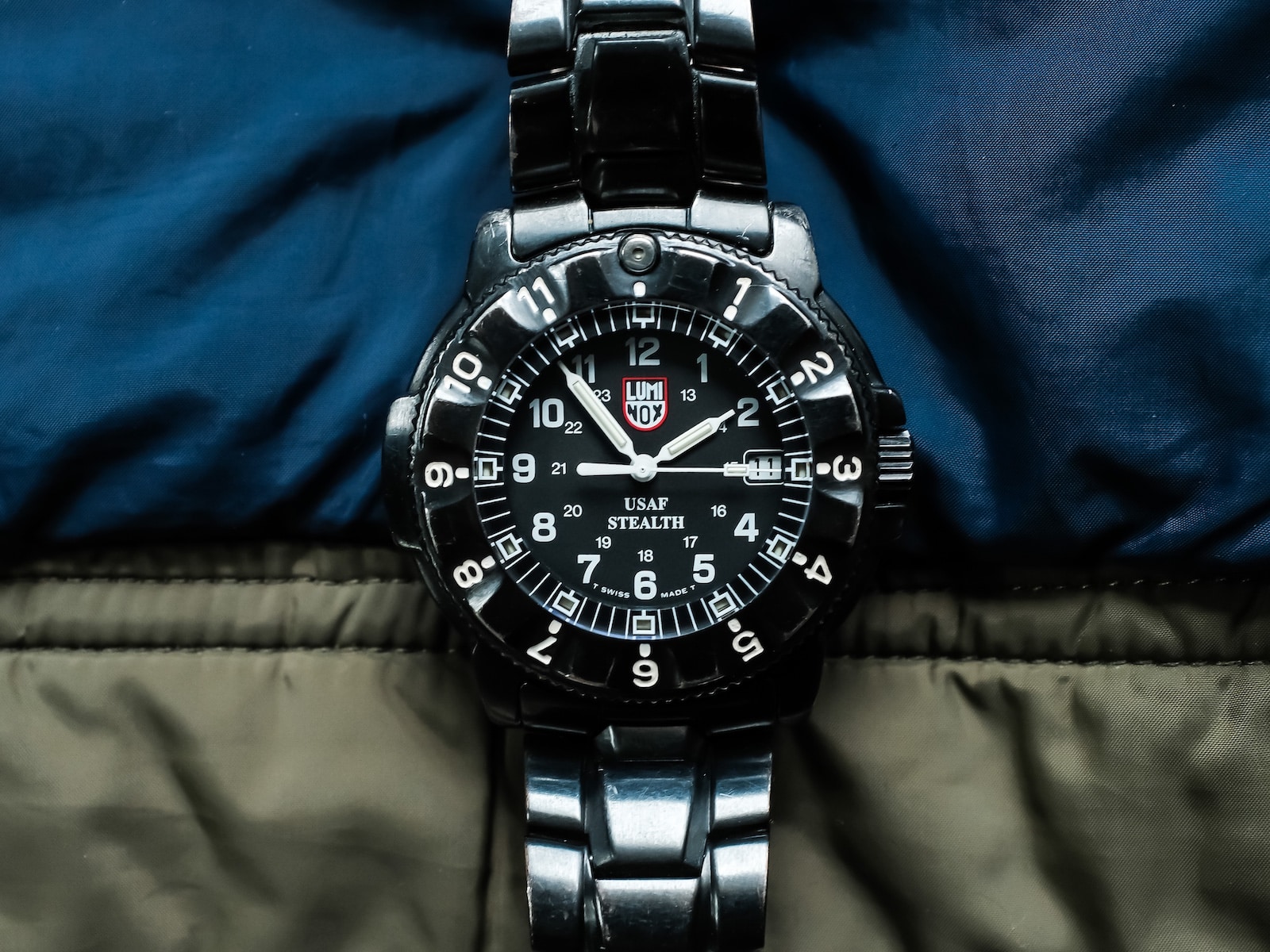
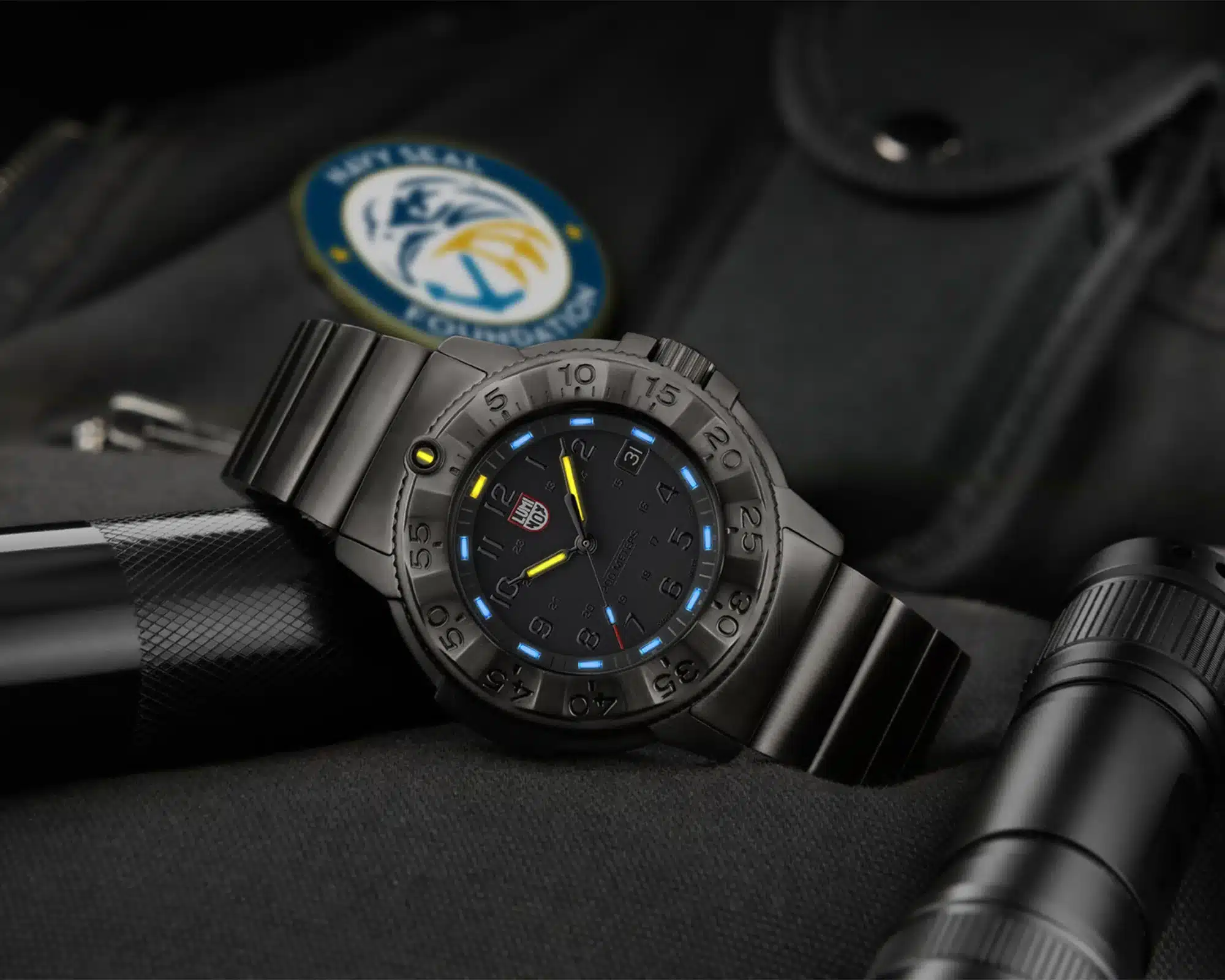
Luminox's defining commercial moment came in 1994, when the brand was selected by the US Navy SEALs to provide a watch suitable for night operations. The original Navy SEAL Original (Series 3000 / 3001) became the standard-issue training watch for SEAL teams and the public catalogue's anchor reference. Through the 1990s and 2000s Luminox expanded the tactical-and-military positioning with partnerships across the F-117 Nighthawk stealth-fighter pilots, the US Air Force F-22 Raptor programme, the Royal Canadian Air Force, and a long-running collaboration with British survival expert Bear Grylls on the Survival Master series.
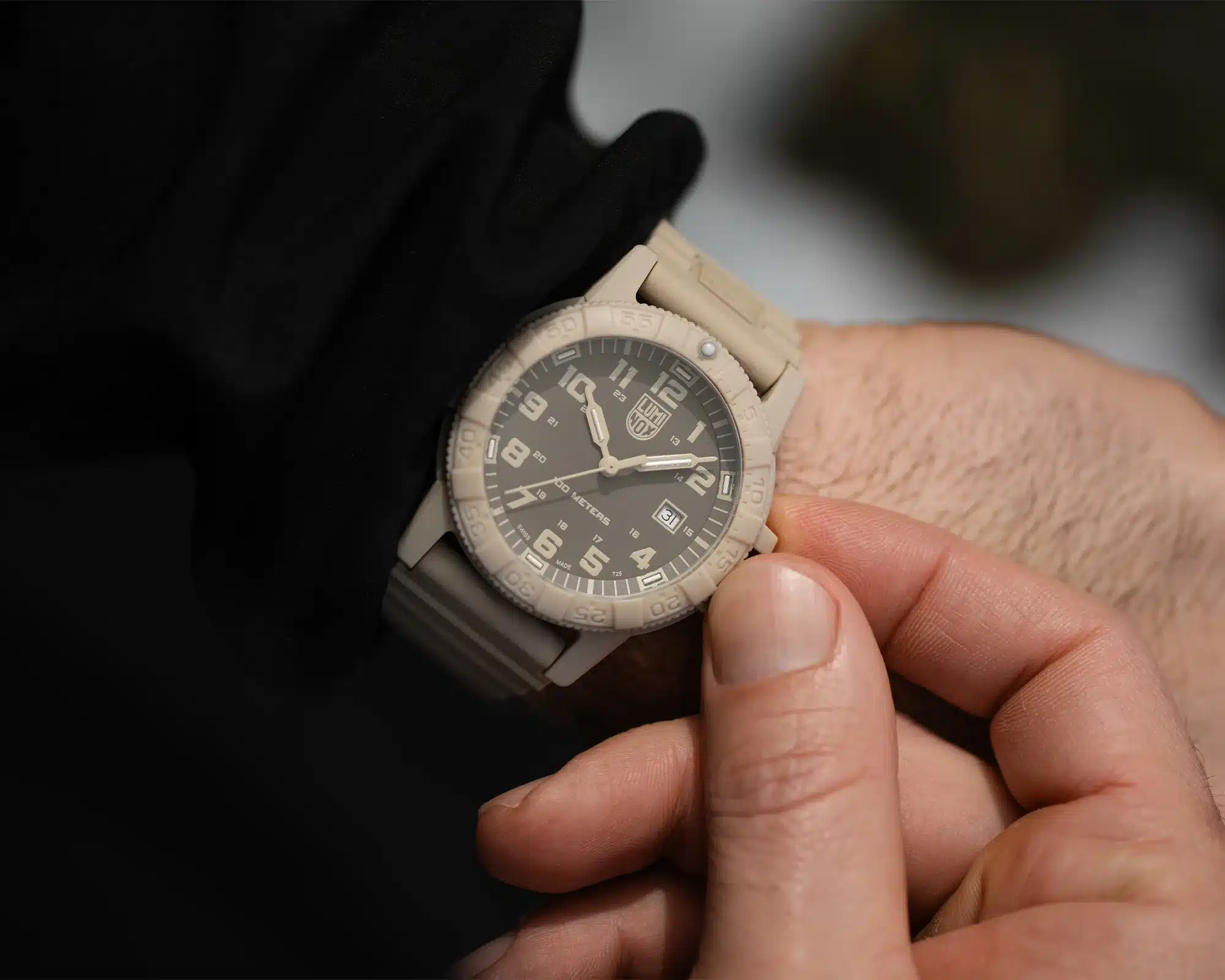
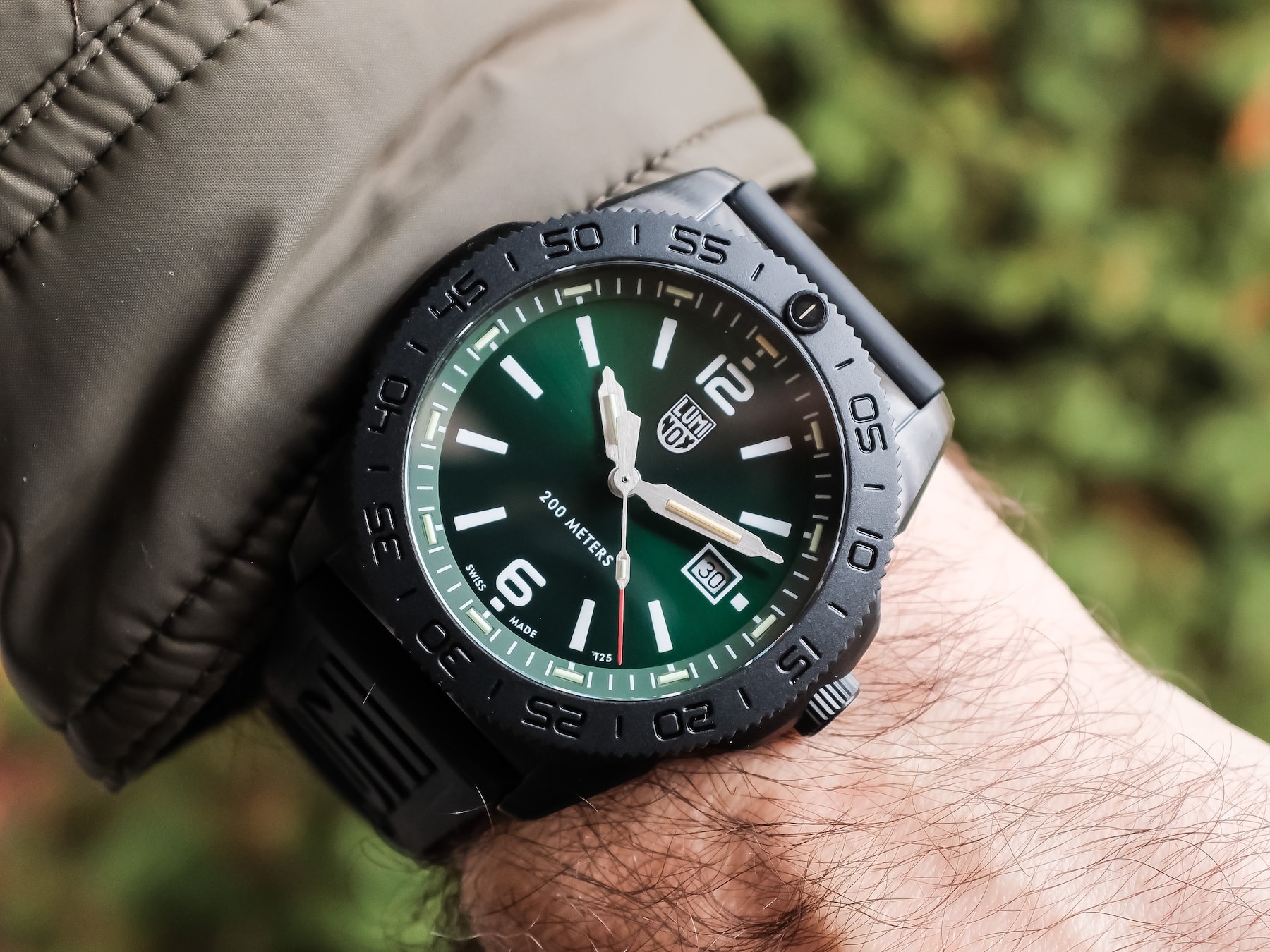
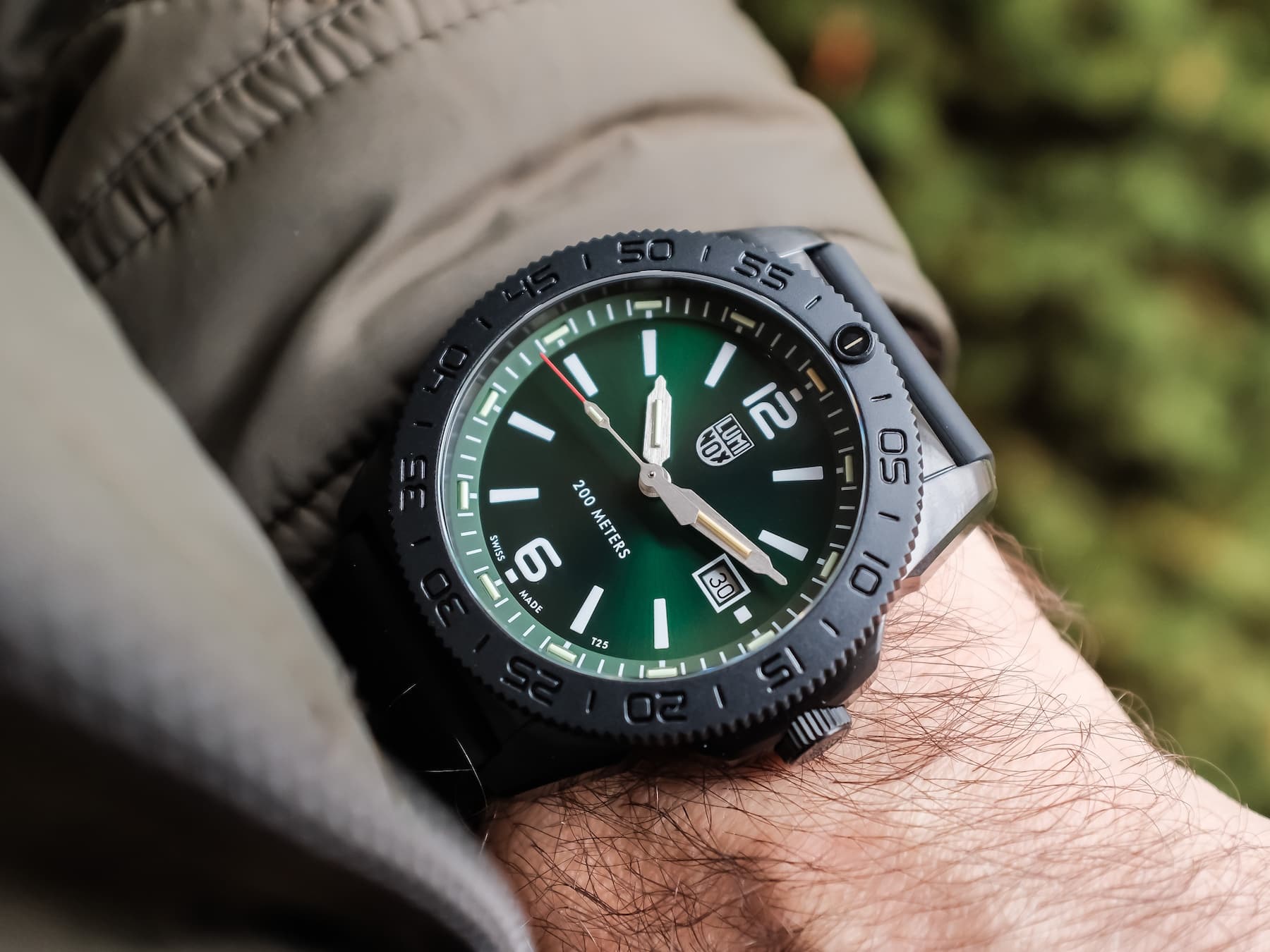
In 2016 the Mondaine Group acquired Luminox, integrating the brand into the Swiss watchmaking ecosystem alongside Mondaine itself and M-Watch. Watches are now Swiss-made in Lengnau (the Mondaine production site near Bienne) using the LLT illumination technology supplied by mb-microtec, with cases in carbonox (carbon-reinforced polymer) for the lighter references and steel/titanium for the higher-tier military and pilot pieces. The catalogue remains anchored on the Original Navy SEAL family, the F-117 Nighthawk, the Bear Grylls Survival Master, and a growing range of dive (Pacific Diver) and aviation (Atacama Field) lines, with retail typically USD 350-1,200.


Comments
No comments yet, be the first to weigh in.