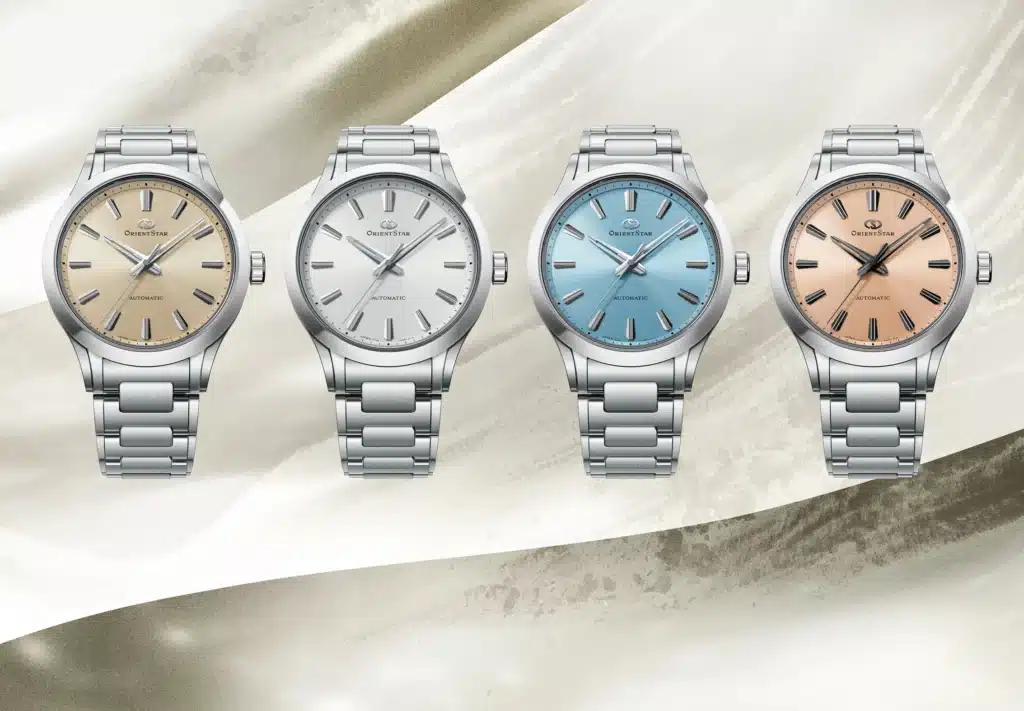
Orient's lineage begins with the Toyo Tokei Manufacturing Company, founded by Shogoro Yoshida in 1901 to produce pocket watches in Tokyo's Sumida ward. The company survived the Great Kanto earthquake (1923) and the Second World War with several restructurings; the modern Orient Watch Company as it exists today was incorporated in 1950, with the iconic Orient logo (a stylised lion) introduced shortly after. Through the 1950s and 1960s Orient established itself as one of the three Japanese watchmaking giants alongside Seiko and Citizen, with full vertical integration: in-house movements, in-house cases, and a Tokyo factory producing several million watches per year.
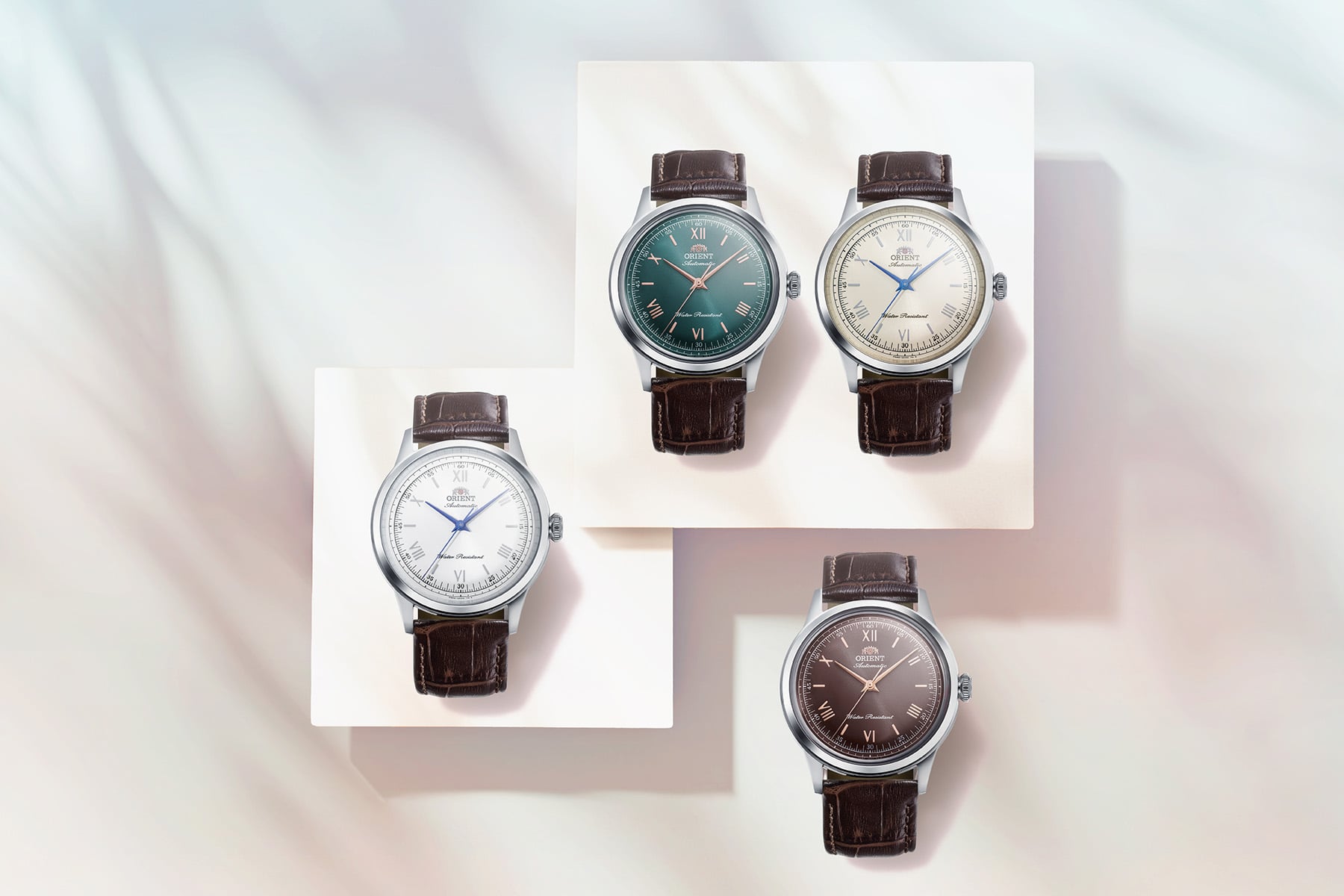
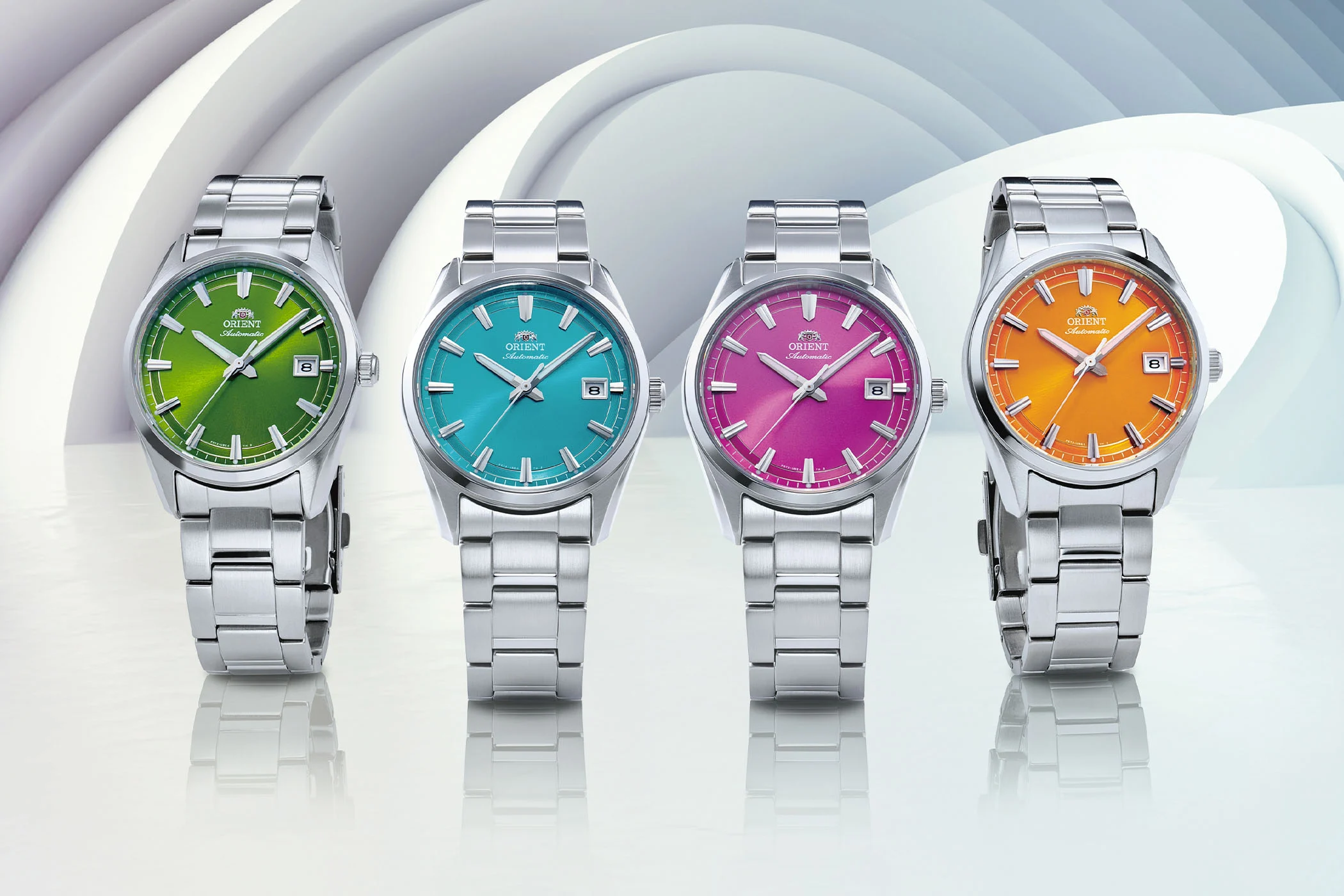
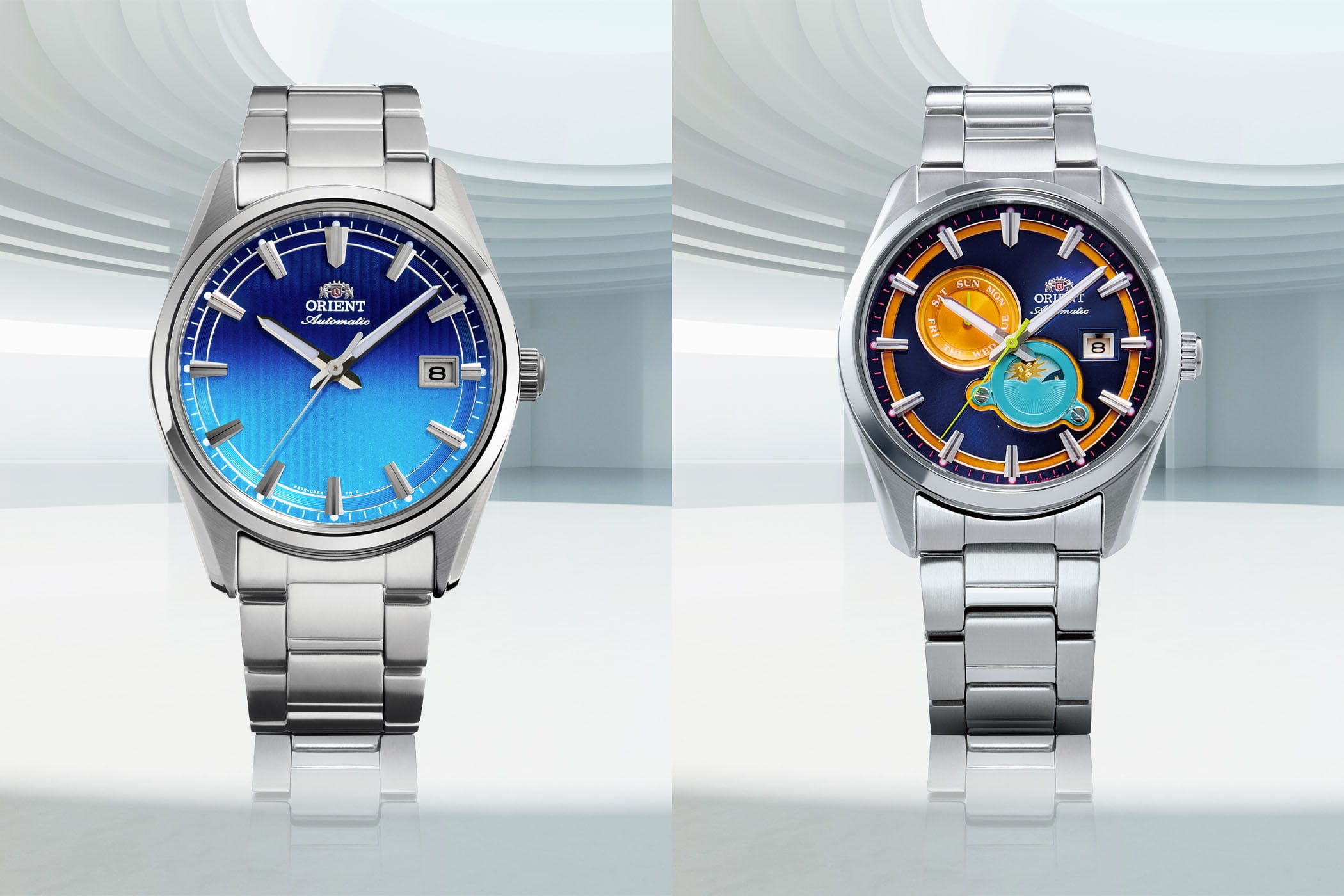
Orient's defining contribution to mainstream watchmaking is the Bambino (introduced in the 2010s in its current form, but with vintage roots): a 38-40mm dress watch with a domed sapphire crystal, dauphine hands, applied indices, and an in-house automatic movement (the Cal. F6724 in current production), priced at EUR 200-280. The Bambino has become the most-recommended sub-EUR 300 mechanical dress watch in the enthusiast community by some distance, and it is regularly cited as the natural alternative to the Hamilton Khaki Field in entry-level dress / casual conversations.
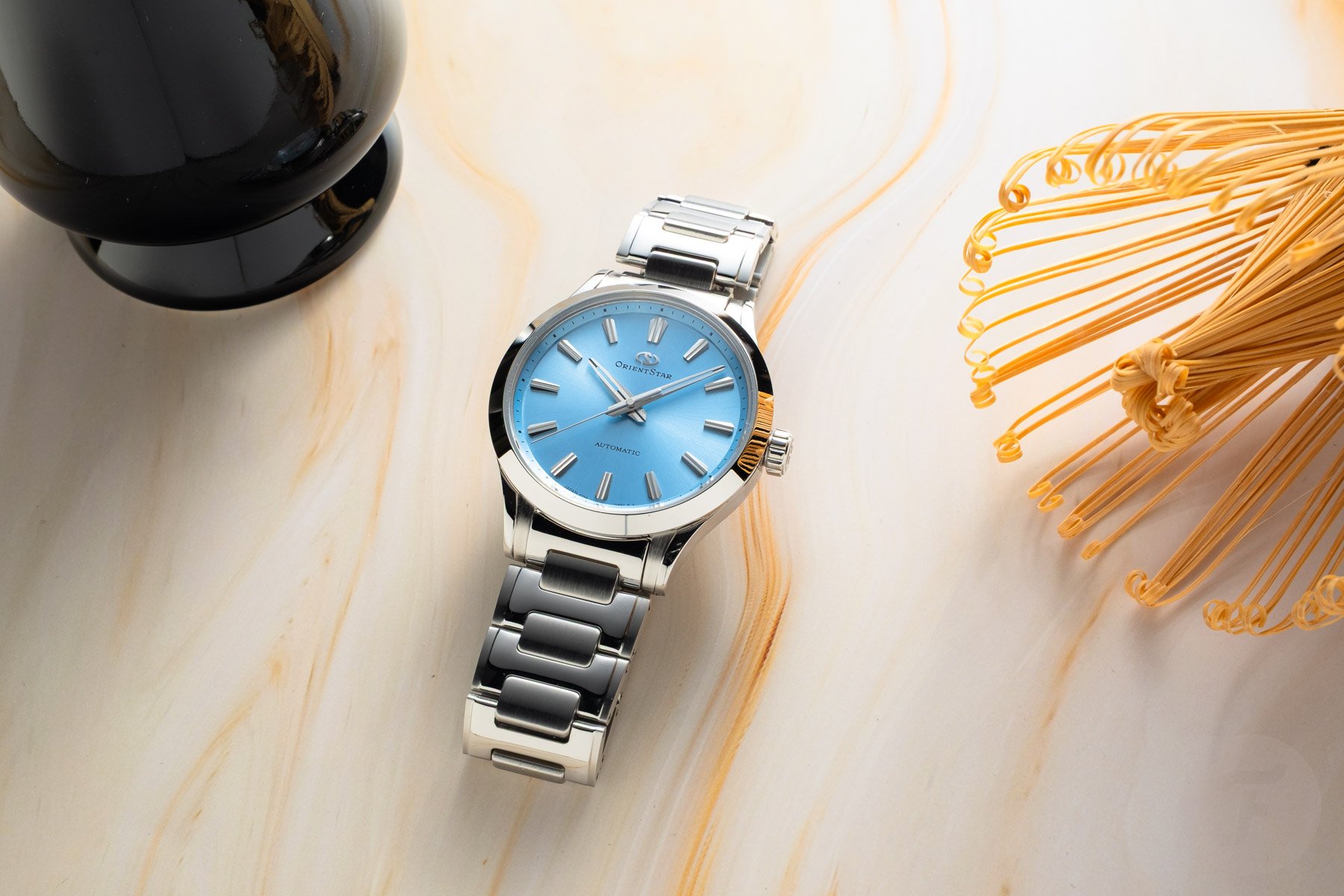
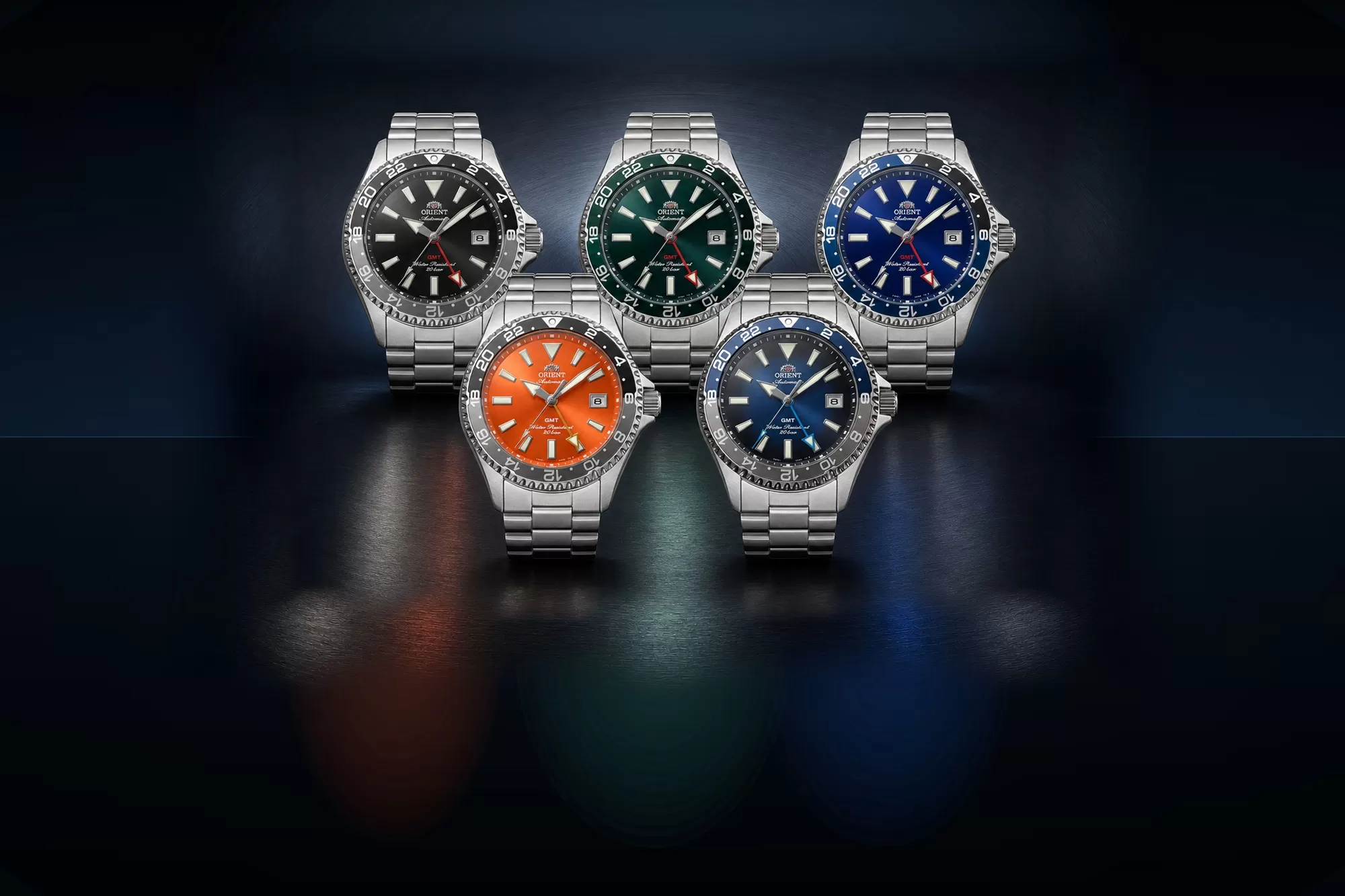
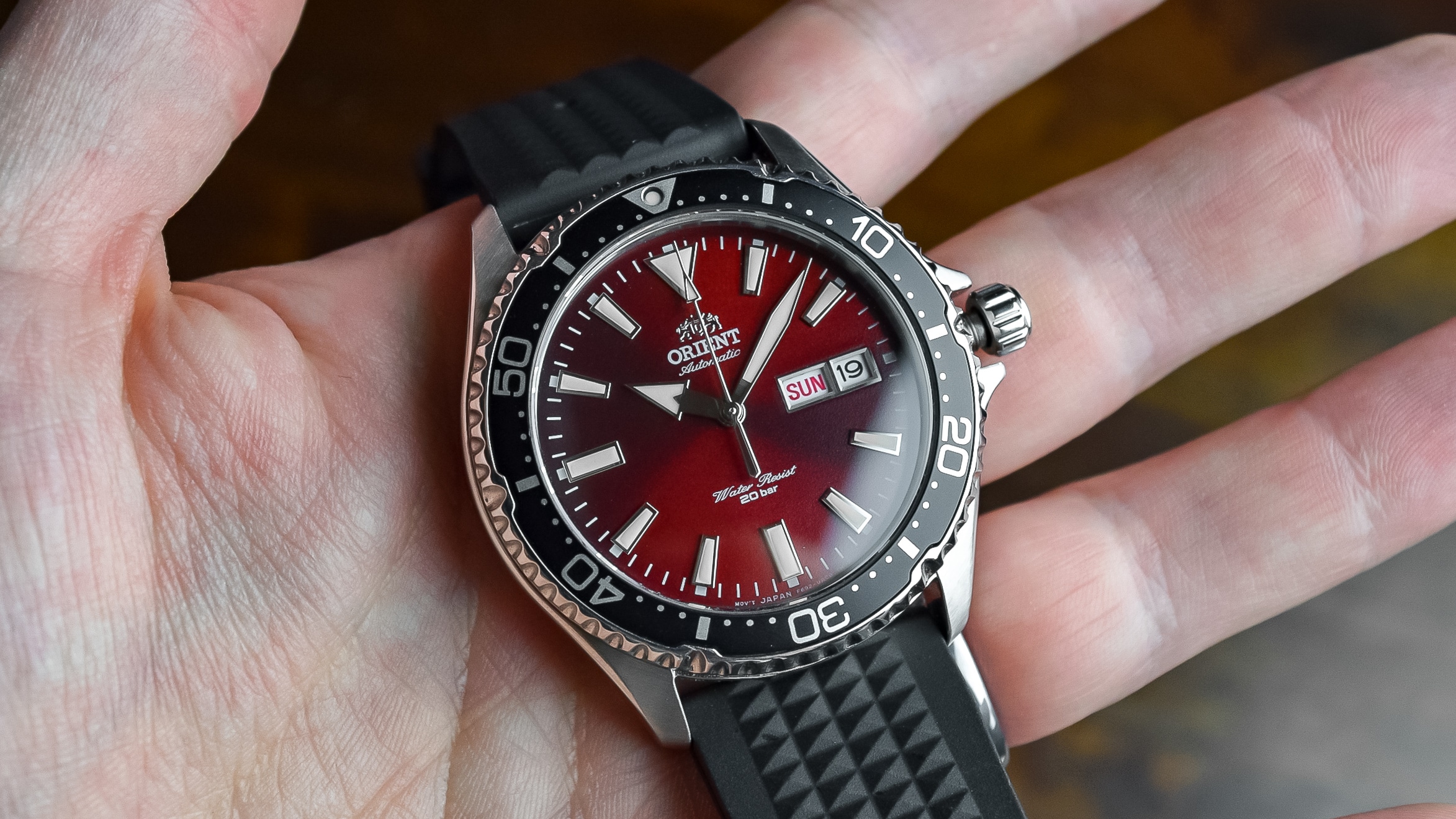
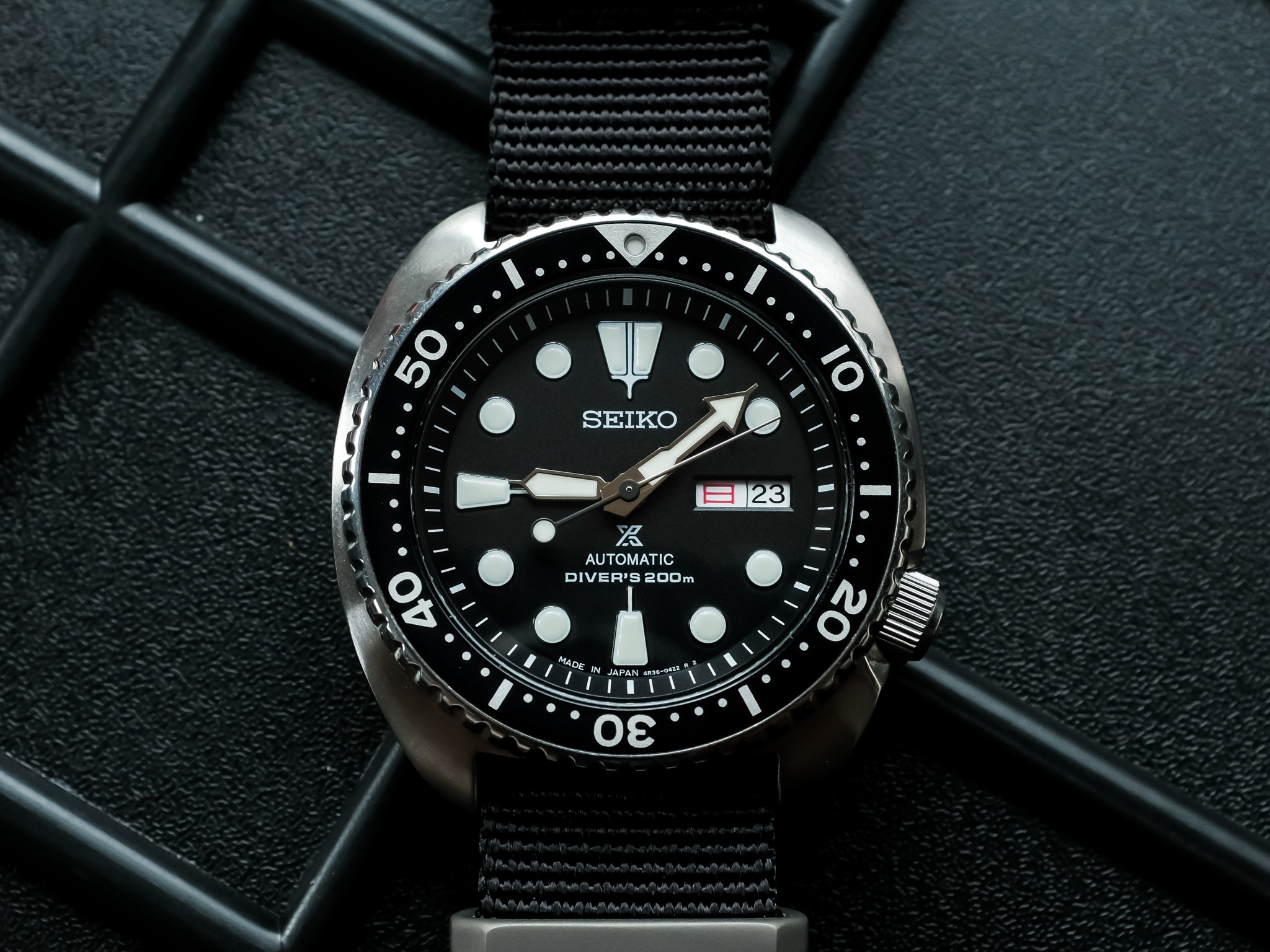
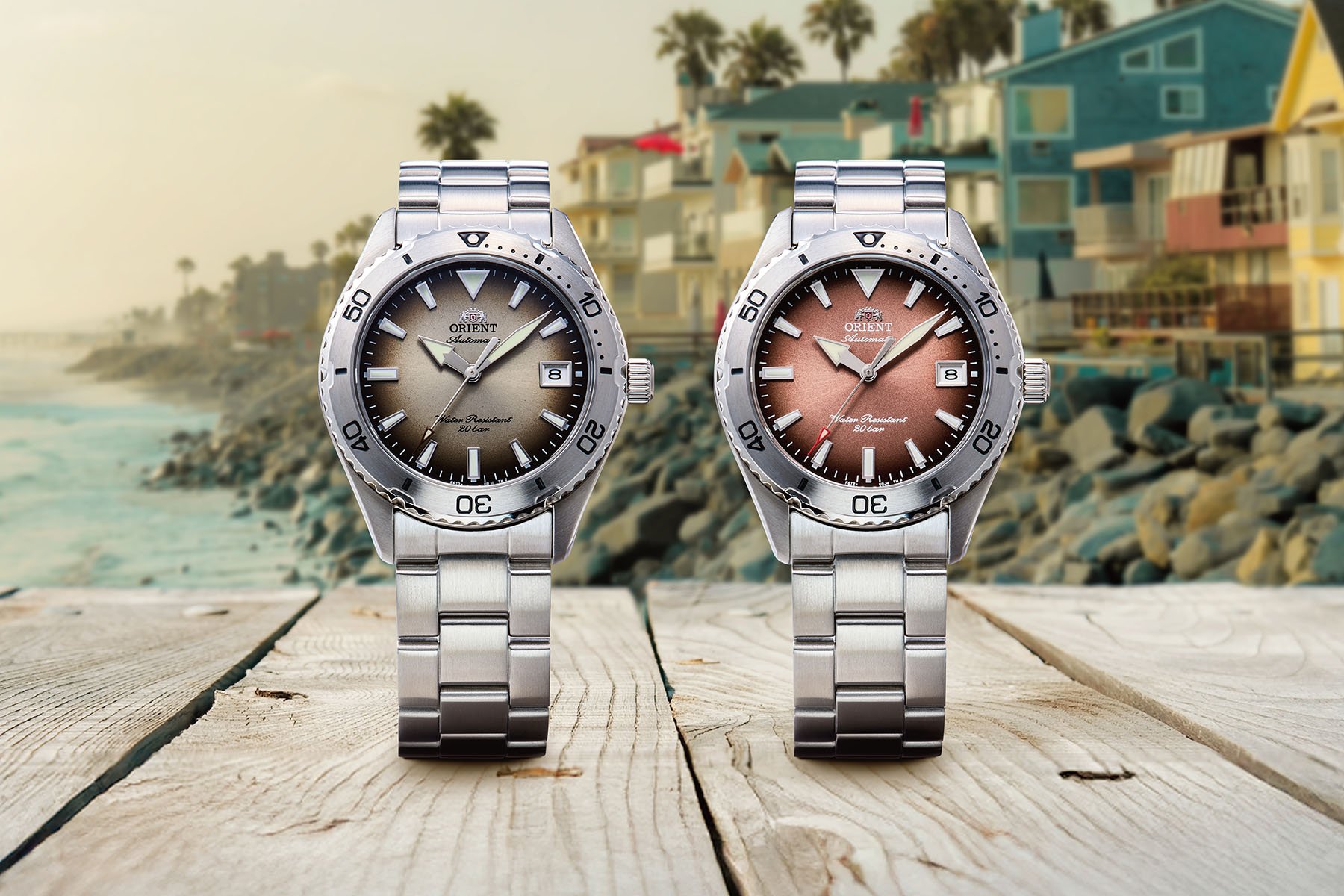
On the dive side, the Mako II, Ray II, and Kamasu are 200m water-resistant divers with the in-house F6922 and F6724 automatic movements at EUR 220-340. They sit alongside the Seiko Turtle / Mini Turtle as the canonical sub-EUR 400 Japanese mechanical divers. The higher-end Orient Star sub-line covers manufacture-grade references with skeleton dials, retrograde complications, and 70-hour reserves; the recently-revived King Diver reissue and Heritage Caliber 0F8 work pushes Orient Star into the mid-EUR 1,500-3,500 segment. Seiko Epson acquired the brand fully in 2009; production remains in Japan, with annual output measured in millions of units across all references.
Comments
No comments yet, be the first to weigh in.