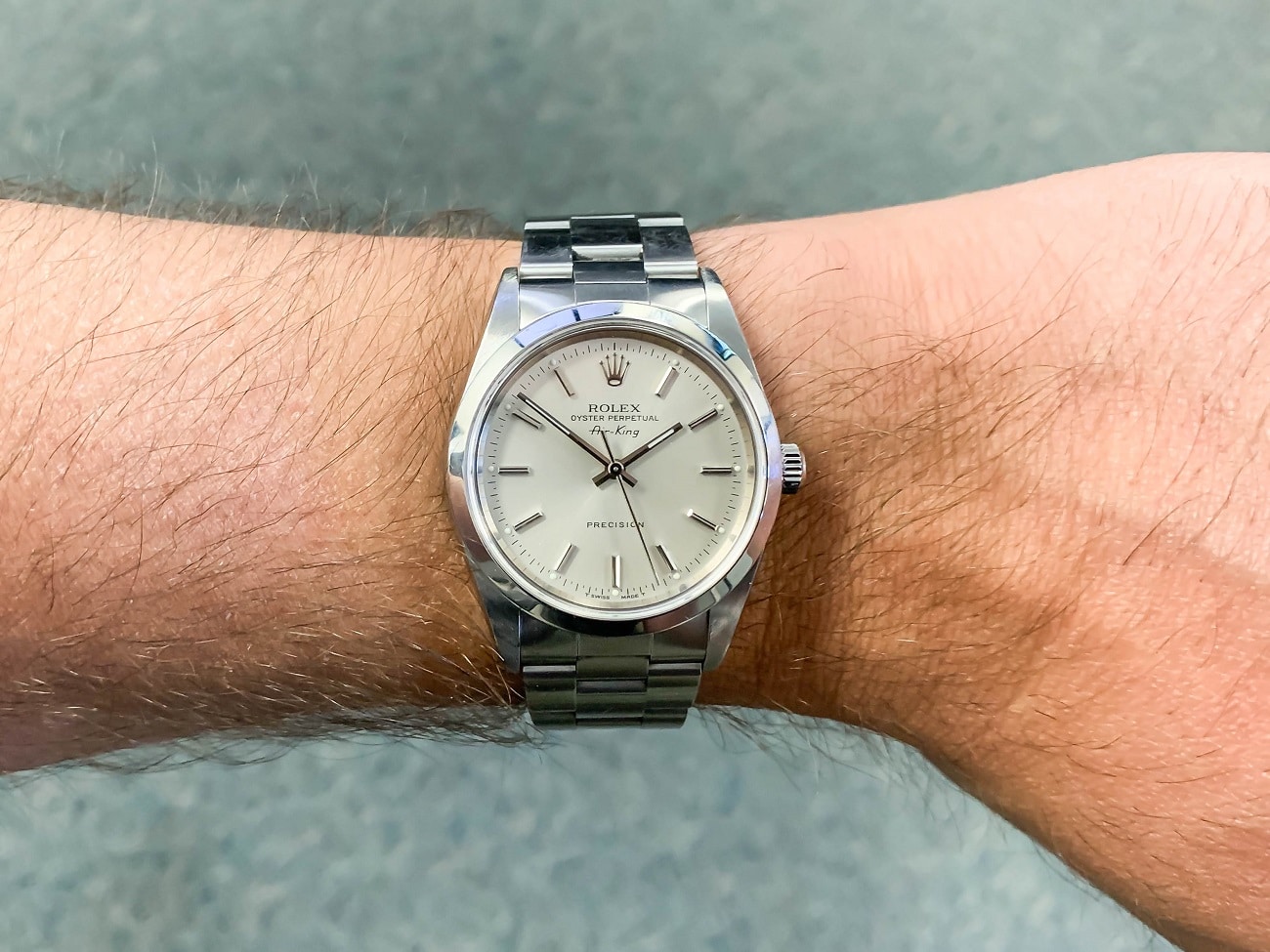
On 29 May 1953, Sir Edmund Hillary and Tenzing Norgay became the first people to summit Mount Everest. They wore Rolex Oyster Perpetuals provided as part of the brand's pre-expedition partnership with the British Mount Everest Expedition. Within months Rolex used the climb as the marketing centrepiece of its new Explorer reference, codifying the watch's identity as the chronometer for high-altitude expedition.
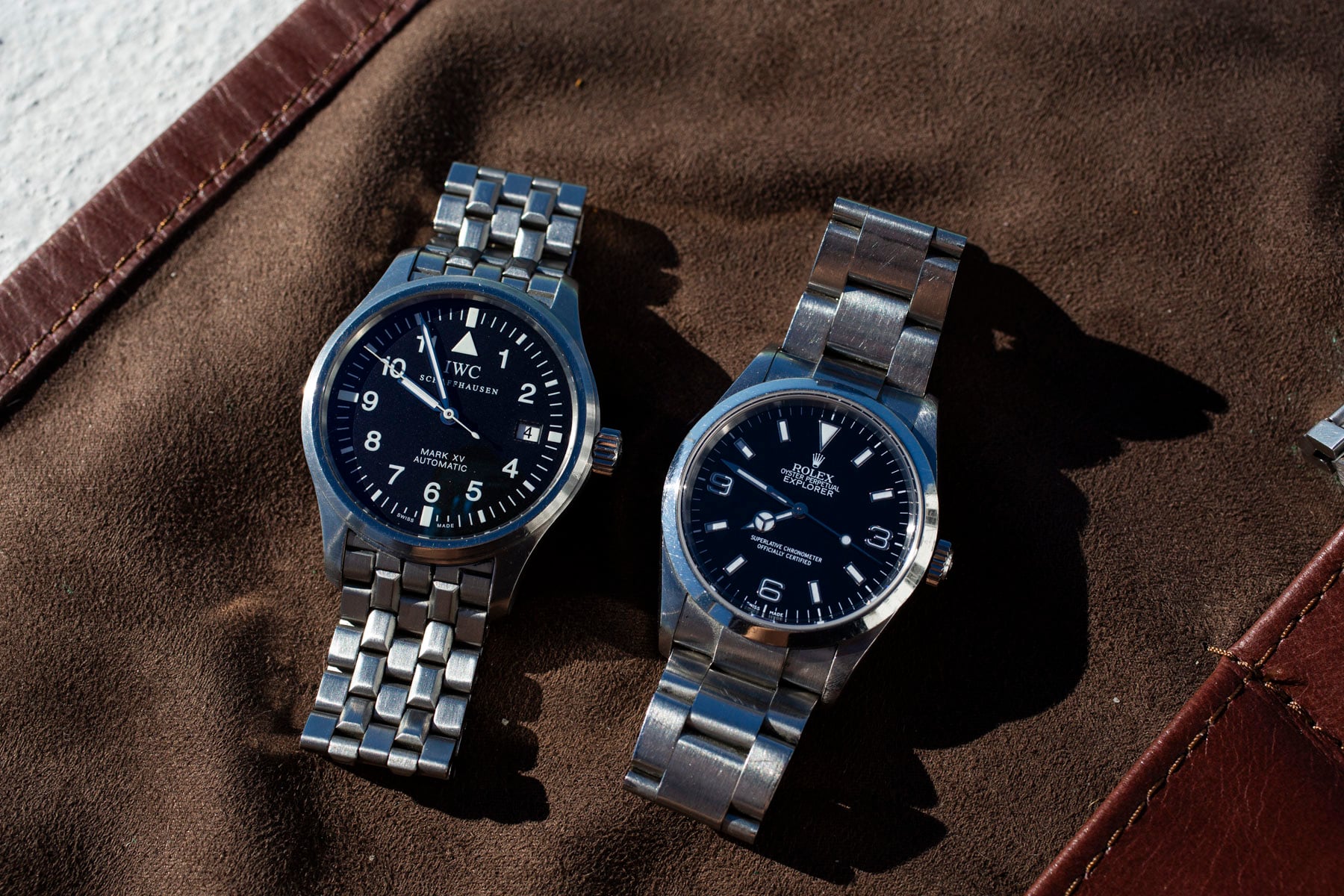
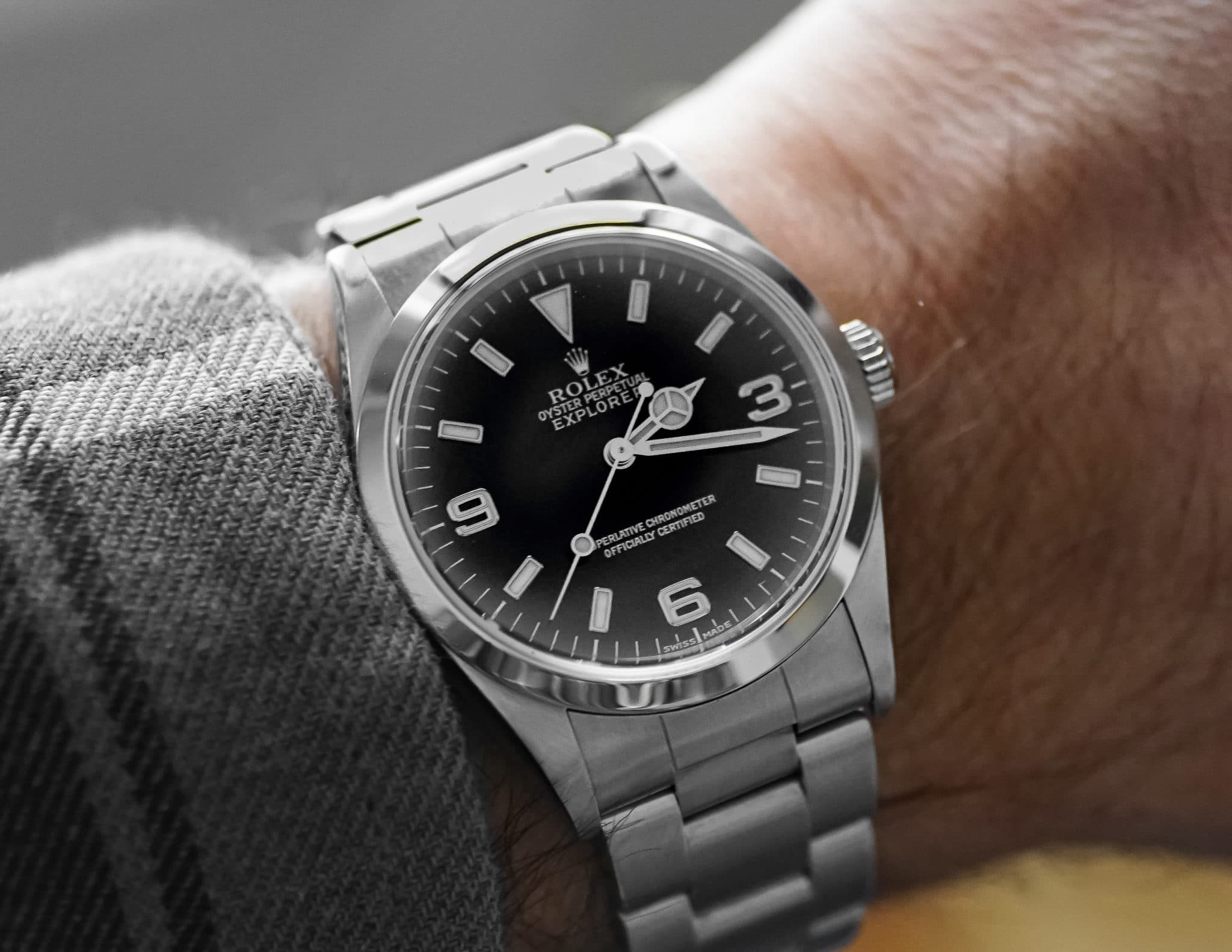
The first Explorer-named reference was the Ref. 6350 in late 1953, a 36mm Oyster Perpetual chronometer with the iconic 3-6-9 dial for cold-weather glove-readability. The Ref. 1016 ran from 1963 through 1989, becoming the cult-collector reference: matte black gilt dial, plexi crystal, hand-wound and later Cal. 1570 automatic. Original 1016s in untouched condition trade above CHF 30,000 today.
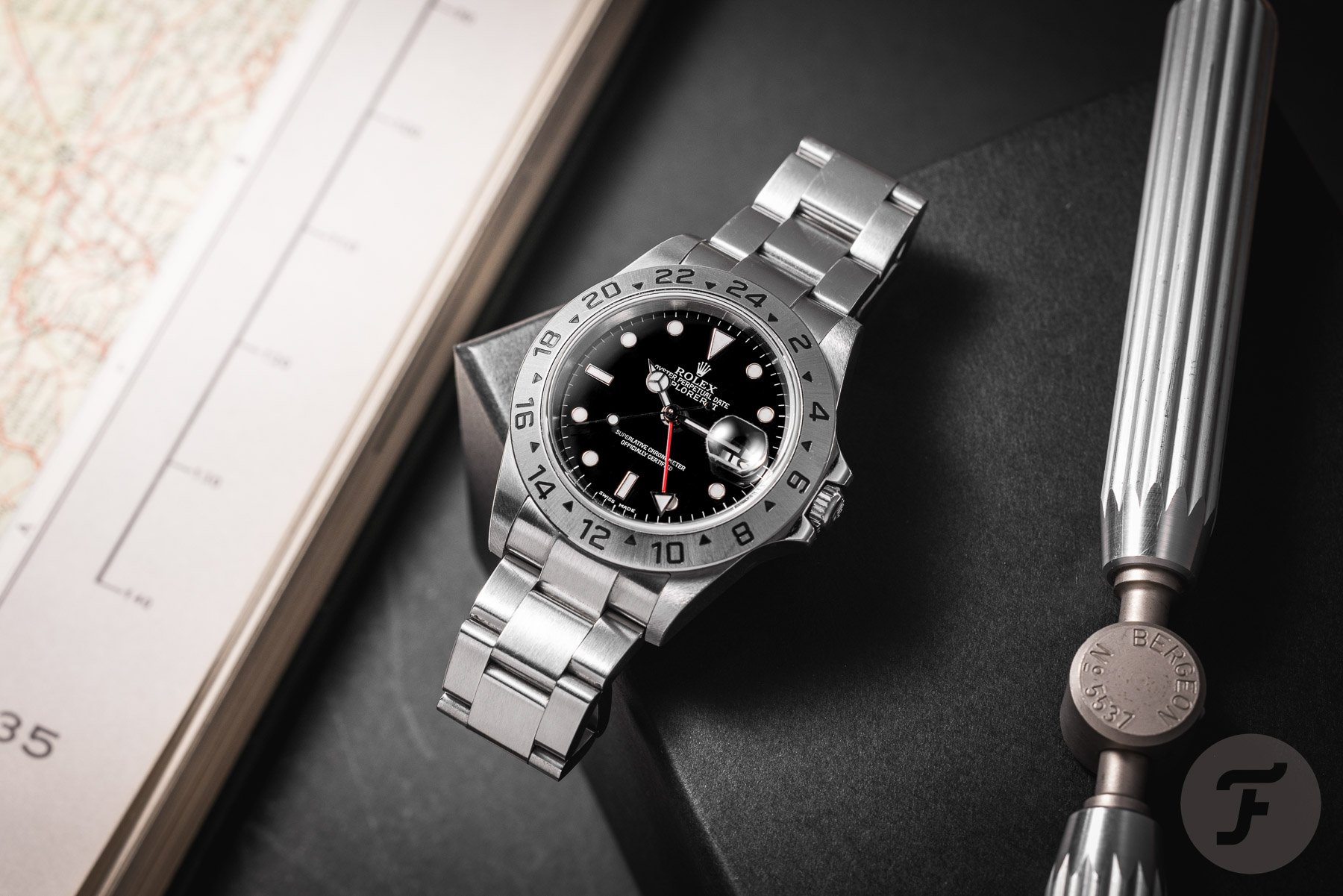
The reference was relaunched in 1989 as the Ref. 14270 with sapphire crystal and applied indices, then again in 2001 as the Ref. 114270 (still 36mm), and 2010 as the Ref. 214270 in 39mm to match the modern wrist. In 2021 Rolex split the line in two: the Ref. 124270 at 36mm (a return to the classical proportion) and a new Ref. 124273 in two-tone steel-and-gold, plus a 40mm Ref. 224270 reintroduced in 2023. All current references run the Cal. 3230 with Chronergy escapement, Parachrom blue hairspring, and 70-hour reserve.
The Explorer is the most-honest entry-tier Rolex sport watch. Smooth bezel, Mercedes hour hand, Chromalight luminous compound, Oyster bracelet with Easylink 5mm extension. Retail starts at ~€7,400 for the 36mm steel reference and ~€7,800 for the 40mm. Allocation is light by Rolex sport-watch standards, which is exactly the point: the Explorer is the watch you buy because you want one, not because you want to flex.



Comments
No comments yet, be the first to weigh in.