What it replaces
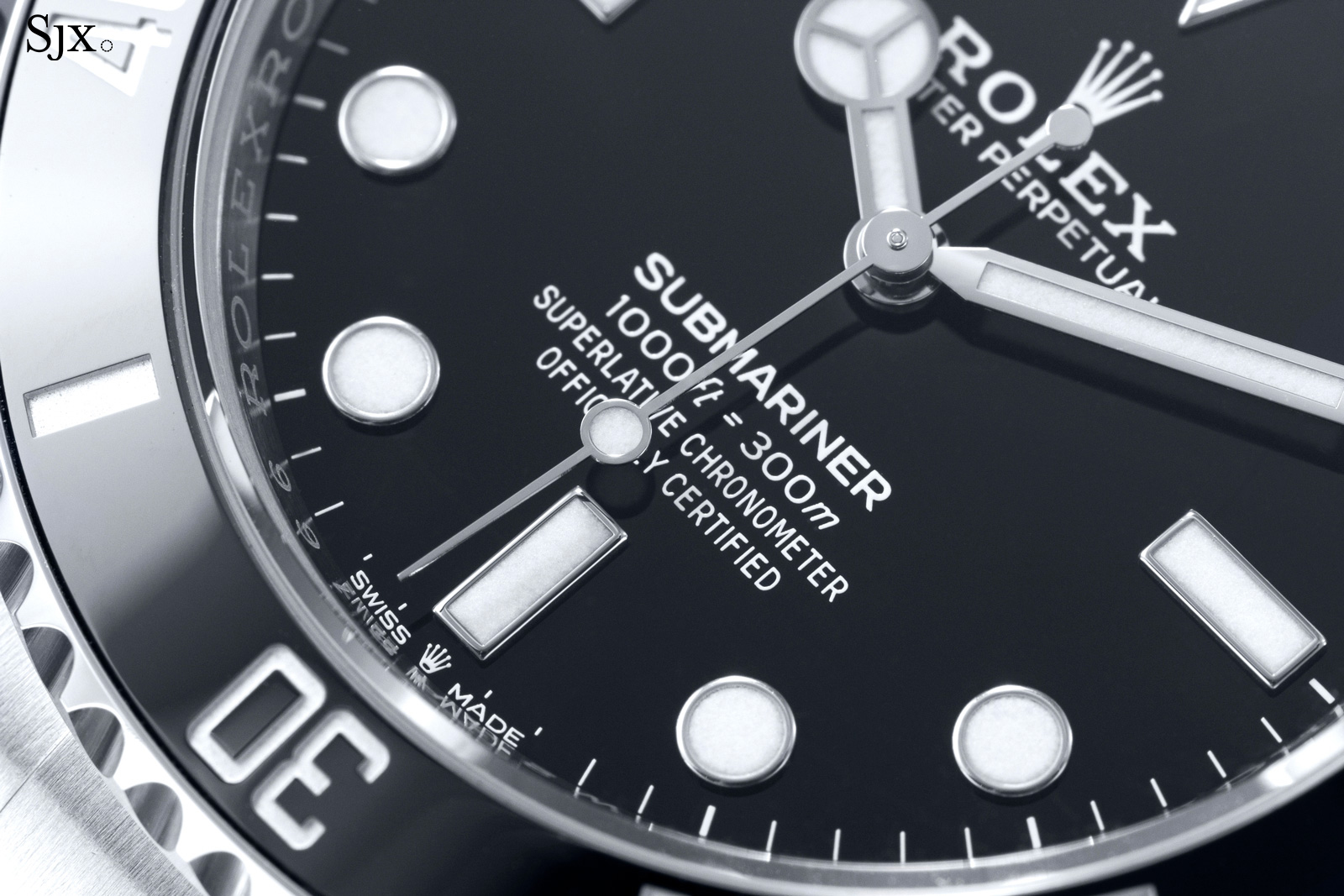
The Caliber 3135 ran in Rolex sport watches from 1988 to roughly 2020, with millions of units produced and a deserved reputation as one of the most rugged self-winding movements ever made. Rolex announced the 3235 at Baselworld 2015, first cased in the white-gold Datejust 41, then rolled out across the catalogue: 2018 in the new Sea-Dweller, 2018 in the GMT-Master II (as the 3285 derivative), 2020 in the redesigned Submariner Date 41 mm. By 2024 the 3235 family powers the entire modern 3-hand sport line; the 3135 lives on only in older serviced pieces.
What is new vs the 3135
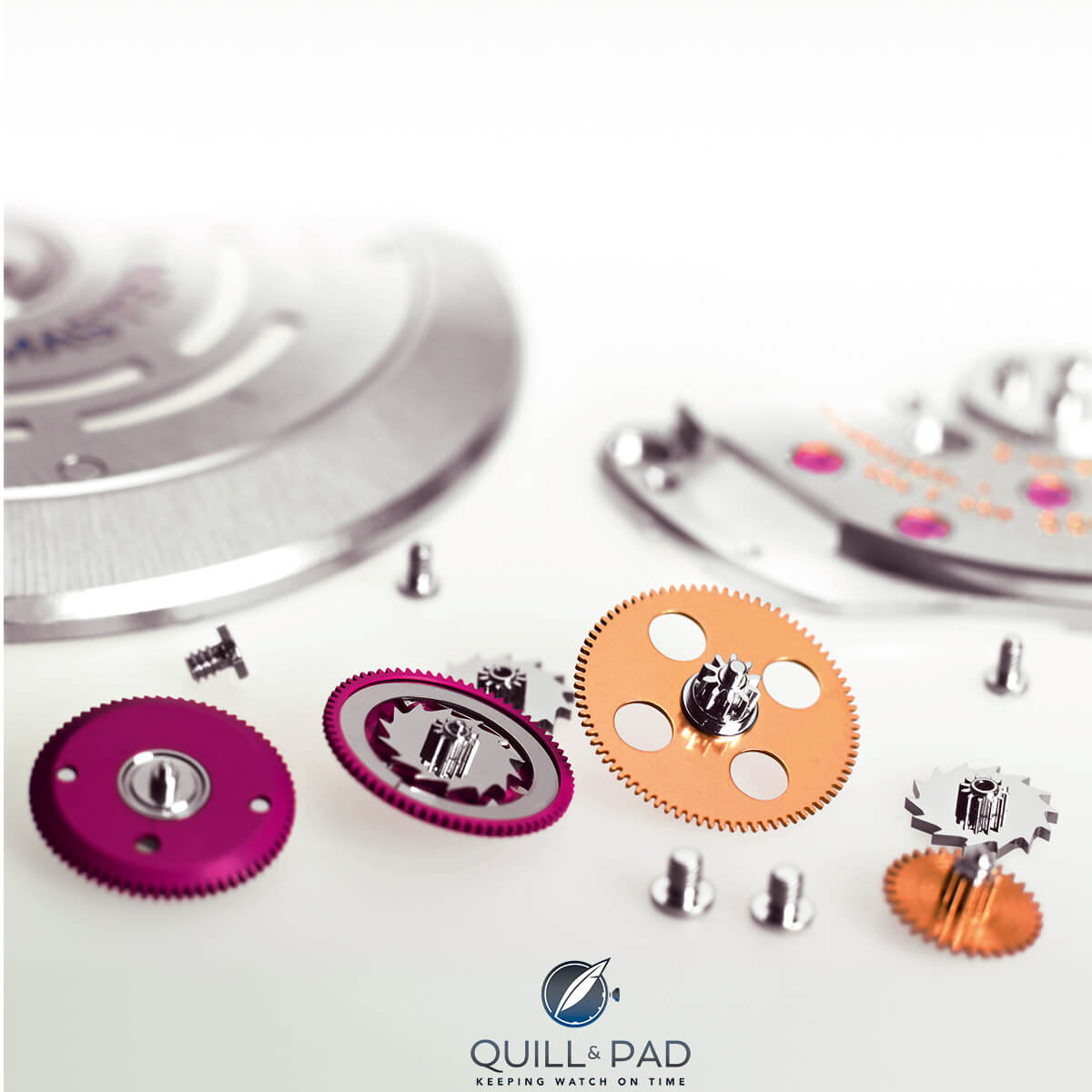
Three architectural changes. Chronergy escapement: a redesigned lever and escape wheel made from nickel-phosphorus rather than steel, with skeletonised geometry that reduces friction and contact area. Rolex claims a 15% efficiency gain over the standard Swiss-lever, which is most of the explanation for the longer power reserve. Higher-torque mainspring barrel: bigger barrel, stronger spring, contributing the rest of the power-reserve gain (48 h on the 3135, 70 h on the 3235). Optimised gear train: re-cut wheel teeth and tighter pivot tolerances; the rated accuracy went from -2/+2 in case (Superlative Chronometer) to the same nominal spec but with markedly less drift over the 70-hour run. Around 14 patents total are claimed for the calibre family.
Magnetism, materials, and what stays the same
The 3235 keeps the Parachrom Bleu niobium-zirconium hairspring (introduced on the 4130 chronograph in 2000 and rolled into 3-hand watches from 2005), Paraflex shock absorbers in place of generic Incabloc, and the same Microstella free-sprung balance with weights on the rim for fine regulation. It does not get a silicon hairspring; Rolex held out longer than every other major Swiss brand on silicon, finally adopting Syloxi (their silicon version) only on the new Calibre 7140 (2024). For a 3235 buyer, this means: anti-magnetism is good (Parachrom is roughly 10x more resistant than steel) but not Master-Chronometer-level great. Avoid leaving the watch on top of speakers, MRI machines, and high-power magnetic tools.
Accuracy in the wild
A factory-fresh 3235 is regulated to -2 to +2 seconds per day in the cased watch across all positions and temperatures, then sold under the "Superlative Chronometer Officially Certified" mark. This is roughly twice as tight as COSC alone (-4/+6) and broadly comparable to Omega Master Chronometer (0/+5). In owner reports, modern 3235s settle in at ~+1 sec/day after a few weeks of wear and hold that for years. Service interval target is 10 years, the same as previous Rolex movements; in practice many 3235s run well past that without amplitude collapse, but Rolex's own warranty is 5 years.
Watches it powers
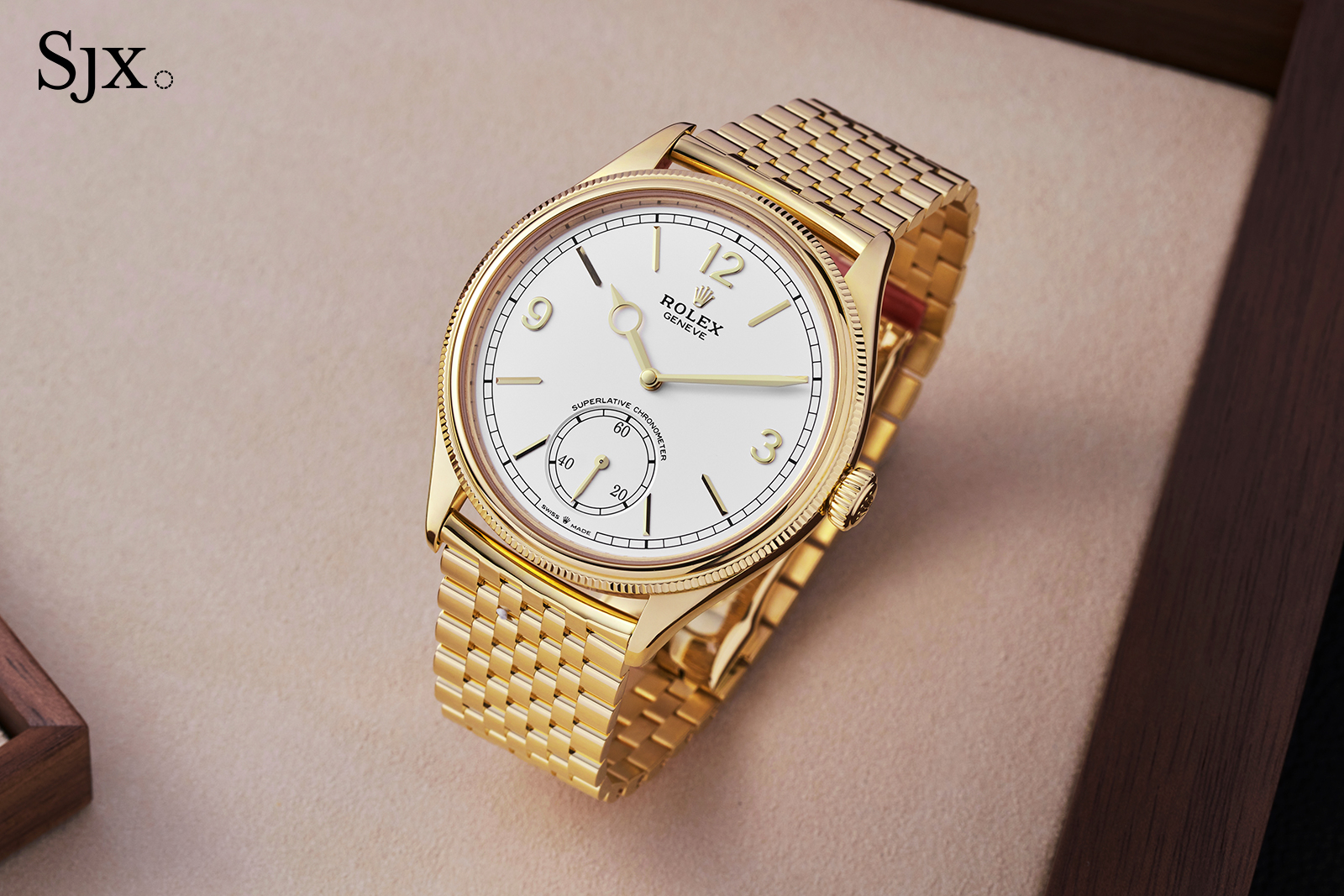
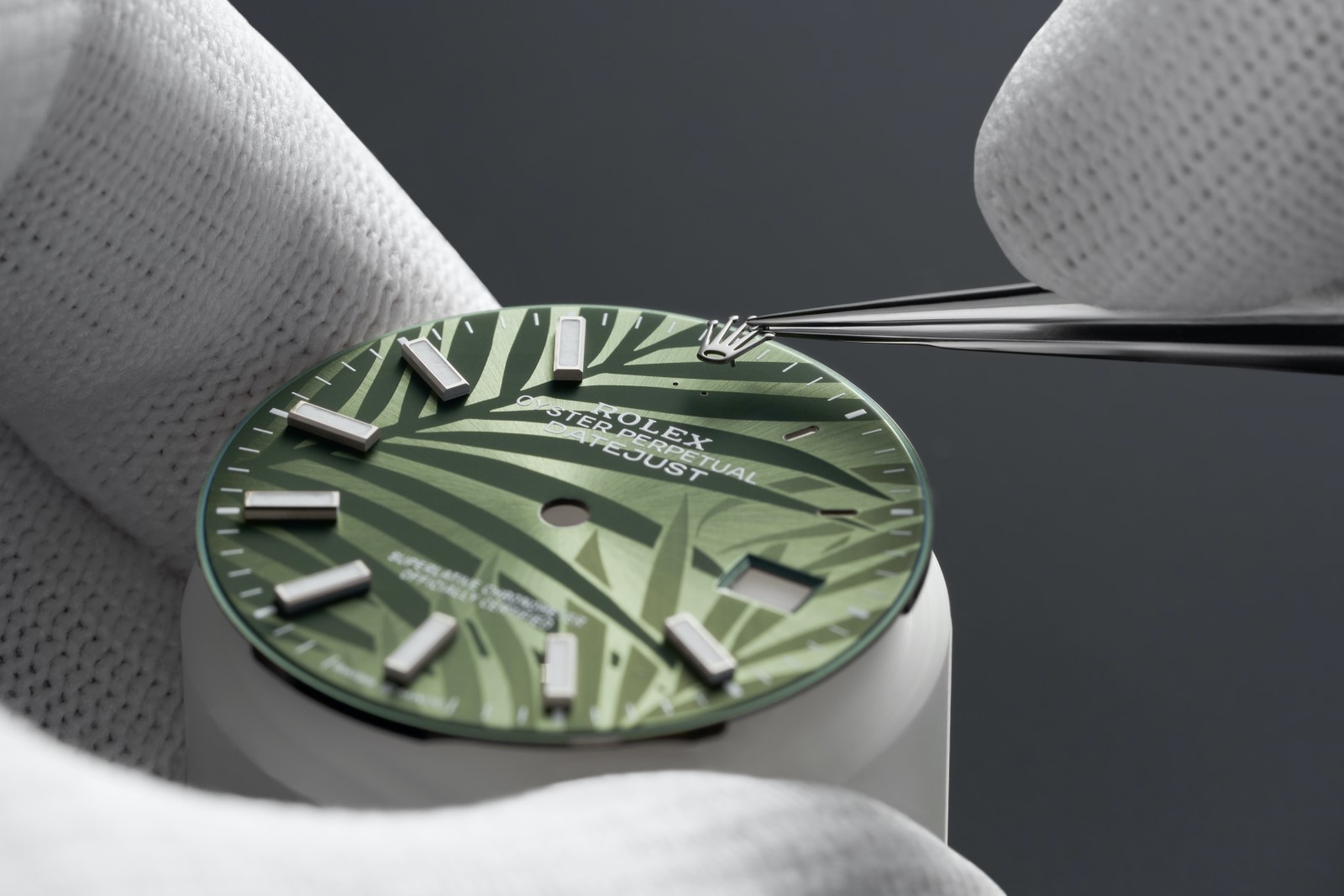
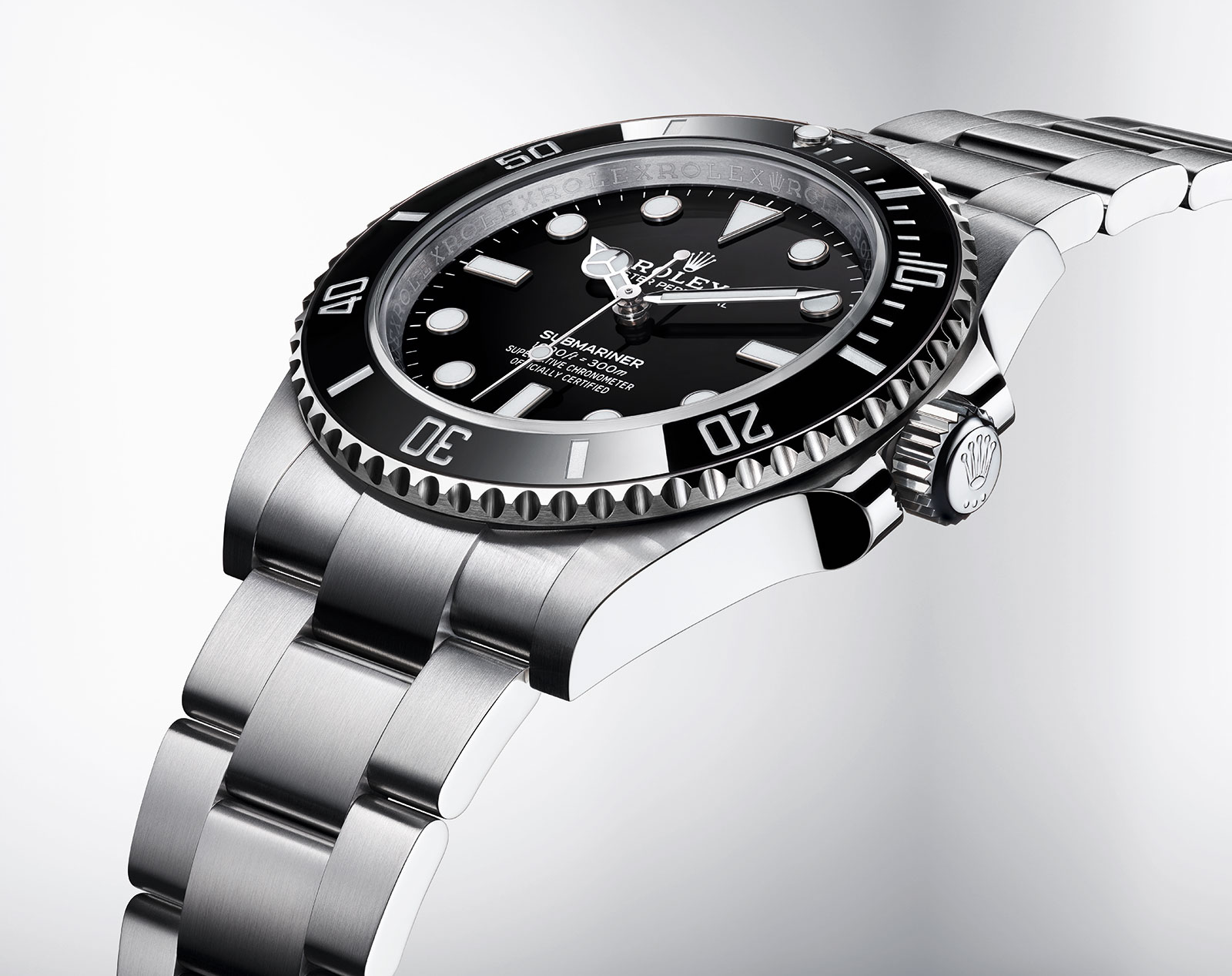
Three-hand date variants: Submariner Date 124060/124060LB/etc. (2020+), Datejust 41 mm 126300/126333/etc. (2017+), Sea-Dweller 126600 (2017+), Yacht-Master 42 mm (white gold), Oyster Perpetual 41 mm 124300 (2020+, no date). The chronometer variant 3230 (no date) goes in the no-date Submariner 124060 and the OP 41. The closely-related 3285 (with GMT module) goes in the GMT-Master II 126710 BLNR/BLRO/CHNR. The chronograph movement 4130/4131 remains separate; the time-only Day-Date and Sky-Dweller use their own calibers (3255, 9001).
Service notes for buyers
A 3235 service through Rolex (Authorised Service Centre or Boutique) currently runs CHF 700-900 for a Submariner-class case, includes movement strip-down, fresh oils, mainspring replacement, gasket replacement, polish (if requested), pressure test, and 2-year warranty. The 3235 was designed for 90% parts interchangeability with the 3135, which means independent watchmakers can largely service it with familiar tooling. The Chronergy escape parts are 3235-specific and currently restricted to Rolex-authorised channels; an independent without parts access can do everything except replace those specific parts. For more on what a service involves see our watch service cost guide.
Comments
No comments yet, be the first to weigh in.