Hodinkee
Time On The Tour d'Elegance With Wilhelm Schmid
A 'behind-the-wheel' experience from the Audrain Newport Concours & Motor Week.
598 articles · 22 videos found · page 11 of 21
Hodinkee
A 'behind-the-wheel' experience from the Audrain Newport Concours & Motor Week.
Monochrome
Designing a classic dress watch is probably the most challenging assignment for any designer, as it requires striking a balance between top-quality materials and finishes, an elegant yet understated dial and a slim profile. Ticking all the boxes is Jaeger-LeCoultre’s classic Master Ultra Thin collection, a classy lineup of dress watches for men and women […]
Somewhere, in a drawer lined with yellowed graph paper and sharpened No. 2 pencils, there’s a circular slide rule waiting to be understood. It belonged to a grandfather who spent his life chasing the elegance of equations-someone who could balance a checkbook in his head and chart a rocket’s trajectory on a napkin. For the person who inherited that drawer-and the curiosity that came with it-the new Xeric Omnigraph Automatic feels less like a watch and more like a reunion. Before computers, before calculators, before “Hey Siri, what’s 38 times 72?”-there was the circular slide rule. It wasn’t just a tool; it was a visualization of thought, an instrument for those who found beauty in precision. Xeric’s Omnigraph takes that analog intelligence and transforms it into a timepiece where mathematics itself becomes the design language. The post A Charming Tribute to the Analog Life: Introducing the Xeric Omnigraph Automatic appeared first on Worn & Wound.
Deployant
Casio’s CA-500WEBF-1A “Back to the Future” edition is a thoughtful nod to both retro tech and pop culture. Rather than reinventing the wheel, Casio builds on the familiar silhouette of its classic calculator watch, the CA-53W, famously worn by Marty McFly in the original film.
Fratello
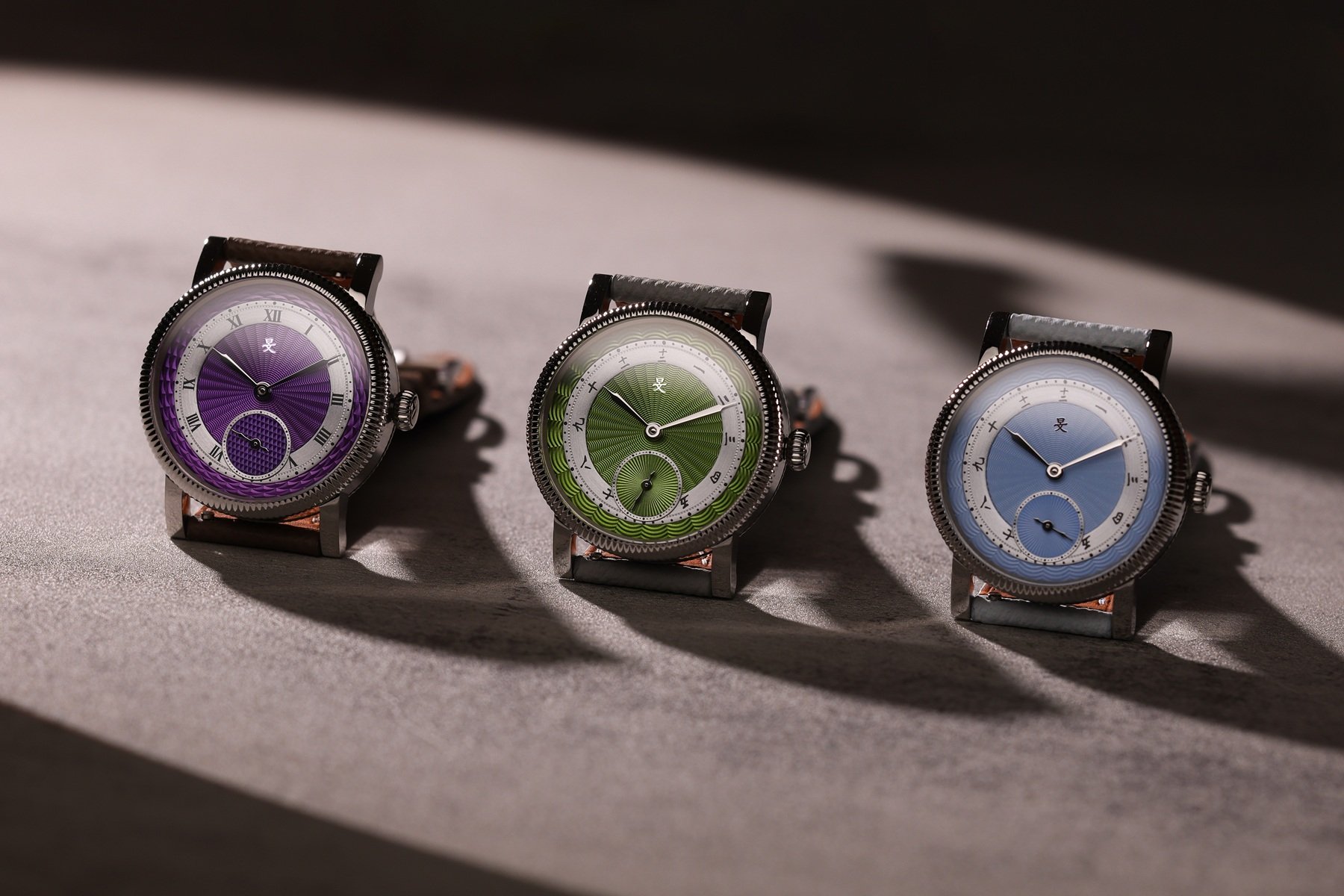
Minim is an independent watch brand founded by Chloe Chan, and just like her, it is a balance of East and West. According to the founder, the three watches in the debut MN01 collection reflect her journey from Hong Kong to London and are a contemporary tribute to traditional watchmaking. The inspiration from vintage pocket […] Visit Introducing: The Brand Minim And Its Three-Watch-Strong MN01 Collection to read the full article.
Monochrome
Born in 2016, the Nebula watch by Arnold & Son set out to make the movement the dial: a perfectly balanced, openworked stage where seven radiating bridges, twin barrels and a dial-side balance create a calm, symmetrical look. Over the years, the concept has been refined (and downsized) without losing its architectural clarity. Marking 75 […]
Worn & Wound
Longines has announced a pair of new watches in their Spirit collection today, and taken together it feels like a fairly significant shift and update for the five year old line. When the Spirit watches launched in 2020, it represented Longines making an attempt to develop watches that put more of a balance on contemporary vs. vintage inspired divide, having spent years carving out a niche as one of the most tasteful reinterpreters of their own back catalog. The Spirit watches were an entirely new invention but still leaned into the brand’s natural heritage appeal, and impressed from the start with excellent finishing and build quality. As the collection expanded over the years, it’s grown full of under the radar sleepers, but a handful of little issues are always mentioned by admittedly picky enthusiasts when new products drop. At least some of those seem to have been addressed between these new releases, updated versions of the Spirit Pilot and Spirit Pilot Flyback. We’ll look at the Spirit Pilot Flyback first, as it’s a genuinely surprising and unexpected evolution of an ambitious watch that Longines debuted just two years ago. Longines has a long history with chronographs, and flyback chronographs specifically, so the introduction of a new flyback chrono at a competitive price point (at launch it came in under $5,000 in steel) was a big deal. Unfortunately, the case was just enormous, coming in at 42mm in diameter and around 17mm tall. The case height, in part...
Hodinkee
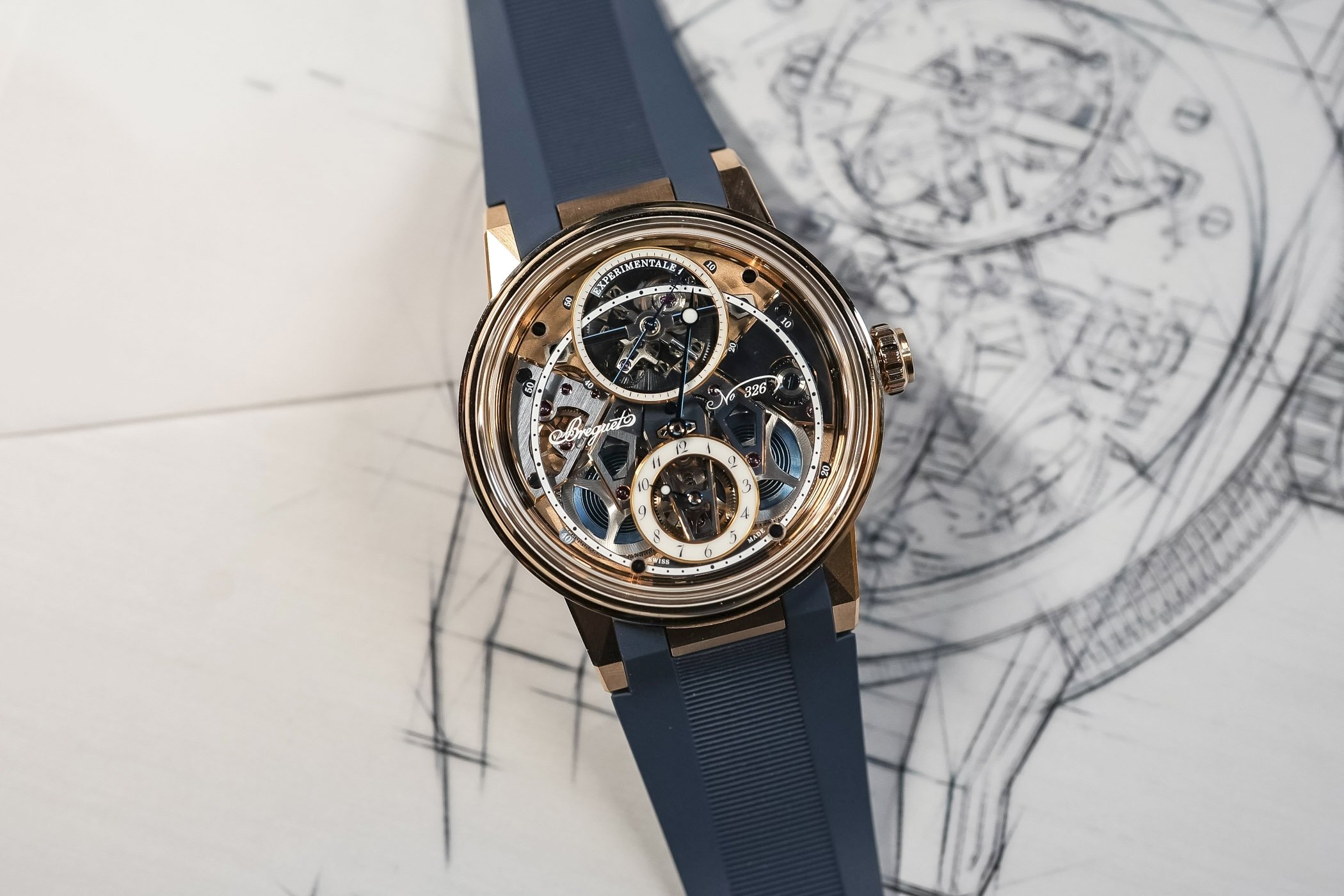
Independent watchmaker David Candaux delivers a new double balance caliber in a sculpted 39.5mm case.
Deployant
David Candaux releases his next watch the DC12 MaveriK, with two balance wheels driven by a differential, and protected by three patents.
SJX Watches
Now in its 28th year, the Cartier Prize for Watchmaking Talents of Tomorrow is open for candidates. This year’s theme is “Shifting the Balance: Reading and Perceiving Time Differently” and encourages applicants to propose novel or unusual time displays, inspired by the recently revived Tank à Guichets. The prize is open to third and fourth year apprentice watchmakers and techniciens ES en Microtechniques in Switzerland, or young people in any equivalently rigorous program in France, Germany, Belgium, or employed at Cartier (which unsurprisingly is one of the largest employees in the Vallee de Joux). The brand will also consider applicants outside this scope on a case-by-case basis. Cartier accepts applications in French, English, and German, which must include an introduction video, project pitch, and sketch of the creation. This portal closes on October 31 2025. A five member jury, which includes Kari Voutilainen, will select six technicians and six apprentices, to be announced in December. The 12 chosen candidates will pair up with a mentor and have only 80 hours over three months to construct their respective vision using a Cartier cal. 012 alarm clock movement and a budget of CHF500. The application includes normally proprietary technical documentation on this movement to help the prospects plan their projects. Candidates will document the build in a digital logbook, recording and explaining each step, and keeping track of the 80 hour time budget. The reconvened...
Monochrome
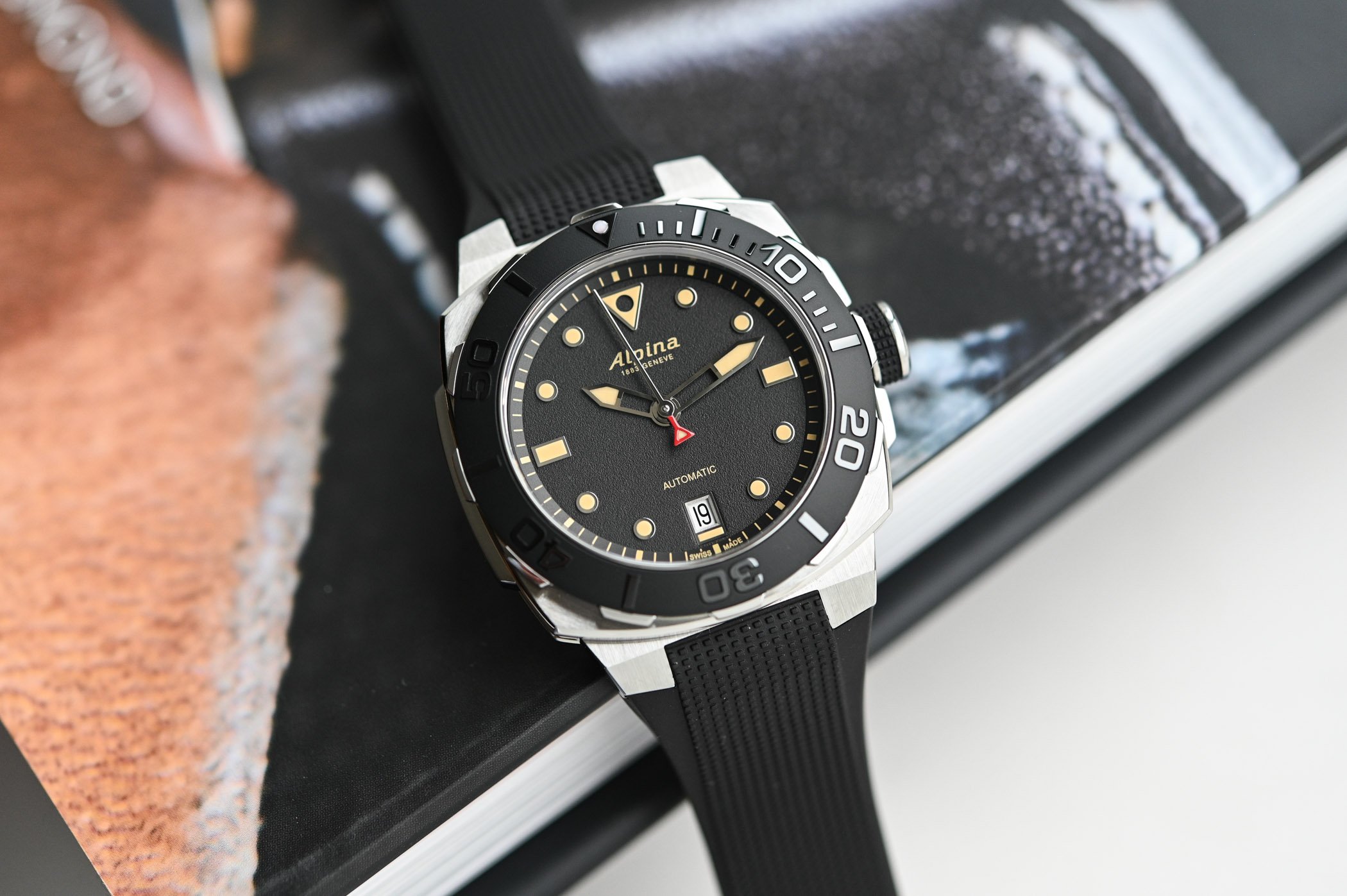
Alpina has steadily carved out a niche for robust sports watches that balance land and sea credentials, and the Seastrong Diver Extreme Automatic is a good example of this dual spirit. Introduced last year in a compact 39mm Extreme cushion-shaped case with 300m water resistance, it was already a natural fusion of the Alpiner’s rugged […]
Time+Tide
Bridging the gap from the SUB 600 to the ultra-deep 1500, the new slimmer 750T strikes a great balance between specs and wearability.The post The Doxa SUB 750T is back, and it’s significantly slimmer appeared first on Time+Tide Watches.
Deployant
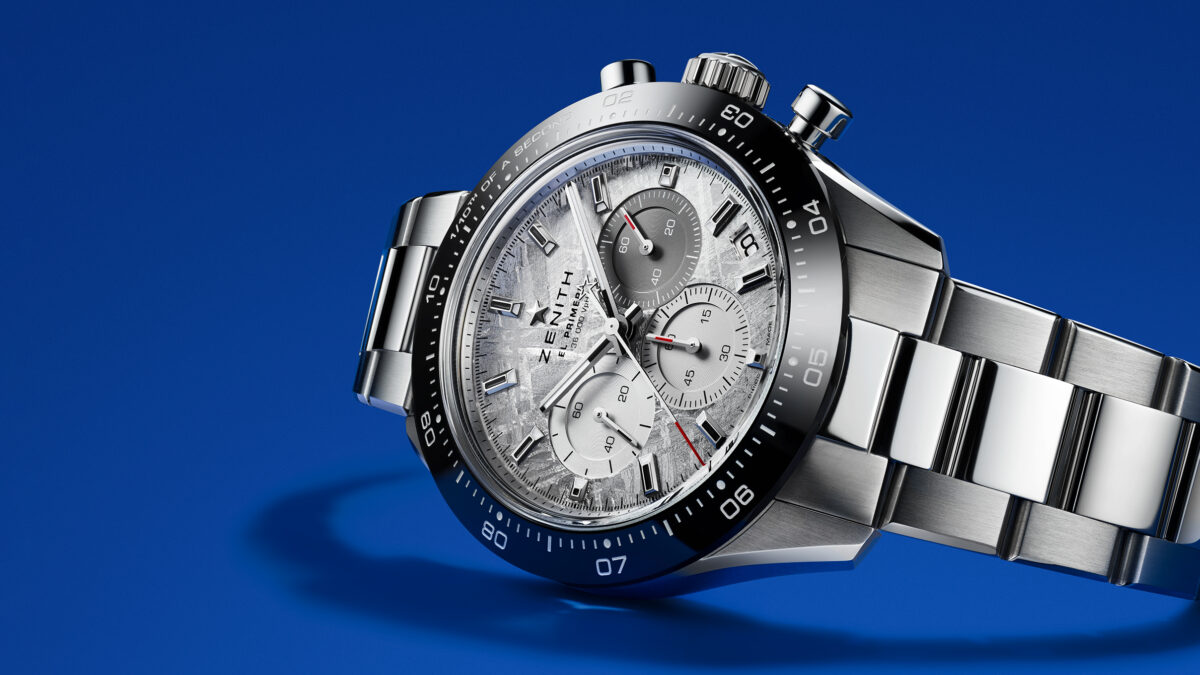
Zenith has expanded its Chronomaster Sport collection with the release of the Meteorite edition, a stainless steel chronograph featuring a dial crafted from genuine extraterrestrial material. Previously available only in Japan, this model is now offered globally through Zenith boutiques and authorized retailers. Priced at $17,500, the watch combines Zenith’s high-frequency El Primero 3600 movement with a unique Widmanstätten-patterned meteorite dial, aiming to balance technical precision with visual distinctiveness.
Fratello
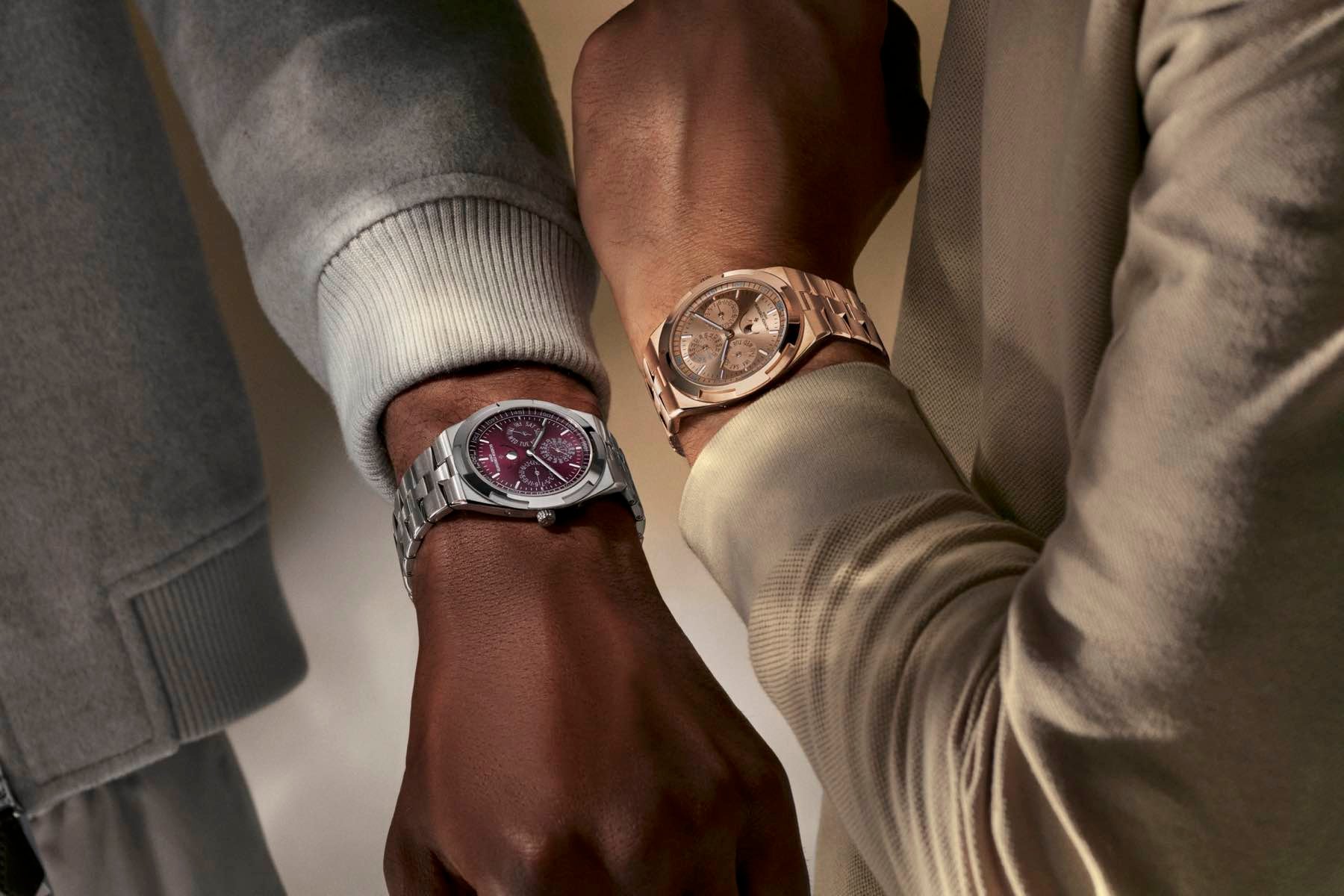
Vacheron Constantin is celebrating its 270th anniversary in 2025 with a steady stream of new releases. Among them is a pair of fresh takes on one of the most elegant sports watches in its stable, the Overseas Perpetual Calendar Ultra-Thin. This model has long been a showcase of the maison’s ability to balance sportiness and […] Visit Introducing: The Vacheron Constantin Overseas Perpetual Calendar Ultra-Thin In Two New Dial Variations to read the full article.
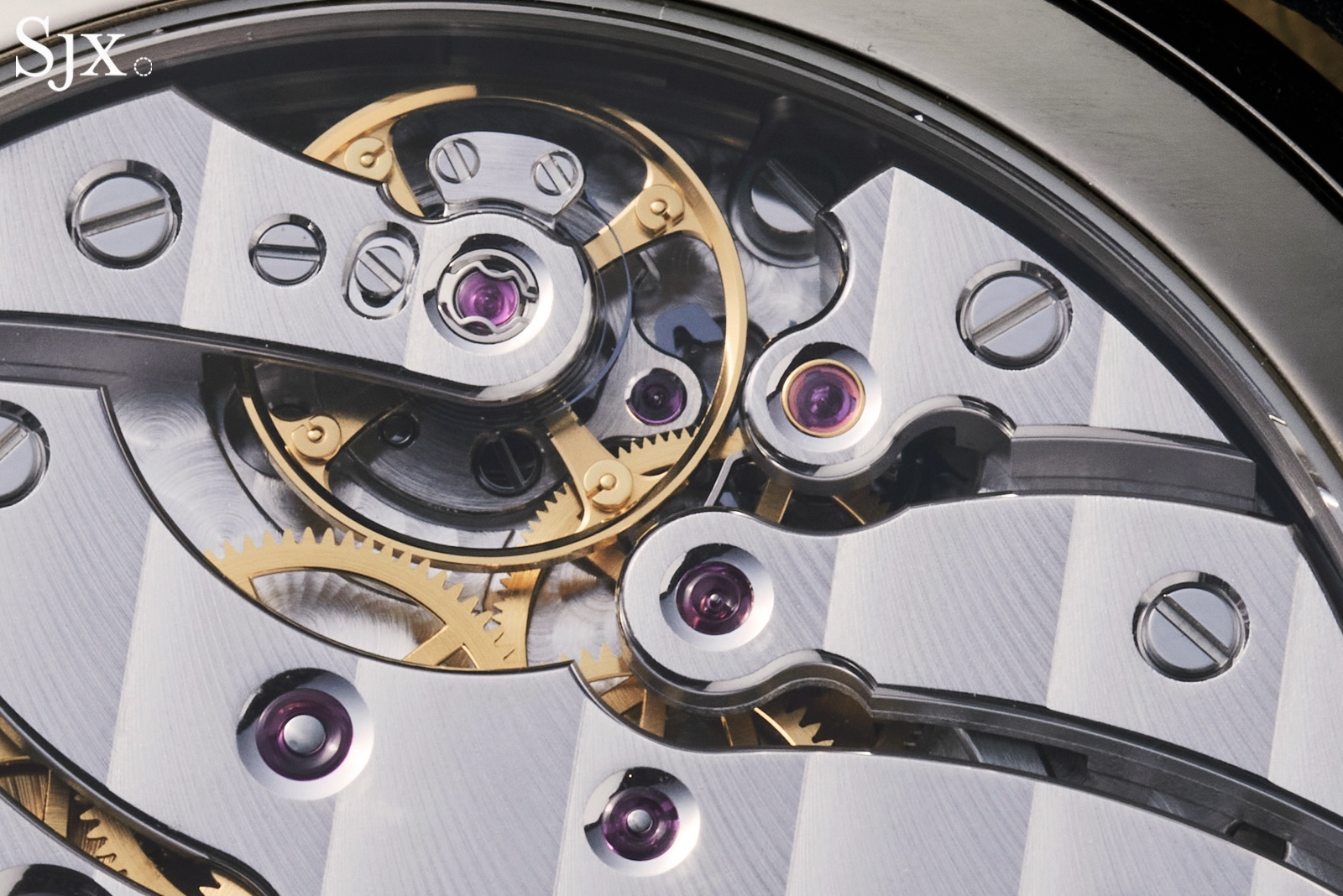
Part I of our story on the evolution of hairspring materials covered temperature compensation along with the development of the first specialised balance spring alloy, Elinvar. The story brought us to the 1920s, when scientist and horologist Charles-Edouard Guillaume (1861-1938) finished his work on nickel-iron alloys and watchmakers begun embracing Elinvar springs paired with mono-metallic balances. In this second part we turn to newer hairspring alloys, like the now-ubiquitous Nivarox. Then we look at today’s landscape and the future, touching on research done by the Swatch Group with alternative, niobium-based alloys and also the specialised but obscure Seiko SPRON 610 hairspring. Lastly we discuss silicon springs, which are growing more prevalent across a range of timepieces. Elinvar’s weaknesses Elinvar was by far the greatest breakthrough in self-compensating alloy hairsprings at the time. Guillaume considered Elinvar good enough and not needing further improvement - unsurprisingly since he was its inventor - but other watchmakers and engineers continued to experiment with iron-nickel compounds because Elinvar’s inherent properties made it a good, but imperfect, material. Even though the alloy behaved predictably with temperature changes, its physical properties were not ideal to begin with. Elinvar was a soft metal, which posed its own suite of problems for spring applications. The importance of softness in terms of hairspring performance is not related ...
Monochrome
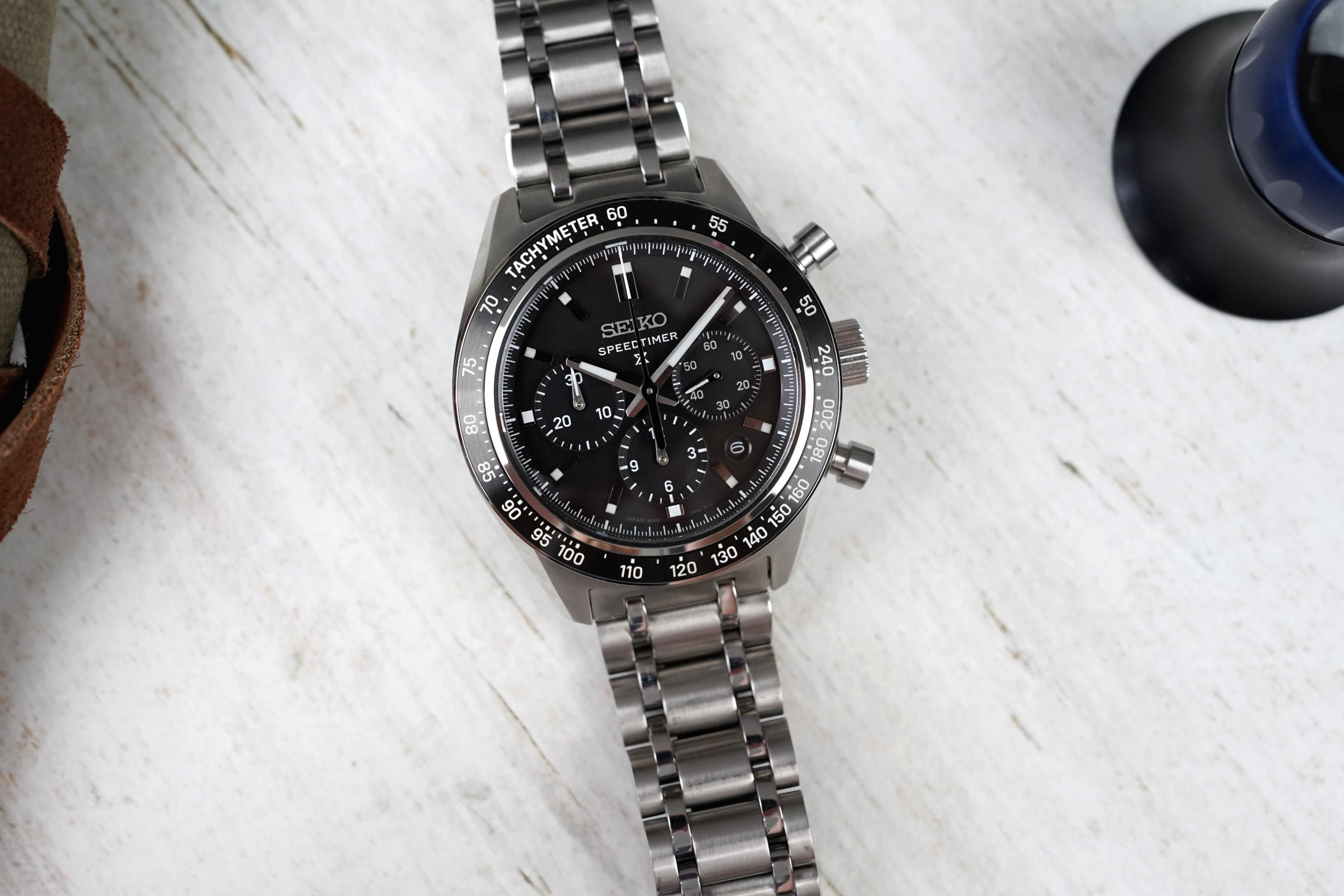
The original 1969 Seiko Speedtimer marked a milestone as the world’s first automatic chronograph with both a vertical clutch and a column wheel, boosting timing precision and reliability. That same year, the Datsun 240Z debuted as a Japanese sports car that proved its performance in global rallying, famously winning the East African Safari Rally in […]
Time+Tide
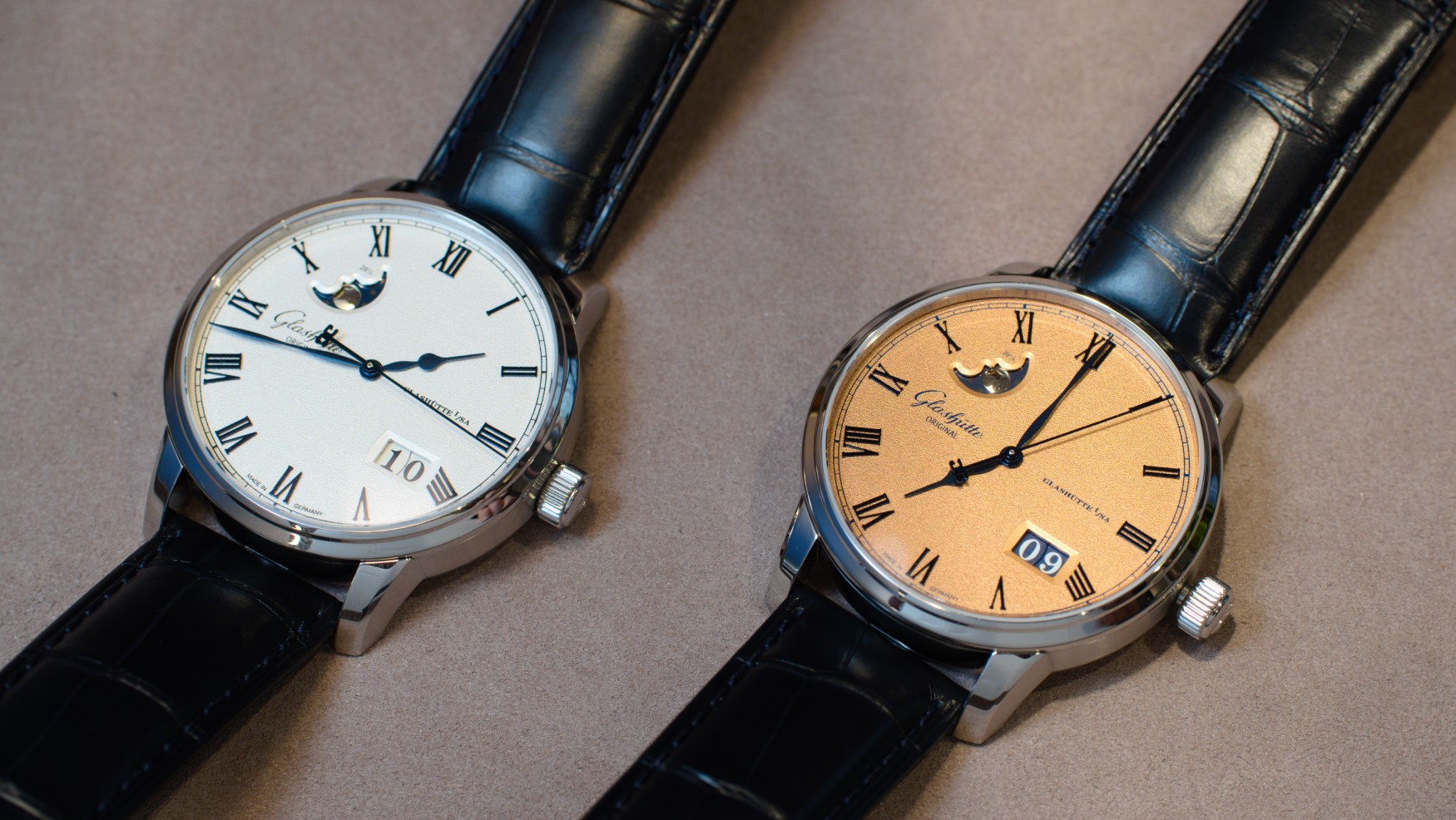
In two dusty tones, the new addition to Glashütte Original's Senator line shows balance and poise in its design. The post Glashütte Original brings sultry shades of silver and copper to their signature Senator Panorama Date Moonphase (live pics) appeared first on Time+Tide Watches.
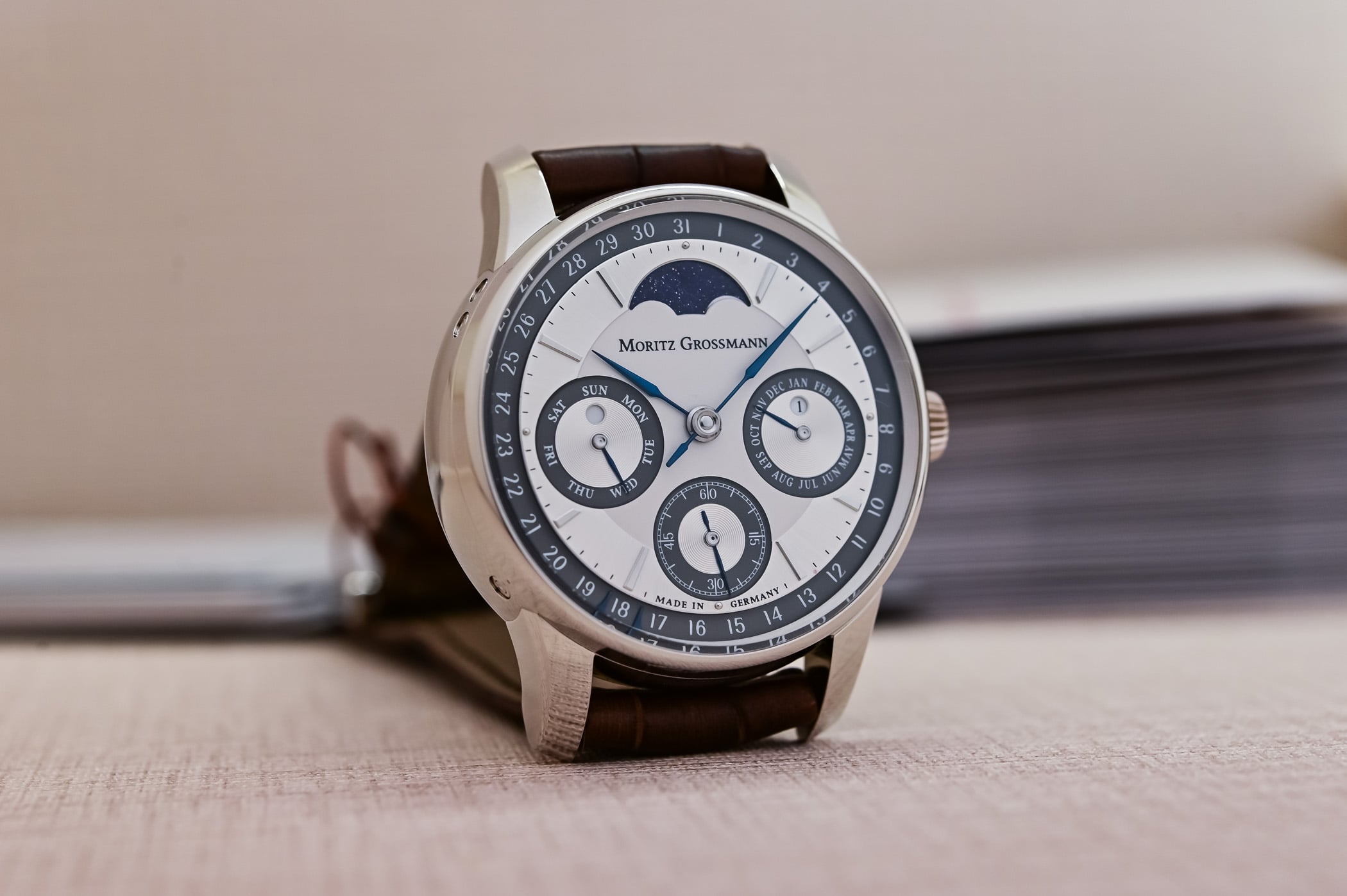
In the world of watches, simplicity is frequently overlooked. But the new Brew Metric Lite is proof that petite doesn’t have to mean pared-down. With clean lines, charming proportions, and an unapologetically unisex design, it hits that rare balance of effortless style and everyday wearability. It’s not a trophy watch, it’s a companion-to coffee dates, late nights, and everything in between. The Metric Lite reimagines Brew’s signature style as something more universal-stripped back, but still unmistakably “Brew.” It’s an automatic three-hander with no gimmicks, just good design. The case is compact but confident, sliding under cuffs or over bare wrists with equal ease. And with a softened rectangular silhouette and muted dial tones, it’s simple yet stylish, fun yet formal, small yet substantial, refined yet relaxed. The post Lookbook: Brew Metric Lite is Finessed Form, Function, and Fun… All In One appeared first on Worn & Wound.
Quill & Pad
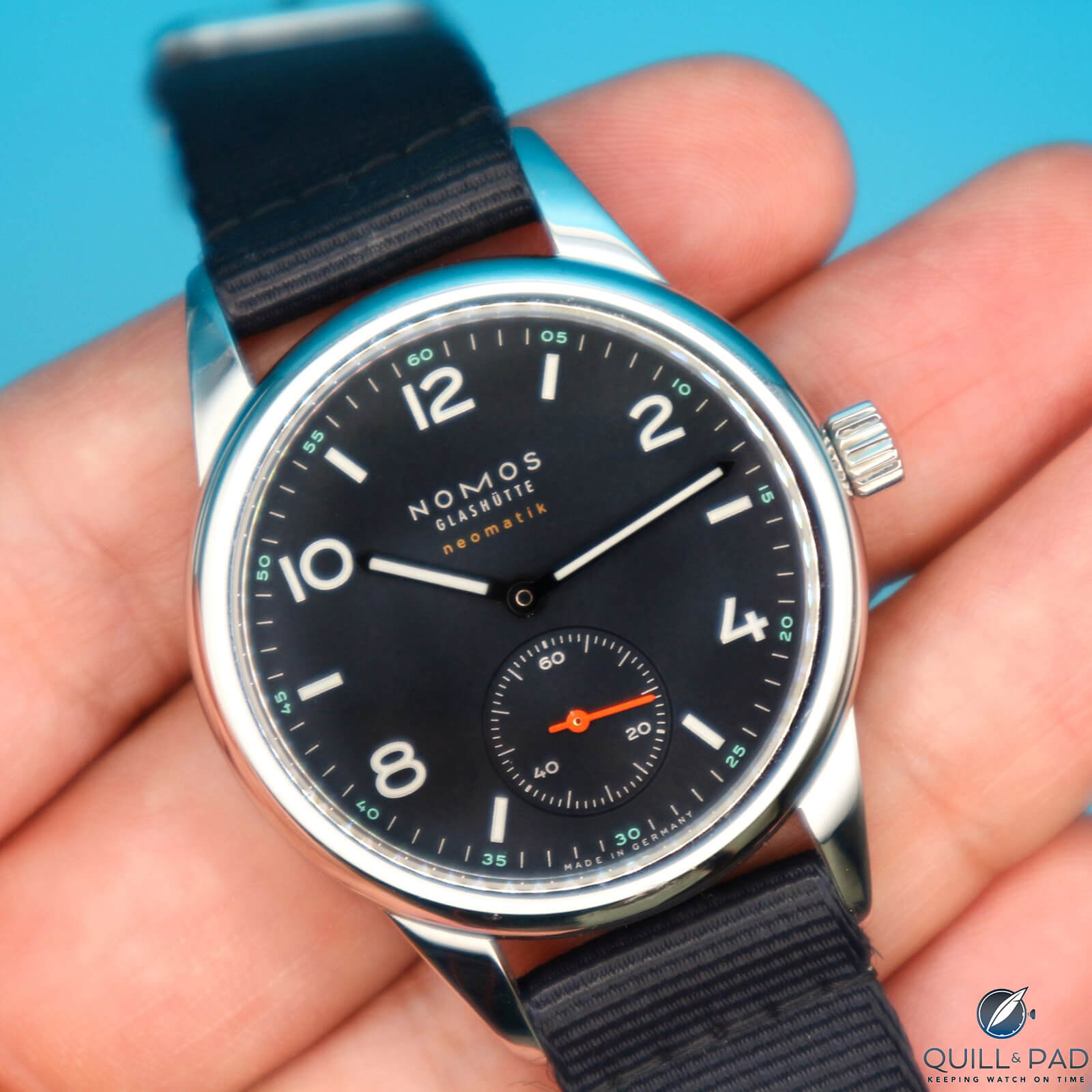
Nomos has found its own niche within the world of watches. It is easy to see why they have gained such a strong reputation by providing unique, Bauhaus-inspired designs and quality in-house movements at relatively affordable prices. In Raman Kalra’s opinion, the Nomos Club Neomatik is one of the best watches in their collection. A perfect balance of what Nomos is all about.
Monochrome
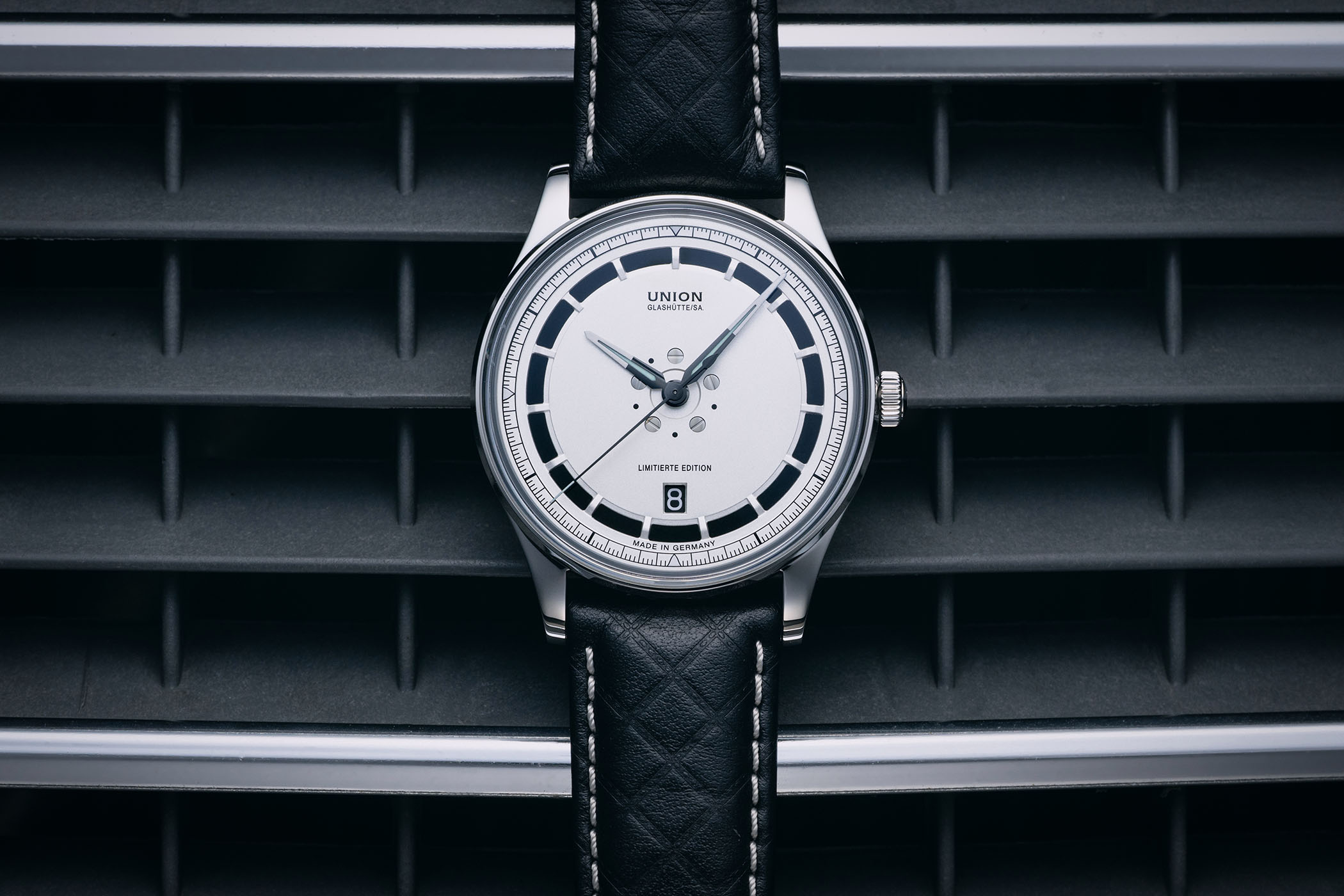
Union Glashütte keeps delighting automotive and watch enthusiasts with its Noramis Date Deutschland?Klassik editions, each year’s release themed around classic wheel designs in partnership with the ADAC Deutschland Classic vintage car rally. Following the 2023 Otto Fuchs Porsche-inspired model and the 2024 BBS?RS rim tribute, the 2025 limited edition returns with a new aesthetic that […]
SJX Watches
Urwerk is universally known for its unique approach to time-telling, usually marrying the classic concept of wandering hours with avant-garde styling and reinvented mechanics. The brand’s signature brand of watchmaking is exemplified by the UR-150 “Scorpion”, which demonstrates the brand’s ability to reinvent the wheel in displaying the time. The UR-150 is a time-only watch, showing just the hours and minutes, but with a technical execution that is sophisticated and elaborate. Nicknamed “Scorpion” due to its crisp retrograde hour hand that brings to mind the desert creature’s swift sting, the UR-150 features a central carousel that creeps slowly over the course of one hour, only for the hour hand to snap back and reset with a lively action at the top of each hour. The concept of satellite and retrograde hours is not new to Urwerk – in fact the idea dates back to the Opus V – but in the UR-150 the mechanics underlying the time display have been refined, upgraded, and elaborated upon. Dissecting the time display module of the UR-150 is a fascinating process that speaks to the talent of the watchmakers and constructors at Urwerk who conceived these radical time displays. The mechanics are inventive, especially in the interconnected nature of the various sub-assemblies ranging from the retrograde to the satellite discs. The construction also incorporates finer engineering details like main shaft that supports two concentric but independent axes of the carrier...
SJX Watches
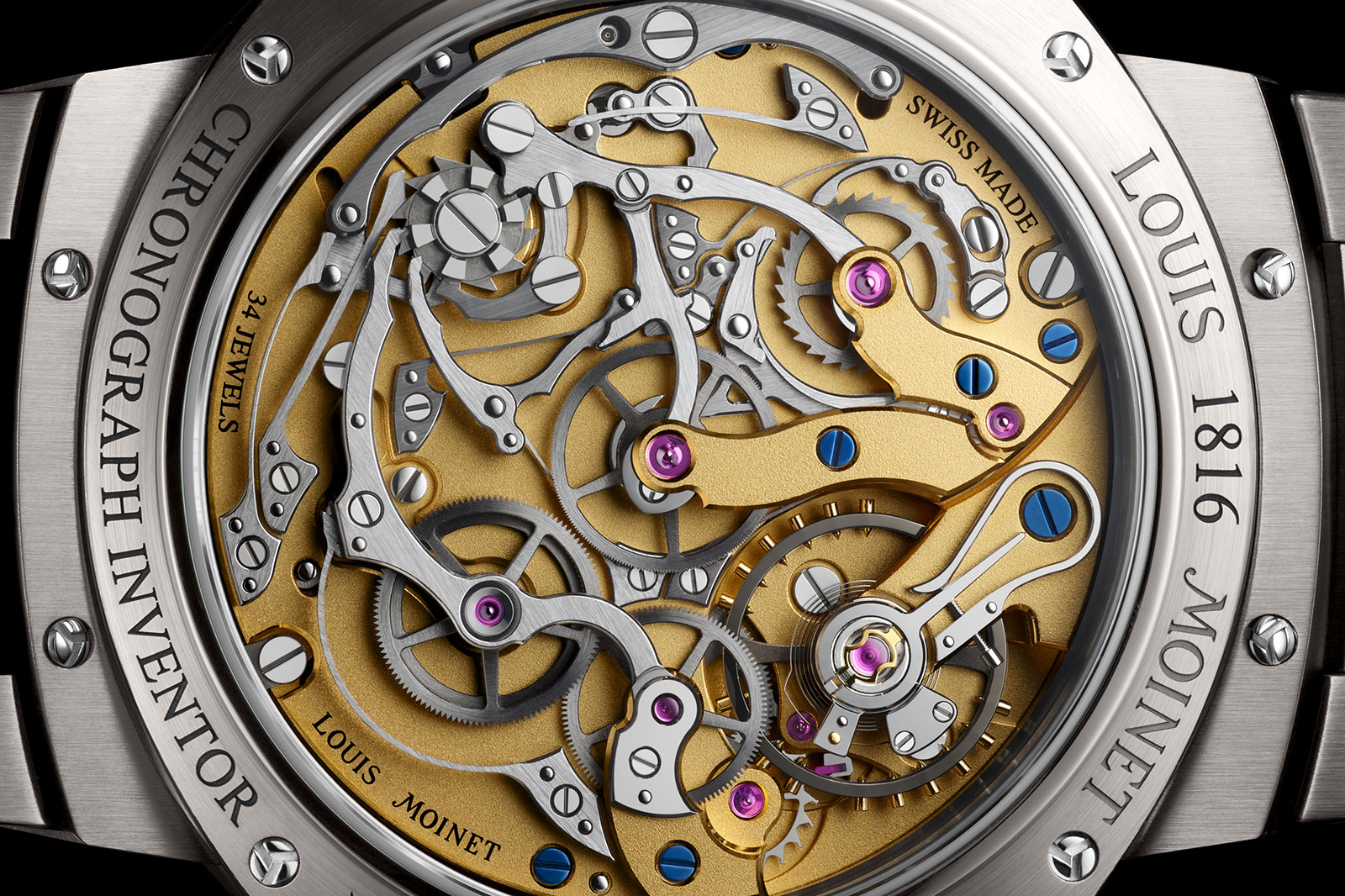
A tribute to the first chronograph pocket watch, the Louis Moinet 1816 combines contemporary case design with an all-new, classically constructed chronograph movement featuring a column wheel, horizontal clutch, and swan’s neck regulator. With the 1816, Louis Moinet has concocted an unusual but appealing proposition that blends the new with the old. Initial thoughts Louis Moinet is regarded as the inventor of the chronograph thanks to the compteur de tierce (which translates as “thirds counter”) that he revealed in 1816. His creation was considered more of a scientific instrument than a chronograph as we know it today. It was Nicolas Rieussiec who actually coined the term “chronograph” a few years later in 1821. Now the revived brand bearing Moinet’s name has taken inspiration from his 1816 invention to create a reinterpretation of the compteur de tierce. The original “thirds counter”. Image – Louis Moinet With a monochromatic, all-titanium construction and integrated bracelet, the 1816 looks to be a sports watch, yet it only has a 30 m water resistance. The traditionally styled movement stands in contrast with the contemporary and somewhat trendy exterior. Such a tribute to a historic piece would arguably have worked better with appropriately classical design. As it is, the 1816 is neither a dress nor a sports watch. The design feels confused, but the appeal of the movement alone is clear since it ticks most of the boxes that collectors appreciate in an ...
Worn & Wound
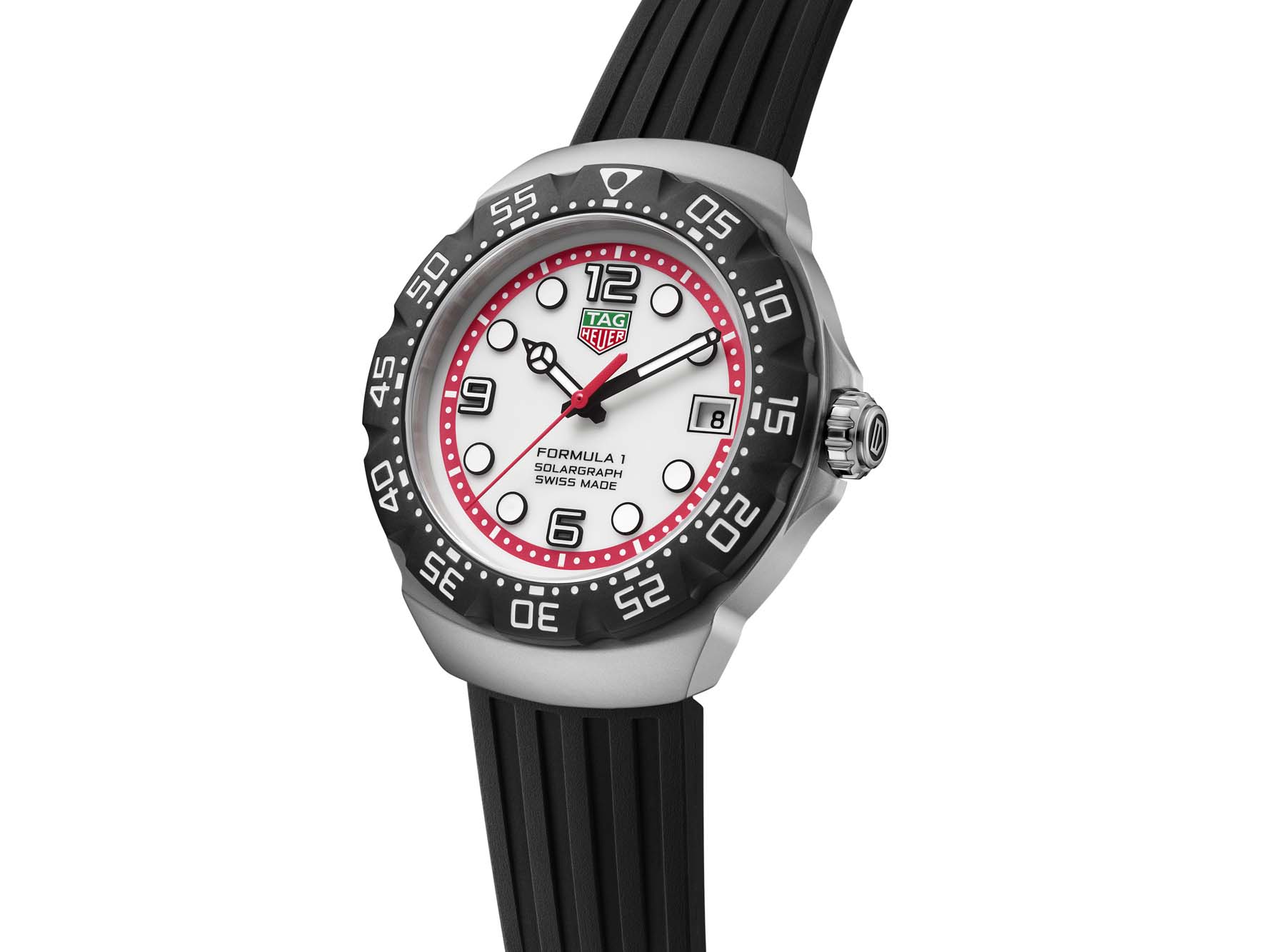
Much to the chagrin of my fellow automotive enthusiast friends, I am not an ardent Formula 1 follower-I prefer motorsports of the all-wheel drive variety, coated in mud in the Finnish wilderness. Still, the allure of the screaming engines, blinding speed, and pure bling of Formula 1 isn’t lost on me. Millions of fans worldwide are captivated by the sport and its entrants for a reason-and TAG Heuer, the official timekeeper of Formula 1, has nine new references to match that ever-growing fervor. In celebration of the colorful 1986 origin of the brand’s Formula 1 Collection, the new models feature bright hues and a reimagined design. Three of the nine pieces feature the more “classic” dial colors of black and white or blue on a steel bracelet. The remaining six are limited edition colorways: black and red, black and yellow, blue and black, white and green, white and red, and green and red. According to TAG Heuer, each model pays direct homage to the 1986 collection in design and function. However, key changes reflect contemporary taste-instead of the original 35mm, the new cases (constructed of sandblasted steel or TH-Polylight depending on the model) measure 38mm but retain the sporty aesthetic that the line is known for. The original shield-shaped markers have also been modernized, appearing now as applied and Super-Luminova-treated indexes. The “Mercedes”-style hands carry on, as does the chunky 60-second scale bezel, date window at 3 o’clock, and agg...
Worn & Wound
Reinventing the wheel can be overrated-sometimes, expanding on an already-beloved design is the best way to drum up excitement. The original Heuer Carrera-released in 1963 as Jack Heuer’s horological love letter to the 1950s Carrera Panamericana Road Race held in Mexico-would develop as a symbol of motorsports success over the following decades, frequently gifted to victorious drivers at huge events. As the current official timekeeper of Formula 1, the Swiss company is continuing that legacy of motorsports prowess with new watches in the Carrera Day-Date collection, keeping the elements that have made the watch an icon, while pushing the design ever forward. With six new models and ample features, the Day-Date collection can seem as daunting as an F1 circuit at first. Five of the models, though, are mechanically identical, with differences ranging from materials to color schemes-these are the “regular” Day-Date pieces, while the Date Twin-Time represents a distinct complication. First, let’s take a look at the new Day-Date references. Each Day-Date features a fine-brushed and polished steel 41mm case with a steel polished crown at 3 o’clock, a beveled and domed sapphire crystal with double anti-reflective treatment, and a steel screw-down case back that touts a 100m water resistance. A Calibre TH31-02 automatic movement pulses inside each Day-Date, and a day-date window sits at the 3:00 position. White Super-LumiNova additionally coats the hour and mi...
Quill & Pad
Raúl Pagès goal for the RP2 was to design a timeless classic, where purity of form meets technical excellence. A watch that would serve as the foundation of his collection for years to come. Every detail, from the clean lines to the entirely in-house movement, reflects his pursuit of balance between apparent simplicity and absolute refinement.
Monochrome
What do you do when you feel your Ctiroën 2CV is a bit underpowered and traction-limited? You could potentially swap out the engine, or install a complex all-wheel drive transmission, remove a bit of weight (although there’s not much to start with in a 2CV). Or, and that is what Citröen did, you drop in […]
Monochrome
With a partnership that goes back to 2001, when Tissot became the official timekeeper of MotoGP – the 2-wheel equivalent of Formula 1 – you can imagine that the T-Race collection is vast. Over the years, it has given birth to some of the most daring watches of the brand, all deeply inspired by the […]
Hodinkee
The watches and stories of a life spent behind the wheel and on the podium of the world's most prestigious automotive races.
SJX Watches
Over the last decade, metal alloy hairsprings seem to fallen out of favour across watchmaking, with even conservative, haute horlogerie brands like Breguet and Patek Philippe turning to silicon balance springs. Not to mention large-scale makers of sporty watches like Omega and Tudor, which already transitioned to silicon balance springs. Rolex, however, stands out. The Geneva marque continues to employ a hairspring fabricated of its proprietary blue alloy – the Parachrom hairspring. The Parachrom hairspring inside the cal. 4131 of the Cosmograph Daytona The advantages of alloy The use of blue Parachrom is rooted in the simple fact that the right metal alloy boasts performance that is at least on par with its silicon counterpart – while offering some distinct advantages missing in silicon. Alloy hairsprings are traditionally made of Nivarox (and its family of related alloys), a special alloy that neither oxidises nor change its dimensions with variations in temperature. Invented in 1933 and almost a century old, Nivarox is a mix of nickel and iron, making it a ferromagnetic alloy, thus susceptible to influence from magnetic fields. The cal. 3255 of the Day-Date 40 is equipped with a Parachrom hairspring. Image – Rolex In order to make its hairsprings more resistant to magnetism and to bypass the Swatch-imposed monopoly on Nivarox hairsprings (Nivarox-FAR being one of the key companies of Swatch Group), Rolex set out to develop its own hairspring alloy in the early 2...
SJX Watches
High-end chronograph movements of today tend to have in common a vertical clutch and column wheel. Such “performance” chronographs are typically also automatic, and practically every high-end watchmaker, from Audemars Piguet to Vacheron Constantin, has its own take on the modern “performance” chronograph. The chronograph movement as we know it today is actually a fairly recent invention. Despite being common in today’s chronograph constructions, the vertical coupling, or at least its concept, is decades-old. The Pierce cal. 130/134 launched in the 1930s is regarded as the first commercially available wristwatch with a vertical clutch. There are examples of even older stopwatches that relied on crude forms of the vertical clutch, but most were either prototypes or small-batch production. But the large-scale use of the vertical clutch only started in the late 1960s, when Seiko debuted the cal. 6139. Launched in 1969, the Seiko cal. 6139 was a vertical clutch movement produced on an industrial scale. Not only was it among the first-ever automatic chronographs, but the cal. 6139 also was objectively the most advanced amongst them. Compared to the modular construction of the Breitling-Heuer Chronomatic Caliber 11 and the fairly classical architecture of the Zenith El Primero, the Seiko cal. 6139 was endowed with a vertical clutch and a novel construction all around. It was, however, an industrial, no-frills movement at heart. The one that started it all – the cal. ...
Question, suggestion, or just want to say hi? Drop a note.