The Greatest Horological Inventions of All Time: Why George Daniels’ Co-Axial Escapement Revolutionised Mechanical Watchmaking
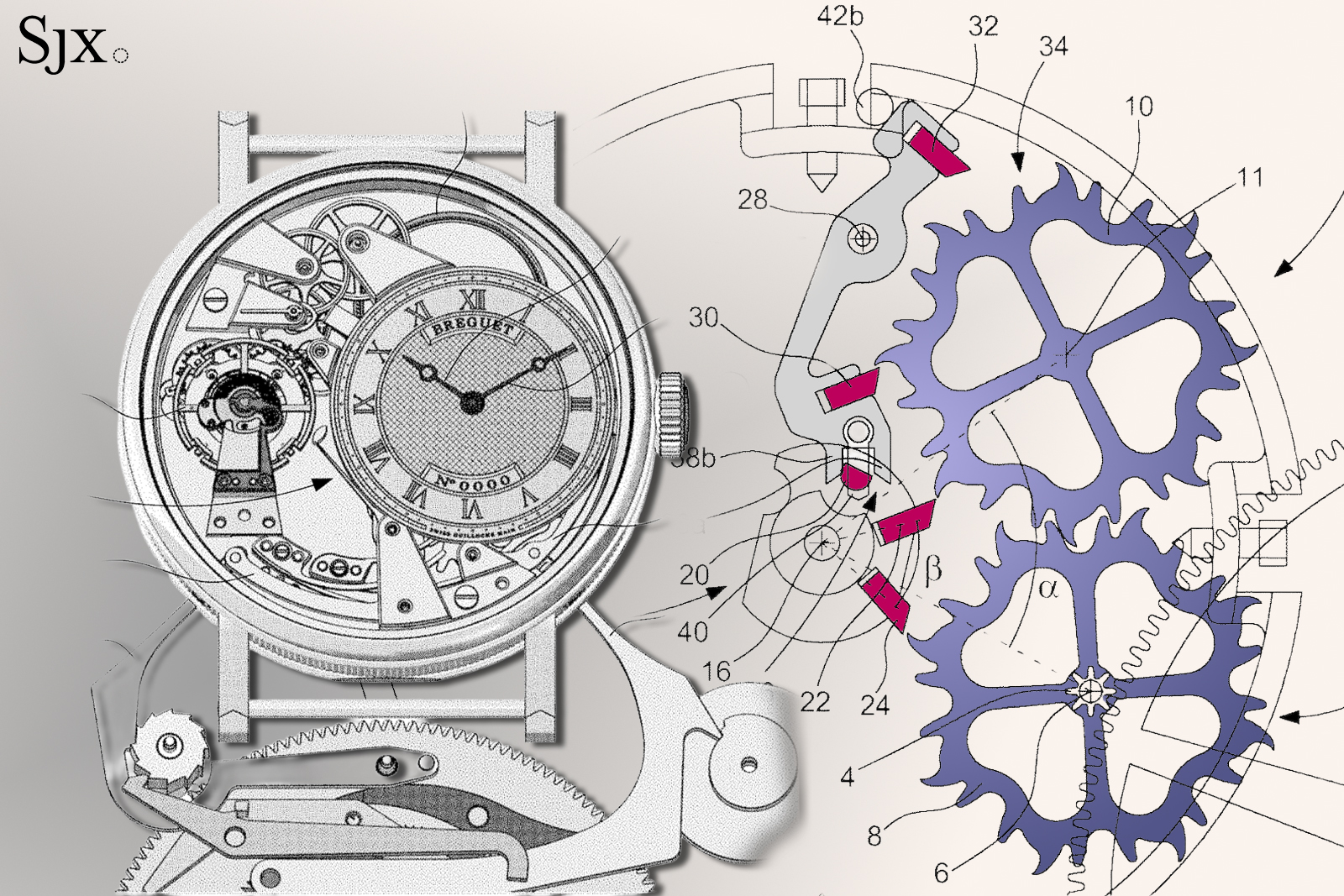
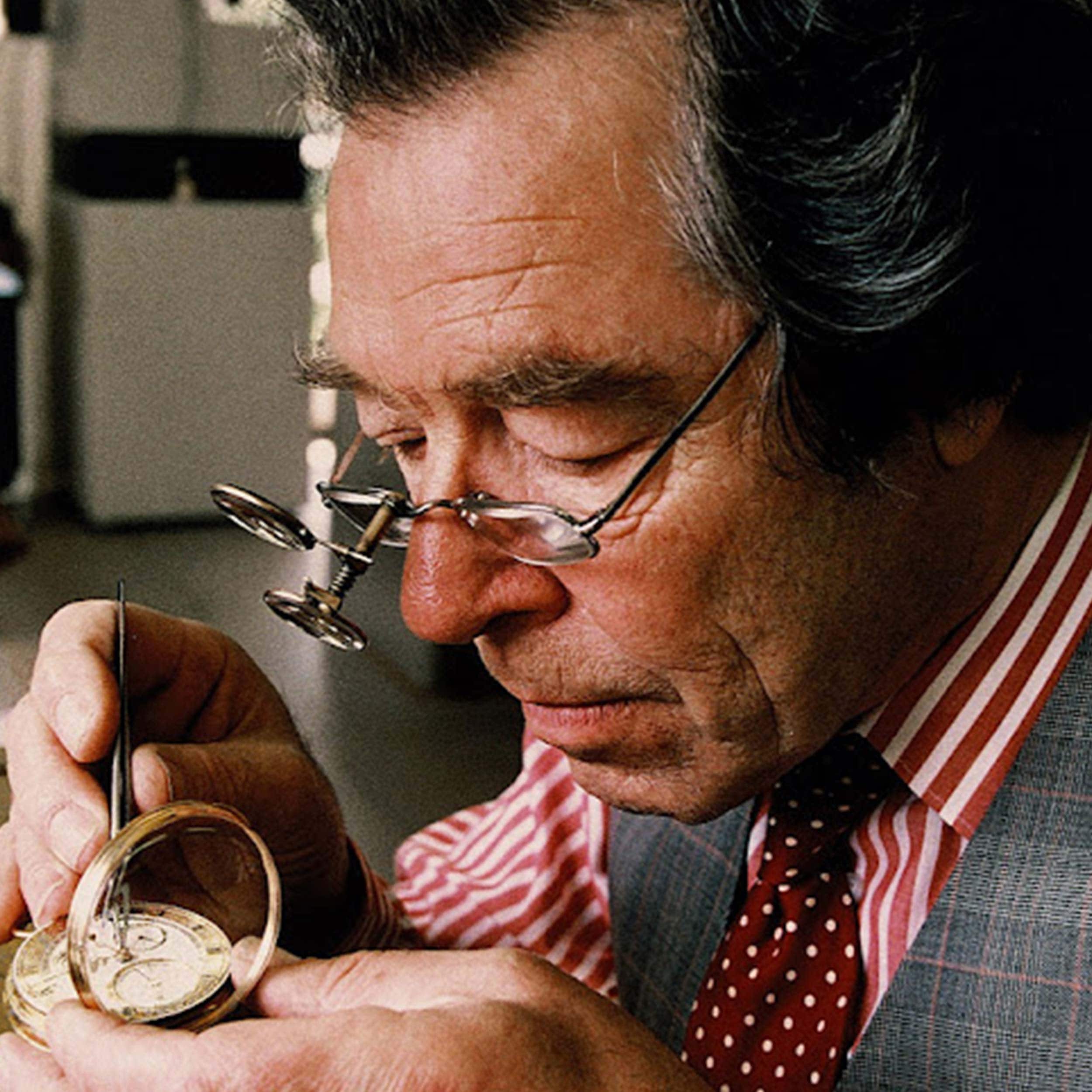
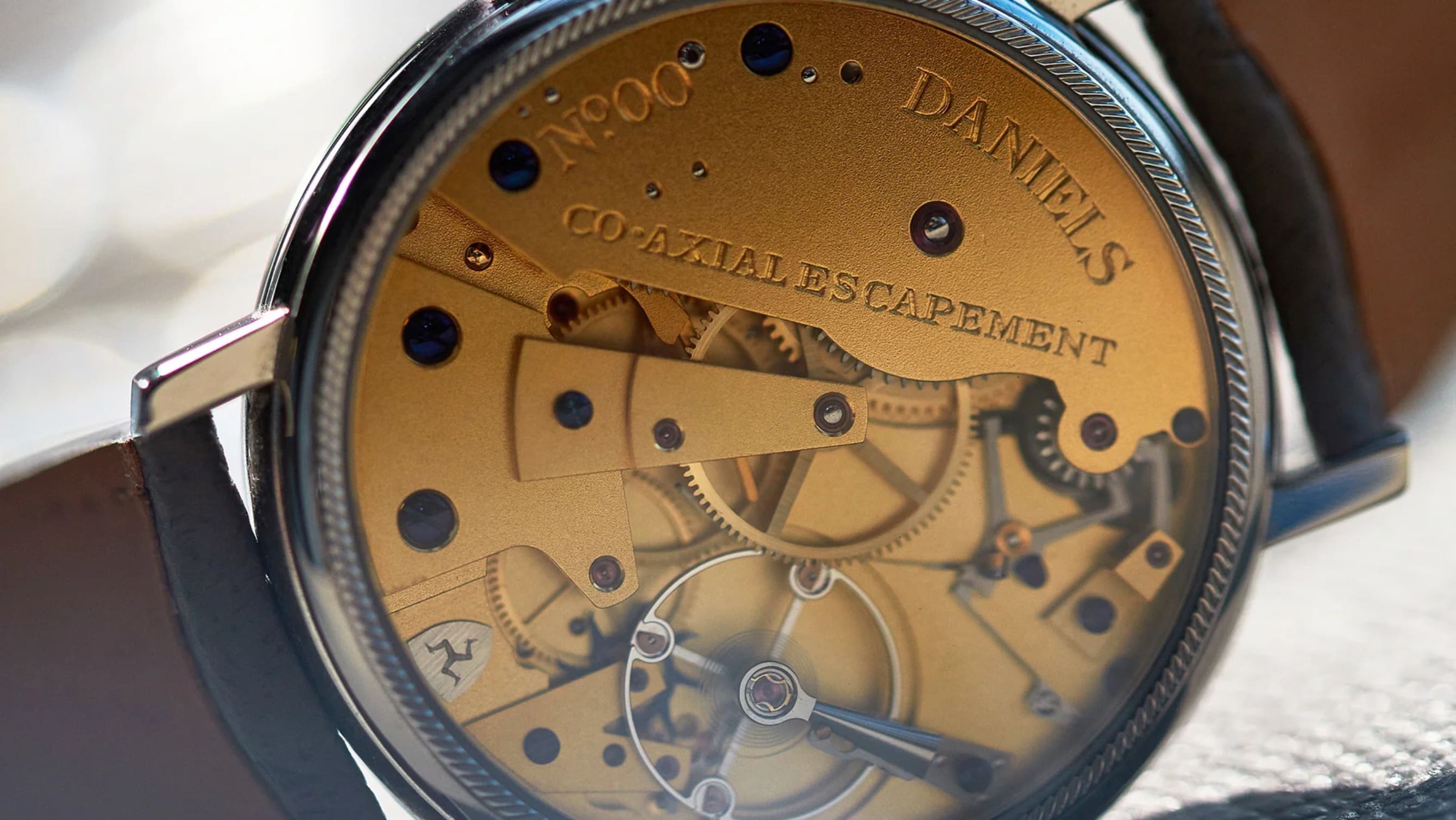
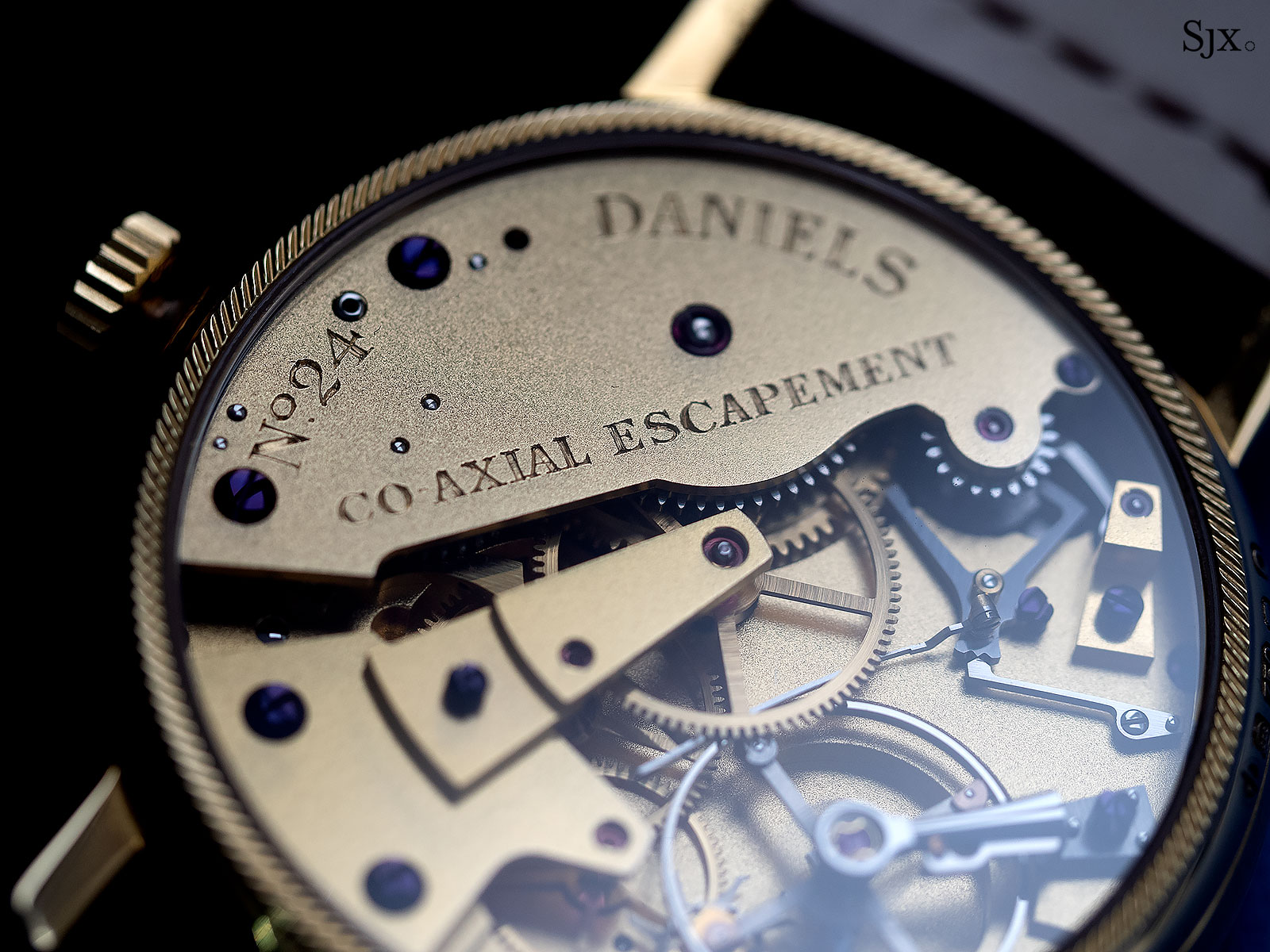
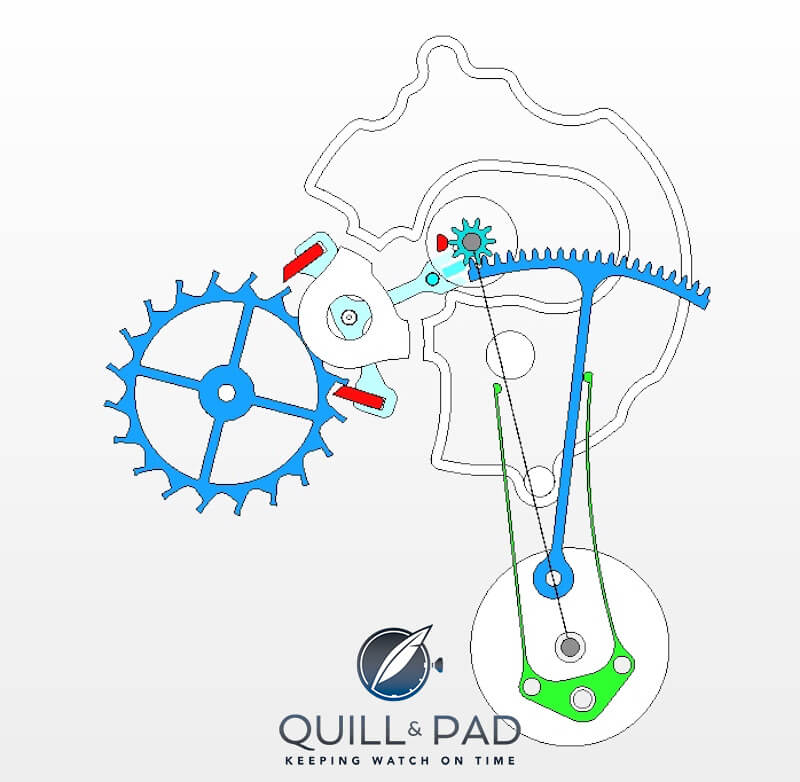
Editor’s Note: Today, the final installment of The Greatest Horological Inventions of All Time. Here, Andrew Canter examines the story behind the co-axial escapement, invented by George Daniels, industrialized by Omega, and now considered one of the great watchmaking innovations of all time. You can find more of Andrew’s work at the Mr. Watchmaster website here. George Daniels (1926 – 2011) was raised in London in poverty. Aged five, he pried open his family’s alarm clock and realised that it was a metaphor for his life – always moving inexorably onwards, but without outside assistance. He was determined to learn horology, despite his parents’ opposition. He was conscripted into military service in 1944 which unleashed his innate mechanical skills, and following the end of the war, he studied horology, while repairing watches in North London. He gained access to the work of the greatest watchmakers, particularly Abraham-Louis Breguet, through a meeting with a collector, and when it seemed that quartz technology would overwhelm traditional watchmaking, Daniels ensured this would not come to fruition. He made a series of increasingly ingenious mechanical watches, heavily influenced by Breguet, teaching himself to make every part, now referred to as the ‘Daniels Method’. Essentially, he devised a virtually oil-free escapement – the now iconic co-axial escapement – which was later mass-produced by Omega. It was anything but an easy journey, but George D...
 Monochrome