 Hodinkee
The Business of Watches Podcast: La Joux-Perret CEO Jean-Claude Eggen
The head of the Swiss movement maker explains the economics of producing the engines that drive timepieces.
800 articles · 21 videos found · page 20 of 28
Hodinkee
The head of the Swiss movement maker explains the economics of producing the engines that drive timepieces.
 Monochrome
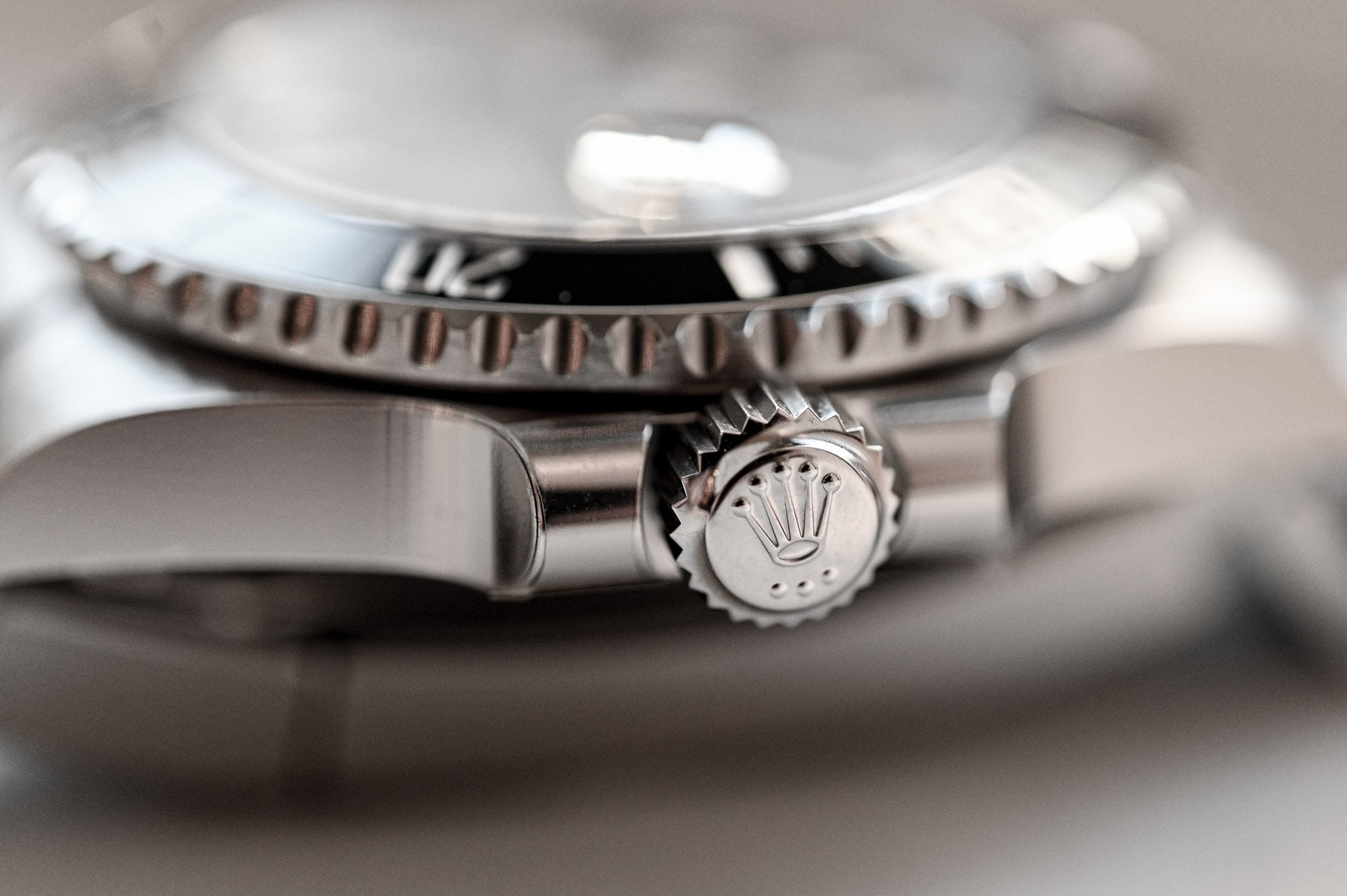
For almost all modern watches, besides a few exceptions (there is always an exception to the rule), the crown is literally the command centre that winds the mainspring, sets the time and controls common complications like dates, calendars and GMTs. Supplementary controls like pushers complement the crown, but they’re limited to specifics like chronographs or […]
 Monochrome
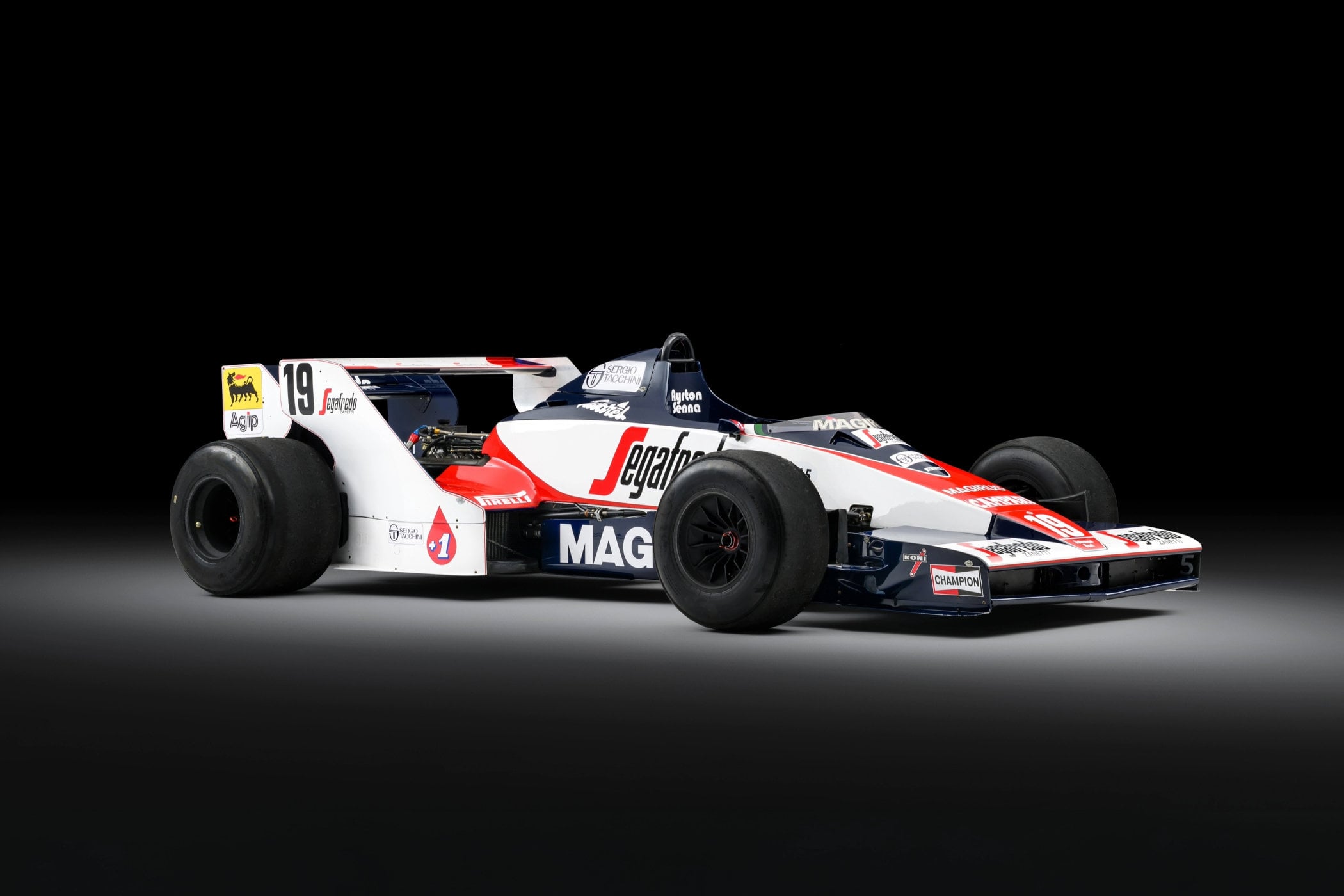
Ayrton Senna da Silva. No one needs an introduction to that name, as he’s considered sporting greatness personified. Making an indelible mark in Formula 1 through sheer, unbridled talent and a relentless approach to racing (“if you no longer go for a gap, you’re no longer a racing driver”), he’s considered the greatest to have […]
 Hodinkee
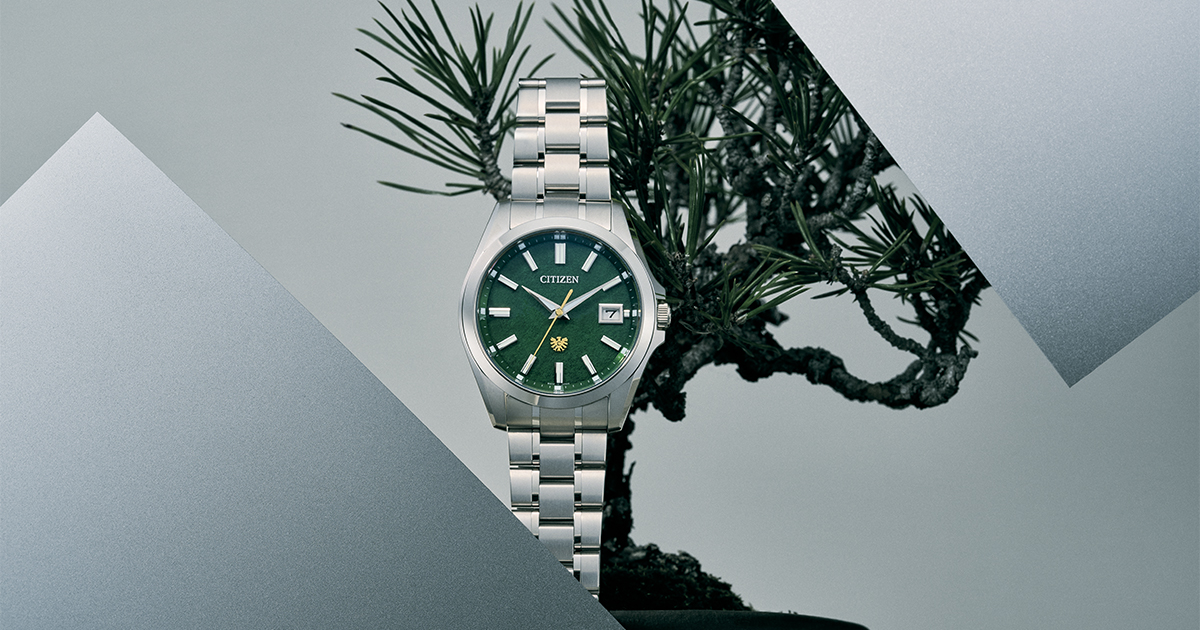
The CITIZEN reflects Eco-Drive’s light-powered craft and precision.
 SJX Watches
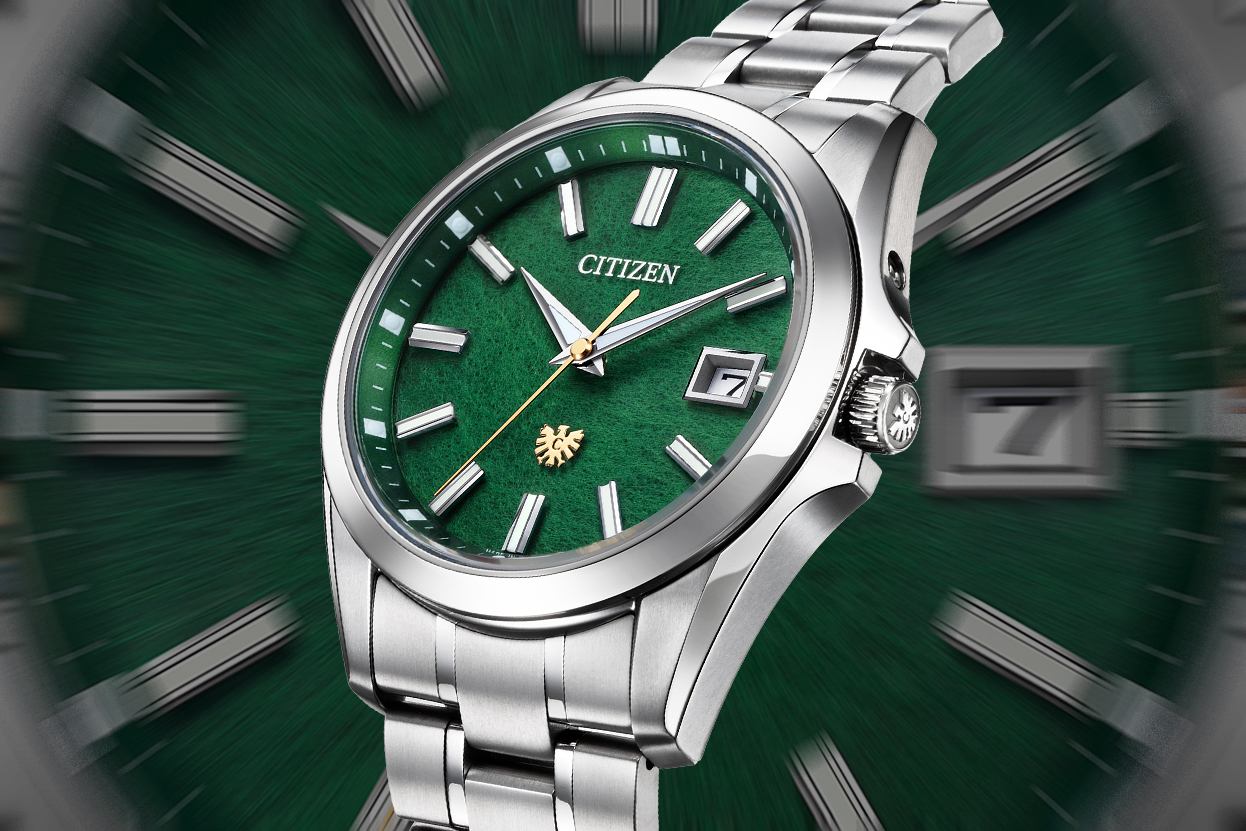
Citizen invented the first solar-powered analogue watch way back in 1976, and now it’s marking 50 years of its signature timepiece with “The Citizen” Eco-Drive 50th Anniversary. Five decades on Citizen’s solar technology is amongst the most advanced, and the anniversary edition is equipped with a movement that runs within five seconds a year, and will last 18 months on power save mode. But the dial, on the other hand, is traditional Japanese craft: it’s made of washi, a paper that’s dyed by hand, and translucent enough to allow solar charging. Initial thoughts The combination of washi, Super Titanium, and high-end quartz is a familiar one, with Citizen having applied it to past limited editions. Although Citizen is repeating the formula, this remains impressive from both a technology and materials perspective. The ultra-accurate A060 is one of the most sophisticated analogue quartz movements on the market, while Citizen’s proprietary hardened titanium, first polished by hand then hardened, is equally impressive. Tech aside, the anniversary edition stands out for the washi dial that adds a little bit of traditional Japanese craft to all of the cutting-edge tech in the watch. The dial is made of Japanese paper that’s dyed by hand with old school dyes obtained from plants. That said, this anniversary edition is still a relatively niche product for enthusiasts who appreciate high-end quartz technology packaged well. All of that tech and finishing comes at a pri...
 Monochrome
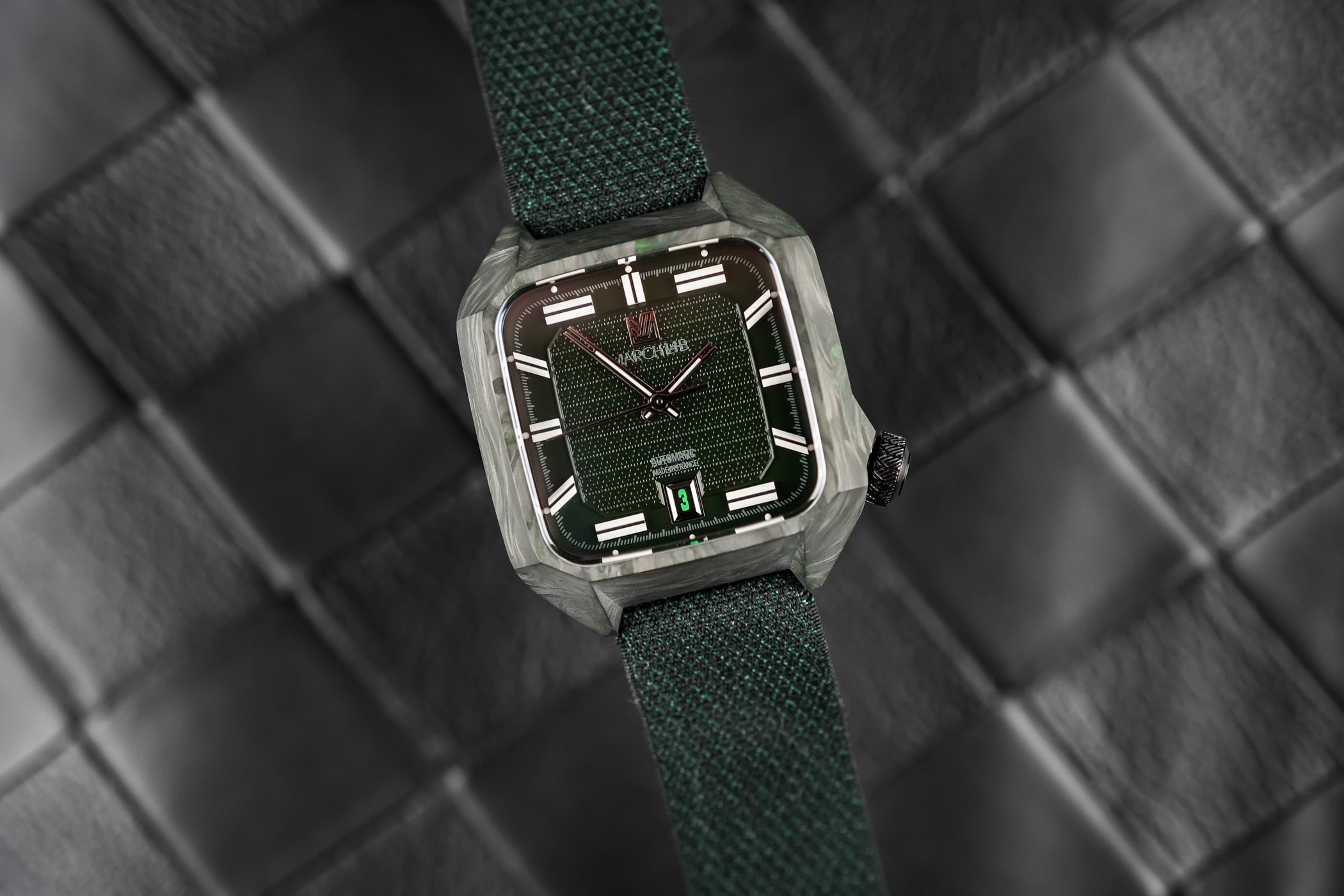
Spring is in the air, and French brand March LA.B celebrates its favourite month with a limited edition of its flagship AM2 watch collection. Founded in 2009 by three friends, united by a passion for surfing and retro design, the LA.B part of the brand’s name does not refer to a laboratory but to the […]
 Monochrome
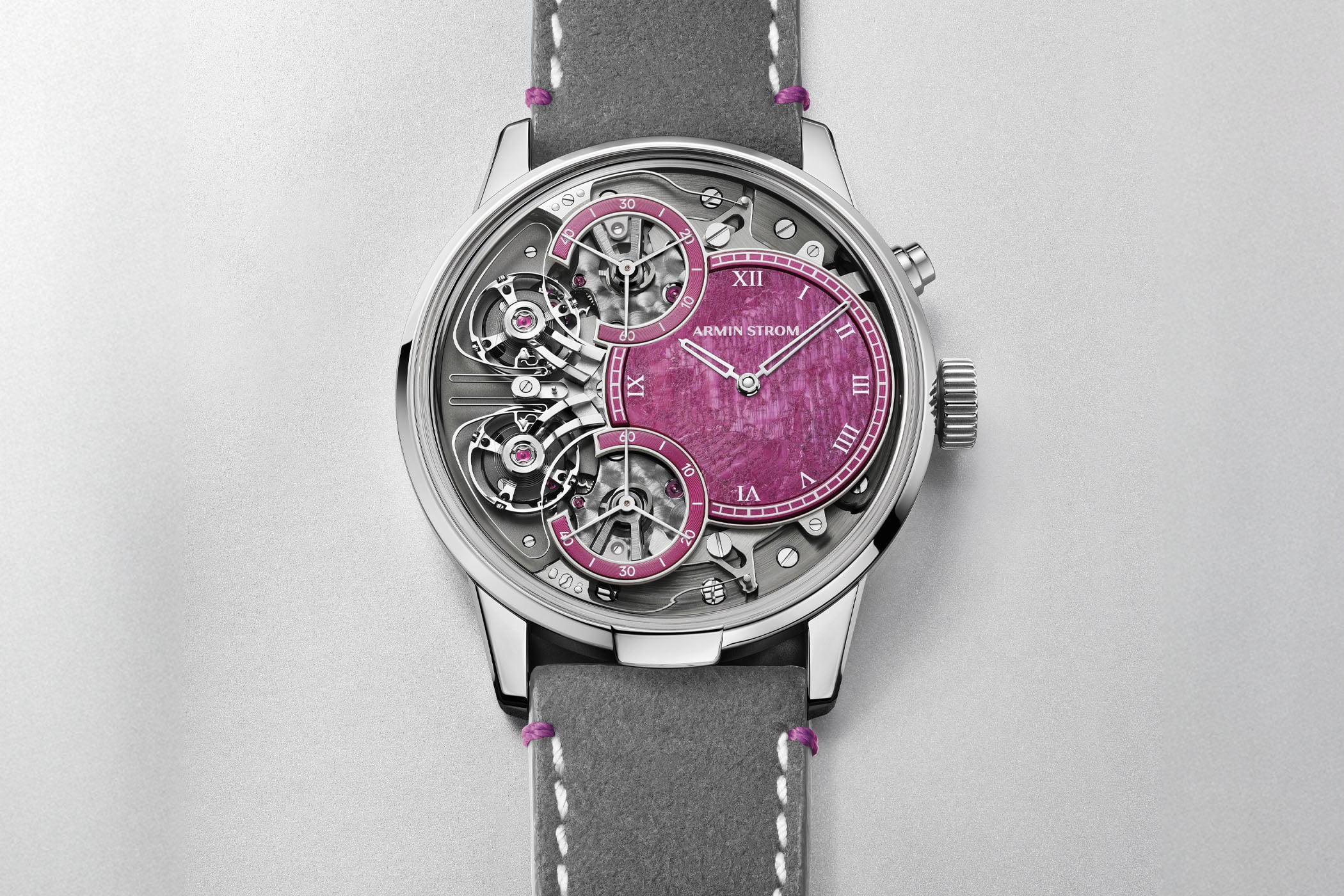
In 2016, Armin Strom rocked the watchmaking scene with the release of its Mirrored Force Resonance, an incredible technical breakthrough that miniaturised the centuries-old concept of synchronised motion into the confines of a wristwatch. Using two independent oscillators coupled by a patented resonance clutch spring, Armin Strom breathed life into Christiaan Huygens’ observation that two […]
 Two Broke Watch Snobs
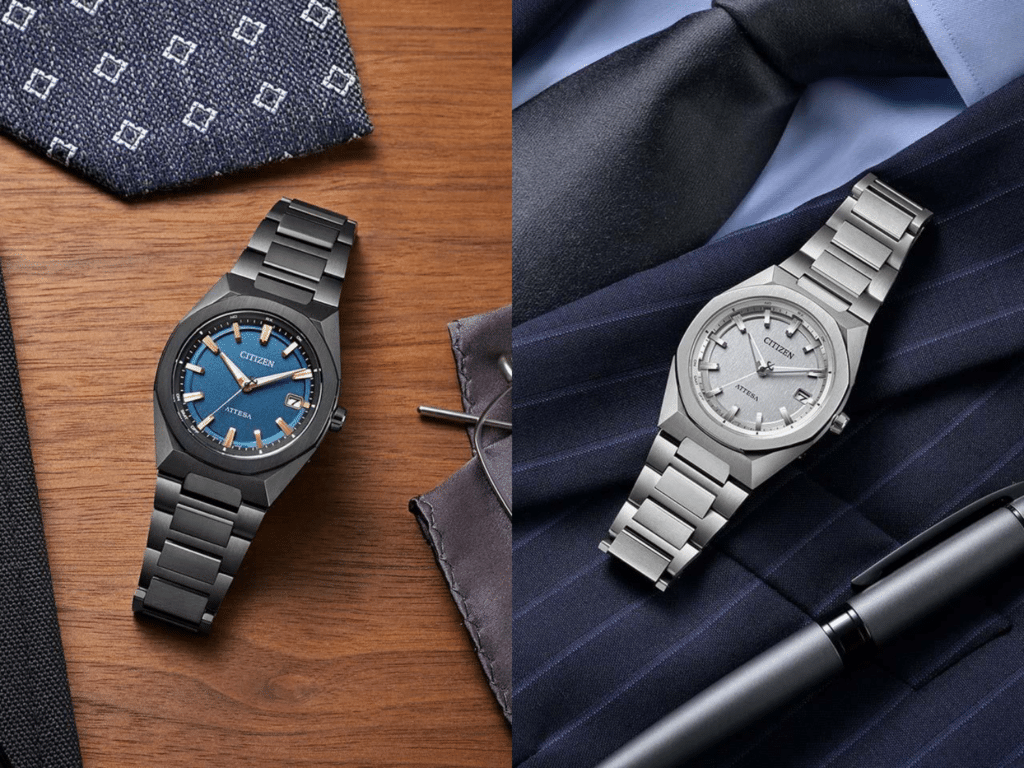
Citizen unveils two new Attesa ACT Line watches in Super Titanium with sapphire crystal, radio-controlled Eco-Drive, and a slim 39mm case priced from ~$638.
 Fratello
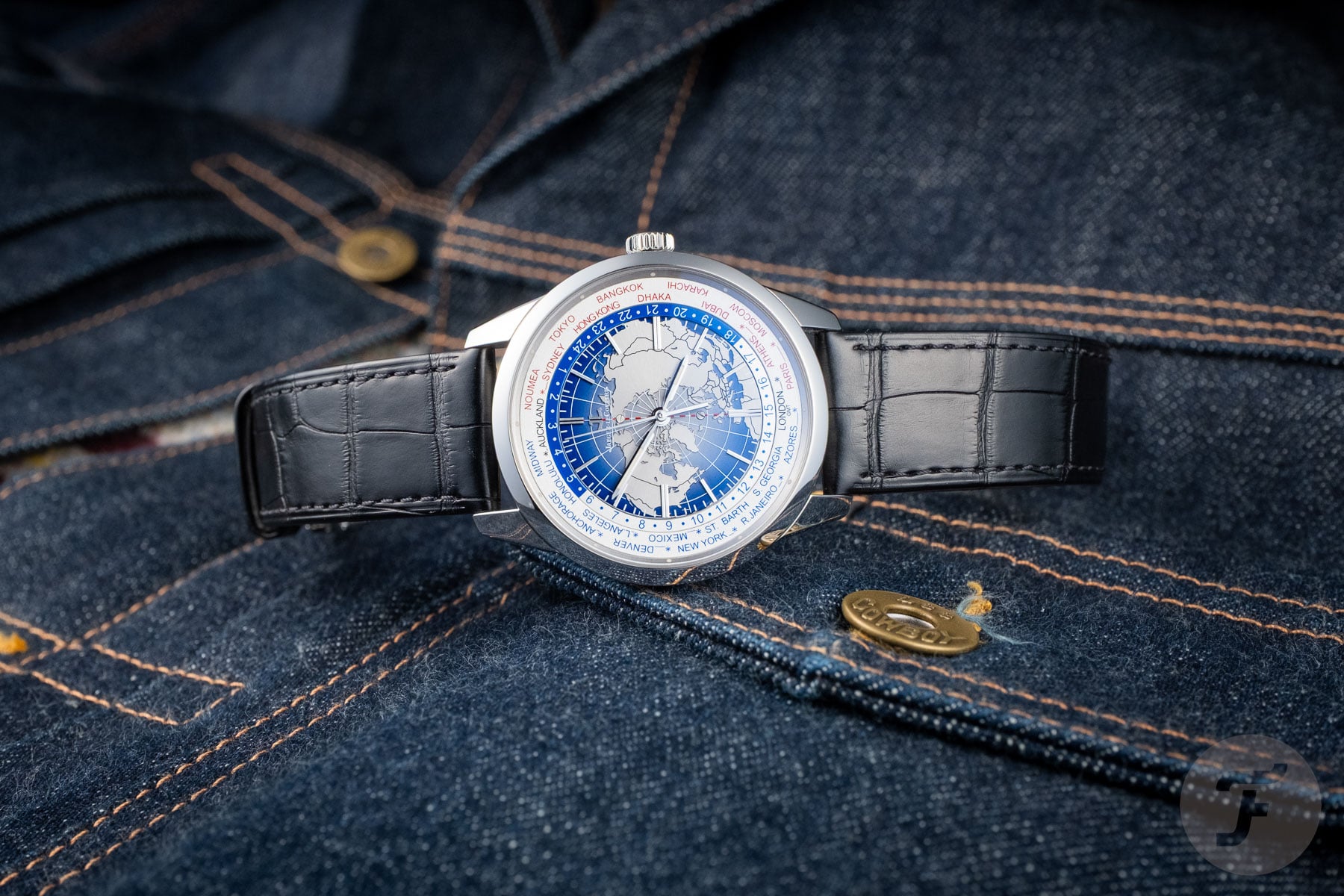
I had to drive from Amsterdam to Brussels in 2015 to see the new Jaeger-LeCoultre Geophysic Universal Time with deadbeat seconds in the metal. It was worth it. Both the three-handed Geophysic True Second and Universal Time impressed me a lot, especially the travel watch with a world-map dial and a practical complication. Upon learning […] Visit Why I Bought The Jaeger-LeCoultre Geophysic Universal Time to read the full article.
 Worn & Wound
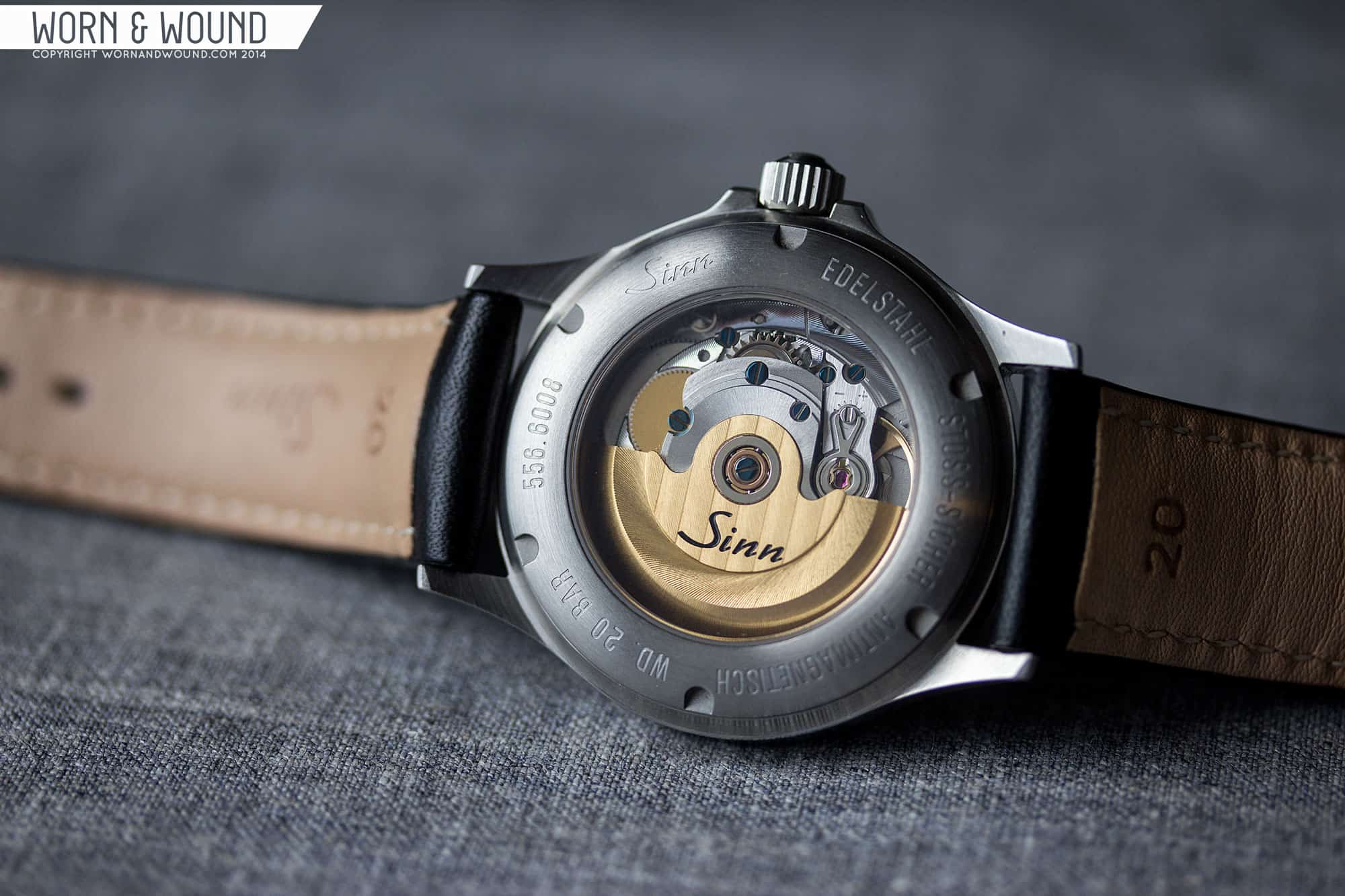
There’s a “don’t change it if it ain’t broke” mentality in Swiss watchmaking. Progress is slow, and it often seems that there’s a general distrust of change. An example of this is in the mechanical movements that power most of our watches. Chances are, you have at least one watch with an ETA 2824 or a movement based on the 2824 in your collection. If you’re like me, you have several. For Swiss-made watches of a certain price point, they are the standard. They are “workhorses” that, while not the most feature-rich, offer reliability and serviceability. And part of the reason for that is that the design has been around, largely unchanged, since the 1970s (the 2824-2, which is the current standard, was released in the 80s). That is, until 2013, when ETA launched 80-hour movements based on the 2824-2. First debuted in a Tissot as the Powermatic 80, ETA nearly doubled the 2824’s power reserve by slowing the escapement’s frequency from 28,800bph to 21,600bph, introducing synthetic components, and increasing the mainspring’s capacity. The biggest update to the 2824 format in a generation (though they no longer use that numbering), as ETA is part of Swatch, these movements gave the group’s catalog of brands under Omega an unexpected edge in the market, but were not available to third-party brands, thus limiting their overall impact. The ETA 2824 featured in a Sinn 556i In 2003, Sellita began supplying movements to third parties as a response to Swatch’s...
 Two Broke Watch Snobs
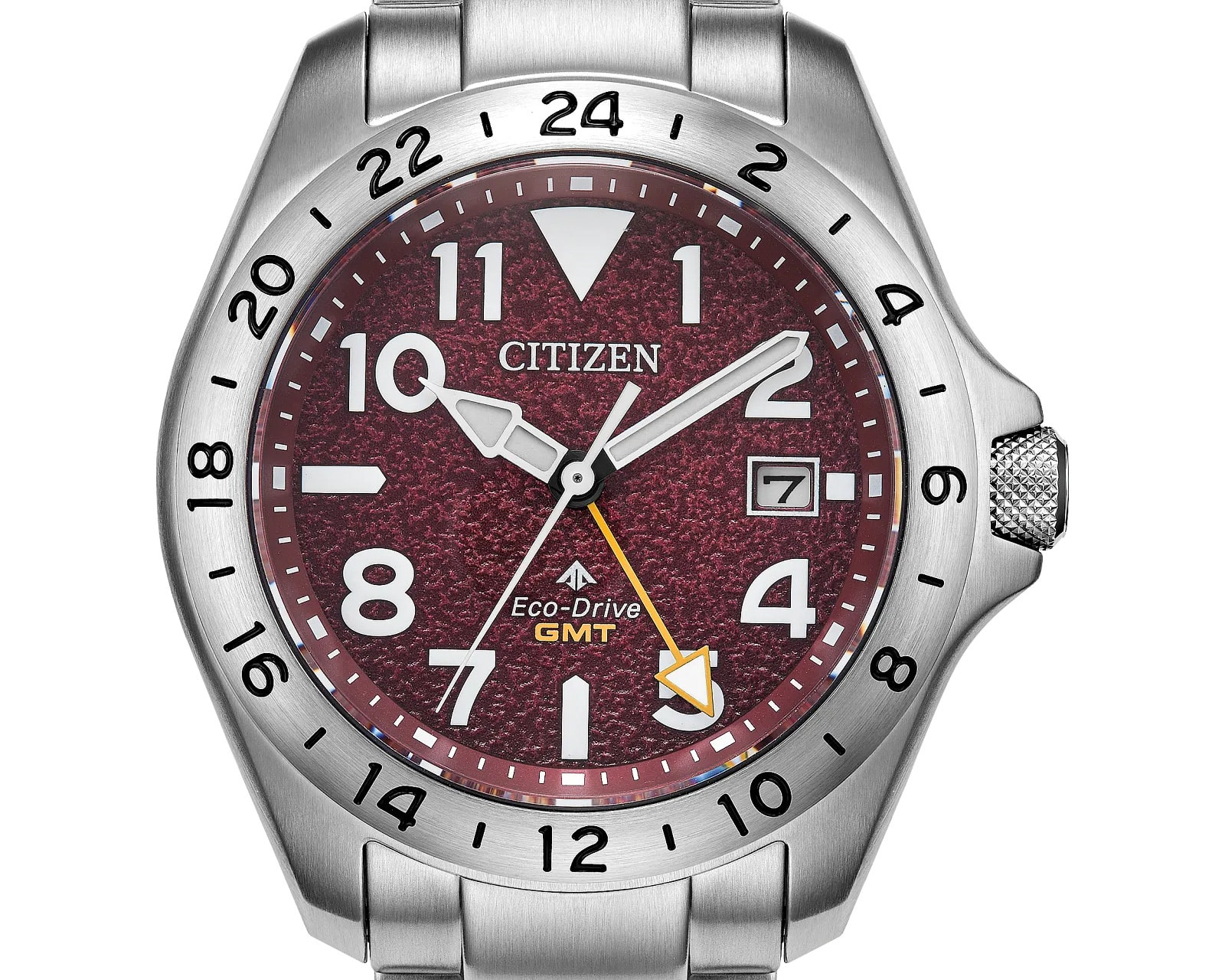
Citizen announces the 39.5mm Citizen Promaster Land GMT for 2026, a compact, affordable Eco-Drive GMT designed for real-world travel use.
 Fratello
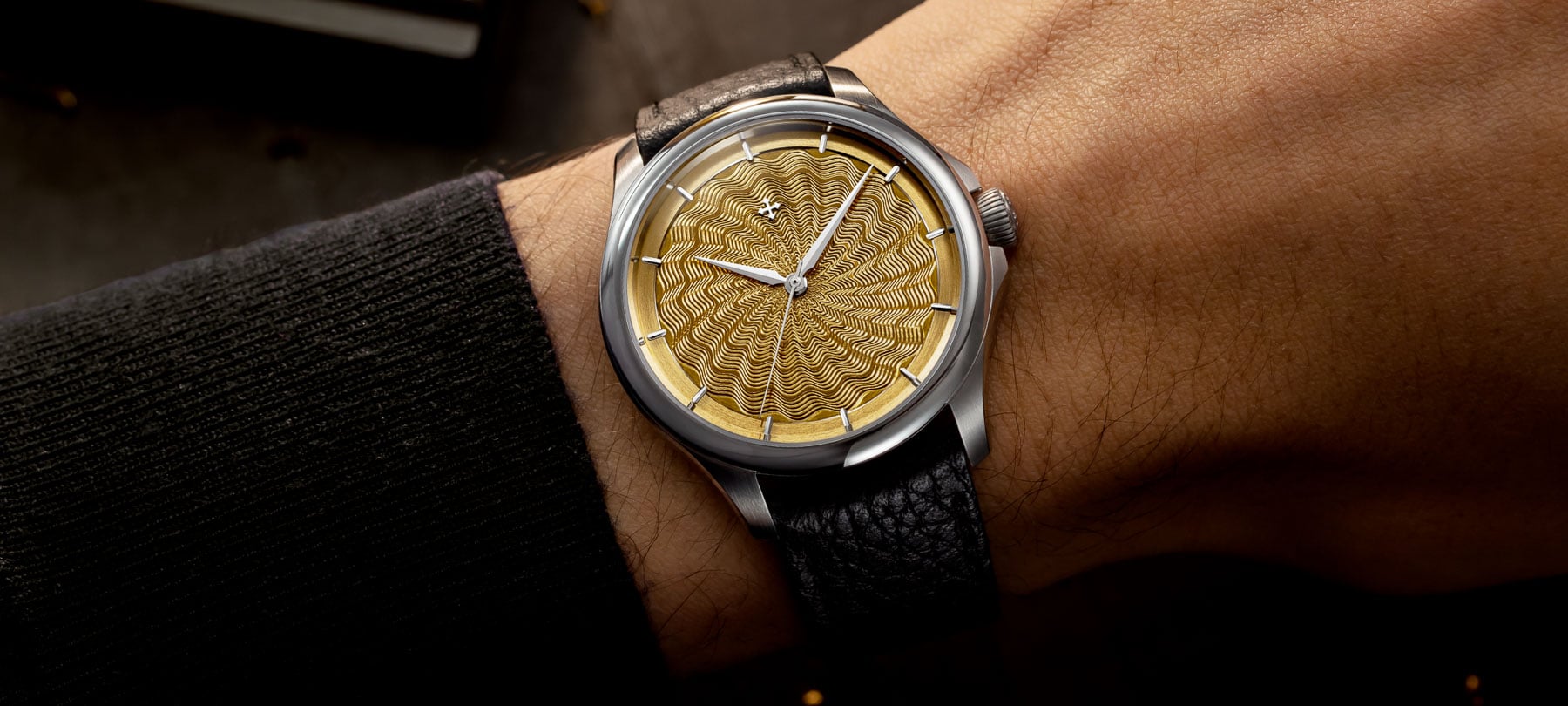
Venezianico has been an interesting brand to watch. The Venice-based upstart has continuously upped its game since its establishment in 2017. That hasn’t necessarily equated to producing more expensive watches, but we’ve seen the offerings become more focused and an increasing drive toward wearability and improved finishing. Today’s Redentore Utopia II represents the current pinnacle […] Visit Introducing: The Venezianico Redentore Utopia II to read the full article.
 Two Broke Watch Snobs
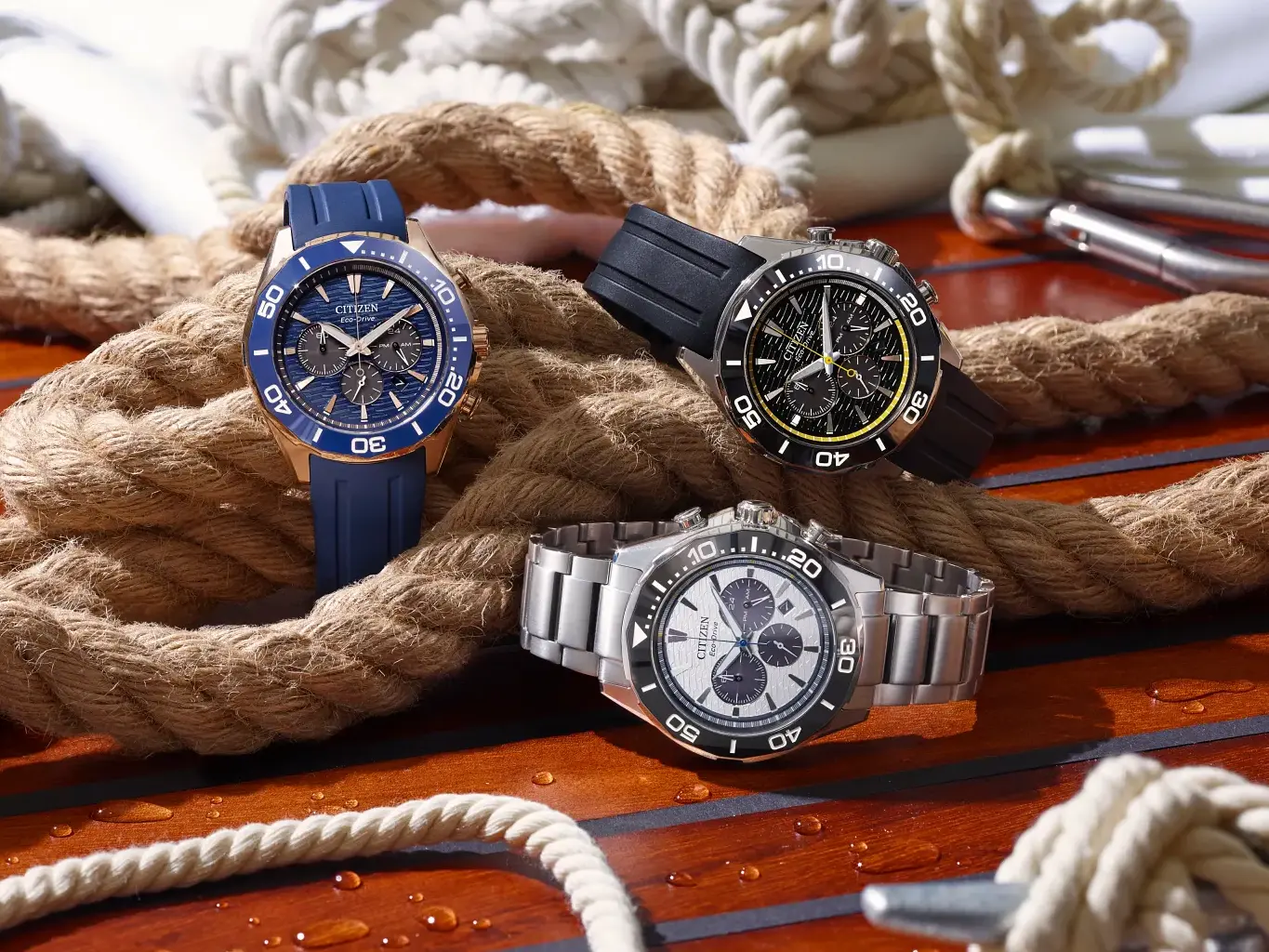
The new Citizen Endeavor Chrono pairs Eco-Drive solar power with a rugged sports chronograph design aimed at low-maintenance, everyday wear.
 Fratello
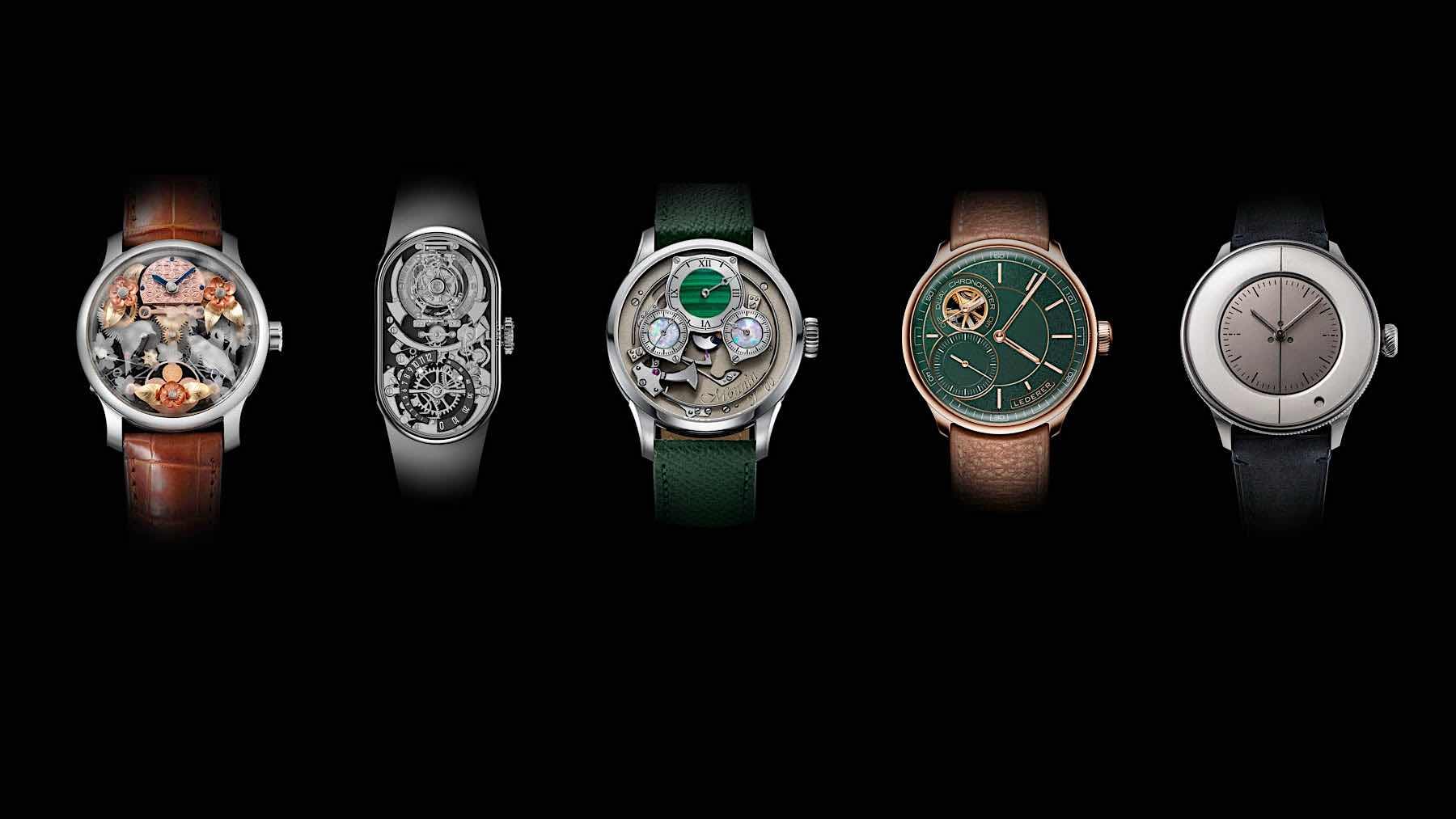
The final round of the second Louis Vuitton Watch Prize competition will commence in the spring of 2026. The initiative aims to support and celebrate independent watchmakers who challenge convention. It highlights creativity, technical mastery, and a strong personal vision. That’s not just a clever way of connecting the brand name to some serious horological […] Visit Announced: The Finalists For The Louis Vuitton Watch Prize For Independent Creatives 2025–2026 to read the full article.
Going off-grid doesn’t have to mean disappearing completely. Sometimes it’s simply choosing tools that don’t demand attention, like watches that run accurately, clearly, and indefinitely, so you can step away from screens, notifications, and the constant pull of “what’s next.” Very few watch brands create products with a high degree of different technologies, each designed to help you need to connect less, not more. Whether it’s Eco-Drive or Atomic Timekeeping, the Citizen watches below are built to operate independently, allowing you to unplug with confidence and focus on being present, making them a perfect gift for someone who deserves a break. We’ve paired each watch with gear that extends this idea, stuff that’s supportive, thoughtful, and intentionally uncomplicated. The post The Going Off-Grid Gift Guide with Citizen appeared first on Worn & Wound.
 Teddy Baldassarre
When you think of the Omega Speedmaster, the first thing that comes to mind is likely the brand’s golden child, the Speedmaster Moonwatch Professional. It’s a modern grail with its NASA connection, and its intertwined history with the Moon landing and space exploration is its calling card. But today, we’re looking at a different Speedmaster that has been eschewed from Omega’s current lineup. One that’s a little more playful, a little more unconventional, than the brand’s well-established Moonwatch Professional formula: the Speedmaster Mk40. Down below, I’ll be breaking down the history, context, and all the aesthetic oddities of the watch, all of which work together to create one of the most compelling non-Moonwatch Speedmasters of all time, in my humble opinion. [toc-section heading="Some Speedmaster Context"] Image: S.Song From first glance, the Speedmaster Mk40 that made its debut in the ‘90s defies all the utilitarian, tool-watch-oriented austerity that is the key DNA of the Moonwatch Professional, from its functionality to its experimentation with color, shapes, and typography. But the Mk40 is part of a short-lived and often forgotten legacy of Omega’s experimentation with the Speedmaster formula, before things were so rigidly codified as they are today. It is also important to note that the moniker “Mk40” itself is a completely enthusiast-driven nickname, which Omega itself has never officially used (the brand denotes the different models wi...
 SJX Watches
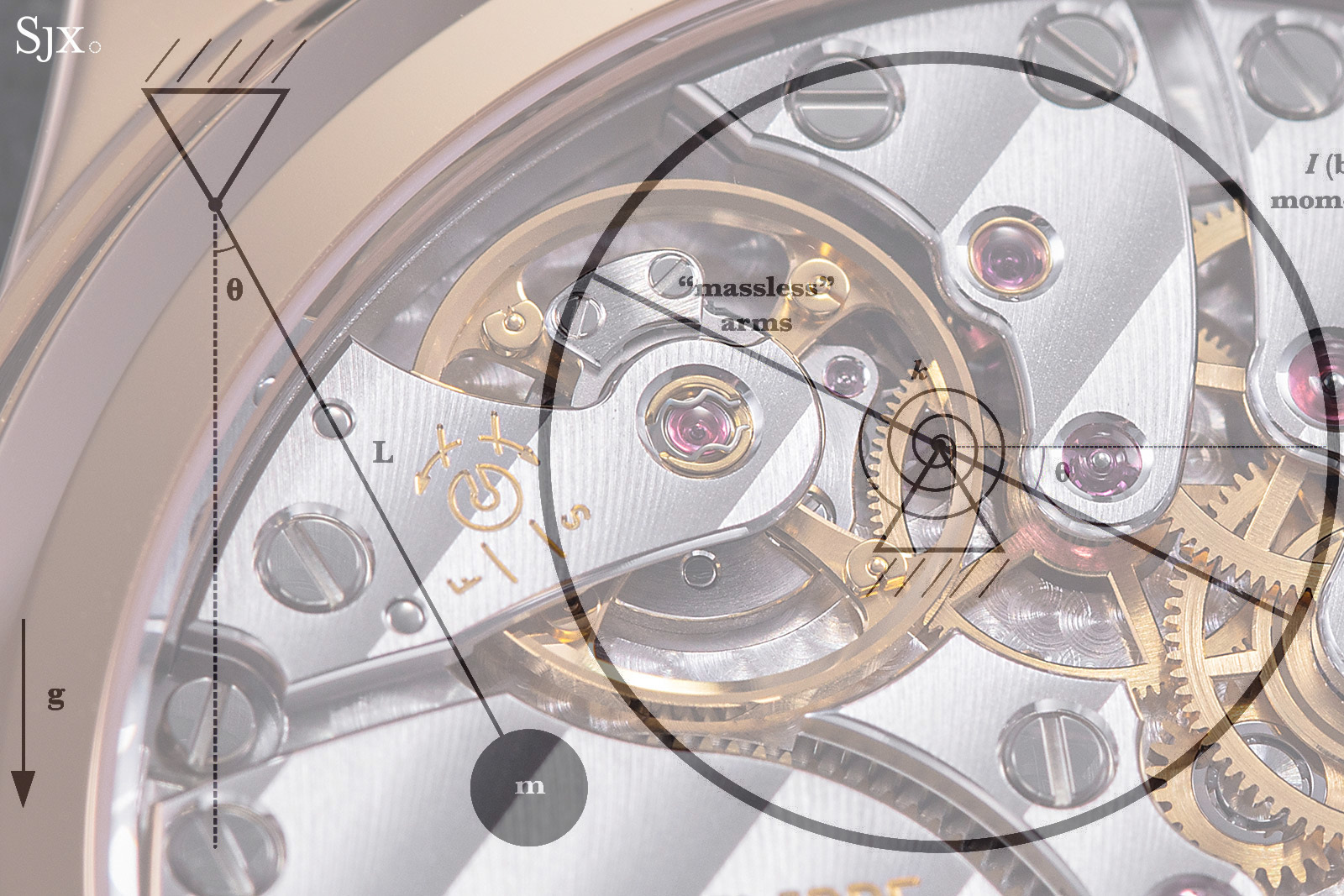
The beginning of 2025 marked the 350th anniversary of the hairspring, the invention that made portable precision timekeeping possible. To commemorate the occasion, we published a series of deep dives covering the disputes around its invention, the evolution of spring materials over the years and the finer rules of forming Breguet overcoils. This final instalment examines isochronism. Some initial definitions and considerations A proper and universal definition of isochronism is: the property of an oscillatory system to maintain the same period of vibration despite variation in environmental factors. This implies that a vibrational system’s behaviour is inherent and external factors should not influence its frequency. A few basic terms help frame the discussion. The period, measured in seconds, is the time taken for the oscillator to travel from one extreme position, through equilibrium, and back again. Frequency, measured in Hertz, is the inverse of the period; a system with a constant period can serve as a stable timebase. The amplitude is the distance swept by the oscillator from the equilibrium point to its extreme position. In practical terms, when saying that a sprung balance has an amplitude of 330°, it means the balance wheel rotates a full 330° in one direction from its equilibrium point before swinging back. Figure I. Anatomy of a sinusoidal wave. In watchmaking parlance, isochronism means that an oscillator keeps the same period, regardless of its amplit...
 Teddy Baldassarre
Since the advent of wristwatches, the watch industry has continuously been defined by a constant drive to refine and innovate. In the modern context, we typically see that in the competition to make the thinnest watch ever, the most intricate, complicated movements, and recently, the most sophisticated complications at the most affordable price point. All of this is fine and dandy, and makes up much of the great majority of the stories your humble writer finds across her desk on any given week. But today, we’re getting into the weeds on an even more astoundingly specific side quest, possibly the most granular I’ve embarked on yet. That is, the pursuit of pushing the limits of one particular color. We’re entering the void of Vantablack – the blackest material in existence – and the few watchmakers out there that have dared to create Vantablack watch dials. [toc-section heading="What Is Vantablack?"] I’m going to prepare you up top that this article will be touching on some pretty complex science elements. Largely, that’s what makes the subject at hand so interesting. Admittedly, it is also what took me the longest time to wrap my head around. It’s been a long time since I was in any sort of science class, okay? But the short answer to the question at hand is, put simply, Vantablack is among the darkest substances on planet Earth. Vantablack is not naturally occurring and is the brainchild of the British company Surrey NanoSystems, which, as its name sugg...
 Monochrome
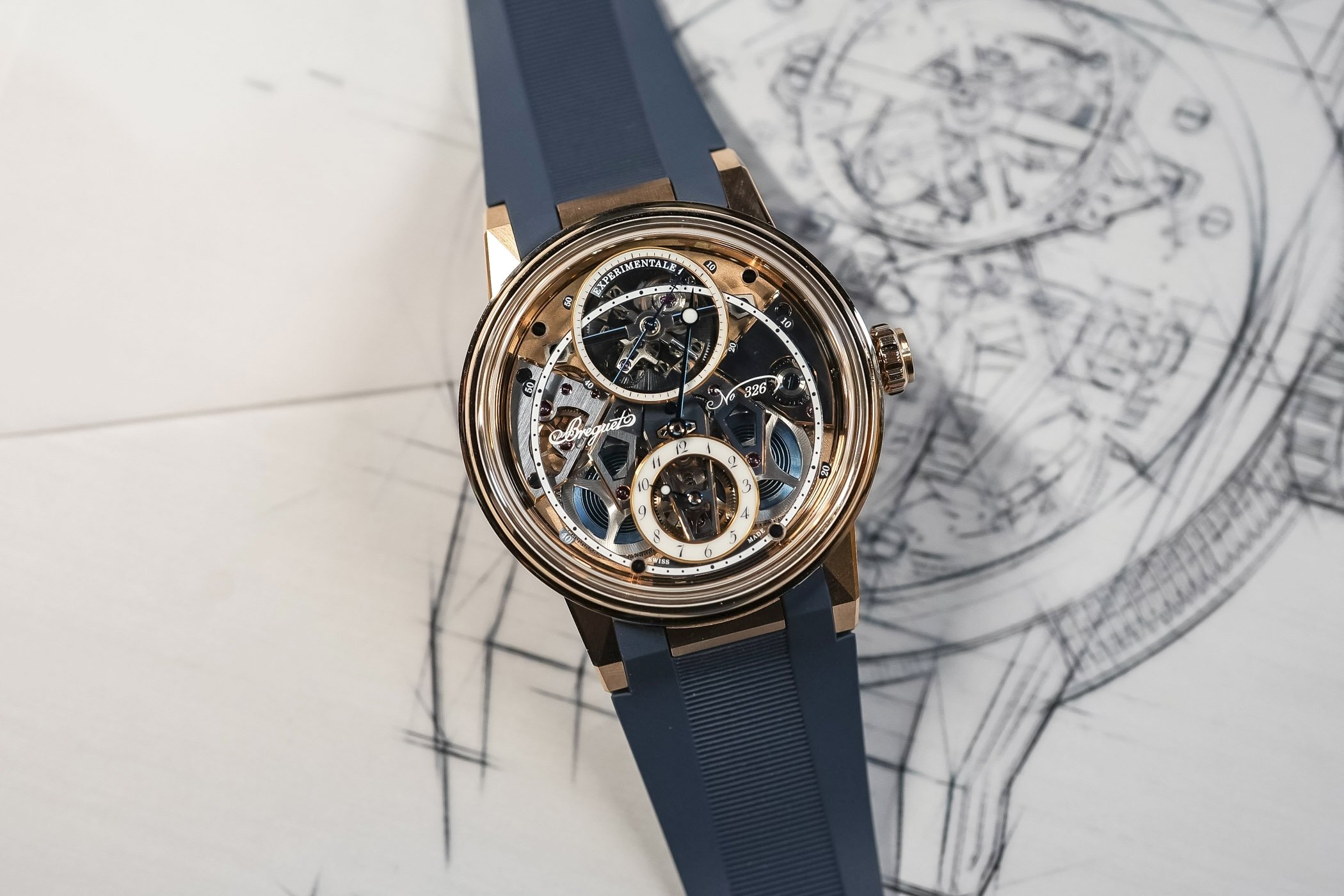
Innovation spirit and inventiveness have always been part of Breguet, specifically as its founder, Abraham-Louis Breguet, was responsible from 1775 onwards for so many of the watchmaking innovations of that era: the tourbillon, the perpétuelle watch, the natural escapement, the constant-force escapement, the shock absorber, the Breguet balance-spring with its terminal curve, the gong-spring… In […]
 SJX Watches
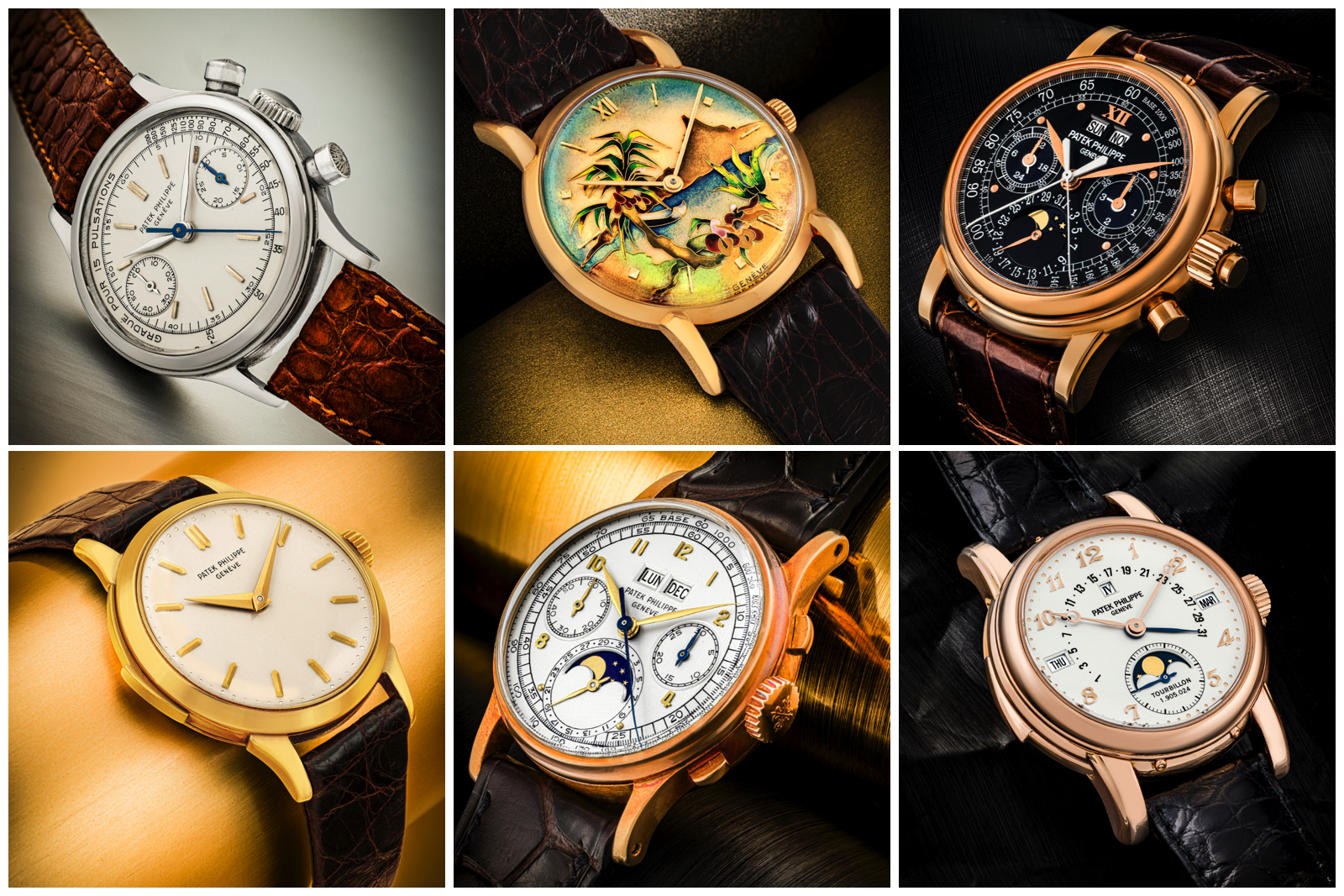
Christie’s Hong Kong returns this autumn with an extraordinary offering of rare and important Patek Philippe watches, headlined by a ref. 1518 in yellow gold. The auction is defined by two major private collections, most notably Part 2 of The Chronicle Collection - the successor to this spring’s successful first chapter. From neo-vintage rarities to heavyweight modern complications, the sale presents one of the of the most interesting Patek Philippe selections of the season. Lot 2225 – Patek Philippe Ref. 3979HJ Minute Repeater The story of Patek Philippe’s mastery of the modern minute repeater begins in 1989 with the launch of the ref. 3979 and the calibre R 27 PS. Launched to commemorate the brand’s 150th anniversary, the ref. 3979 was the brand’s first automatic minute repeater, and its first wristwatch to feature a silent centripetal governor, which was still novel at the time. According to the serial number, the present lot was the 47th ref. 3979 to be made, out of approximately 100 units produced over a nine year run. Further distinguishing the current lot is its classical enamel dial, which was a relatively uncommon configuration for this reference. The compact 33 mm yellow gold case is a love letter to classical dress watches. The case itself was made by Ateliers Rèunis, the brand’s own case maker, and was manufactured in the building that now houses the Patek Philippe museum. Today, more than 35 years after its launch, the cal. R 27 PS is still am...
 Worn & Wound
Singaporean independent brand Zelos is known for their colorful and texture-forward dials that strike a nice balance between affordability and unique design. Each new creation seems to drive their overall image forward in eclectic ways that keep the brand from fitting too rigidly into any one box. While Zelos is often associated with their sub $1,000 tool watches, they have made spectacular forays into the space of haute complications and uncommon materials in recent years. Their release of the Mirage in 2020, a watch that featured a tourbillon at a competitive $11,000 pricepoint, and their work using tantalum as a case material, is proof that the brand is committed to stretching the imagination regarding what a microbrand is capable of. Their newest release, the Comet 39, joins the ranks of the recent trend of stone dials we’ve seen permeating the hobby in the past few years. Since the trend is fairly new, my experience with stone dials is limited, and I was looking forward to getting hands-on with this piece. I was lucky to be able to pick up this review watch in-person at the Windup Watch Fair in New York City a few weeks ago while I was visiting. Complementary sizing by David Lane Design at Windup allowed me to wear the watch around the city during my trip and get a sense for how it moved with me during high-volume days. The Mother of Pearl (MOP) edition is one in a series of three Comet watches in the brand’s new Comet 39 line, all of which are crafted with vari...
 Teddy Baldassarre
What, exactly, is an EDC watch? That was the question I asked myself when I was charged with this mission. If you’re unfamiliar, EDC is an initialism for "Every Day Carry." It’s become something of its own industry, with makers of everything from keychains, pocket knives, tools, pens, wallets, and even items like smartphone cases getting in on the action. And yeah, there are those that take EDC to the next level, ticking off an internal checklist that reads more like a well-stocked survival kit. But I’m going to venture to say that the majority of us don’t require a folding camp axe, waterproof matches, a 1,000-lumen flashlight, and a water filtration kit while navigating midtown Manhattan. There’s no defining characteristic of EDC, other than being an item that you have on your person most days, so a watch definitely qualifies. I like to keep my "carry" on the minimalist side, consisting of my keys on a small carabiner, a well-worn leather wallet, a beat-up iPhone 11 in a Pelican case, and a small pocket knife (most often a Benchmade Mini Griptilian, The James Brand’s Redstone, or a Gerber LST I’ve owned forever that virtually disappears into the pocket). And, of course, a watch. I never leave the house without one, and today, I’m calling out, in ascending price order, several that fit my own personal criteria for an EDC timepiece. I don’t wear a suit on a daily basis, so a dress watch of any stripe is basically a non-starter. To me, a daily driver i...
 Teddy Baldassarre
Titanium is by no means a new material in the watch industry. In fact, it’s been used on a commercial level in case construction for more than 50 years. Titanium in its raw form as a structural metal is 40% lighter than stainless steel while still just as hard. Among its appeal for watchmaking purposes are the facts that it is also highly resistant to corrosion by the elements as well as being hypoallergenic. There are different grades of titanium as well, which offer different characteristics based on how it’s alloyed with other metals. Titanium ranges in color from dark gunmetal grey to a steely silver which gives it versatility in different applications. Perhaps the most enticing aspect of titanium, particularly from the consumer side, is that despite its high-quality characteristics, there isn’t a massive discrepancy between its price versus that of stainless steel. With that in mind, we've compiled a list of 30 outstanding titanium watches in a range of price categories. Citizen Promaster Super Titanium Armor Case Size: 41 mm, Integrated 23.5 mm Bracelet, Thickness: 10.5 mm, Lug-to-Lug: 43.7 mm, Water Resistance: 100 m, Movement: Eco Drive J810, Crystal: Sapphire, Price: $625 In 1970, Citizen launched the very first titanium wrist watch called the X-8 Cosmotron Chronometer. Today, Citizen uses what it calls Super Titanium, a titanium alloy coated with a proprietary hardening agent that increases the hardness of the metal to five times that of stainless steel. ...
 Worn & Wound
Watches & Wonders can be a blur of new releases in and of itself. So, when a brand asks if you want to preview some upcoming introductions for the year ahead, it can start to make your head spin. However, at my Raymond Weil appointment this past spring, I relinquished. The brand had a small display of archival pieces in a vitrine at their booth, and its Chief Marketing Officer Jeremie Bernheim assured me the reveal would be worth viewing alongside the mini museum of vintage designs. What he shared with me was a new capsule within Raymond Weil’s Toccata collection drawing from the retro models and aptly named Toccata Heritage. Today, this collection comes to you in nine styles, each more beautiful than the next, and with the option of either quartz or mechanical, manually wound movements for the first time. If you have followed Raymond Weil through any point of its nearly 50-year history, you know the brand loves to play with shape and case architecture. The existing Toccata collection explores this with a combination of rectangular and round models. For the new Toccata Heritage capsule, the maison has refined this design language even further. Here, you have a shape the brand simply calls oval, but in my humble opinion, this description does not do the case justice. The case design of the new Toccata Heritage models is decidedly not the harsh, egg-shaped oval profile you might associate with other watch brands. Instead, it takes the structure of the current rectangular m...
 Teddy Baldassarre
How much do you really know about Citizen Watches, the tough and stylish Promaster collection, the proprietary Eco-Drive technology, and other signature innovations of the Japanese brand, like the exclusive Super Titanium and the recent series of automatic calibers in the luxurious Series 8 models? In this article, we explore the history of Citizen Watch Company from its founding to the modern day and spotlight a dozen notable watches in today’s Citizen collection that have caught the attention of the Teddy Baldassarre team. By the end, you should be much closer to answering the question of whether Citizen watches are good-quality and whether they're for you. Citizen History and Early Milestones With its very high-tech lineup and avant-garde designs, one might be inclined to think Citizen Watch Company is a relatively new player on the worldwide watch scene. One would be mistaken, however. The company today known as Citizen traces its roots all the way back to 1918, when it was founded as the Shokosha Watch Research Institute by Kamakechi Yamazaki. The name “Citizen” first appeared on the dial of a pocket watch that Shokosha produced in 1924; it is believed to have been suggested by Yamazaki’s close friend Shinpei Goto, then the mayor of Tokyo, who believed such a watch should be universally appealing and accessible to all “citizens” of Japan. Shokosha merged with the Schmid company, a Japan-based manufacturing firm founded by expatriate Swiss watchmaker Rodo...
 Monochrome
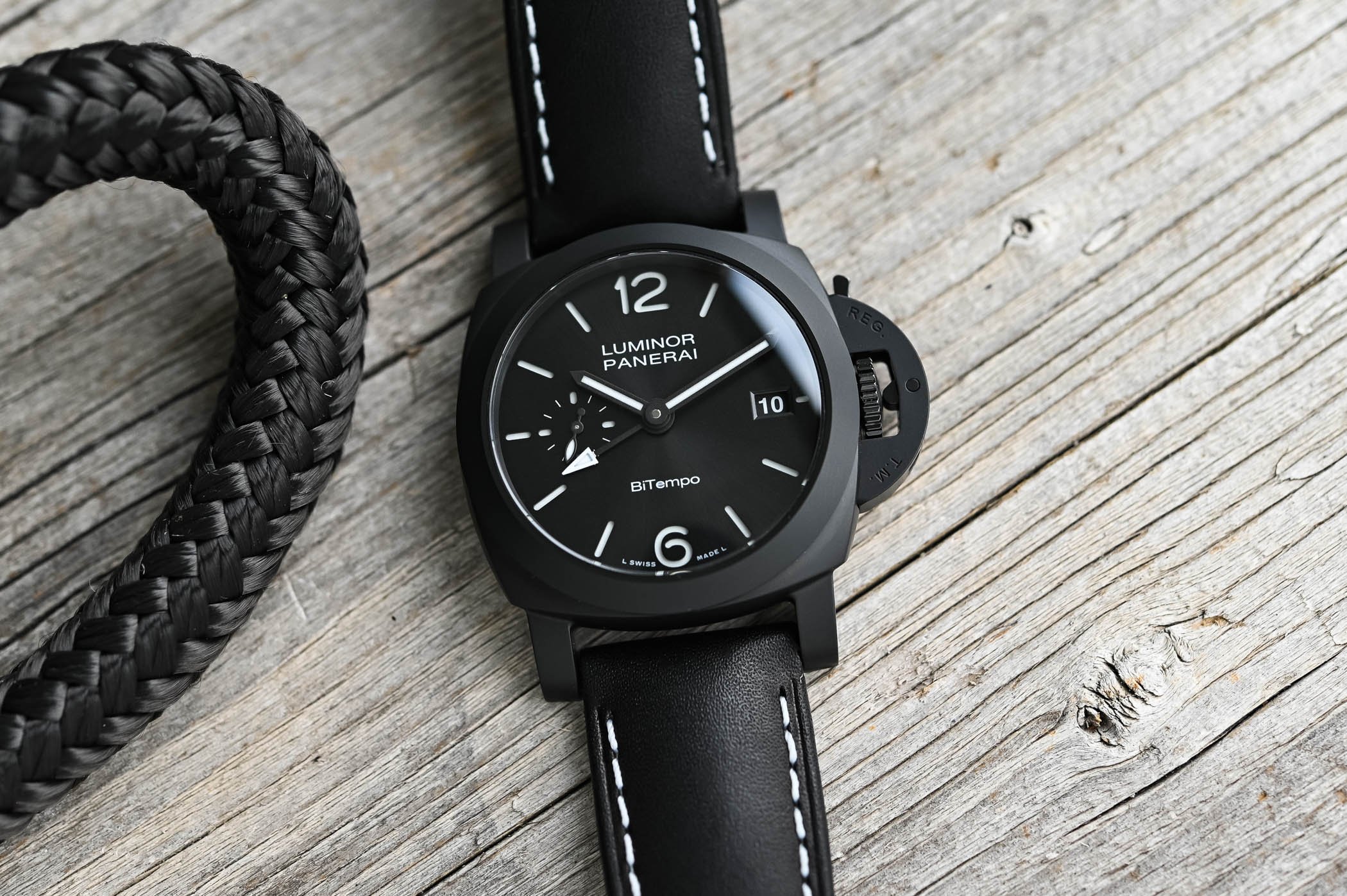
For most of its modern life, the Luminor has been a big-wrist proposition, the classic 44mm and 47mm references defined the line’s presence. This spring’s Luminor GMT Power Reserve Ceramica PAM01574 reaffirmed Panerai’s commitment to high-tech casework at the larger end of the spectrum. At the same time, Panerai has been quietly proving that the […]
 Teddy Baldassarre
The independent and microbrands of the watch world are often where the most interesting things are happening, but the landscape is only getting wider and the competition stronger – which is ultimately a good thing. But, with competition only growing fiercer, there are other brands that get knocked out of the spotlight, overshadowed by the current hyped brand/watch/designs of the time. Such is the case with Islander watches. But today, we’re going to help fix that and give a little extra consideration and attention to what I would call an underdog of the independent world. Down below, I’ll be walking you through what Islander Watches are all about, focusing on a case study of a couple of models, and sharing my final conclusions about how this brand fits into the wild world of watches. Some Context Islander Watches hold an interesting position within the industry, as they are actually the house brand of Long Island Watch, and, at its core, Islander is an entirely enthusiast-driven brand. I’m sure there are plenty of those already familiar with Long Island Watch from YouTube or the digital sphere, but for those uninitiated, Long Island Watch is a New York-based watch brand founded in 2003 by Marc Frankel, a mechanical engineer who turned his passion for collecting watches into an online retailer back in 2003. Focussing on offering a really dynamic curation of affordable, hardworking, and interesting watches from nearly all genres (and often from obscure brands), Mar...
 SJX Watches
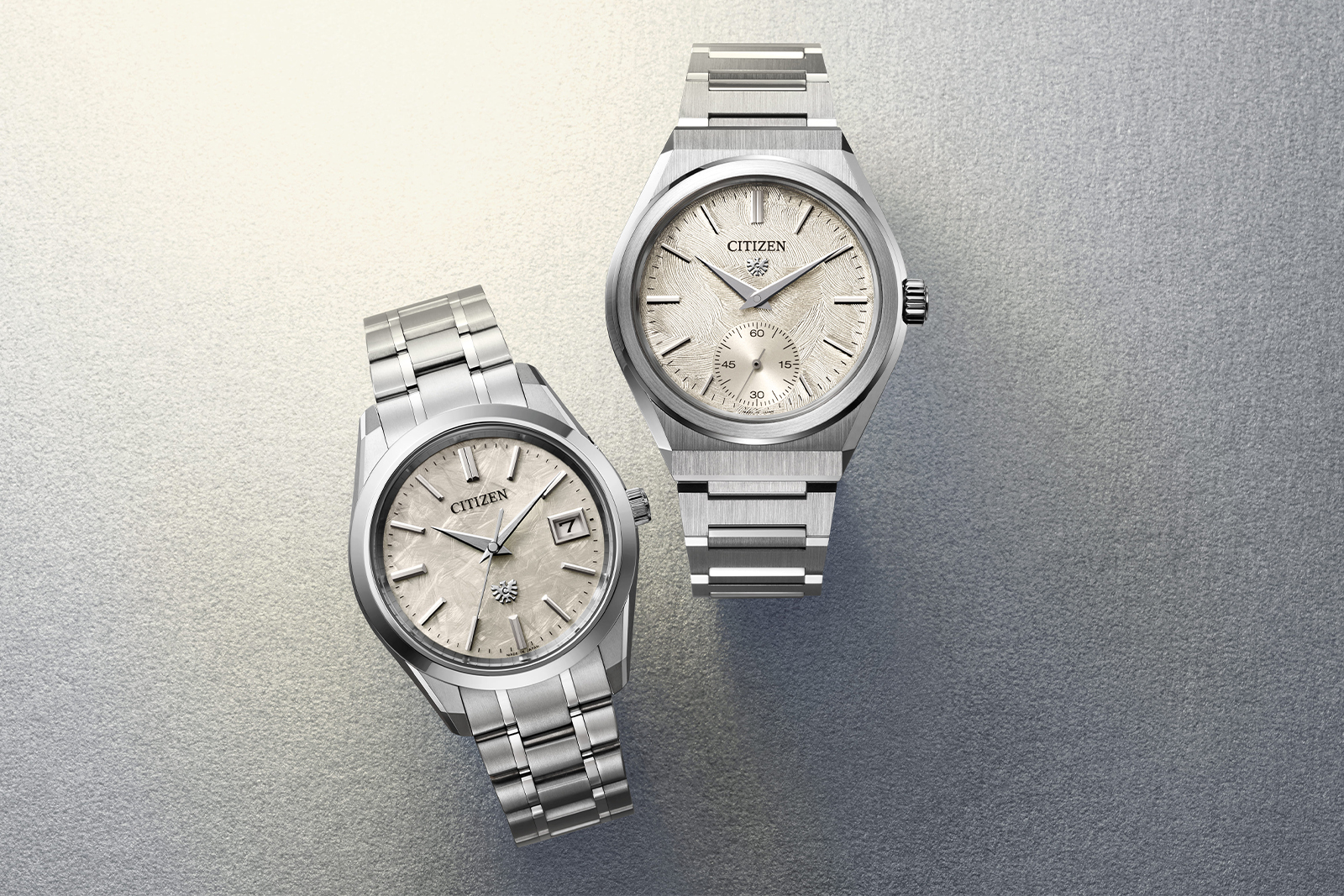
Citizen marks 30 years of its upmarket The Citizen collection with a matching pair of limited-edition 30th anniversary watches with aquiline ivory dials. Representing the best of both worlds, the pair offer Citizen’s best calibres in mechanical and analogue quartz watchmaking: one contains the automatic Caliber 0200, while the other boasts the top of the line, feature-rich Eco-Drive A060. The Citizen Caliber 0200 30th Anniversary Initial Thoughts While little known outside Japan and certain enthusiast circles, the eagle-crested The Citizen watches are arguably the best Citizen has to offer, and also a tantalising value proposition. Both models are good in their own right, though the automatic is the winner here. The Calibre 0200 model is probably the best made-in-Japan integrated bracelet sports watch currently available, combining the impressive case and dial finishing we’ve come to expect from premium Japanese watches, and a significantly more upscale movement than the King Seiko Vanac or Credor Locomotive. The quartz model is appealing, The Citizen has plenty of other quartz offerings with the same movement but more interesting dials. The Citizen Eco-Drive 30th Anniversary Eco-Drive cal. A060 The conical bezel and flat lug chamfers of the Eco-Drive model are flat polished using a spinning tin-plate, creating a near distortion-free mirror finish. A Duratec “Platinum” treatment, with a hardness of over 1,000 Vickers, protects the case and bracelet, and also gives ...
 Worn & Wound
When the topic of Cartier comes up, usually it’s in the context of a discussion of their beautiful, design oriented dress watches. We all know what we’re talking about here: shaped cases, precious metals, exotic gem set jewelry pieces. This is Cartier’s stock-in-trade, and watch for watch there’s probably no brand on the planet better at making those kinds of watches. But if you look through Cartier’s history, there are plenty of oddball creations that don’t fit neatly into the dress watch narrative. True sports watches are rare (RIP, Calibre de Cartier divers) but there are many notable releases from recent years that run right up to the edge of a sportier category. The Drive de Cartier (also discontinued) was an explicit attempt to make a “men’s” watch that was quite elegant but also larger and could easily read as more casual. The Cartier Roadster collection is another example of a line that viewed sporty/casual styles through a uniquely Cartier lens. And, of course, the Santos has existed for many years in oversized and complicated variants (not to mention black coated examples) that fit nicely into this niche. And last week, Cartier announced yet another new Santos that might, in its way, be among Cartier’s sportiest watches ever, thanks to the material used as well as the finish chosen. The new Santos de Cartier in titanium features a bead blasted titanium case and bracelet, and comes in the larger Santos case size, measuring 39.8mm × 9.3mm. Ac...
 SJX Watches
When I look at the current landscape of watch culture, I see a tension that defines our time. On one side lies the fascination with the way a watch appears on the wrist, and the endless variations of colour and form that drive demand. On the other lies a culture that is older, slower, and infinitely more complex; the science of horology, the mastery of craft, and the knowledge transmitted across centuries. In recent years, I have felt this latter culture slipping into the background, lost beneath the pageantry of style. Yet at the same time, I have witnessed a counter-movement taking shape in Switzerland, a series of initiatives that seek to protect, project, and transmit the deeper culture of watchmaking. I see in them a form of resistance, a refusal to let horology dissolve into an empty shell of design. This is the rise of Swiss horological institutions. The Clockmakers’ Museum in London. Originally displayed at the Guildhall, the collection is now on display at the Science Museum. The early resistance It is worth remembering that Switzerland, for all its dominance in production, did not take the first steps in creating enduring institutions around horology; Britain anticipated this need by centuries. In 1631, Charles I granted a royal charter to the Worshipful Company of Clockmakers, giving formal civic recognition to the craft. What began as a guild evolved into a guardian of standards, a keeper of apprenticeships, and eventually the custodian of one of the world’...
Question, suggestion, or just want to say hi? Drop a note.