Worn & Wound
21 Of The Best Field Watches For Under $1,000
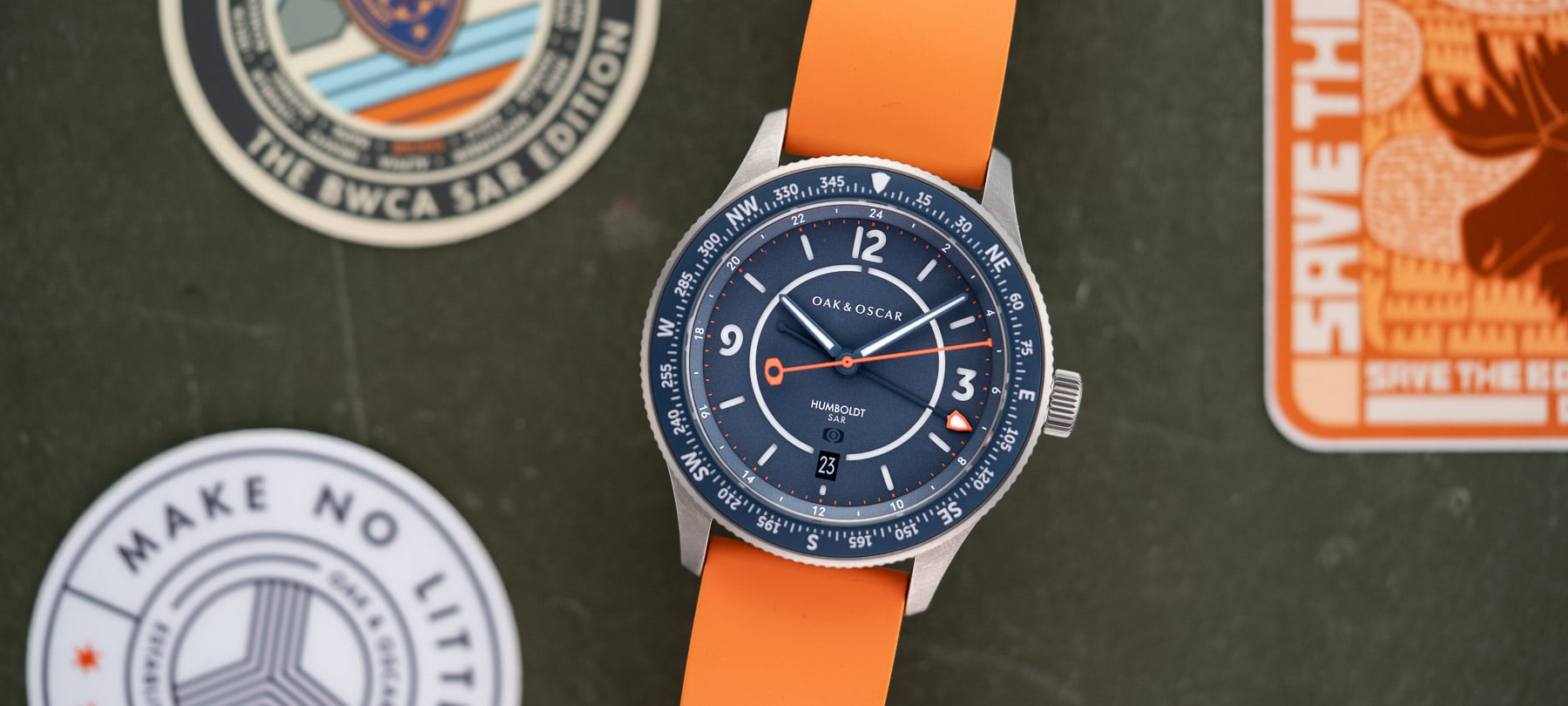
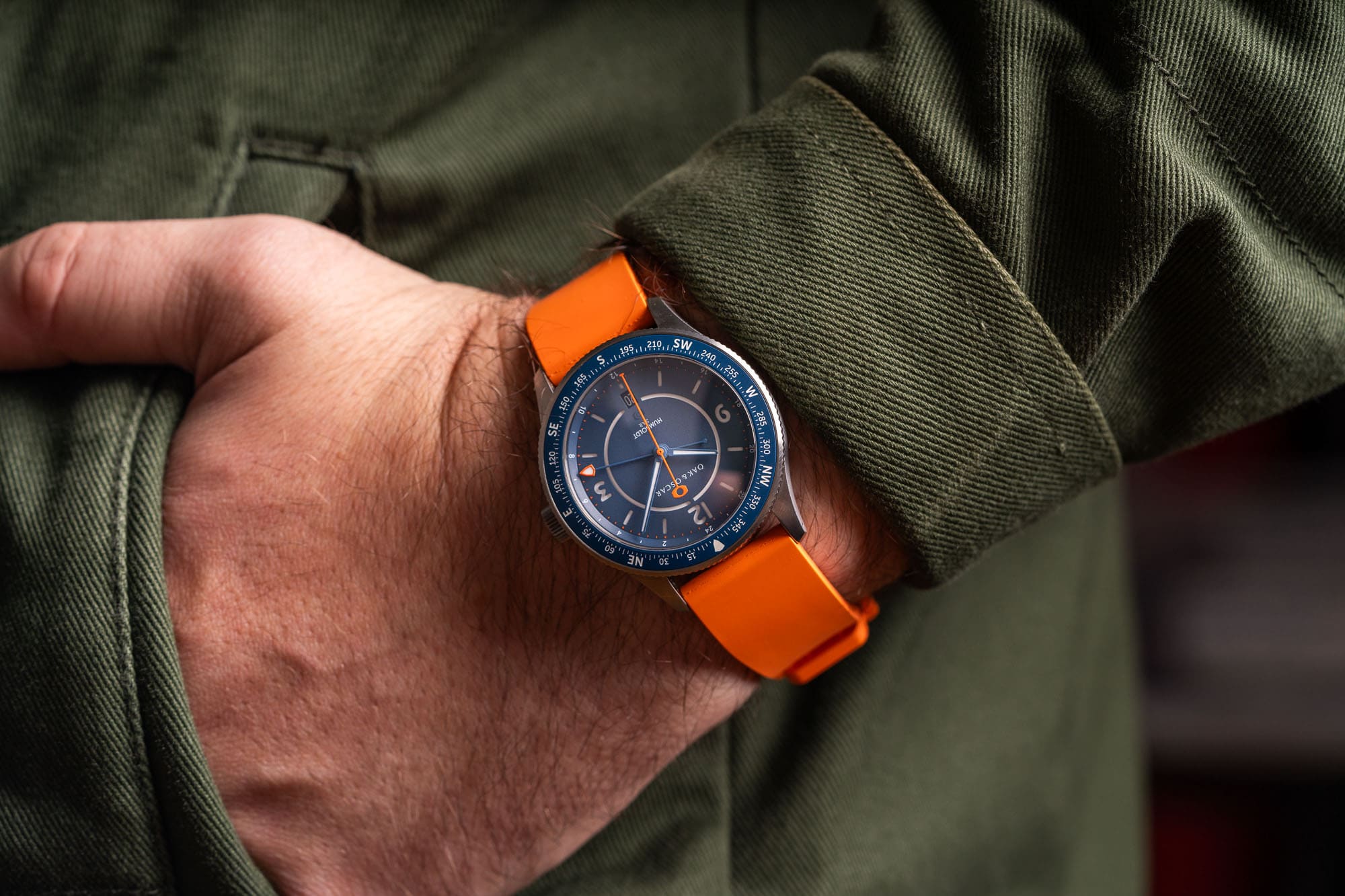
In this video, we take a look at some of the best field watches on the market priced under $1,000. We look at 21 different watches in both a modern and traditional format from brands like Timex, Seiko, Citizen, and Formex, just to name a few. While the definition of field watch can be a little bit murky, we tried to pick a bit of a variety of watches to fit any personal preference while staying true to the core values of legibility, durability, and a sense of simplicity. Deep rooted in military tradition, the field watch tends to fit a certain bill though I am sure a few on this list will surprise you. We will be creating more content like this in the future, so be sure to follow along on our Windup Watch Shop YouTube channel for more! The post 21 Of The Best Field Watches For Under $1,000 appeared first on Worn & Wound.





![Hands-On With The Omega Speedmaster Pilot Flight Qualified [With Video]](https://www.fratellowatches.com/cdn-cgi/image/anim=false/wp-content/uploads/2024/12/Omega-Speedmaster-Pilot-Flight-Qualified-332.10.41.51.01.002-Watch-38.jpg)