 WristBuzz
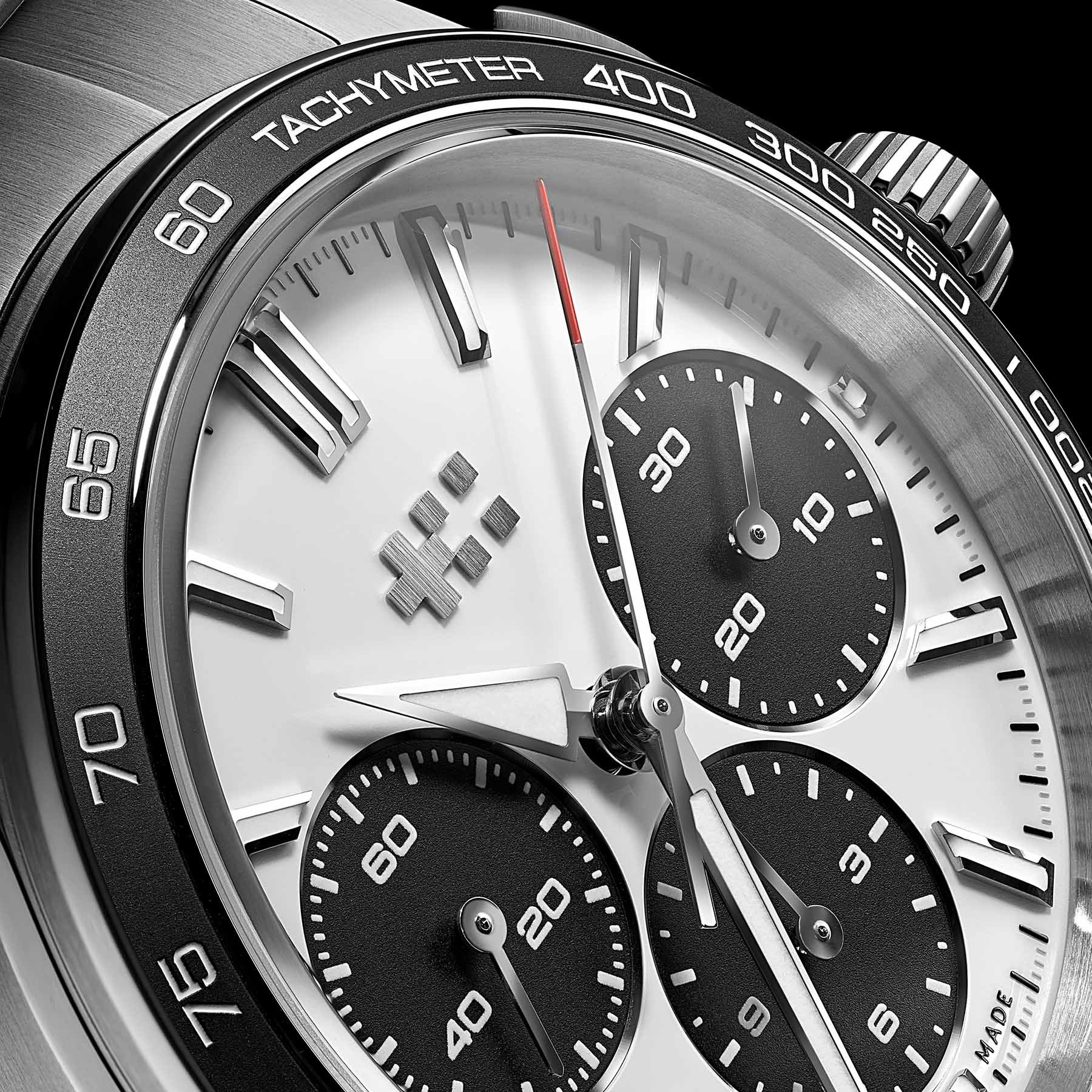
Christopher Ward Brings Back the Mechanical Chronograph with the C63 Sealander
Five dials, a proper column wheel, and a gap in the lineup finally filled. The C63 Sealander Chronograph is here.
32,512 articles · 179 videos found · page 399 of 1090
WristBuzz
Five dials, a proper column wheel, and a gap in the lineup finally filled. The C63 Sealander Chronograph is here.
 Two Broke Watch Snobs
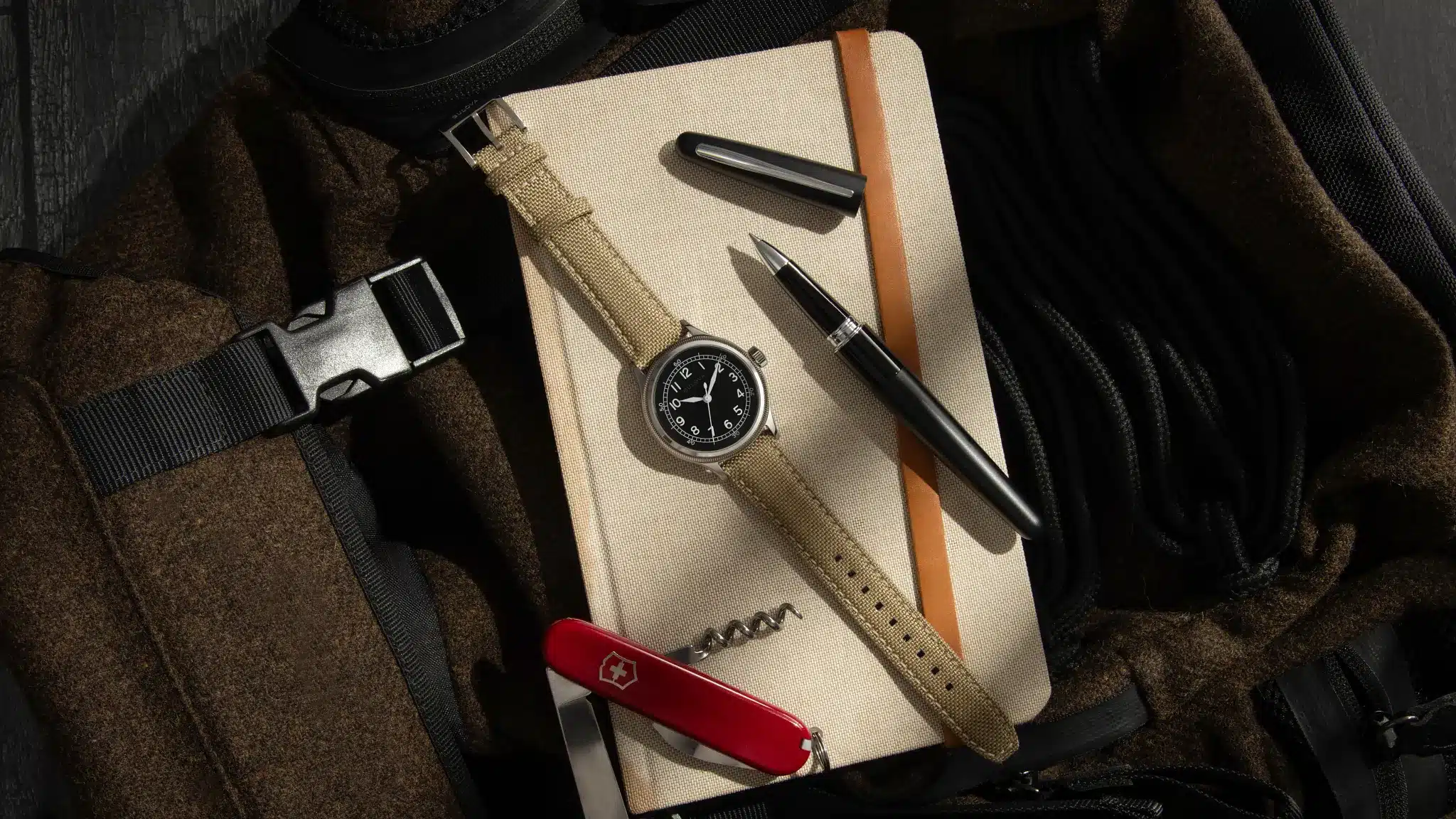
Bulova revisits its WWII-era A-11 military watch with a compact 37mm case, automatic movement, and some serious Hamilton Khaki Field competition.
 Monochrome
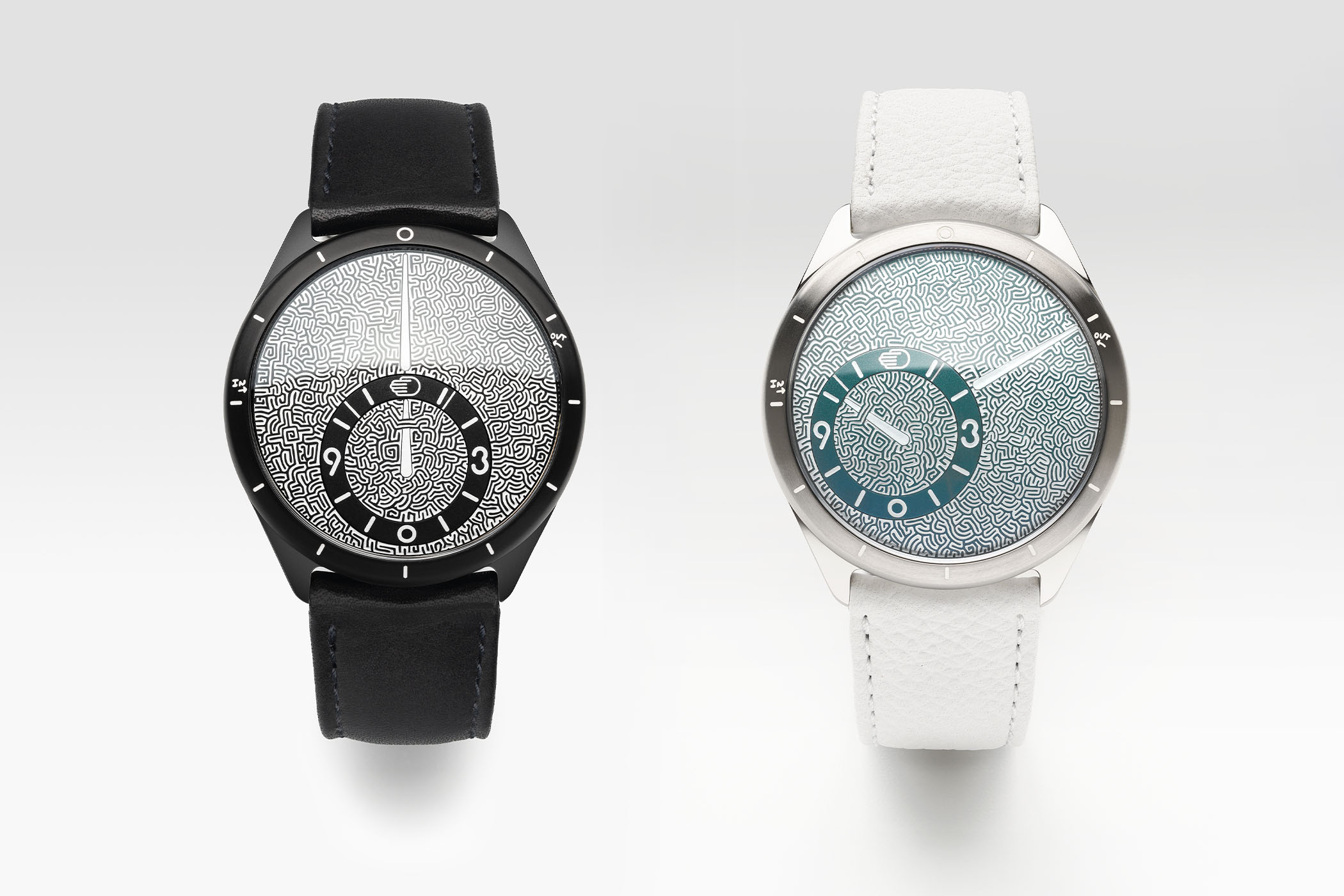
Founded in 2010 by industrial designer Benoît Mintiens, indie brand Ressence stands out from the crowd with its original and contemporary way of displaying time. Like planets orbiting the Sun, time circles around the dial thanks to the brand’s patented Ressence Orbital Convex System (ROCS). For the brand’s latest Art Watch, Ressence has teamed up […]
 SJX Watches
For the latest installment of the brand’s Art Watch series, Ressence has teamed up with a contemporary Belgian artist for the puzzling Type 9 Jules Wittock. I say ‘puzzling’, because Mr Wittock’s specialty is hand-drawing incredibly detailed mazes, which are both decorative and solvable. By collaborating with Ressence, the artist has devised a clever maze that fits on the rotating dial of the Type 9. Initial thoughts If it seems like you’re seeing more artistic collaborations in watchmaking, you’re probably right. While it’s not a new idea — Swatch released its first artist edition in 1985, just two years into the company’s history — the format feels increasingly common, especially amongst design-oriented brands and independent watchmakers. For Ressence, the Type 9 Jules Wittlock is the latest in a line of artist collaborations, including works with Shantell Martin, Stefan Sagmeister, and Daniel Engelberg. The brand has also worked with designers like Alain Silberstein and Marc Newson — two regular contributors watch-related projects. While most artist collaborations result in a fairly straightforward dial variant, Ressence is perhaps uniquely suited to the format, with its rotating dial capable of creating a dynamic tableau. In this case, Mr Wittock has taken full advantage of this technical aspect of the watch with a functional, hand-drawn maze, complete with a secret message that reveals itself in the pattern twice per day. Fortunately, the pattern...
 WristBuzz
The new 70s Collection strips away the chronograph and doubles down on what made the original era great
 Fratello
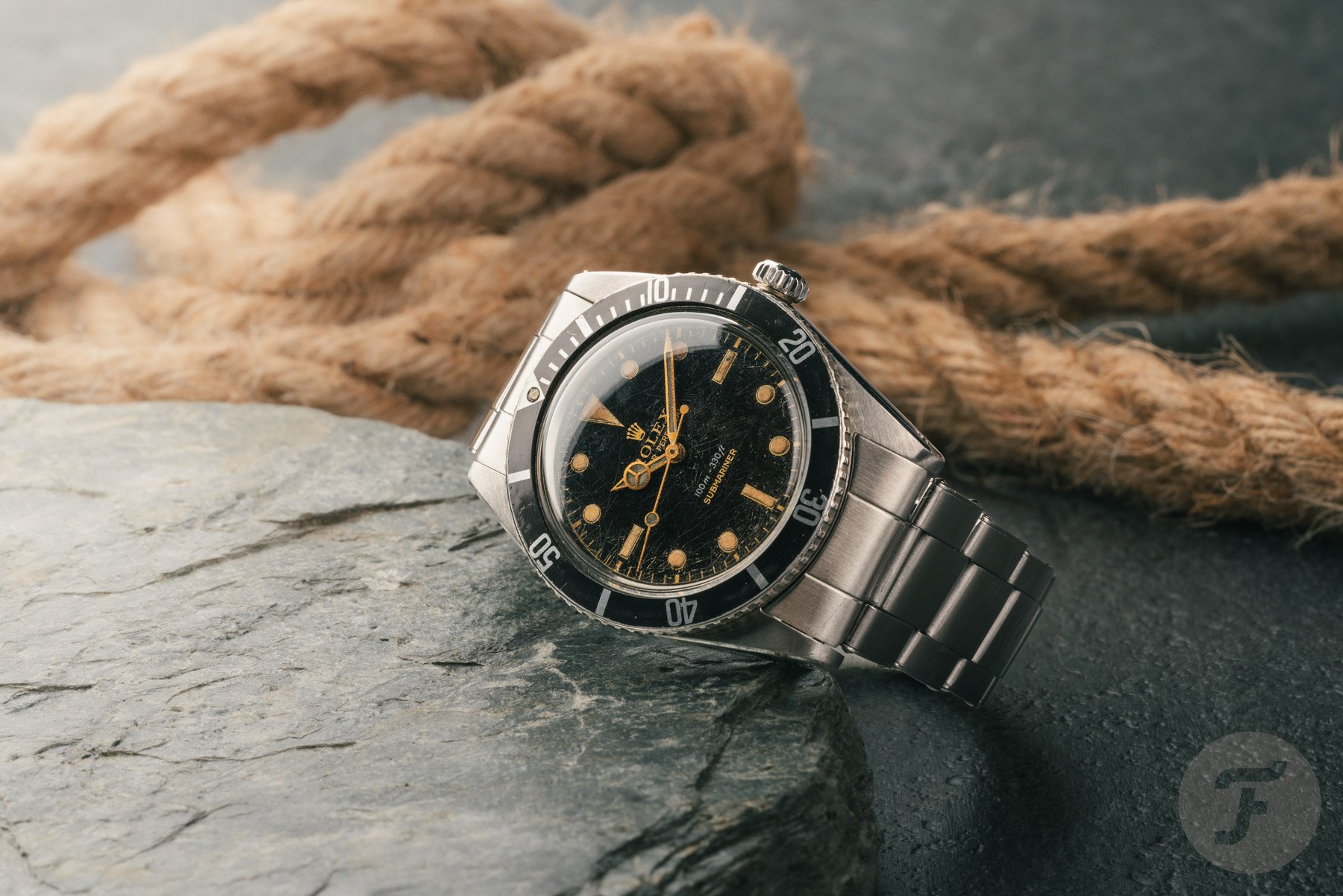
When it comes to vintage watches, few brands have as much depth as Rolex. Over more than a century, the company has produced an enormous range of models, references, and variations that have become firmly established among collectors. From tool watches built for specific purposes to understated everyday models, there’s plenty to explore beyond the […] Visit Fratello Talks: Our Favorite Vintage Rolex Models to read the full article.
 Worn & Wound
The watch industry, as we know, never misses an opportunity to celebrate a milestone. This week marks 50 years of Gerald Genta’s Ingenieur, a watch that has existed in a variety of forms over the years, but was relaunched a few years ago in a widely celebrated new guise that feels almost spiritually connected to the original. The new limited editions released this week by IWC are available in both the standard 40mm size and the newer, more compact 35mm case, both with dials that play up the design’s inherent starkness. The Ingenieur’s dial is most commonly associated with a distinctive grid pattern, but these LEs depart from that playbook for a dial that feels very metallic with vertical brushing and silver plating. It’s a reference, according to IWC, to an obscure Ingenieur reference from the original launch in 1976. I’m struck by how simple and muted this dial is for a limited edition. We’ve been trained, I think, to think that special releases and limited editions should be louder than this, and recontextualize a watch into something that couldn’t exist in the main collection. This dial execution is about as simple as it gets, and while it presents quite differently than the mainline Ingenieurs with patterned dials, it wouldn’t be a challenge at all to imagine this watch as a permanent part of the IWC collection. It’s a clear play to history, which of course is fitting and expected for a 50th anniversary watch. It’s nice but maybe not particularl...
 Worn & Wound
The Swedish brand E.C. Andersson is one of my favorite “IYKYK” watchmakers. They had a modest hit a few years ago with their Mytilus, at least among a very specific type of watch collector who was ahead of the curve on the current trend for industrially finishished, retro-futuristic designs in odd case shapes that are having a moment right now (see: Otsuka Lotec and others). What makes E.C. Andersson compelling to me though is not just their aesthetic and design language, which is certainly very interesting, but their business model, and what they actually do as a brand. They are, essentially, a machine shop, fabricating cases and other components from their own designs, and selling watches off a reservation system. Interested parties add their names to a list, and when a watch is available, you get an email letting you know your watch is ready. Their new watch, introduced this week, is called the Timepod, and like the Mytilus before it, the case (and crystal integration) set the design apart and make it unique. The quirkiest thing about the Timepod is the lug release system, which allows the user to detach the wire lugs via the push of a button on the caseband. The lugs simply pop out of the square shaped case and (presumably) reattach easily by hand. E.C. Andersson says the system is specifically designed to inhibit debris from entering the case while still allowing ease of access to the movement and other components in the event a service is needed. Is this lug ...
 Monochrome
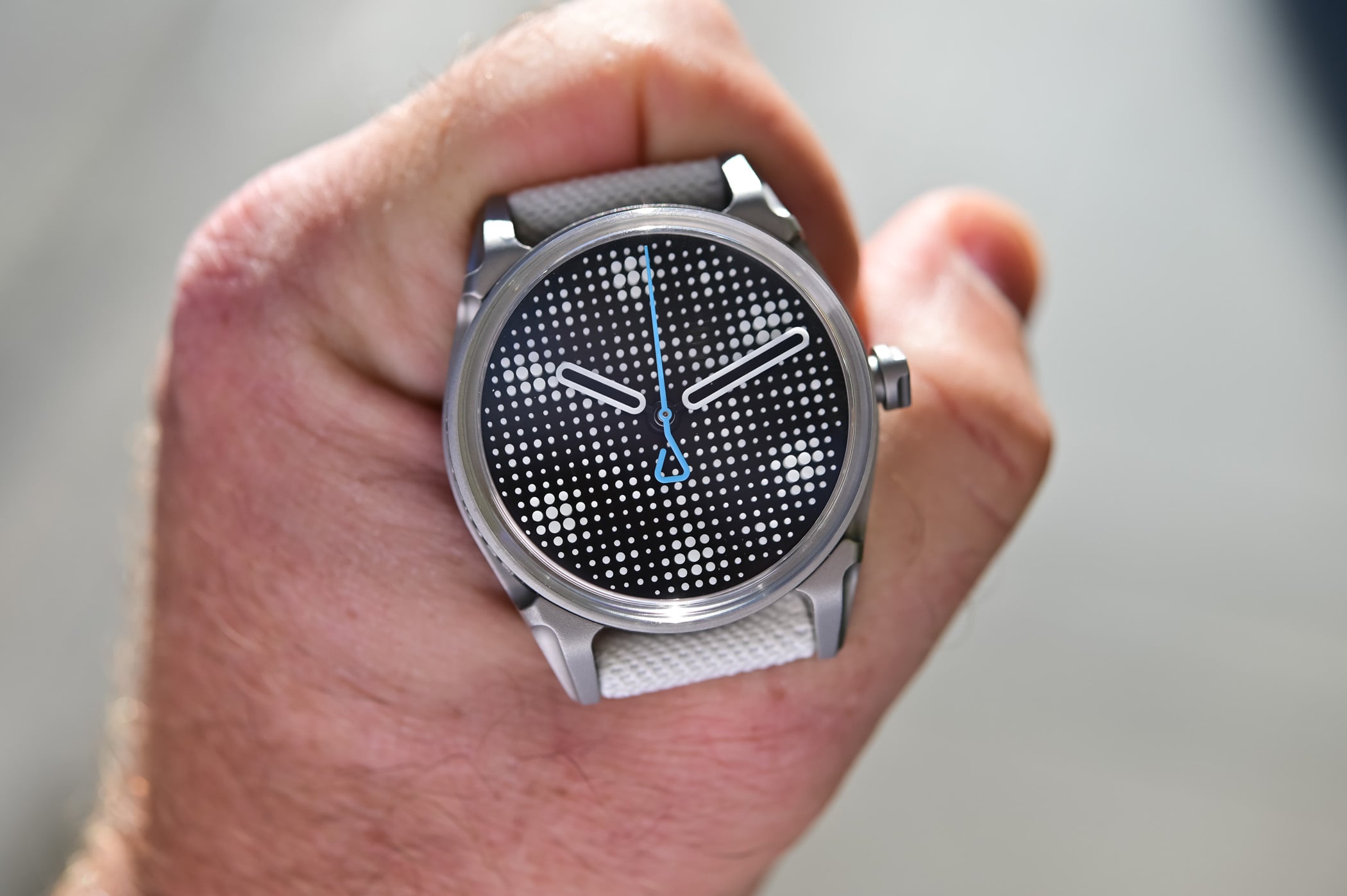
With the Projekt 01 Variant H, Kollokium puts an end to its first chapter, the watch that marked the independent platform’s debut. Since its introduction in 2023, the Projekt 01 has been offered in several iterations, with different materials and colours. Variant H returns to the black-dial aesthetic of the earliest editions, with the more […]
 Two Broke Watch Snobs
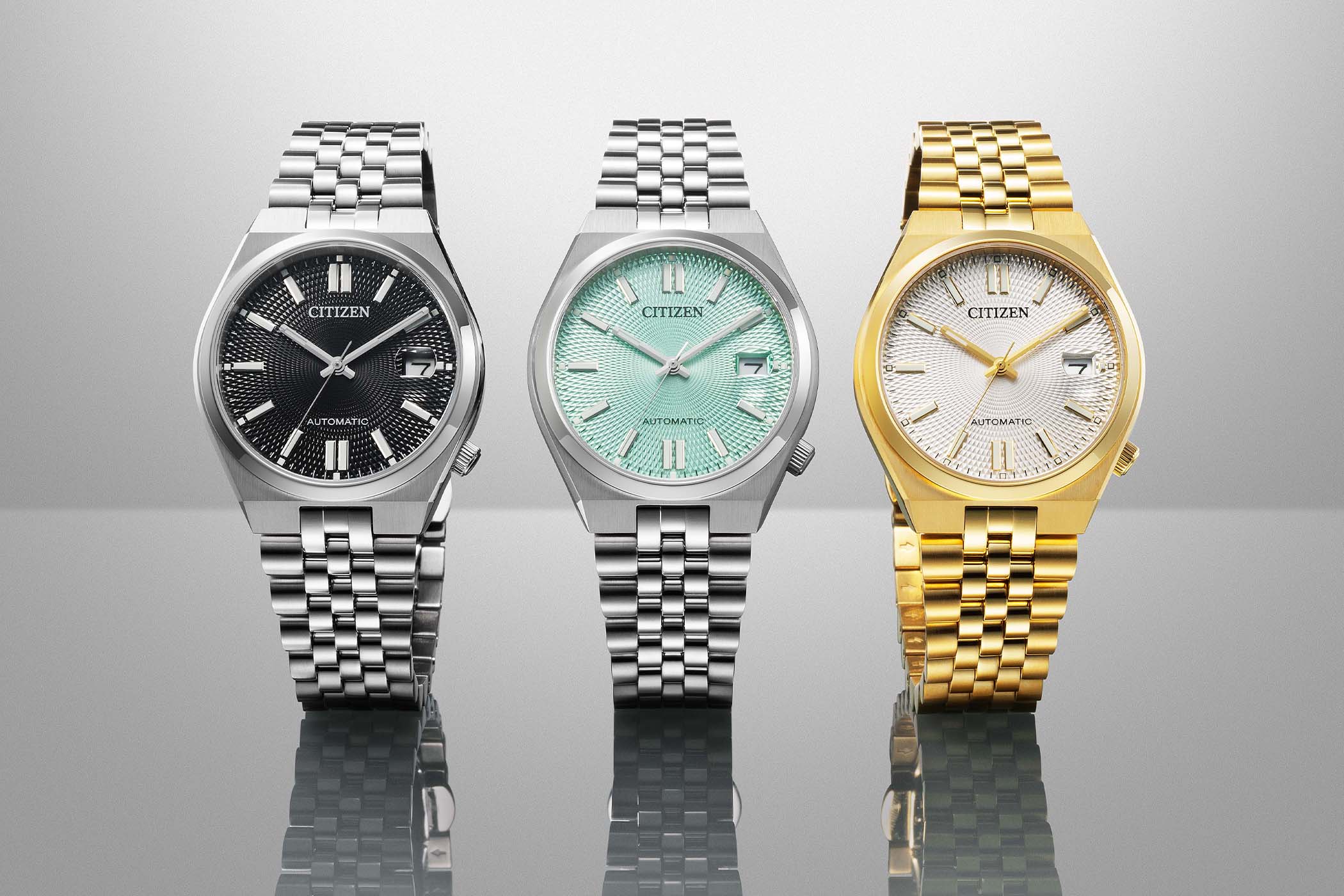
Citizen’s new Tsuyosa 60 pairs a 37mm case, textured dial, five-link bracelet and 60-hour automatic movement for $595.
 Deployant
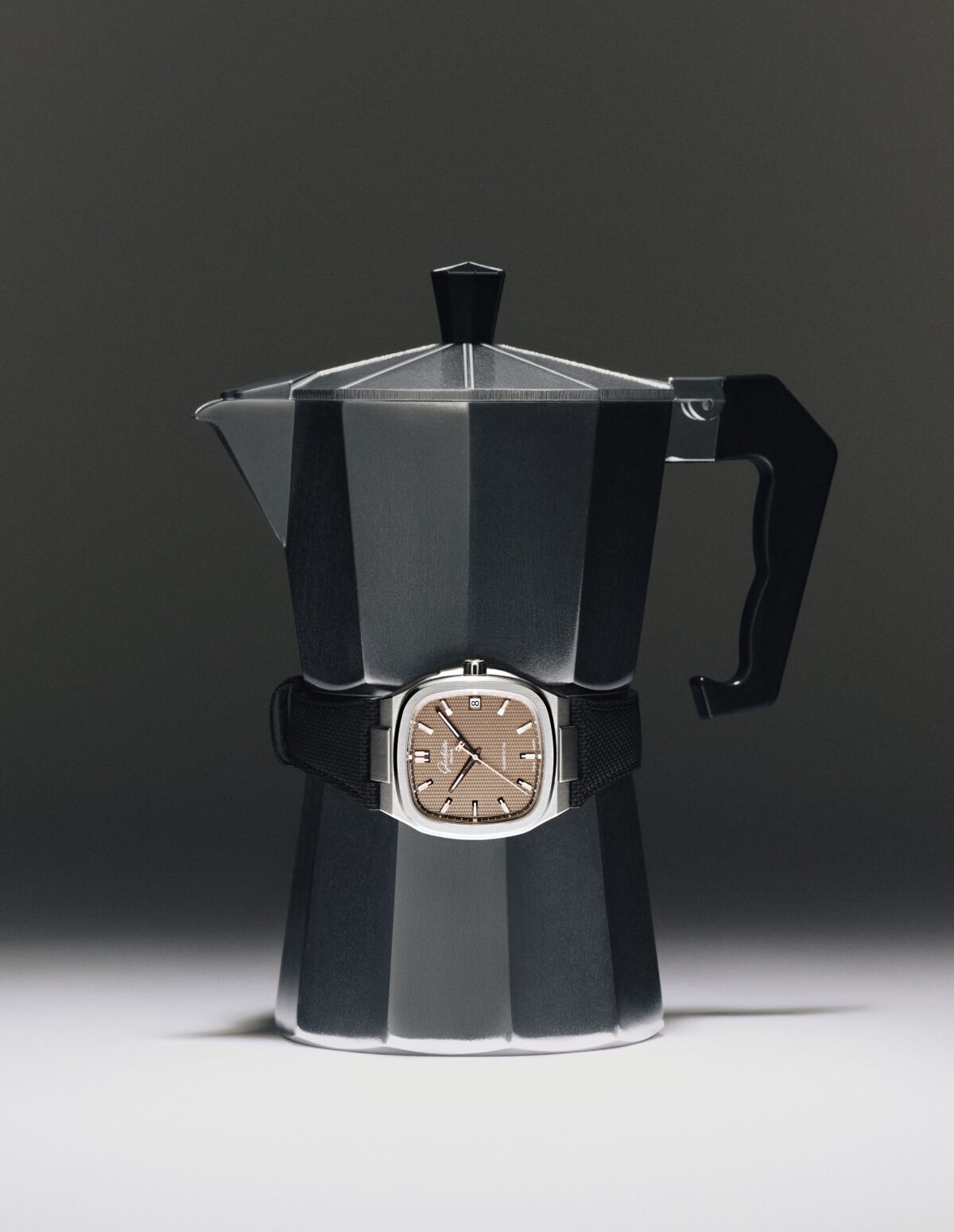
It's been a hot minute since Glashütte Original released a 70s in a date and time configuration. Here's is our take on Glashütte's latest timepiece.
 Fratello
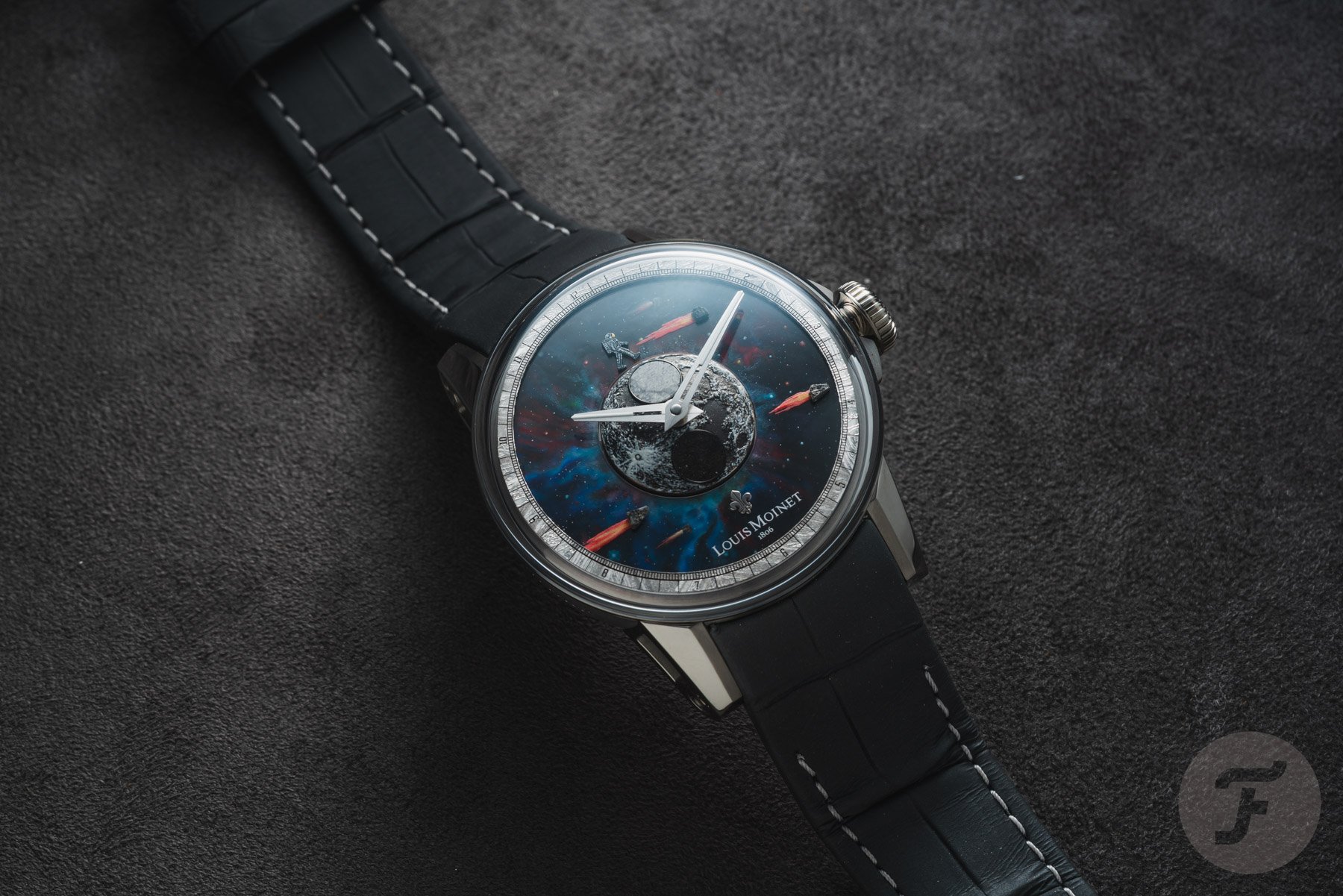
Today, Louis Moinet continues its fascination with the cosmos. The brand’s latest creation, the Moon Meteor, is a limited edition of just 12 pieces that turns the dial into a miniature cosmic scene. Hand-painted nebulae, real meteorite fragments, and a precise astronomical moonphase display come together under a domed sapphire crystal in a lightweight Grade […] Visit Illuminating The Cosmos: The Louis Moinet Moon Meteor to read the full article.
 SJX Watches
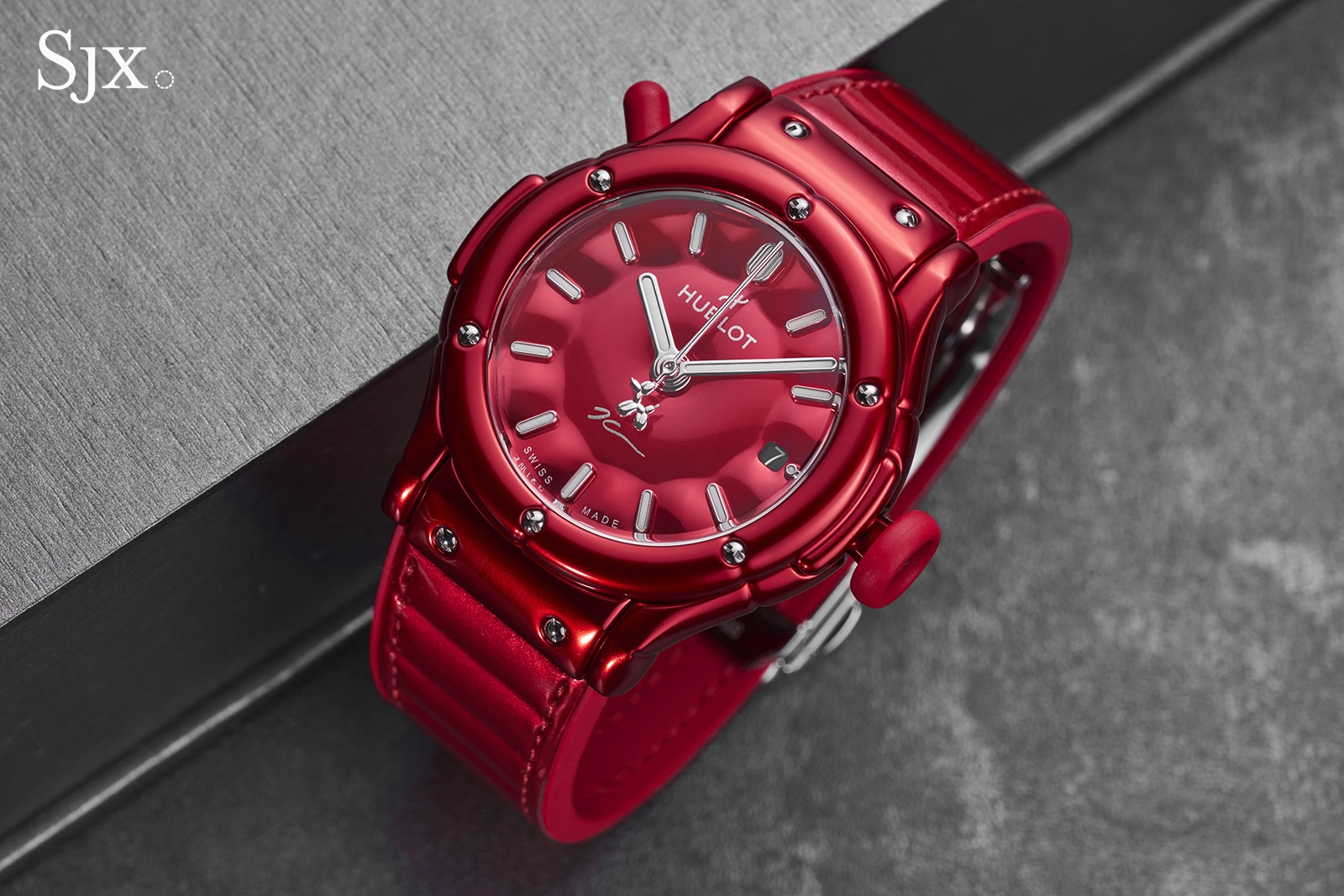
Hublot has just unveiled the Classic Fusion Balloon Dog by Jeff Koons, its latest — and arguably most striking — collaboration with a contemporary artist. Crafted from anodised aluminium, the case of the watch is delicately machined to almost perfectly replicate the creased, metallic look of a mylar balloon. The plump inflated look extends to the dial and strap, and the watch can be had in three different colours — red, blue, and silver — each of which is limited to 200 pieces. The Balloon Dog is powered by the HUB1710, an upmarket execution of the in-group Zenith Elite platform. Initial thoughts Jeff Koons is likely one of the few contemporary artists with mainstream name recognition outside the world of fine art. While he is arguably best known for his large-scale sculptures, including the Balloon Dog referenced by his collaboration with Hublot, he has had a prolific career and worked in numerous mediums. But it is his ability to replicate the tight, creased look of inflated latex and mylar in materials like stainless steel and aluminium that have cemented his status in the world of contemporary art. The Classic Fusion Balloon Dog taps exactly this expertise, crafted in anodised aluminium with a rounded, puffy form that transforms the sharp, angular Hublot style into something more soft and playful. The result is immediately recognisable thanks to the thoughtfulness of the execution. The familiar Hublot details are present, but have been carefully machined to loo...
 Hodinkee
Hublot is no stranger to opening its doors to outside creativity, with some of its most memorable (and often infamous) releases of the past few years in collaborations with artists and designers—Takashi Murakami, Daniel Arsham, and Samuel Ross, to name a few. Late last week, the brand dropped the news that the next big name in line for a collaboration would be the contemporary American artist Jeff Koons, most widely known for his series of bright, shiny balloon dog sculptures in a whole range of colors. Image courtesy of Hublot Balloon Dog (Orange) - Image courtesy of Christie's Rabbit - Image courtesy of Christie's Koons' name has reached a certain level of infamy and popularity alike in the art world, as the world's most expensive living artist today. His Balloon Dog (Orange) piece hammered at Christie's in 2013 for a whopping $58.4 million dollars, breaking auction records for an artwork by a living artist. Then, in 2019, his 1986 Rabbit piece shattered that result, selling for more than $91 million and taking the title. To this day, both pieces remain among the top ten most expensive artworks by living artists. Naturally, Koons faces criticism from critics and the wider public, from the overt commercialism and kitchiness of the art to the factory-style production methods he employs. Regardless, it's impossible to deny how iconic and recognizable the Balloon Dog series is worldwide. With that iconic look and a touch of infamy, the Balloon Dog feels like the perfect su...
 WristBuzz
Hublot teams up with Jeff Koons for a watch that looks exactly like what you think it does, and pulls it off better than it has any right to
 SJX Watches
Having formed its brand identity with a cushion-shaped case inspired by 1970s designs, Singer Reimagined is now turning to another facet of that decade’s designs. The 1970 Dualtrack is angular with tall bezel and semi-integrated bracelet, marking an entirely new design language for the brand, which is an offshoot of cult “restomod” automaker Singer Vehicle Design. Like the earlier version of the model, the 1970 Dualtrack is a twin time zone watch with a “caller” GMT indicated via a 24-hour ring. It’s powered by an unusual movement with four spaced out barrels that combine for a six day power reserve. Initial thoughts The 1970 is a natural extension of Singer’s retro style that’s conceptually logical, but also appealing in terms of product. The new case design is wearable and also different enough from the cushion-shaped case to make it distinct. If anything, the 1970 might be too ordinary, making it less recognisable as a Singer creation. That said, the design is thoughtful. The attention to the detail in the design reflects Singer founder Marco Borracino’s background as a designer. The angular case has polished, chamfered edges that continue into the bracelet, while the polished bezel has high, fluted sides. It’s clearly inspired by the 1970s, but executed to a higher level than actual 1970s watches in this style that tended to be entry-level timepieces. And compared to the cushion-shaped cases that defined Singer until now, the new 1970 case is more c...
 Two Broke Watch Snobs
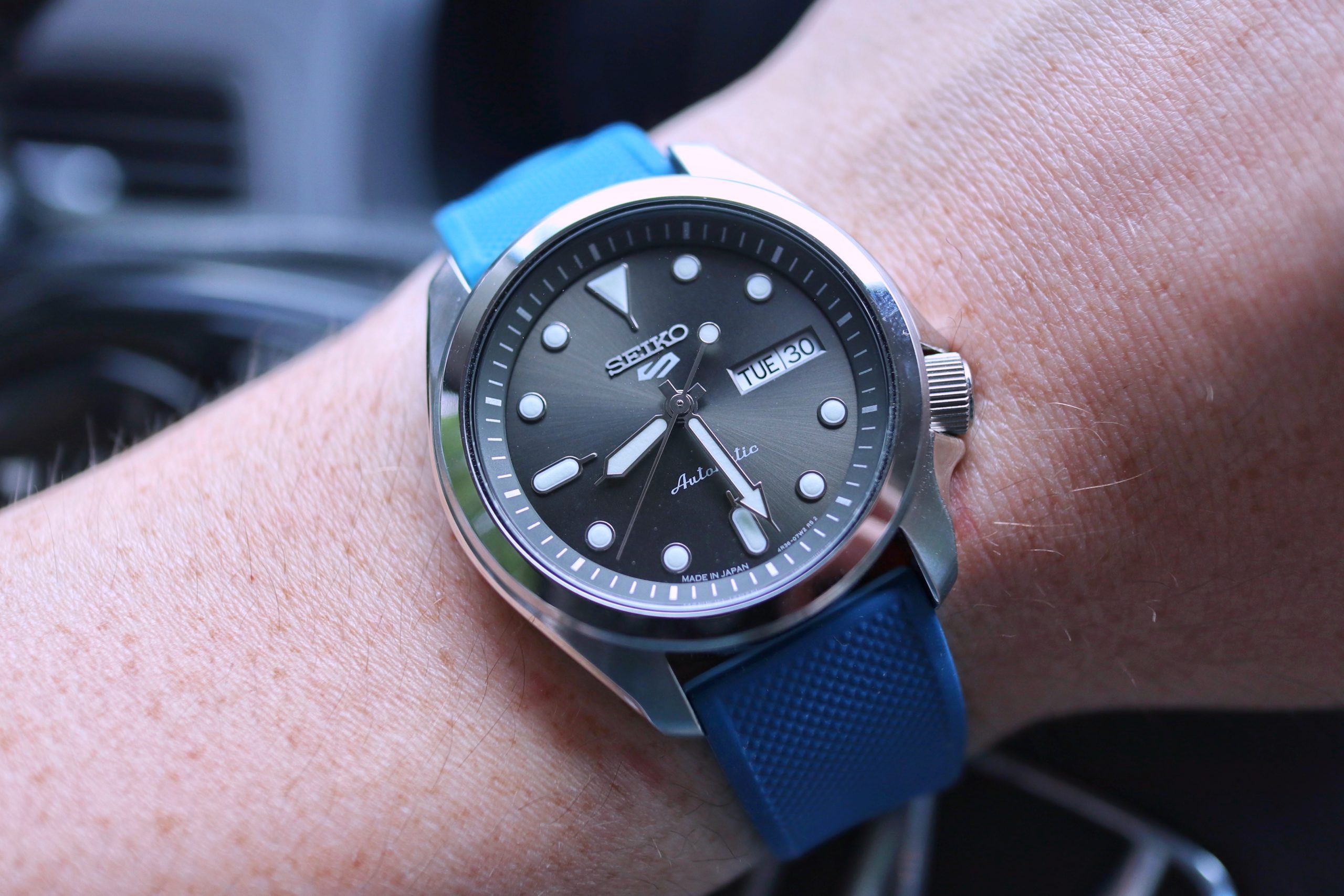
From everyday field watches to chronographs and dressier pieces, water resistance matters less than many collectors think.
Monochrome
While Glashütte Original‘s Seventies collection has become associated with its bold, square-shaped chronographs, the German manufacture also once offered Seventies Panaroma Date models without the chronograph function. Revisiting the decade with a substantially reworked watch, the brand returns to that time-and-date simplicity and presents the new 70s collection of integrated sports watches, alongside the existing […]
 Teddy Baldassarre
Glashütte Original relaunches the Seventies collection with its distinctive square "TV"-shaped cases and some upgrades.
 Monochrome
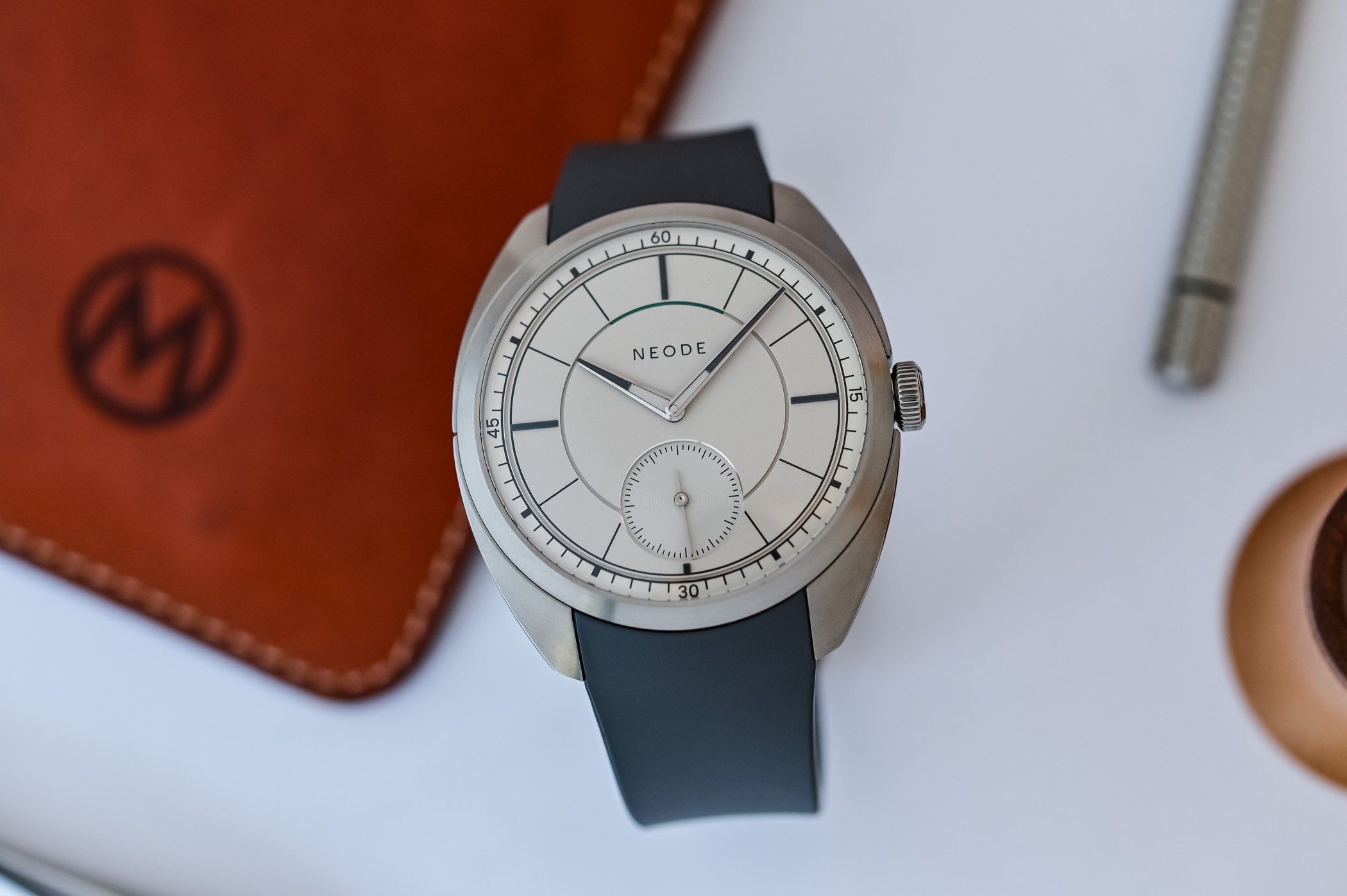
Independent watchmaking has attracted designers from outside traditional horology before. Still, few have arrived with such a clearly defined architectural vision as Neode (from neod, an Old English word meaning desire and earnest endeavour). Architect Marius-Daniel Dumitrascu founded Neode, stepping away from architecture to devote himself entirely to developing the timepieces. Driven by a desire […]
 Time+Tide
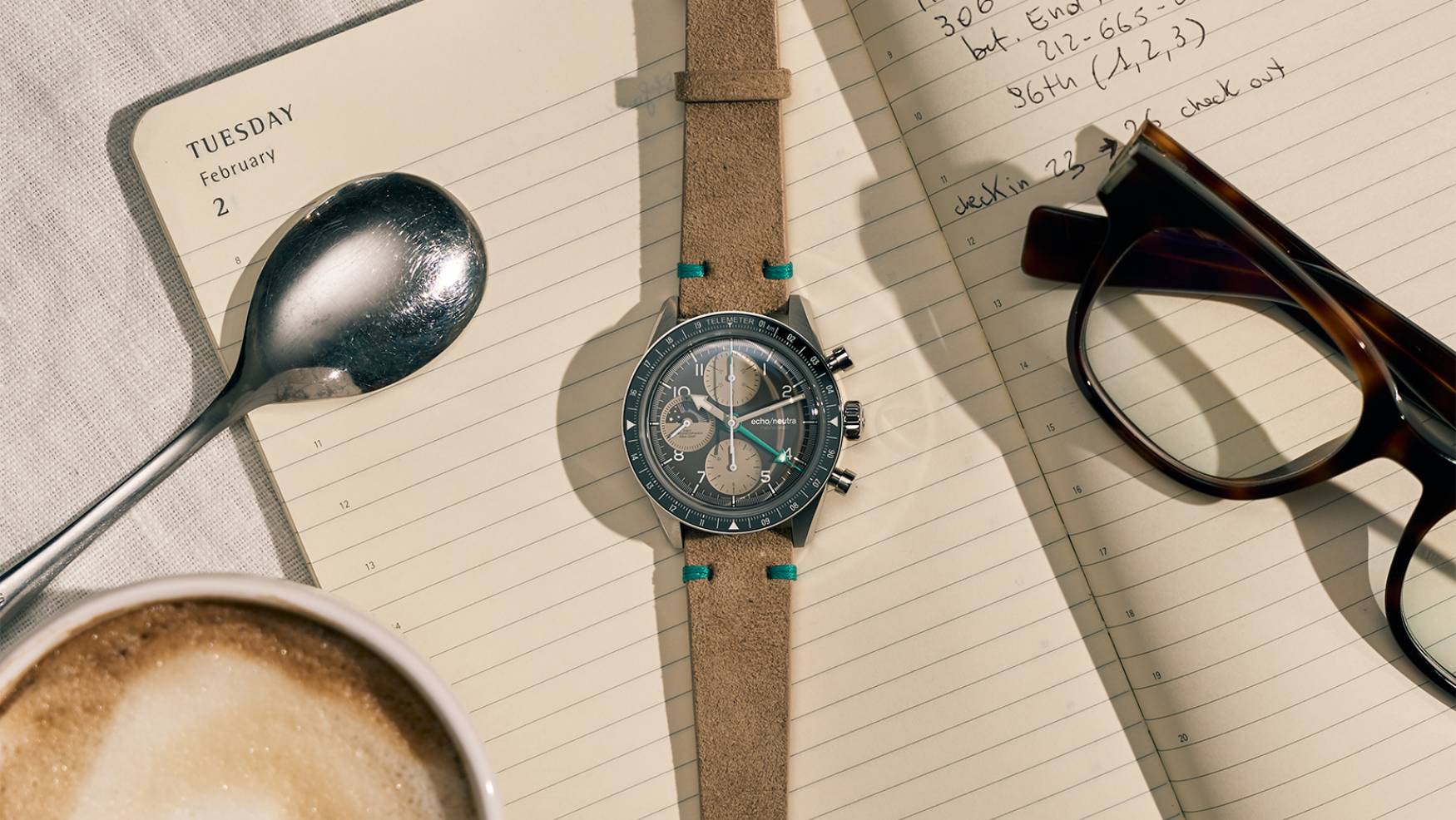
Echo/Neutra updates its 1956 Chrono GMT with two new colourways With a brown-and-taupe Cappuccino model and a deep-wine-toned Purple model, both inject colour into a highly functional watch with chronograph and GMT functions. Available now, the Echo/Neutra 1956 Chrono GMT in both Cappuccino and Purple start at US$2,400 on a strap. Echo/neutra has gotten a lot … Continued
 SJX Watches
Rolex expands its complicated offerings with the unexpected Perpetual Padellone, a vintage-inspired, instantaneous annual calendar named after the ref. 8171, a saucepan-shaped triple calendar from Rolex’s past. Despite the padellone nickname, first coined by Italian collectors, the Perpetual Padellone is a very different watch from its namesake. It is a modern Rolex through and through, with the quality and functions expected of a modern Rolex. The mechanics are latest generation, with aesthetic choices give the watch a contemporary look, putting the Perpetual Padellone at the intersection between vintage collectors and the wider public. Initial Thoughts Rolex is a forward-looking brand, which explains why this Padellone goes without the namesake sauce pan-esque case, and employs a base movement at the frontier of mechanical timekeeping. The Padellone of today is naturally a far better watch than the ref. 8171 “Padellone” of the 1950s. It is modern and it is a Rolex, which means essentially perfect quality. A very well-preserved 8171 in steel But it is more than just a triple calendar built to Rolex standards. The new Padellone contains an incredible base movement shared with the Land-Dweller, a new calendar that changes instantaneously around midnight and can handle both 30- and 31-day months on its own, and a moon phase that will err by a day in 122 years. Then, there are also the dramatic upgrades to finishing – both outside and in – and build quality, especia...
 WristBuzz
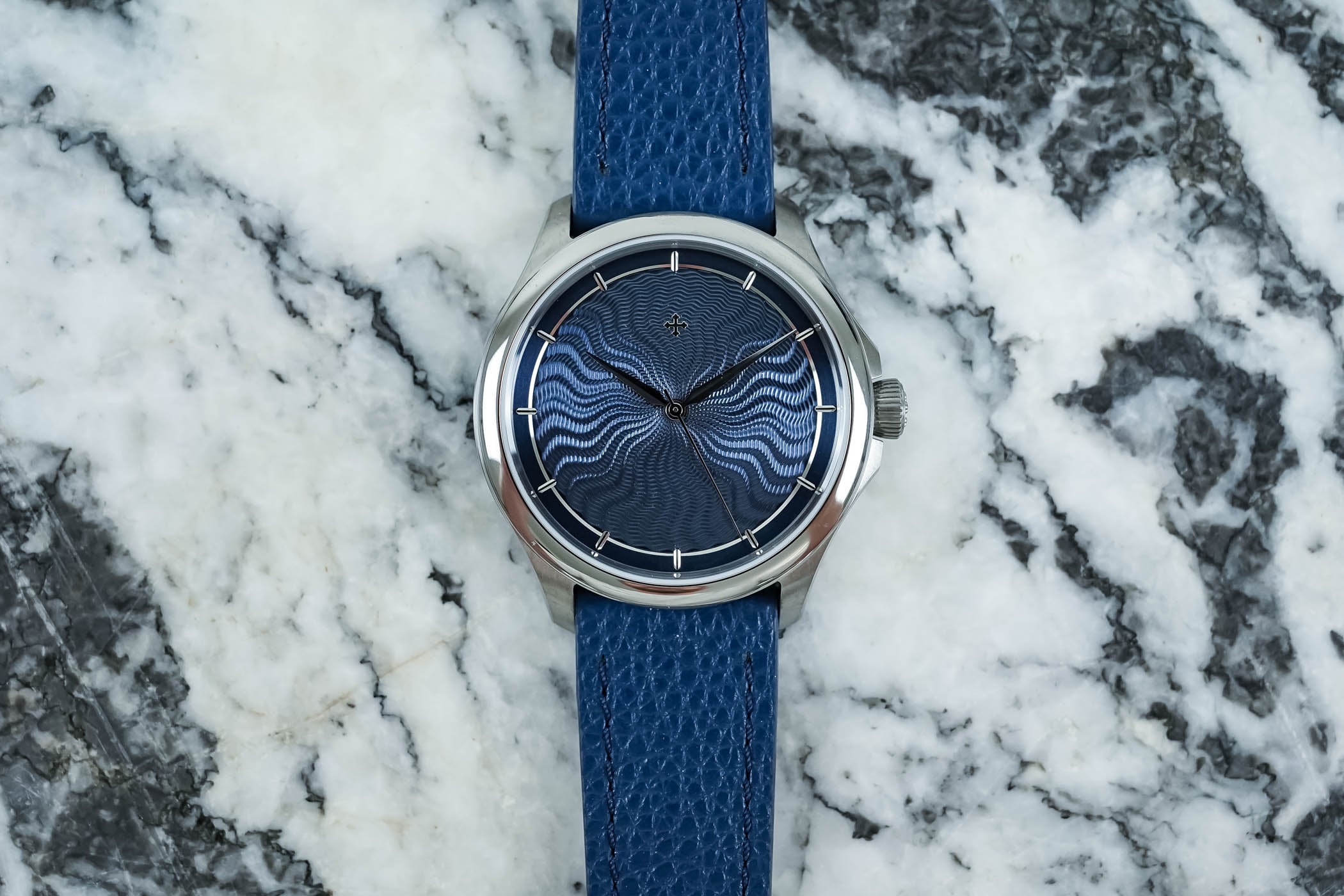
Venezianico goes lighter and more Italian with the Redentore Levius, pairing a titanium case with a hand-guilloché dial and an in-house-spirit movement made on home soil.
 Worn & Wound
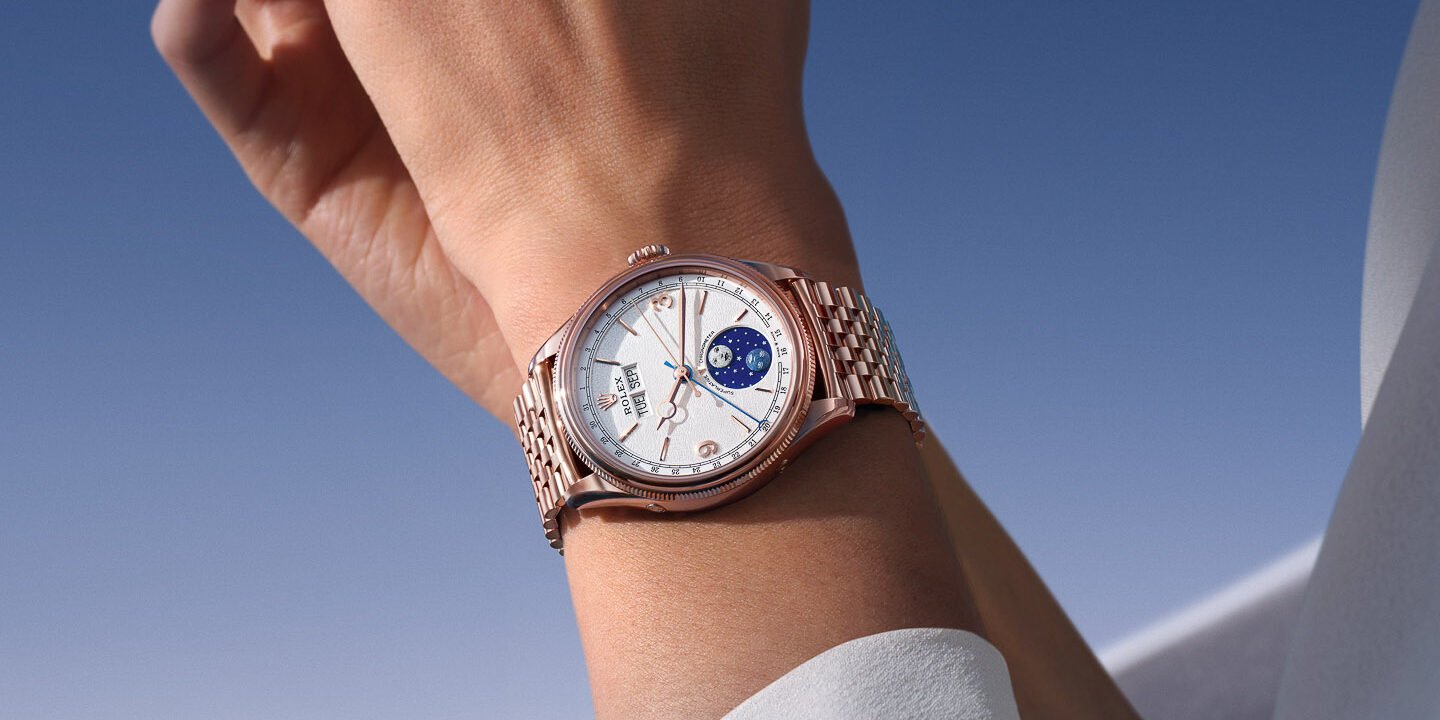
Big news from Rolex today as the brand has released a complicated dress watch, their first in recent memory. The Perpetual Padellon is an instantaneous annual calendar with a moonphase complication and sits within the 1908 collection, which launched three years ago. This new watch appears to be a very explicit and direct homage to one of the brand’s most revered vintage references, the 8171 “Padellone”. It shares more than a few visual characteristics with that piece, and of course the name of the new watch is lifted straight from the nickname given to the vintage piece by collectors and dealers. The Perpetual Padellone is available in 18k Everose gold and 950 platinum, and measures 39mm in diameter, 12.2mm tall, and 45.1mm from lug to lug. It’s worth noting that the original 8171 was a fairly large watch for its day, measuring 38mm in diameter, so the new reference comes surprisingly close to being right on the money in terms of sizing if we’re comparing it to the vintage watch. The biggest difference between the 8171 and the Perpetual Padellone is likely mechanical. The 8171 was not a true annual or perpetual calendar, but a “simple” triple calendar, which was quite common in the 1950s. Each indicator simply advanced in sequence and not in relation to any other, which means a correction is going to be necessary virtually every month. The Perpetual Padellone is a true annual calendar and only needs to be corrected once per year. The case, whether plati...
 Fratello
Rolex has added a rather unexpected complication to its Perpetual collection with the new Perpetual Padellone. Taking its name from the vintage reference 8171, the watch combines a 39mm case with an annual calendar and a moonphase display. At first glance, it is perhaps the dial that grabs your attention, particularly the blue enamel moonphase […] Visit Hot Take: Rolex’s Perpetual Padellone Annual Calendar Takes A Nod From The Past to read the full article.
 Time+Tide
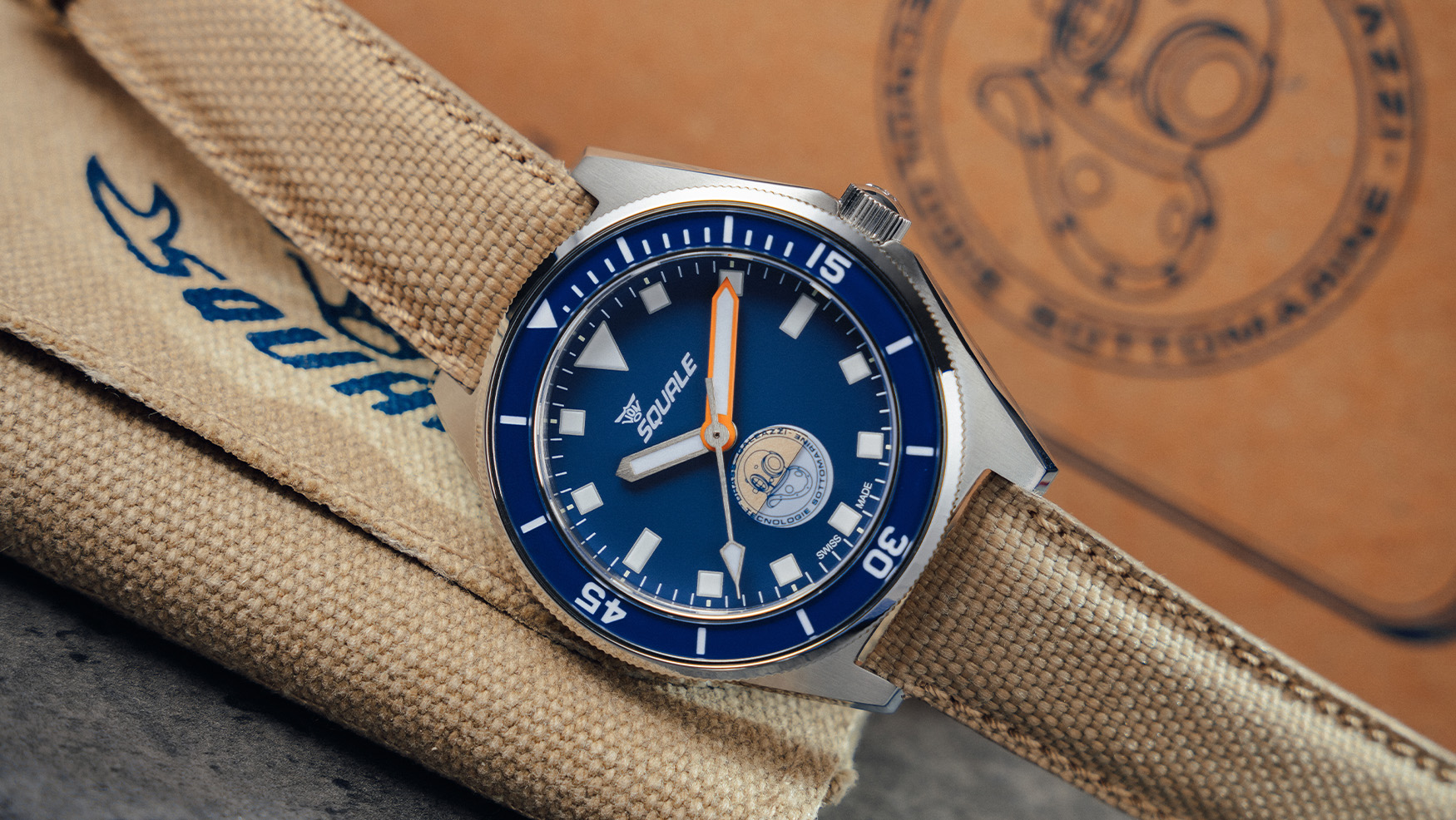
The Squale Galeazzi Artiglio combines 1960s skin-diver style, 600m water resistance and a cool Wet Indicator in a 500-piece limited edition.
 Time+Tide
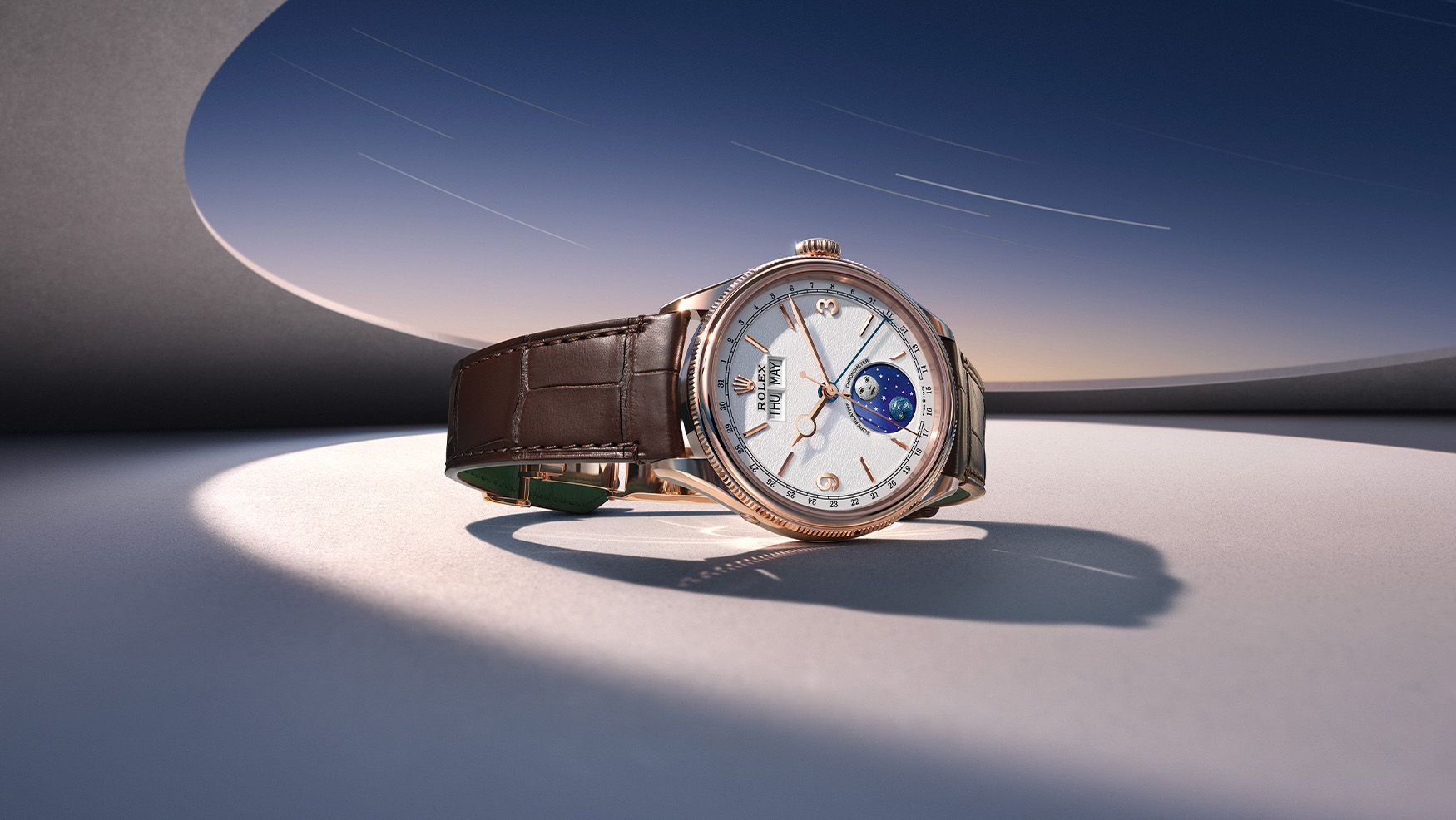
The new Rolex Perpetual Padellone revives a legendary complete calendar with a 39mm case, moonphase display and all-new 5Hz calibre 7190.
 Two Broke Watch Snobs
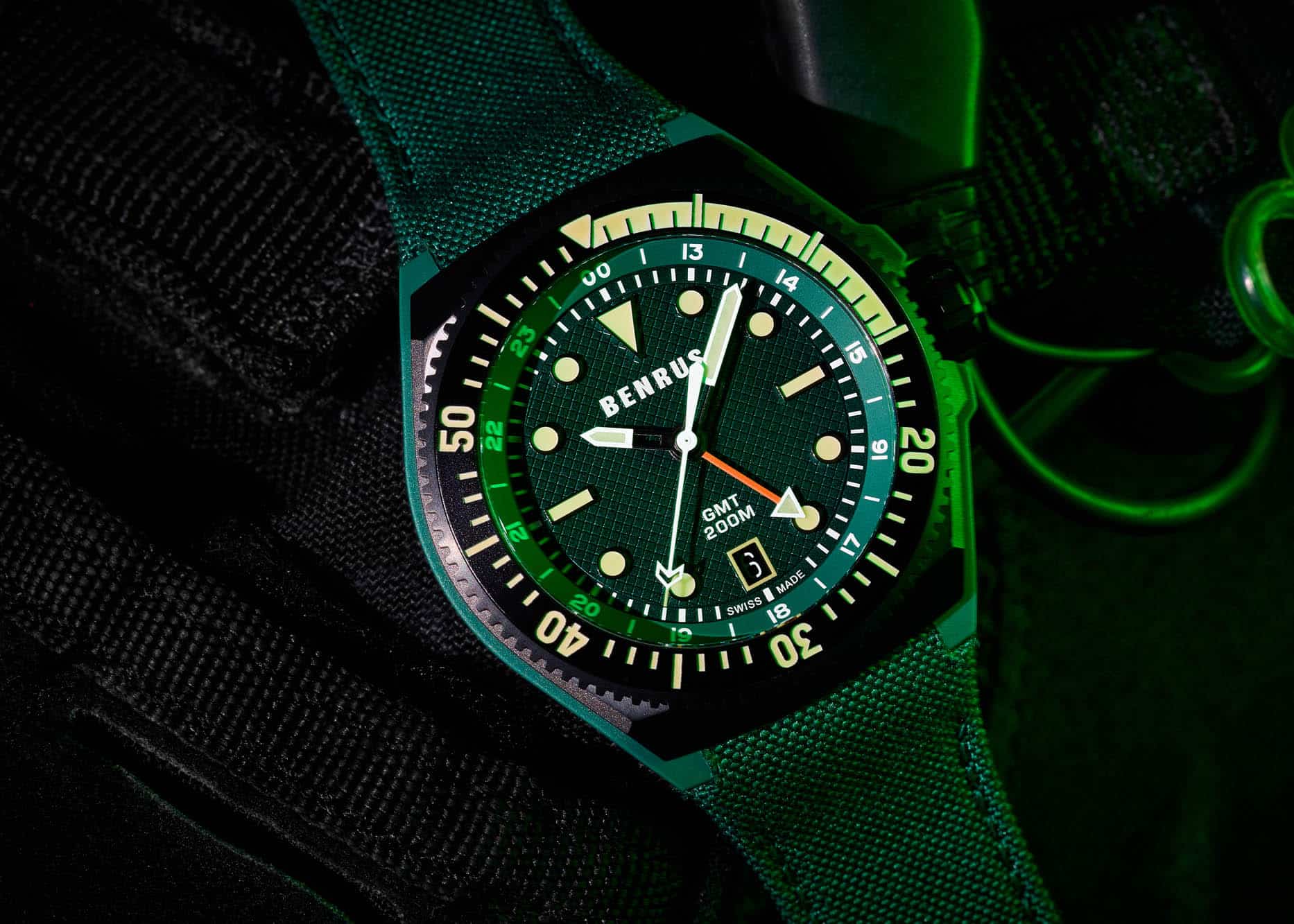
The new Benrus Type 3X rethinks the brand’s military watch formula with titanium, composite carbon, GMT functionality, and a bold green execution.
![Introducing: The Rolex Perpetual Padellone [Hands-On, Live Pics, Technical Brief, Competition, & Personal Thoughts]](https://hodinkee.imgix.net/uploads/images/2480c45f-6114-4c76-ab81-106e31ebbecd/Rolex-Perpetual-Padellone-2026-1-2.jpg?ixlib=rails-1.1.0&fm=jpg&q=55&auto=format&usm=12&w=2000) Hodinkee
Hodinkee
It's a watch that has been long-awaited: Rolex has just announced the new Perpetual Padellone—a very classic and technically impressive instantaneous annual calendar with moonphase. The new release comes three years after the launch of the 1908, which replaced the discontinued Cellini collection and introduced the Perpetual line. Now, that new collection goes in a more complicated direction. James Stacey is in Milan for the launch—and even got to see the watch in advance—so read on for a section later in this article featuring his hands-on impressions. The new 2026 Rolex Perpetual Padellone. Let's start with a piece of fun trivia. This is the first Rolex model—to my knowledge—to take its *actual* name from a nickname given by collectors to its historical predecessor. The ref. 8171—which Rolex explicitly cites as the inspiration for the new watch—was nicknamed the Padellone, Italian for "large frying pan," for its wide 38mm flat case and slightly domed dial. So it's appropriate that Rolex would return to Milan—arguably the birthplace of vintage watch collecting—to launch a watch that will likely make a lot of vintage lovers happy. A vintage Rolex ref. 8171 "Padellone." Even if you don't know the history of vintage Rolex or the 8171—which we'll cover in a minute—a new watch from Rolex (especially one launched off-cycle, so to speak, outside Watches & Wonders) is always a big deal. The only recent similar release was the surprise launch of the white go...
 Worn & Wound
The trajectory of my watch enthusiasm over the past several years can be boiled down to one basic principle: seeking things that are different. It’s what led me to Arcanaut, briefly owning a M.A.D.1S, a devotion to the works of Jiro Katayama, and, ultimately, boredom with brands owned by the big conglomerates. It’s been, honestly, an exciting time to reject the mainstream, as there seems to be a neverending stream of microbrands doing interesting things either well outside the norm or just slightly tilted away from it. Benjamin James is a Hong Kong based microbrand that falls into the latter category. Their watches are not avant garde or challenging works of outsider art, exactly, but they represent the distilled point of view of their founder, and the Deerhurst regulator surprised me with its overall quality and some of its touchpoints. $1702 Hands-On: the Benjamin James Deerhurst Regulator Case Stainless steel Movement Sellita SW266-1 M Dial Burgundy Lume None Lens Sapphire Strap Leather strap or bracelet Water Resistance 50 meters Dimensions 36 x 42mm Thickness 9.1mm Lug Width 20mm Crown Push/pull Warranty Yes Price $1702 The Deerhurst is a slim, 36mm dress watch available in three dial variations. My sample is in burgundy, but it’s also available in “Old English White” and “Denim Blue.” The design feature of the watch that will either charm you or make you roll your eyes is the Clous de Paris bezel, which in 2026 is perhaps one of the most old-fashioned...
Question, suggestion, or just want to say hi? Drop a note.