Watch brandsWatch wikiWatch videosVariousWatch calendarSaved articles
PopularRolexOmegaPatek PhilippeAudemars PiguetTudorGrand SeikoCartierSeikoIWCTAG HeuerBreitlingJaeger-LeCoultreA. Lange & SohneZenith

Results for La Chaux-de-Fonds

26,572 articles · 186 videos found · page 41 of 892

Related pages

Wiki · Guide
La Chaux-de-Fonds

Industrial capital of Swiss watchmaking. Birthplace of Omega and Girard-Perregaux, home of Greubel Forsey, the MIH, and UNESCO-listed with Le Locle.

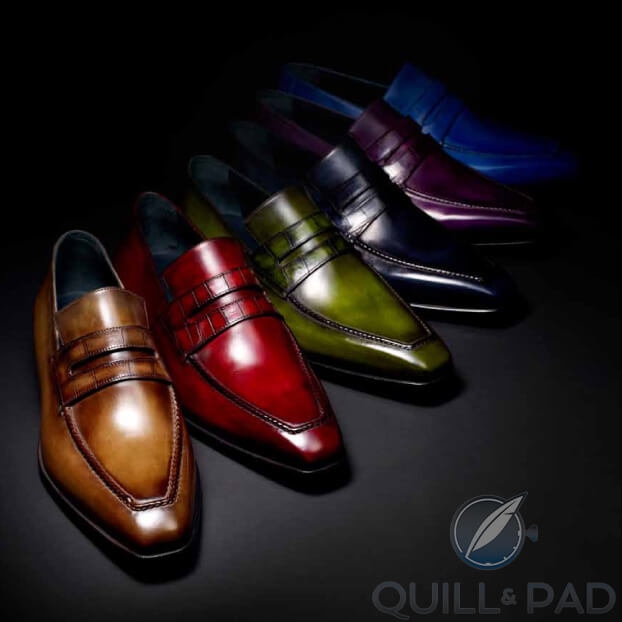
Vive Paris And Vive La Couleur: What Berluti Has Done To Make Men’s Feet Fashionable - Reprise Quill & Pad
Nov 1, 2020

Vive Paris And Vive La Couleur: What Berluti Has Done To Make Men’s Feet Fashionable - Reprise

For a die-hard shoe aficionado, the Berluti moniker probably resonates the same way that Franck Muller’s name does for a WIS: overpriced, under-crafted, and something that clueless wanabees might buy. But Berluti, like Franck Muller, was a game changer. As much as What Makes Me Tick wouldn’t be caught dead wearing a Franck Muller on his wrist, Berluti is for him one of the greatest shoe brands ever.

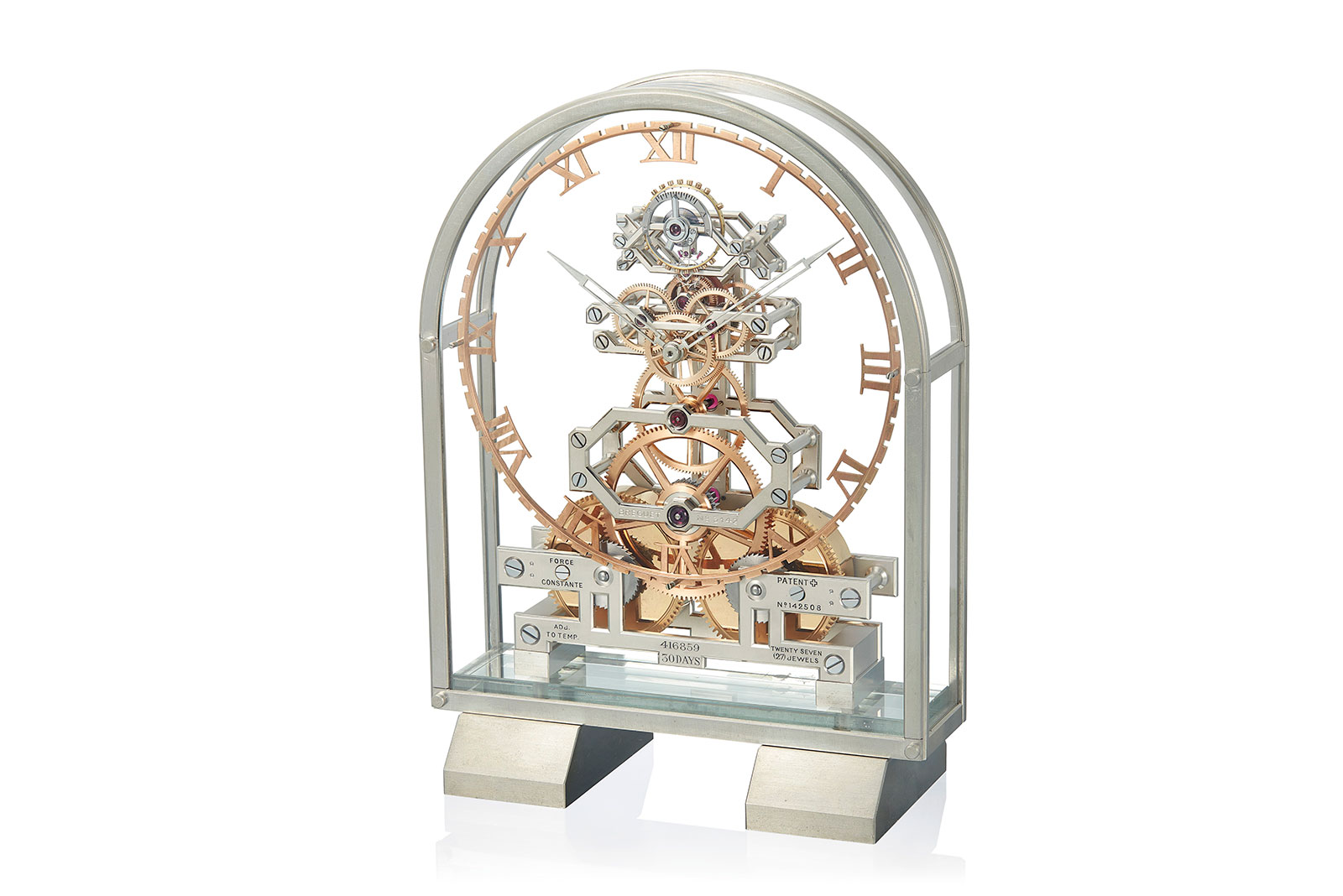
Auction Watch: Breguet Skeleton 30-Day, Constant Force Clock by Philippe René Jaccard SJX Watches
Breguet Skeleton 30-Day Constant Force Dec 7, 2019

Auction Watch: Breguet Skeleton 30-Day, Constant Force Clock by Philippe René Jaccard

One of the most intriguing timepieces being offered in the final run of watch auctions for 2019 is not a wristwatch, but an incredibly rare table clock made by Breguet in 1934 that’s going under the hammer at Christie’s. It hardly looks like a typical Breguet – having no engine-turning or gilding or blued steel hands – but is remarkably striking, with a skeletonised, architectural movement that is modern-looking despite being 85 years old. Abraham-Louis Breguet is rightly regarded as one of the most important watchmakers in history, whose inventions range from the natural escapement to the tourbillon, while being commercially savvy enough to become a leading watchmaker to the Ottoman Empire. But his descendants ventured into other businesses by the mid 19th century, most notably aviation, so the watchmaking operation was sold by Louis-Clément Breguet, grandson of Abraham-Louis, in 1870 to English watchmaker Edward Brown. The Browns kept the workshop in Paris, though it moved several times over the decades. During the century that the Brown family ran Breguet – Brown’s grandson George sold the company to French jeweller Chaumet in 1969 – the firm mostly retained the signature Breguet style and produced a large variety of timepieces, but in tiny quantities, often relying on external specialists for movements and components. Timepiece no. 3142 This clock is one such timepiece from the period. A unique piece according to the accompanying Breguet museum archive...

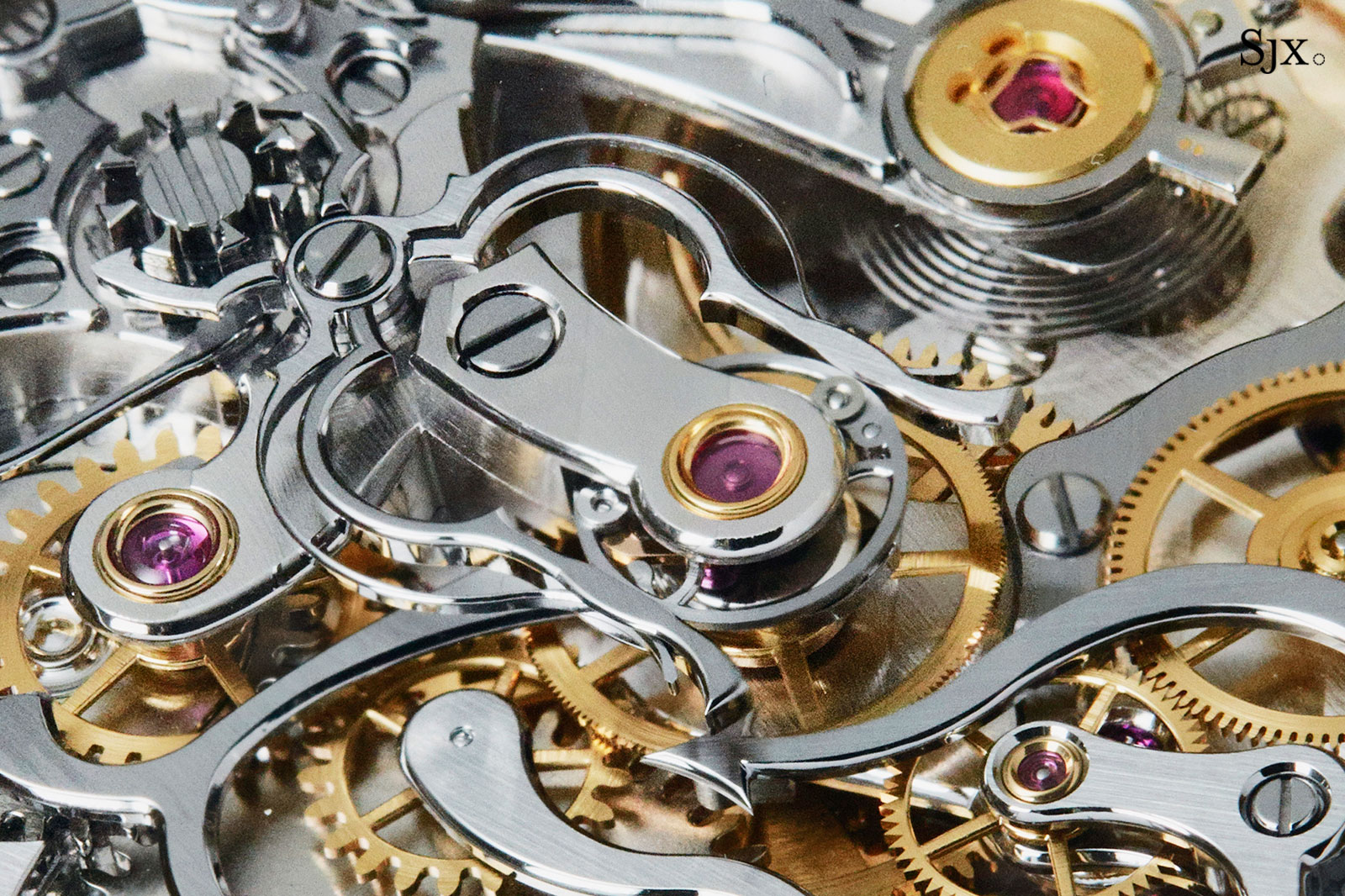
In-Depth: Montblanc Manufactures Le Locle and Villeret SJX Watches
Montblanc Manufactures Le Locle Aug 6, 2019

In-Depth: Montblanc Manufactures Le Locle and Villeret

Over the past two decades, Montblanc has evolved from a pure-play luxury pen maker into a serious contender in watchmaking. The company’s venture into watches began quite modestly in 1997, when it rolled out a line of watches powered by outsourced movements. But it was the 2007 integration of Minerva, a fabled maker of chronographs and stopwatches, that gave Montblanc bona fide watchmaking prowess. And by virtue of its own heritage, Minerva also bestowed a degree of legitimacy on Montblanc, along with an extensive archive of historical designs ready to be mined. Watchmaking prowess Le Locle, and then Villeret Earlier in the year I got to explore all facets of Montblanc’s watchmaking with a visit to Montblanc’s twin watchmaking facilities in Le Locle and Villeret. Both sit in the Vallee de Joux, the historical heart of Swiss watchmaking, and are about a 45-minute drive from each other. Each factory is dedicated to a distinct class of watchmaking – simpler and entry-level watches at Le Locle, and haute horlogerie at Villeret. Together, the two factories give Montblanc a unique diversity that has translated into three price categories of watches. Le Locle is responsible for both the first category, entry-level watches powered by Sellita-based movements, and the second, those equipped with mass-produced, in-house movements. Unsurprisingly, the facility produces tens of thousands of watches annually, all manufactured and assembled on an industrial ...