 Deployant
Quick visit: Girard-Perregaux in La Chaux-de-Fonds
We had the opportunity to visit Girard-Perregaux Manufacture in La Chaux-de-Fonds last November, and here is our account of the tour and photographs.
27,281 articles · 187 videos found · page 1 of 916
Deployant
We had the opportunity to visit Girard-Perregaux Manufacture in La Chaux-de-Fonds last November, and here is our account of the tour and photographs.
 Revolution
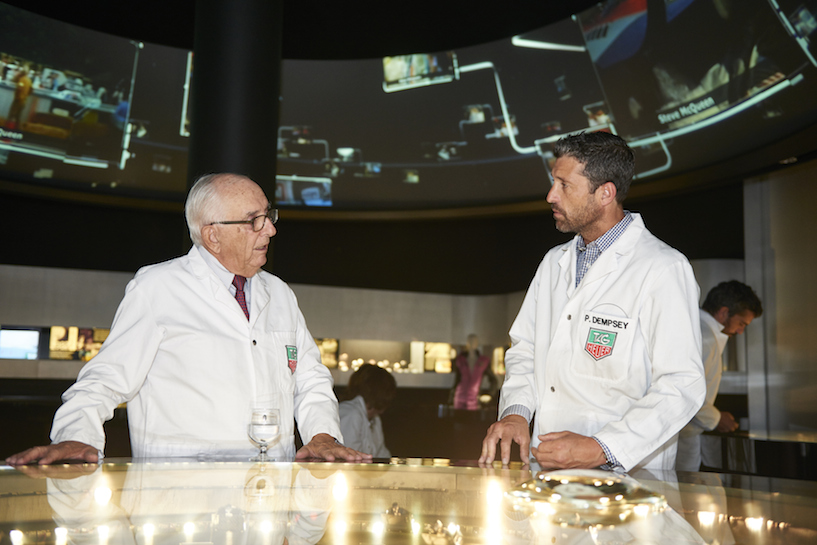
At the beginning of the week, TAG Heuer ambassador Patrick Dempsey traveled to La Chaux-de-Fonds to visit the brand’s workshops for the first time and learn more about its rich heritage and strong connection to motor racing. Both actor and racer, Dempsey first met TAG Heuer’s CEO Jean-Claude Biver at the 24 Hours of Le […]
 Hodinkee
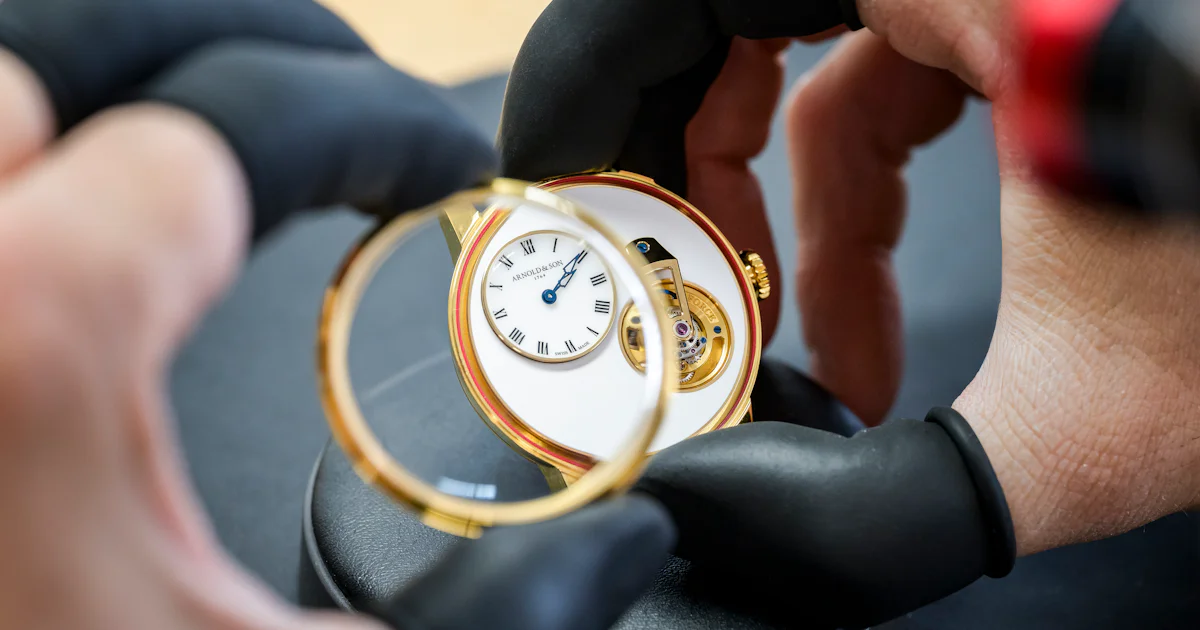
La Joux-Perret shows how the right movement can spark a whole new story, as the quiet powerhouse behind Arnold & Son and Angelus.
 Hodinkee
One fatality was reported in the town and Sellita's factory was damaged.
 Monochrome
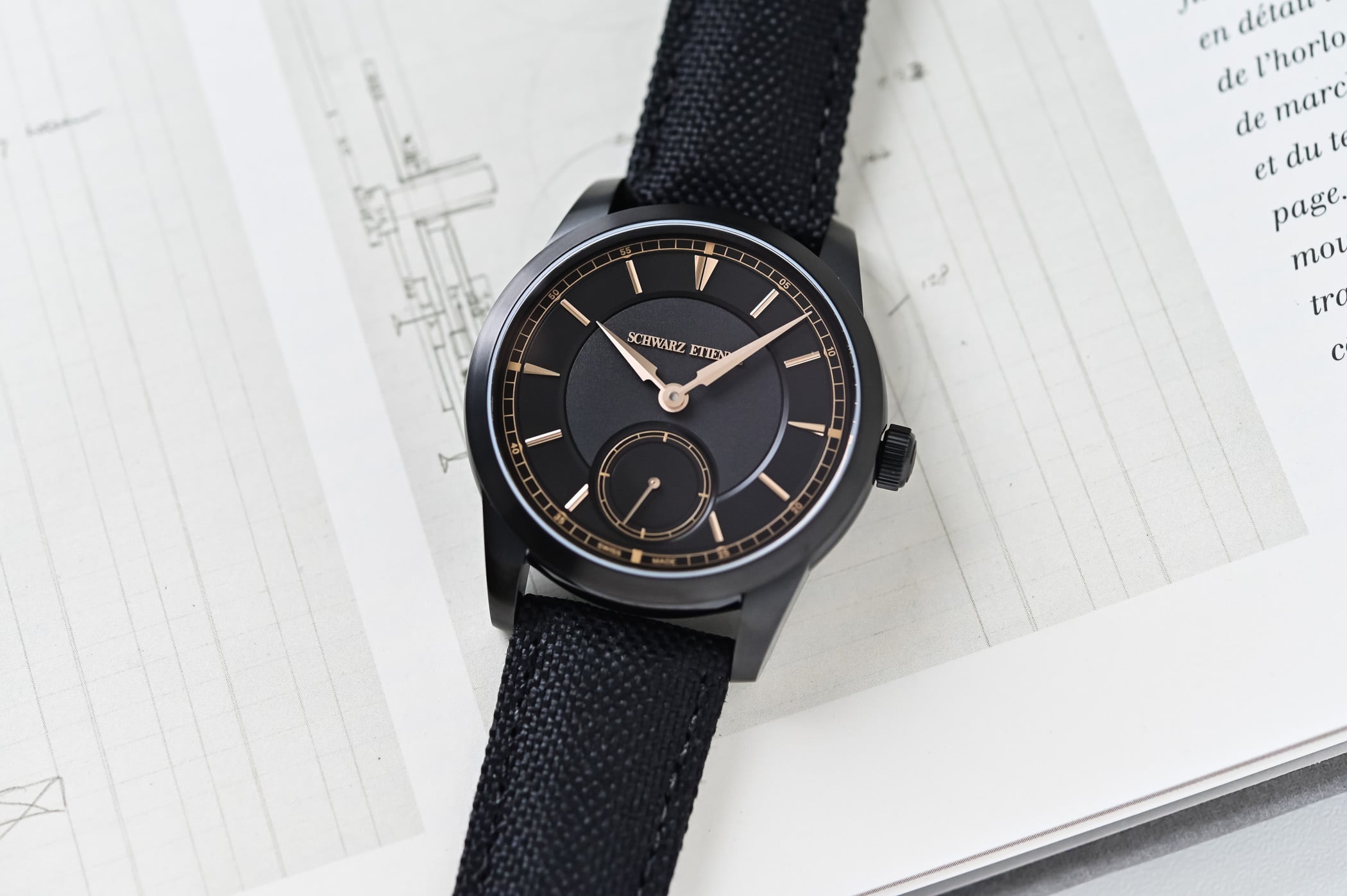
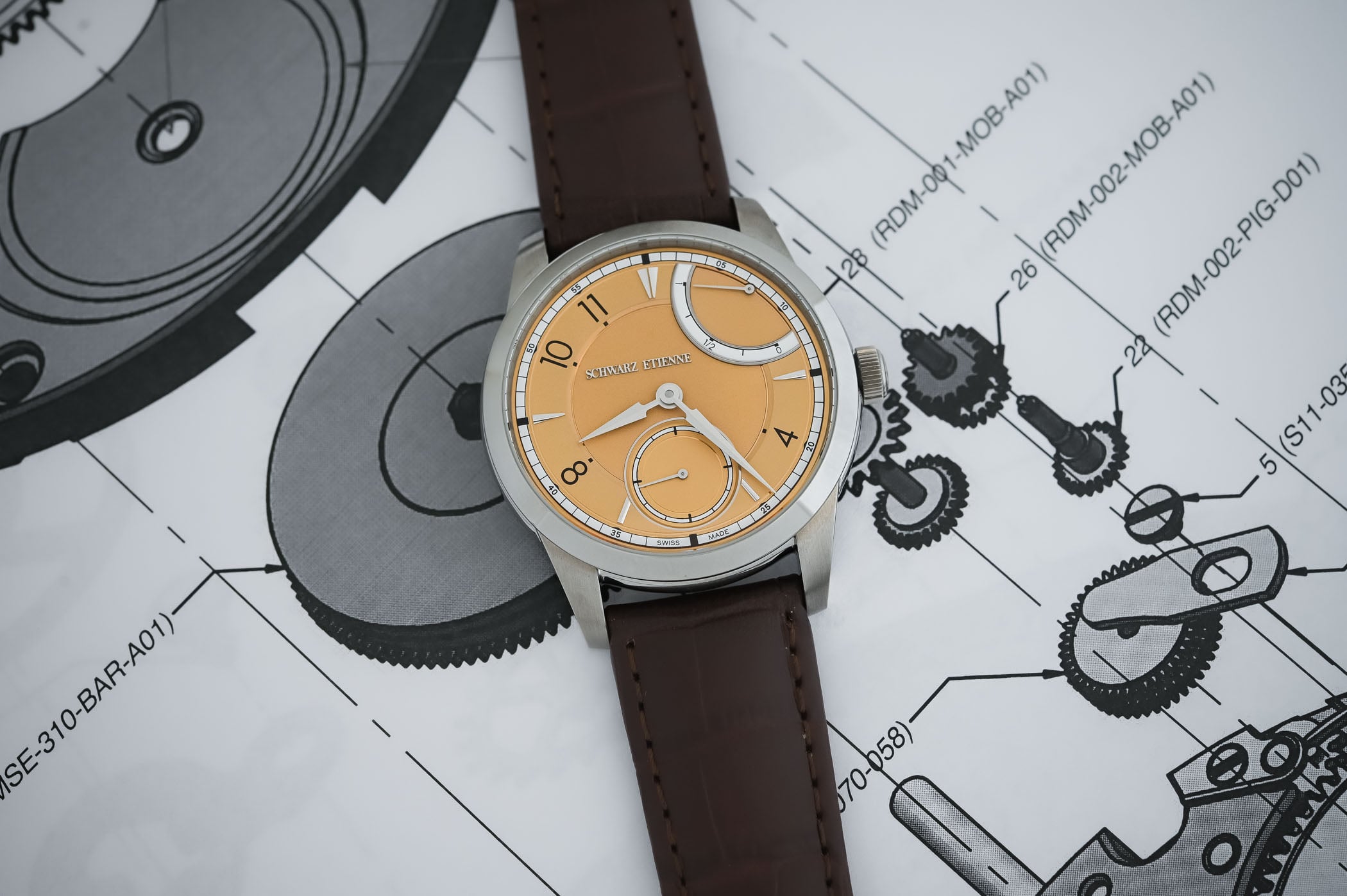
Schwarz Etienne’s 1902 collection has evolved through a broad range of interpretations, including the Petite Seconde, Power Reserve and GMT models, all united by the Manufacture’s focus on in-house movement development and production in La Chaux-de-Fonds. The collection is a platform for trying out different functions and dial configurations while retaining its distinctive contemporary design […]
 Video
Video
Breitling has debuted a new 500-piece Navitimer B09 Chronograph 41 Tribute to Miles Davis limited edition. So what? (Miles Davis pun.) Well, stick around till the end of this review, and you’ll find out why, if you?...
 Fratello
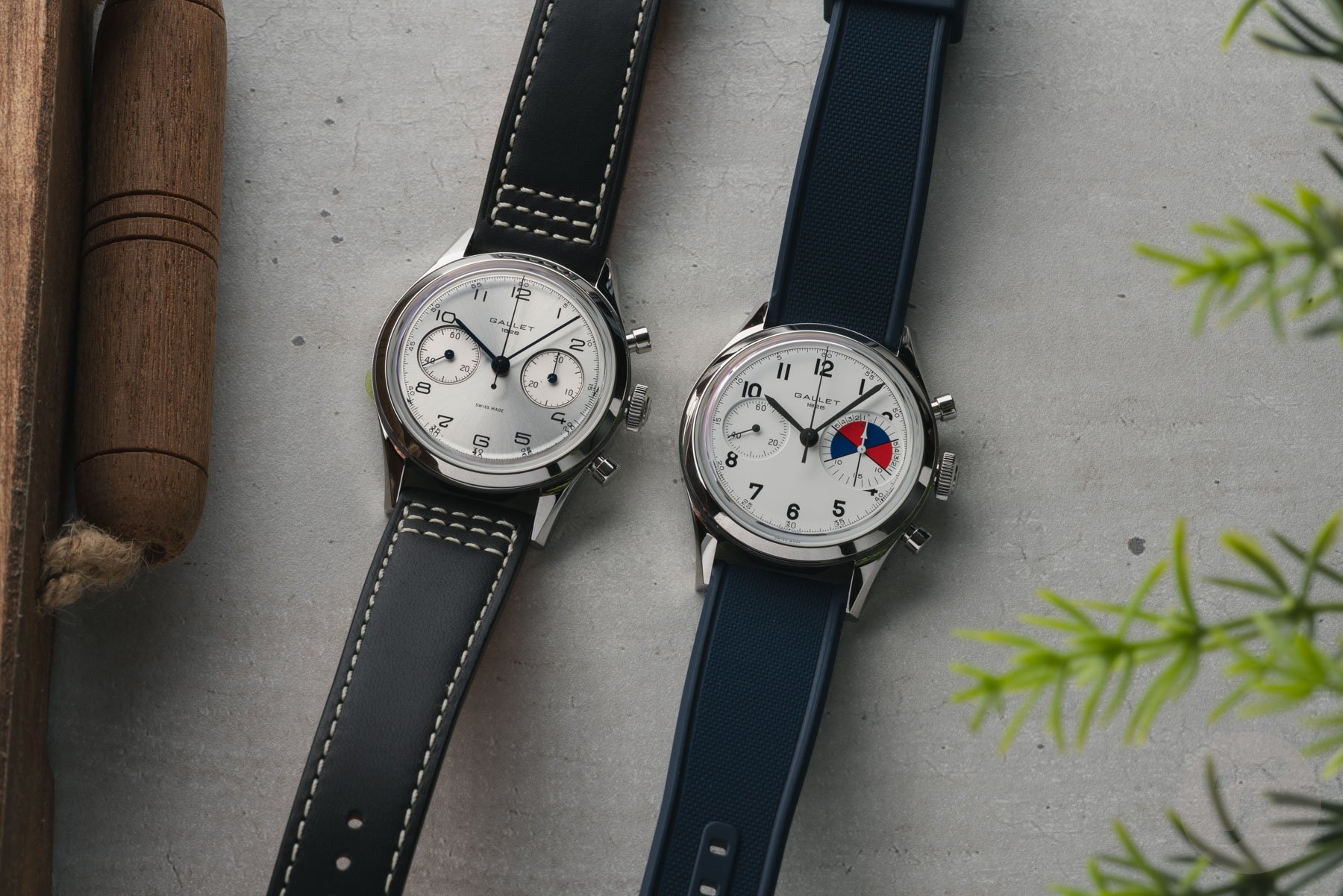
Gallet is returning to the watch industry in 2026, exactly 200 years after its founding in La Chaux-de-Fonds. The historic Swiss name returns as a sibling brand to Breitling, which will manufacture the new watches and provide the infrastructure behind them. The relaunch centers on four collections — Flying Officer, Multichron Pilot, Multichron Sport, and […] Visit Gallet Returns For Its 200th Anniversary With Four New Watch Collections to read the full article.
 Hodinkee
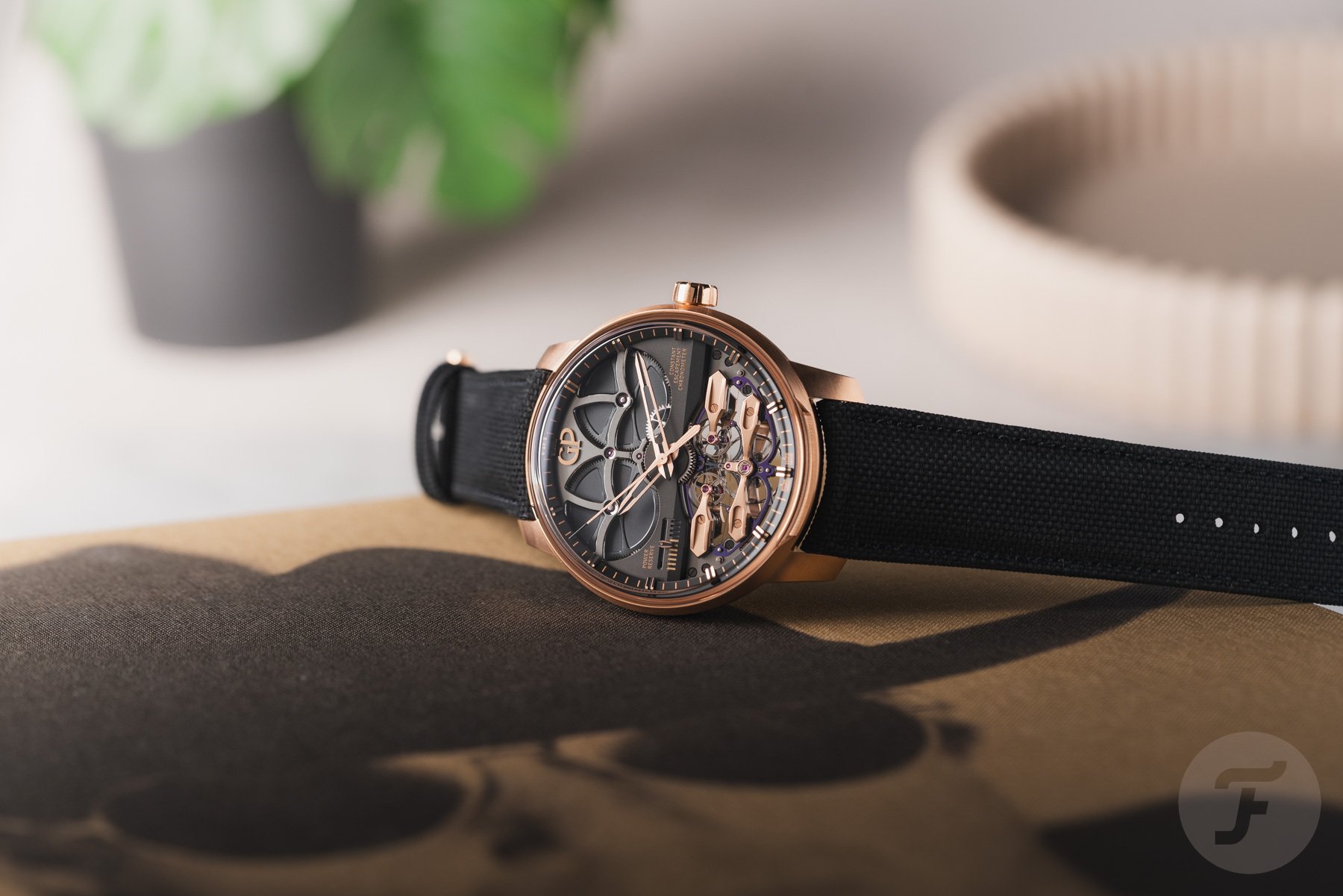
What We Know Unveiling four new calibers in just 12 months, Girard-Perregaux has been rather busy lately. The La Chaux-de-Fonds-based marque celebrated a half-century of its Laureato model last year, with the introduction of the Laureato Fifty, including two-tone and Three Gold Bridges Tourbillon models. GP followed that up in 2026 with the Laureato Fifty becoming a permanent part of the model line and the introduction of 39 millimeter and 36mm models, showcasing the historic integrated bracelet watch design first introduced in 1975, as well as the signature bridges and grand feu enamel and precious metals dials at the heart of the brand's savoir-faire. Today, GP is introducing yet another Laureato, the Fifty Tourbillon micro-rotor in 39mm, aiming to bring together key design and mechanical elements defining Girard-Perregaux over its 235-year history. The Fifty Tourbillon is housed in a stainless steel case measuring 39mm in diameter and a svelte 10mm thick, with a matching integrated bracelet in the same metal offering 4mm of micro-adjust capability. Available in two Clous de Paris motif dial versions, a blue grand-feu enamel, or 18 karat rose gold, the watch features and celebrates classic Laureato and GP elements. The signature is the 'lyre-shaped' tourbillon at 6 o'clock supported by white gold, arrow-shaped bridges that draw on the brand's historic three-bridge design first produced by Constant Girard back in 1867. The relatively restrained dial features lumed...
 Fratello
Why use a traditional, coiled balance spring when you can use a 14-micron-wide and 120-micron-“thick” silicon blade instead? With the latter, Girard-Perregaux set out to overcome the inherent challenge of fluctuating power delivery in mechanical watches. The goal for the 235-year-old Swiss watchmaker from La Chaux-de-Fonds was to achieve consistently superior precision. The quest involves […] Visit Hands-On With The Girard-Perregaux Neo Constant Escapement — Could We Catch The Purple “Butterfly” Inside? to read the full article.
 Monochrome
Headquartered in a beautiful century-old villa in La Chaux-de-Fonds, Switzerland, the fascinating watch brand Schwarz Etienne is your typical independent watchmaking company. The company’s origins date back to 1902, when founding husband-and-wife Paul-Arthur Schwartz and Olga Etienne got married. From then on, the company would grow continuously, with the descendants of the founding duo also […]
 Hodinkee
What We Know Swiss sport isn't limited to just skiing, soccer, and ice hockey. The Alpine nation is a tennis force. Besides the GOAT himself and Rolex testimonee extraordinaire Roger Federer, Switzerland has produced Grand Slam champs Martina Hingis and Stan Wawrinka; the Swiss team won the Davis Cup in 2014, while current WTA player Belinda Bencic took home singles gold at the Tokyo Olympics. The global center for fine watchmaking is also a hub for tennis greatness. And with that in mind, Zurich's Maurice de Mauriac is serving up the latest iteration of its tennis-themed Rallymaster series, the Rallymaster Swiss Tennis. A limited edition of 130 pieces in tribute to the 130th anniversary of Swiss Tennis is launching today at the Swiss Open in Gstaad. This isn't the first Rallymaster, that's for sure. Designed by California creative and keen-eyed collector Carlton DeWoody (with whom I once drove to Geneva from La Chaux-de-Fonds - but that's a story for another time), the sporty and practical Rallymaster has been produced in a slew of editions, taking inspiration from the Grand Slams, as well as modern tennis style and culture. With a brushed stainless steel case measuring 39 millimeters in diameter and 12mm thick, and 100 meters of water resistance, the Rallymaster is designed to take you just about anywhere, from the tennis court to the beach and beyond. As Tim Vaux recently revealed, Russell Crowe is a fan of lawn tennis, and a Wimbledon-themed Rallymaster III sits pro...
 Video
Video
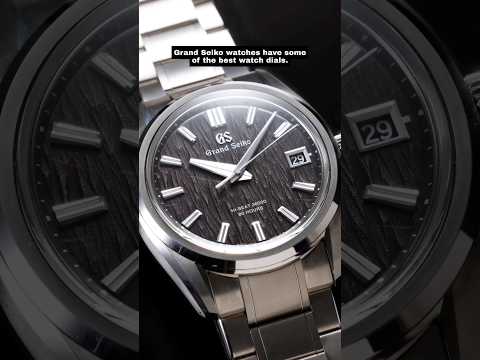
From nature-inspired textures to impeccable Japanese craftsmanship, Grand Seiko dials are some of the best in all of watchmaking. In this video, I explore seven stunning dials that showcase exactly why collectors can?...
 Hodinkee
Cartier has always chosen to tell time a little differently. From the first Santos wristwatch in a distinct square case, to its compelling mystery clocks, the unorthodox Tank à Guichet, the counter-intuitive Santos-Dumont Rewind, and the magic of the Masse Mystérieuse, it's a mainstream maison that has rarely approached the art of telling time by running with the pack. Roy Davidoff (left), a vintage watch dealer and expert, and Kari Voutilainen (right), the renowned independent watchmaker, were among the panel of judges tasked with ranking the unique projects submitted for the Cartier Prize for Watchmaking Talents of Tomorrow. That unique sensibility is at the heart of the Cartier Prize For Watchmaking Talents of Tomorrow. It's an accolade that's been awarded 28 times over three decades. But Cartier has rarely spoken about the initiative that began way back in 1995. For its latest edition, we were given a glimpse into the process in which watchmaking students from Switzerland, France, and Belgium were tasked with creating a timepiece based on the motion of a pendulum and the theme of "reading and understanding time differently." The resulting creations from 11 finalist watchmaking students, tasked with building a piece in just 80 hours over three months, displayed both technical prowess and artistic expression, conveying bold and surprising approaches to telling time within the Cartier design language. Prizes were awarded at a ceremony in La Chaux-de-Fonds at C...
 Hodinkee
What We Know TAG Heuer has said this is the year of the chronograph. In reality, for the storied brand from La Chaux-de-Fonds, that means it's the year of the Monaco. With a series of new releases for 2026, including updated versions of the core Monaco collection with an in-house chronograph movement and updated titanium case, as well as tweaked dial design and, most significantly, the innovative and bar-raising movement tech of the new Evergraf, TAG has leaned into the square-shaped timepiece that debuted back in 1969 and affirmed its position as the brand's flagship and iconic model. So for the Formula 1 Louis Vuitton Grand Prix de Monaco 2026 this weekend, it shouldn't be a surprise that TAG is unveiling a new limited edition version of the Monaco to mark the occasion. The surprise here is that it isn't a chronograph. Rather, it's a time-only jump hour, utilizing the noted Spin Time movement from fellow LVMH property La Fabrique du Temps. It's called the TAG Heuer Monaco Speed 12, and it is certainly a unique and unprecedented interpretation of the mighty Monaco. Measuring 40 millimeters in diameter, the brushed case is made of grade 5 titanium, with the crown on the right rather than the left, which is now obligatory on the Monaco chronograph. It features a sapphire crystal on both sides, meaning the skeletonized case is effectively transparent outside of the dial architecture at the center. The design inspiration here is a 12-cylinder combustion motor, and the ...
 Hodinkee
What We Know Last September, Girard-Perregaux released the Laureato Fifty, a 200-piece limited edition marking the collection's 50th anniversary. Continuing to build on that, the La Chaux-de-Fonds manufacture has announced four new Laureato references today, in 36mm and 39mm sizes. All four share the same octagonal case and GP4800 movement—the 39mm options are a rose gold-toned 18k dial with Clous de Paris motif and date display, and a deep blue in-house enamel dial over the same pattern. The 36mm gets the same rose gold-toned dial minus the date, and a silver-toned Clous de Paris dial with a gem-set bezel carrying 64 brilliant-cut diamonds totaling approximately 0.55 carats. Everything comes on a steel integrated bracelet with a triple-folding clasp and 4mm micro-adjustment. Water resistance is 150 meters. The GP4800, first introduced last year, is an automatic movement running at 4 Hz with a 60-hour power reserve. Its architecture draws from GP's Three Bridges lineage, with the balance bridge crafted in rose gold. All four are available now, with pricing as follows: the 39mm blue enamel is $24,500; the 39mm rose gold-toned dial is $23,100; the 36mm rose gold-toned dial is $23,100; and the 36mm diamond-set is $24,200. What We Think When I covered the Laureato Fifty last October, my main critique was that GP had only offered a grey dial. That's now been addressed, with the brand offering a variety of options. Another improvement worth noting: the two-tone bracelet has be...
 SJX Watches
Phillips’ spring auction season heads east for The Hong Kong Watch Auction: XXII on May 30 – 31. In addition to a strong roster of complications from big brands, and interesting indies as usual, there is a strong showing from the more artistic side of watchmaking spanning gemsetting, enamelling, hand engraving, and wood marquetry. Lot 1010 – Jaquet Droz Magic Lotus Automaton Pierre Jaquet-Droz (1721 – 1790) was an extraordinarily skilled automata maker from La Chaux-de-Fonds, his most famous work being The Writer, which can write up to 40 pre-programmed characters, dipping his quill into an ink pot at intervals. Today, Swatch Group uses his name for métiers d’art watches and automata; this watch is both. The onyx dial adds lapidary into the mix. It is a two-train watch — turning the crown one direction winds the movement, while the other winds the animation, which is tripped by a button in the crown and runs for an unusually long four minutes on a full wind. The koi swims around the dial, moving its tail back and forth and dives slightly to pass underneath the floating foliage (which is made of gold). A floating lotus flower opposite the koi acts as a visual counterweight. The petals clutch a yellow sapphire — or is it a red ruby, or a blue sapphire? It changes as the flower passes under the leaves or dial. Finally, while the koi is cavorting around the dial, the dragonfly is hard at work keeping track of the movement’s 68-hour power reserve. That movement...
 SJX Watches
Jérôme Biard is good at keeping secrets. As chief executive of Roventa-Henex (Roventa), he needs to be. The historic manufacture in the sleepy Swiss village of Tavannes builds watches for dozens of watch brands — some are internet-native ‘micro-brands’ while others are historic names with 19th-century roots. Naturally, few of the firm’s customers choose to reveal this arrangement, preferring the unstated implication of in-house expertise. We went inside this secretive manufacture to see a different side of the Swiss watch industry. Roventa-Henex CEO Jérôme Biard in his office in Tavannes. A short history of Roventa-Henex To better understand Roventa, it’s worth examining the history of watchmaking in Tavannes, a small village in the canton of Bern just 16 km from Biel/Bienne. Watchmaking came to Tavannes relatively late — in the 1860s — nearly two centuries after the first Swiss watches were made. Despite its late start, Tavannes quickly became a major centre of industrial watchmaking in the 1890s when Henri Sandoz — with the backing of two prominent families from La Chaux-de-Fonds — opened an industrialised factory based on the American model of production, complete with the latest American machine tools. By 1905, Tavannes Watch Co.’s factory employed more than 600 workers, making it Switzerland’s third-largest watch factory after Longines and Omega. By 1914 its staff had doubled, and the factory was producing more than 3,000 watches per day. Tav...
 Video
Video
Counting down to showtime. In two years, LA28 will begin, and the world will unite for the Olympic and Paralympic Games. Following 1932 and 1984, this will be OMEGA’s third edition in Los Angeles as Official Timekee...
 Hodinkee
This week on The Business of Watches, we're in La Chaux-de-Fonds to speak to Pascal Béchu, who heads not one, but two Swiss watchmaking brands, Angelus and Arnold & Son. Pascal Béchu, the CEO of Angelus and Arnold & Son They're both specialized, low-production, high-horology watchmakers, with very different back stories. While Angelus is a historic Swiss brand known for its repeaters, chronographs, and long power reserve movements, Arnold & Son celebrates the work and innovation of one of history's most important (British) watchmakers, John Arnold. While quite different in their product and strategies, the two brands share the same parent company in Japan's Citizen Group, and both work closely with movement maker La Joux-Perret, with whom they share manufacturing and office space in La Chaux-de-Fonds. Pascal Béchu is in charge of both marques. He talks about the history and the future for both brands, some recent successes in the form of celebrity clients for Arnold & Son, and a GPHG prize for Angelus. He also discusses prices and the impact the strong Swiss franc and the soaring price of precious metals are having on corporate strategy and planning. And a quick bit of housekeeping, this conversation was recorded just before Watches & Wonders and the new novelties launched by both brands, including the Angelus 'Tinkler' quarter repeater, so these new watches are not discussed on the podcast. But first, we round up the latest business news with the most recent ...
 SJX Watches
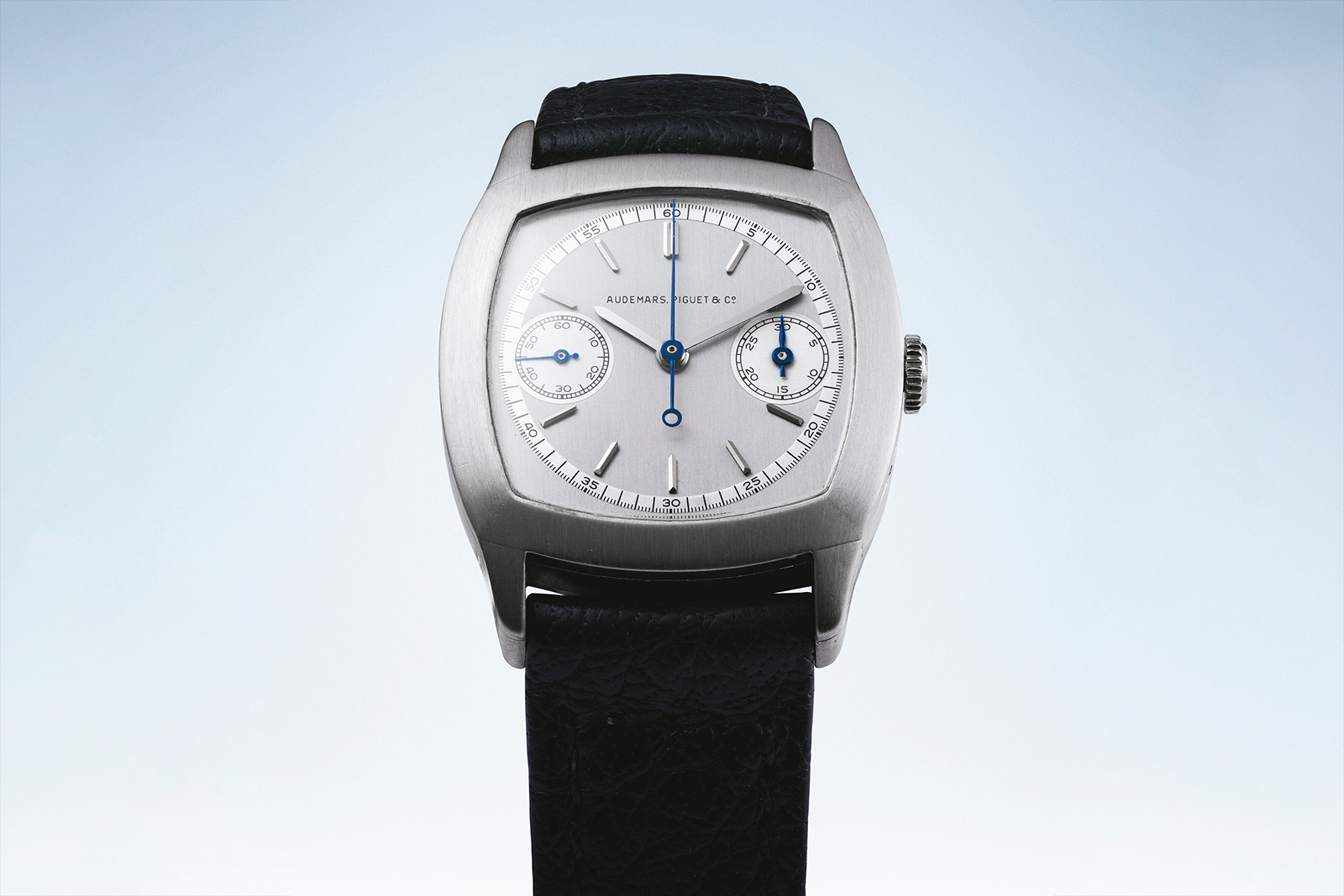
One of the highlights in Christie’s upcoming Geneva auctions taking place on May 11, 2026, is the Audemars Piguet “Coussin Tortue” single-button chronograph wristwatch, serial number 41’849. It is an exceedingly rare watch, being one of a batch of three examples that were the first ever chronograph wristwatches made by Audemars Piguet (AP). Moreover, the watch has been in the same family since new, and is consigned by a descendent of the original owner who bought the watch in 1943. Also notably is the fact that this watch has been comprehensively – but sympathetically and artfully – restored by AP. This “cushion turtle” wristwatch has a platinum case and two-tone, solid gold dial, while the movement is a LeCoultre, just like the others in the batch of three watches. The first of the three was in white gold, following by two in platinum, including this example. Interestingly, this watch was delivered to retailer Veuve Louis Goering in La Chaux-de-Fonds in 1937, but only sold six years later. The tepid demand for such watches perhaps explains why, according to Christie’s, AP made a total of six single-button chronograph wristwatch movements, but the remaining three were only cased and sold over a decade after this one. Restored perfectly Besides being extremely rare and also unexpectedly beautiful, this watch stands out for having been enjoyed “extensive” restoration at Audemars Piguet. Ordinarily restoration would be frowned upon, but the watch was pre...
 SJX Watches
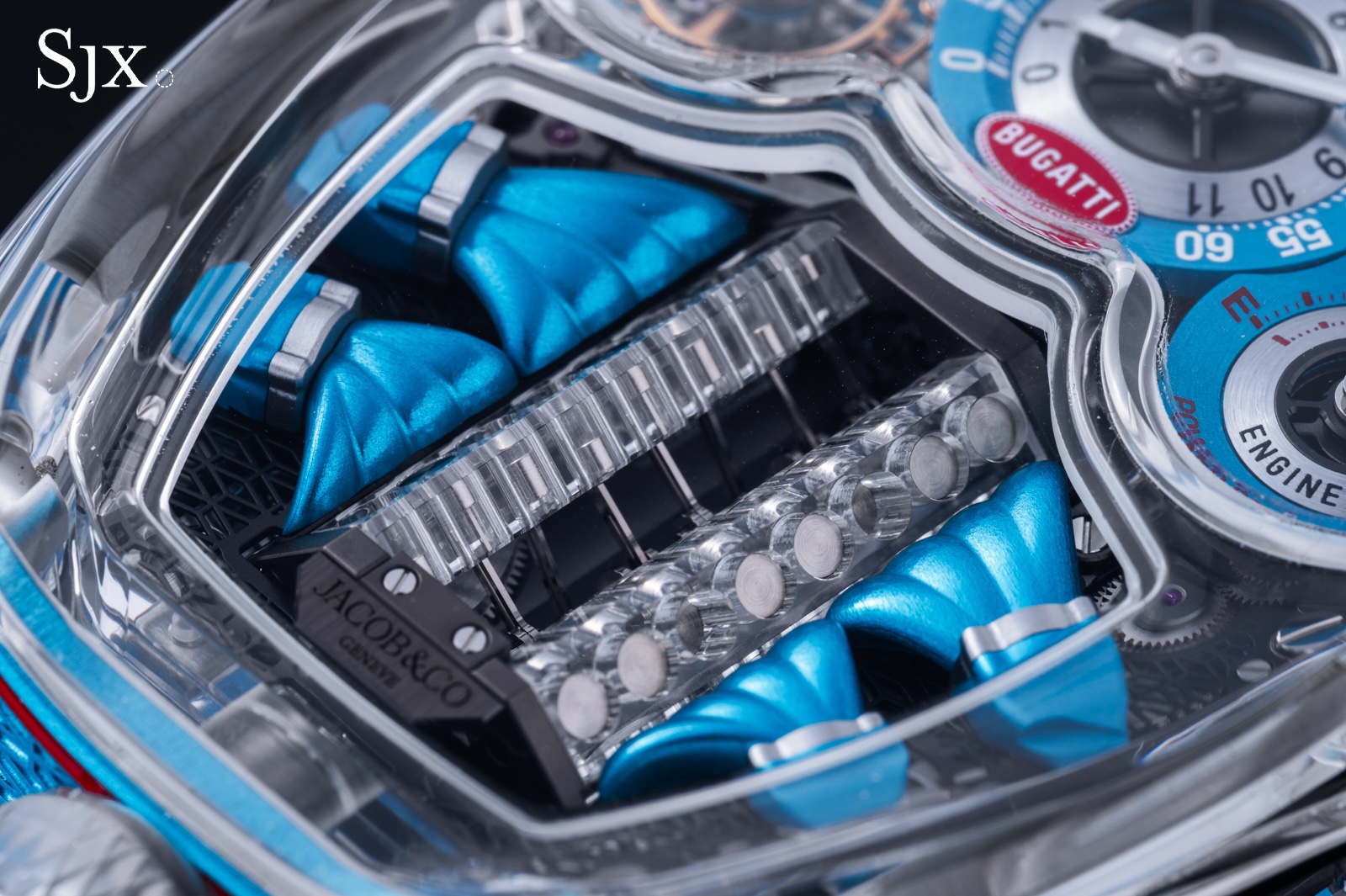
It is somewhat counterintuitive to think that New York-based jeweller Jacob & Co. is one of the fastest growing brands in the mostly stagnant Swiss watch industry. In fact, Jacob & Co. is now a watchmaker first and a jeweller second by turnover – watches account for 75% of the brand’s revenue today. This success is party due to the brand’s open-minded approach to movement making and the surprising (and often risky) projects it has produced, from the first 31-day wristwatch in 2006 to the world’s fastest tourbillon in 2026. One of Jacob & Co.’s specialties is dial-side automata - micro-mechanical sculptures that that can be activated on demand. Alongside the launch of the flagship Godfather II, Jacob & Co. expanded its range of automata watches with new sapphire editions of the Bugatti Tourbillon, a malachite-dialled Casino, and new editions of the provocative Oil Pump. The Bugatti Tourbillon Sapphire Jacob & Co. is not the first watch brand to collaborate with celebrated carmaker Bugatti, but the collaboration is more than a mere commercial tie-up. In fact, the two companies share a manufacturing partner - Concepto - a La Chaux-de-Fonds-based specialist in components and white-label movements. Bugatti enlisted Concepto to produce the fully analogue instrument cluster of its latest hypercar - the aptly named Tourbillon. This was a delightful return to tactility in a world of digital displays and ubiquitous touchscreens. This three-way collaboration contin...
 SJX Watches
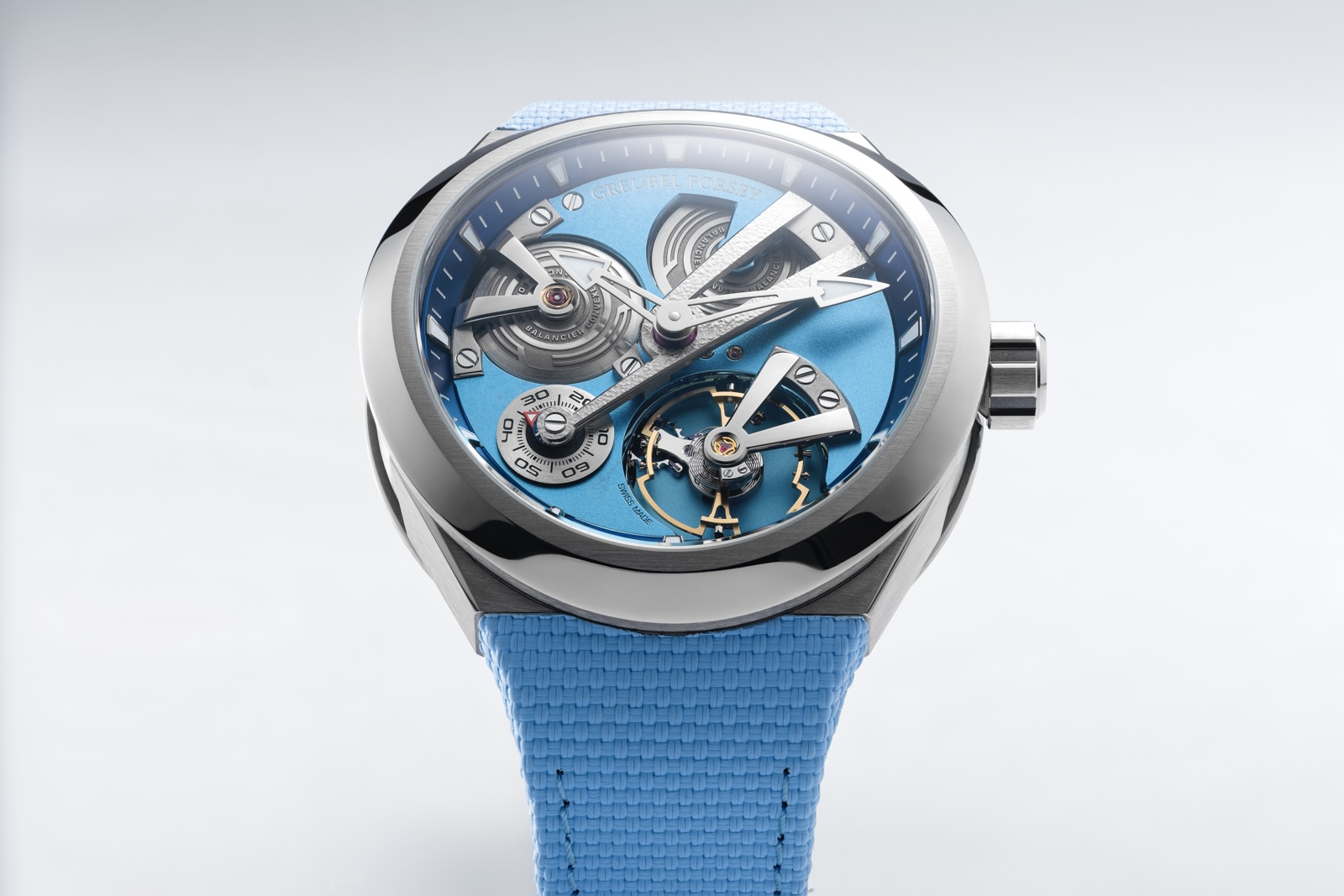
Greubel Forsey’s Balancier Convexe S² recently took its final bow, making way for the ‘baby blue’ edition of the Balancier 3. Positioned as the brand’s entry level model now that production of the the dressier Balancier Contemporain has concluded, the Balancier 3 is a 22-piece limited edition that introduces a novel finishing technique for the Y-shaped titanium bridge that transverses the dial. Initial thoughts For fans of sport watches who thought the end of the Convexe S² might be a signal that Greubel Forsey is backing away from its Convexe collection, the launch of a new - albeit limited - series of the Balancier 3 is welcome. The brand’s sporty case format debuted shortly before controversial tenure of former CEO Antonio Calce, who seemed to see the Convexe case as a vehicle for rapid growth akin to that of Richard Mille. But his efforts at scaling production ran into the immutable limits of hand craftsmanship. His ouster was followed by something of a return to form for one of the leading lights of La Chaux-de-Fonds, which subsequently backed away from some of the more simplified watches launched under Mr Calce. The Balancier 3 manages the difficult task of being a casual watch built with utmost dignity. While this is technically the brand’s entry level watch, and a sport watch at that, it is finished more thoroughly and to a higher level than most grand complications from the great houses of Geneva. If we’re splitting hairs - and at this price ...
 Monochrome
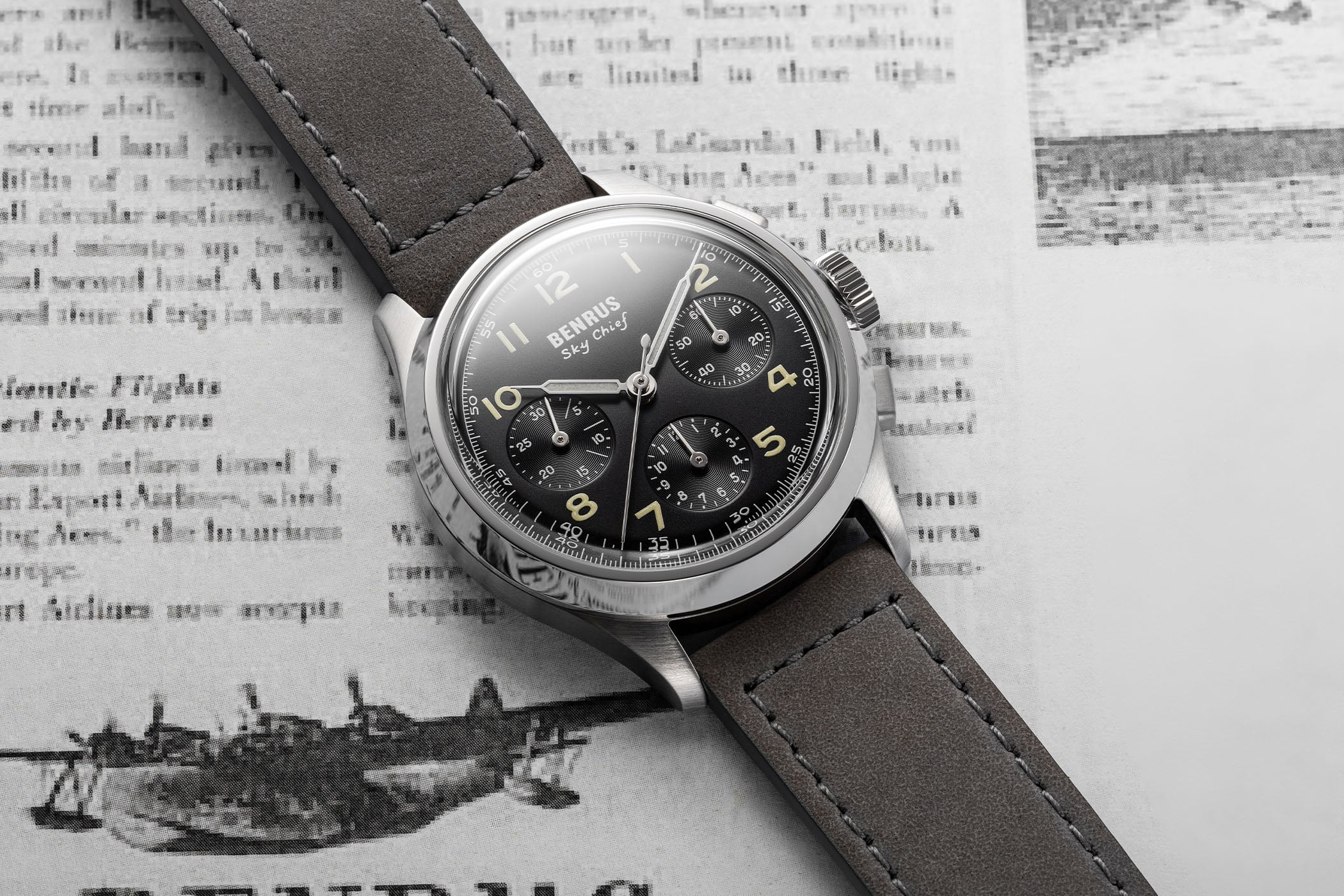
Founded in New York in 1921 by Romanian-born brothers Benjamin, Oscar, and Ralph Lazrus, Benrus relied on Swiss production, centred in La Chaux-de-Fonds, and during the 1930s and 1940s, it became known for its pilots and military watches. Early models such as the Flyer and Airman were popular among the airline pilots, helping establish the […]
 Video
Video
Probably the best part of wearing and collecting GREAT watches is the fact that you do not need thousands of dollars to do so: Today, we’re looking at affordable icons all under $500 that you’ll actually wear and...
 Worn & Wound
One of the most useful watch complications in horological history is also one of its most forgotten. The ring of a mechanical alarm may seem like a lost artifact, like a rotary phone dial or a manual transmission, all once the necessities of 20th century civilization. And yet, functionality of a settable and mechanical-winding alarm into the tiny confines of a wristwatch is an impressive mechanical feat, one underrated among dive bezels, world timers, pulsations scales, and tachymeters. The alarm watch was meant for the everyman, whether they’re travelers, titans of industry, or merely early risers. Just like there is appreciation for a watch’s ability to do more than just tell time, there is the aural sensation for a watch to produce something more for the senses than just sight. Eterna was the first to patent an alarm caliber as early as 1908, eventually introducing an alarm wristwatch in 1914 at the Swiss National Exhibition in Berne. It was an impressive achievement, but it wouldn’t last: there was the problem that the alarm could only sound for less than 10 seconds, barely enough to rouse a moderate sleeper, as well as the fact that when the alarm was set, accuracy suffered. However, the Eterna did achieve something significant: it spurred Vulcain, in nearby La Chaux-de-Fonds, to begin developing its own alarm mechanism in 1942. The resulting Vulcain Cricket, debuting in 1947, fixed its predecessor’s shortcomings: namely, separate barrels for the alarm s...
 SJX Watches
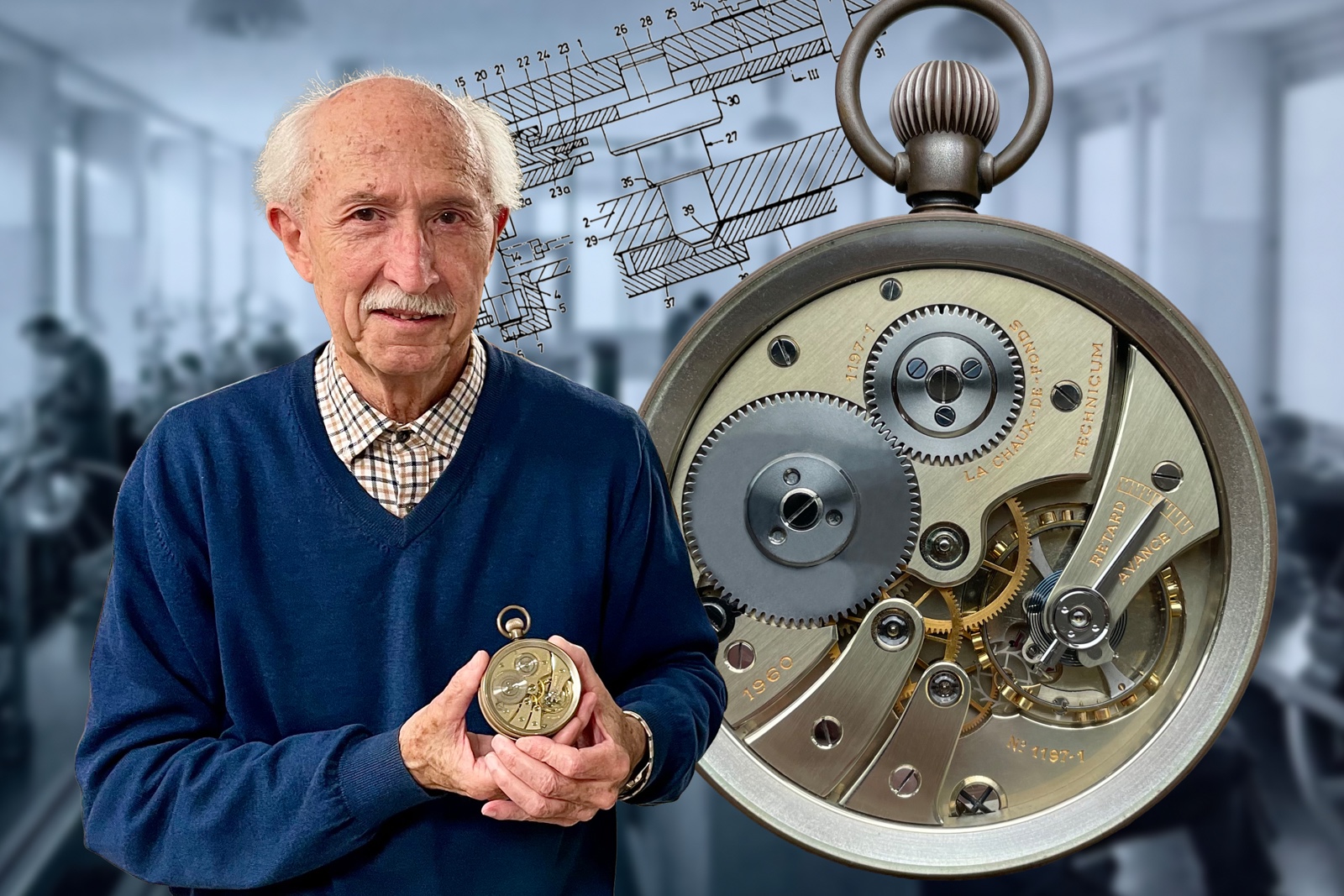
Nestled in the Jura Mountains, La Chaux-de-Fonds has been a cradle of Swiss watchmaking ever since its watchmaking school, the Technicum, opened in 1865. For aspiring watchmakers, the climax of their training was traditionally the creation of a montre école – or what’s known as a school watch. This is the story of Hugues Bürki, a Technicum alumnus, who built what would become a record-breaking school watch, and who would later make horological history as a movement engineer. Hugues Bürki. Image – author The Technicum The watchmaking school of La Chaux-de-Fonds was founded in 1865. In its early days, the school occupied rooms inside the modestly named ‘Technicum’, a local vocational-technical school. By 1885, the school’s own building had been inaugurated, yet the name Technicum stuck. In 1933, in the wake of the global economic crisis, the nearby watchmaking schools in La Chaux-de-Fonds and Le Locle were merged to form the Technicum Neuchâtelois. The Technicum in the 1960s. Image – author It demands attention that both divisions of the Technicum Neuchâtelois had a particularly strong focus on high-precision chronometry at the time compared to other watchmaking schools in Switzerland, which specialised in other domains, such as the construction of complications and traditional finishing techniques. In fact, some of the innovations in chronometry we associate with brands like Longines can actually trace their roots to the Technicum Neuchâtelois, including...
 Monochrome
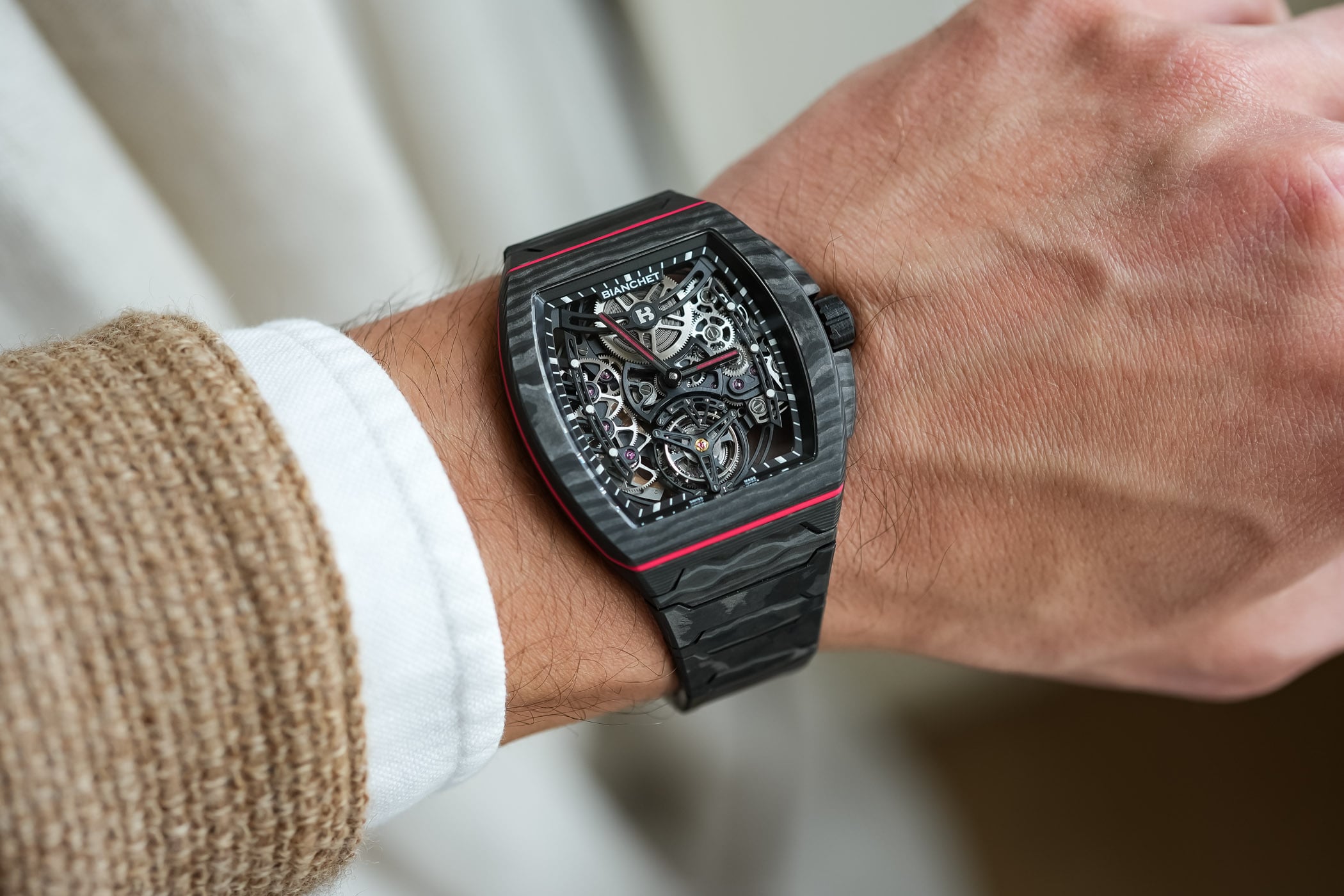
Founded in 2021, Bianchet is a young independent brand based in La Chaux-de-Fonds, Switzerland, specialising in contemporary tonneau-shaped timepieces that merge advanced materials with architectural mechanics. The brand’s designs are rooted in the Golden Ratio (1.618), which influences the proportions of its cases, bridges, and even its rotors. Last year’s model B 1.618 UltraFino Carbon […]
 Monochrome
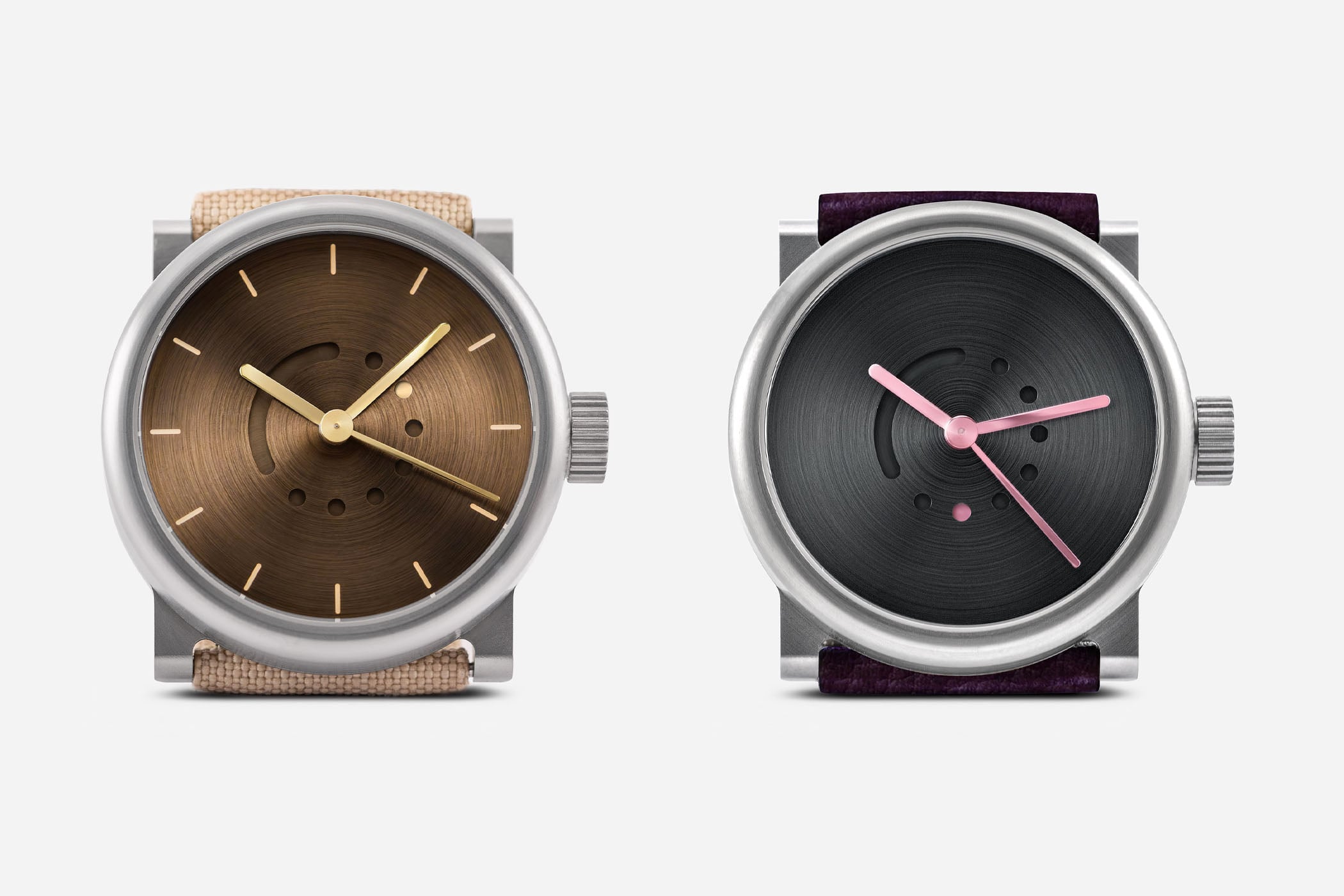
Simple solutions to complex problems could well be Dr Ludwig Oechslin’s overriding philosophy. Former curator of the Musée international d’horlogerie in La Chaux-de-Fonds, Oechslin studied archaeology as an undergraduate and obtained a PhD in Philosophy – with a scholarship to study theoretical physics and astronomy – and became a Swiss master watchmaker in 1983. Bringing […]
 Teddy Baldassarre
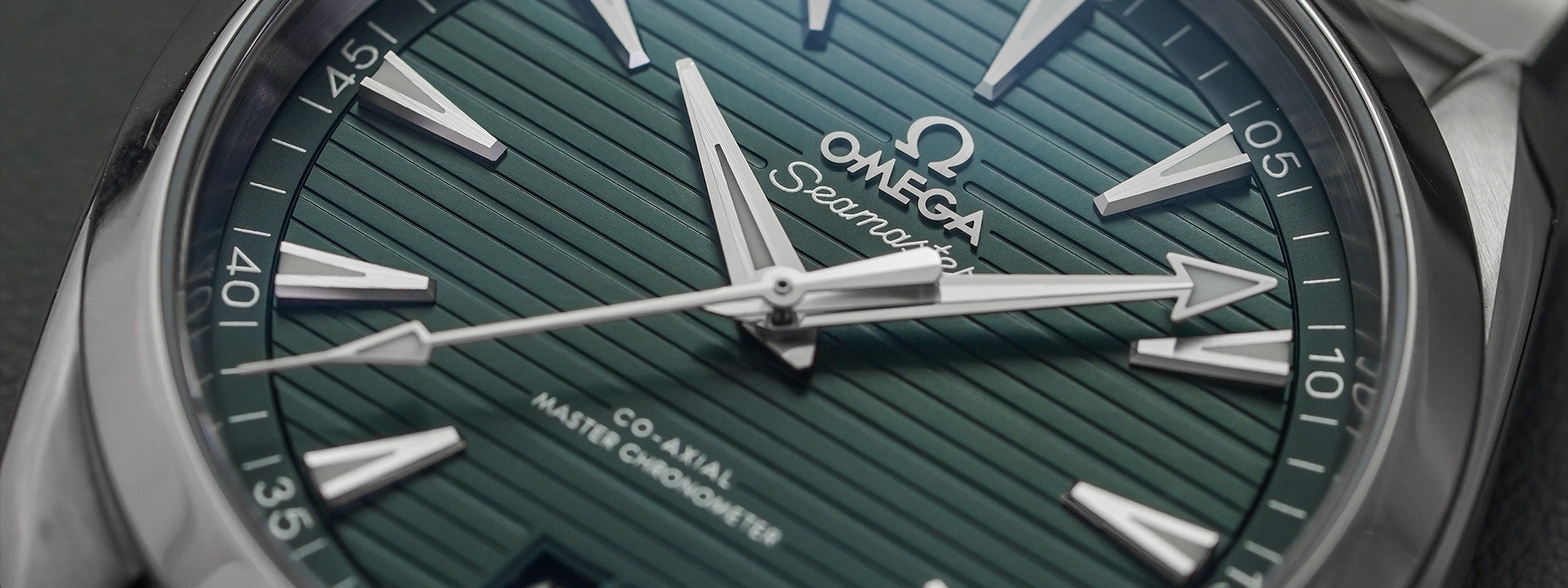
What is a Co-Axial Movement? More specifically, what is the now-famous Co-Axial Escapement that has become a standard feature on most all Omega watches? In short, it's both a radical concept by one of the modern era's most revered watchmaking geniuses and the culmination of a Swiss watch brand's longtime dedication to improving watchmaking accuracy. Here is the story of Omega's co-axial movements. [toc-section heading="Early Omega Movements"] While it is best known these days for its signature watch models, like the Speedmaster “Moonwatch” and the James Bond-worn Seamaster, Omega has also been a pioneer in movement-making since nearly the beginning. The company was founded in 1848 by 23-year-old watchmaker Louis Brandt (with family, above) in the Swiss village of La Chaux-de-Fonds. Originally called La Genérale Watch Company, and eventually renamed Louis Brandt et Fils after Brandt’s sons joined the business, it originally produced key-wound pocket watches from parts supplied by local artisans, After the growing company moved from La Chaux-de-Fonds to the more bustling town of Bienne, in the Swiss Canton of Bern, it pioneered a series of industrial watchmaking techniques and also began making its own in-house movements. The first one, called the Labrador, launched in 1885 in a now-legendary series of pocket watches. Nearly a decade later, in 1894, came the company’s chef d’oeuvre, the 19-ligne Omega Caliber, which was notable at the time for its enviable acc...
 Video
Video
From vibrant dials and retro reboots to budget-friendly GMTs and high-end complications, today’s video explores 10 incredible luxury watches every collector must see, featuring standout timepieces from Rolex, Omega,...
Question, suggestion, or just want to say hi? Drop a note.