 SJX Watches
In-Depth: The Microscopic Magic of H4, Harrison’s First Sea Watch
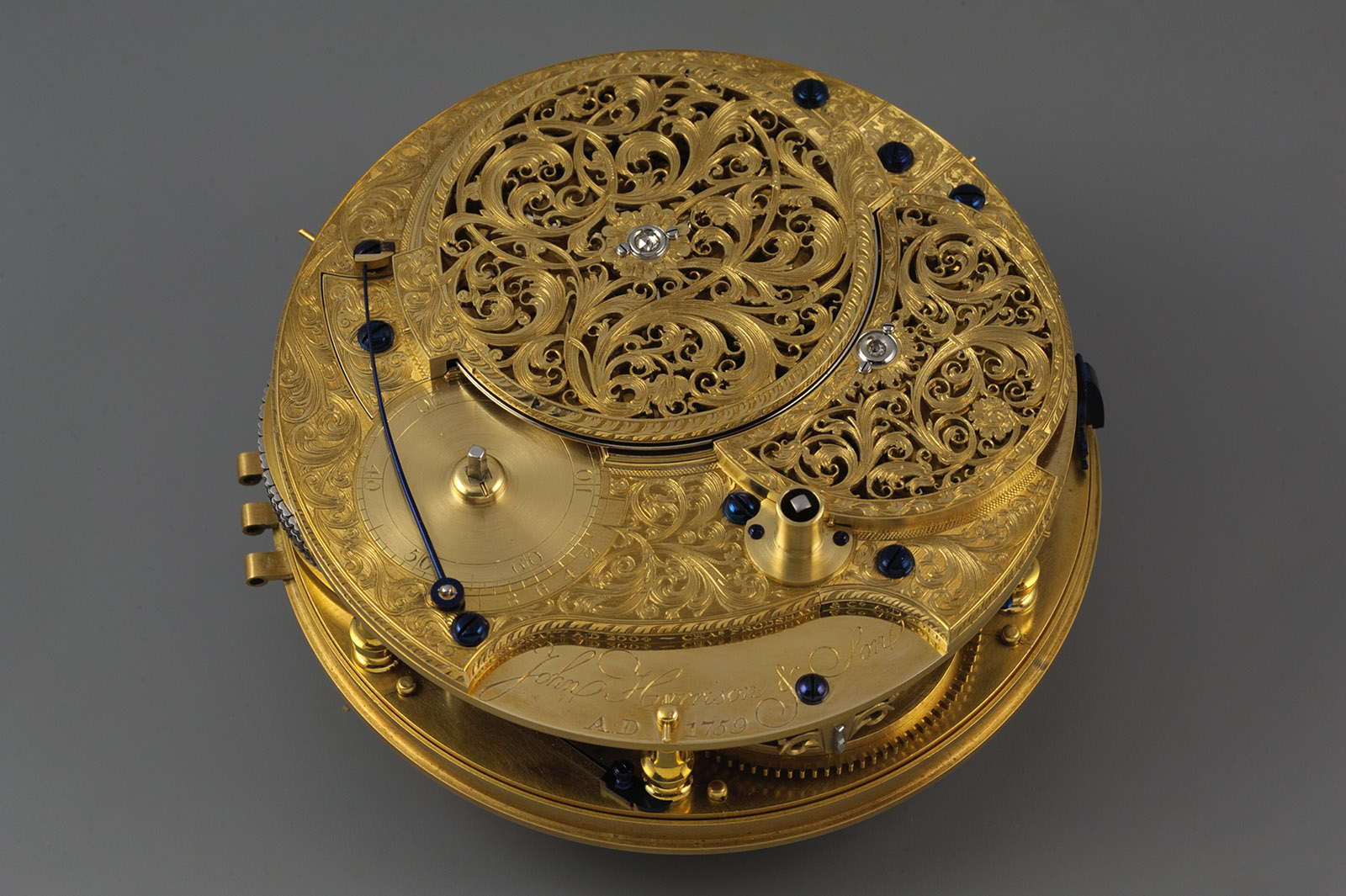
One can understand the opacity of the first published analysis of John Harrison’s first sea watch, colloquially known as H4 and the forerunner of the marine chronometer, in The Principles of Mr Harrison’s Time-keeper. Edited by the British Astronomer Royal Nevil Maskelyne, it was published by the British government in 1767; and hereafter referred to as Principles. Principles was both incomplete of enough information to allow the duplication of the watch, which Harrison (1693-1776) started in 1755 and finished in 1759, and contained somewhat incoherent description that only makes sense a posteriori after examination of the watch. ‘Principles of Mr. Harrison’s Time-keeper’ Amazingly, it was one hundred years later the next review took place. I can echo Harrison M. Frodsham’s comments in his review in Horological Journal of May 1878 when he said, “Former explanations taken from Harrison’s description are necessarily unsatisfactory, as his was very obscure, probably purposely so.” Although this may be dismissed as 19th Century gossip by some scholars, this may have arisen in part to protect any military advantage, given the importance of H4 to maritime navigation. Considering H4’s historical performance, it is odd that the otherwise comprehensive A Treatise on Modern Horology in Theory and Practice (2ndedition) by Claudius Saunier, published in 1887, barely mentions Harrison and certainly not H4’s technical content. Perhaps it was because it was so quic...