 Hodinkee
Inside The Manufacture: The Zenith Manufacture's Hidden History
A visit to Zenith in Le Locle, and the most famous attic in Switzerland.
42,018 articles · 284 videos found · page 71 of 1411
Hodinkee
A visit to Zenith in Le Locle, and the most famous attic in Switzerland.
 SJX Watches
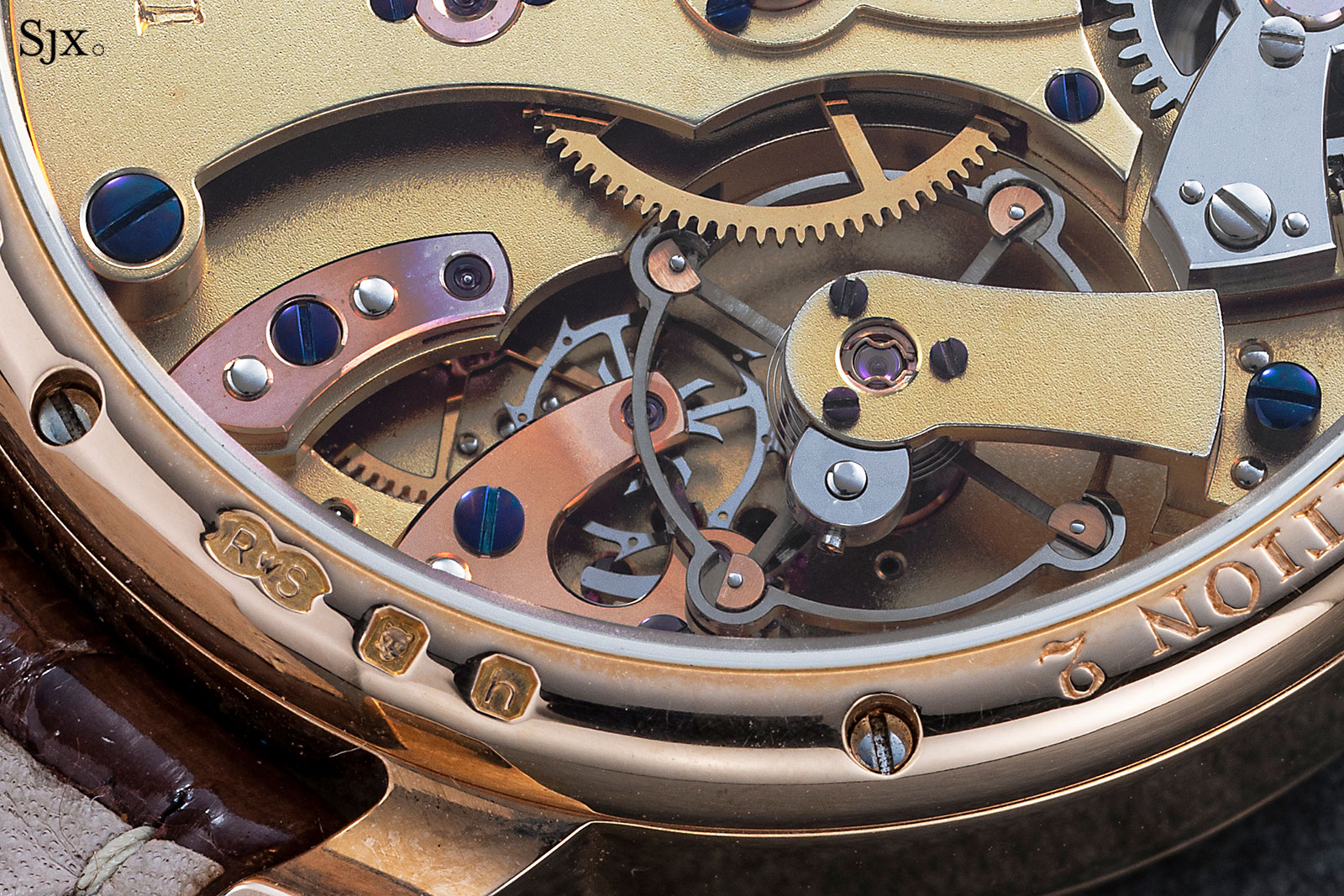
Just over two weeks ago the annual George Daniels lecture took place at the City University of London, an institution supported by the late watchmaker’s charitable trust. This year’s speaker at the sold-out event was none other than Roger W. Smith, protege and successor to Daniels. Just over an hour long, including questions, the lecture is erudite, accessible and packed with nerdy trivia, like the fact that a movement running at 28,800 beats per hour will make 252,288,000 vibrations per year. Roger explained the history and rationale behind the mechanical watch, and how watchmakers are working to improve it even today. That naturally led into the lubrication-free co-axial escapement invented by Daniels (pictured above), which Roger delves into in a satisfyingly detailed manner, like comparing the sliding friction of a lever escapement against the tangential impulse of the co-axial. Fortunately, the entire proceedings were recorded and are now available online:
 Hodinkee
A thoughtful primer to help you better understand just how bad you might need that vintage Rolex.
 Hodinkee
One man's five-volume quest to document the Illinois Watch Company.
 Hodinkee
Spotlighting superb vintage watches from around the web.
 Hodinkee
We're back with your weekly dose of vintage watch finds from around the web.
 Revolution
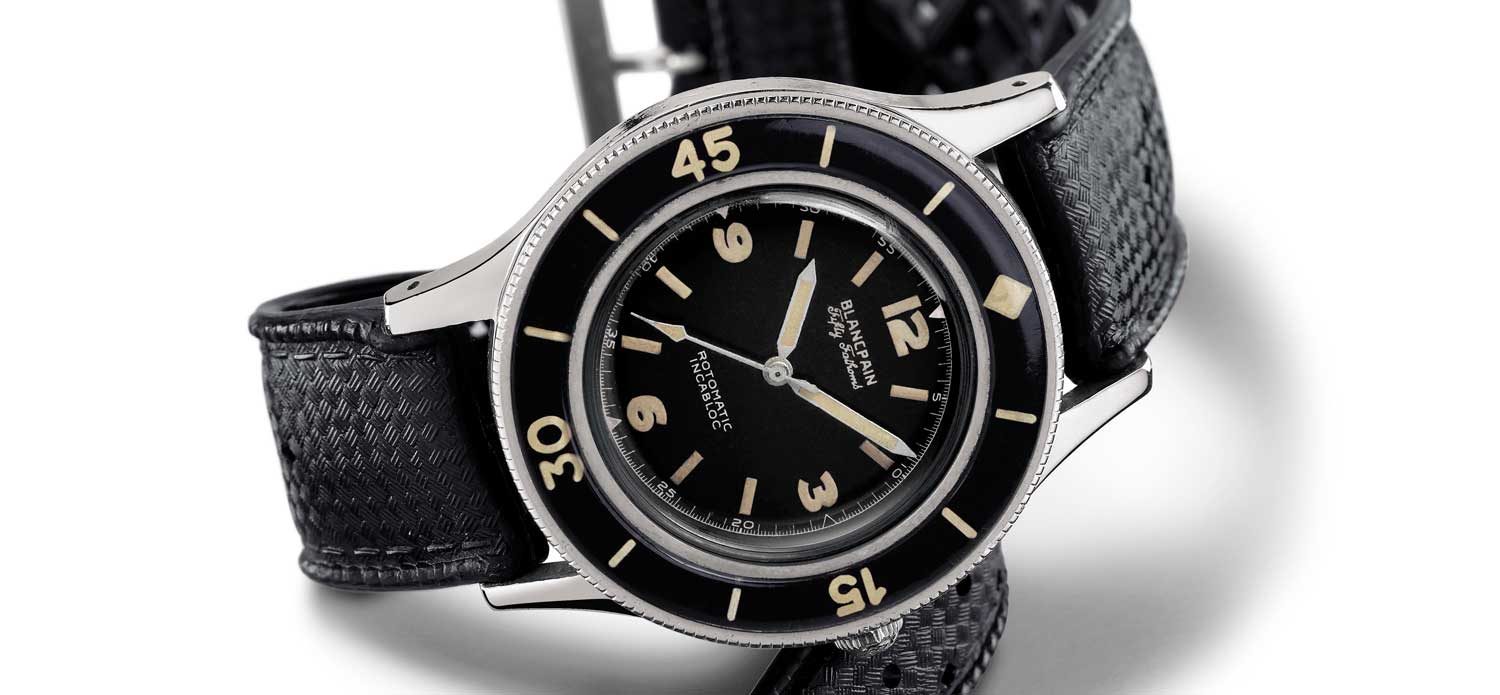
In the unforgiving depths under the sea, the dive watch has but one function: to determine when you must turn back, or never at all.
 Hodinkee
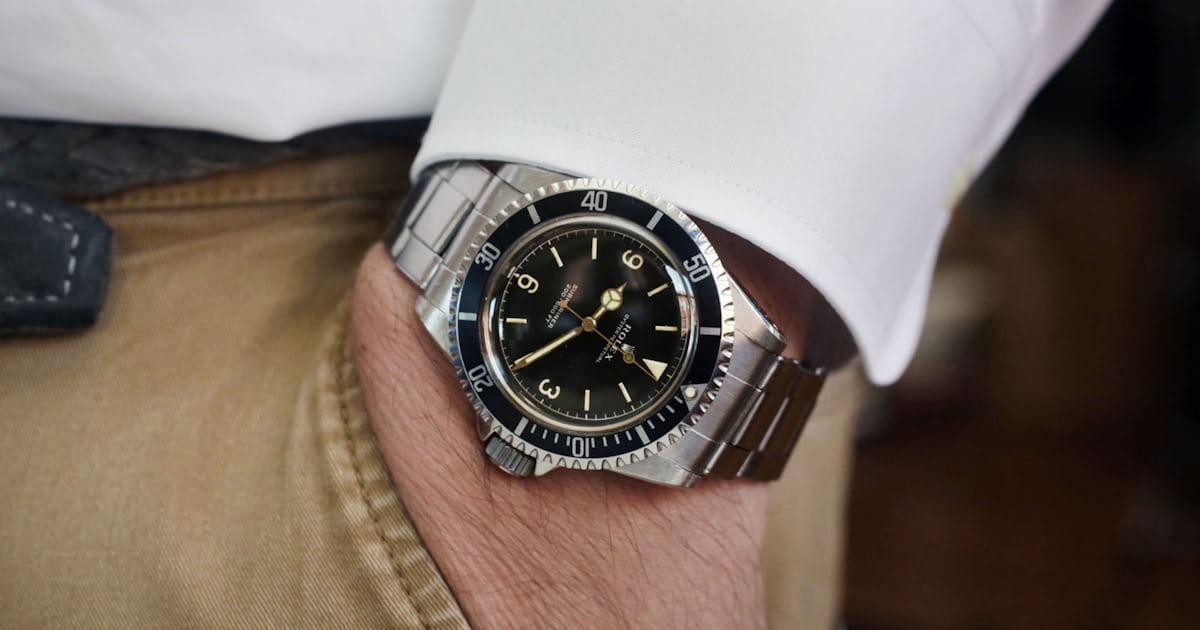
In vintage Rolex collecting, what you see may not be what you get.
 Hodinkee
Another Friday, another selection of great watches from around the web.
 Hodinkee
The annual VRF get-together at Fourtane Jewelers rides again.
 Hodinkee
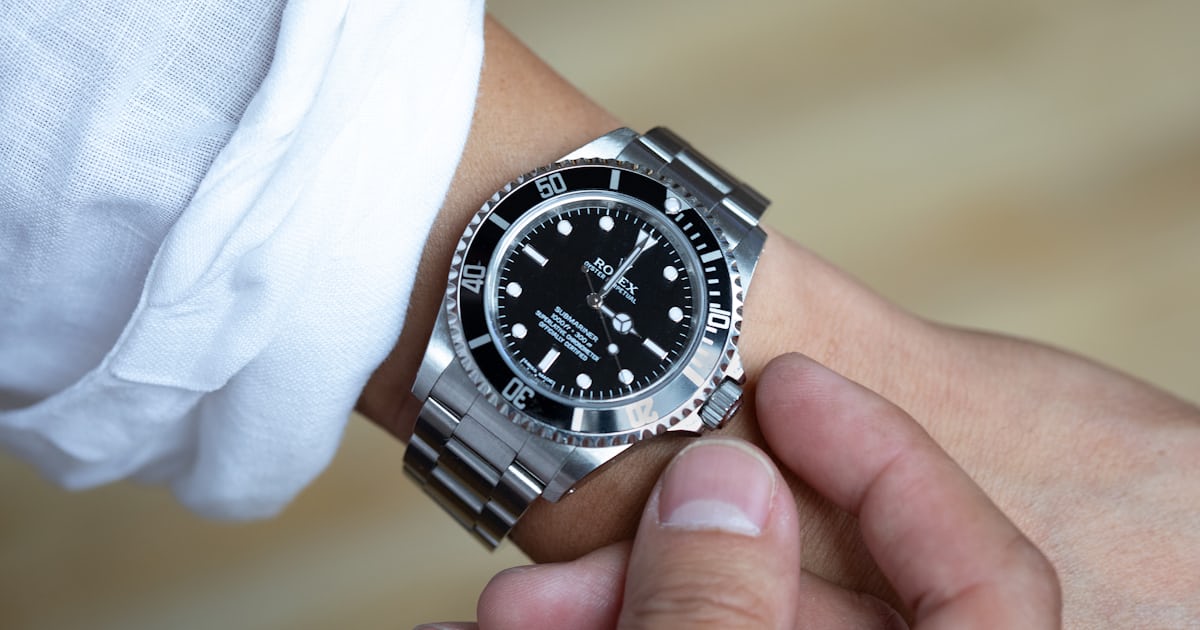
"At the tone, the time will be ... "
 Revolution
James Ragan, former NASA engineer and the man behind the watch that went to the moon, shares ten anecdotes on the 50th anniversary of the moon landing.
 Revolution
Revolution founding editor Wei Koh’s detailed, retrospective guide to the perpetual calendar movements of the exclusive Swiss maison.
 Hodinkee
Another Friday, another round of watches from around the web.
 Revolution
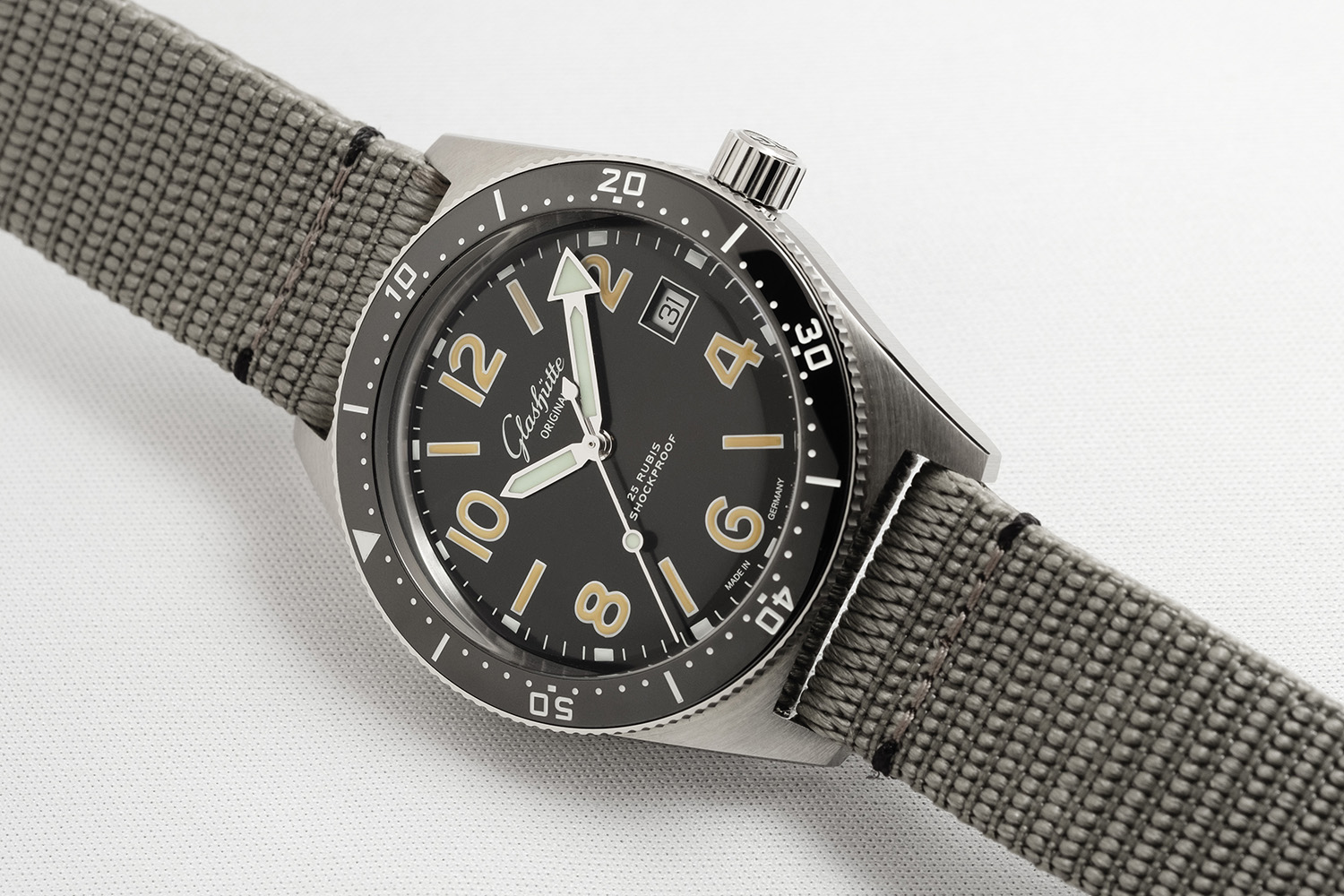
The SeaQ, Glashütte Original’s new watch for 2019, revives an old icon from 1969 and expands it into a full collection.
 Hodinkee
This week's round-up of vintage watches from around the world.
 Hodinkee
You come to me on the Datejust of my daughter's wedding?
 Deployant
Ever wondered what are the top 3 best selling Casio G-Shock watches? Now you don't have to wonder. Here are the top 3 best sellers from G-Shock.
 Revolution
Raymond Weil launches a new wristwatch dedicated to the achievements of the “Father of Loud”, Jim Marshall.
 Deployant
Patek Philippe has been in operation since 1839 and continues to lead the way in high horology. To grasp what lies in its future, we delved into its past.
 Time+Tide
Like many story ideas we brainstorm together on a Monday morning, ‘end-of-the-world watches’ seemed to be a winner at the time. But now that we’re at the end-of-the-week, that mushroom cloud image makes us cringe. It’s all just become a tad too real. I’d be lying if I said I hadn’t thought a lot about our Guam followers this week. … ContinuedThe post FRIDAY WIND DOWN: 18th August, 2017 – the watches you chose for the end of the world, inc. Seiko, Rolex, UTS and Citizen appeared first on Time+Tide Watches.
 Revolution
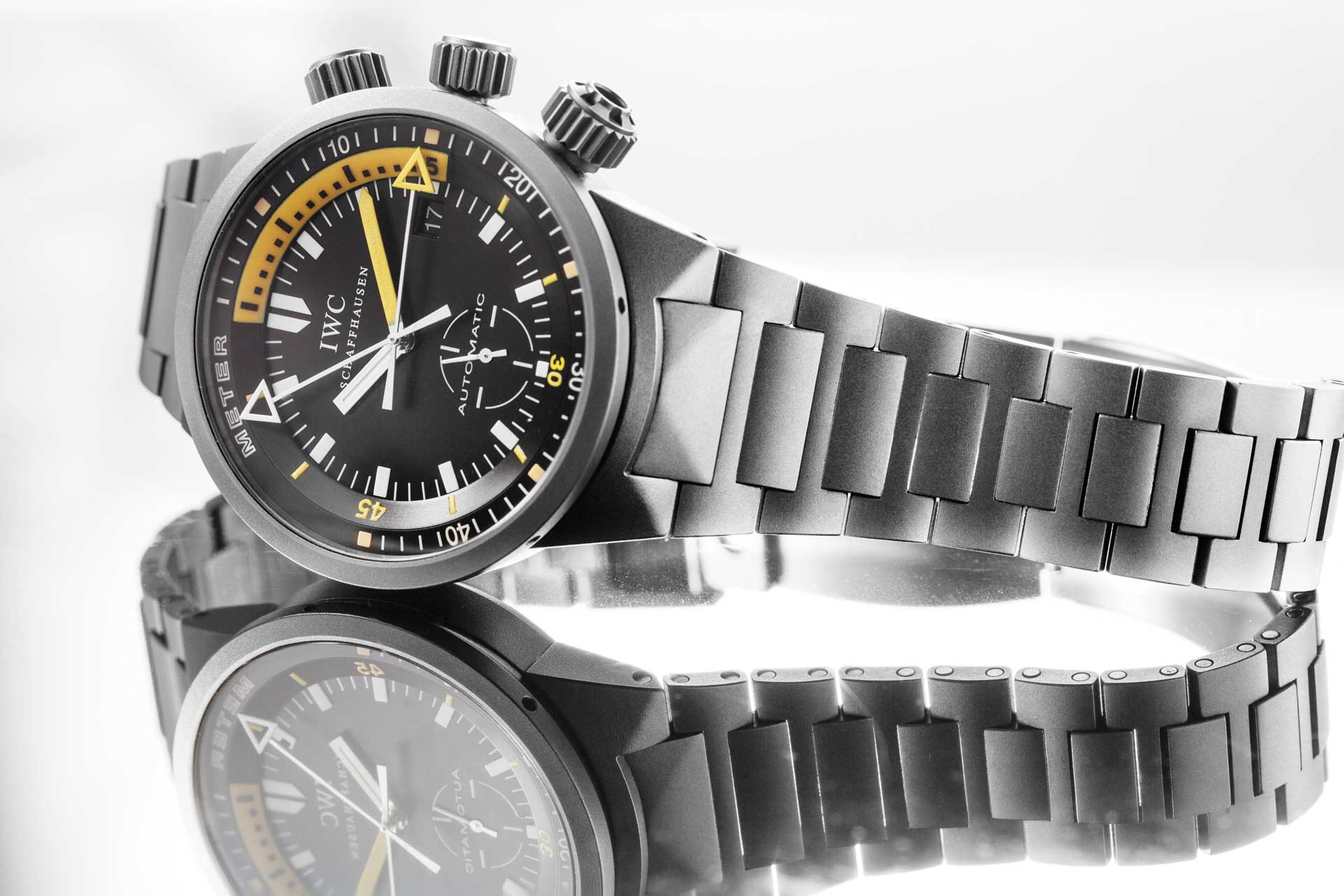
The rotating bezel is the signature feature of a dive watch, but do you know how it’s really used? Revolution’s resident diver explores no-decompression limits and surface intervals, as well as the numerous efforts watchmakers have made over the years to improve this most recognizable of watch features.
 Revolution
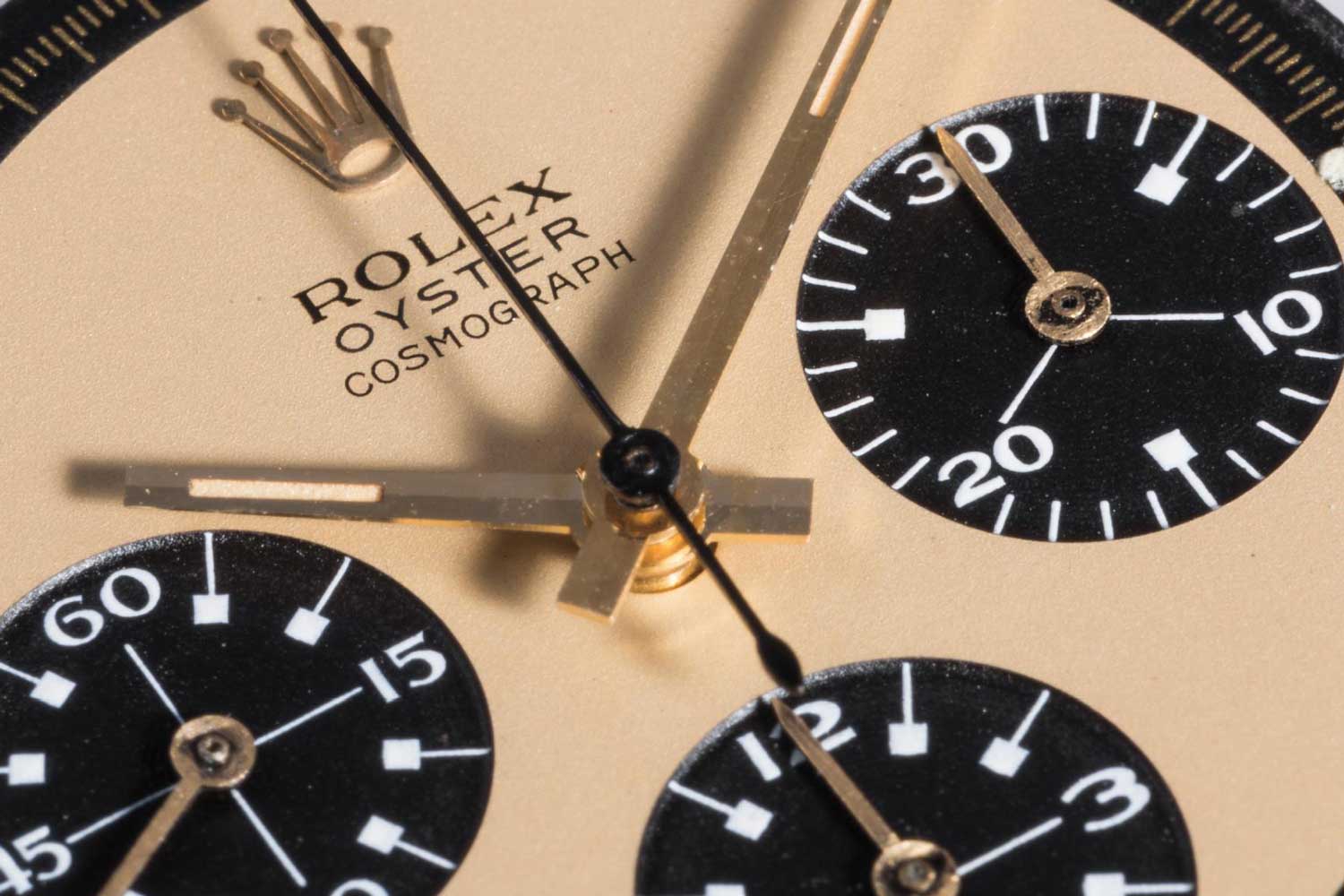
Two Rolexes and one Patek Philippe breaks the million CHF mark on evening two of Phillips Watches Geneva Spring Auctions 2017.
 Revolution
At the end of 1952 and through the beginning of 1953, the first French navy’s scuba diver unit was created, as a result of cooperation between the French Navy and the Secret Services. The naval branch was to become known as “Commando Hubert”, though the Secret Services branch was not given a specific name, operating […]
 Hodinkee
Good things come in small, sporty gold packages.
 Hodinkee
From a technical profile to reference overview, we dig into everything leading up to today's new watches.
 Hodinkee
I'm not sure anyone saw this one coming...
 Revolution
 Monochrome
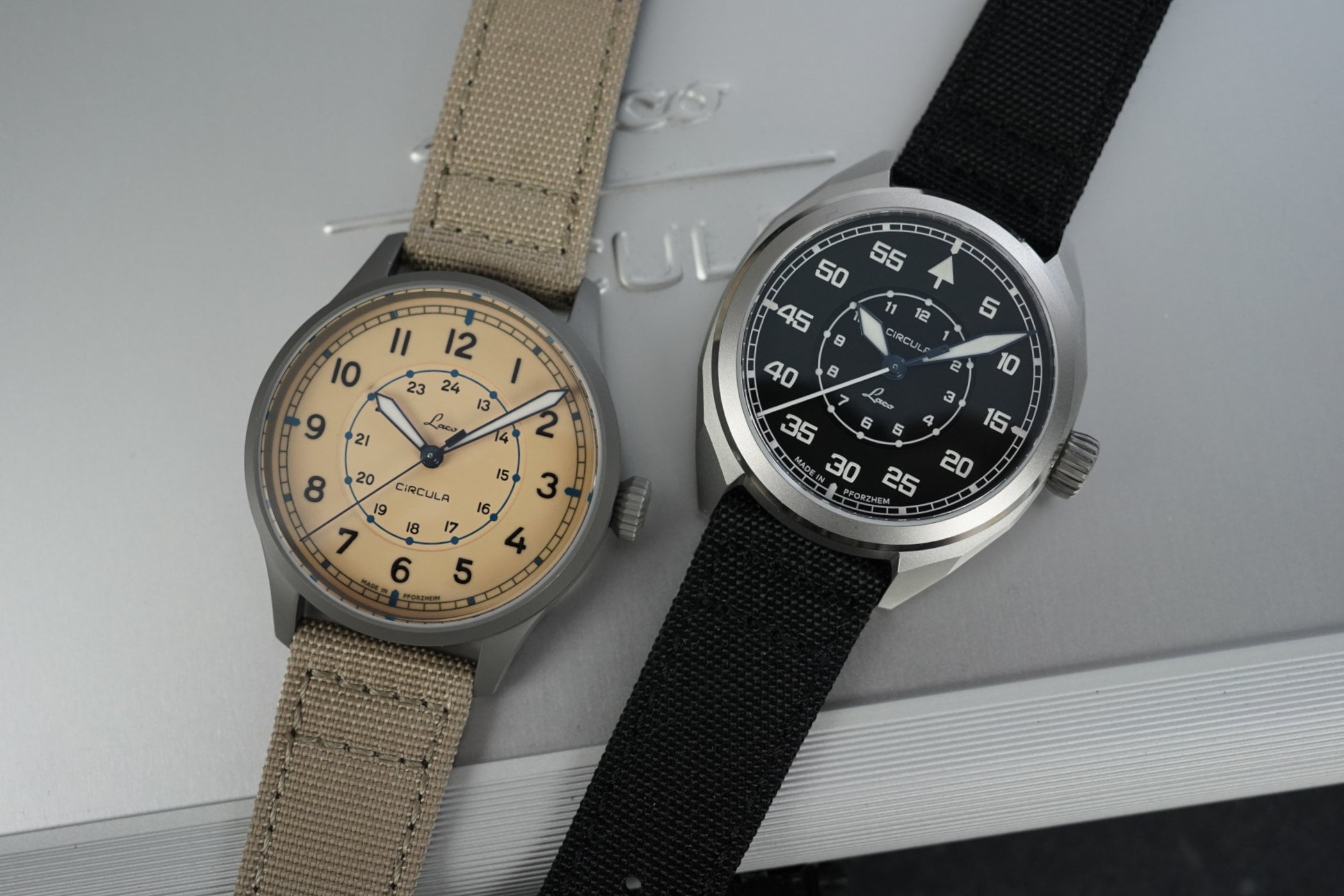
Pforzheim is known as Germany’s “Golden City” for its jewellery and watchmaking (alongside Glashütte) activities, and both Laco and Circula have deep roots there. Each brand is celebrating an anniversary, 100 years for Laco and 70 years for Circula, and they’ve partnered to celebrate with a pair of watches honouring each brand and German watchmaking […]
 Hodinkee
As reviewed by a 9-year-old.
Question, suggestion, or just want to say hi? Drop a note.