 Revolution
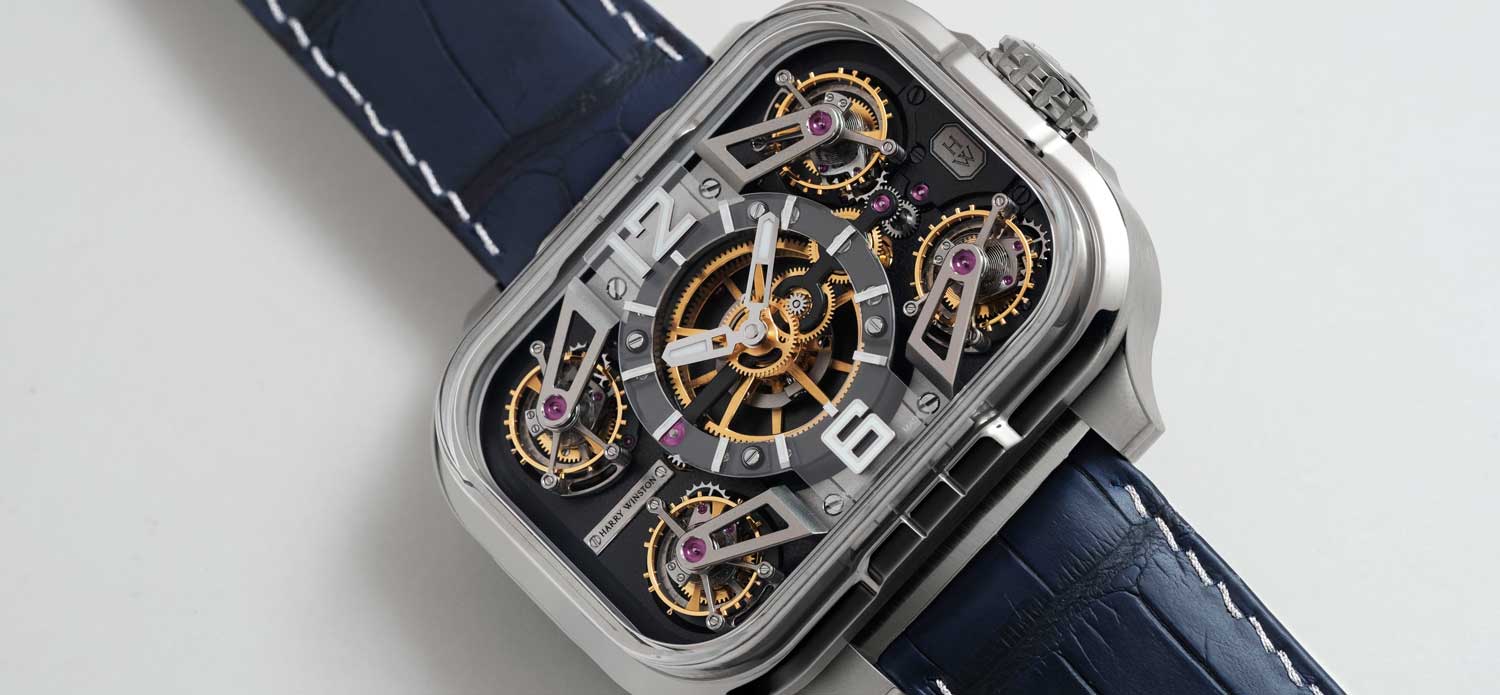
Time to Move: Harry Winston Unveils the Last Chapter of Its Histoire de Tourbillon
At Time to Move, the jeweller and watchmaker offered a number of impressive novelties. Here’s what you need to know about them.
42,013 articles · 284 videos found · page 77 of 1410
Revolution
At Time to Move, the jeweller and watchmaker offered a number of impressive novelties. Here’s what you need to know about them.
 Worn & Wound
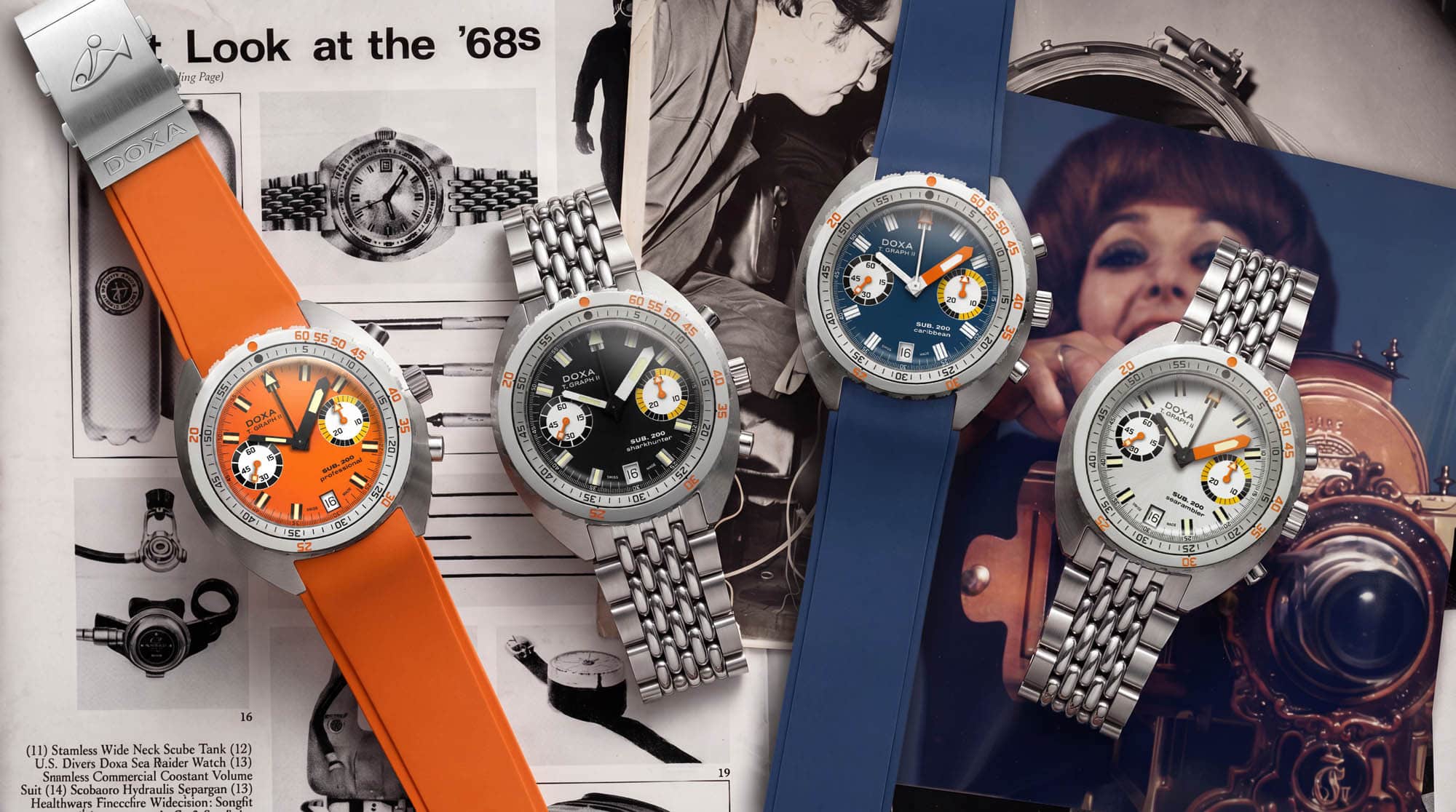
Doxa is one of those watch brands where the lore is kind of hard to escape. Every release is the subject of intense enthusiast discussion as the watches are contextualized through a complex history. There’s real mystique to the brand, which I think largely stems from the fact that Doxa’s dive watches were always true enthusiast products, made for actual divers as tools of their trade. This sets them apart from Rolex, Omega, and many other Swiss luxury houses, not because they didn’t also make tools for real divers (they certainly did), but because they also focused their attention on more mainstream pursuits. Doxa, at least in the public imagination, 50+ years on, did not. They’re seen as a brand for purists, and still appreciated by them to a great extent, even if they sometimes do something that’s a little on trend. There’s perhaps no watch in their catalog with more lore attached to it than the Sub 200 T.Graph, a chronograph version of the Doxa’s iconic Sub 200 diver. This watch was briefly released in a very limited way all the way back in 2019, and, ever since, collectors and fans of the brand have been clamoring for a non-limited edition. This week, Doxa has given the people what they want, with the introduction of the Sub 200 T.Graph II. The new Sub 200 T.Graph II is, at least on the surface, exactly what you’d expect a modern, permanent version of the T.Graph to be. It is sized down just slightly from the 2019 limited edition, with a 42mm case in ...
 Hodinkee
On the outskirts of Liverpool, collector Mike Wood staged a private exhibition of his vintage Rolex trove-a collection of over 200 pieces spanning the brand's storied history.
 Teddy Baldassarre
The Crown has a rich history of watchmaking for women dating back to Rolex’s infancy. After all, it was women who first began wearing watches on their wrists in the late 18th century, while men still preferred pocket watches before the convenience and utility of military field watches began to proliferate. Rolex’s first high-profile endorsement of its revolutionary waterproof Oyster case was worn by a female athlete, slung around the neck of British swimmer Mercedes Gleitze as she attempted to swim across the English Channel. Gleitz might not have made it all the way across on that try, but the watch came out unscathed after 10 hours in the cold water, ticking the time away accurately, making for amazing marketing fodder. Here in the 21st century, Rolex still offers a catalog with extensive sizing options and decorations on its most popular models. Of course, anyone can wear any watch they like, but there are several pieces that, as a woman myself, I find uniquely more compelling than others. So, we’re gathered here today to go on a journey through what I find to be the best Rolex watches for women available today, rounded up into a digestible guide for your reading pleasure. [toc-section heading="Lady-Datejust"] It only feels right to begin with the only Rolex model family that directly references a female consumer in its naming conventions. I get the argument that some think the name “Lady-Datejust” feels a bit dated, maybe even gauche (even bringing to...
 Teddy Baldassarre
Luxury Sport watches are probably one of the most popular categories out there with no shortage of excellent options from the most mainstream to the most niche independent watch brands. While names like the Rolex Submariner and Audemars Piguet Royal Oak are seen as the staple watches in this category to aspire to, we asked our editorial team here to share their personal picks in this admittedly crowded category. So without further ado, let's take a look at our favorite luxury sport watches. Glashütte Original SeaQ Panorama Date There are dive watches that you wear to go diving and there are dive watches that you wear - well, maybe afterward, to the country club where you go to talk about diving. The Glashütte Original SeaQ is a prime example of a watch that can actually fill both roles. While it was established relatively recently, in 1994, Germany’s Glashütte Original can trace its lineage as far back as 1845, which also happens to be the year that watchmaking essentially arrived as an industry in Germany. As I cover in much greater detail in this article, a full century of horological tradition, centered in the town of Glashütte in the state of Saxony, came to an end with Germany’s defeat in World War II. It was replaced by a new era in which a state-owned conglomerate of once-independent heritage watch manufacturers, the Glashütter Uhrenbetriebe or GUB, shifted focus from artisanal techniques and luxuriously decorative timepieces to mass-produced tool watch...
 Teddy Baldassarre
All watchmakers with decades or even centuries of history have some designs, lines, or collections that become timeless icons, and others that get lost to history. Here in the 21st century, all of them are subject to various revivals and reissues before being shelved again. Today, we’re going in-depth with a watch that’s recently gotten the axe from Rolex’s contemporary catalog - and one that might be its quirkiest tool watch ever - the Rolex Milgauss. With its easily identifiable lightning-bolt hand and origins as a companion for scientists, the Milgauss has never quite achieved the years-long waitlist fandom that many other staples from the brand have achieved over the years, and back in 2023, the Crown shelved its unconventional tool watch from production. Maybe it’s an example of always wanting what you can’t easily have, but in recent years, the Milgauss has been attracting a renewed interest at odds with its overlooked reputation. Down below, we’re going to walk through the history of how the Milgauss came to be, explore how the collection has changed over time, and use one model as a case study for its sudden spike in popularity. So, if any of that piques your interest, or if you are already in the cult of Milgauss fandom, keep scrolling, and away we go. Rolex Milgauss History As we all are already well aware, Rolex's 120-year historical archive is full of record-breaking, boundary-clearing leaps in mechanical timekeeping. From releasing the first ...
 Monochrome
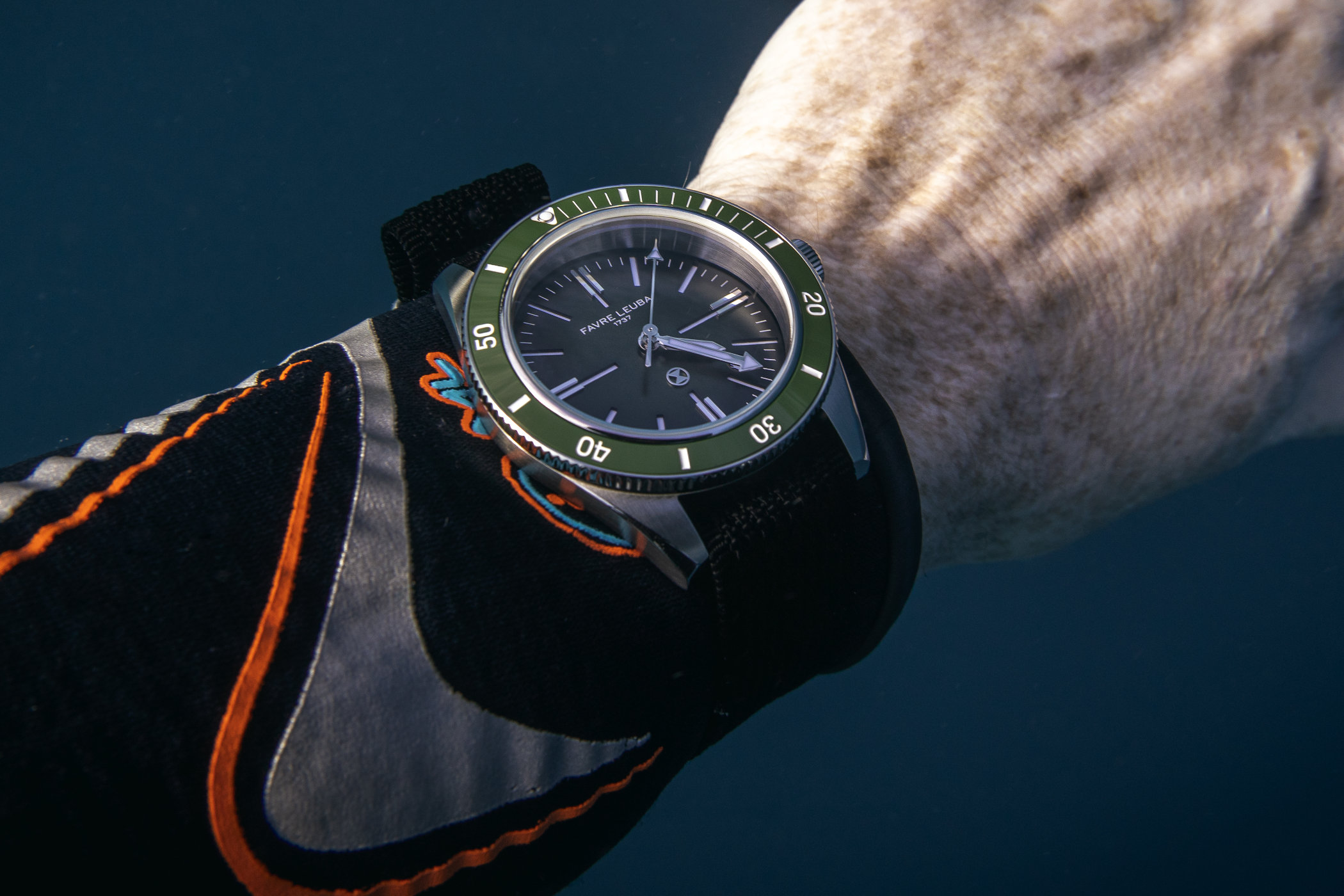
In the world of dive watches, the landscape has always been dominated by a few heavy hitters who got into the game early, made a name for themselves, and never left. Brands like Rolex, Omega, Blancpain, and Seiko have always been inextricably linked to the history of the dive watch, and with good reason. But […]
 Worn & Wound
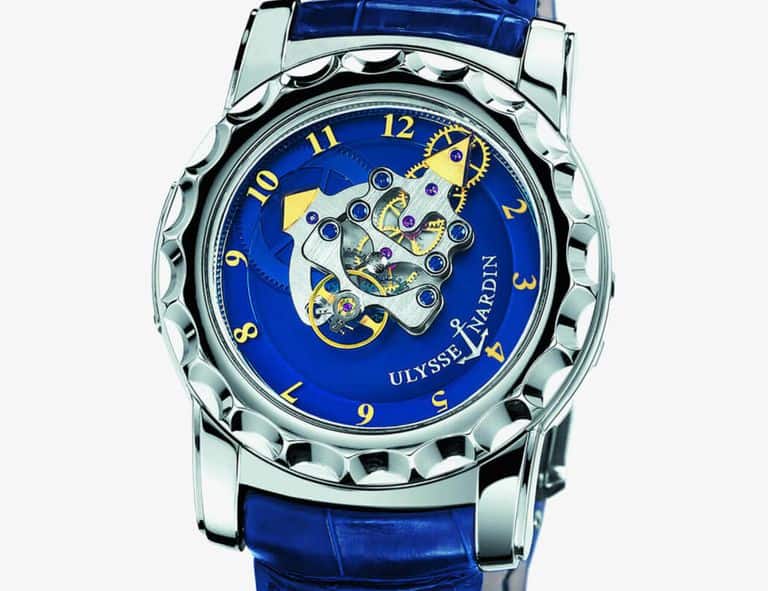
When Ulysse Nardin unveiled the Freak in 2001, it set off a chain of events that forever changed the course of history for the brand and for the industry at large. The model seamlessly flexed a combination of technical and design achievements. The Freak offered material innovation that was far ahead of its time, introducing the use of silicon in the escapement wheels-a technology that is now used by almost every major watch brand from Rolex to Patek Philippe, Girard-Perregaux, Breitling, and Jaeger-LeCoultre, just to name a few. It also presented an entirely new set of aesthetic codes for watch design with an expression of time that notably lacked a traditional dial, hands, or crown. With the Freak’s overall success, it immediately established the brand as a thought leader, an innovator, and (perhaps most importantly) a rebel in an industry often paralyzed by its reverence and steadfast commitment to tradition. In the nearly 25-years since the first Freak, we have seen Ulysse Nardin infuse this spirit in each subsequent Freak model and its catalog at large-from the Blast collection to its UFO clocks and, most recently, in its record breaking Diver [Air], the world’s lightest mechanical dive watch. The first Freak We all know record setting has become a bit of a thing in watchmaking. Particularly in the past decade or so, we have witnessed brands embark on the race to claim the next world record title. Since 2014, Bulgari has set a whopping ten for the ultra-thi...
 Teddy Baldassarre
Some of the most interesting and coveted watches on the market were designed as tools for professionals in fields that are more exciting than those of the average nine-to-fiver. Divers, race car drivers, and pilots have spurred on many of the most popular tool watch designs on the market today. Take, for example, the Rolex Submariner, designed for divers, the TAG Heuer Monaco, used for auto racing both onscreen and off by Steve McQueen, and the Breitling Navitimer, an aviation icon for decades. More than just jewelry, the timekeepers worn by these professionals, plying trades in which seconds count, were depended upon in some cases to save their lives. Pilots had to rely on their watches for critical information like calculating the distance traveled and the amount of fuel left. However, thanks in large part to digital tech, much has changed, and many great pilot’s watches are now used as heritage-infused time tellers in less austere circumstances, though the watches themselves are still more than capable. But, before we get too far ahead, what do we mean when we talk about pilot’s watches? Today, there’s an entire genre of watches dedicated to aviation. Some are homages to vintage designs, while others are modern variations on those earliest pilot’s watches. Some pilot watches are still tools, and act as backups to onboard instrumentation for professional pilots, while others are simply accessories for frequent fliers. In either case, the pilot watch genre ...
 Worn & Wound
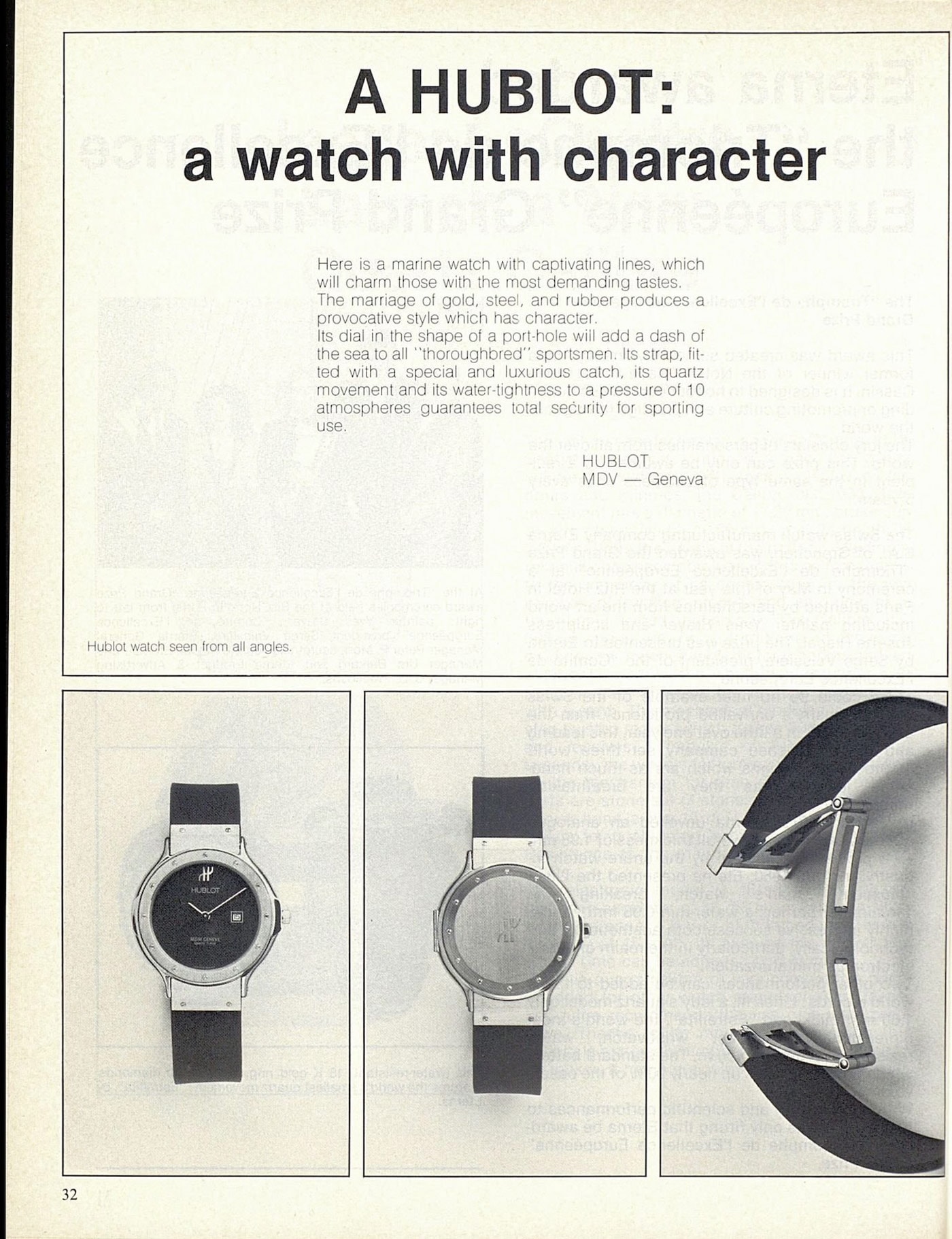
Rubber straps are relatively new in the centuries-old history of wristwatches, and their widespread popularity is even more recent. Like many elements of watchmaking, rubber straps first came into use for a specific utilitarian purpose, and now-in a world that no longer needs watches as practical tools-rubber straps no longer need to be purely functional. They can simply be a fashion statement. The first rubber straps appeared in the 1960s throughout the catalogs of brands like Rolex, Tudor, IWC, and Blancpain. Fittingly, these rubber straps were perfect for sport models like dive watches thanks to their lightweight build, durability, and resistance to the elements. Still, it would be another three decades before the rubber strap would transform from an occasional companion for a tool watch to a prominent bracelet material seen across styles and brands at all price points. Hublot was at the forefront of shifting the perception and prevalence of the rubber strap. In 1980, the brand debuted the material in its catalog in a surprising way. The Classic Original (later revived as the Classic Fusion) featured Hublot’s signature porthole shaped case rendered in polished and brushed gold, complete with a black rubber strap, perfectly complementing the model’s black dial. The watch was not only the brand’s first to showcase a rubber strap but also the first luxury wristwatch ever to combine a rubber strap with a precious metal case as opposed to stainless steel. The d...
 Fratello
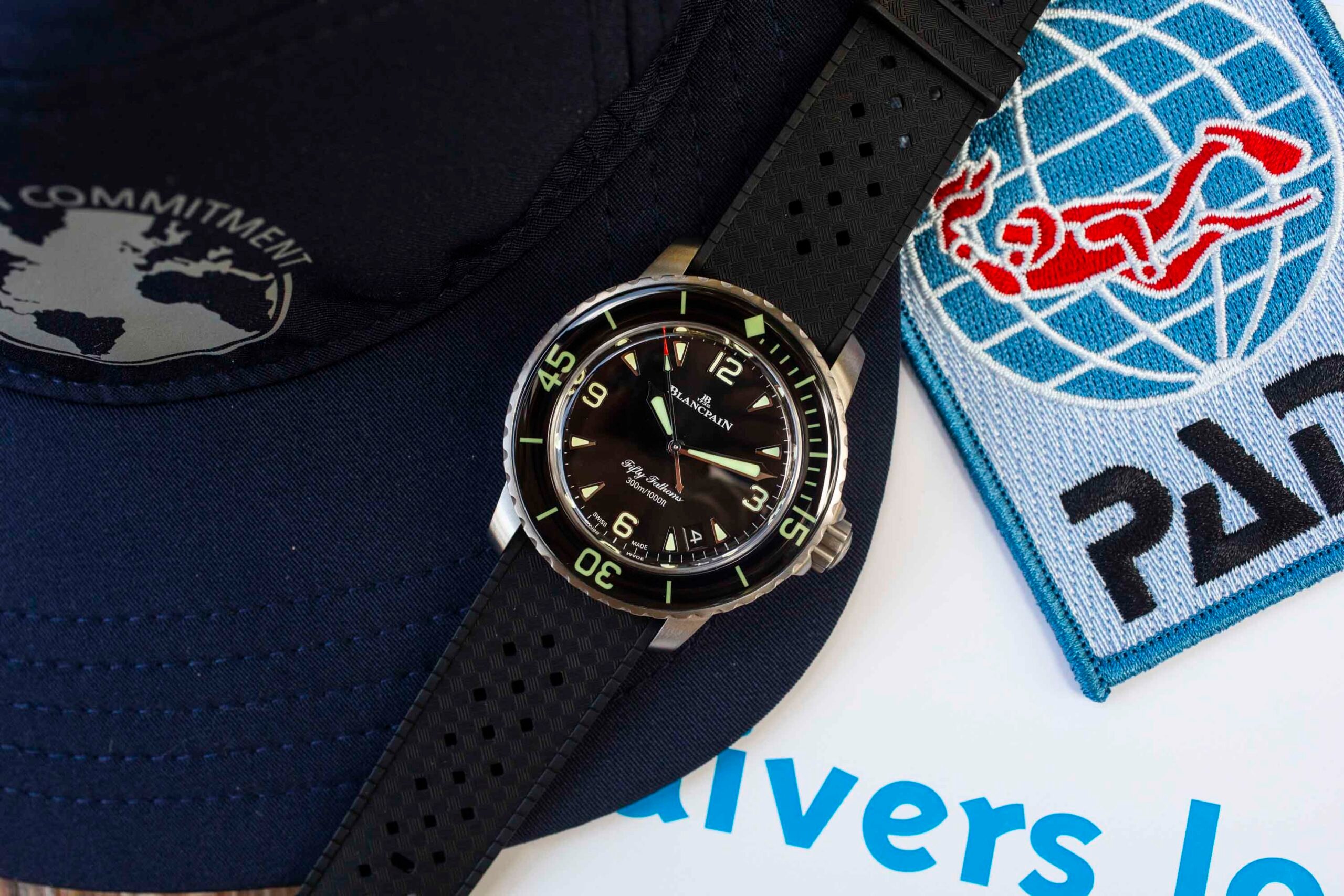
Last year, I asked, “Can we appreciate the Rolex Submariner as just a great dive watch?” That question and article sparked a lot of debate. Today, I am asking a similar question of the Submariner’s spiritual competitor, the 42.3mm Blancpain Fifty Fathoms Automatique. “Icon” is one of the most overused terms in the watch world. […] Visit Can We Appreciate The Blancpain Fifty Fathoms As Just A Good Dive Watch? to read the full article.
 Fratello
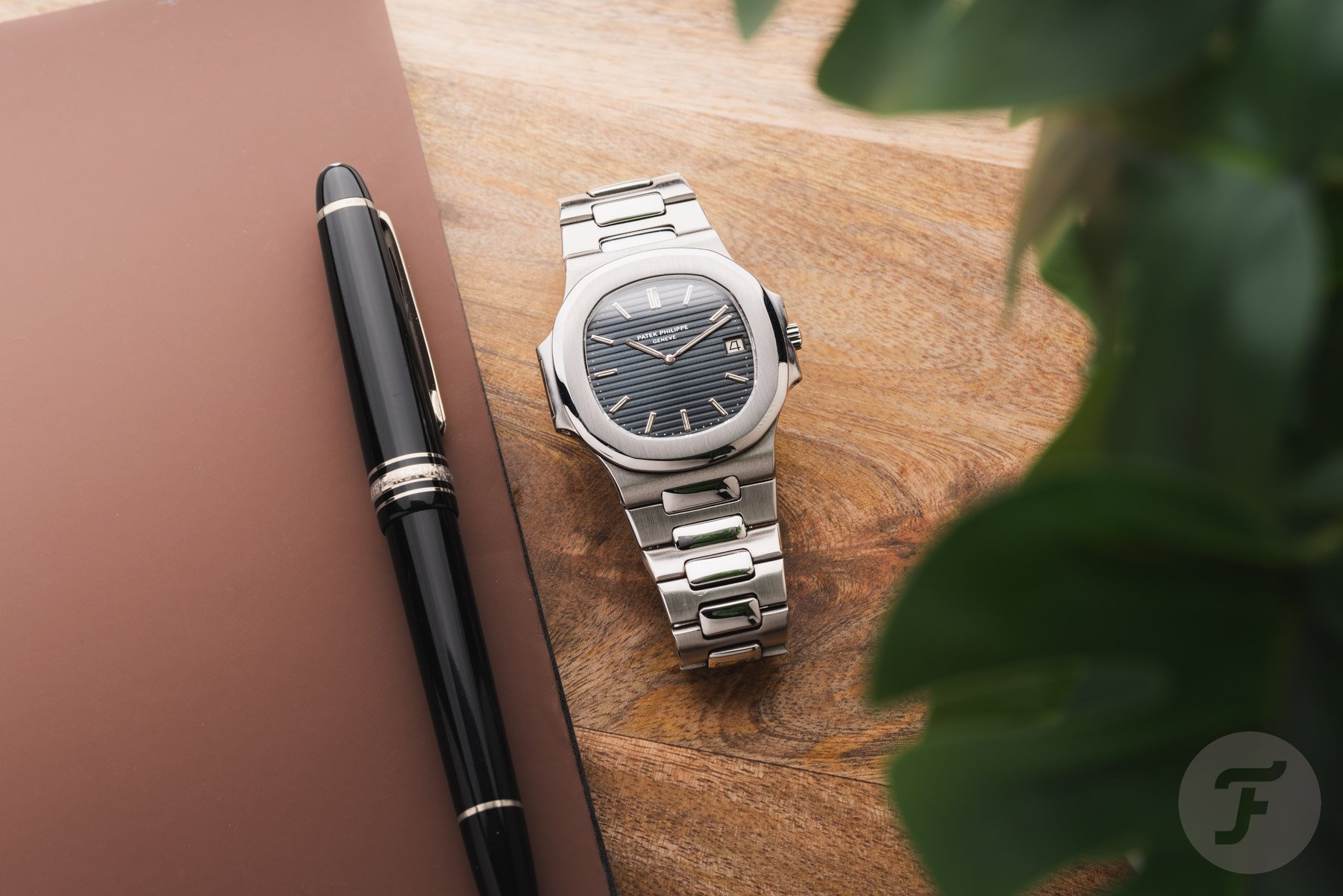
After spending time with the Rolex Submariner ref. 5508 and the A. Lange & Söhne 1815 Chronograph, I get yet another chance to explore a personal grail watch today. Yes, life can be good when you have special access to some of the world’s finest watches. This time, I got to strap on a 1978 […] Visit Exploring Evergreens: Thomas Goes Hands-On With The Original Patek Philippe Nautilus Ref. 3700/1A to read the full article.
 Fratello
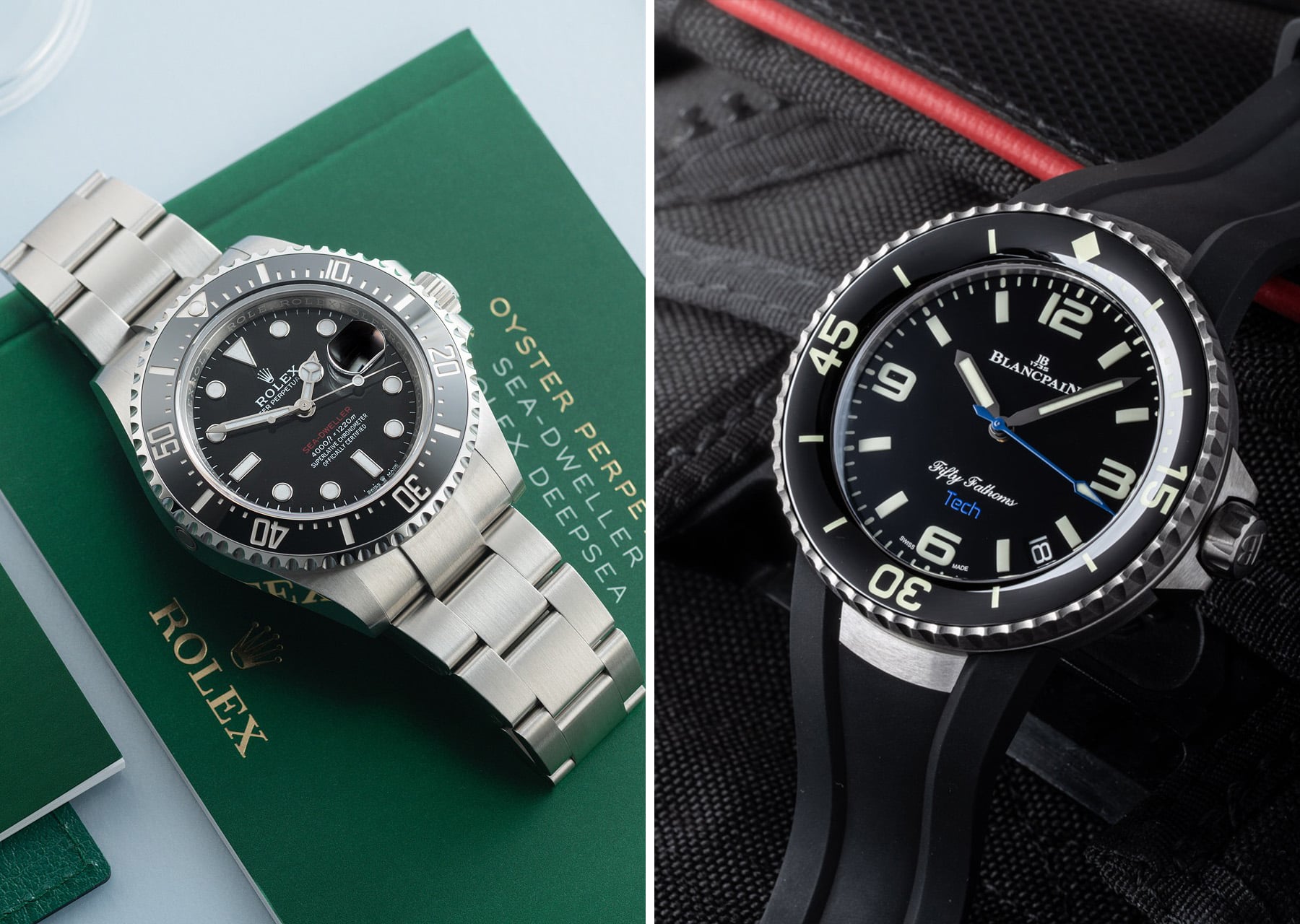
Another Sunday, another showdown! This week, we’ll dive headfirst into the world of luxury dive watches, and two examples with legendary lineage will go head to head. The first is the latest iteration of the Rolex Sea-Dweller, a watch that finds its roots in the late 1960s as the professional brother of the Submariner. The […] Visit Sunday Morning Showdown: Blancpain Fifty Fathoms Tech BOC IV Vs. Rolex Sea-Dweller Ref. 126600 to read the full article.
 Fratello
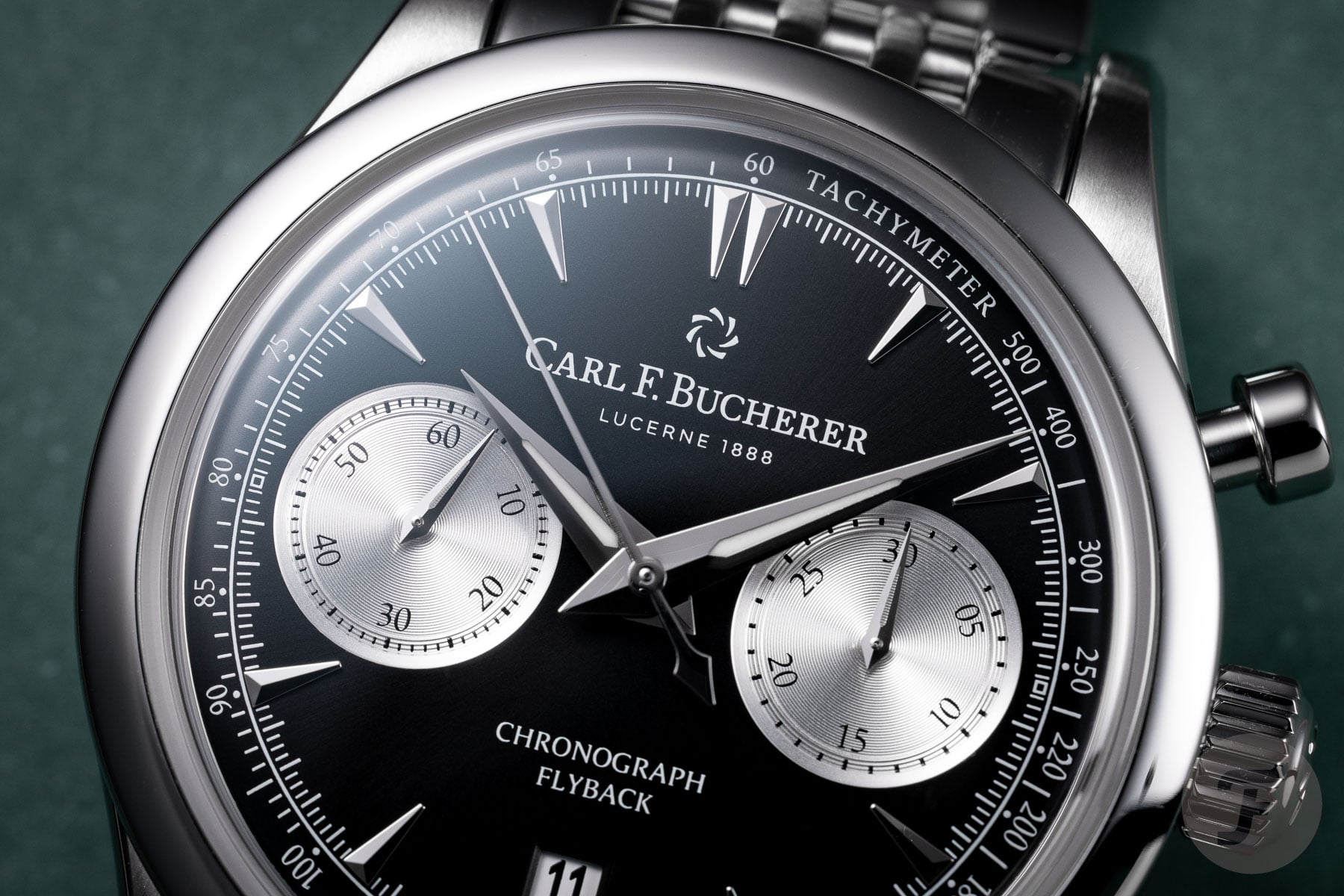
Two years ago, when Rolex acquired Bucherer, a multi-brand retail store with over 100 locations, it also included the jeweler’s watch brand Carl F. Bucherer. So, as of 2023, the Rolex crown was protected by the Tudor shield and a second brand with a history that dates back to 1888. You would think that a […] Visit Rolex Shuts Down Watch Brand Carl F. Bucherer, And That’s Hardly A Surprise to read the full article.
 Fratello
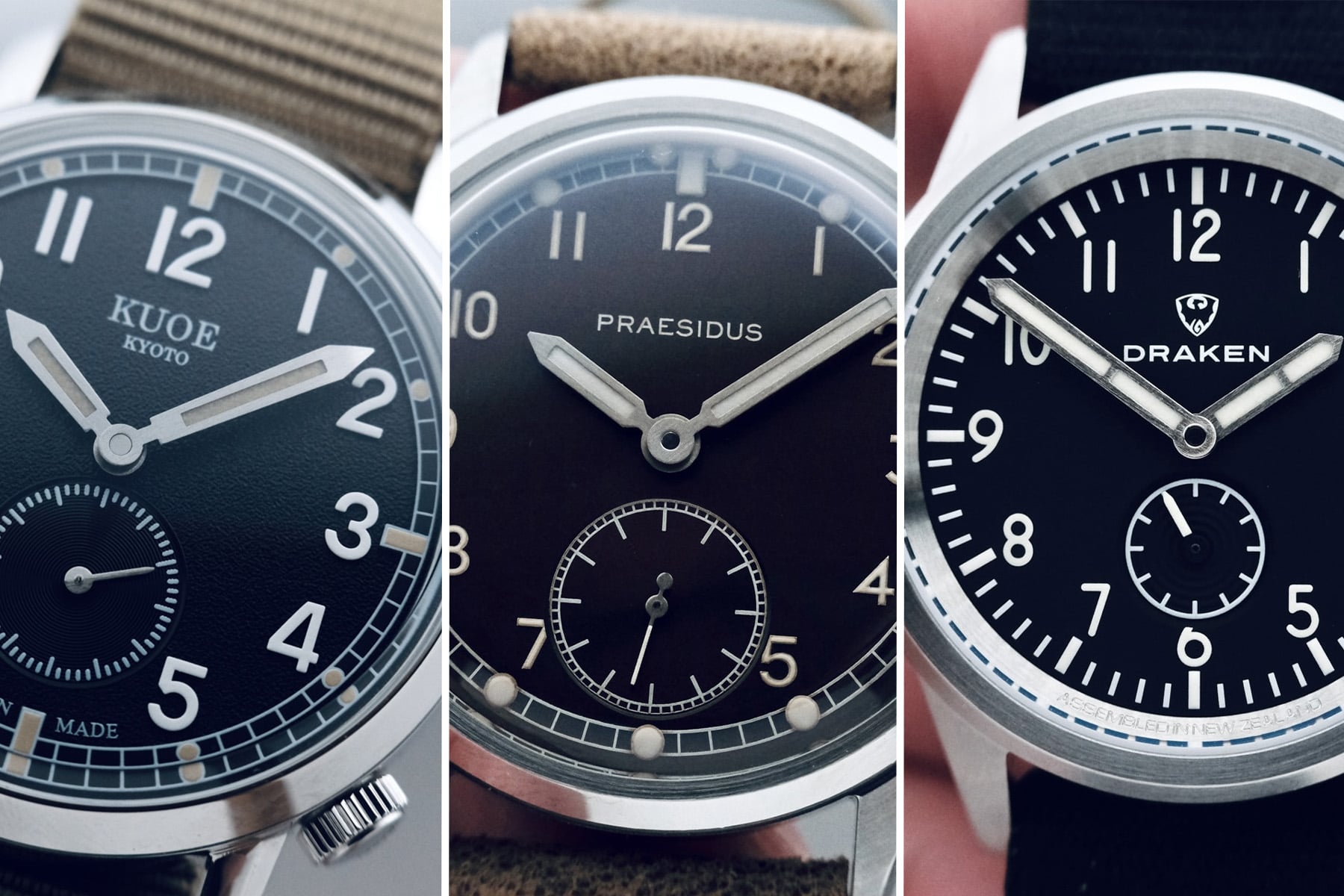
We often hear statements like, “This watch is a true classic,” or “This is a timeless design.” Typically, such statements refer to big names in the watch industry, such as Rolex and the Submariner, Omega and the Speedmaster, or Audemars Piguet and the Royal Oak. That’s either because their designs are simple and indeed timeless […] Visit The Dirty Dozen Watches As Interpreted By Half A Dozen Affordable Microbrands to read the full article.
 Monochrome
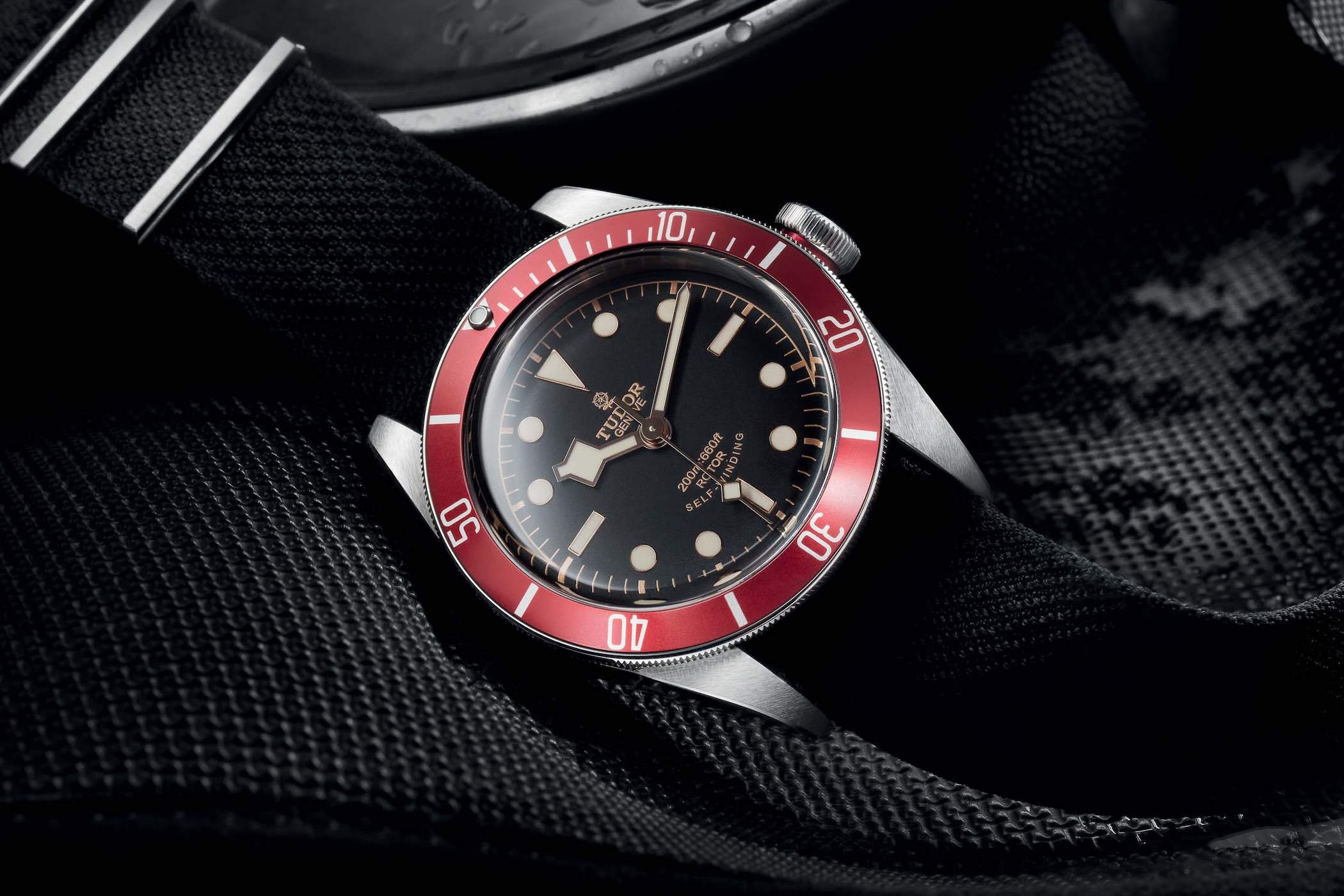
It is pretty impressive to see how Tudor’s Black Bay models have established themselves as more accessible options to the Rolex Submariner in a relatively short period of time without compromising on quality. But more than just being a more accessible Submariner, the Black Bay has gained its own status over the years, becoming an […]
 Monochrome
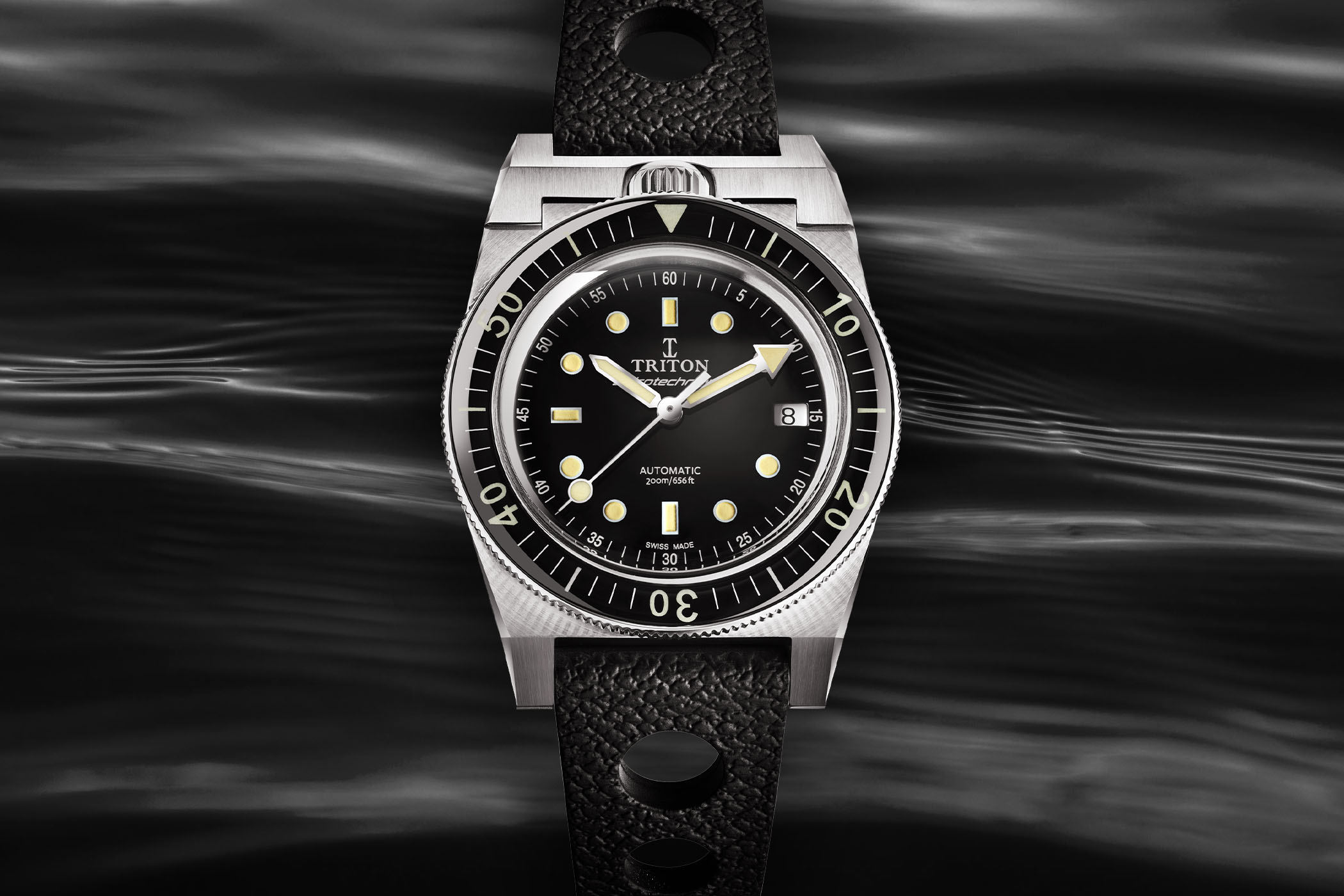
While the Rolex Submariner, Blancpain Fifty Fathoms and Omega Seamaster ruled the 1950s enthusiast and military diving scene, it was the Triton Spirotechnique in 1963 that briefly became the most expensive dive watch of its times, although never the best known. It was developed for the Spirotechnique company (Aqualung), founded by oceanographer/filmmaker/French naval officer Jacques […]
 Fratello
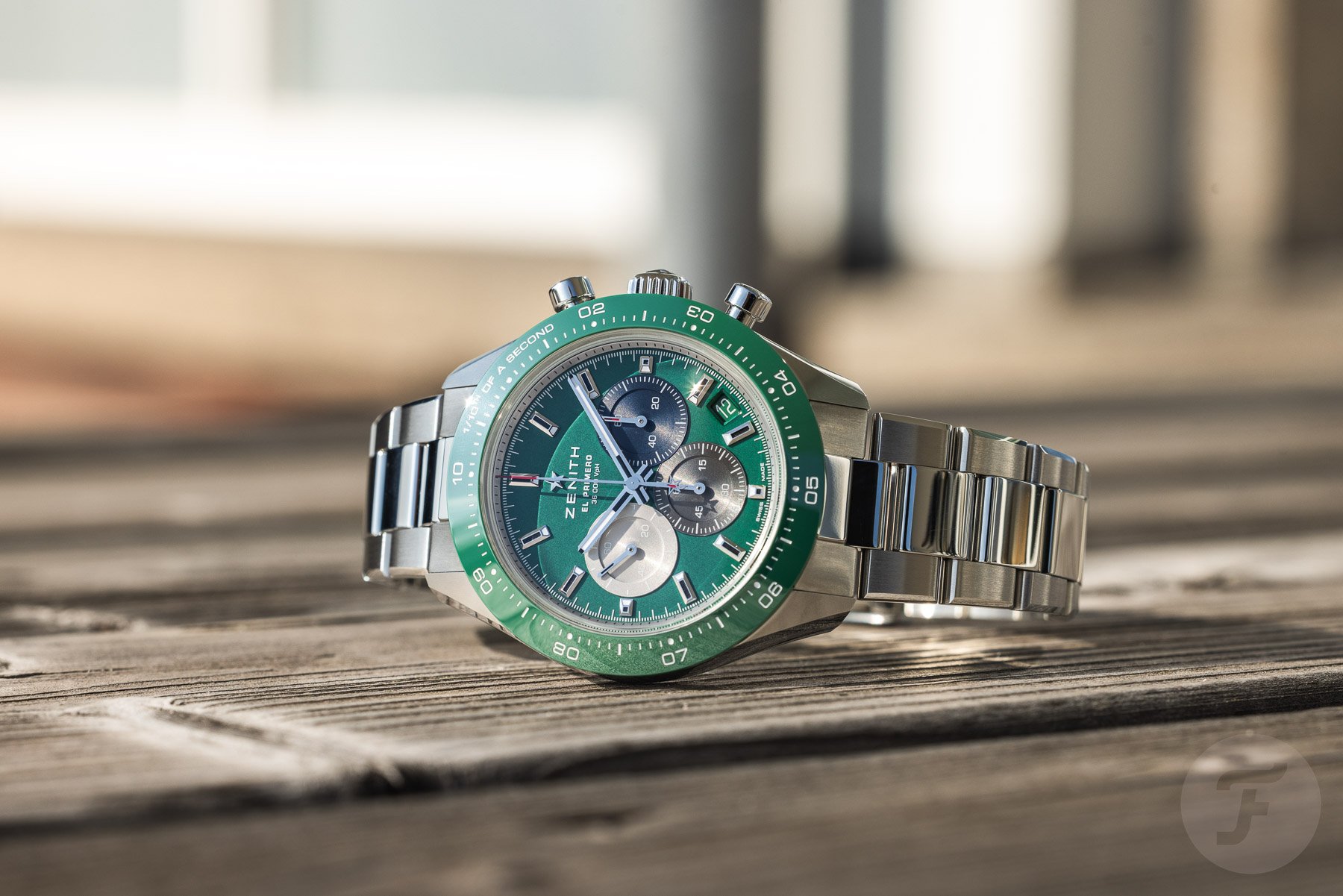
What happens when you leave a Rolex Submariner “Hulk” and a Daytona in a room overnight? You get the Zenith Chronomaster Sport in its very green attire. Did I offend any Rolex and/or Zenith fans? It was my initial thought when I saw the press pictures of the Chronomaster Sport on a bracelet (ref. 03.3119.3600/56.M3100) […] Visit I Got My Hands On The Very Green Zenith Chronomaster Sport Watch This Monday Morning to read the full article.
 Two Broke Watch Snobs
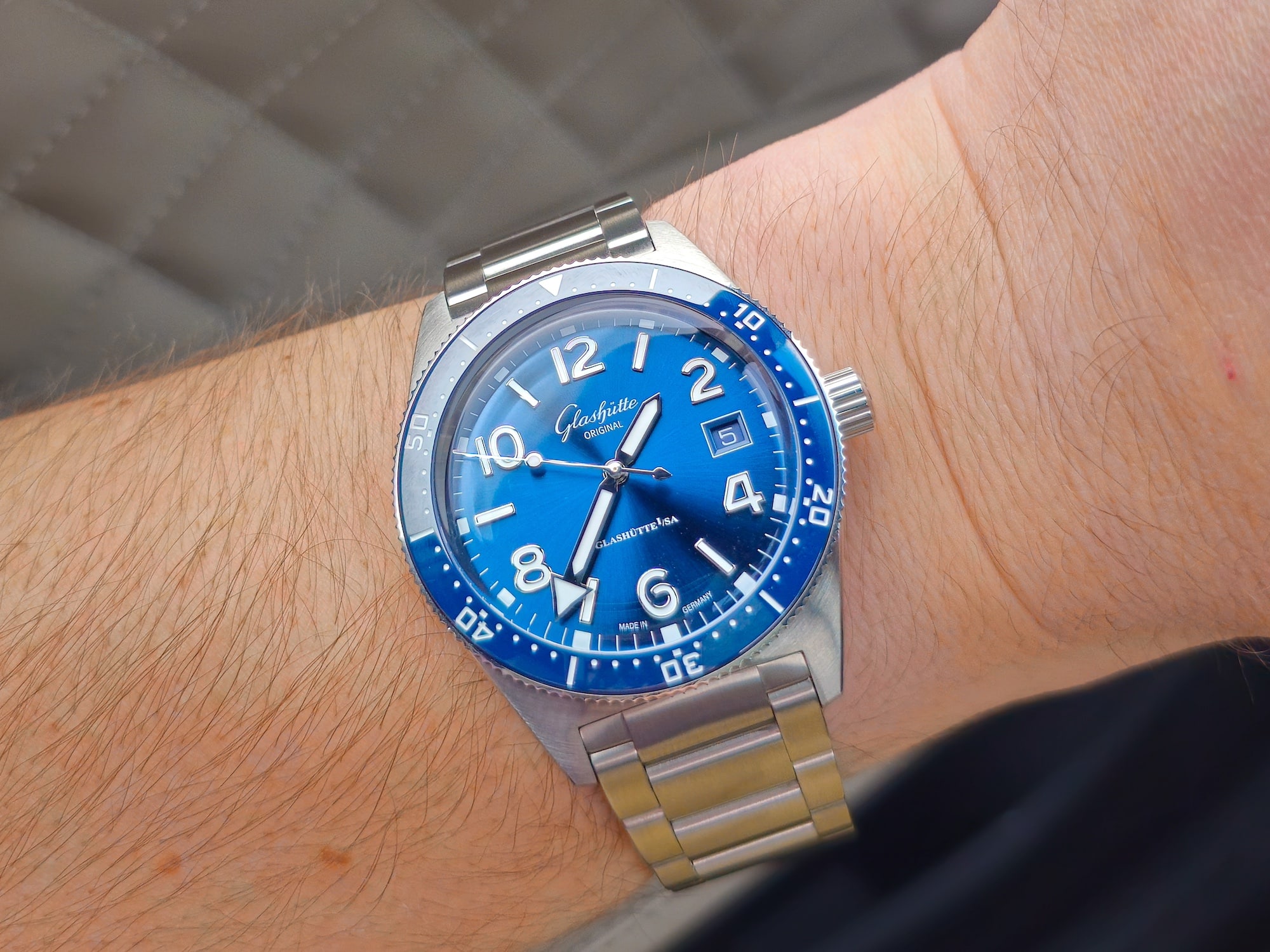
Our full review of the Glashütte Original SeaQ dive watch. How does it stack up against other dive watch legends like the Rolex Submariner?
 Teddy Baldassarre
The Omega symbol that accompanies the brand’s classical logotype is one of the most recognizable emblems in the watch world, up there with Rolex’s hallmark coronet and Patek Philippe’s venerable Calatrava cross. But what exactly does Omega’s iconic hieroglyph actually symbolize, and what is its meaning in the context of the Swiss manufacture’s watchmaking history? Put simply, the symbol that has long been identified with the Omega brand is a stylized version of the 24th and final letter in the Greek alphabet, called Omega. (If you went to a college that had fraternities and sororities, this probably isn’t news to you.) Much like its counterpart at the beginning of the Greek alphabet, Alpha, the symbolism of the letter Omega has been interpreted various ways throughout history. As “the first” letter, Alpha has become associated with leadership and dominance, i.e., an “Alpha Male” or an “Alpha Dog.” Omega, as the final letter, has been known to connote greatness in its own way, representing the culmination or ultimate expression of a great effort or undertaking. The Biblical connotation of “I am the Alpha and the Omega” - i.e., the beginning and the end, as spoken by Jesus in the Book of Revelation (below) - has also lent weight to the concept of Omega as representing the end of an epoch or, in more ominous but perhaps more horologically relevant terms, the End of Time. So what does all this have to do with a watch brand? Let’s start at the...
 Worn & Wound
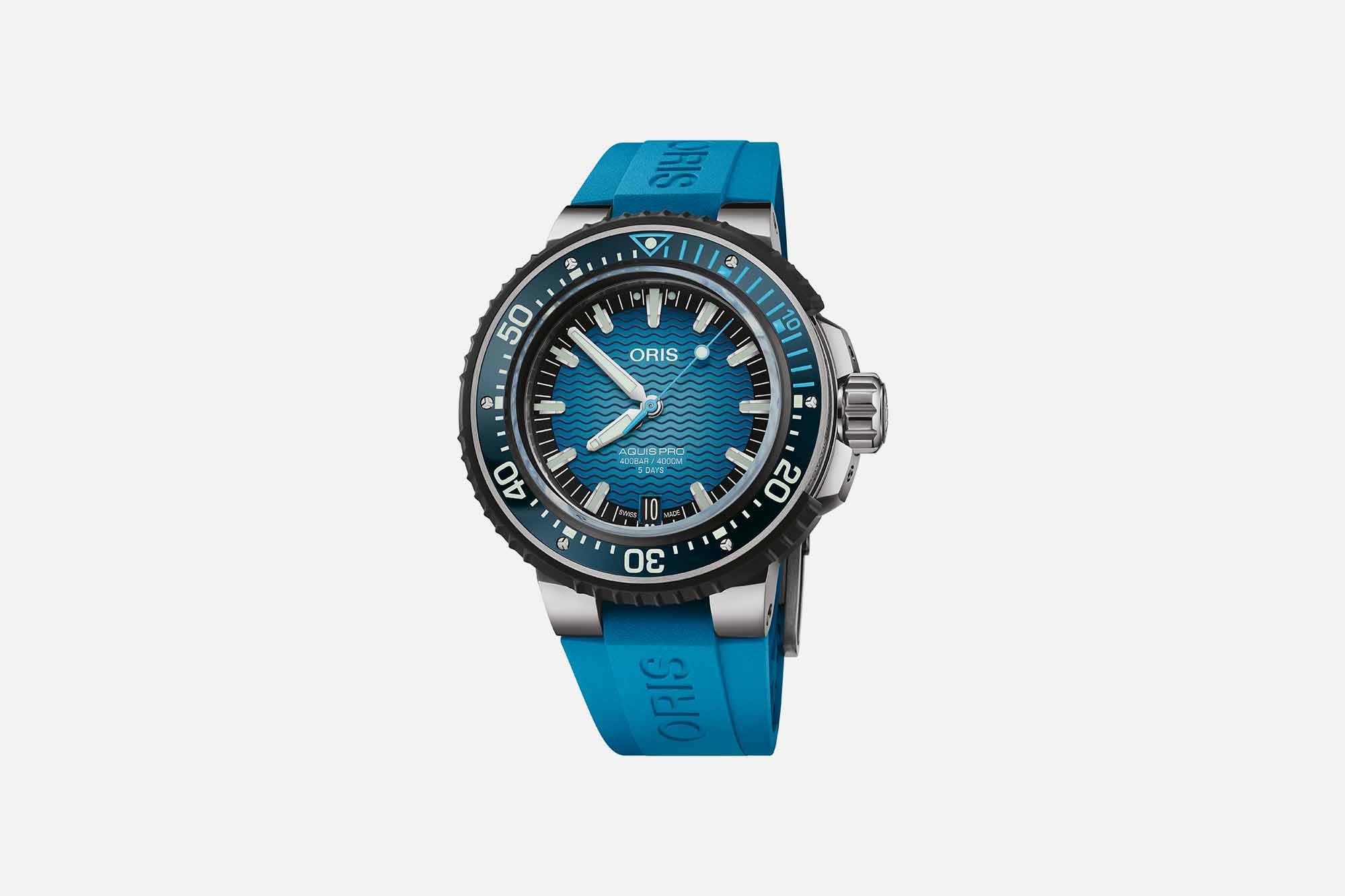
The recent history of dive watches is all about going deeper and deeper beneath the ocean’s surface. Recent releases (and major technological advancements) from Rolex and Omega underscore the continuing interest on the part of brands, collectors, and, we assume, pro divers in maximizing depth ratings, whether for practical purposes or bragging rights. The watches that come out of the research and development around extreme depth resistance have a certain appeal even if you don’t have a particular desire to even get them wet – they are technological marvels, and often compelling design objects with an offbeat aesthetic appeal. Now, Oris is getting in on the act, with a new member of the Aquis family that goes deeper than any before it, the AquisPro 4000m. The headline here is right in the name of the watch: this is an Aquis that is rated to an impressive 4,000 meters of water resistance. While not as robust as Omega’s Ultra Deep which is rated to 6,000 meters, or the truly incomprehensible Deepsea Challenge diver by Rolex that goes to 11,000 meters, this Aquis handily beats other divers in the Aquis family, which are typically rated to 300 meters. It does so with an oversized, multi piece titanium case measuring 49.5mm in diameter and a little over 23mm thick. I don’t know if there’s an obscure Swiss law that says any dive watch rated over a certain depth rating needs to have some kind of ocean themed dial design, but we get one with the AquisPro 4000m in the ...
 Teddy Baldassarre
Only at Rolex can a watch dubbed a King be described as humble compared to other watches with less lofty but still commanding titles like Master. The Rolex Air-King, despite being the oldest existing model in the mega-brand’s star-studded lineup, has never attained the levels of mainstream popularity and collectability enjoyed by household-name watches like the Daytona, Submariner, GMT-Master, and (arguably) even the Yacht-Master. Rolex hopes to change that this year, however, making the newest version of the Air-King a headliner of its 2022 collection, unveiled this week at Watches & Wonders 2022 in Geneva. Aviation History The Rolex Air-King (technically Rolex Oyster Perpetual Air-King) traces its history all the way back to 1945, when it was launched as part of a trio of timepieces called the “Air Series” that celebrated the accomplishments of Britain’s Royal Air Force in World War II, alongside the discontinued Air-Giant and Air-Tiger. The Air-King, the last survivor of that collection designed “to honor the pioneers of aviation,” went through a number of evolutions throughout the years. The original model’s 34mm case (considered large at the time, believe it or not), cream-colored dial and manual wind movement would eventually be replaced by the now-familiar design most recently updated in 2016: a black dial with a 60-minute scale and inverted triangle at the 12 o’clock/60-minute position (a feature of historical pilots’ watches); large 3, 6, and ...
 Time+Tide
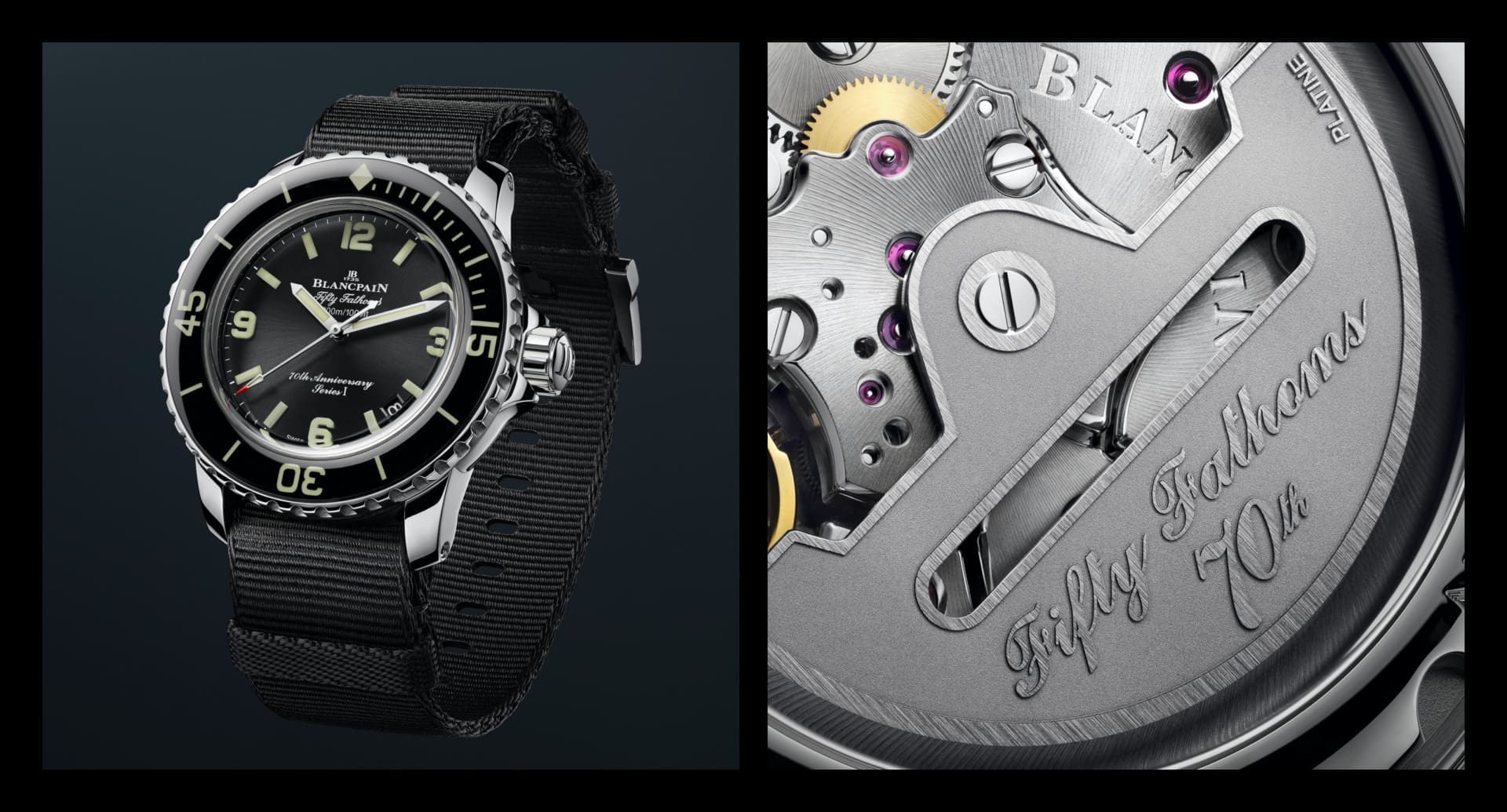
Two dive watches have long battled for the title of the original diver’s watch: the Rolex Submariner and the Blancpain Fifty Fathoms. Technicalities can drag this debate into murky deep waters, but irrefutably the pair are the founding blueprints of what we all expect from a dive watch. Born in 1953, the Fifty Fathoms has … ContinuedThe post What is so special about the new Blancpain Fifty Fathoms 70th Anniversary Act 1? appeared first on Time+Tide Watches.
 Time+Tide
Anyone who knows me knows I’m a sucker for all things 007. The action, the intrigue, the charm, the gadgets… and most of all, the watches. The Rolex Submariner, the Breitling Top Time, the Omega Seamaster, the Seiko Golden Tuna, and even the Gruen Precision dress watch from Dr No, they’ve all shaken my martini. … ContinuedThe post The TAG Heuer Aquaracer Night Diver recreates a cruelly overlooked Bond watch appeared first on Time+Tide Watches.
 Hodinkee
From Bulova to Rolex, here are the watches that played a key part in marine science history.
 Time+Tide
Editor’s note: You’re almost certainly familiar with George Bamford, but just in case you’ve been lagging behind here’s a quick background primer. George got involved in watches in the mid-noughties after customising his Rolex Submariner by taking it apart and treating it using a DLC process. The first time he wore it out he got 25 orders. … ContinuedThe post “Digital and luxury come together” – George Bamford reviews the new Louis Vuitton Tambour Horizon Light Up Digital appeared first on Time+Tide Watches.
 Time+Tide
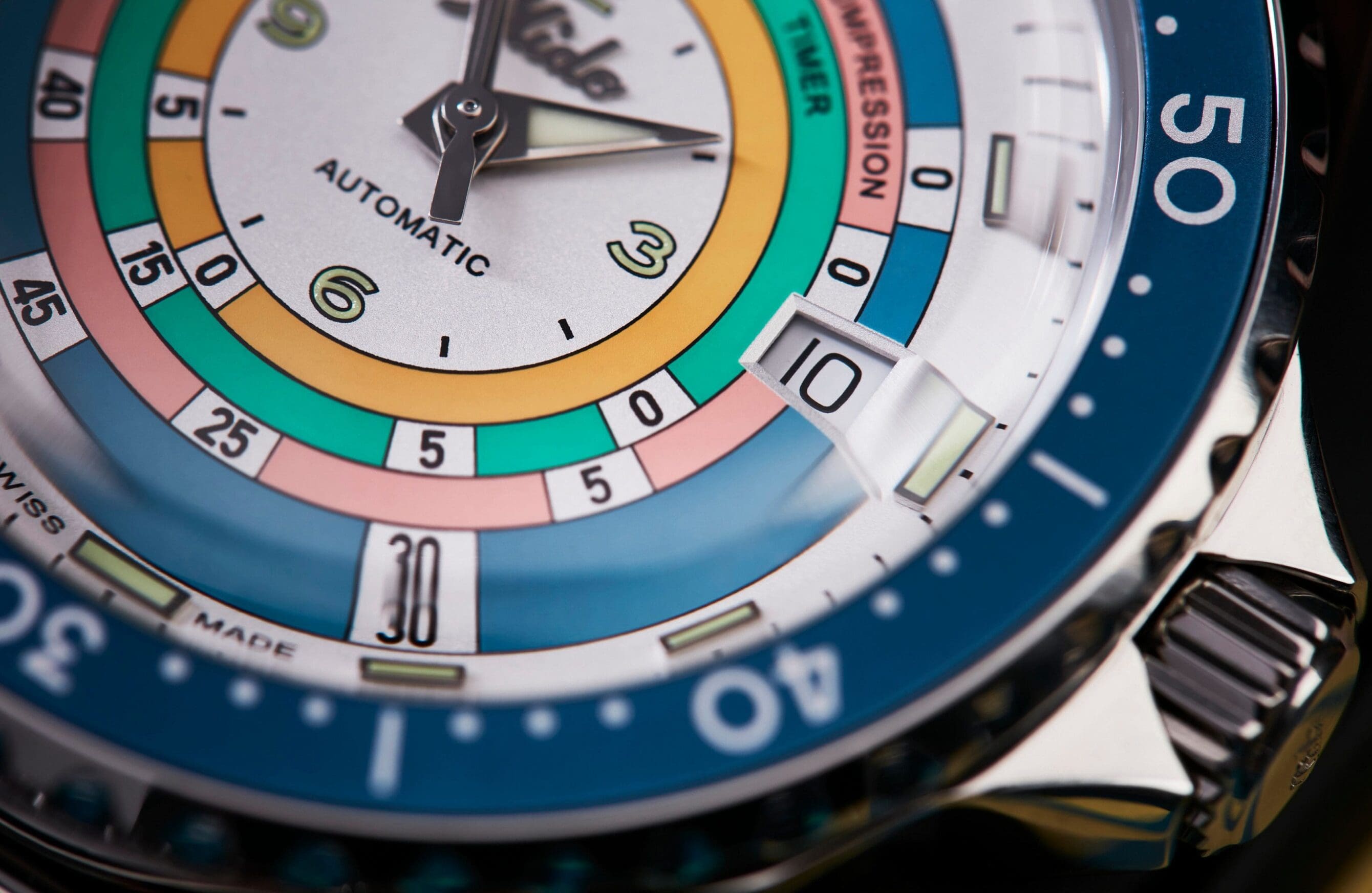
Let’s take a quick dip into diving watch history. The brands who really birthed the category as we know it today are Rolex/Tudor and Blancpain – who each began production of their dive watches in 1953 (it should also be noted that Zodiac introduced their Sea Wolf diver in 1953 as well). Brands such as … ContinuedThe post HANDS-ON: The return of the Rainbow Diver Limited Edition! The 2021 Mido Decompression Timer 1961 appeared first on Time+Tide Watches.
 SJX Watches
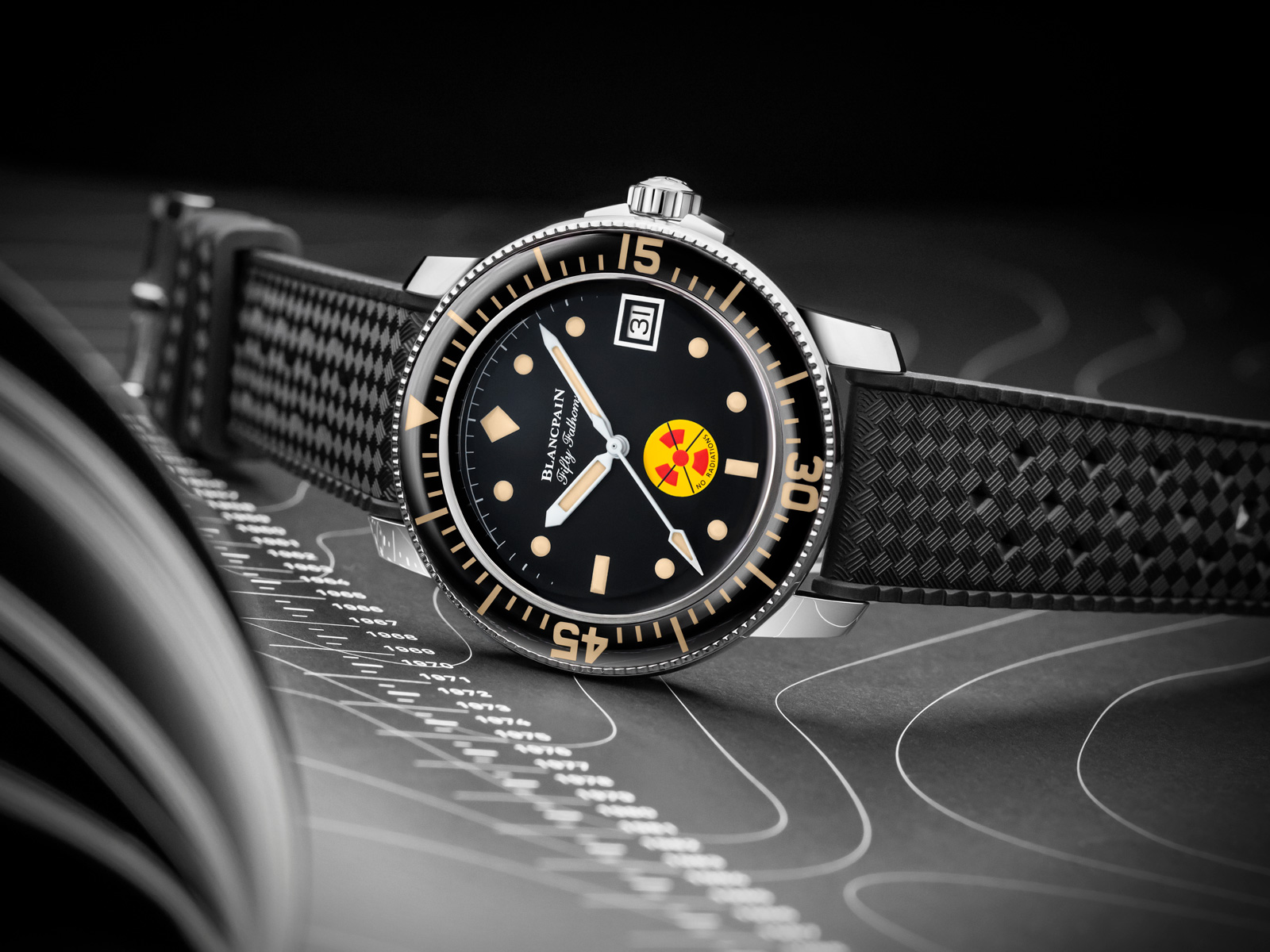
Blancpain’s iconic dive watch introduced in 1953, the Fifty Fathoms was named after the maximum depth then considered to be safe for divers, about 91 m. The Fifty Fathoms also claims the title of being the first purpose-built dive watch, though Rolex contends that its Submariner came first. Produced in a great many iterations, the Fifty Fathoms has become highly collectible in good number of variations, including those bearing the “No Radiations” logo – used in the early 1960s to indicate that radioactive radium was no longer used for the luminescence of the dial. That watch has now been revived by Blancpain as the Tribute to Fifty Fathoms No Rad, a limited edition that channels the spirit of the 1960s original, but executed in modern-day Blancpain quality. An example of the vintage Fifty Fathoms “No Radiations” Initial thoughts A staple of Blancpain’s line up, the Fifty Fathoms has been revived in various guises over the last few years, with the latest “No Rad” being the latest of several vintage remakes. The abundance of Fifty Fathoms limited editions – all similar but slightly different – have diminished its uniqueness somewhat, but the “No Rad” is nonetheless compelling. For one, the design has some provenance: the vintage “No Radiations” is a rare watch that’s exploded in value on the secondary market. And the “No Radiations” dial is quaint and quirky, but also historically significant in the transition from radium to tritium, c...
 Time+Tide
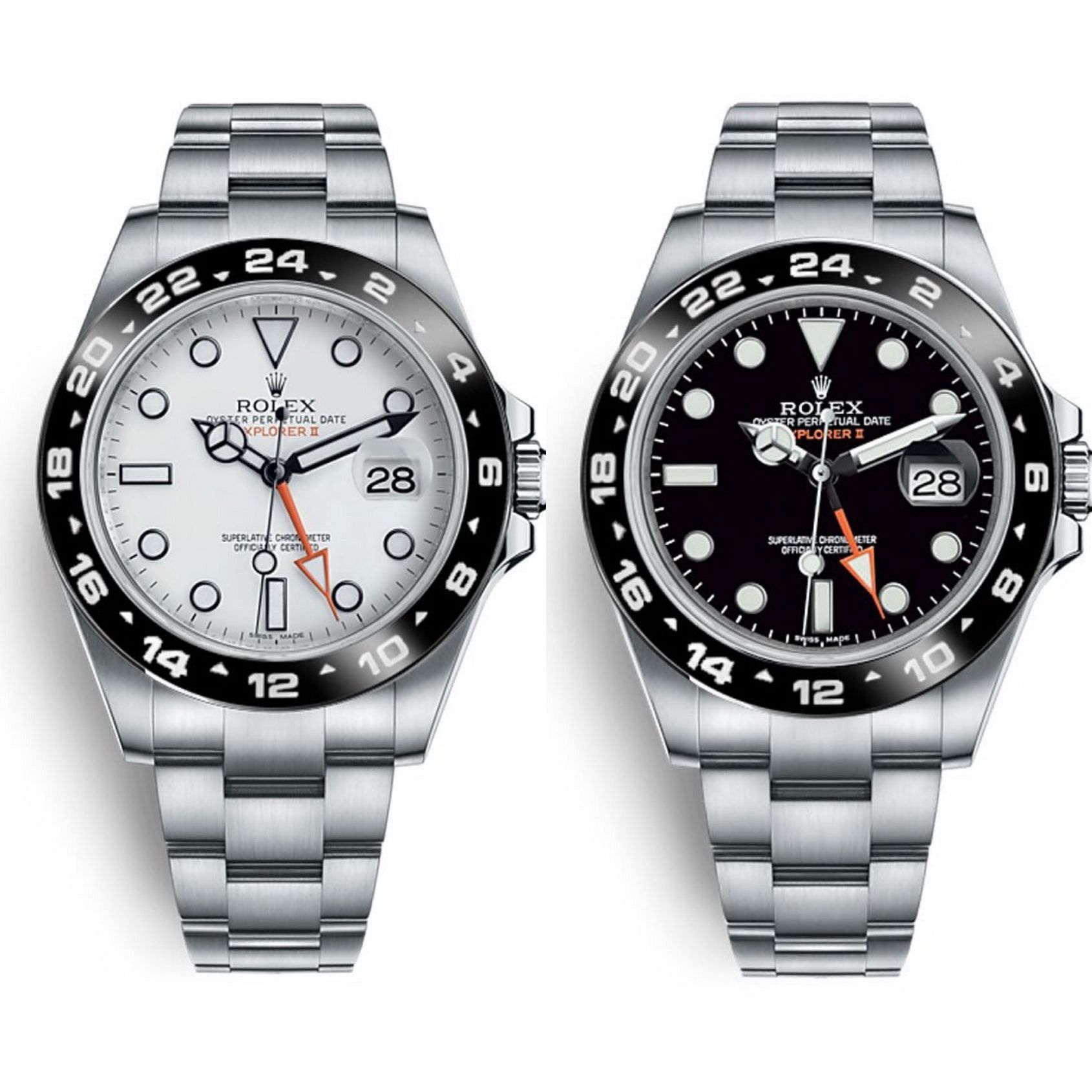
There’s no Baselworld this year, but in April we will have the “phygital” Watches & Wonders to look forward to. Thirty-four brands will be in attendance, among them Rolex and Patek Philippe – two horological heavyweights whose potential novelties will, as always, be eagerly awaited. Back in September we saw Rolex refresh the Submariner collection, … ContinuedThe post Predictions: Will we see new Rolex Explorer watches in 2021? appeared first on Time+Tide Watches.
 Time+Tide
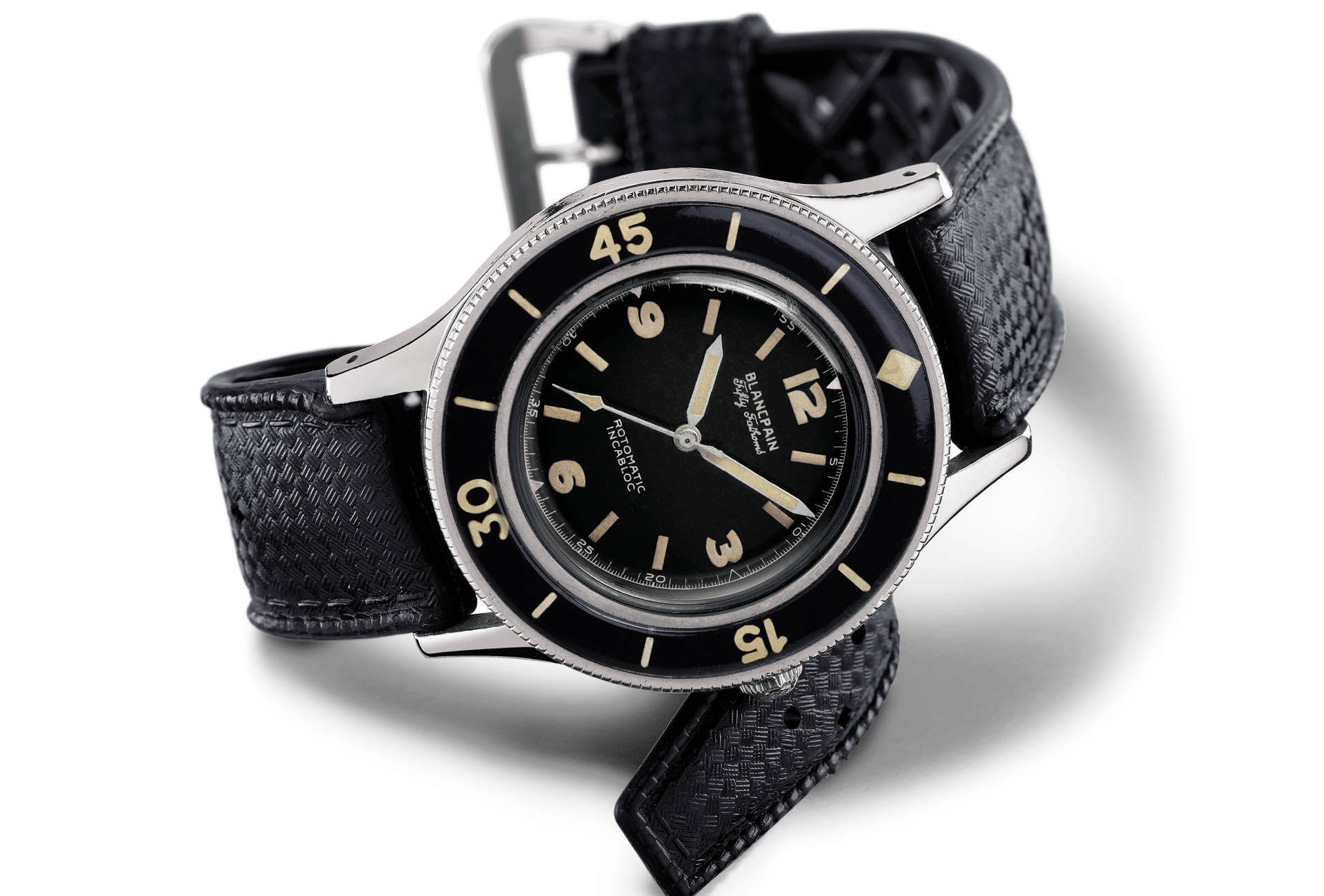
Many, many people out there view the ubiquitous Rolex Submariner as the forefather of all amphibious timepieces. And they’re dead wrong. In fact, the first truly fit-for-purpose dive watch was made by one of the oldest Swiss watchmakers in the game – Blancpain. The story of the world’s first dive watch is an interesting one, … ContinuedThe post Dive Watch Fundamentals – How Blancpain gave birth to the modern dive watch appeared first on Time+Tide Watches.
Question, suggestion, or just want to say hi? Drop a note.