 Deployant
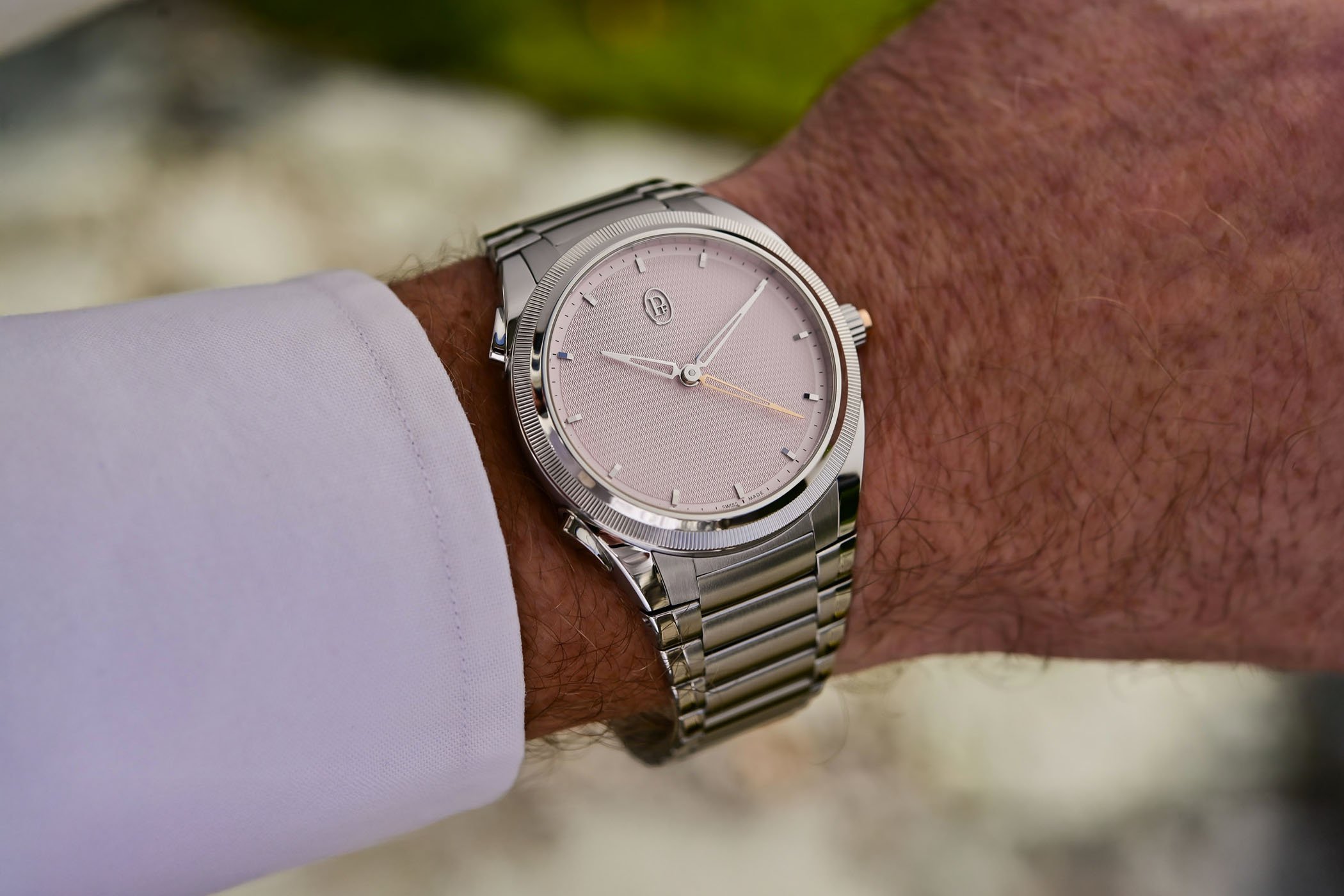
Review: The New Parmigiani Tonda PF Minute Rattrapante Arctic Rose
Reviewing the Parmigiani Fleurier Tonda PF Minute Rattrapante Arctic Rose. An indepth look into the maison's latest watch that whispers "discreet luxury".
290 articles found · page 8 of 10
Val-de-Travers village; home to Bovet (1822), Parmigiani Fleurier (1996), Chopard L.U.C (1996); Qualité Fleurier birthplace.
The Ultra-Cermet sports chronograph returns in a Mineral Blue colorway that's hard to ignore
Deployant
Reviewing the Parmigiani Fleurier Tonda PF Minute Rattrapante Arctic Rose. An indepth look into the maison's latest watch that whispers "discreet luxury".
 Monochrome
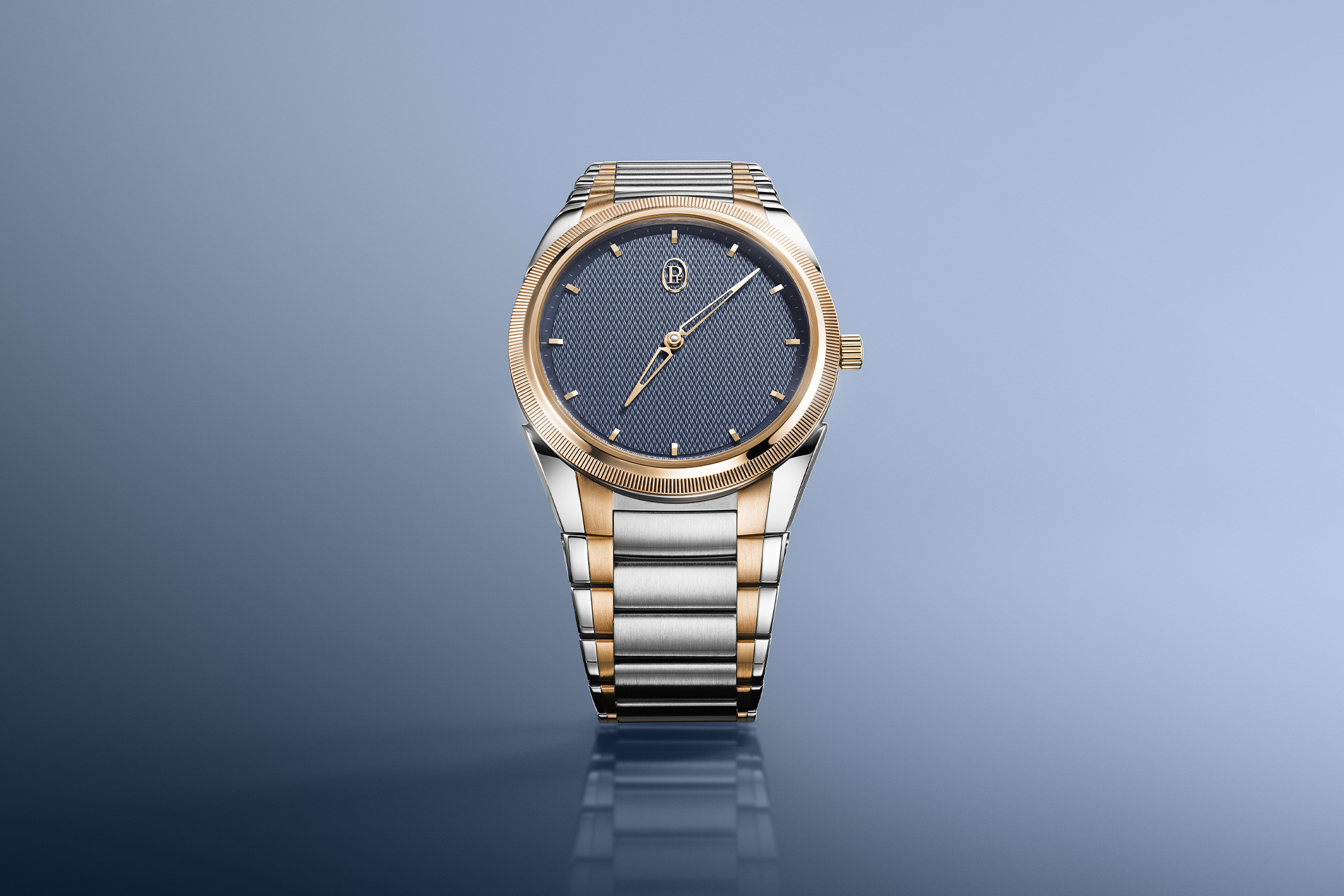
Parmigiani Fleurier’s turnaround, orchestrated by CEO Guido Terreni, is remarkable because it has been achieved on the back of one collection: the Tonda PF. Introduced just four years ago, the Tonda PF family now accounts for 85% of the brand’s sales. Often described as the brand’s luxury sports watch with an integrated bracelet, the adjective […]
 Monochrome
Launched in 2021, the Tonda PF collection fulfilled two needs with one deed. On the one hand, it celebrated Parmigiani Fleurier’s 25th anniversary and the illustrious career of master watchmaker and founder Michel Parmigiani; on the other, it marked a trial by fire for the new collection, overseen by the newly appointed CEO, Guido Terreni. […]
 Monochrome
Parmigiani Fleurier, the elite watch brand founded by master restorer and watchmaker Michel Parmigiani in 1996, underwent a management change in 2021 with the appointment of Guido Terreni. Terreni’s roadmap for Parmigiani involved streamlining the collections and focusing on a new collection derived from Michel Parmigiani’s Tonda watch. Released that same year, the Tonda PF is a lineup […]
 Monochrome
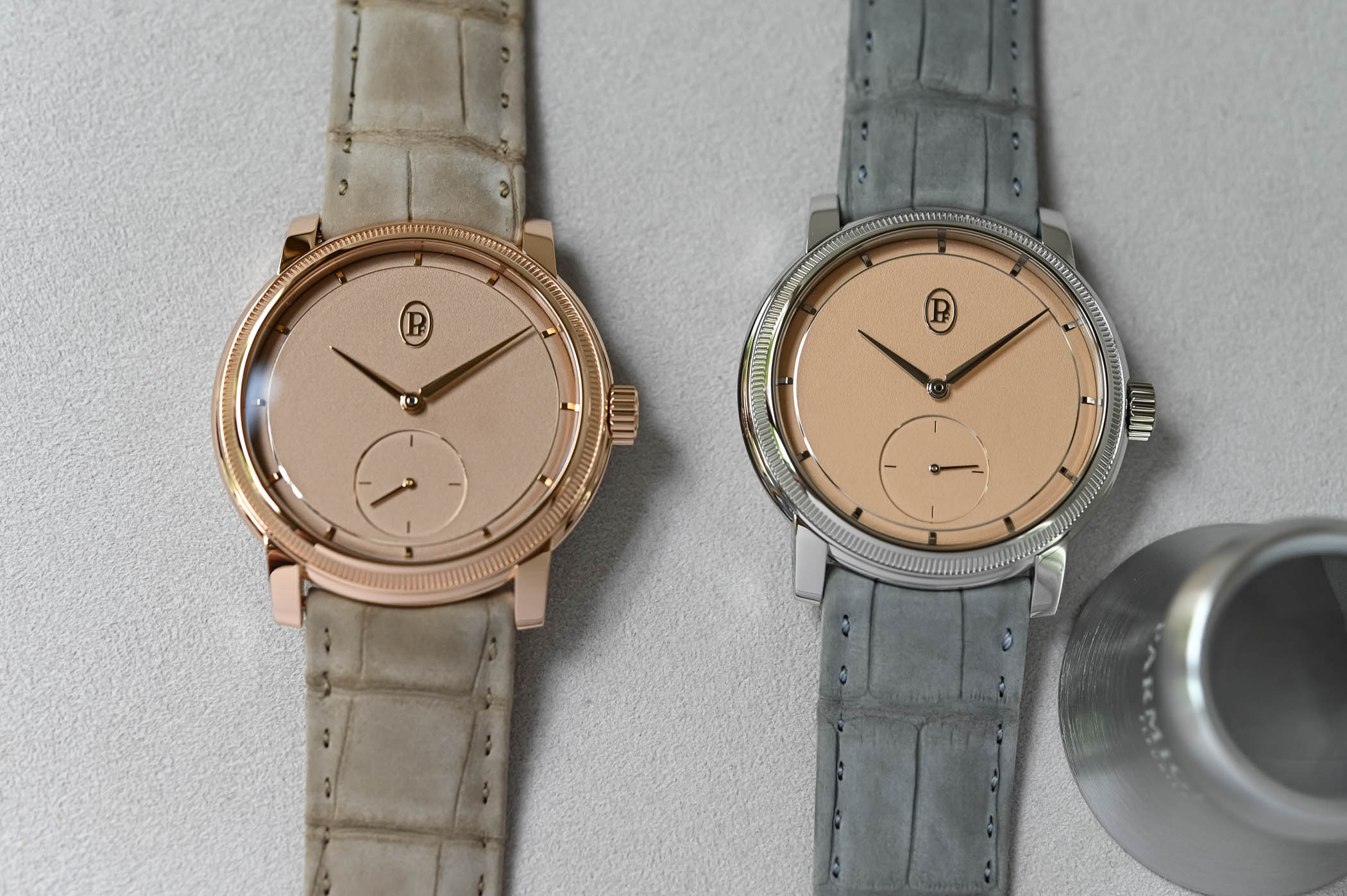
The name Toric at Parmigiani Fleurier carries great importance. It was, after all, the very first made by founder Michel Parmigiani when he decided to fly solo. An elegant watch characterised by its gadroons and knurled surfaces, it underwent a significant update last year with the launch of the new Toric collection. But more than just an […]
 SJX Watches
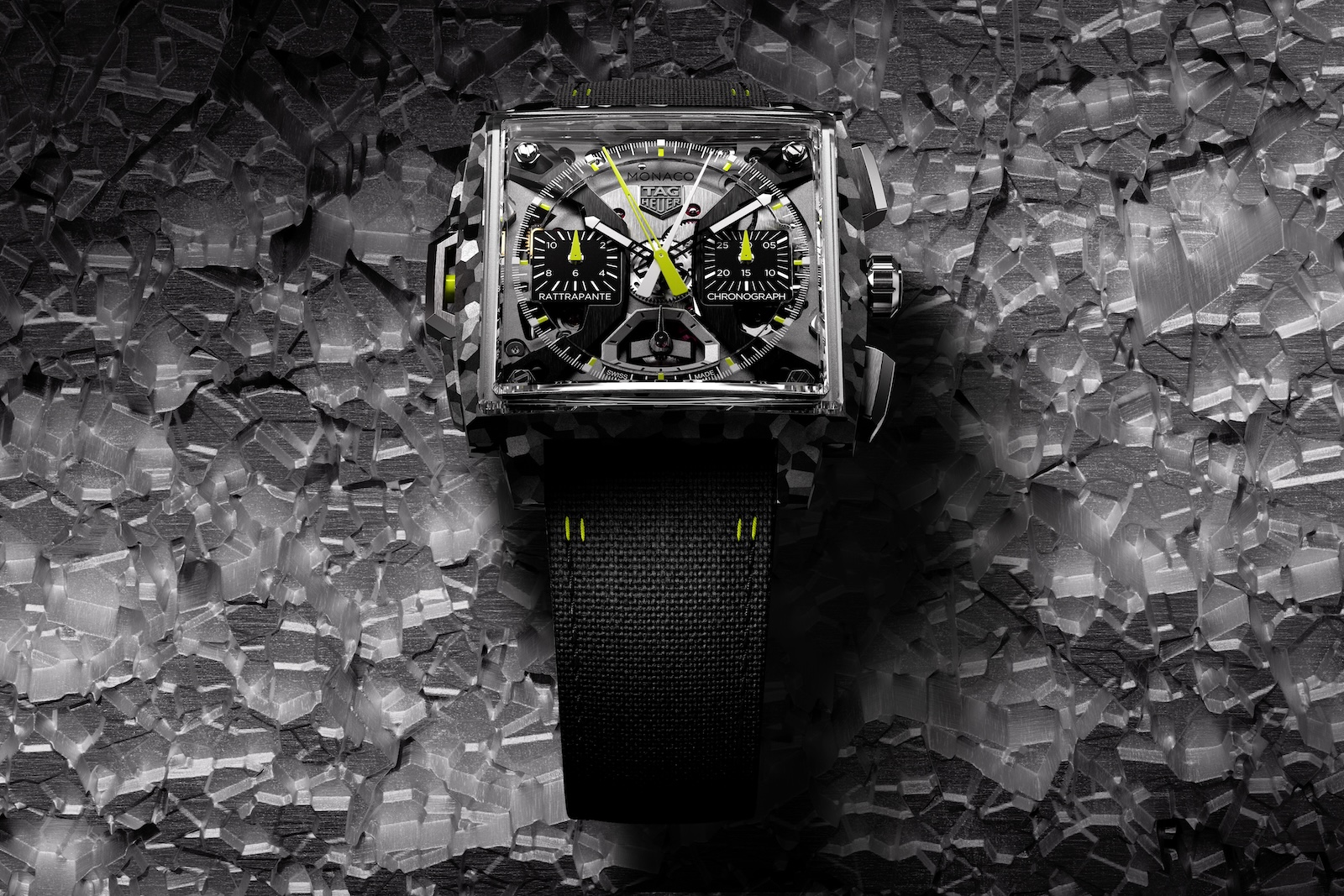
Initially launched as a unique piece in a crystallized titanium case for Only Watch 2023, the TAG Heuer Monaco Split-Seconds Chronograph was then added to the catalog, most recently as a limited edition in ceramic. Now the model returns in its original crystallized titanium livery, accented in lime green. Under the hood is a high-beat Vaucher chronograph movement, also used by Parmigiani Fleurier and Richard Mille. The split-seconds is the flagship of the Monaco collection, impressive inside and out – with a price to match – but seemingly runs counter to the brand’s established direction of affordable sports watches. Initial Thoughts The latest iteration of the Monaco split-seconds is the best yet, price aside. The variants of the model released between the one-off for Only Watch and this felt incomplete without the crystallized titanium case. The material is visually and technically interesting, and its resemblance to forged carbon fits the automotive theme; lime green accents notwithstanding, it’s a good-looking watch. Image – TAG Heuer A rattrapante is a natural fit for an auto racing-focused brand like TAG Heuer, but the ambitious CHF145,000 price is confusing, given TAG Heuer’s efforts toward making the Swiss-made tourbillon affordable. The Monaco split-seconds itself is excellent – the movement especially so – but an affordable rattrapante would be more in line with the brand’s recent direction. While the base movement is shared with costlier Richar...
 Deployant
We met up with Guido Terreni, CEO of Parmigiani Fleurier during Watches and Wonders Geneva 2025, and got him to discuss this year's novelties.
 Monochrome
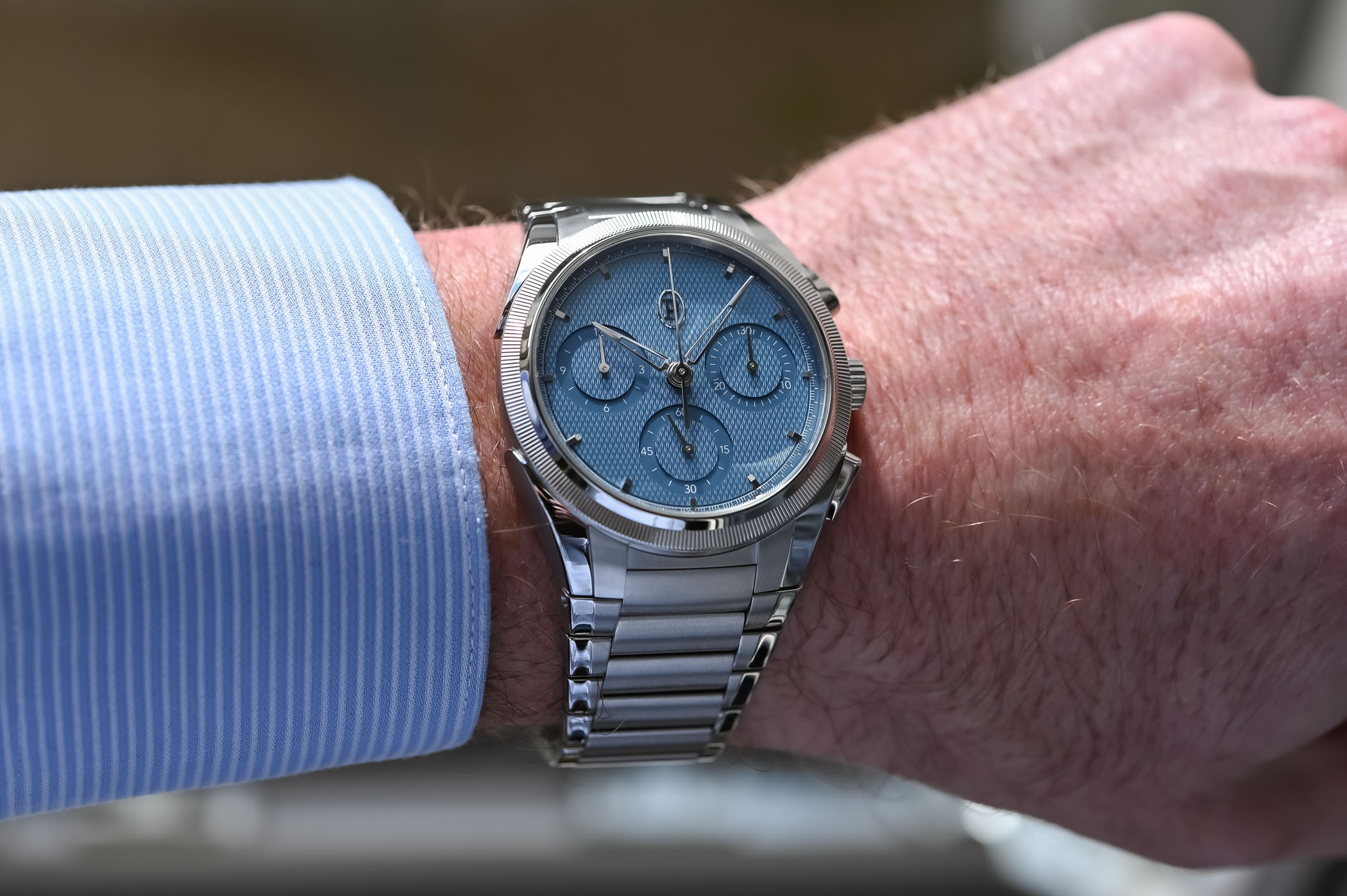
Three years ago, Parmigiani Fleurier unveiled its sophisticated Tonda PF luxury sports watch collection. Still bearing traits from the original Tonda designed by Michel Parmigiani, the collection debuted with four models, including the 42mm Tonda PF Chronograph. The new Tonda PF Chronograph, presented during Watches & Wonders 2025, comes in a more compact 40mm case […]
 Deployant
Parmigiani Fleurier returns with the stunning new Tonda PF GMT Rattrapante Verzasca, unveiled at the highly anticipated Watches and Wonders 2025!
 Deployant
Our next stop is Parmigiani Fleurier, one of our favourite brands. This is our touch and feel session with handling impressions and live photographs.
 Worn & Wound
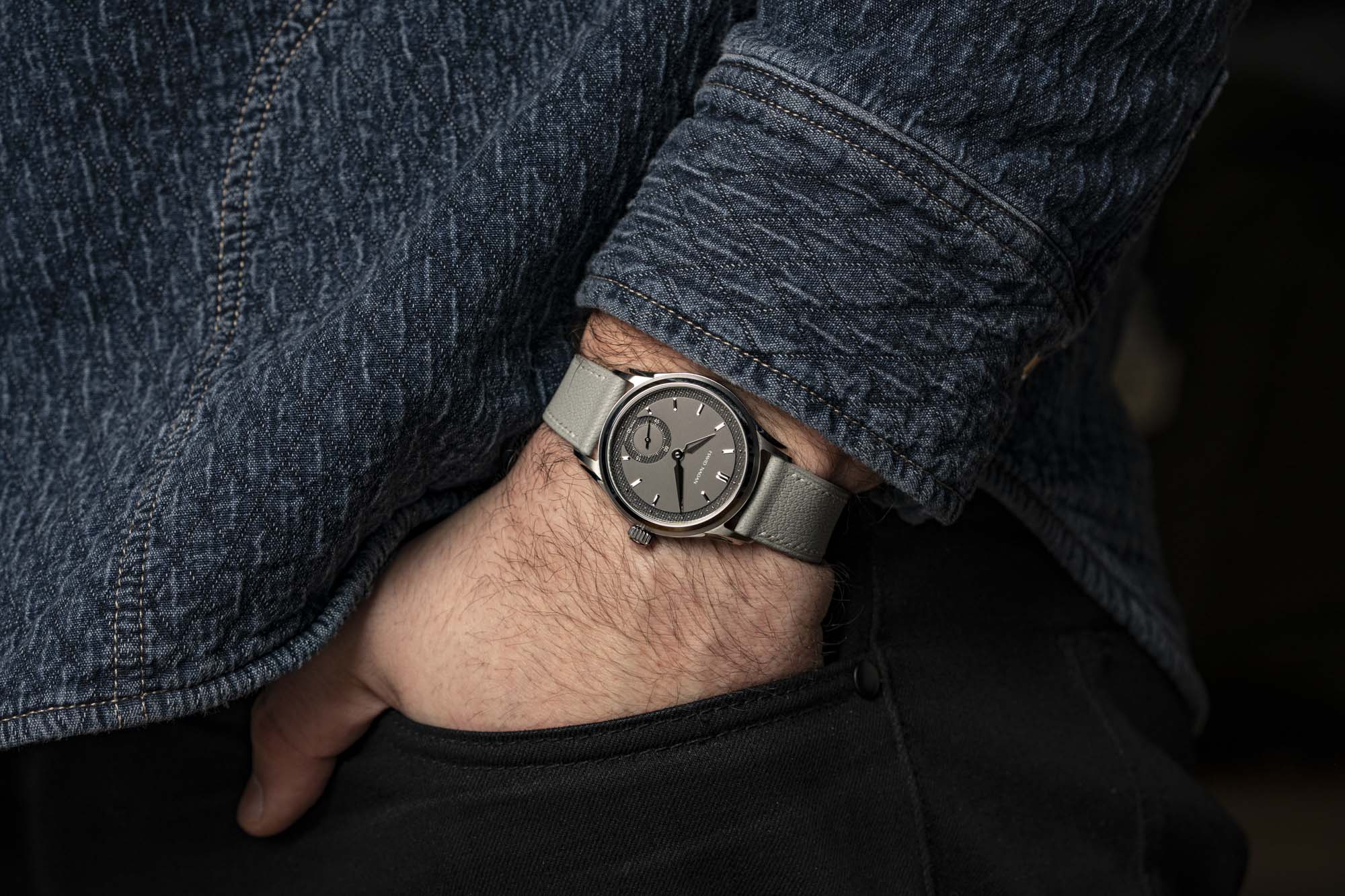
Last year, one of the most intriguing watches I had a chance to handle was Havid Nagan’s debut, the HN00. I spent a few weeks with it right around the time brand founder Aren Bazerkanian was promoting his second release, the HN01. Now, another year later, and Havid Nagan is back with their third effort, the Classic One. The new naming convention speaks to just how different the Classic One is from its predecessors, and reflects the brand pivoting and changing in real time. In speaking with Bazerkanian, however, it’s clear that those shifts reflect a deep confidence in his own vision, and not merely commercial practicality. “About two years ago, I found myself digging deeper and deeper into the vintage market,” Bazerkanian explained to me, when asked about the inspiration for the Classic One. “Namely, I was very interested in learning about vintage Patek 96 references, Urban Jurgensen, and Parmigiani Fleurier.” The Classic One, as the name implies, evokes classic dress watches like the ones mentioned by Bazerkanian, and many others. The 38mm case is just 9mm tall, making for an ideal wearing experience that isn’t exactly “vintage” in feel, but it’s adjacent to it. The case construction and finishing is very much that of a modern watch, with sharp transitions and clearly defined lines. But it wasn’t just vintage watches on Bazerkanian’s mind when he set about to create the Classic One. “My wife and I had welcomed our daughter,” he told me, “...
 Fratello
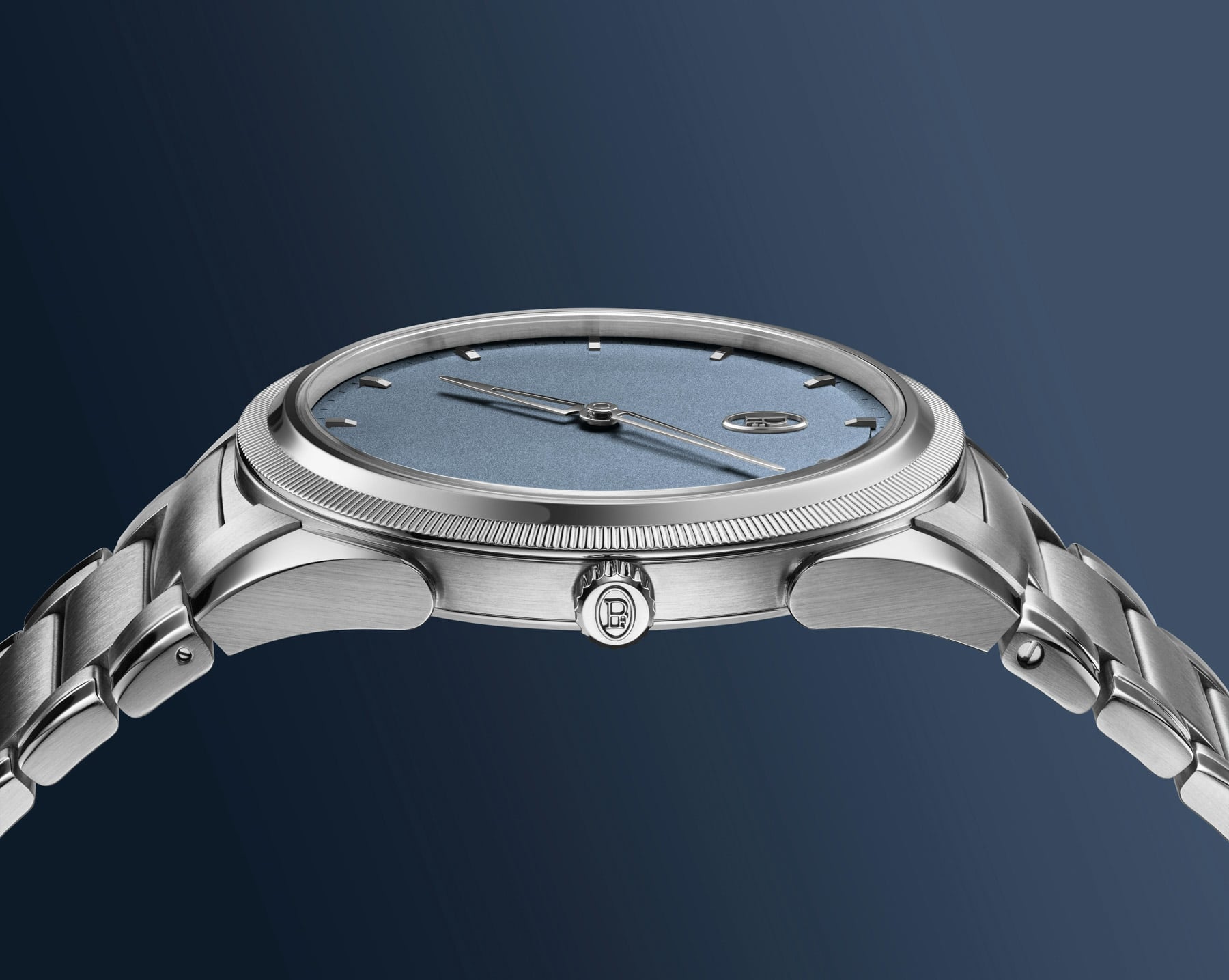
In the spring of 2023, Parmigiani Fleurier introduced an all-platinum version of the popular Tonda PF Micro-Rotor. Even the sandblasted dial was platinum, and it had a date window at 6 o’clock. Then, in the spring of 2024, the brand from Fleurier, Switzerland, introduced the Tonda PF Micro-Rotor No Date. The omittance of a date […] Visit Introducing: The Parmigiani Tonda PF Micro-Rotor With A Stone Blue Dial And A Full-Platinum Body to read the full article.
 SJX Watches
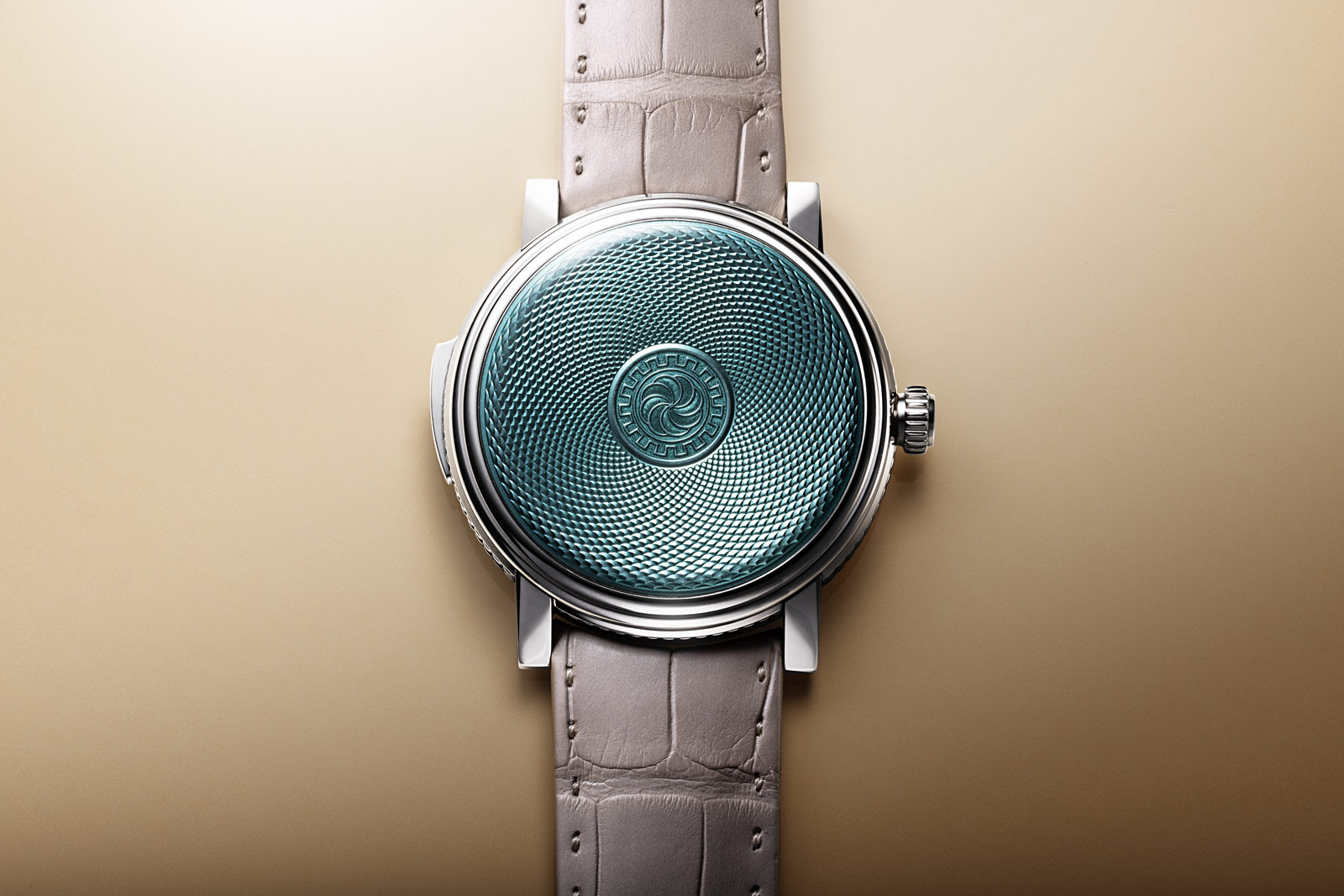
To mark founder Michel Parmigiani’s 74th birthday, Parmigiani Fleurier created the L’Armoriale Répétition Mystérieuse, a minute repeater without a tangible time indication on the face. Instead, the enamelled, guilloché dial on the front is purely decorative, with the repeater to tell the time on the wrist. But there is the time on the back of the watch thanks to a pair of discreet, peripheral hands. Initial thoughts Among the many complications, the minute repeater is one of my favourites. The beauty of a minute repeater lies in its acoustic time indication, which makes hands redundant in some ways. The L’Armoriale Répétition Mystérieuse takes this concept to its logical conclusion in a gorgeously executed manner. The elaborate dial and case, however, result in the watch being very large, big enough that it loses some of the refinement and details present in a smaller case. Several notable artisans contributed to the watch, including Vanessa Lecci for the enamelling. The movement was supplied by Renaud & Papi, which is a fine, high-end movement but it’s a bit of a shame that Parmigiani didn’t utilise one of its in-house repeater calibres. A fascinating complication Like many historical Parmigiani models, the styling of the L’Armoriale Répétition Mystérieuse is inspired by Ancient Greece. The fluted case middle is modelled on Doric columns, while the engine turning on the dial and the back are inspired by the Fibonacci sequence. It’s a large watch, w...
 SJX Watches
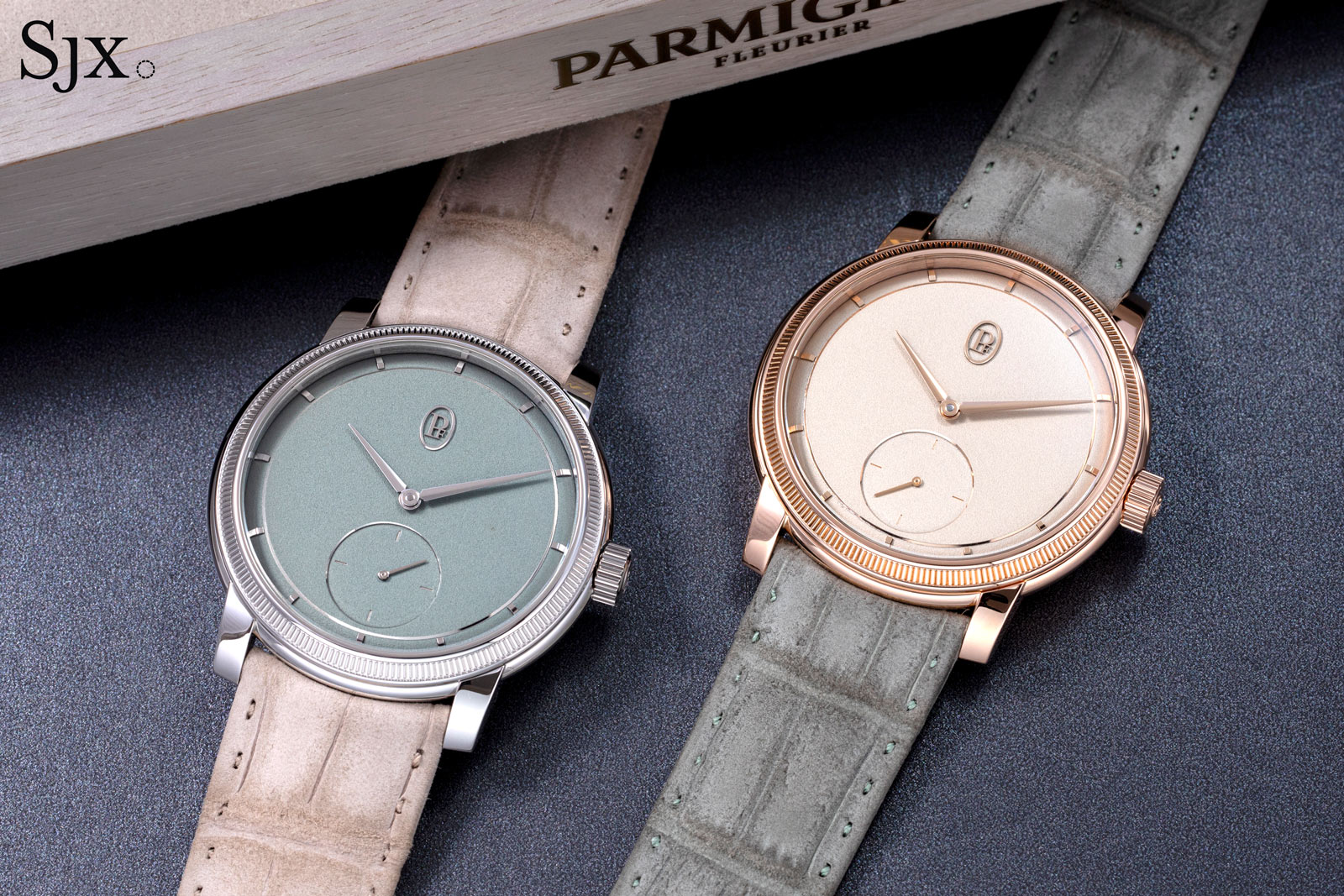
Having gone all in with the Tonda PF sports watch in the last couple of years, Parmigiani Fleurier recently revived its classic dress watch with the Toric Petite Seconde. Named after the model that launched the brand in 1996, the Toric Petite Seconde is a simple, three-hand watch. Despite its simplicity, the new Toric is expensively executed – the dial and hands are solid 18k gold, as are the bridges and base plate of the PF780 movement, a newly-developed manual-wind calibre. Style wise, the Toric takes after the earlier generation of the model and retains the signature knurled bezel, but presented in a minimalist manner with a wide, clean dial reminiscent of the Tonda PF. The platinum with a “grey celadon” dial (Editor’s note: The watches pictured are pre-production prototypes and consequently have imperfections in detail and finishing, including on the dial.) Initial thoughts Parmigiani accurately describes the Toric design as minimalist and the PF780 movement as modernist. And as expected of Parmigiani, the quality is excellent, inside and out. The Toric is dress watch but feels large at almost 41 mm in diameter, but the case stays thin at under 9 mm. Even though the Toric is obviously a dress watch, it almost also feels like a casual everyday watch because of the size, dial colours, and stock straps. I assume more formal dial colours like black in the pipeline; they would give this a decidedly different look. The case has the trademark knurled bezel, but is oth...
 SJX Watches
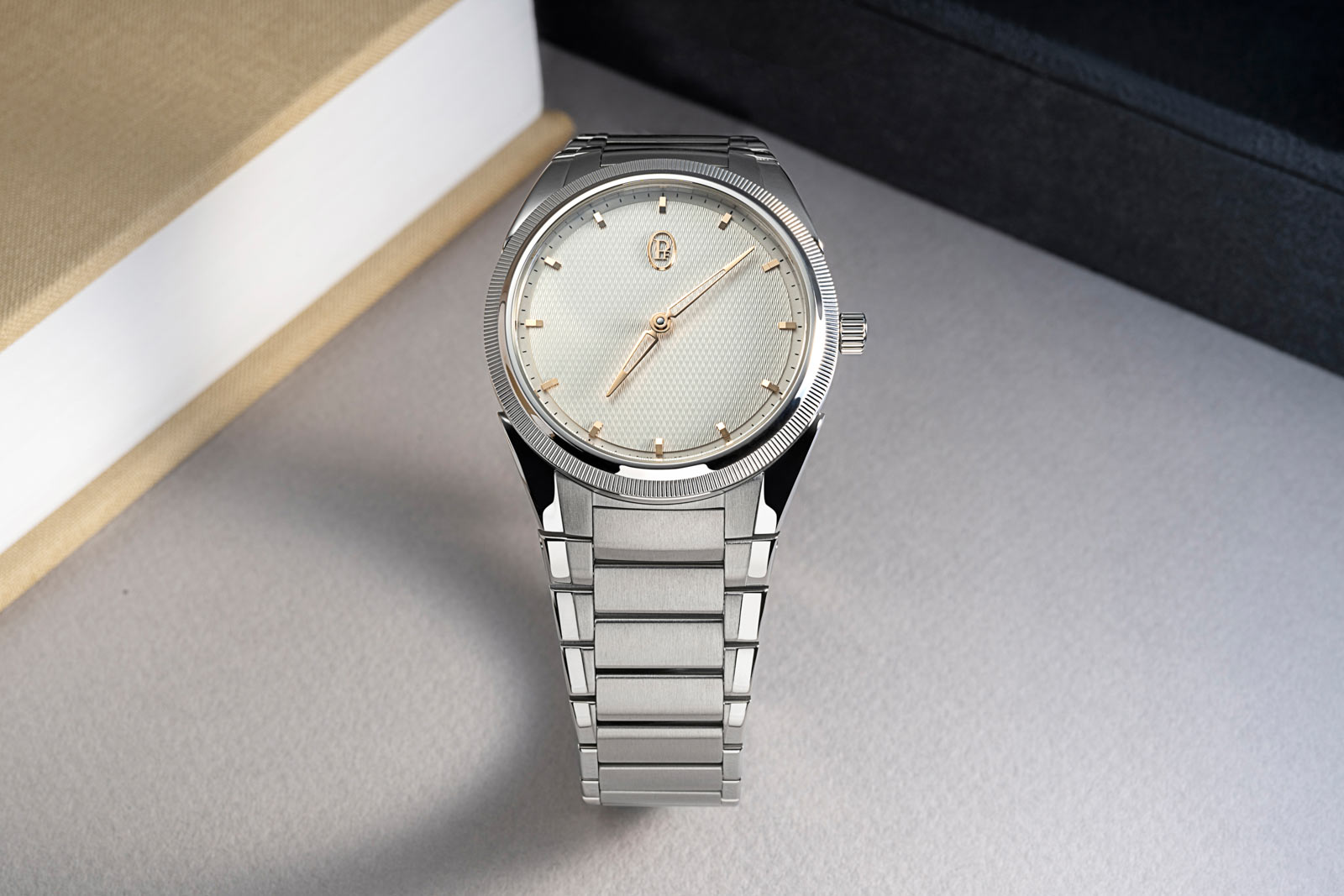
Parmigiani Fleurier has just launched the Tonda PF Automatic 36mm ‘Sunlit Ivory’ SHH Edition, a limited edition for Singapore retailer Sincere Fine Watches. More compact than the rest of the collection that ranges from 40 mm to 42 mm, its svelte dimensions are an answer to collectors’ calls for smaller watches, which is a positive development from both an ergonomic and aesthetic standpoint. Limited to 50 pieces, the watch will be available exclusively at Sincere Fine Watches and SHH boutiques across Southeast Asia. Initial thoughts Let’s get this out of the way: this is an integrated-bracelet luxury sport watch. But the Tonda PF, and this SHH edition specifically, is a thoughtfully conceived watch that deserves a second look despite the numerous offerings in this segment. Its appeal primarily comes down to the size and execution, which differentiates this from its peers. The sizing, in particular, is just about perfect. While 36 mm may sound small, the visual size is enlarged by the large dial opening, narrow bezel, and the integrated bracelet, giving it presence without bulk. Furthermore, the 8.6 mm case is thin enough to slip under a shirt cuff, but substantial enough to not feel dainty. There are also a number of well-considered details, such as the guilloché dial, platinum bezel, and no-date format, which plant the Tonda PF Sunlit Ivory firmly on the dressy end of the luxury sport watch spectrum. But the Tonda PF is still sporty – featuring a 4 Hz movement, ...
 Monochrome
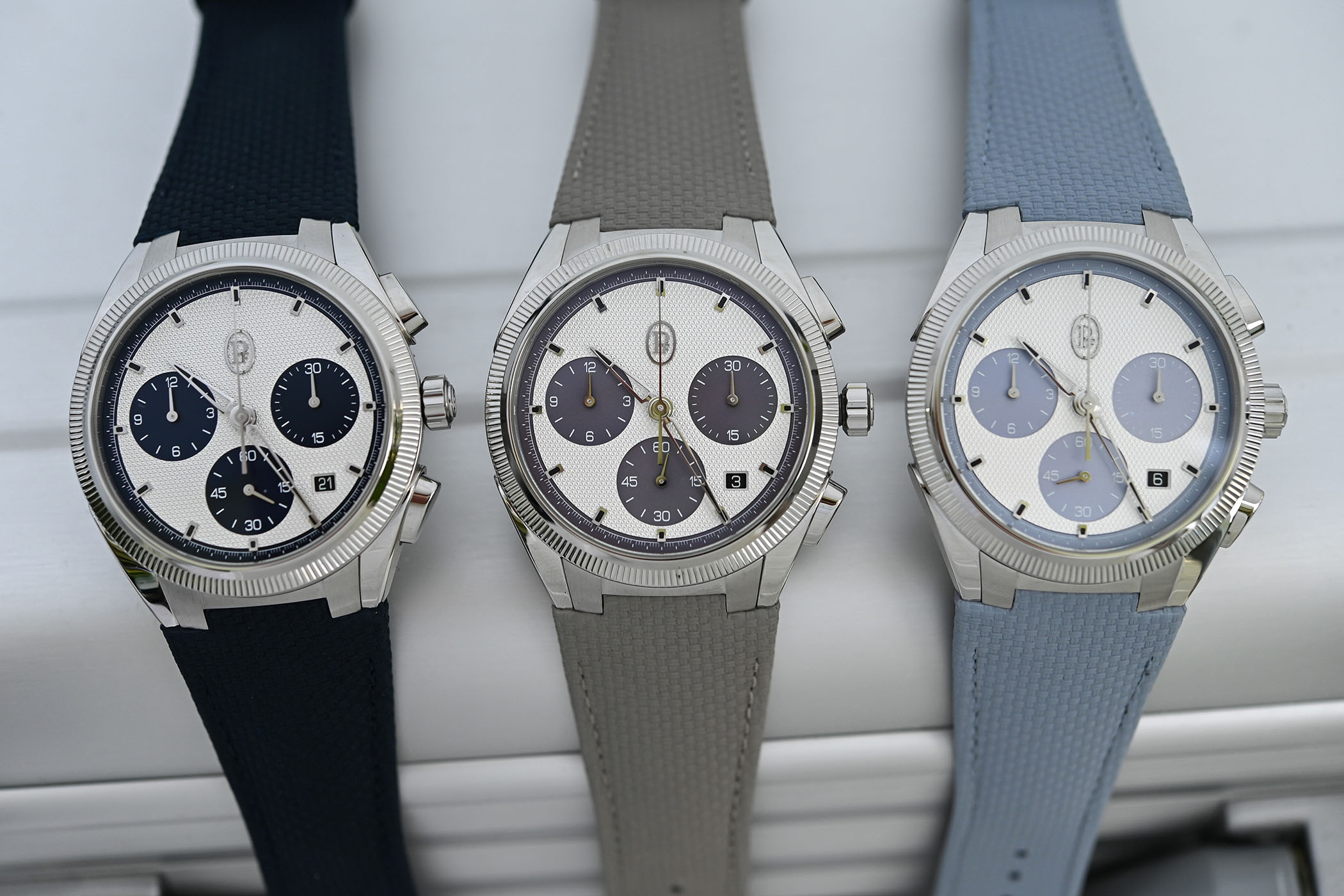
Designed by Michel Parmigiani, the classic Parmigiani Fleurier Tonda went through a tasteful facelift as an integrated sports watch following the appointment of Guido Terreni at the helm of the brand. The collection quickly proved to be a hit, which was further supported by the introduction of several new models, including the smart and innovative […]
 Quill & Pad
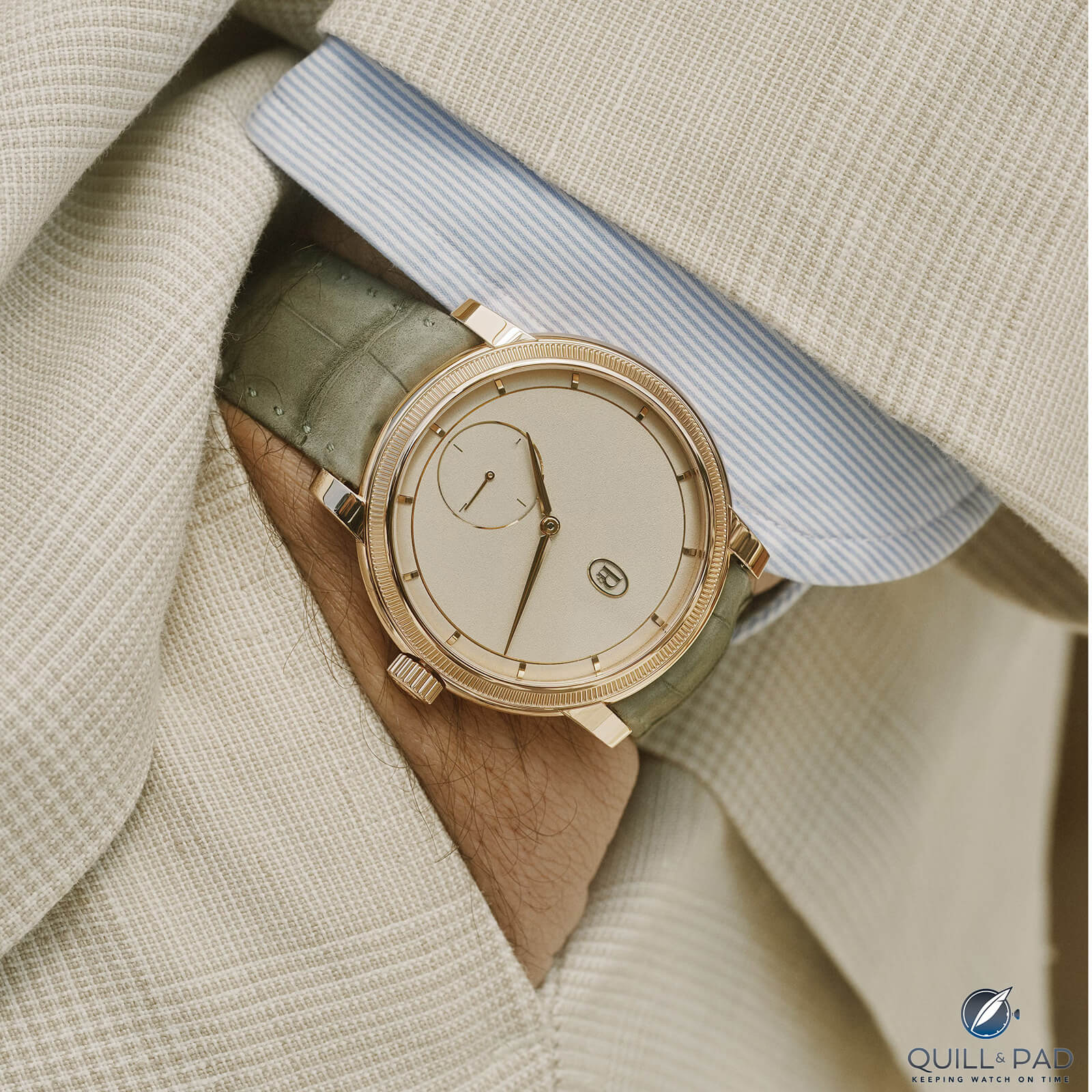
Since taking over as CEO of Parmigiani Fleurier in 2021, Guido Terreni has leaned into the brand’s legacy as a maker of classic dress watches at the level of high watchmaking. Not by making a dramatic statement piece but by doubling down on refinement. Having reintroduced the Tonda, and picking up a GPHG award for it in 2022, Terreni turned his attention to the Toric, the golden-ratio proportioned flagship dress watch that was Michel Parmigiani’s first design.
 Deployant
Parmigiani Fleurier brought their 2024 novelties to Singapore, and we were privileged to host a dinner event with our Deployant Friends.
 Deployant
And our last and certainly not the least important appointment for the day is with Parmigiani to witness the launch of the new Toric. Live from WWG24: new releases from Parmigiani One of our favourite brands, Parmigiani Fleurier releases revives the Toric collection. The Toric was first released 28 years ago, Parmigiani’s offering in theRead More
 Monochrome
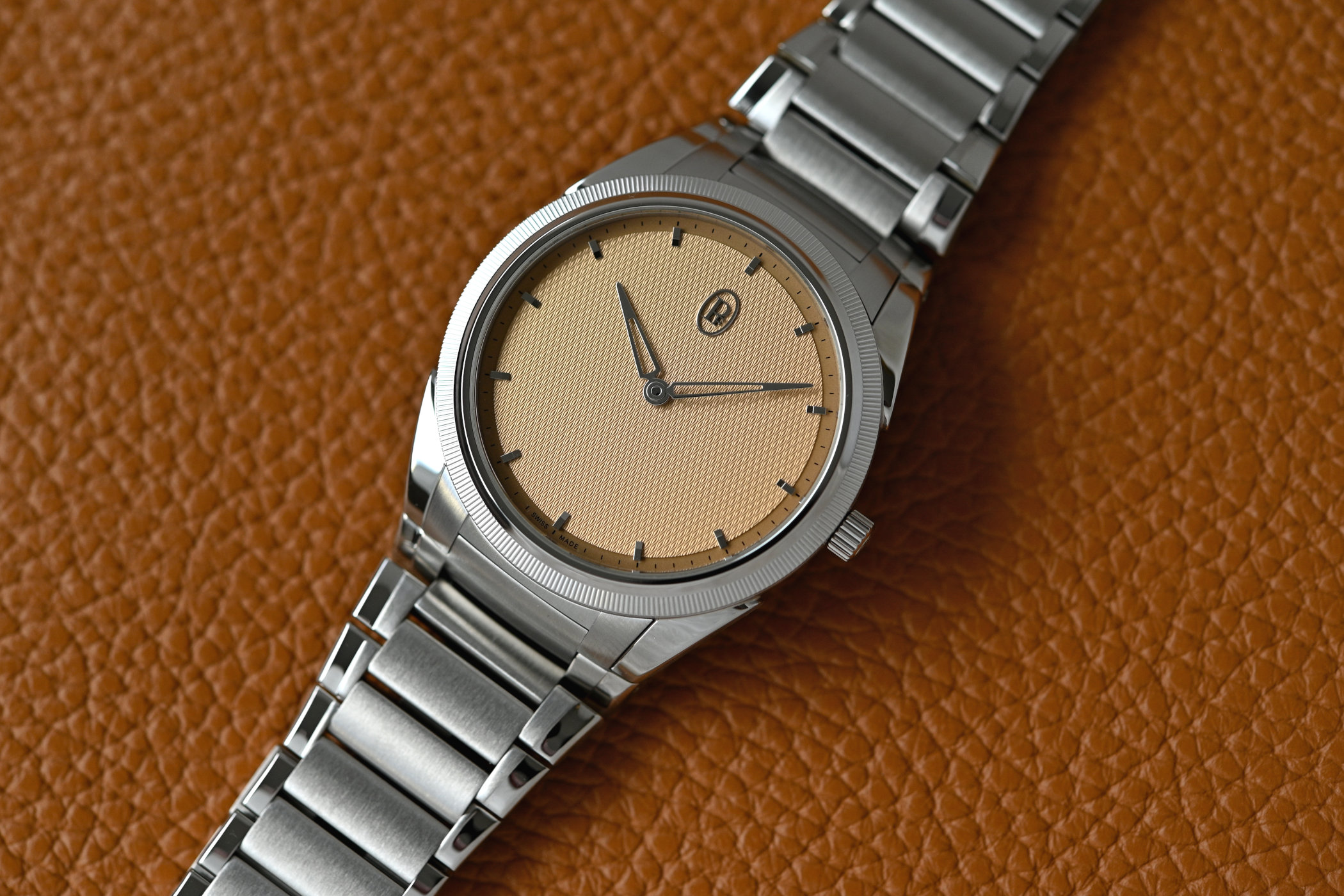
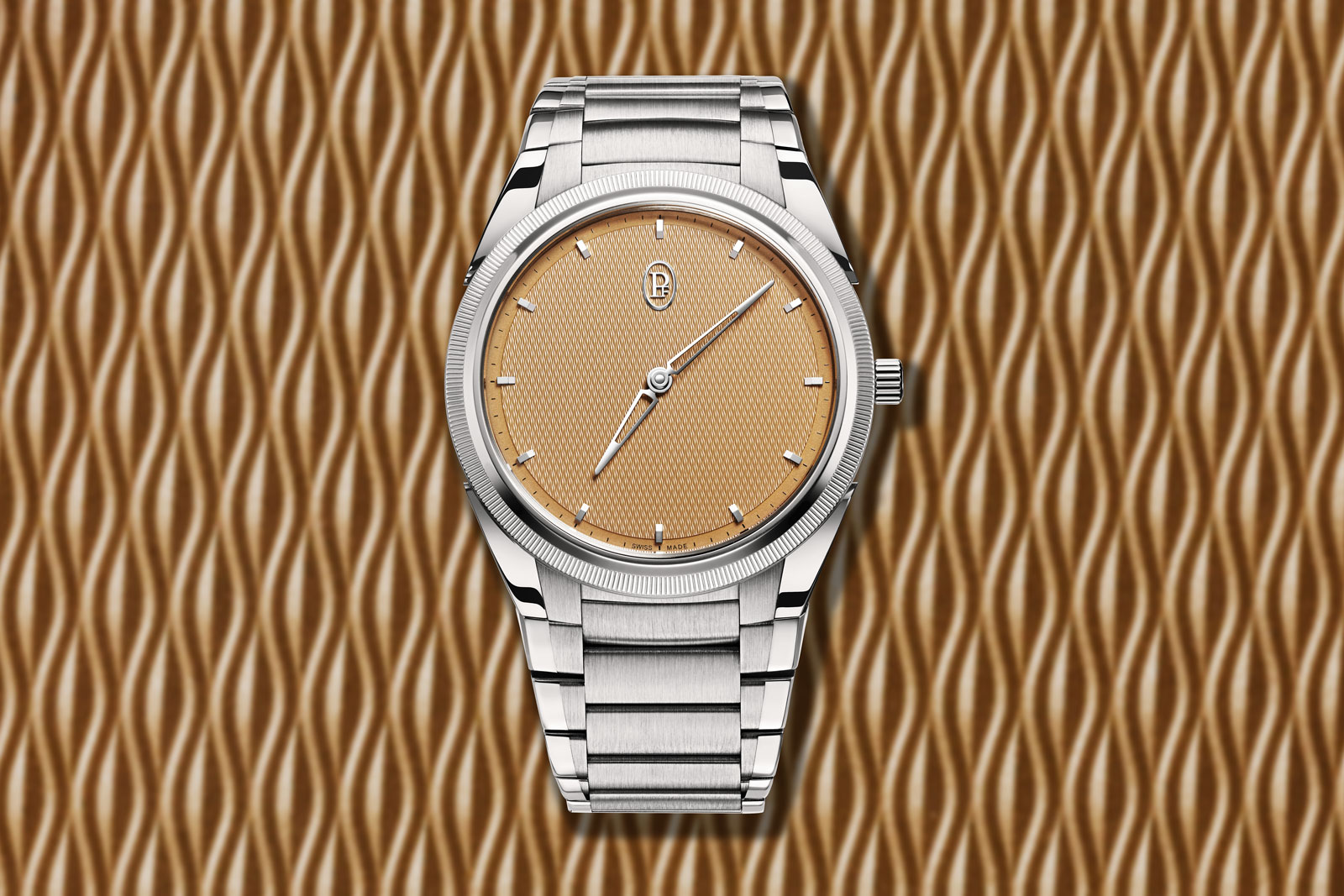
Putting jokes aside, Parmigiani Fleurier has unveiled a captivating addition to its Tonda PF Micro-Rotor collection: the Tonda PF Micro-Rotor No Date. Featuring a Grain d’Orge Golden Siena dial devoid of a date function; this timepiece exudes a strikingly pure aesthetic bound to captivate enthusiasts. Measuring 40mm in diameter and 45.6mm lug-to-lug, with a thickness […]
 SJX Watches
At Watches & Wonders 2024, Parmigiani Fleurier is launching the Tonda PF Micro-Rotor No Date, a concise sports watch clearly catered to those who want just two hands. Featuring a “Golden Siena” (or “salmon”) dial in its inaugural guise, the new Tonda PF barely deviates from the design of the original released in 2021, retaining the same case, proportions, and movement, but eliminates the date. Initial thoughts Among the sports watches launched during the integrated-bracelet-sports-watch fad, the Tonda PF stood out for its unique aesthetics that are neither boring nor flashy. While many of its competitors were often obvious derivatives of the Audemars Piguet Royal Oak and Patek Philippe Nautilus, the Tonda PF was more original and managed to retain some of the traditional design codes of Parmigiani’s more formal watches. From a distance, it is challenging to tell the difference between the Tonda PF Micro-Rotor No Date and the original. In fact, the only real difference lies in the dial design and colour. Although the differences are minimal, the salmon dial with a no-date layout offers a more refined aesthetic that will appeal to purists. At CHF23,500, the watch is priced the same as the date version and like it, is a decent-enough value proposition. Though it seems expensive when compared to more affordable alternatives like the Louis Vuitton Tambour or Moser Streamliner, the Tonda PF is more affordable than the Royal Oak or a Nautilus (which are mostly unobtaina...
 Monochrome
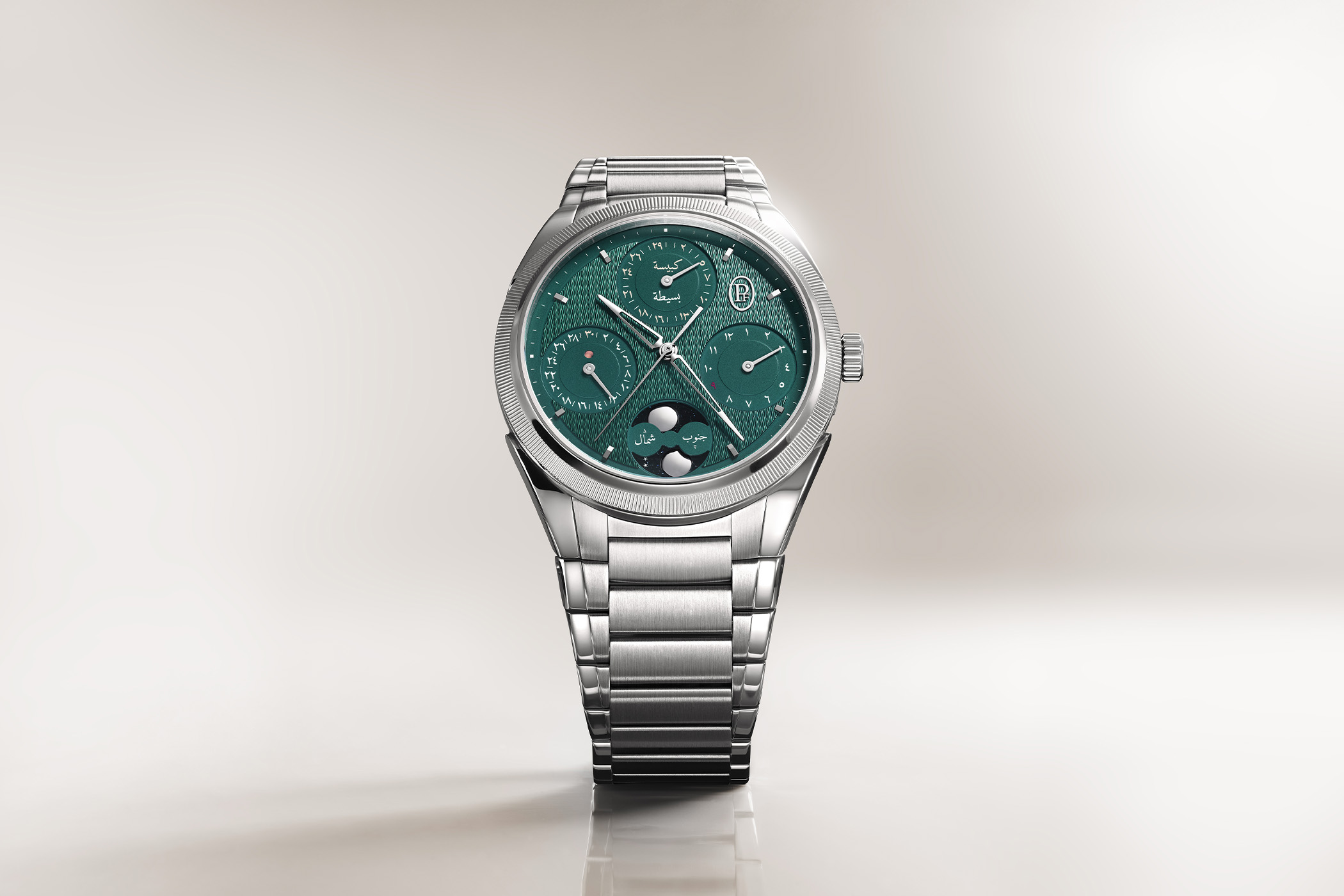
The Parmigiani Fleurier Tonda PF collection features three remarkable timepieces that aim to unravel the complexities of various calendar complications that pay tribute to the rich cultural and historical significance of different “tools to organize days”. The collection includes the complete Chinese Xiali calendar, the Western Gregorian calendar, and the Islamic Hijri calendar. The Hijri […]
 SJX Watches
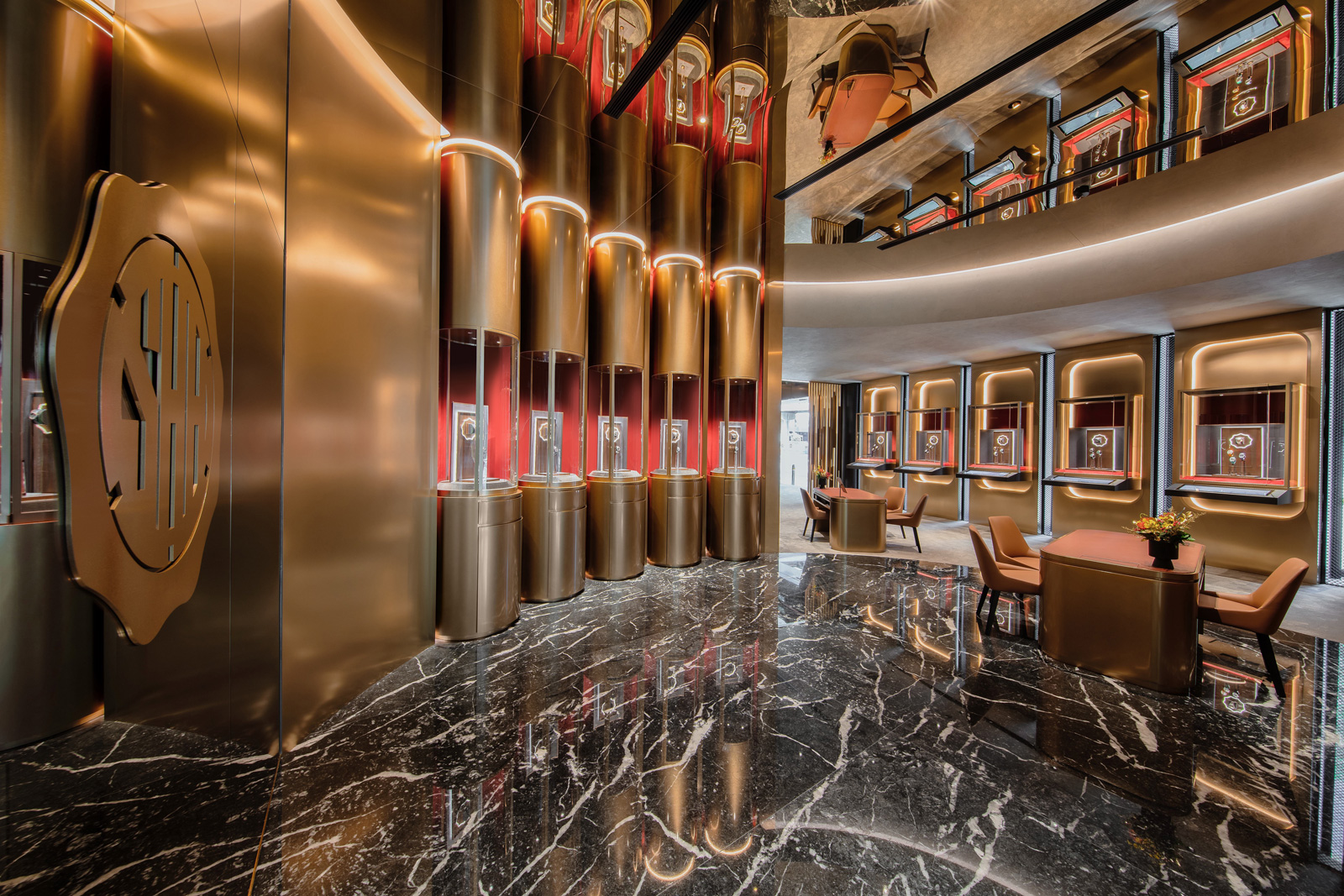
Singapore watch retailer Sincere Fine Watches has opened its newest Sincere Haute Horlogerie (SHH) concept store in Pavilion Mall located in Kuala Lumpur prime shopping district. As the biggest of the retailer’s many stores, the new establishment will serve as Sincere’s flagship, not only in Malaysia but throughout Southeast Asia. Covering 5,000 square feet, this boutique is dedicated to independent watchmaking, as all SHH stores are. Amongst the 17 brands on offer are Greubel Forsey and H. Moser & Cie. Alongside the watches is a private lounge with a bar, and an upscale dining area. The street-front facade with a custom LED screen An further expansion of the SHH concept Established almost two decades ago as a concept store focused on independent watchmaking, SHH is a vital part of Sincere, which was founded in 1954, making it Singapore’s oldest watch retailer. In 2020, fellow retailer Cortina Holdings acquired Sincere and revived the SHH concept, rolling it out in other markets including Taiwan and Thailand. The store is set to offer timepieces from 17 mostly independent brands, including Parmigiani Fleurier and Ferdinand Berthoud. The offer, however, is diverse, ranging from the classical to the extravagantly modern with Jacob & Co. And limited editions crafted specifically for SHH Kuala Lumpur will be released in due time, as was the case with its boutique at Singapore’s Marina Bay Sands. The boutique’s interiors are embellished in gold and copper tones to e...
 SJX Watches
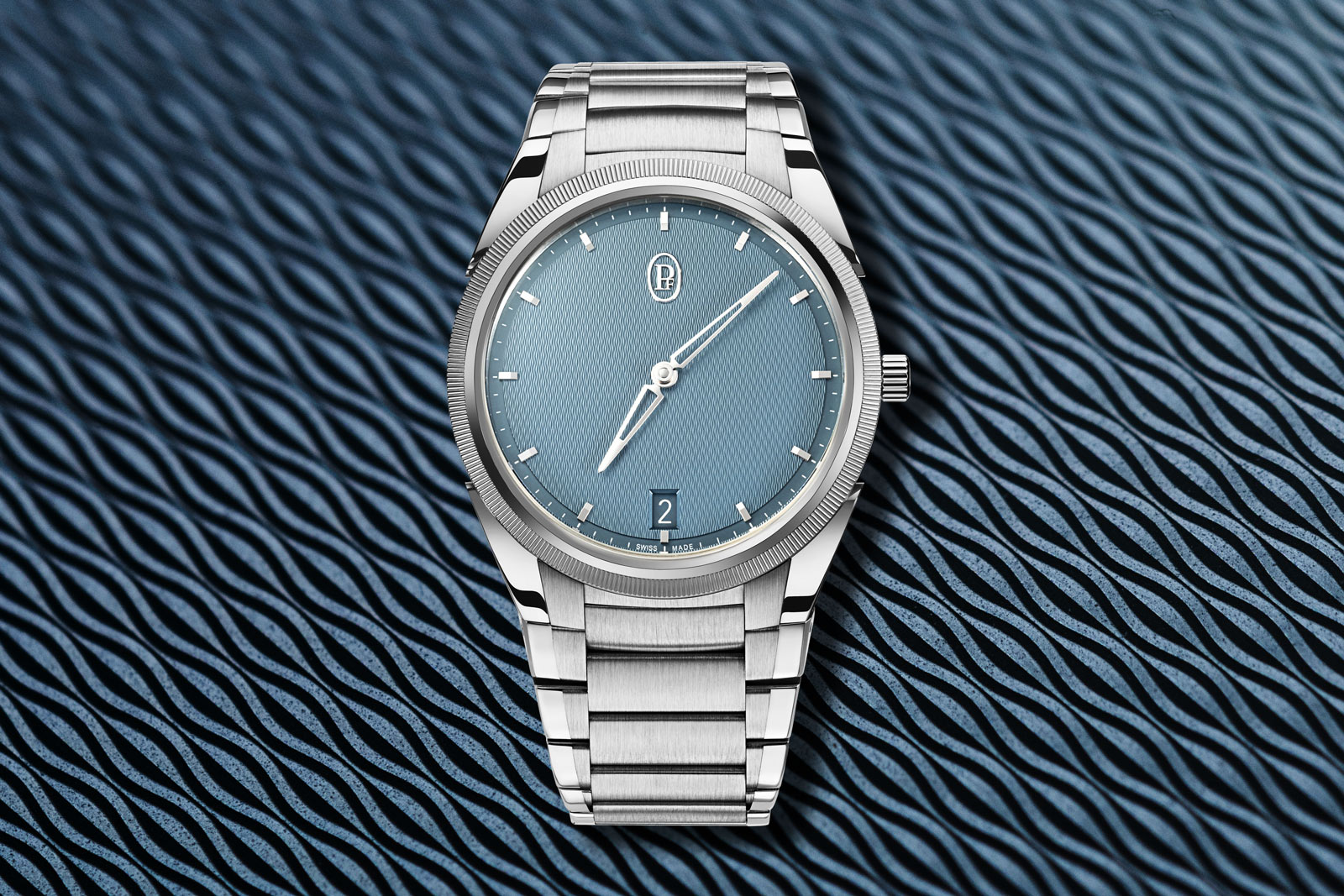
Parmigiani Fleurier has again partnered with Singapore-based Sincere Fine Watches, resulting in the Tonda PF Micro-Rotor Steel Pacific Blue SHH Edition. Conceived for the retailer’s independents-focused store, Sincere Haute Horlogerie (SHH), the watch features a unique, light blue hue for the barleycorn guilloché dial, while retaining the characteristic integrated-bracelet design and an ultra-thin automatic movement. Initial thoughts The Tonda PF has been a crowd favourite due to the fact that it’s an original take on the popular integrated bracelet design, while also having excellent proportions. At the same time, the barleycorn guilloché dial arguably boasts amongst the finest engine turning on a sports watch. So a new shade for the dial is a welcome thing, since it adds an good looking option to an already appealing watch. However, I would have hoped for something more distinctive to set apart the SHH Edition beyond the dial colour. Another guilloche pattern for the dial, for instance, would have made it truly stand out. While the standard model has proven extremely popular – Parmigiani has since unveiled many complicated iterations of the model – it is nice to see that this will only be produced in a limited quantity, adding a level of exclusivity to the new dial, which will surely be appreciated by clients of SHH. Priced at around US$27,000 before taxes, this carries a 10% premium over to the regular-production version. Considering that this is a limited ed...
 Deployant
A new addition to the partnership of Parmigiani Fleurier and Sincere Fine Watches in the now iconic "Pacific Blue" guilloché dial. Here is our review.
 Time+Tide
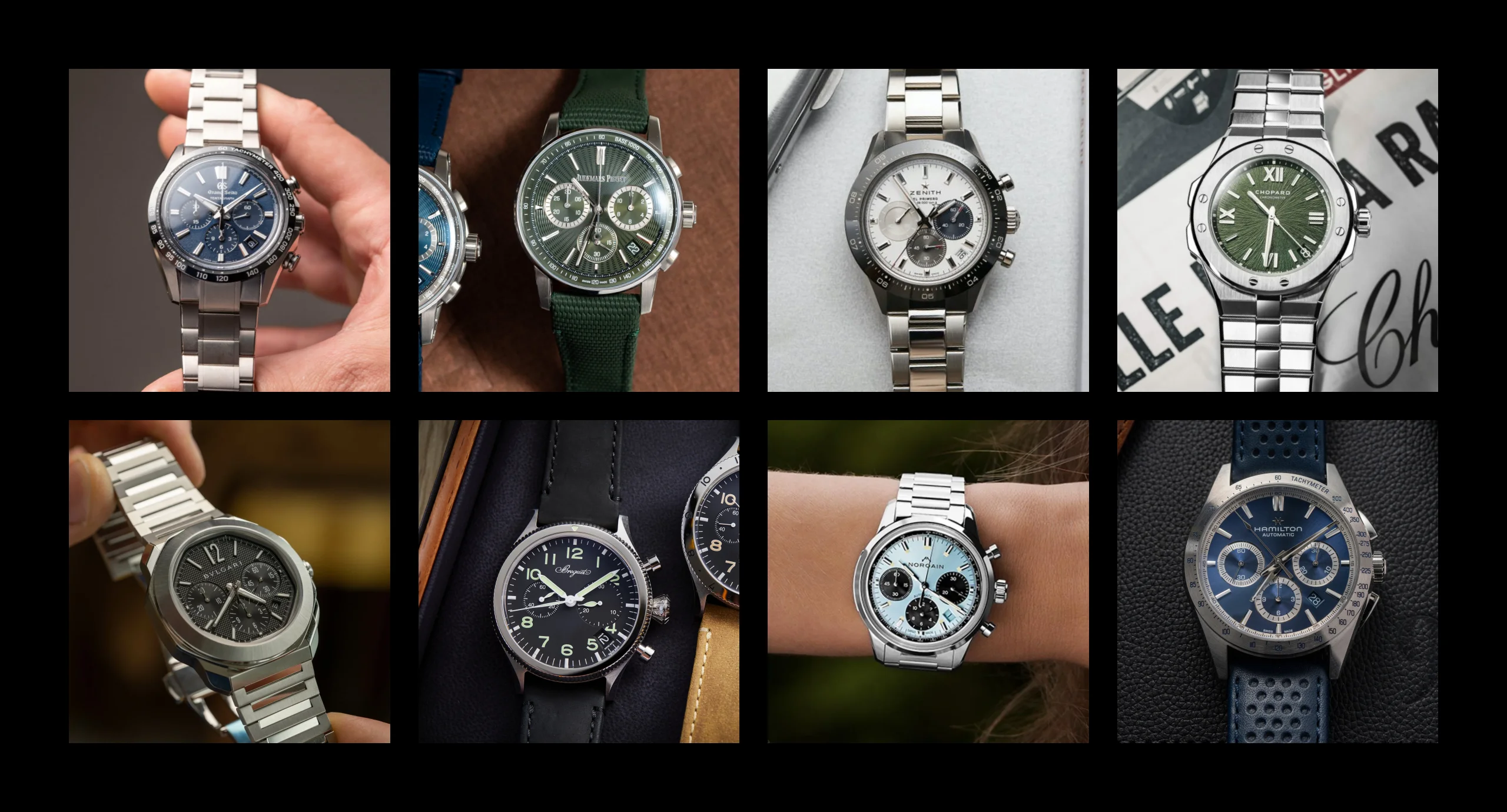
These days it seems like brands are increasingly opting to have 4:30 positioned date windows on their watches. Just earlier today we introduced yet another watch, a new chronograph from Parmigiani Fleurier, which is the latest to present a 4:30-dated watch. This is a bit ironic considering how well-documented the polarisation of such positioning is. … ContinuedThe post 8 of the best watches with a polarising 4:30 date window appeared first on Time+Tide Watches.
 Worn & Wound
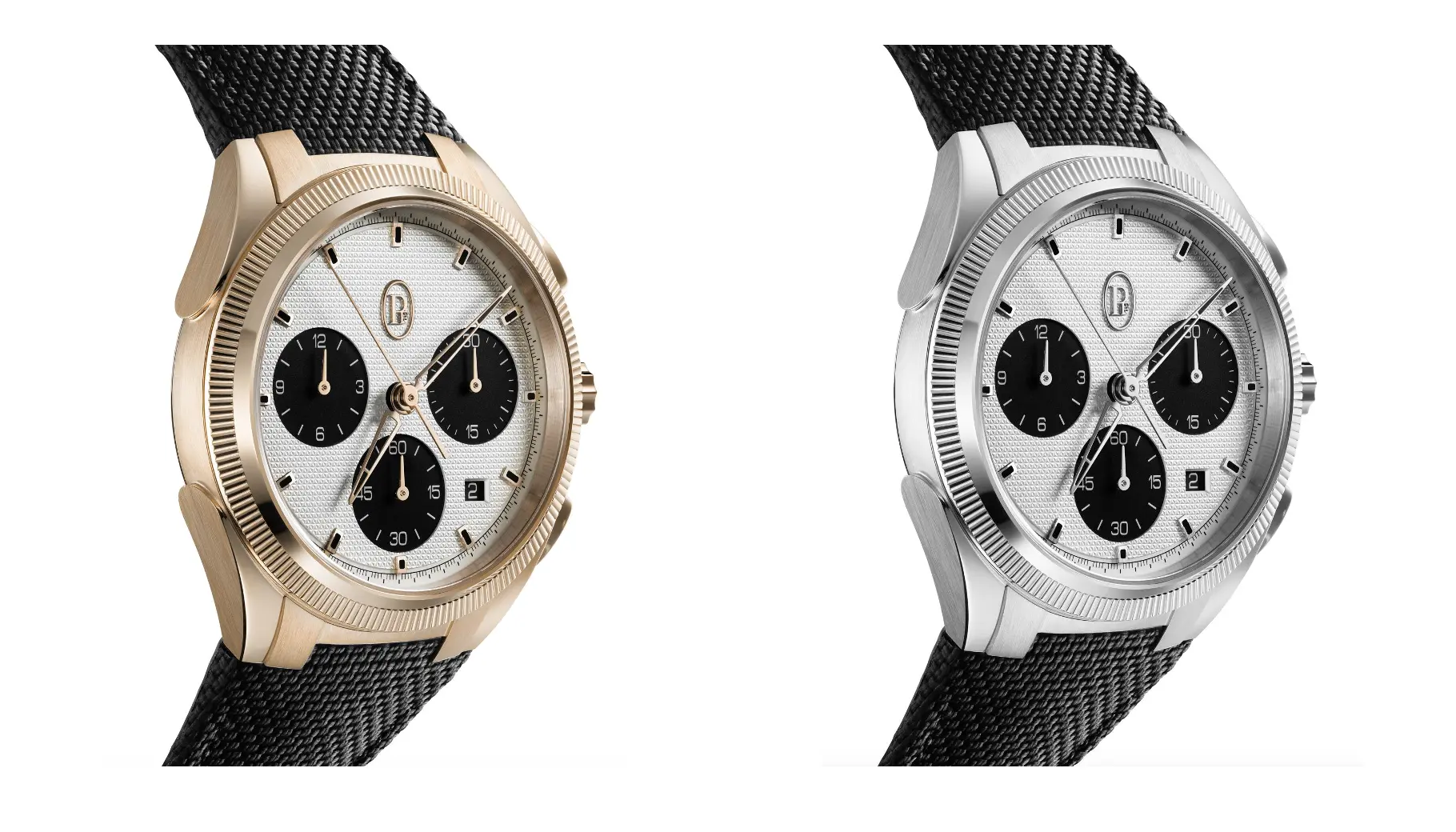
Nearly every luxury watchmaker is feeling the need to have a sporty collection or reference in their stable these days, much the same as some of the great sports car marques needing an SUV all of the sudden. It’s just practical. Just what makes a watch sport worthy is up for debate, but it generally comes with a bit of water resistance, the ability to absorb a shock or two, and a rubber or textile strap. Bright colors optional. In reality it means a watch that’s better suited to everyday wear, and goes with a broader selection of your wardrobe. The sporting element simply implies comfort and practicality. Parmigiani Fleurier may be known for their formal wear, but they’re no strangers to the sport watch, and this week, the Tonda line gets a completely revamped sport collection called the Tonda PF Sport. The new Tonda PF Sport collection will be replacing the Tonda GT collection with the introduction of 4 references that span steel and rose gold within a time and date, and chronograph configuration. The new watches bring a tighter cohesion to the Tonda family overall, taking a cleaner approach to the theme. The biggest shift from the GT collection is the date migration away from the unique oversized 12 o’clock position, and into the more controversial 4:30 position on the chronograph, and the 6 o’clock position on the time and date model. The Tonda GT watches had plenty of quirks, from their date execution, to the month display of the calendar models labeled, qu...
 Worn & Wound
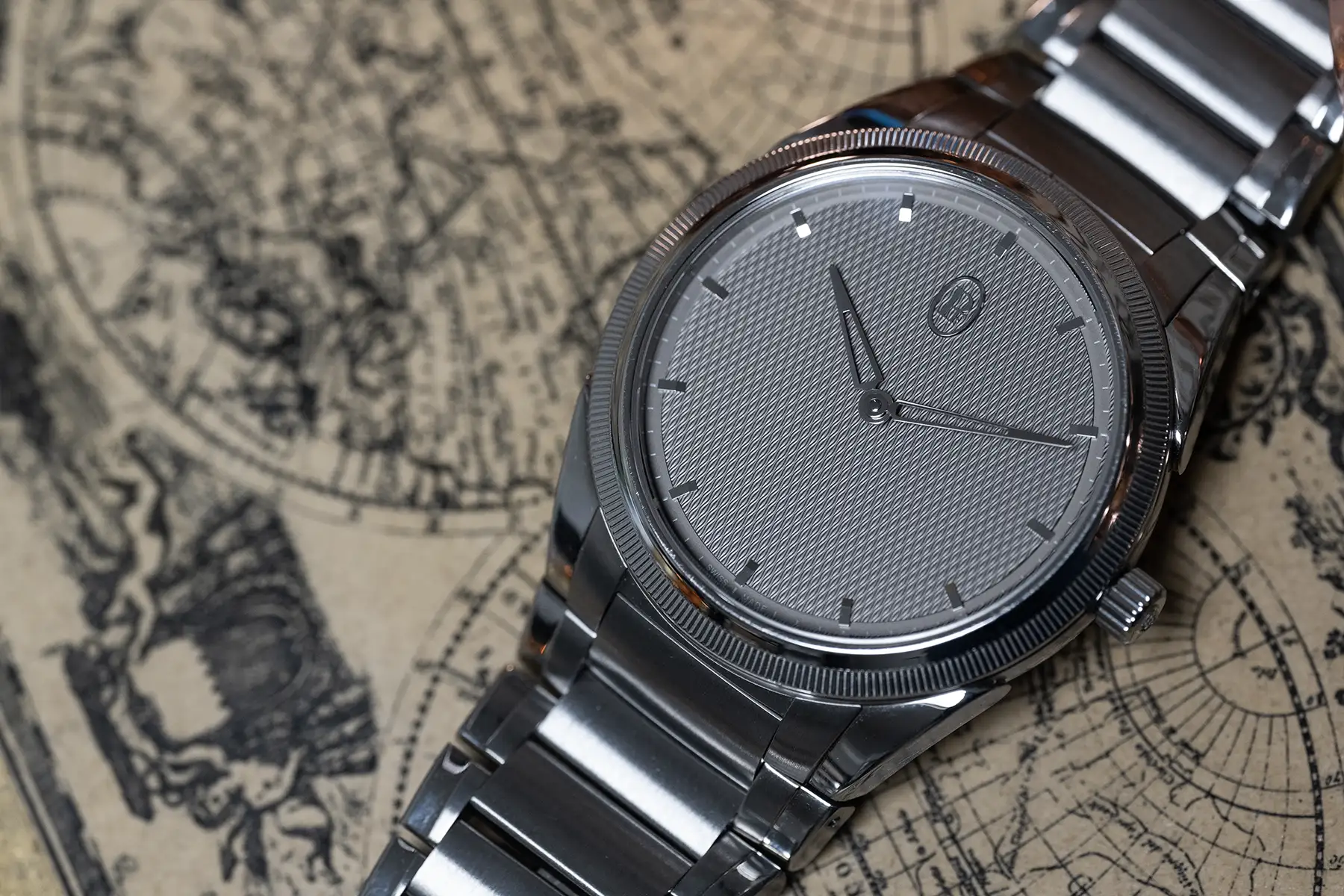
Parmigiani Fleurier continues to iterate on their distinctive Tonda platform, dialing it in a bit further with each step, and the latest example of the Tonda PF 36mm is a near perfect distillation of the concept. We first saw the Tonda PF Micro-Rotor last year, and found a lot to love in the small details. We also found the dial to be expansive on the wrist, almost in its own way when it came to wearability thanks to the wide integrated bracelet. The Tonda PF in 36mm guise addresses nearly every issue we had with the Micro-Rotor, but welcomes a different movement in the process. The Tonda has come a long way, and this is the watch that has us most excited about its future. The modern Tonda PF is often mentioned in the same breath as contemporaries like the Vacheron 222, the Bulgari Octo Finissimo, the Chopard Alpine Eagle, the Girard-Perregaux Laureato… you get the idea, but I’d submit that this watch sits in a slightly different realm to those (also excellent) watches. The Tonda PF has a grace that’s lacking in most high-end integrated steel sport watches. In fact, I wouldn’t call the Tonda a PF a sports watch at all. This is leisure wear at its finest, and will look better than most dressed up to the nines. There is no pretense of adventure lifestyle behind the scenes with this one. The Tonda PF in 36mm confronts this fact head on, and kind of dares you to place it into any specific genre. This specific example features a “steel sand” colored dial that does...
 Time+Tide
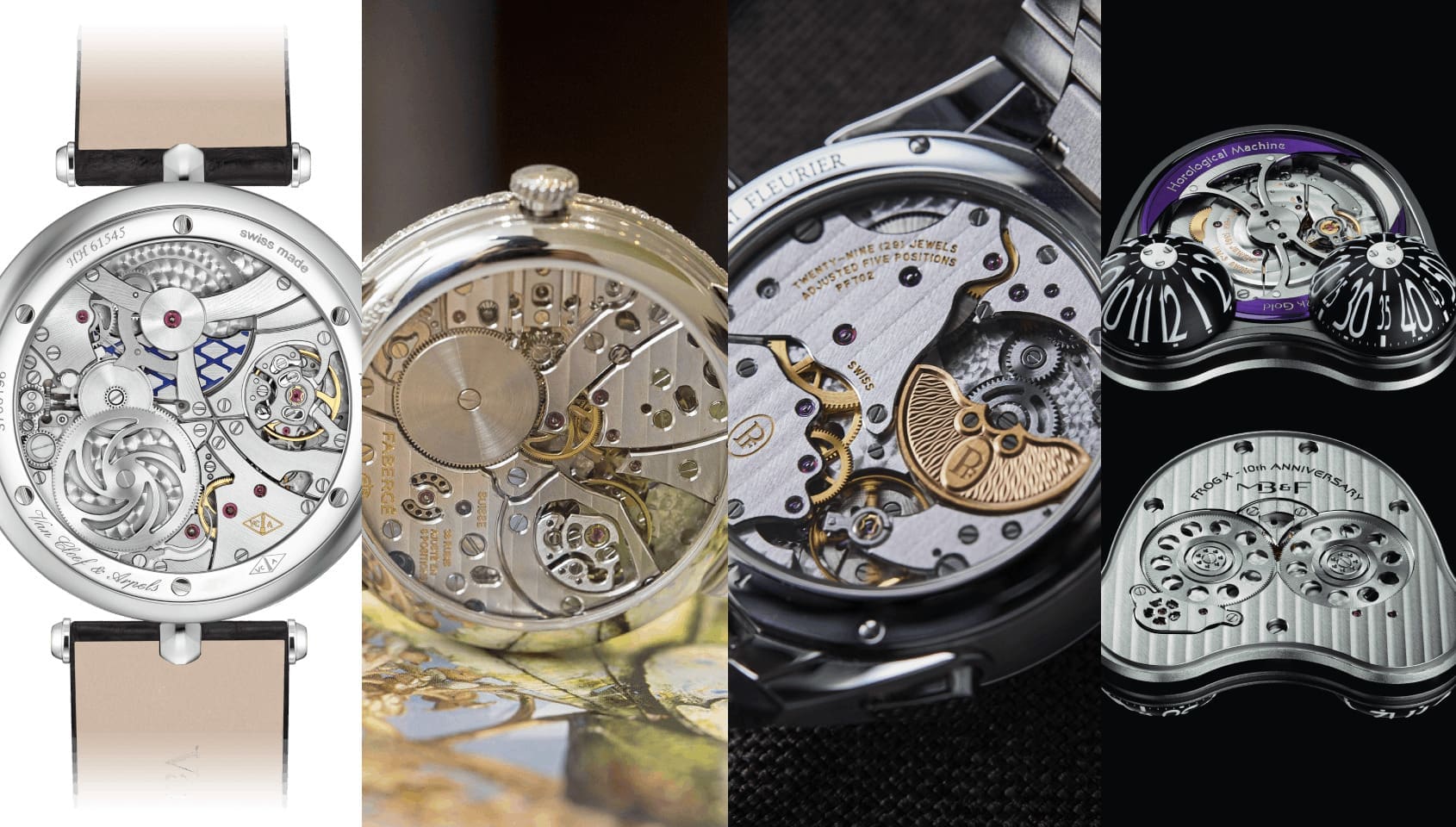
Movement masters Agenhor have had their fingers in so many pies that one article can’t cover all of their unique takes on complications. We’ve already looked at their involvement with the likes of Arnold & Son and Harry Winston, and today explore their involvement with Fabergé, Hermès, MB&F;, Parmigiani Fleurier and Van Cleef & Arpels. … ContinuedThe post Agenhor, and the many movements of the Genevan complication masters (Part 2) appeared first on Time+Tide Watches.
 Hodinkee
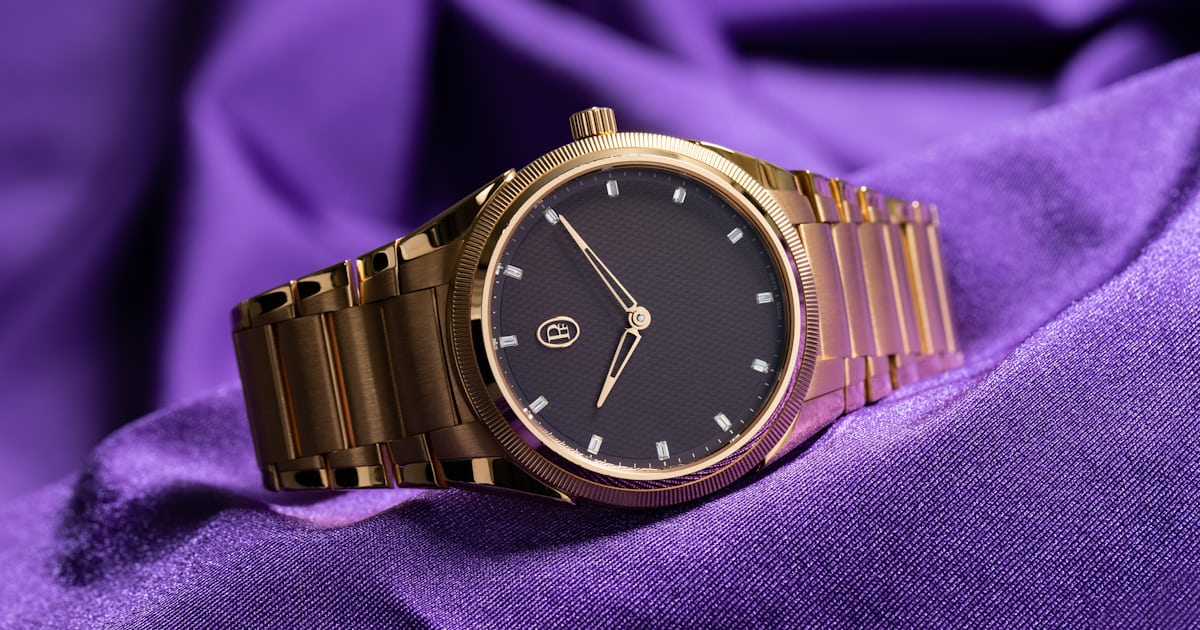
It's called the Parmigiani Fleurier Tonda PF Rose Gold Ruby. And it taught me a thing or two about New Year's resolutions.
Question, suggestion, or just want to say hi? Drop a note.