
Fleurier is a small Swiss village of approximately 3,500 residents (within the wider Val-de-Travers commune of ~10,000) in the Neuchâtel canton of western Switzerland. The village sits at 745 metres altitude in the Val-de-Travers, the deeply incised Jura valley that runs from the Lac de Neuchâtel toward the French border. Watchmaking has been a Fleurier tradition since the 18th century; the village was historically a centre for Chinese-market pocket watches, with hundreds of small ateliers producing decorated enameled pocket watches for the Chinese imperial court through the 19th century.
Bovet is the longest-running Fleurier name. The firm was founded in 1822 by Edouard Bovet, a Fleurier watchmaker who relocated to Canton (Guangzhou), China, and established a successful trade selling enameled pocket watches to Chinese customers; the firm operated from both Fleurier and Canton through the 19th century and was at one point the largest exporter of Swiss watches to China. Bovet has been continuously based in Fleurier since the founding (with various ownership changes); the modern Bovet manufactures are at Château de Môtiers (a 13th-century castle in the village!) and a separate workshop in Tramelan.
"Fleurier never tried to be Geneva. It always tried to be Fleurier, family-owned, technically obsessive, and a little bit hidden in the Jura."- Hodinkee Reference Points, Fleurier ecosystem essay
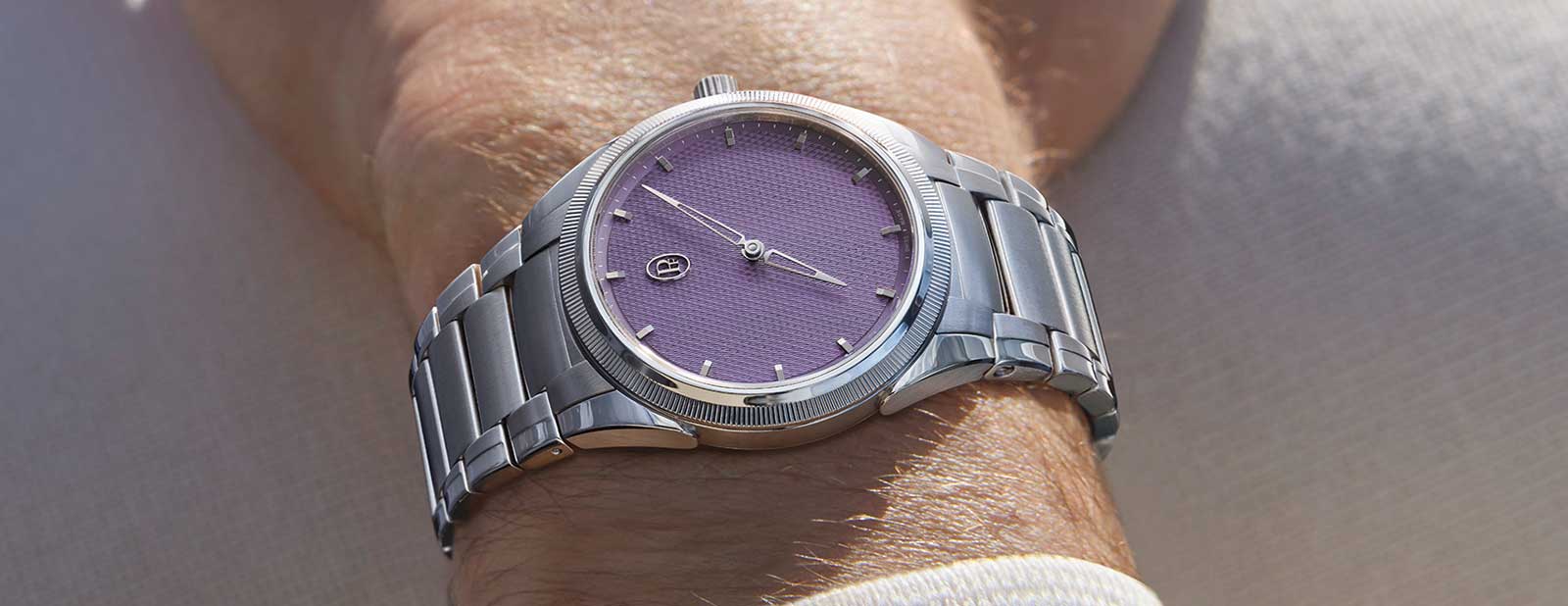
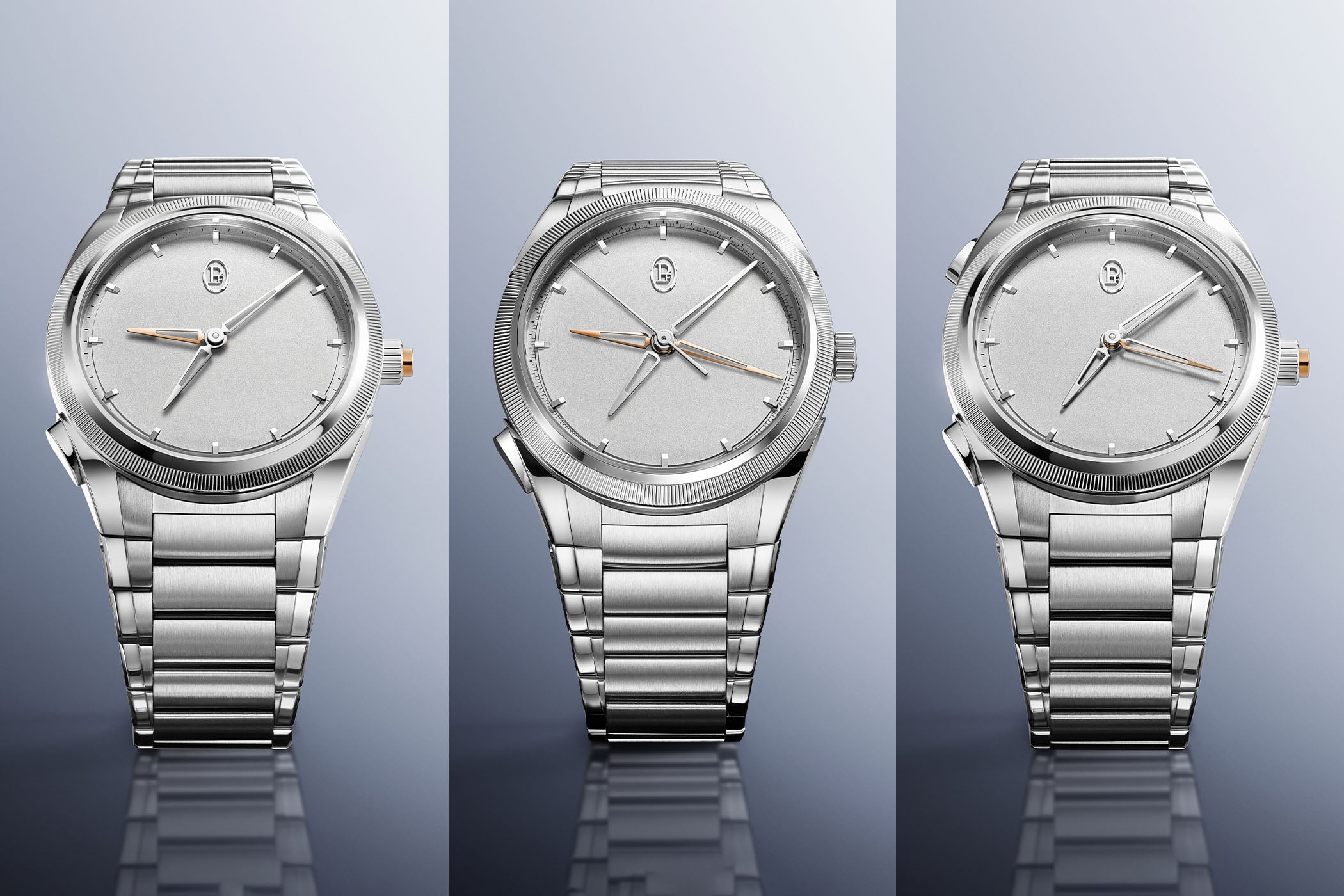
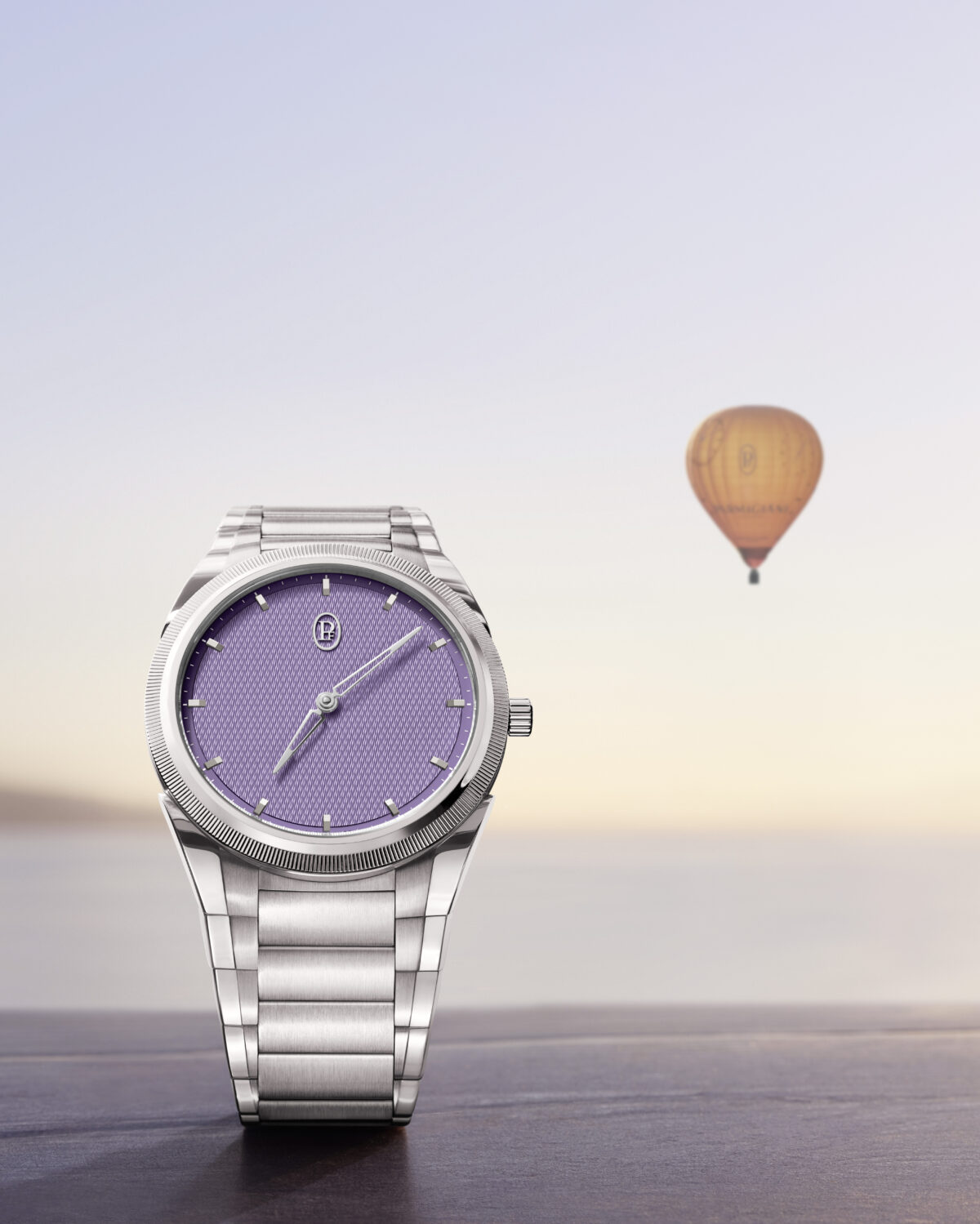
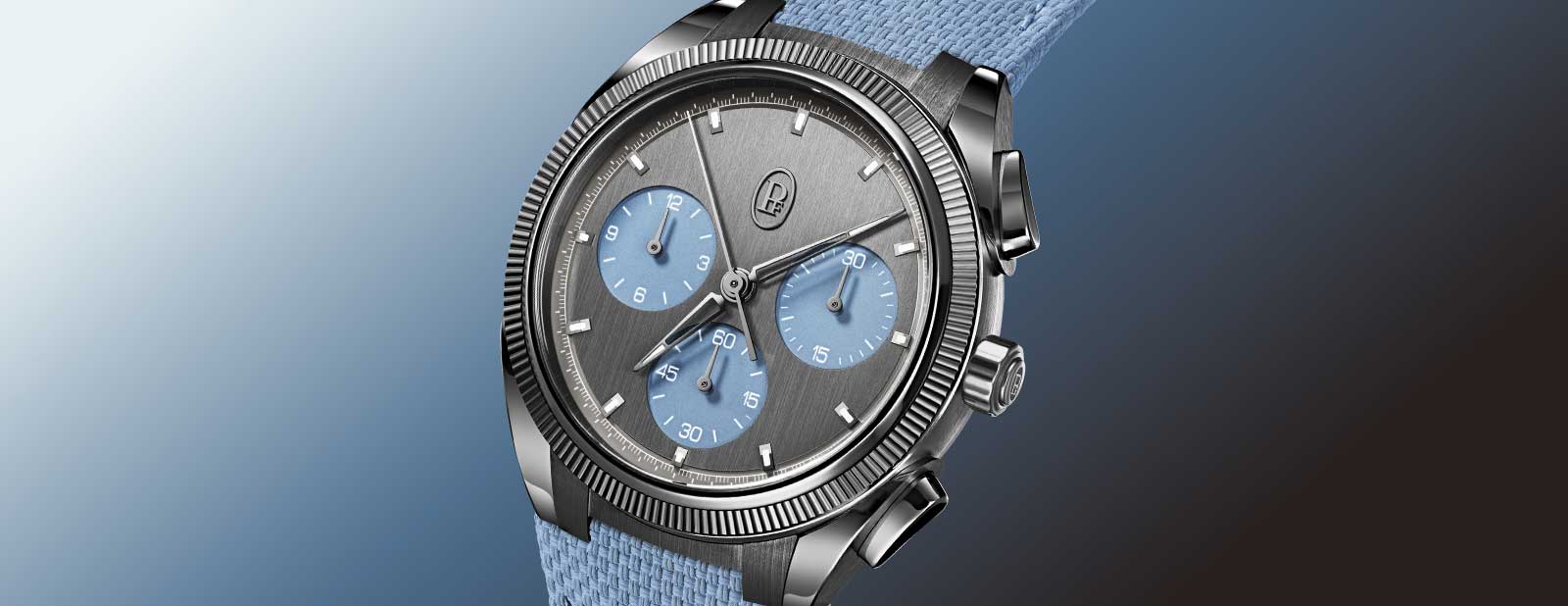
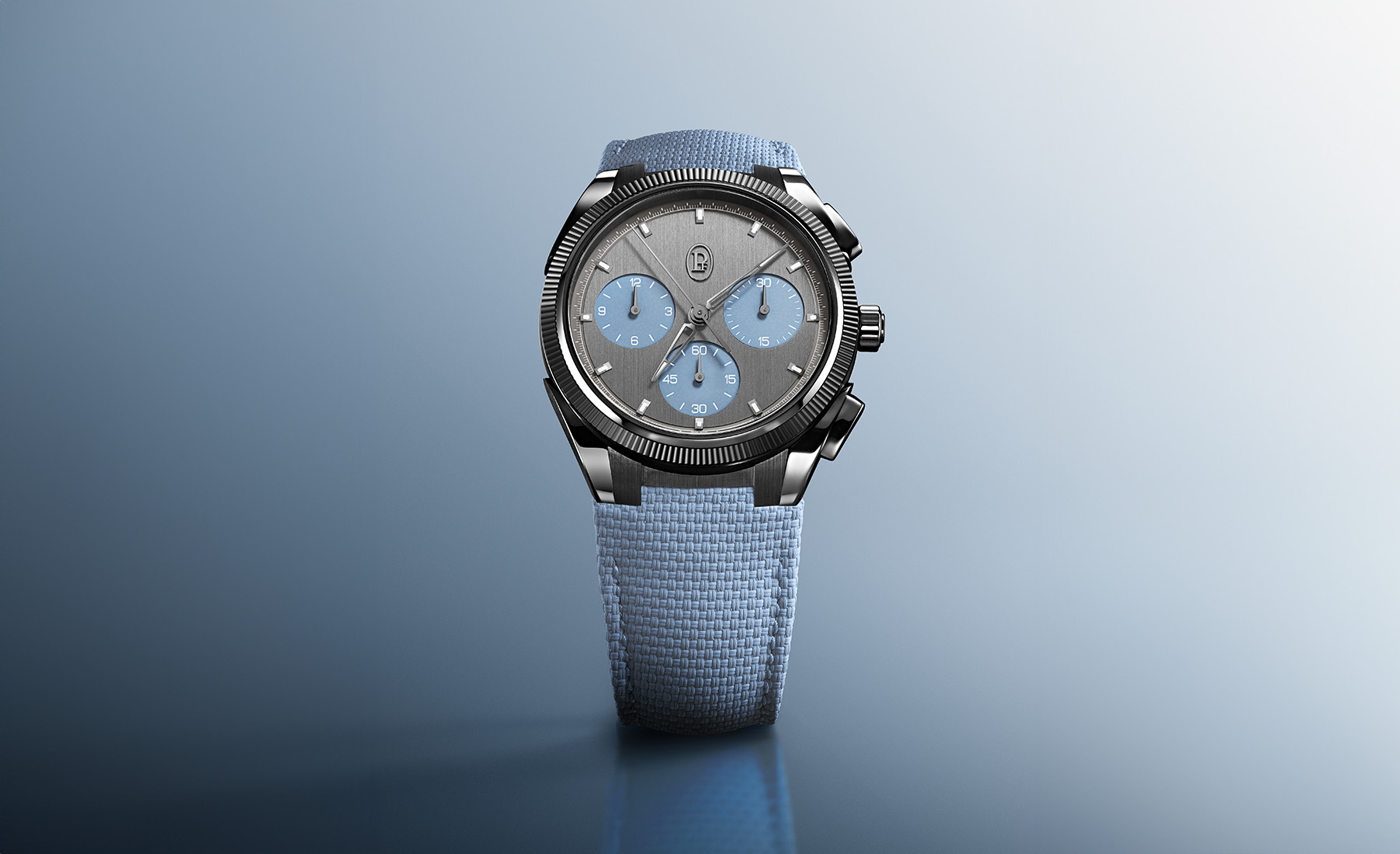
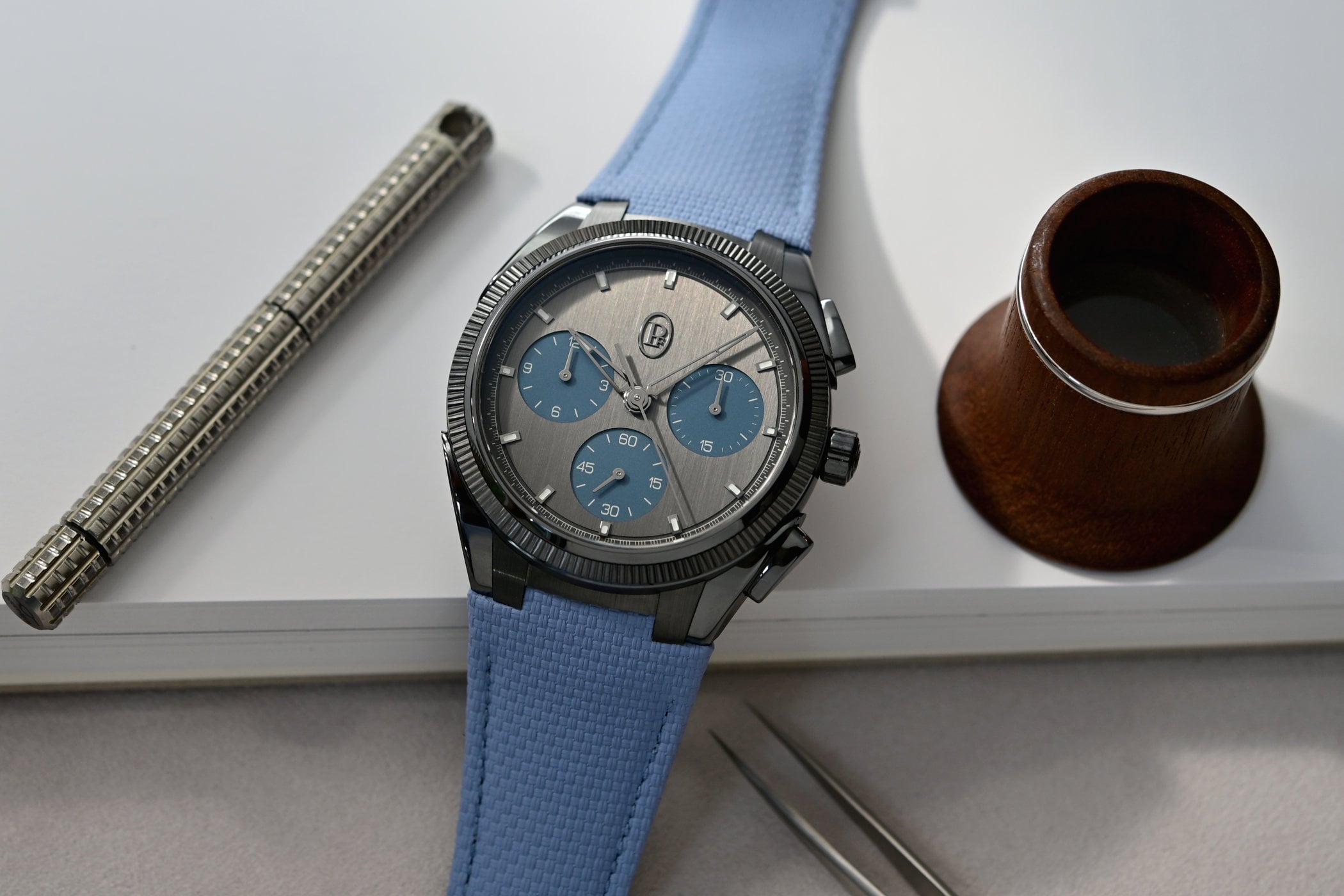
Parmigiani Fleurier was founded in 1996 by Michel Parmigiani, a Val-de-Travers watchmaker who had spent years restoring antique pocket watches before launching his own brand. Parmigiani is based in Fleurier proper; the firm is owned by the Sandoz Family Foundation (the Swiss pharmaceutical family) and has the relatively unusual structure of operating its own movement supplier Vaucher Manufacture (also Fleurier-based, founded 2003), which produces ébauches not just for Parmigiani but for Hermès, Richard Mille (selected references), Corum, and others. Vaucher employs ~150 in Fleurier; Parmigiani itself ~85.
Chopard's L.U.C manufacture was opened in Fleurier in 1996 as the firm's haute-horlogerie production wing (named for Louis-Ulysse Chopard, the firm's 1860 founder). The L.U.C manufacture produces Chopard's in-house movements, including the L.U.C Cal. 96.01-L (microrotor automatic), the L.U.C 1.96 (twin-barrel automatic), and the L.U.C Tourbillon and Sonnerie complications. The L.U.C facility in Fleurier employs roughly 60 watchmakers and serves as Chopard's "haute" production while volume Chopard production happens at the firm's Geneva headquarters.
In 2004, Bovet, Parmigiani, and Chopard L.U.C jointly founded the Qualité Fleurier certification, a full-watch quality programme combining COSC chronometer testing, Chronofiable accelerated-wear testing, and the proprietary Fleuritest 24-hour real-wear simulation. Qualité Fleurier-certified watches receive the green Fleurier seal alongside their other certifications; ~2,000-3,000 watches per year carry the seal, all from the three founding houses. The certification is managed by an independent Fleurier foundation that also operates a small museum in the village.
In modern collector vocabulary, "Fleurier" is shorthand for the independent / family-owned haute-horlogerie alternative to the Geneva (PLO) and Vallée de Joux (Le Brassus / Le Sentier) clusters. A "Fleurier watch" is one made in this small village ecosystem, with the implication of family-owned independence (Bovet, Parmigiani via Sandoz, Chopard via Scheufele family) and Qualité Fleurier-grade execution. The cluster is small but technically prestigious; aggregate annual production from the three brands is well under 10,000 watches, but the technical quality is consistently among the highest in Swiss haute horlogerie.




Comments 1