Watch brandsWatch wikiWatch videosVariousWatch calendarSaved articles
PopularRolexOmegaPatek PhilippeAudemars PiguetTudorGrand SeikoCartierSeikoIWCTAG HeuerBreitlingJaeger-LeCoultreA. Lange & SohneZenith

Results for The Heuer Carrera (1963)

42,725 articles · 253 videos found · page 802 of 1433

Related pages

Wiki · Guide
The Heuer Carrera (1963) TAG Heuer

Jack Heuer\'s 1963 motorsport chronograph named after the Carrera Panamericana road race. Reference 2447, Valjoux 72 manual.

Highlights: Phillips Geneva Watch Auction X SJX Watches
Patek Philippe ref 1463 Nov 10, 2019

Highlights: Phillips Geneva Watch Auction X

With the Double Signed theme auction out of the way, here are a few highlights from Phillips’ Geneva watch auction, including a Lange Zeitwerk that might be a value buy, and a steel Rolex Day-Date prototype. Lot 145 – Lange Zeitwerk in rose gold The Zeitwerk is unquestionably a modern classic – notably, it is probably the most reliable digital display watch on the market – and is relatively good value on the secondary market, selling for a chunk off retail. This example is in rose gold, and is complete with all boxes and paperwork. It was first sold in 2011, and obviously wasn’t worn much sine then. The estimate is just 20,000-40,000 Swiss francs. Lot 179 – Patek Philippe ref. 1463 in steel One of the top lots in the sale, this is a ref. 1463 “Tasti Tondi”, an early water-resistant chronograph by Patek Philippe. But this is in steel, of which only 67 are known, with a two-tone dial, furthering reducing the number known to just 17. The watch is in excellent condition, with a sharply preserved case and original dial, although the dial might have been cleaned in the distant past. The estimate is 300,000-600,000 francs. Lot 209 – Patek Philippe ref. 1518 in yellow gold The ref. 1518 is a landmark, being the first serially produced chronograph with perpetual calendar. This is a good example of the ref. 1518, almost the quintessential version of the model with a yellow gold case. It is clean and in good condition, albeit showing a little bit of age on the dial,...
Inside the Jean-Pierre Hagmann-Akrivia Case Workshop SJX Watches
Vacheron Constantin Sep 18, 2019

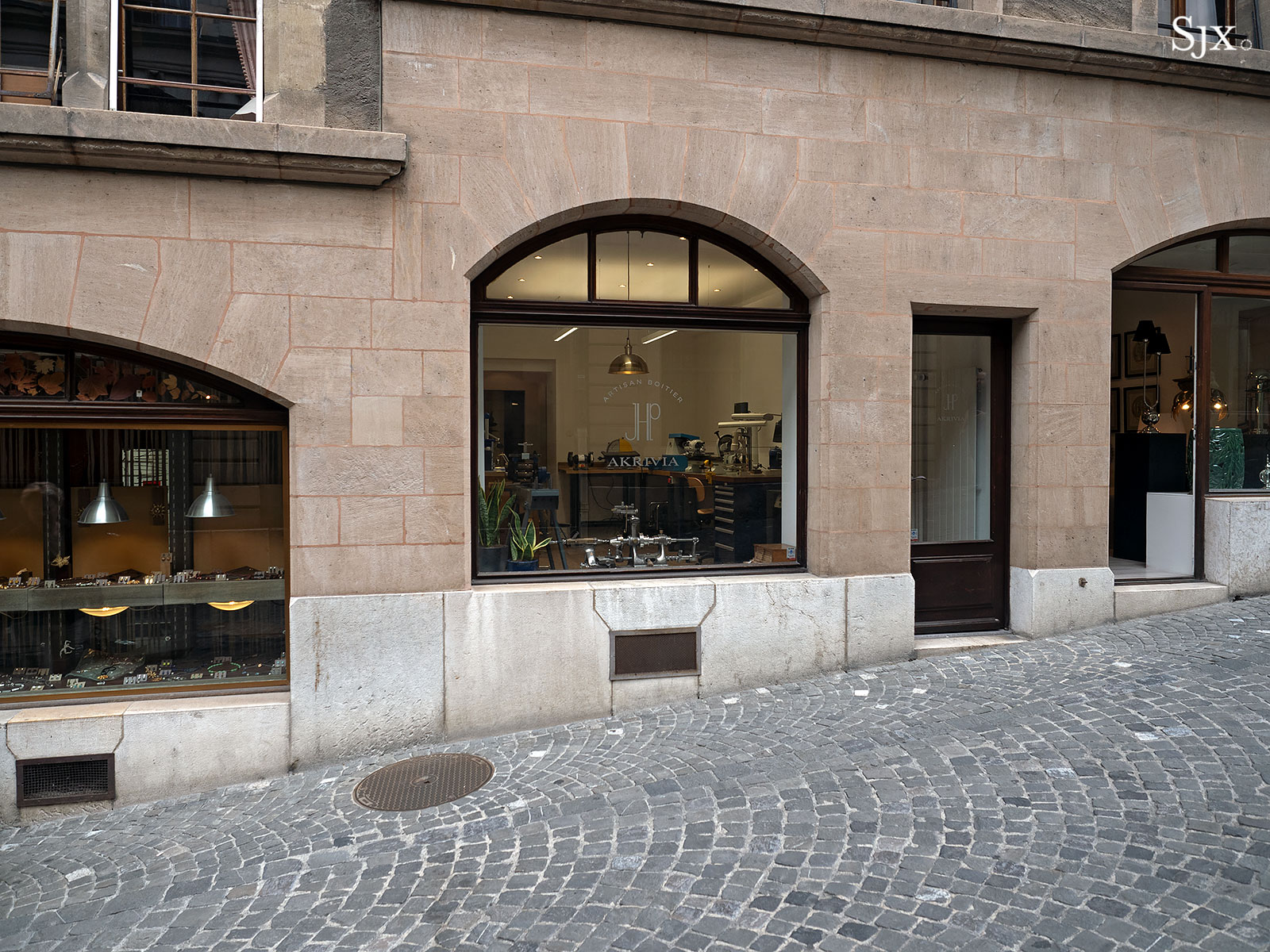
Inside the Jean-Pierre Hagmann-Akrivia Case Workshop

A master case maker who retired in 2017, Jean-Pierre Hagmann is back in action, as a partner in Akrivia’s case-making workshop in Geneva. Now 78 years old, Mr Hagmann struck out on his own in 1984, starting a stellar career that would see him become a case maker for most of Switzerland’s best watchmakers. (For a detailed profile of Mr Hagmann, see my 2016 story.) His client list included establishment names like Audemars Piguet, Jaeger-LeCoultre, Vacheron Constantin, and of course, Patek Philippe, where he produced highly-regarded cases for its minute repeaters. In fact, Mr Hagmann was also responsible for the impressively complex case of the Star Calibre 2000, the uber-pocket watch Patek Philippe introduced to mark the new millennium. Mr Hagmann at work in the 1980s The Patek Philippe ref. 5029 minute repeater, which had a Hagmann case In the first half of his career, Mr Hagmann also worked with many of the up-and-coming stars of independent watchmaking of the 1980s and 1990s, including Franck Muller and Roger Dubuis. He produced the very first Cintree Curvex cases for Franck Muller, as well as the early cases for Roger Dubuis. Another of Mr Hagmann’s cases: the Franck Muller Cintree Curvex minute repeater with perpetual calendar, circa 1991 Three decades later, Mr Hagmann is back where he began. He’s joined forces with a rising star of independent watchmaking, Akrivia, whose founder, Rexhep Rexhepi, is just 32 years old. Though young, Rexhep grasps the impo...

Owner’s Review: the Ōtsuka Lōtec No. 8 Worn & Wound
Breguet numerals outperform another? But Aug 3, 2026

Owner’s Review: the Ōtsuka Lōtec No. 8

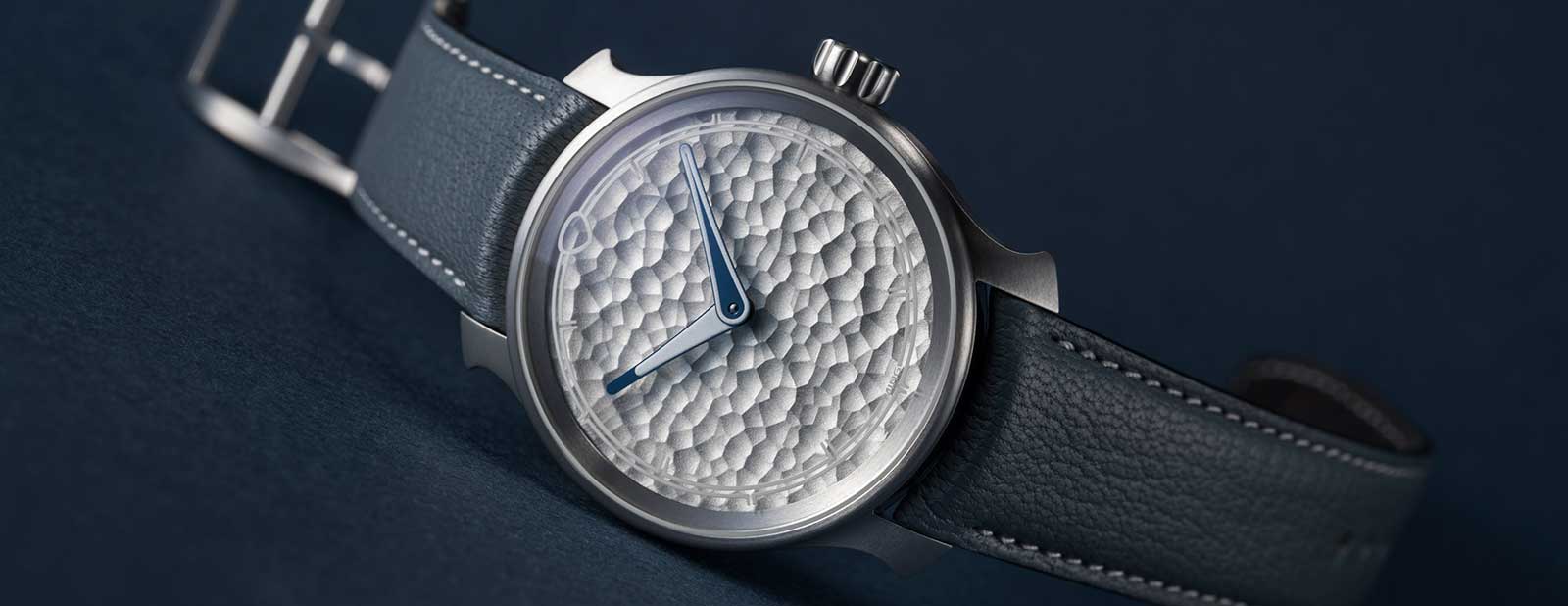
I occasionally have a hard time understanding why some brands are so popular. It’s not that they don’t deserve to do well, but I see brands that don’t seem to be doing anything much different from their peers, let alone special, yet are many times more hyped. Why does one Calatrava-esque watch with Breguet numerals outperform another? But with Ōtsuka Lōtec, I get it. In fact, I don’t just get it, I’ve fallen for it. Then again, Ōtsuka Lōtec isn’t like any other brand. Jiro Katayama, the brand’s founder and lead designer/watchmaker, works from a different playbook. Where other brands pursue finishing and neoclassical elegance, he seeks beauty in the raw and industrial. Inspired by analog machines, measuring instruments, gauges, and the industrial design of the pre-digital age, there is something rough and unintentional (though completely intentional) about his watches. Considering he taught himself watchmaking in a workshop nestled in Tokyo, there is a certain logic to this aesthetic. It’s not born in the farm-strewn hills of Jura, but rather in one of the densest cities in the world. Nor is his education from a lineage of tradition. You won’t find perlage or anglage; surfaces are typically raw, brushed metal, and rarely painted, with only the occasional red highlight. While potentially a love-it-or-leave-it aesthetic, it has resonated deeply with the watch community, touching on a pure joy of mechanics. But, there is more to it as well, as his watches...