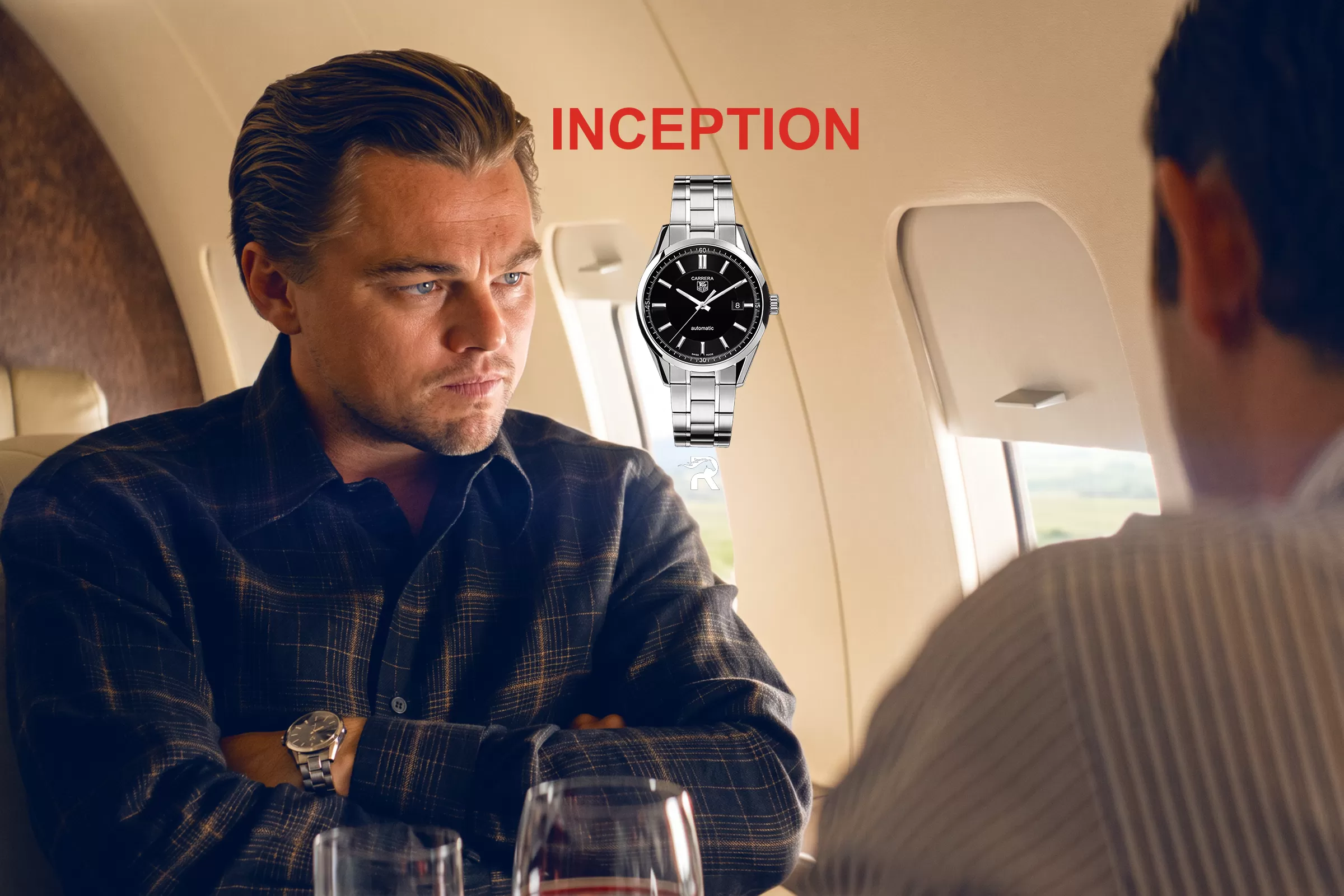
Jack Heuer, born in 1932, was the great-grandson of Edouard Heuer, who had founded the firm in Saint-Imier, Switzerland in 1860. By the early 1960s, the firm (then Heuer-Leonidas SA after the 1959 absorption of Leonidas) was a respected mid-tier Swiss chronograph maker producing the Autavia (1962, dashboard-style chronograph for car and aviation), various pocket and stop-watch chronographs, and the Mareograph tide indicator. Jack joined the family firm in 1958 after engineering studies and rose rapidly; by 1962 at age 30 he was effectively running the firm.
The naming inspiration was the Carrera Panamericana, a border-to-border road race across Mexico held annually from 1950 through 1954. The Panamericana was the most dangerous regular motorsport event of its decade: 3,400 km / 2,100 miles run on open public highways at speeds over 220 km/h, with the route shifting yearly. Famous deaths and triumphs ran through it (the 1952 Mercedes-Benz dominance, Jose Manuel Vallejo's fatal crash in 1953); the Mexican government suspended the race after 1954 due to the casualty toll. Jack heard about it from American and European racing drivers visiting Heuer to discuss timing-equipment commissions in 1962-63 and decided the name had the right combination of romance and danger for a sports chronograph.
"I wanted a name that meant racing, danger, and romance. Carrera Panamericana checked all three. We registered the trademark in three days."- Jack Heuer on naming the Carrera, 2009 interview
The Carrera reference 2447 launched at the 1963 Basel Fair. Specifications were a deliberate exercise in clean racing aesthetics: 36 mm steel cushion case (slightly tonneau-shaped, with sharp lugs), flat sapphire crystal, Valjoux 72 column-wheel manual chronograph (a high-quality 17-jewel calibre also used by Rolex in the early Daytona), three sub-dial panda or reverse-panda layouts (running seconds at 9, 30-minute counter at 3, hours register at 6, with various dial colour combinations), tachymetric scale on the dial inner ring, and an "applied" Heuer logo at 12. The launch retail price was USD 110-130; the design ran into production immediately.
The Carrera 2447 was a commercial success in a way the firm's previous models had not been. Jack Heuer's aggressive American-market positioning (Heuer-Leonidas opened a New York subsidiary in 1962) put the watch in the hands of American racing drivers: Jo Siffert, Mario Andretti, Niki Lauda, and Jacky Ickx all wore Carreras at races through the 1960s and 1970s. The watch was also adopted by military aviators (RAF, French Air Force) and by recreational sportsmen; it became the firm's top-selling reference within two years of launch.
Through the late 1960s and 1970s the Carrera evolved technically. The 1969 Cal. 12 automatic version (Project 99 era, alongside the Monaco) was introduced as ref. 1158; the "Jumbo" 38-39mm case came in 1968 at the launch of the Calibre 11. Through the quartz crisis the Carrera was discontinued in 1985, the year of the TAG acquisition. Jack Heuer himself was forced out of the firm in 1982 as part of the financial restructuring; he later returned as Honorary Chairman of TAG Heuer in 2003, a role he held until his death in 2024.
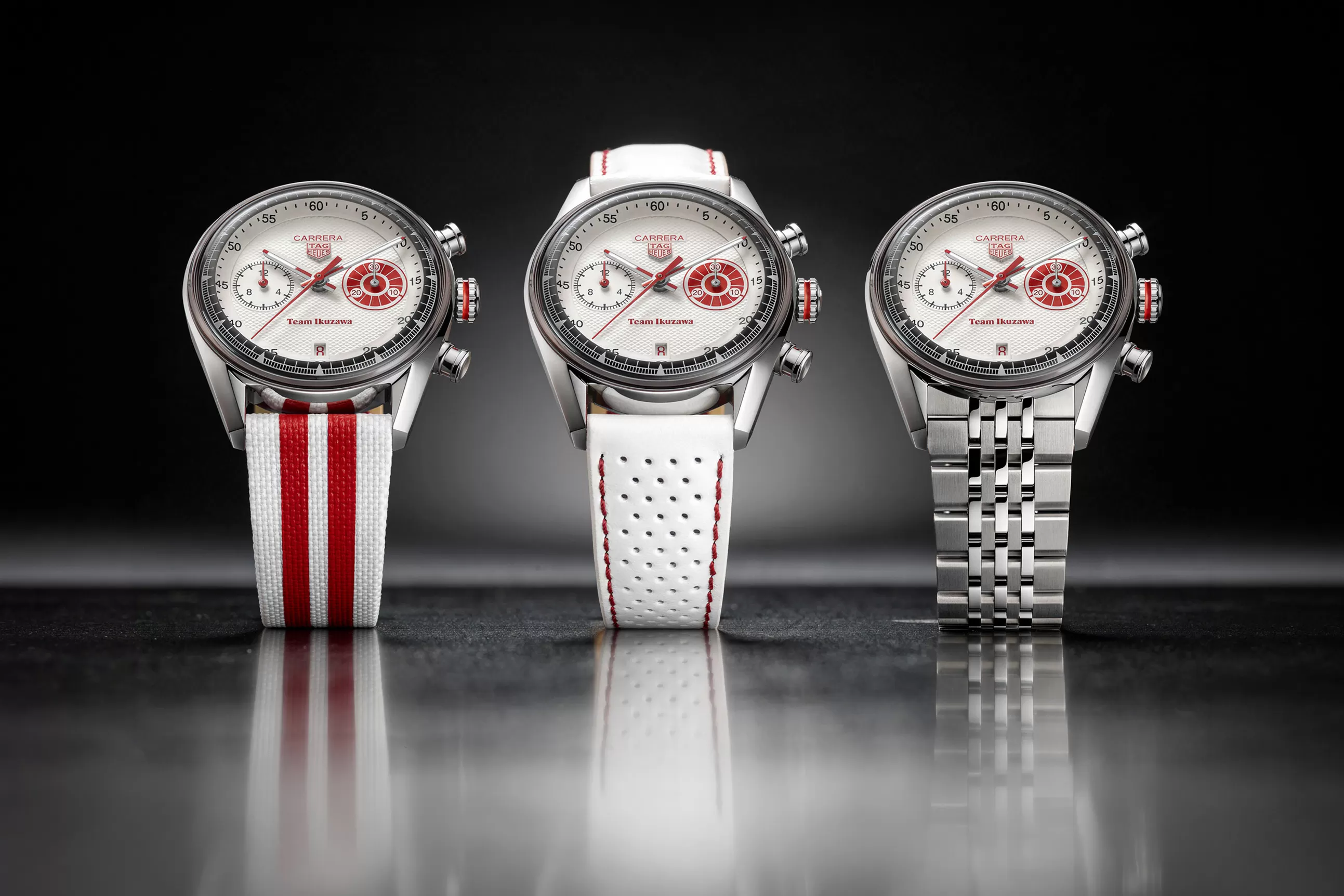
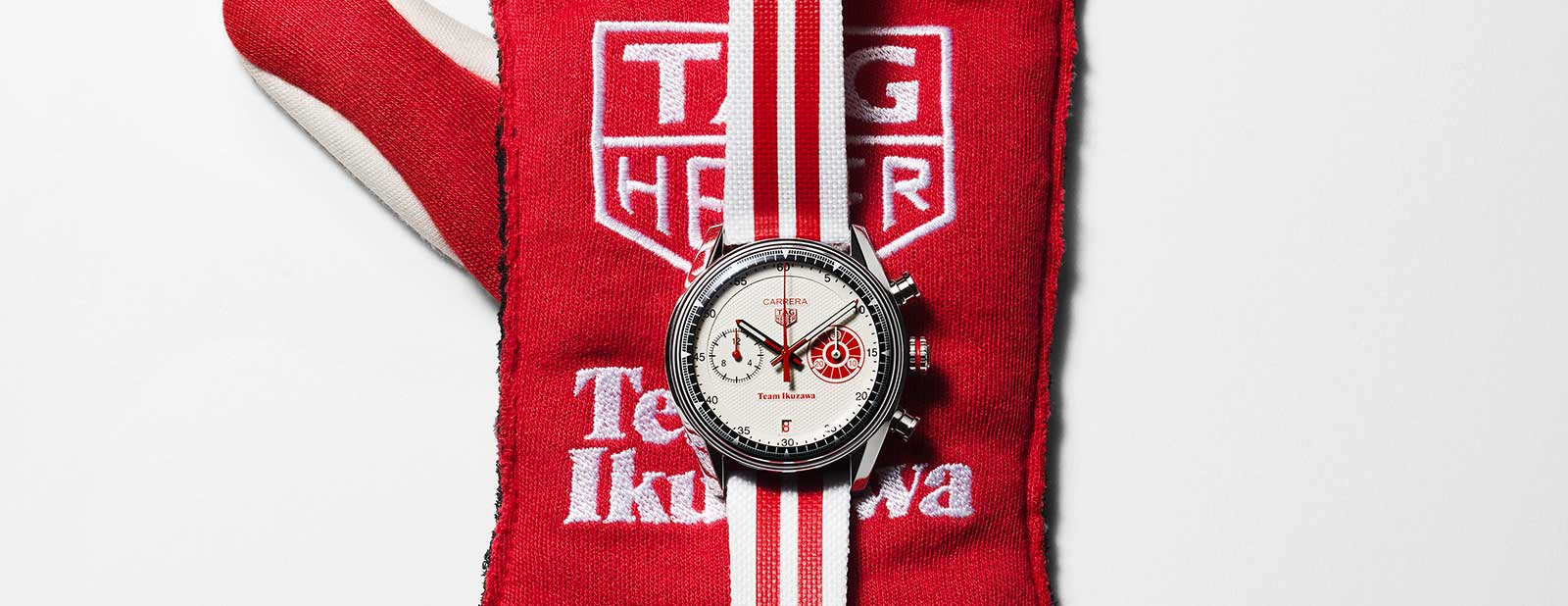
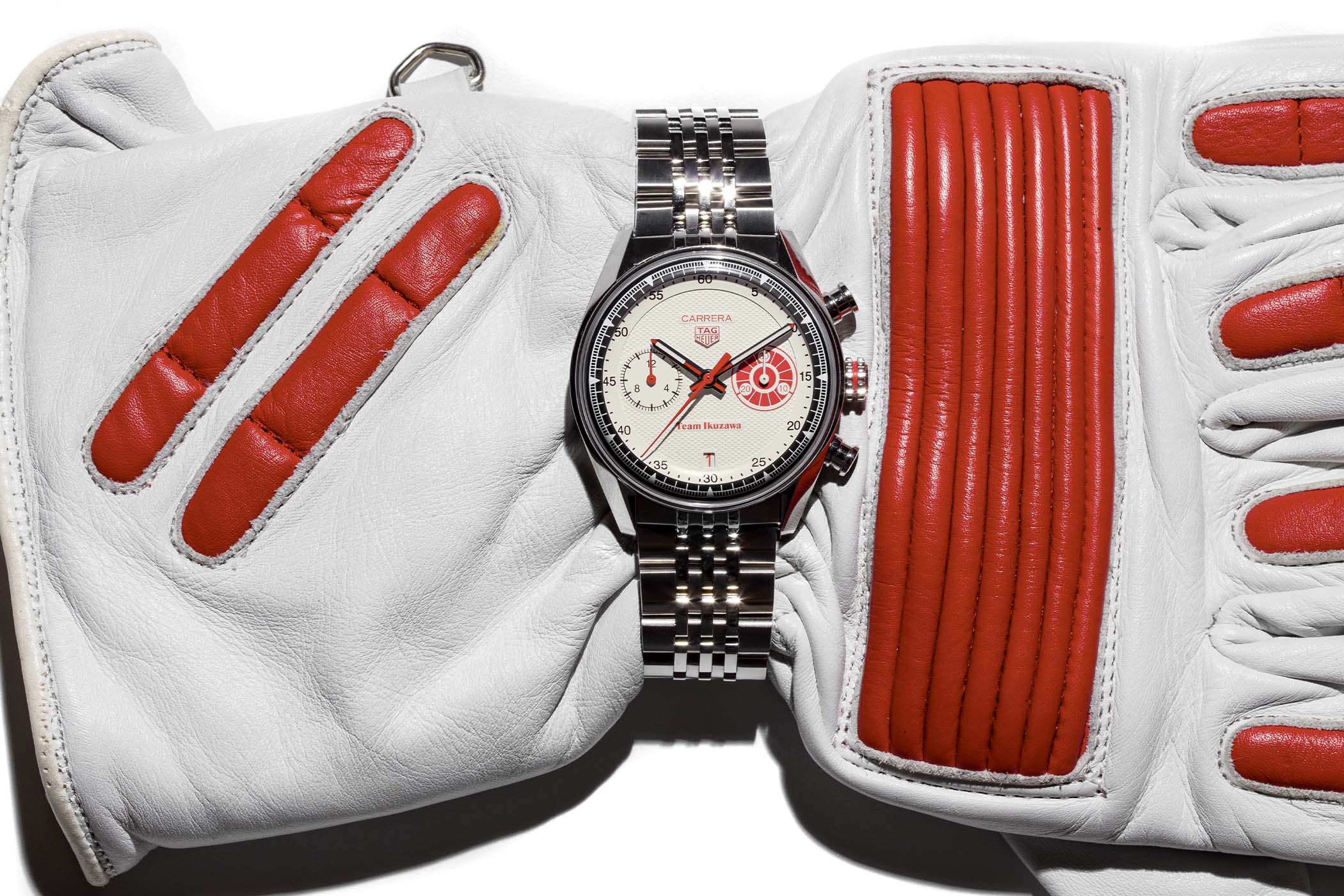
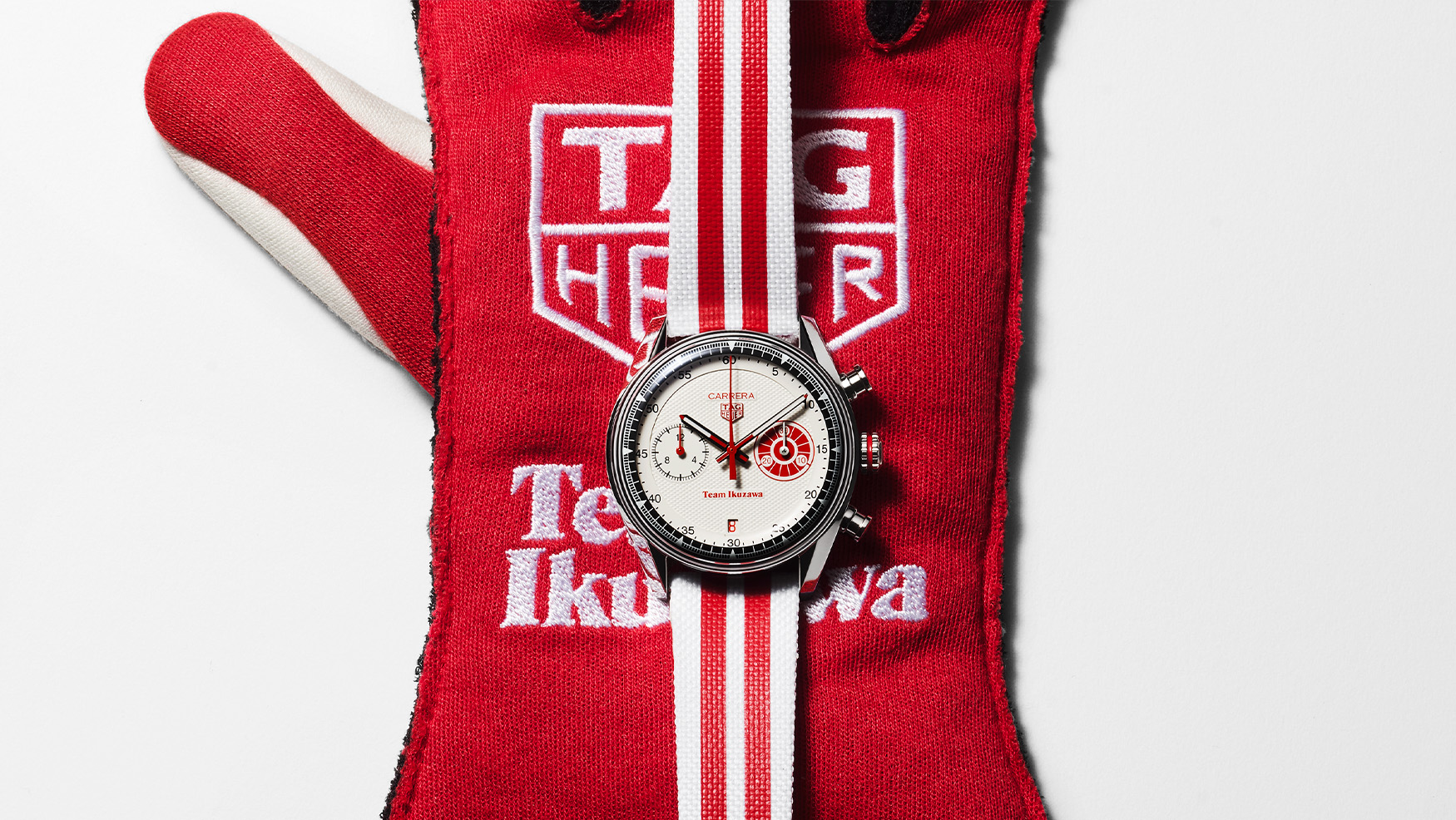
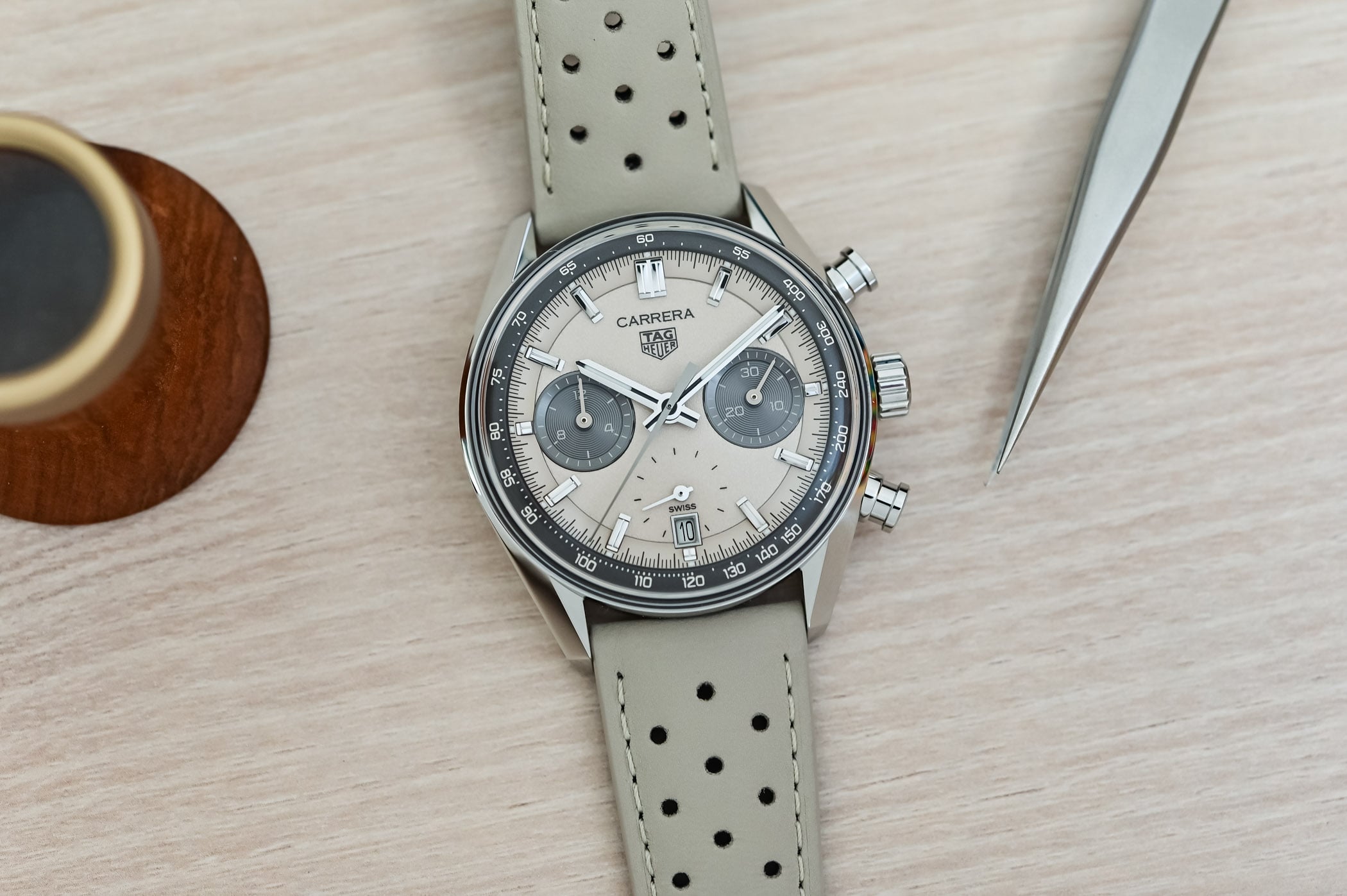
The modern Carrera revival began with TAG Heuer's 1996 reissue (CS3110, on Cal. 17 ETA base) and accelerated through the 2010s as the brand built a heritage-led product strategy. The current modern Carrera line (Cal. 16, Cal. 11 Heritage, Cal. Heuer 02 in-house, Cal. Heuer 02T tourbillon) is one of the broadest racing-chronograph product families in Swiss watchmaking. Vintage 1963-69 ref. 2447 examples in original condition trade at USD 8,000 to USD 40,000+ depending on dial variant and provenance; rare panda-dial or reverse-panda 2447 examples with intact lume and original bracelet command the upper end. The Carrera nameplate is the longest-running named racing chronograph in modern Swiss watchmaking.

Comments 1