Hodinkee
Bring a Loupe: A Jaeger-LeCoultre Varsity, A 1978 Tudor Submariner With Military Provenance, And A Universal Geneve Compax Ref. 22499
Your weekly round-up of watches from around the web
409 articles · 195 videos found · page 9 of 21
Integral case projections protecting the crown from impact; introduced on Rolex Submariner ref. 5512 in 1959.
Every Rolex Submariner from 1953 ref. 6204 to today: years, dials, bezels, movements, nicknames.
The 1953 Rolex diver. James Bond's watch and the template every dive watch copies.
French saturation-diving company COMEX (1961) and Rolex partnership 1967 onward. Drove the joint Rolex/Doxa invention of the Helium Escape Valve.
Hodinkee
Your weekly round-up of watches from around the web
Your weekly round-up of watches from around the world.
A two-tone Sub braves the deep and comes back without missing a beat.
Hodinkee
Another Friday, another round of watches from around the web.
Revolution
Video
Teddy Baldassarre
When we look back to mid-century watchmaking, some of the industry’s most iconic designs were originally conceived as essential, life-saving instruments. The Rolex Submariner, for example, was originally created for professional divers working in cold, deep waters while breathing compressed air. The Omega Speedmaster was a vital analog calculator for astronauts traveling through the vacuum of space. The Rolex Explorer is another example, forged to survive the brutal, oxygen-deprived ascent of the Himalayas. These tool watches were designed with a clear purpose and were built to endure knocks, scrapes, and harsh conditions without missing a beat. Fast forward to today, and while modern iterations are undeniably better engineered than their vintage ancestors, boasting superior metallurgy and tighter tolerances, their exorbitant price tags have put some collectors off regular, daily use. A modern steel sports watch can easily demand anywhere from $6,000 to well over $15,000 at retail, and that’s assuming you have the willpower to ensure the waitlists to acquire one. And while some collectors are happy to invest that kind of money, others are on the lookout for something more accessible. Enter Traska watches. This psychological friction has spawned a new enthusiast community for the ultimate Everyday Carry (EDC) watch, or the “go-anywhere, do-anything” (GADA) watch. Many collectors today are looking for a watch that slides effortlessly under a tailored cuff during a hi...
Monochrome
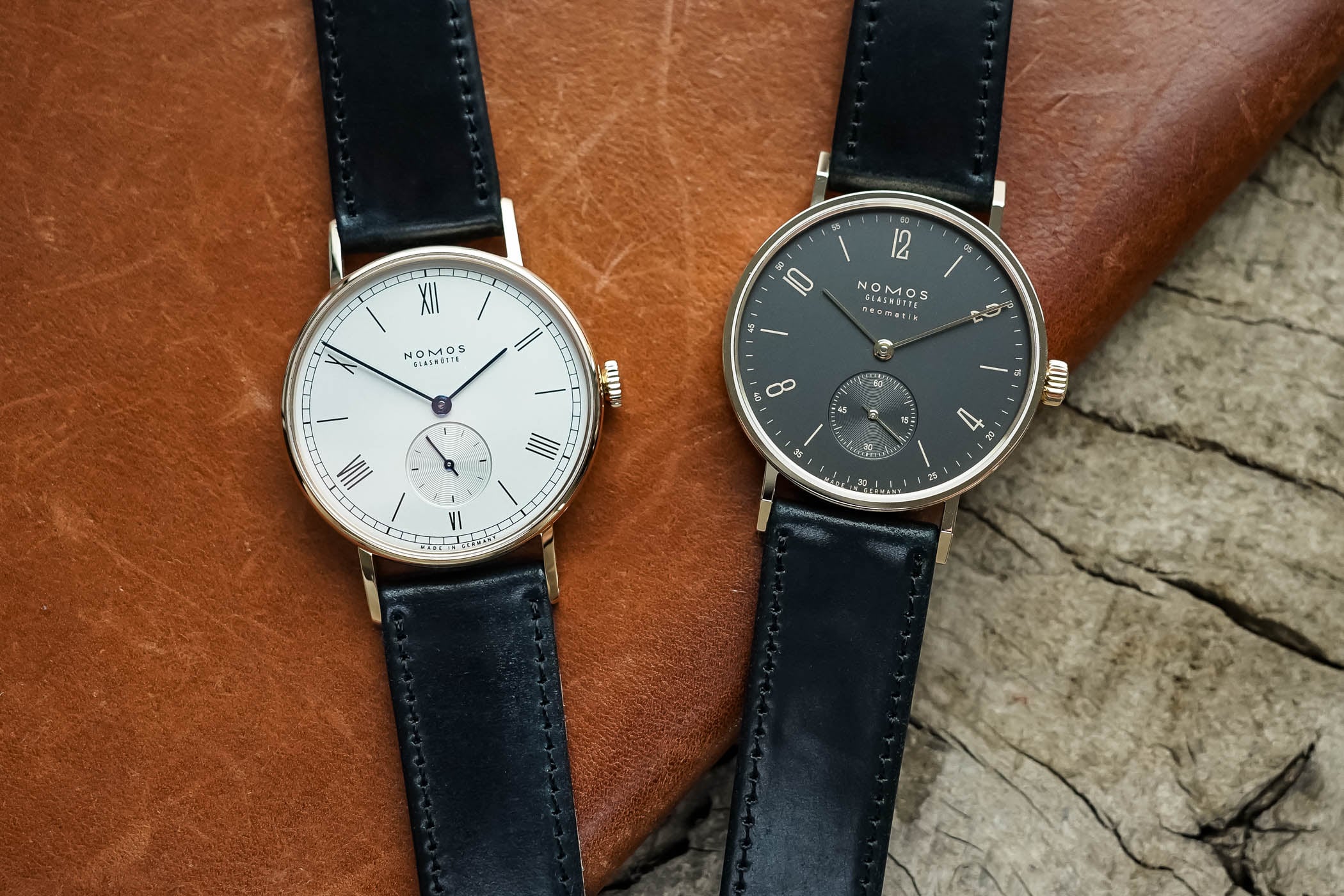
Every brand at one point dreamt of having an icon on their hands. A cornerstone model that stands the test of time, design trends, and, more importantly, captures the hearts of fans and collectors worldwide, indefinitely. Watches like the Lange 1, the Submariner, the Nautilus, the Speedmaster or the Royal Oak. For Nomos, even though […]
Time+Tide
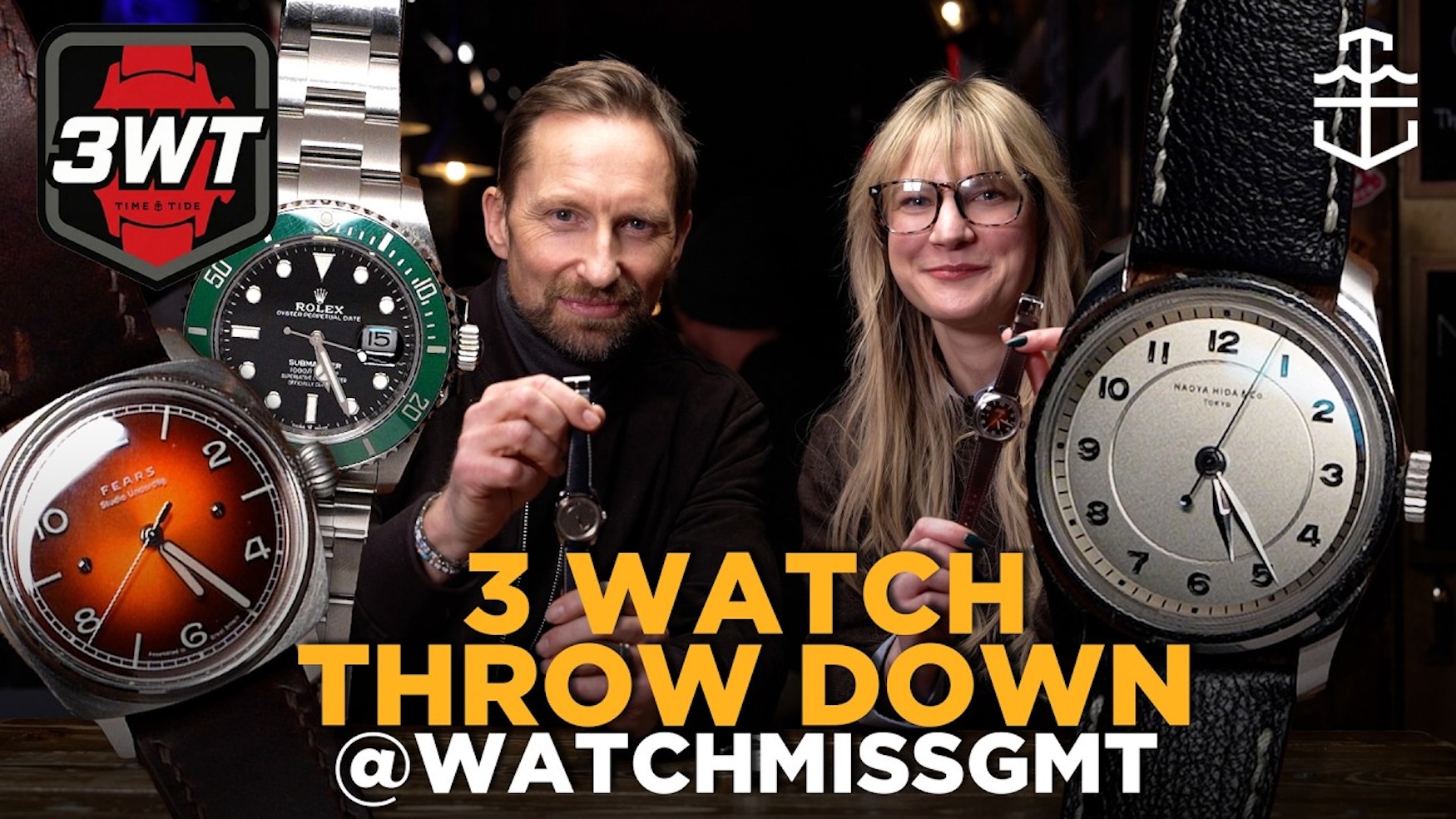
Food, travel, Japanese independents, and a Rolex Submariner she spotted across a room like a scene from a rom-com. This is her story.The post Rolex Sub, Studio Underd0g x Fears, & a rare Japanese grail - Erika’s 3-WATCH THROW DOWN appeared first on Time+Tide Watches.
Teddy Baldassarre
James Bond has been a pop culture icon for more than half a century and his watches have been a subject of intense discussion, debate, and speculation for nearly as long. From Connery to Craig, from Rolex to Seiko to Omega, and with other iconic actors and notable timepieces in between, here is the complete guide to the eclectic watches worn throughout 50+ years of James Bond movies. And for anyone interested in this topic, we are really excited to share our new video The Watches Of James Bond hosted by none other than Mark Bernardo, our very own verifiable font of knowledge for all things 007 and watches. This is a feature video so we recommend getting comfortable, having some snacks and beverages ready, and watching it on the biggest screen you've got. This is going to be fun. [toc-section heading="1962-1971: The Sean Connery Era"] Dr. No (1962), From Russia with Love (1963), Goldfinger (1964) - Rolex Submariner Ref. 6538; Thunderball (1965) - Breitling Top Time; You Only Live Twice (1967), Diamonds Are Forever (1971) - Gruen 510 Precision The speculation over what wristwatch James Bond would or should wear on his demanding missions is one that predated even the first movie, 1962’s Dr. No. Ian Fleming, Bond’s creator and the writer of the original novels that inspired the long-running movie series, was known to wear a Rolex Explorer, specifically Reference 1016. On the relatively rare instances in which Fleming (below) refers to Bond’s watch in print, he e...
Teddy Baldassarre
What are the best Tudor watches in the current lineup? It really depends on what type of watch ticks all the stylistic boxes for you - whether it’s a classic diver, a dual-time travel companion, or a racetrack-ready chronograph; a sturdy, outdoorsy timekeeper you can wear on a nature hike, or something elegant and uncomplicated that you can wear to the symphony. Using as our starting point some of the style categories in which Tudor's parent brand Rolex has excelled, here we attempt to home in on the best Tudor watches for each taste. [toc-section heading="For The Casually Stylish Diver"] Tudor’s answer to big brother Rolex’s megapopular Submariner series is relatively easy to spot. The Black Bay collection is the undisputed flagship of the 21st-century Tudor lineup and has played a huge role in Tudor stepping out from under Rolex’s substantial shadow to establish an impressive identity all its own. Improbably, It did so by deftly combining elements from earlier Tudor dive watches, most of which were clearly inspired by the Rolex dive watches that preceded them to market. The so-called “snowflake” hour hand that is so emblematic now to the Black Bay family was drawn from the Tudor Submariner Ref. 7016 from 1969 that was famously supplied to the French Navy, whose divers found two distinctly different hands to be beneficial in reading the time underwater.) The large screw-down crown, with engraved Tudor rose emblem, was introduced on the 1958 "Big Crown" model...
Video
Worn & Wound
Few other watchmakers enjoyed as much success and cachet as Heuer, especially during the fervent 1960s and 1970s. Not only had it launched one of the world’s first automatic chronographs, but it pushed the envelope on modern design with midcentury-cool chronographs like the uniquely square Monaco. Heuer was riding high on the glamor of Grand Prix: the Heuer shield was as indelible to the backdrops of Monza and Le Mans as Ferrari, Porsche, and McLaren themselves as the official timekeeper of Formula One. But, inevitably, the quartz revolution came for Heuer. Jack Heuer was the third-generation CEO of the company that bore his name, and he had been a savvy marketer, personally hawking chronographs to drivers like Jo Siffert and Nikki Lauda. By the 1980s, however, he found himself backed into a corner, and in 1982, he was forced to sell the company to Piaget and Lemania-a humiliating low point in his life, as he recounted in his autobiography. Yet, before he departed, he gave Heuer one saving grace. In 1979, he commissioned Heuer’s first dive watch, the Professional Series. At a trade show Jack had overheard a brief conversation about the unreliability of existing dive watches, and he aimed to emulate Rolex’s success with the Submariner and Sea-Dweller. (Incidentally, Rolex owned half of Heuer’s stock market shares, and nearly took over the company around this time.) Photo by Blake Rong Heuer had spent the decade building an electronic timing division, which b...
WatchAdvice
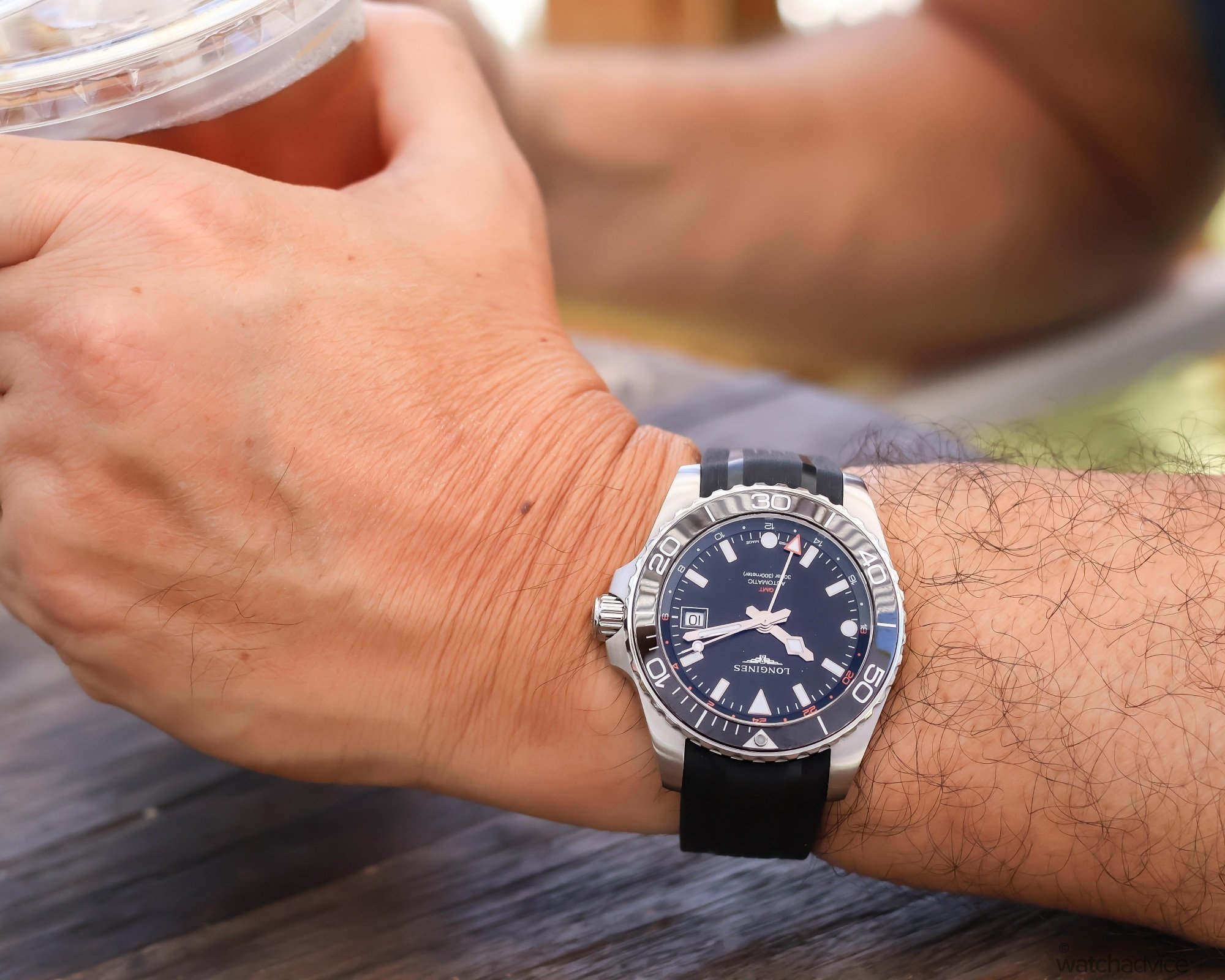
The Longines HydroConquest GMT is one of Longines’ most modern references, but has it stood up to two years’ worth of my father’s ownership standards? Let’s ask him! Purchasing Expectations: A utilitarian watch, fit for my dad’s lifestyle Clever micro-adjustment system A Flyer-style GMT, helpful for international travel Ownership Reality: Some design elements we disagree with Durability of the rubber strap Can you see the date? Overall Rating: 8.5/10 Value for Money: 9/10 Wearability: 9/10 Design: 8/10 Build Quality: 8/10 When it comes to dive watches, very few can genuinely be called underrated. It’s a thoroughly complete subgenre of horology, filled with some of the most iconic collections in watchmaking history. Submariner, Fifty Fathoms, Seamaster, Aquaracer, Black Bay… these are just a few names that define the dive watch enthusiast’s vocabulary. But more often than not, the price-to-performance ratio is heavily skewed. These collections carry not only cultural weight but a sense of luxury as well, and their prices rarely reflect their intended purpose. Tangentially, I told a friend earlier this year that I believed Submariners are the most mistreated watches in history: built to withstand extreme pressures, yet typically left to gather dust in a safe. Diving Into The New Longines Hydroconquest GMT 43mm One dive watch that avoids this fate is the Longines HydroConquest. Luxurious yet fairly priced, high-performance without pretension, it has consis...
Teddy Baldassarre
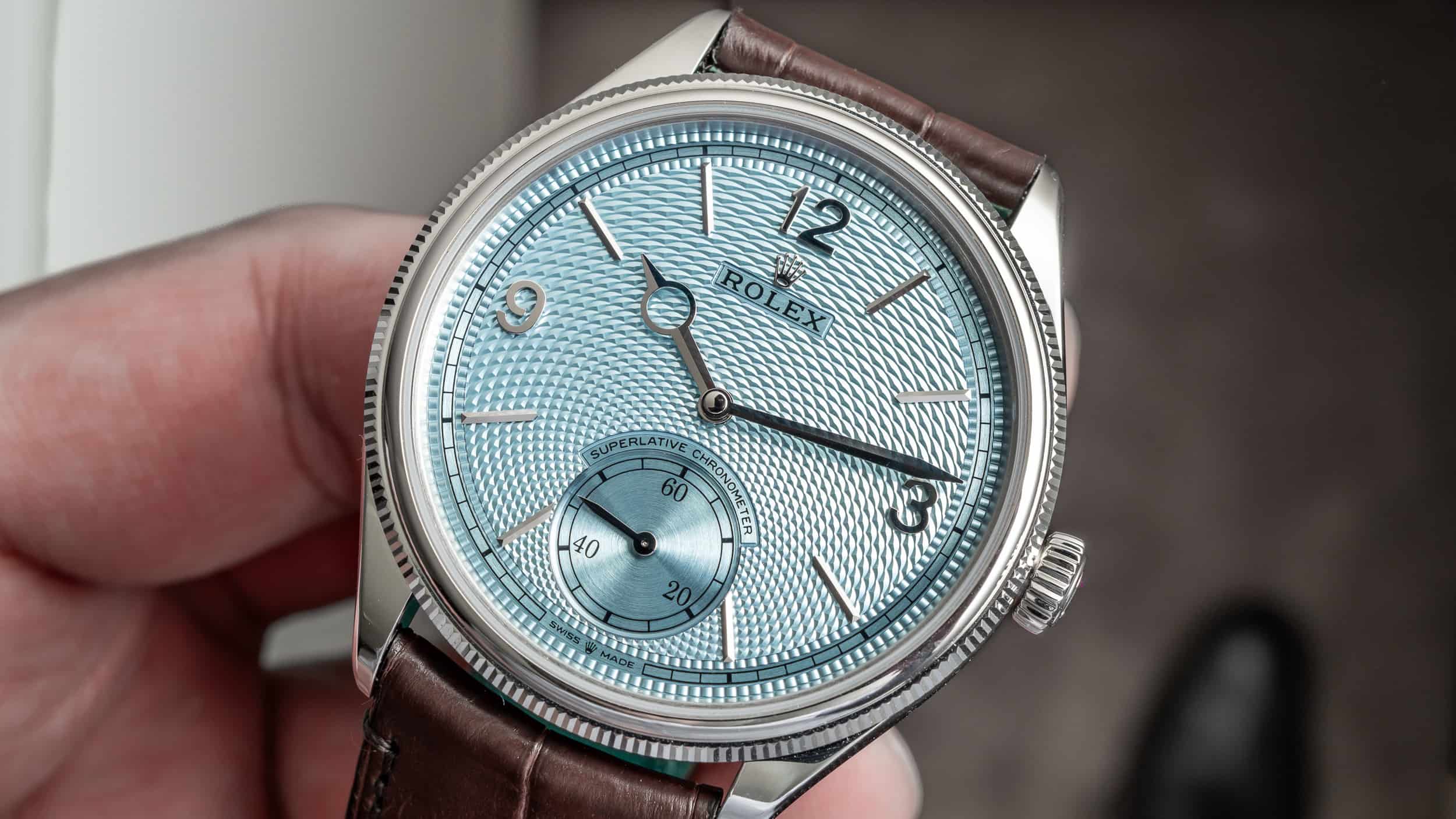
It’s easy to see Rolex exclusively as a sport watch brand, if even a luxury oriented one, thanks to collections that have helped to define their respective genres, such as the Submariner, the GMT-Master, the Explorer, and the Daytona. While they undoubtedly are just that, Rolex has another dimension to be discovered in more formal territory, and it’s a side we probably don’t see as often as we should, at least if their latest 1908 collection is anything to go by. Following the discontinuation of the Cellini collection in 2023, Rolex revealed its replacement in the 1908, sporting a familiar yet novel design language, and an entirely new movement in the caliber 7140. It was an immediate breath of fresh air, and a rare truly new release from the brand. [toc-section heading="Some Rolex Design History"] Rolex has more than a century’s worth of design language to draw upon, and it would do exactly that with the design of the 1908. From the shape of the case, to the details of the bezel, and even the design of the hour numerals, the 1908 feels like a love letter to the history of Rolex. As a result, it’s a design that doesn’t feel entirely formal in nature, landing in a more versatile space than you might imagine, especially in the right spec. This is a watch that feels appropriate in a wide range of uses, from dressed to the nines in a suit and tie, all the way down to t-shirt and jeans affairs, this is a truly dynamic platform. From the first oyster style cases ...
SJX Watches
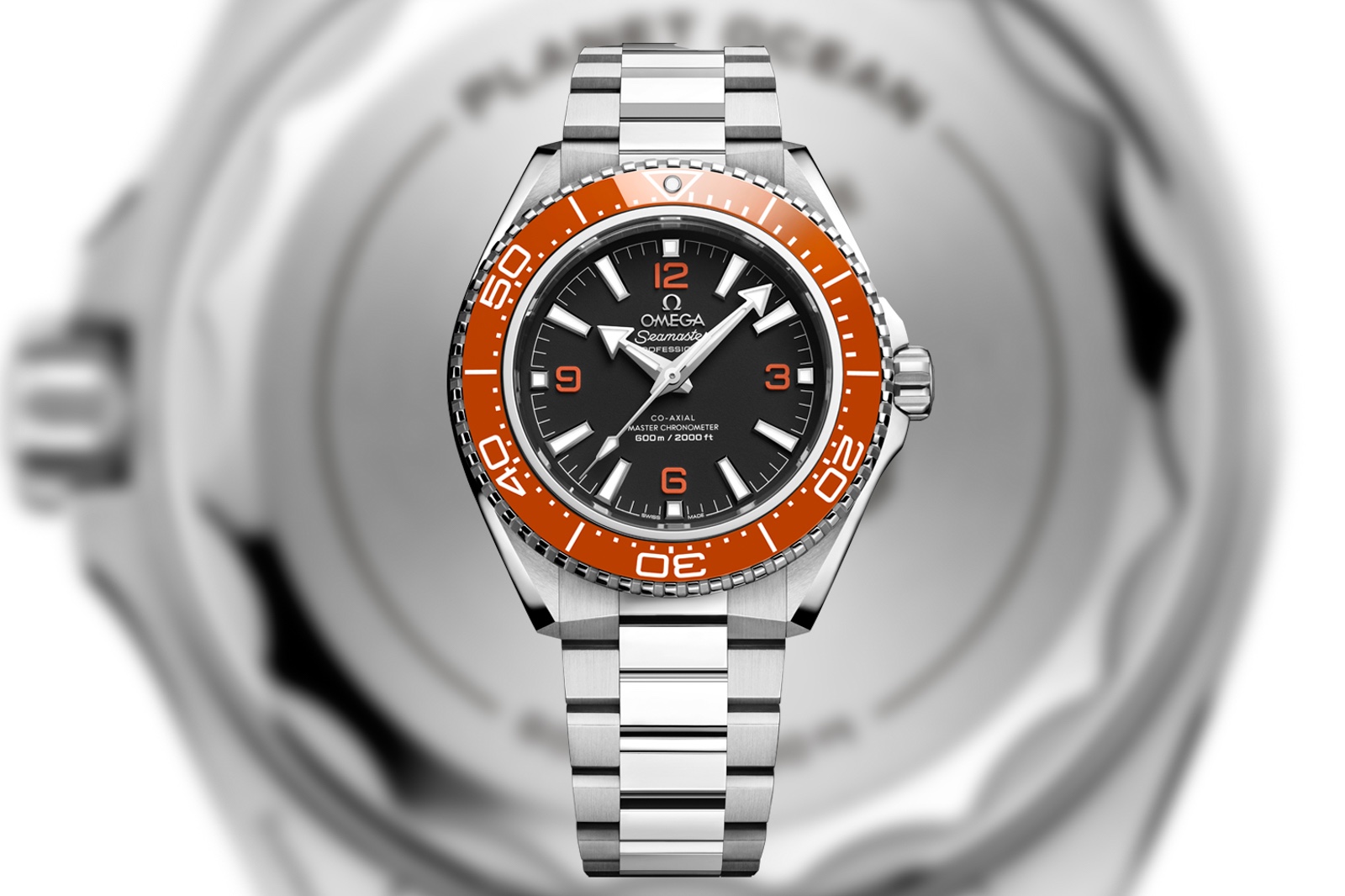
Omega marks the 20th anniversary of the Seamaster Planet Ocean with a full redesign, introducing a sharper, faceted case and a slimmer profile that addresses long-standing concerns about about the model’s thickness. The fourth generation design retains the headline 600 m water resistance and METAS-certified movement, but adopts a more contemporary silhouette that differentiates it from earlier generations. The anniversary launch spans three colourways - black, blue, and the signature orange - with the latter now priced in line with the Rolex Submariner. While the refresh enhances everyday wearability, it also moves the Planet Ocean slightly away from the recognisable aesthetic that has defined the collection since its 2005 debut. Initial thoughts The Seamaster Planet Ocean is a watch that carries a lot of nostalgia for me personally. The first generation model, launched in 2005, was the first mechanical watch I purchased for myself in my student days and while my watch, powered by the slim cal. 2500C, has seen the inside of the Omega service centre more times than I would have liked, it still has a place in my regular rotation, especially when the weather turns warm. The appeal of the Planet Ocean is its fresh interpretation of historical Omega motifs; it features details like the broad arrow hands without attempting to be a vintage remake. The collection was refreshed in 2011 and again in 2016, but it seemed to get chunkier with each new iteration, to the dismay of ...
Worn & Wound
You have to give credit where it’s due: Omega teased a big update to their Seamaster Planet Ocean, and they delivered. The collector community will surely debate every aspect of the new fourth generation Planet Ocean, but this is not an iterative change or a minor tweak. It’s a fairly radical rethinking of the style and aesthetic of Omega’s premier professional diving watch, and when you put an early version of the Planet Ocean next to the new gen, it’s honestly hard to see the connection between them. Not impossible, but by “iconic dive watch” standards, which keeps stalwarts like the Submariner and Fifty Fathoms looking much like the watches that they started life as, this is a different kettle of fish entirely. We’ll start with the case, because that’s really where the heart of the Planet Ocean’s rethinking really comes into play most clearly. The knock on the Planet Ocean, since its inception, has always been that it’s overly thick. Of course, being that this is a pro diver with double the water resistance of most other consumer oriented divers, a little heft is to be expected. Still, the general proportions of previous Planet Ocean cases were always a cause of consternation among a subset of die hards. The new watch measures 42mm in diameter and is 13.79mm thick, a significant reduction over the previous Planet Ocean’s 16.1mm case height. The new case also benefits from a flat sapphire crystal and a new titanium caseback, both of which ought ...
Video
Worn & Wound
I love the Zenith Defy. I never miss an opportunity to tell people that it’s my favorite sports watch line of all time. I’m guessing that I’ve had a version of this conversation so many times over the years that my colleagues and watch-friends can feel it coming at this point. I can sense that eye roll is not far behind me going over once again how the Defy has always represented the ideal meeting place between the avant-garde and true sports watch engineering. Look, I make no apologies. If you can’t see that the Defy has been a subtle influence on everything from the Royal Oak to the most generic Rolex sports watches, well, stay tuned for my long threatened multi-part solo podcast series unpacking my personal obsession with these watches. One of the things that has always fascinated me about the Defy is how it can be anything. The watches in this collection have never fit neatly into a specific mold, and unlike, say, the Rolex Submariner, which has basically looked like the same watch since its debut, the Defy has always been a shapeshifter. The only thing steady about the design has been that it could always morph and change into something radical and different, and often something that is not to everyone’s taste (even longtime fans of the collection). That’s basically what’s been on my mind since learning of the new Zenith Defy Extreme Lapis Lazuli, a maximal take on the sports watch that latches on to some current trends. This is a Defy Extreme, so it...
Worn & Wound
One of the most unexpected but delightful trends to emerge in watches over the last few years is the rise of the “Japanese Calatrava” style watch. Even if you haven’t heard this term thrown around, you probably know exactly the type of watch I’m talking about, as there have been several that have emerged relatively recently. The small dress watches made by Kurono Tokyo are an obvious example, and perhaps the genesis of it all. Brands like Kikuchi Nakagawa and Noaya Hida are also part of this conversation at the more luxurious end of the spectrum, and of course there are a variety of affordable watches that sit nicely in this category or are tangential to it, like Kuoe and Orient (which admittedly has been doing this for many, many years). I like this trend because it feels like a small segment of the watch world is pushing back on the dominant force in watches over the last decade: the vintage inspired sports watch. I’m no hater – I own a few vintage inspired sports watches and can appreciate the good ones, but they are so ubiquitous it’s tough to see them as anything but generic. The simple Calatrava style watches coming out of Japan are of course similarly generic, but are a welcome flip side to the sports watch coin, and I like the idea that someone entering the hobby now might find themselves down a rabbit hole of small dress watches as opposed to Submariner-style divers. I’d be very curious what that collector has in their watch box five or ten years...
Teddy Baldassarre
Luxury Sport watches are probably one of the most popular categories out there with no shortage of excellent options from the most mainstream to the most niche independent watch brands. While names like the Rolex Submariner and Audemars Piguet Royal Oak are seen as the staple watches in this category to aspire to, we asked our editorial team here to share their personal picks in this admittedly crowded category. So without further ado, let's take a look at our favorite luxury sport watches. Glashütte Original SeaQ Panorama Date There are dive watches that you wear to go diving and there are dive watches that you wear - well, maybe afterward, to the country club where you go to talk about diving. The Glashütte Original SeaQ is a prime example of a watch that can actually fill both roles. While it was established relatively recently, in 1994, Germany’s Glashütte Original can trace its lineage as far back as 1845, which also happens to be the year that watchmaking essentially arrived as an industry in Germany. As I cover in much greater detail in this article, a full century of horological tradition, centered in the town of Glashütte in the state of Saxony, came to an end with Germany’s defeat in World War II. It was replaced by a new era in which a state-owned conglomerate of once-independent heritage watch manufacturers, the Glashütter Uhrenbetriebe or GUB, shifted focus from artisanal techniques and luxuriously decorative timepieces to mass-produced tool watch...
Teddy Baldassarre
The Tudor Black Bay 58 Burgundy was released at this year's Watches & Wonders to nothing short of acclaim by enthusiasts. Not just a fresh color, this is a redesigned Tudor Black Bay 58, essentially from top to bottom. What you’re looking at is the next generation of everybody’s favorite Black Bay size, and it debuts in a color you simply cannot ignore, and one tied to Tudor history. The Burgundy Black Bay 58 took the burgundy color usage of Black Bays from the past while leaning into the bright color scheme much more boldly than before. Rather than just adding another bezel color, Tudor decided to make the whole dial and front of the case a study in this shade of red. Where the past few years have seen Tudor experiment with satin-finished dials in its hardcore sports watches, from the Pelagos to the Black Bay 54, the 58 range has been steadfast in its use of matte or textured dial surfaces. That all changed with this iteration, as we get a punchy, sunburst burgundy dial color. You might think this is an infusion of modernity in a model known to harken back to the past, but it isn’t. It’s just harkening to a different moment in time – to a watch that Tudor never technically released. Indeed, that would be a certain 1990s Tudor Submariner Ref. 79190 prototype that had a similar red bezel/red dial combination. And while that watch never made it to the production stage, it heavily influenced the brand’s decision when it released the very first Black Bay with a bu...
Time+Tide
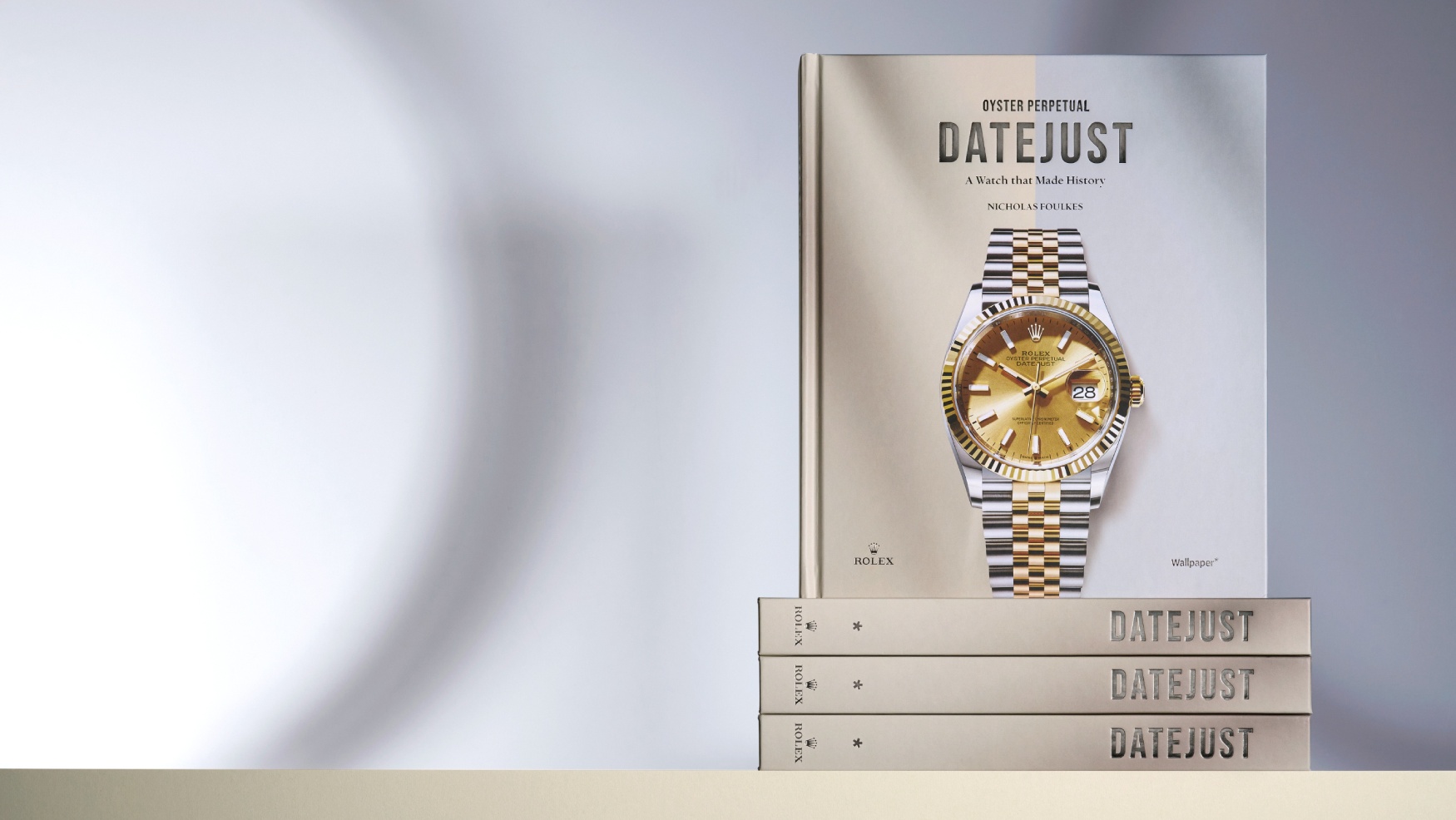
A year on from the release of his first official Rolex book on the Submariner, Nicholas Foulkes has returned with a Datejust edition.The post We read the Rolex Datejust book so you don’t have to appeared first on Time+Tide Watches.
Video
Monochrome
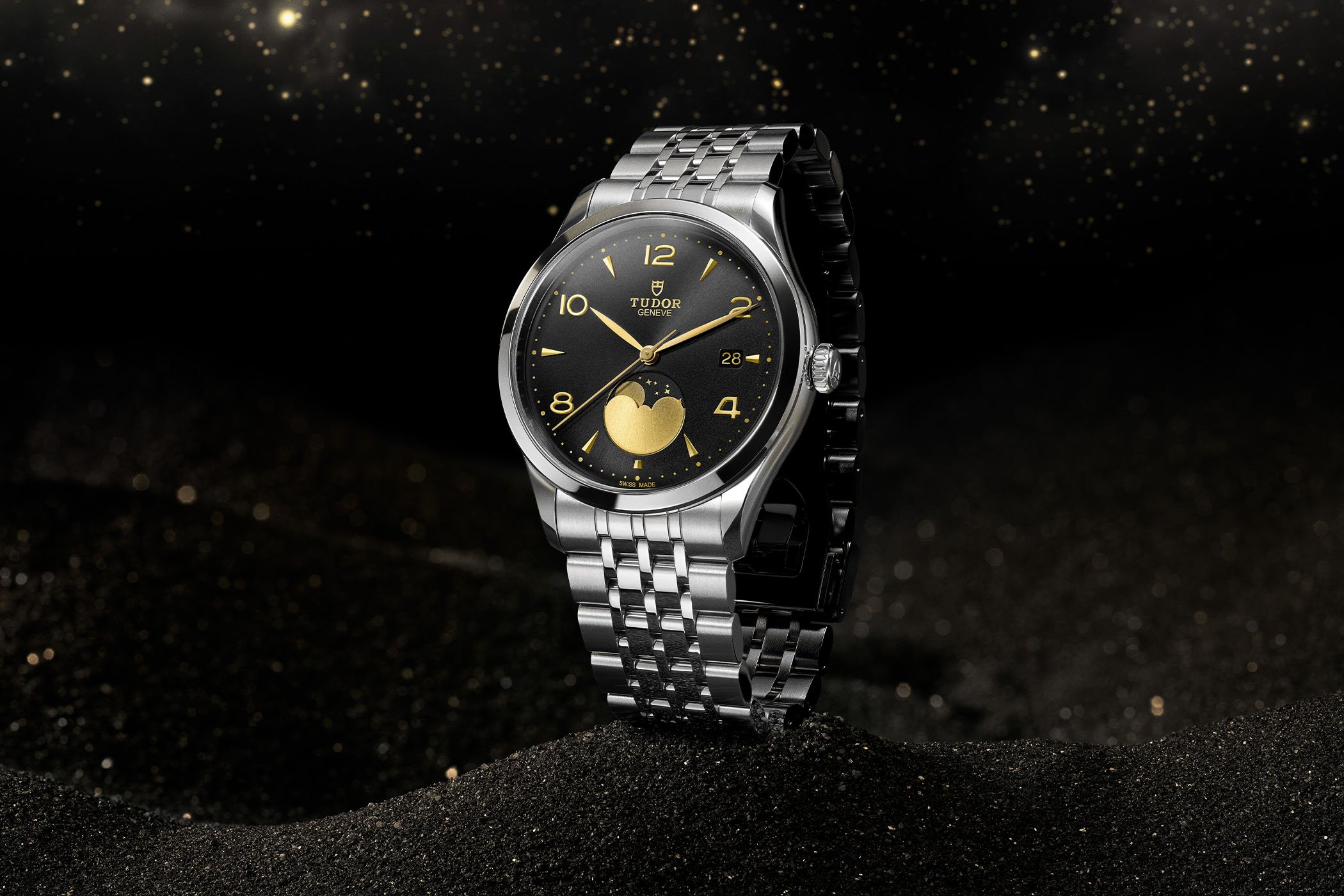
When you think about Tudor, you probably have in mind the image of a cool Submariner-inspired dive watch, with a retro-styled case and dial, and a solid manufacture movement by Kenissi inside. What I’ve just described is basically the Black Bay collection, which has been the brand’s cornerstone for over a decade. With this in […]
Teddy Baldassarre
Aside from the watch that was made legendary by Paul Newman - and which would forever, unofficially, carry the famous actor’s name - there is probably no version of the Rolex Daytona that is more coveted than the “Rainbow” models that bring a meticulously designed and eye-catchingly beautiful assortment of colorful precious stones to the bezel, case, and dial of the motorsport-inspired luxury chronograph. Here is the story behind the Rolex Daytona “Rainbow” and why it has become yet another smash hit for the Crown in the 21st Century. To start off, it’s worth answering the question, “Why is the Rolex Daytona so famous in the first place?” The model’s success story begins in 1962, when Rolex, hot on the heels of other genre-defining watch releases like the Explorer, GMT-Master, and Submariner several years earlier, became the official timekeeper of the “Great American Race,” the Daytona 500. In celebration of the partnership, the Swiss brand introduced its original “Cosmograph” racing-inspired chronograph watch the following year. The watch, notable for its tachymeter bezel and three-register dial design, adopted the name “Daytona” shortly thereafter and really took the enthusiast community by storm when actor, director, and part-time racecar driver Paul Newman began wearing one regularly. Newman became a big-screen icon in the 1970s, around the same time that auto racing took off in popularity as a spectator sport, and this confluence of...
Monochrome
Exactly one year ago, Rolex, with the help of author Nicholas Foulkes and publisher Wallpaper, took us by surprise when releasing the first-ever Crown-authorised book, The History of the Oyster Perpetual Submariner Watch. While such initiatives have been done on multiple occasions by other brands, a historical book receiving the stamp of approval of Rolex […]
Teddy Baldassarre
Rolex has made many lasting contributions to the world of watchmaking since its foundation in 1905, not the least of which has been an array of massively popular and widely emulated bracelet designs. Here we take a close look at every type of Rolex bracelet, what makes it special, and which Rolex watches, if any, are using them today. Rolex Oyster Bracelet Rolex’s iconic Oyster bracelet is the template from which many other three-link bracelet styles have been drawn. Its name comes from its association with the Oyster case - introduced by Rolex founder Hans Wilsdorf in 1926, and the most water-resistant watch case that had been made up to that point - and for which the original version of this bracelet served as an extension. Oyster bracelets are recognizable for their wide center links bordered by thinner end-links. Rolex patented the design in 1947 and fitted one on a watch in 1948. In the early versions, the links were riveted; these were phased out in favor of a “folding” style in 1967, which eventually gave way to the modern, solid-link style in 1975. Oyster bracelets come equipped with the accompanying Oysterlock clasp, a triple-deployant metal clasp with a safety-lock mechanism. Three-link bracelets like the Oyster and its various descendants are particularly popular on sports watches and dive watches, and this bracelet appears, as you’d expect on most of Rolex’s most popular “professional” models, including the Submariner, GMT-Master II, Explorer,...
Monochrome
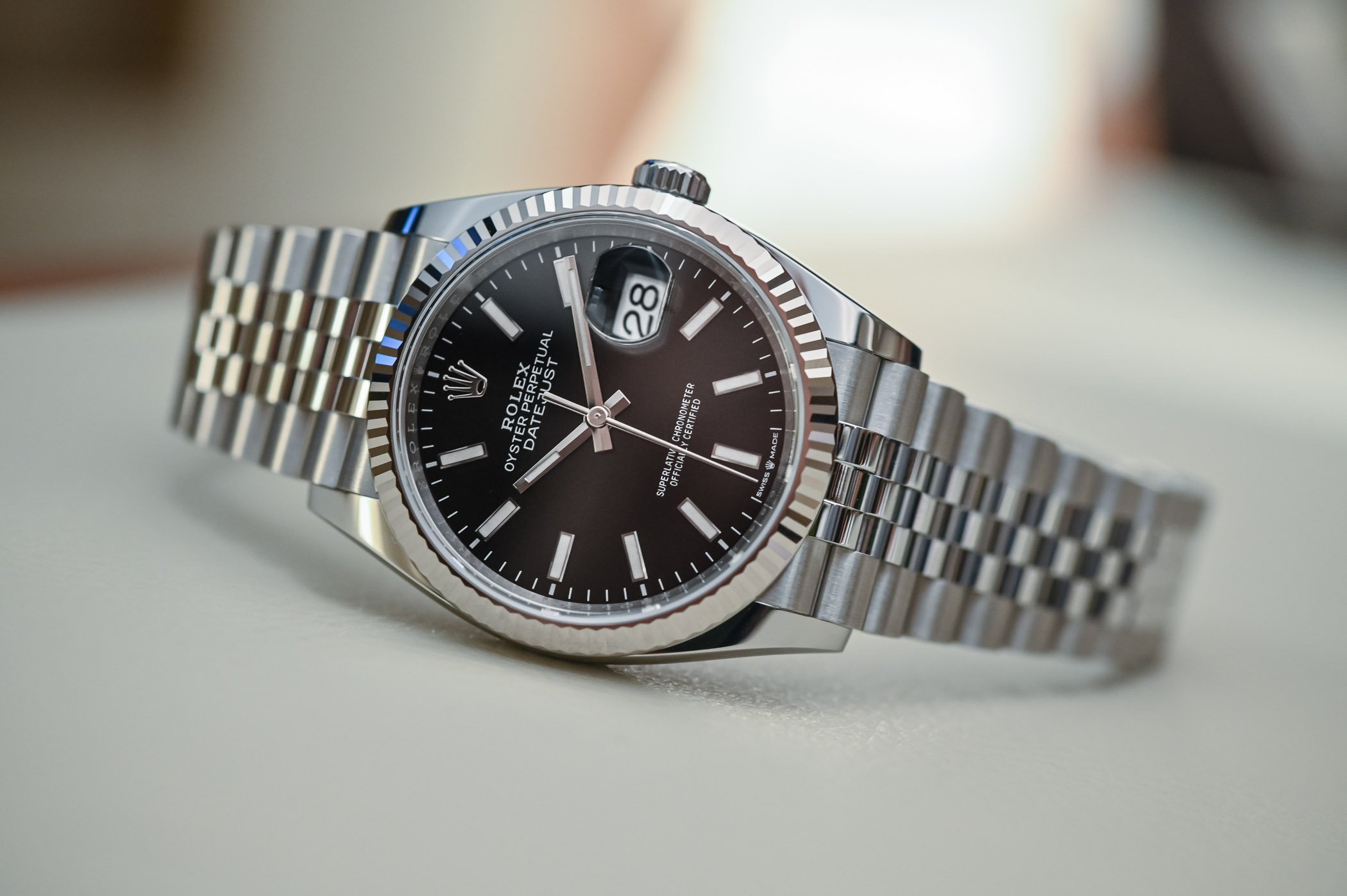
Many companies have that one model that really epitomises the brand, even if it’s not the flagship product. Toyota has the Camry, Omega has the Speedmaster, and Rolex has the Datejust (you thought I was going to say Submariner). It’s among the longest running models in Rolex’s portfolio and boasts many of the signature features […]
Video
Question, suggestion, or just want to say hi? Drop a note.