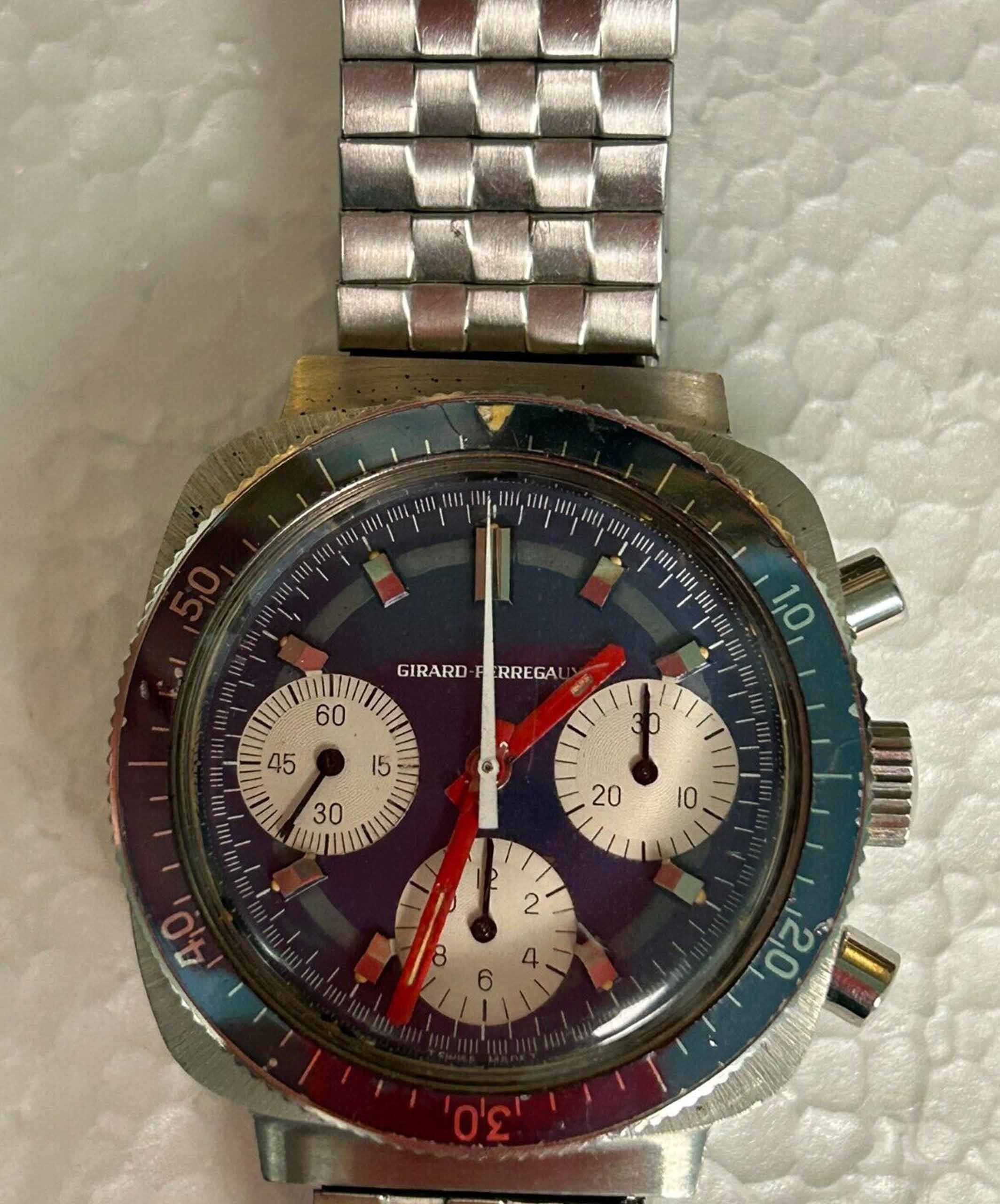
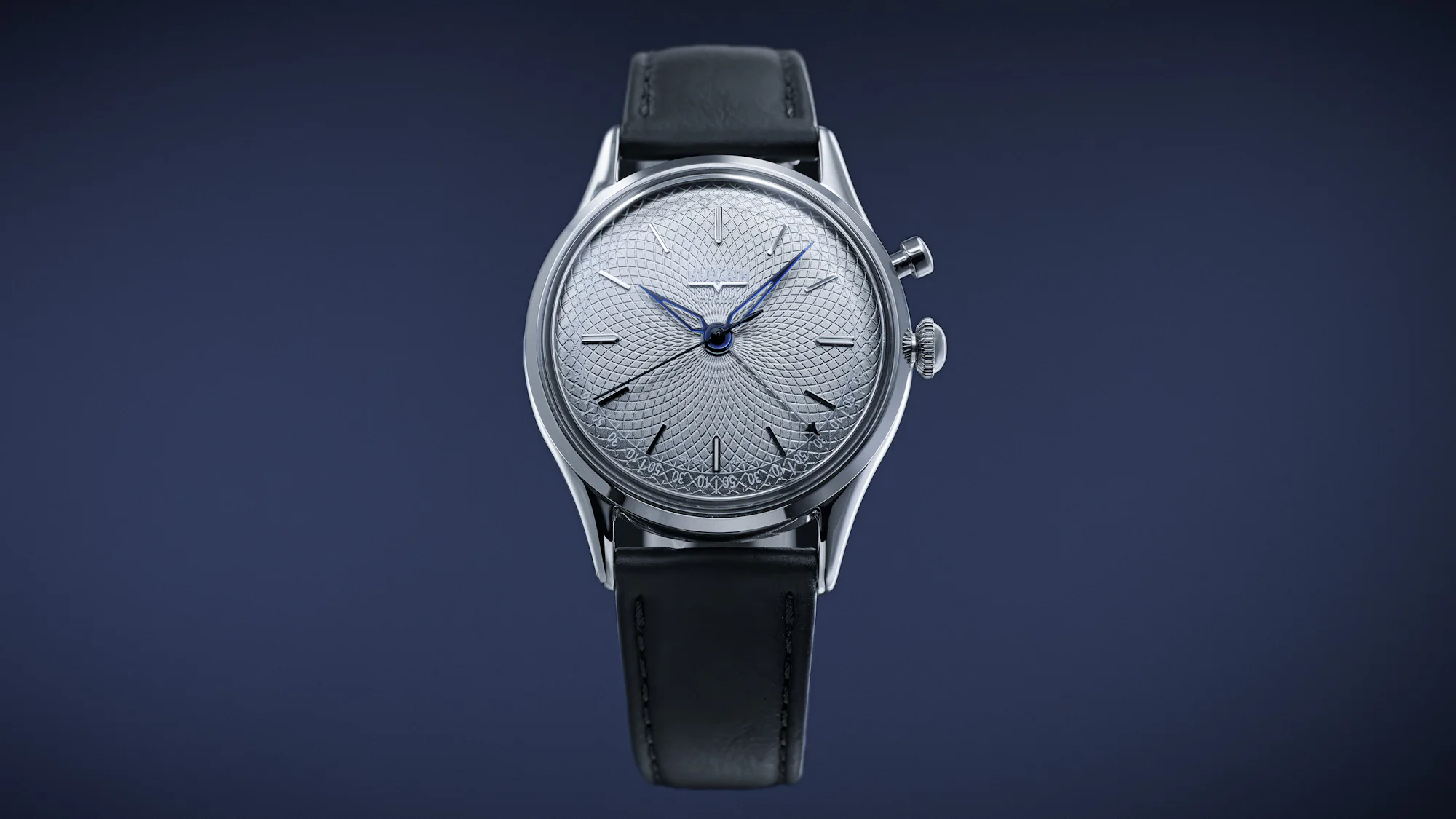
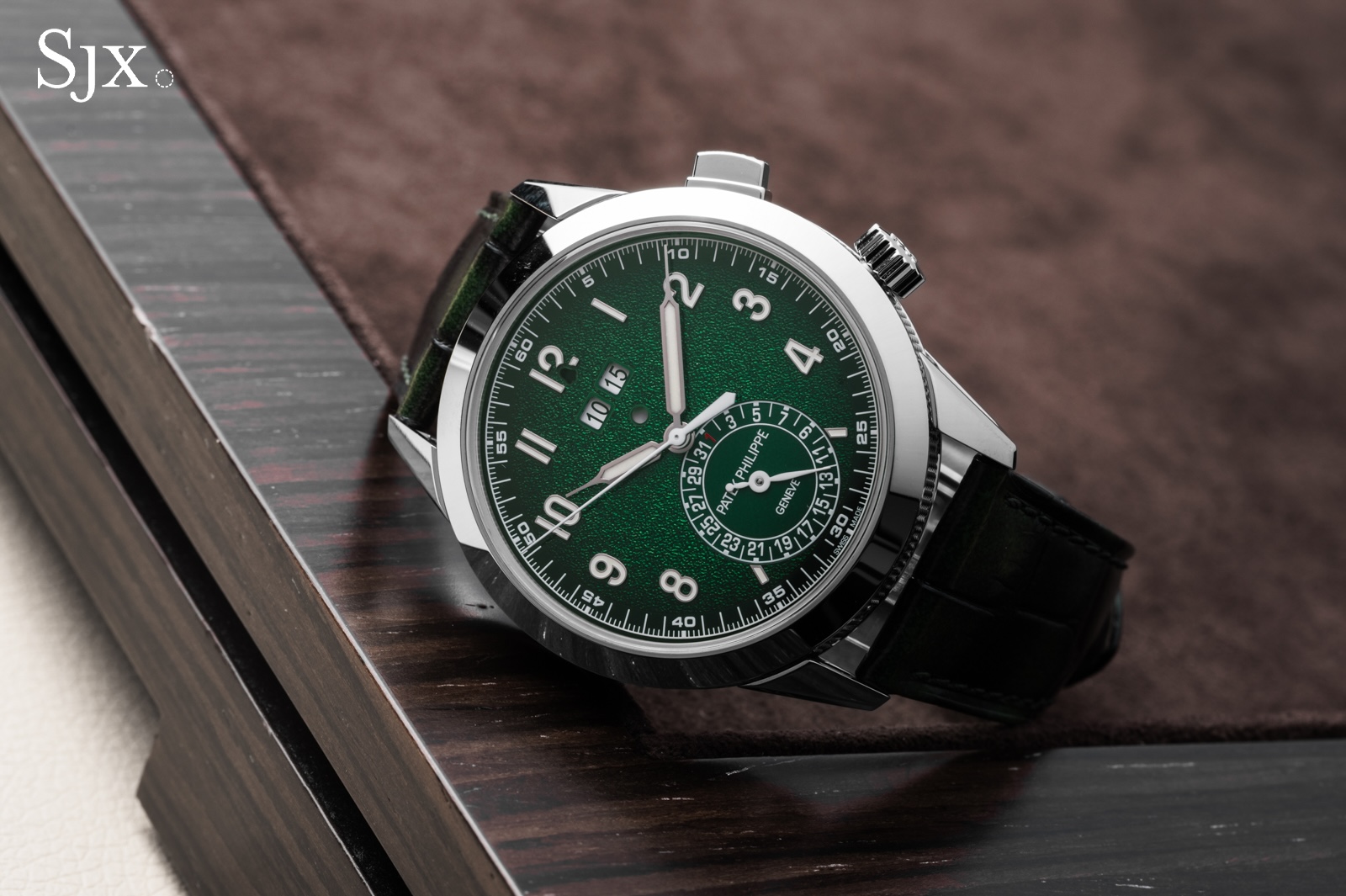
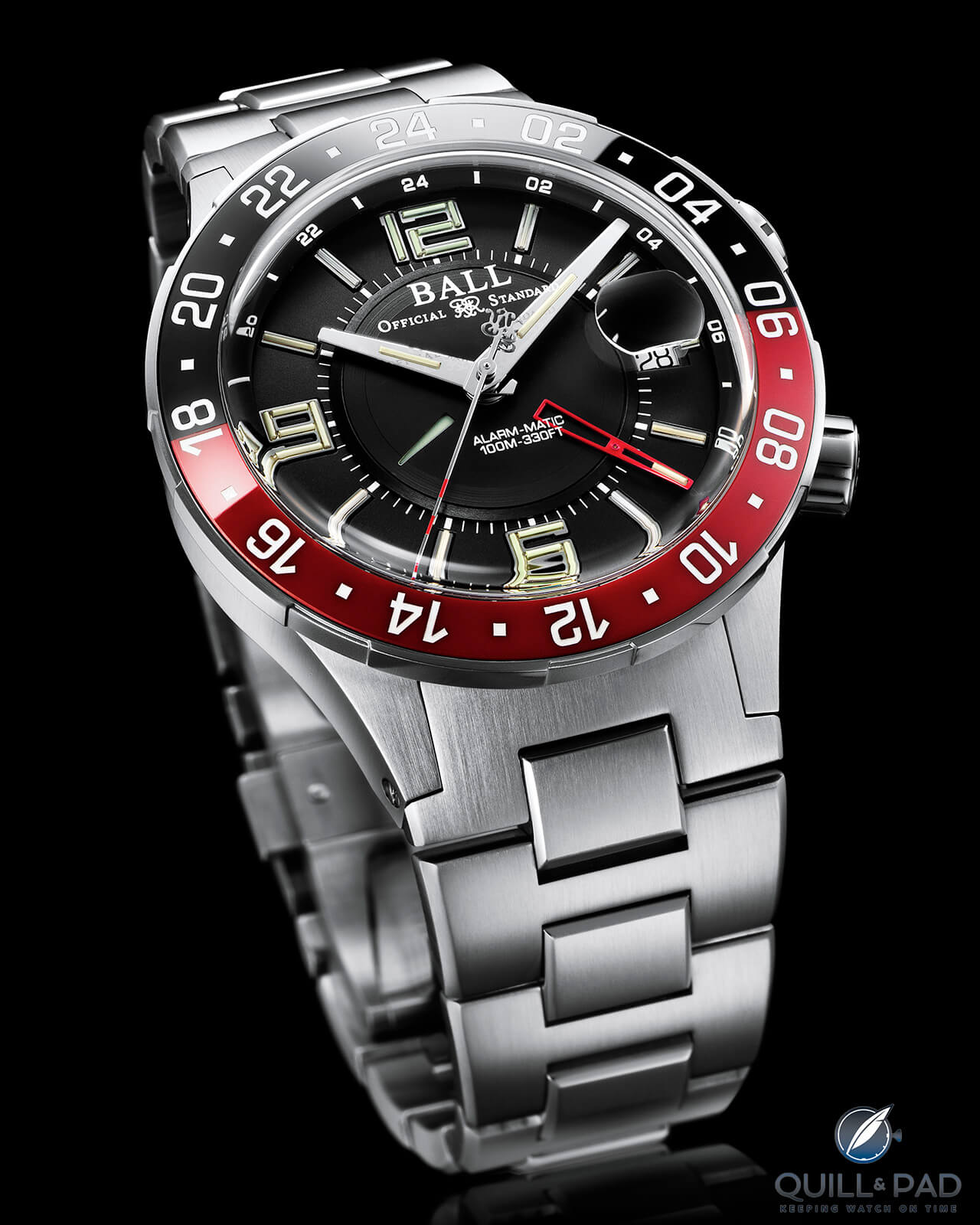
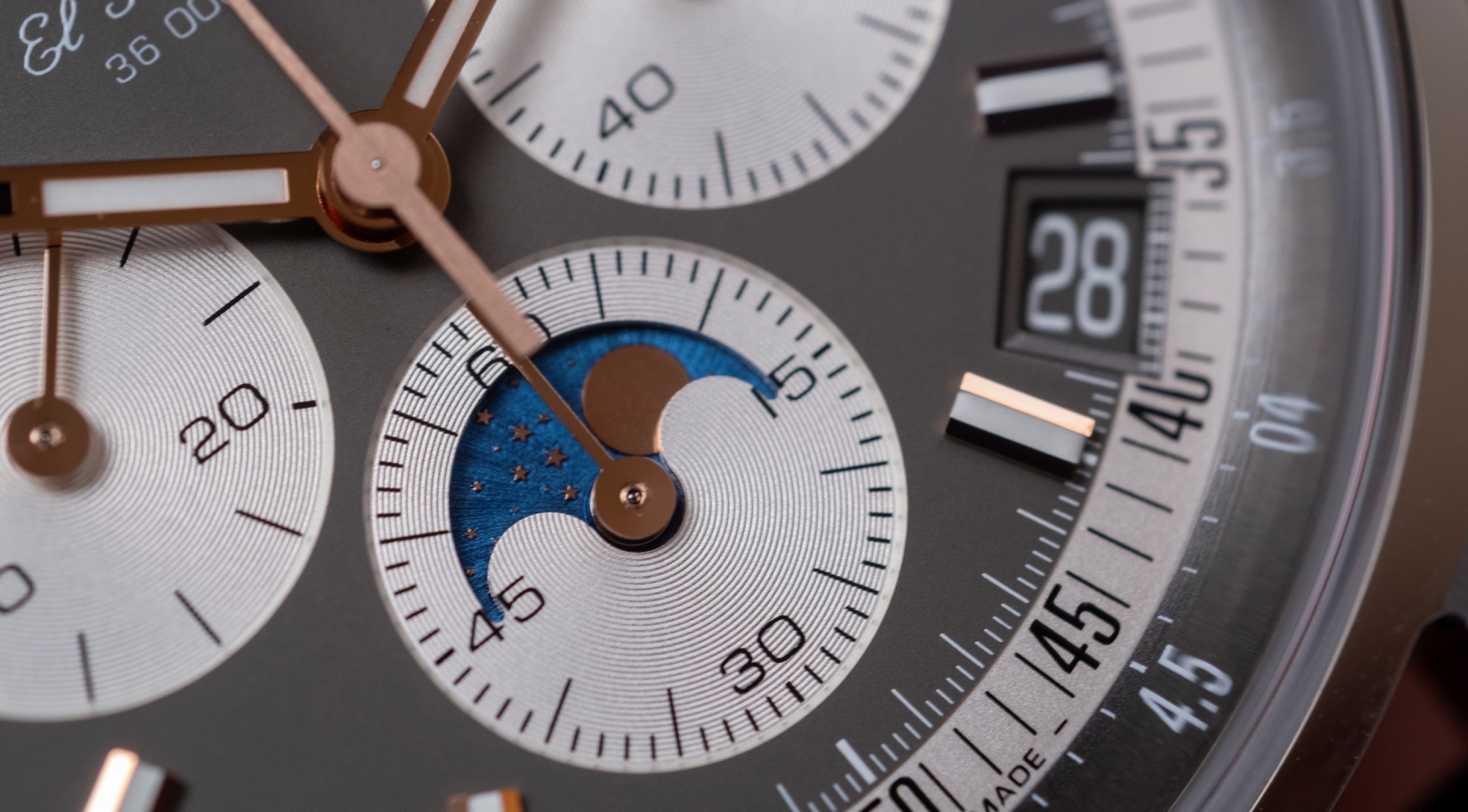
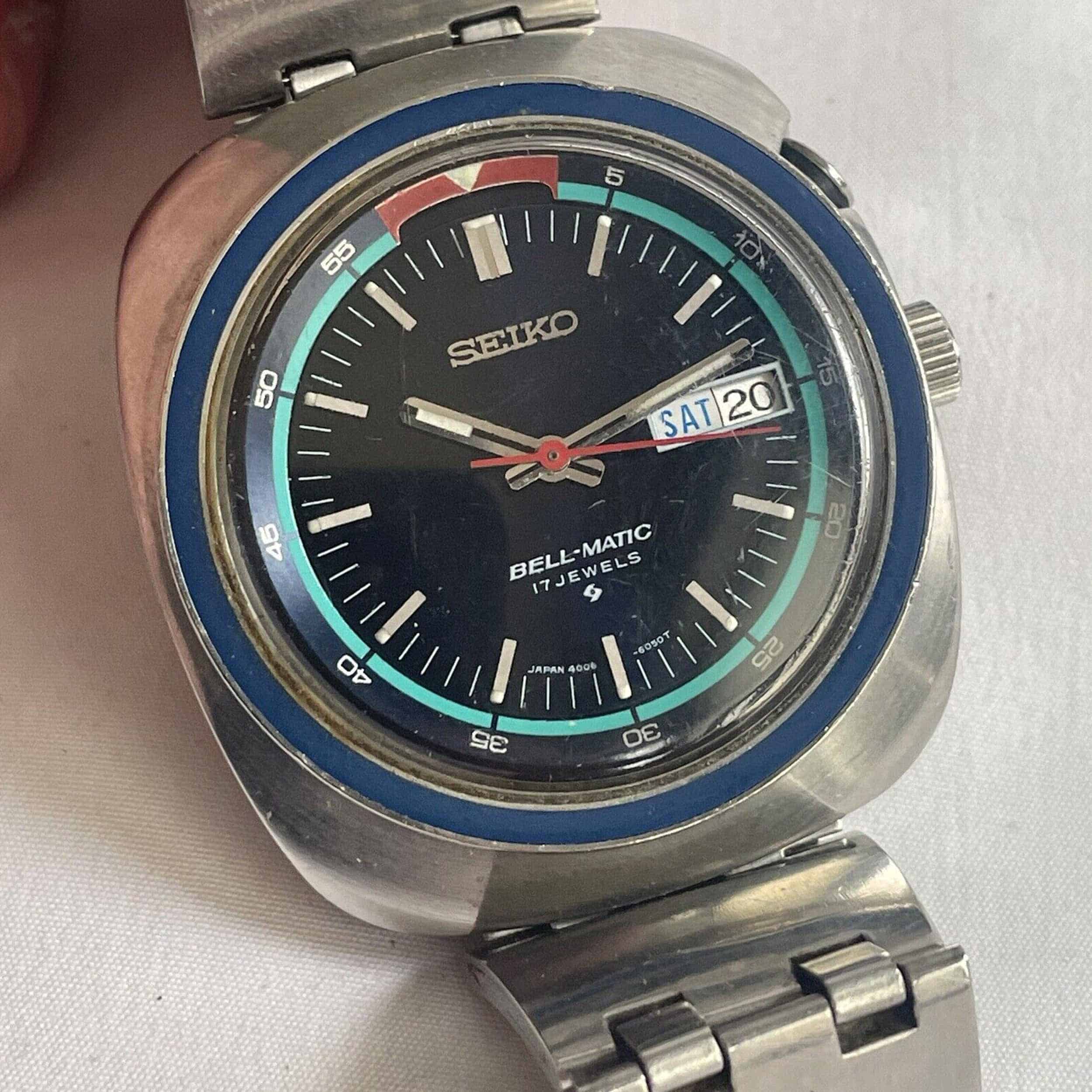
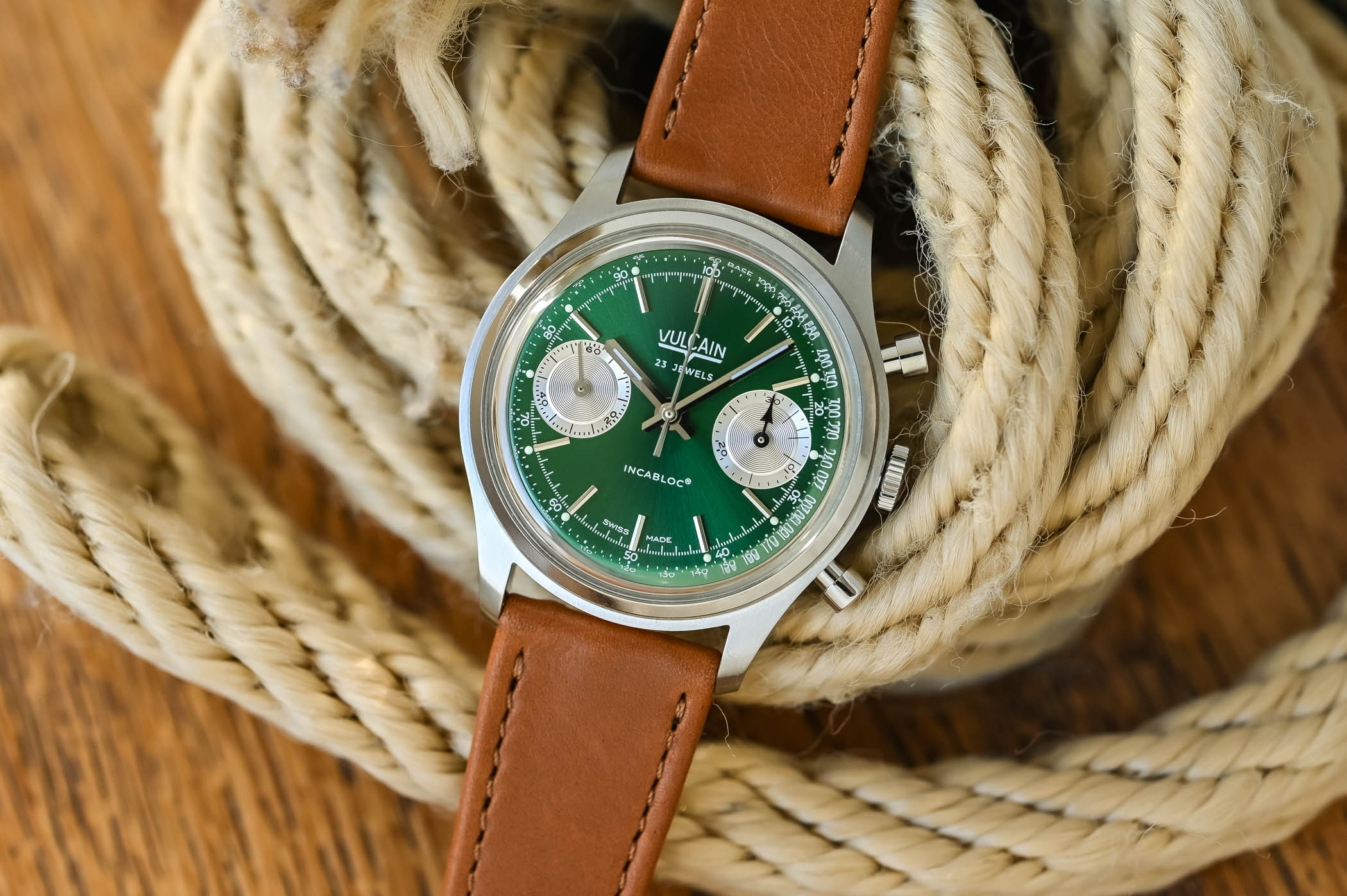
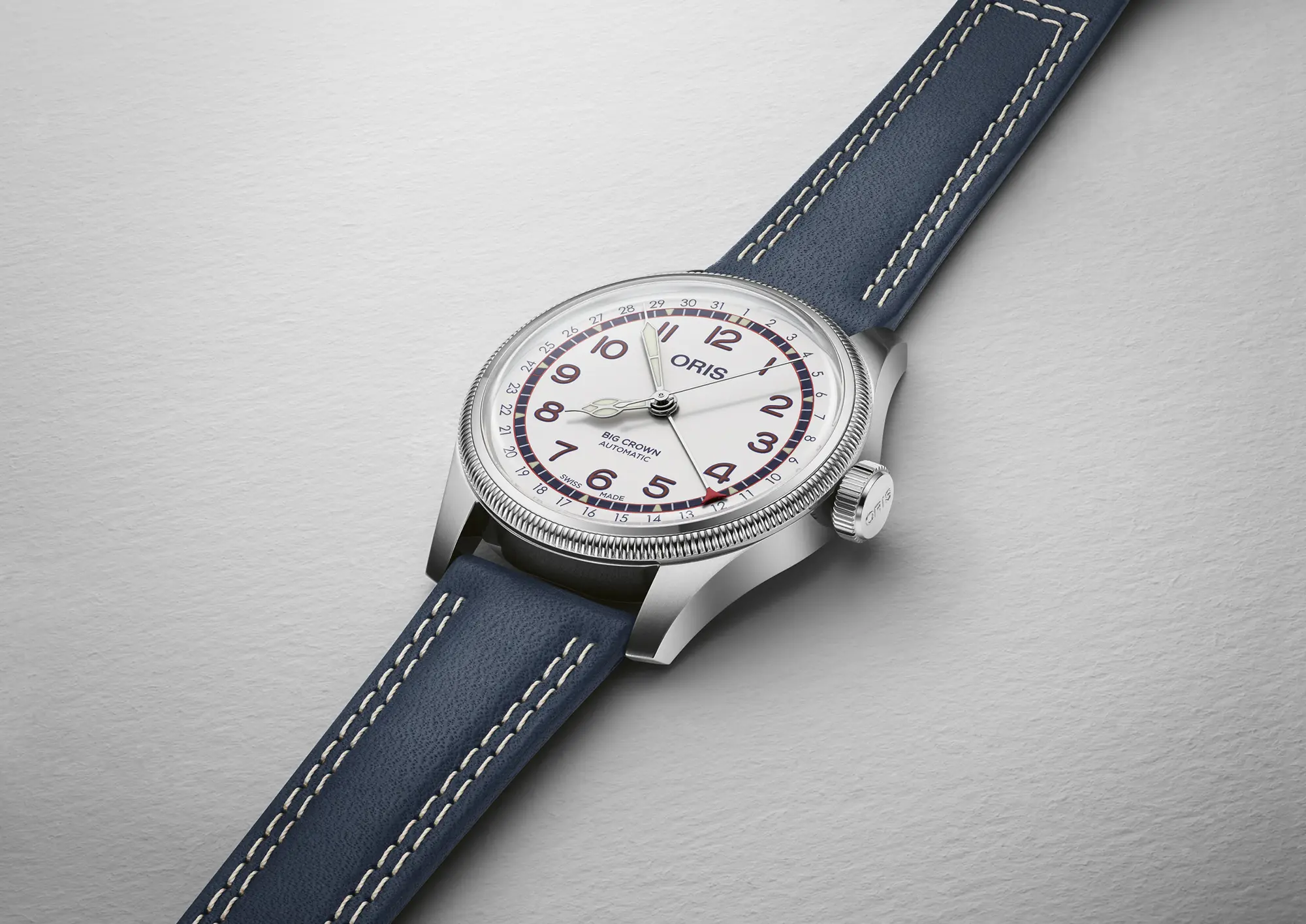
Bring a Loupe: An Orvis Solunagraph, An Omega DeVille Emerald, A Lip Mach 2000 Chronograph, And A Patek Philippe Calatrava
Welcome to Friday, Baller. We're in busy times, what with the weather changing, and, at least in the States, we're enjoying an embarrassment of riches movie-wise, with a new Sorkin movie just having opened and two incredible new movies—The Only Living Pickpocket In New York and You Can See Everything premiering next Friday. I, for one, am already stocking up on popcorn. Scorekeeping last week's picks, the Lucien Piccard Telephone and the Mappin and Webb watches remain available, while the Omega Admiralty and JLC Master Mariner have both sold. Strays I don't know if "understated bling" is a thing or not, but if such a category exists, it is absolutely where this Piaget Protocole in white gold from Rare Birds belongs. If Seiko's announcement of its newest panda chronograph whetted your appetite, here's an awfully great vintage Wittnauer two-register chronograph on auction from Loupe This, which, no, isn't as cute and lacks ears for pushers, but is still a great watch. Should you, after reading more down below about Abercrombie & Fitch watches, find yourself in the market for a vintage alarm watch from the brand, look no further. Photo courtesy of Rarebirds. Vintage lesser-known great-looking diver? Absolutely. Interesting vintage Rolex Prince? Why not. On the one hand, I've never seen any LeCoultre chronograph configured like this one. On the other hand: everything appears correct—signed dial and movement, appropriate wear, etc.—so who knows. Finally, for those who wan...
 Fratello