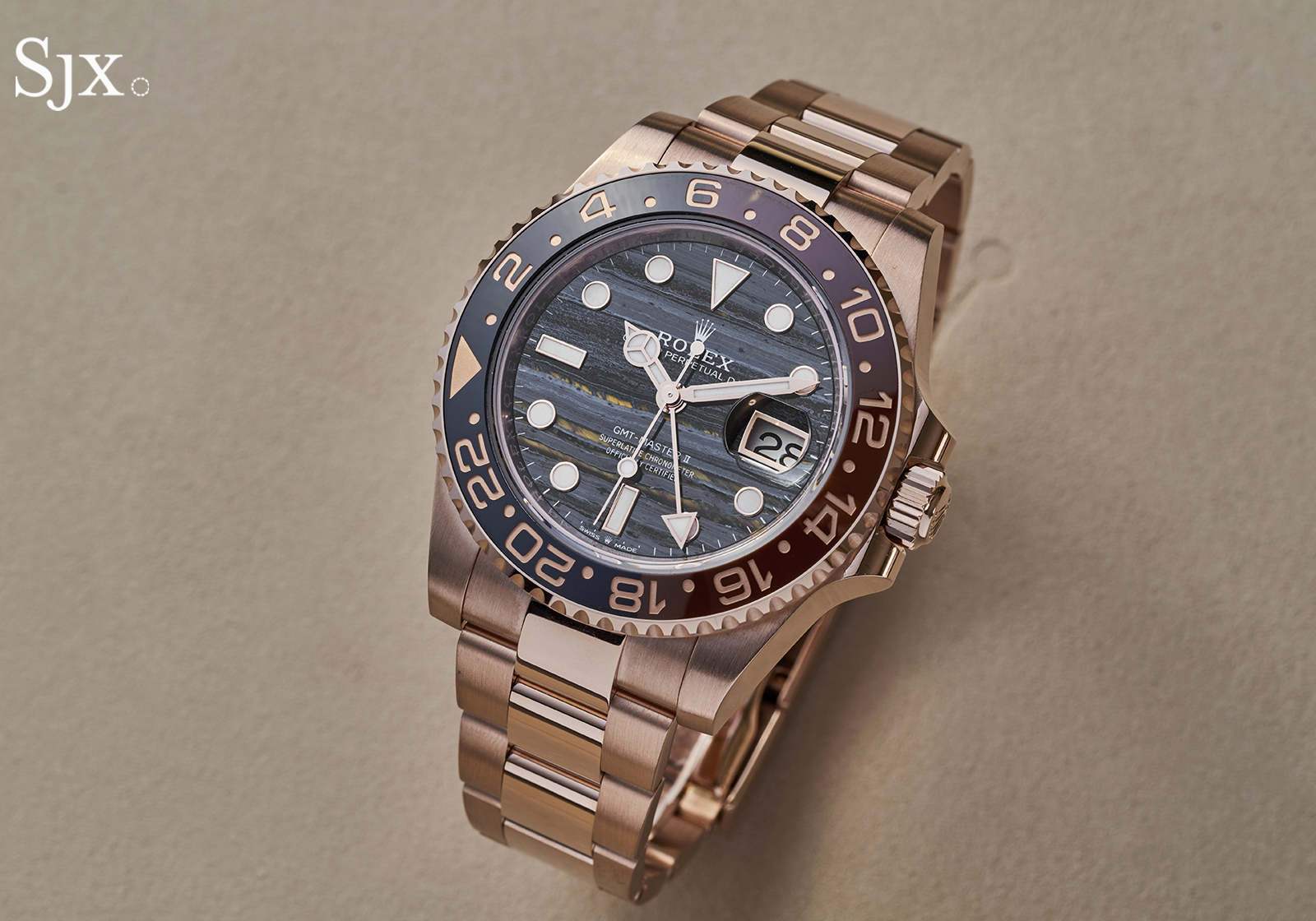
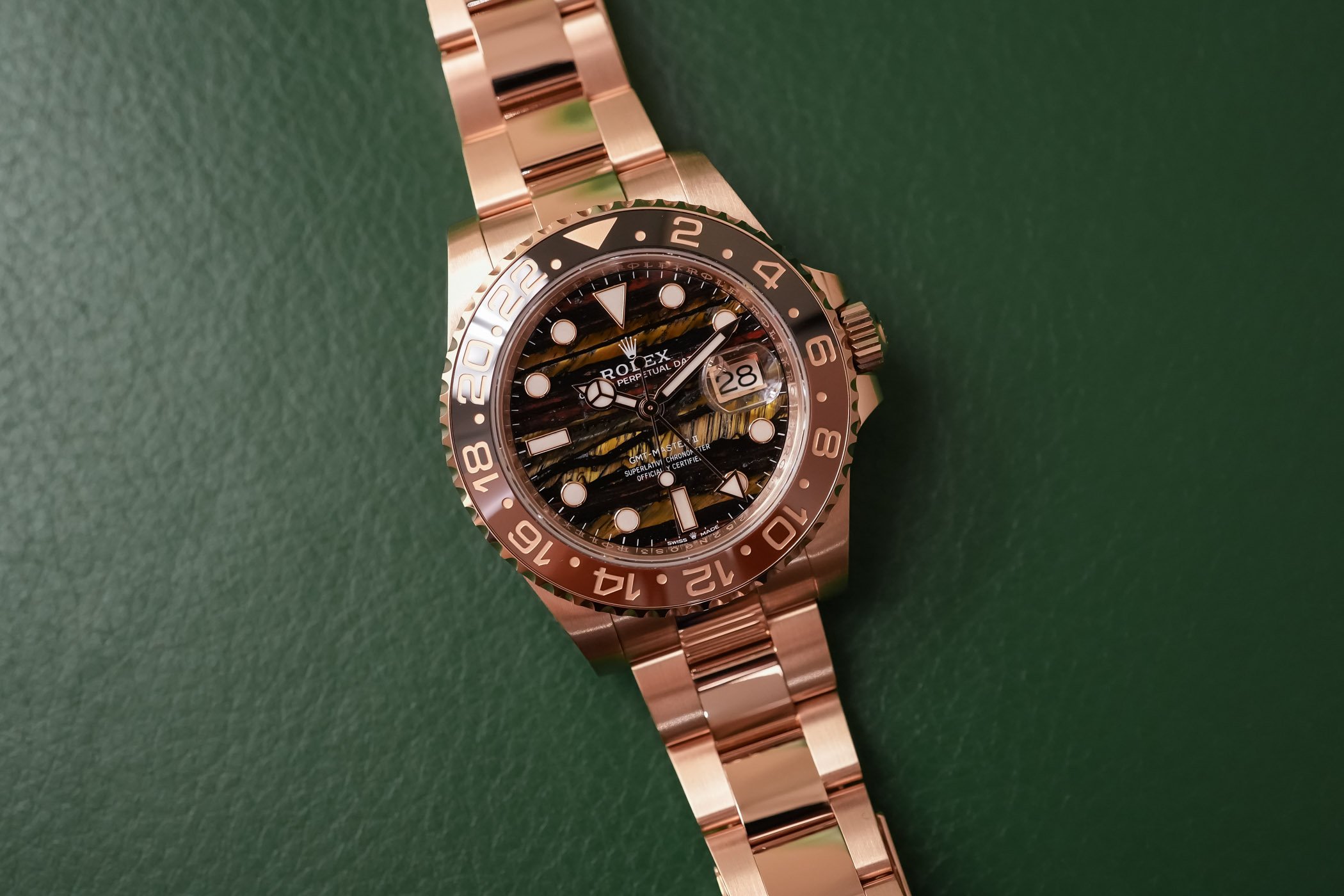
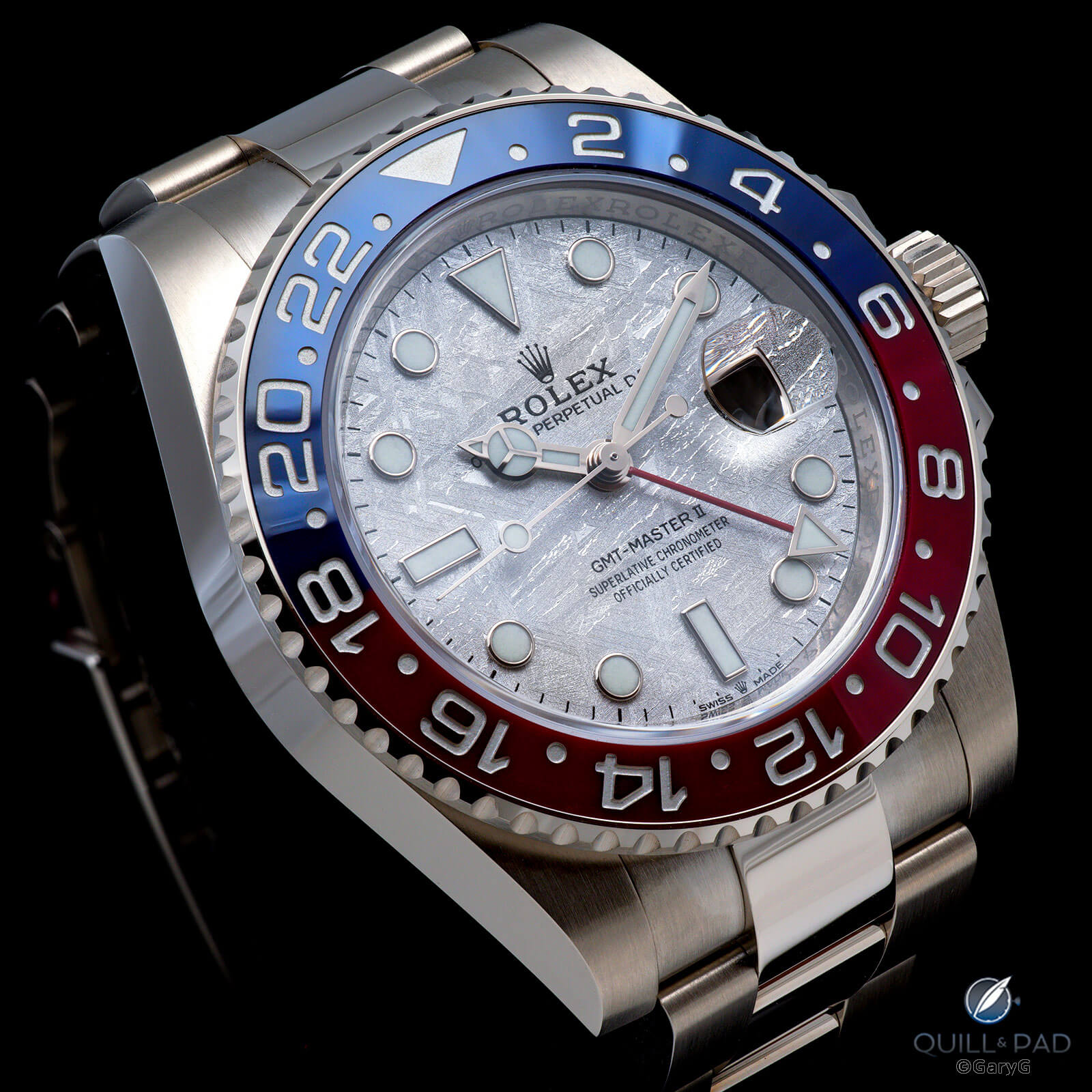
Rolex GMT-Master II Review: The Bruce Wayne Rolex
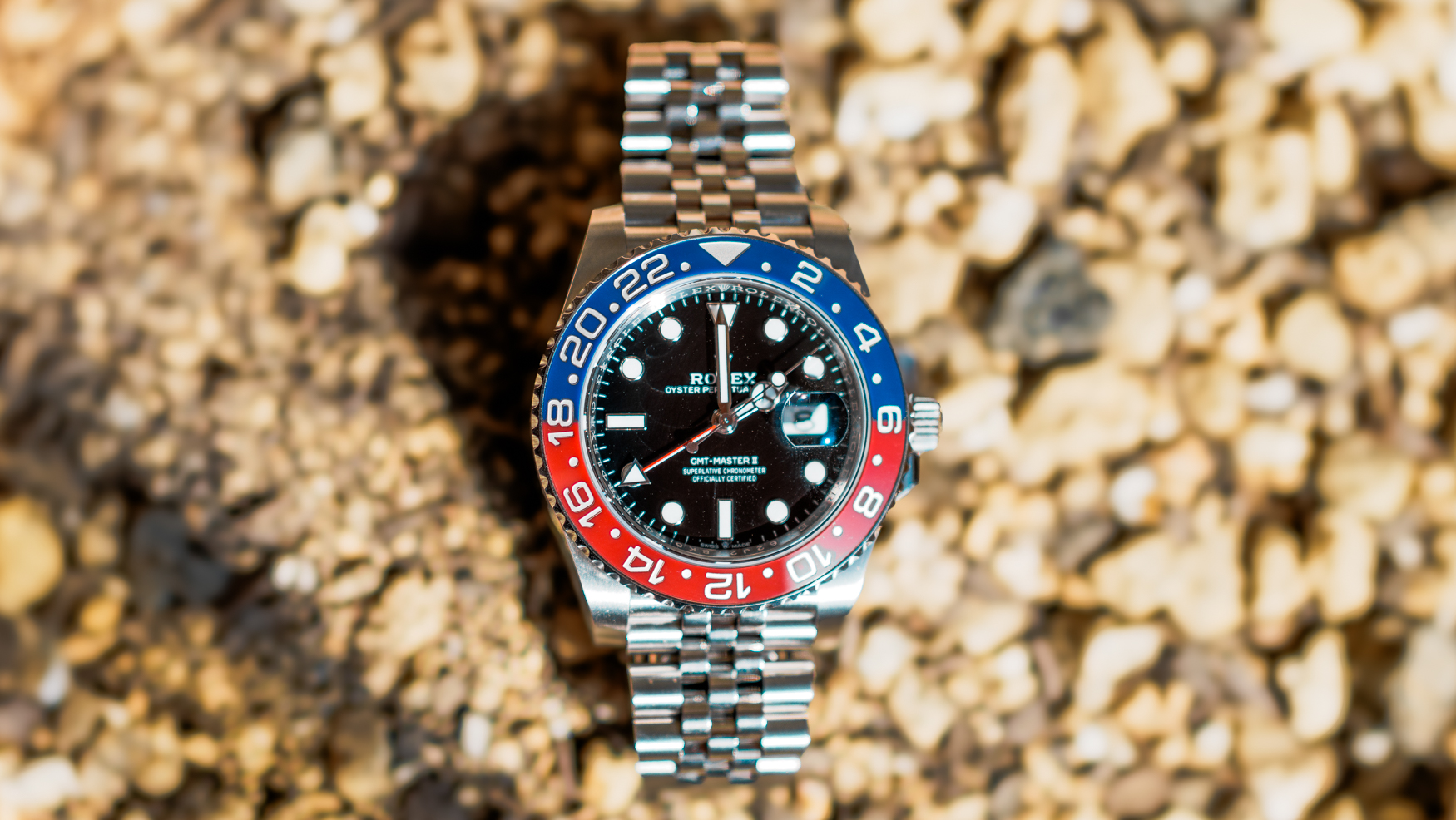
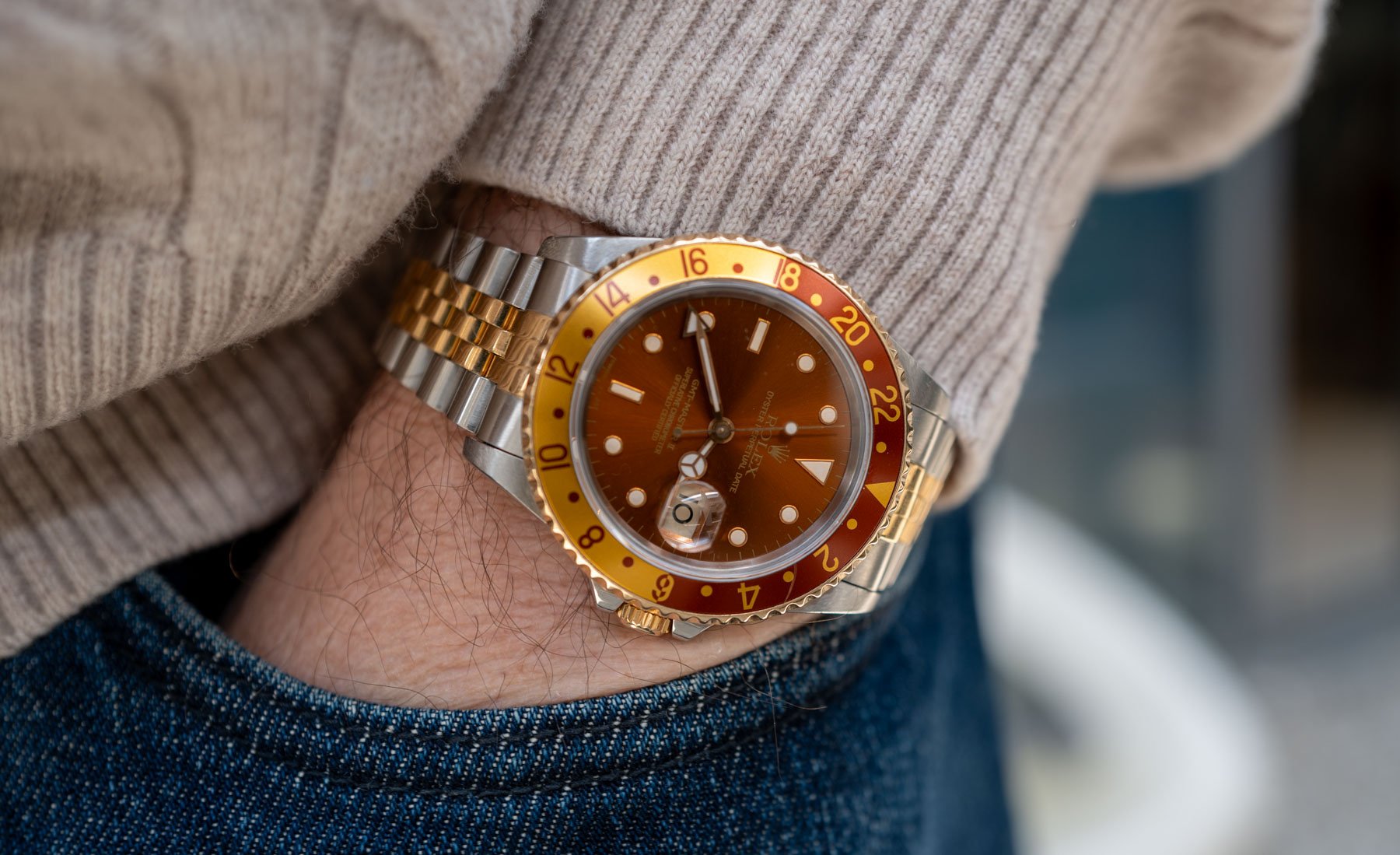
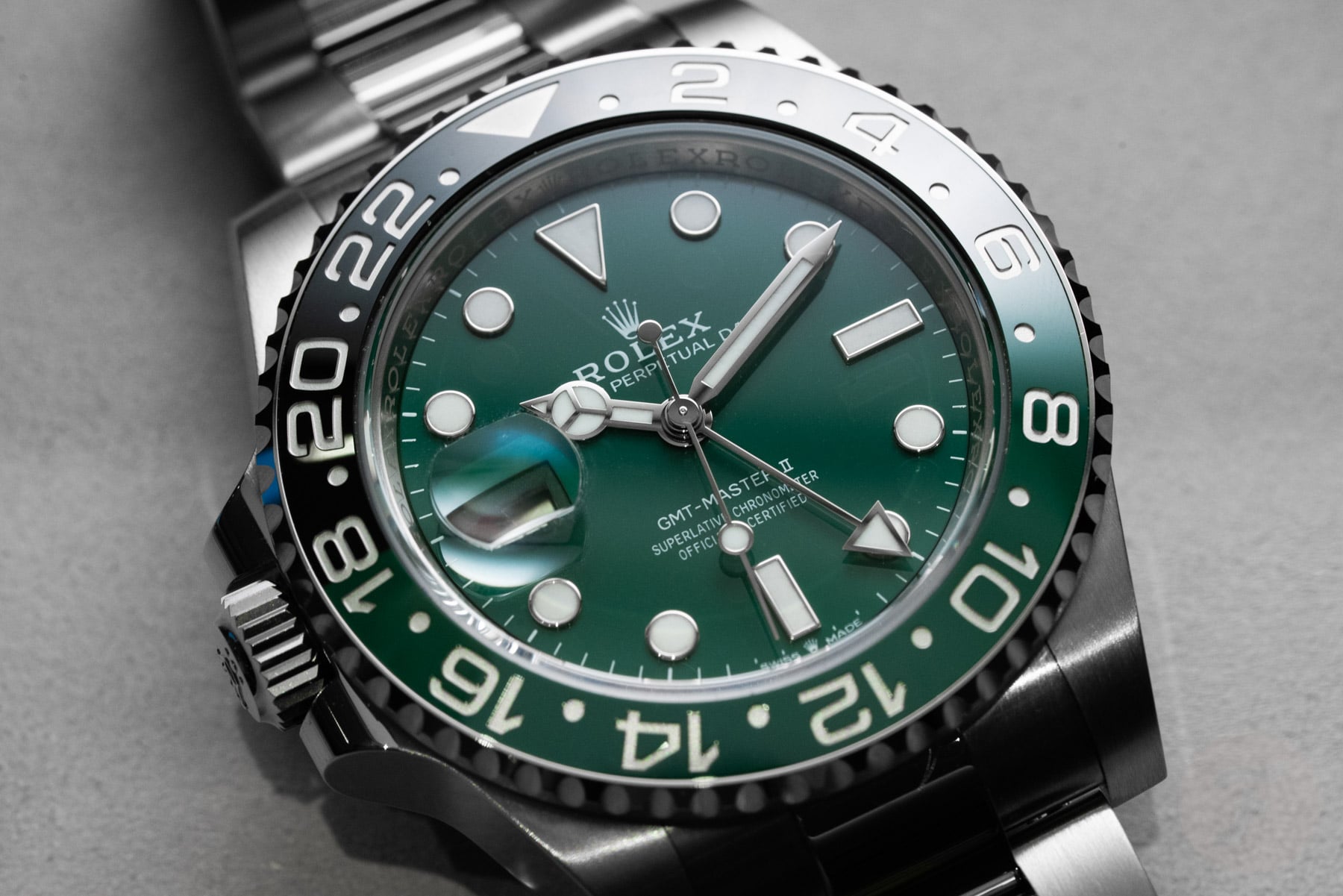
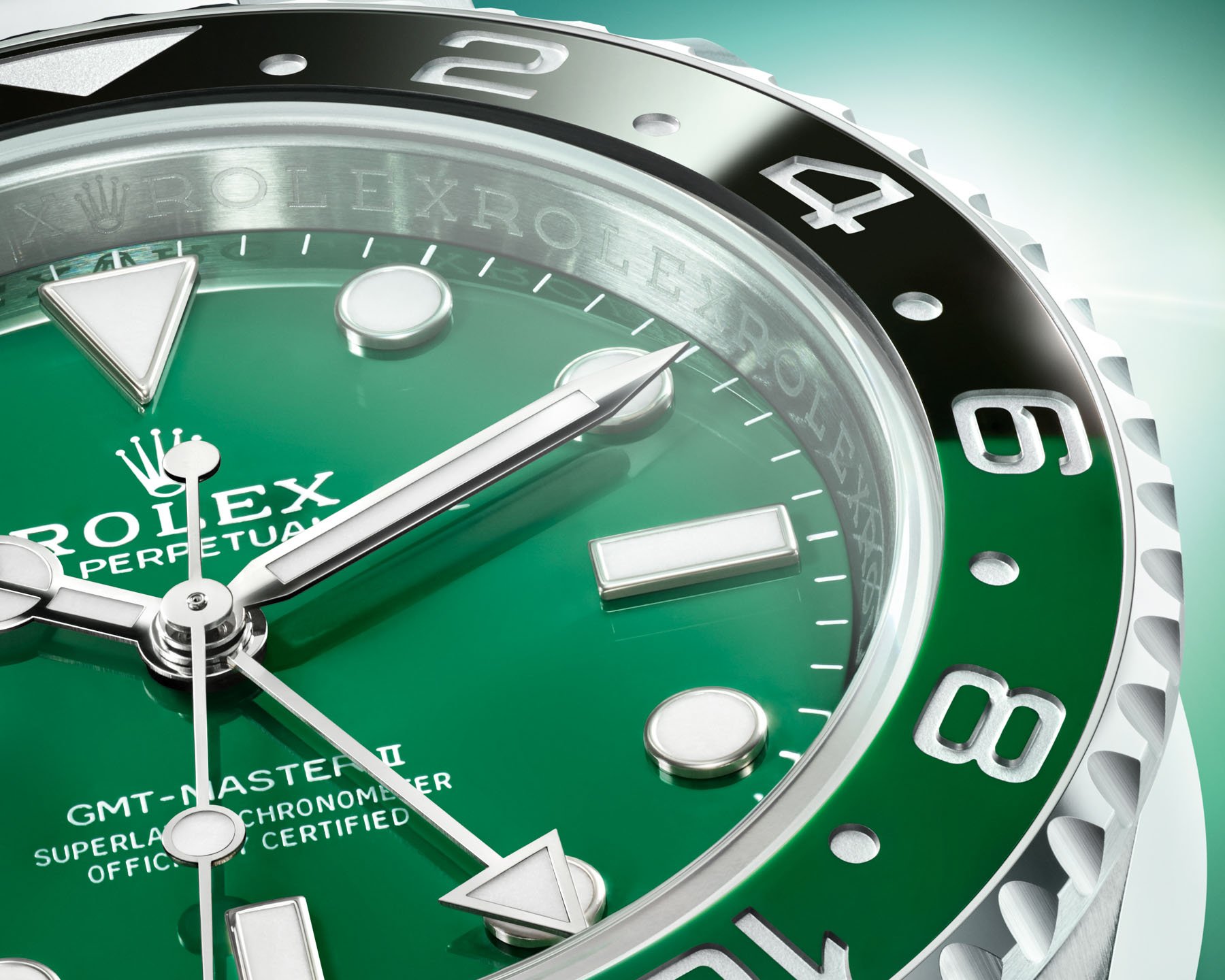
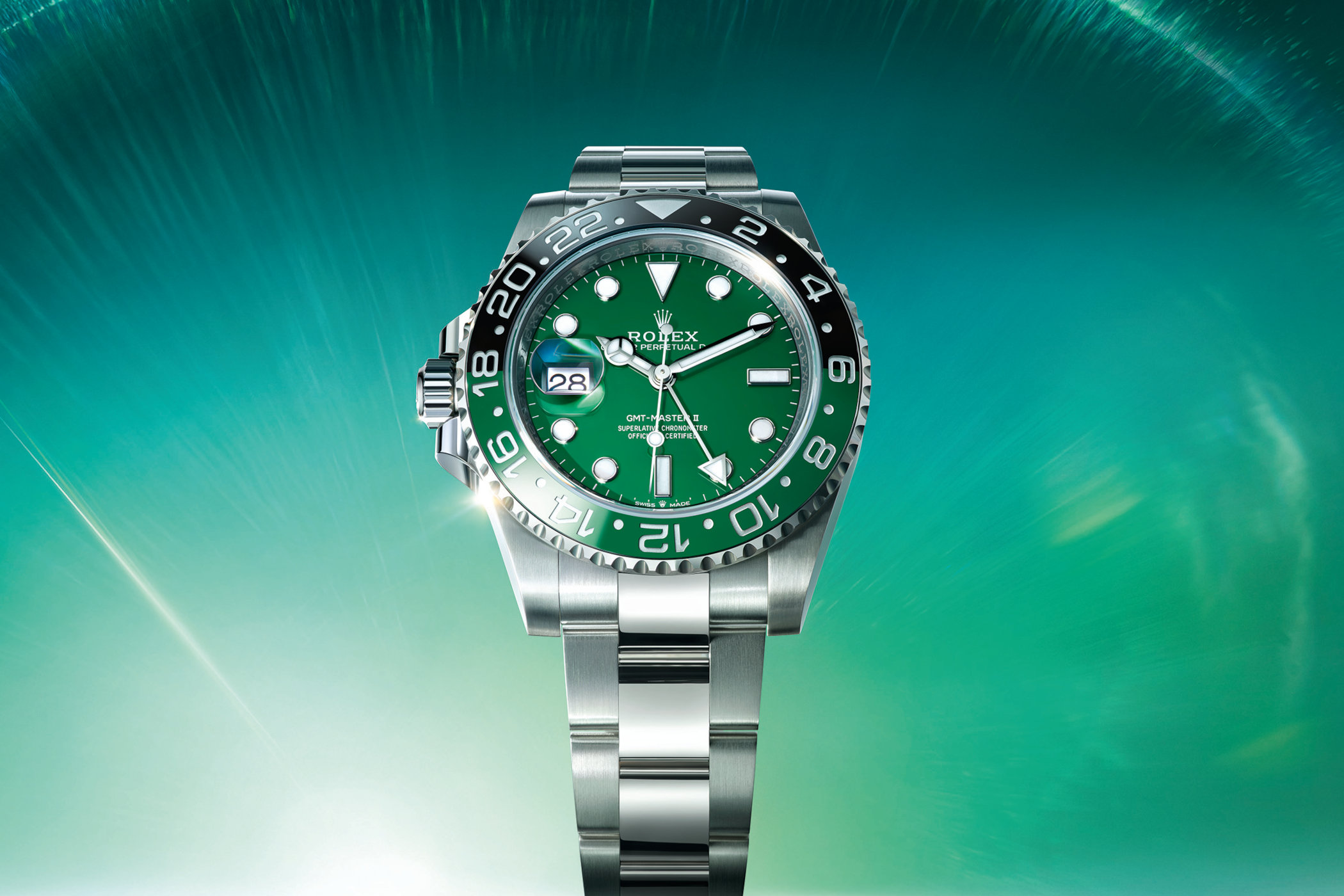
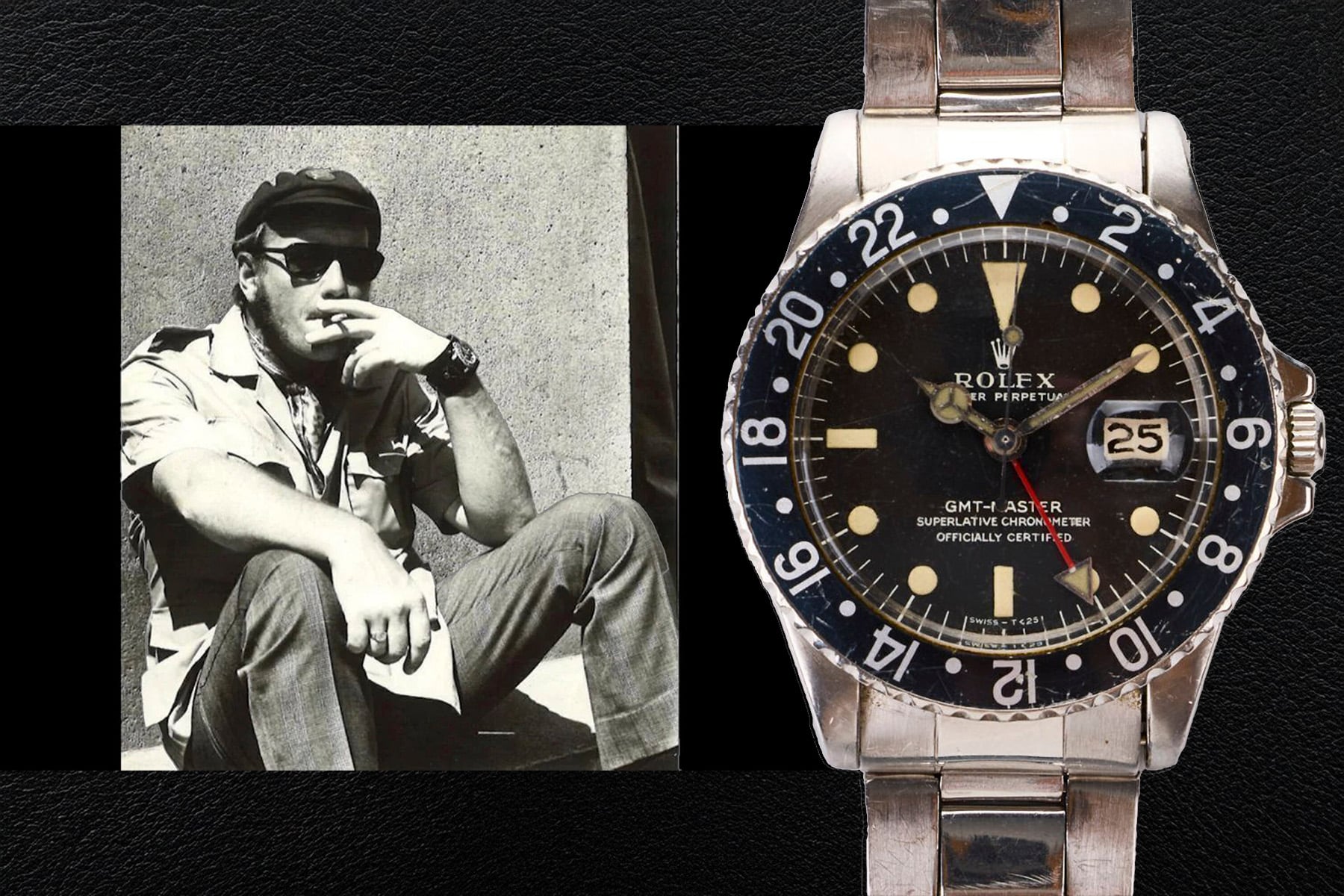
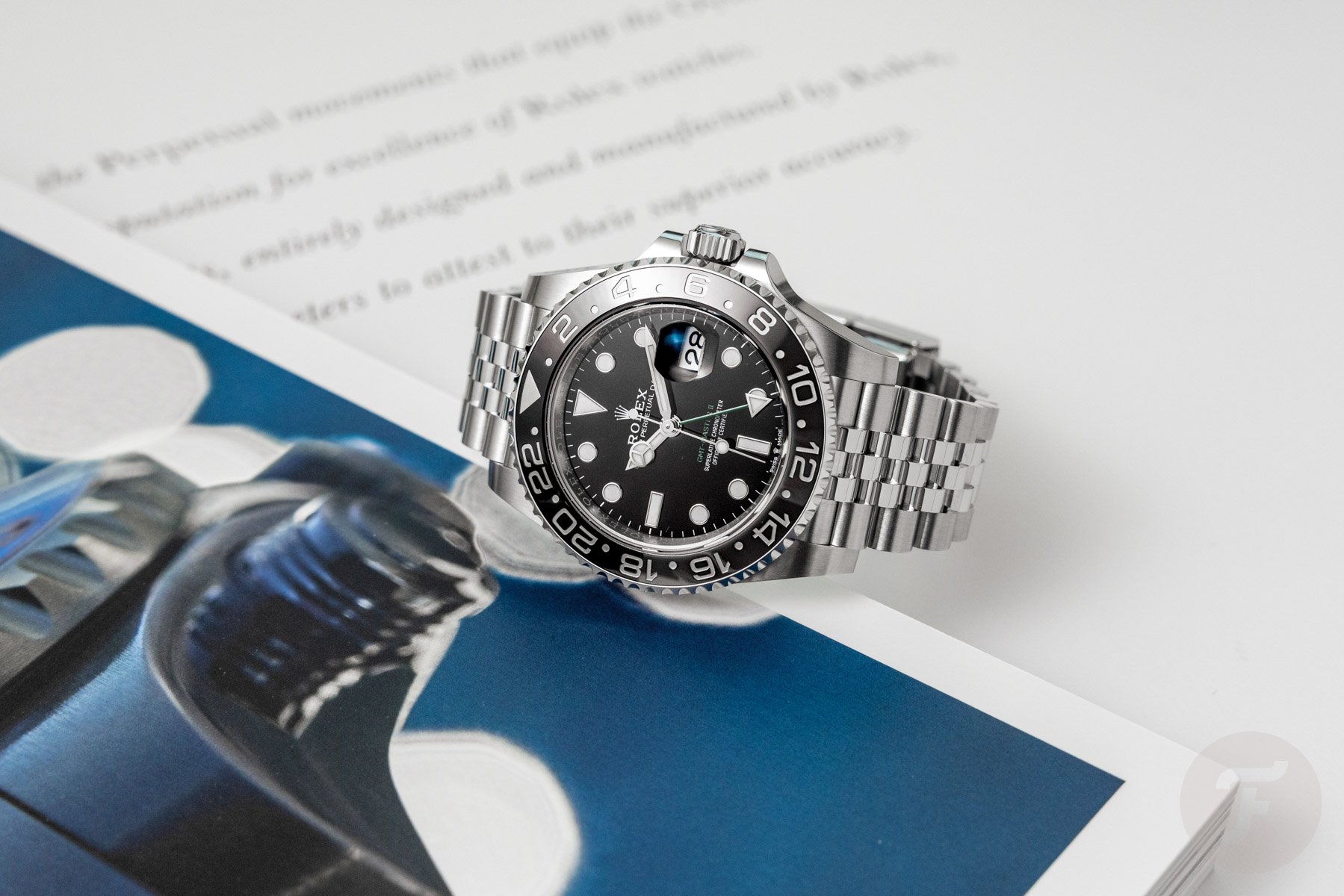
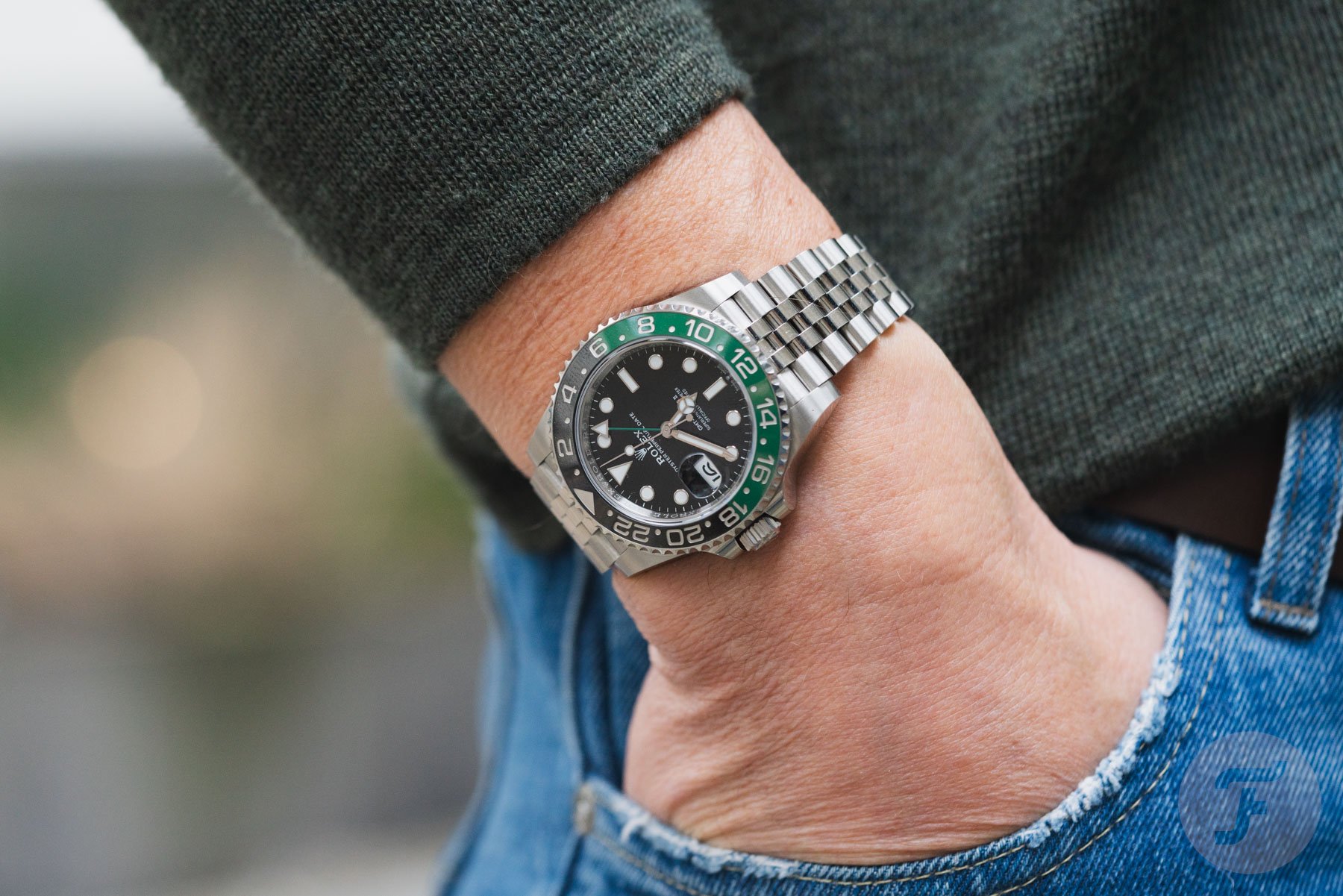
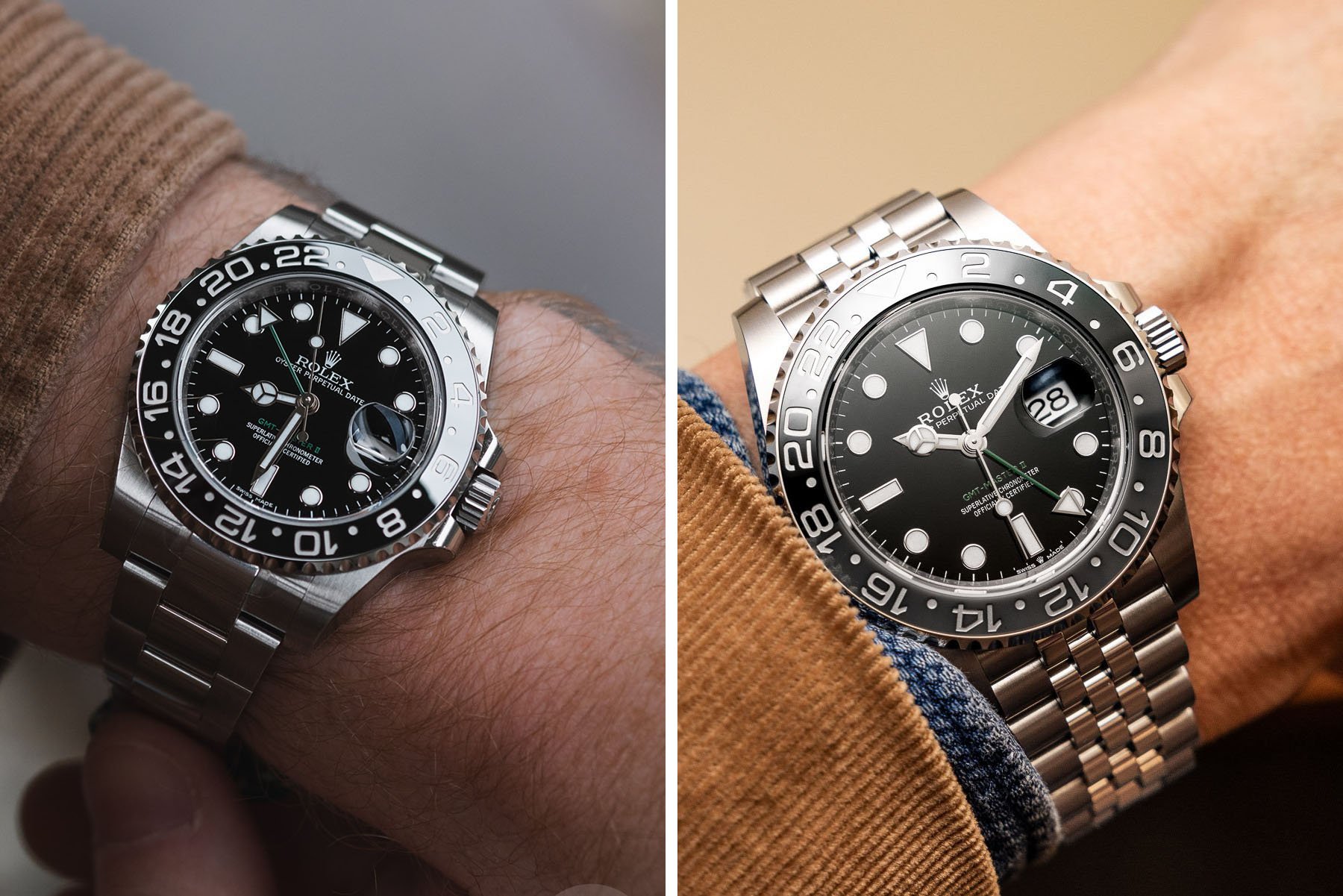
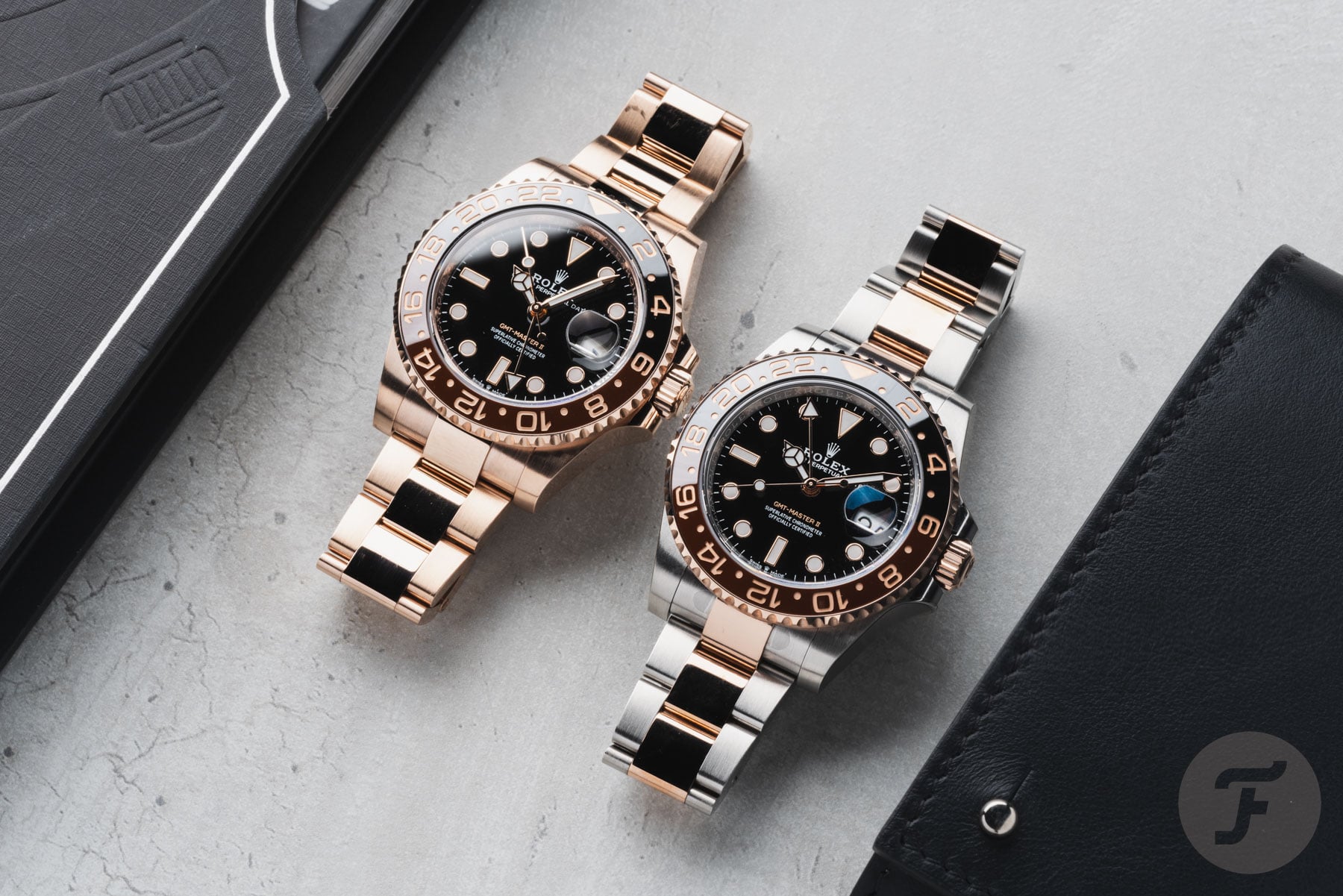
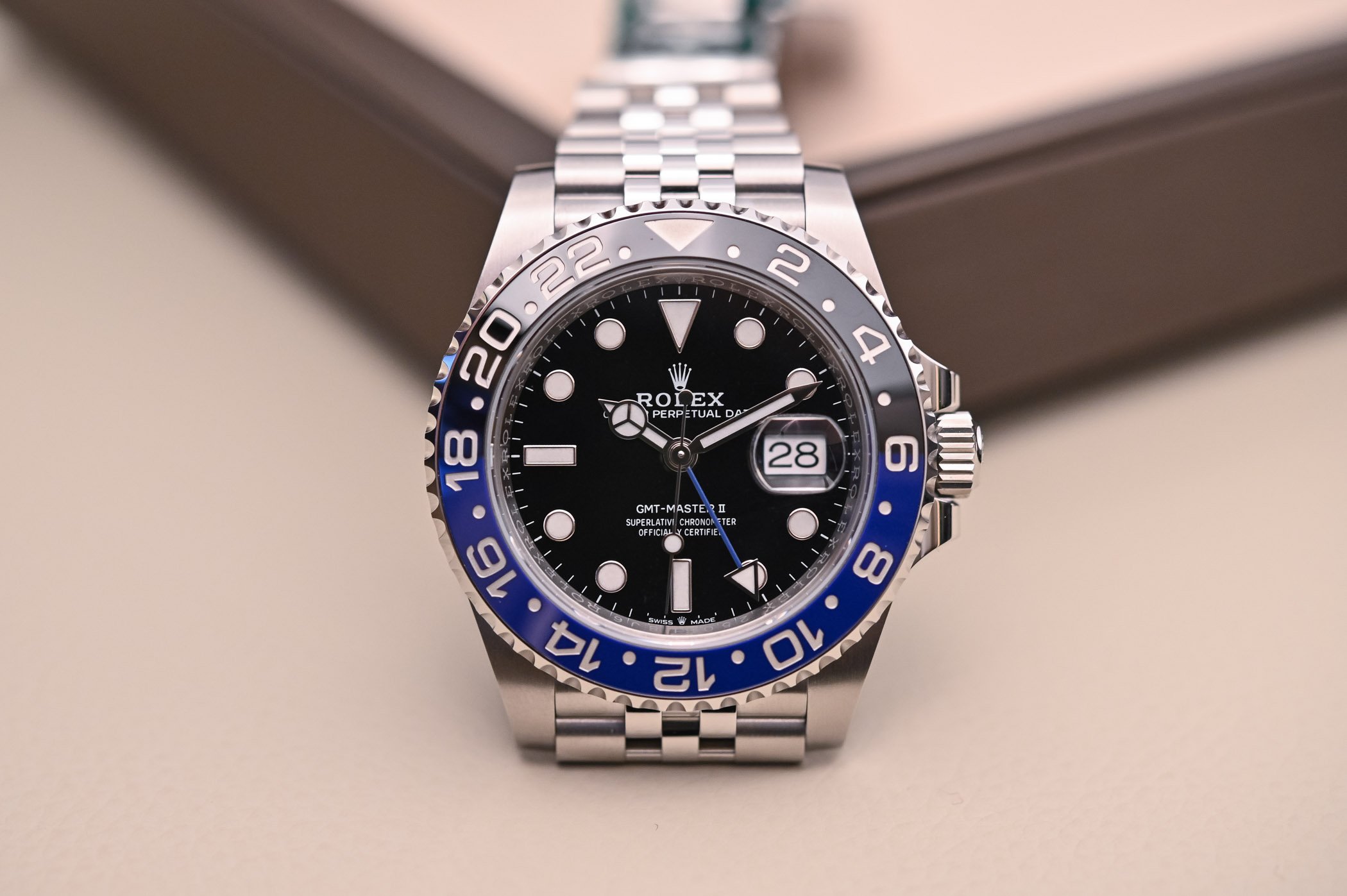
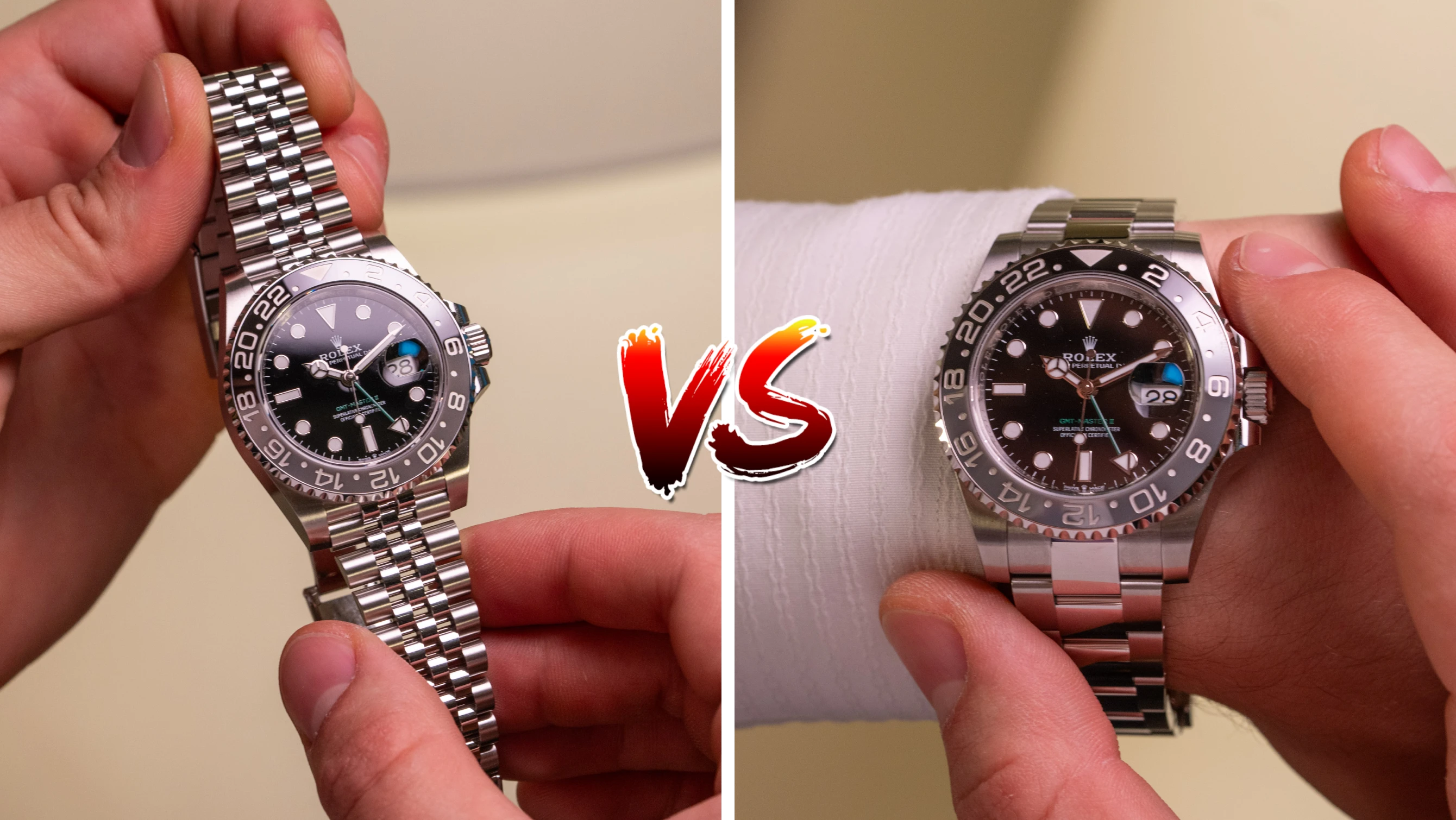
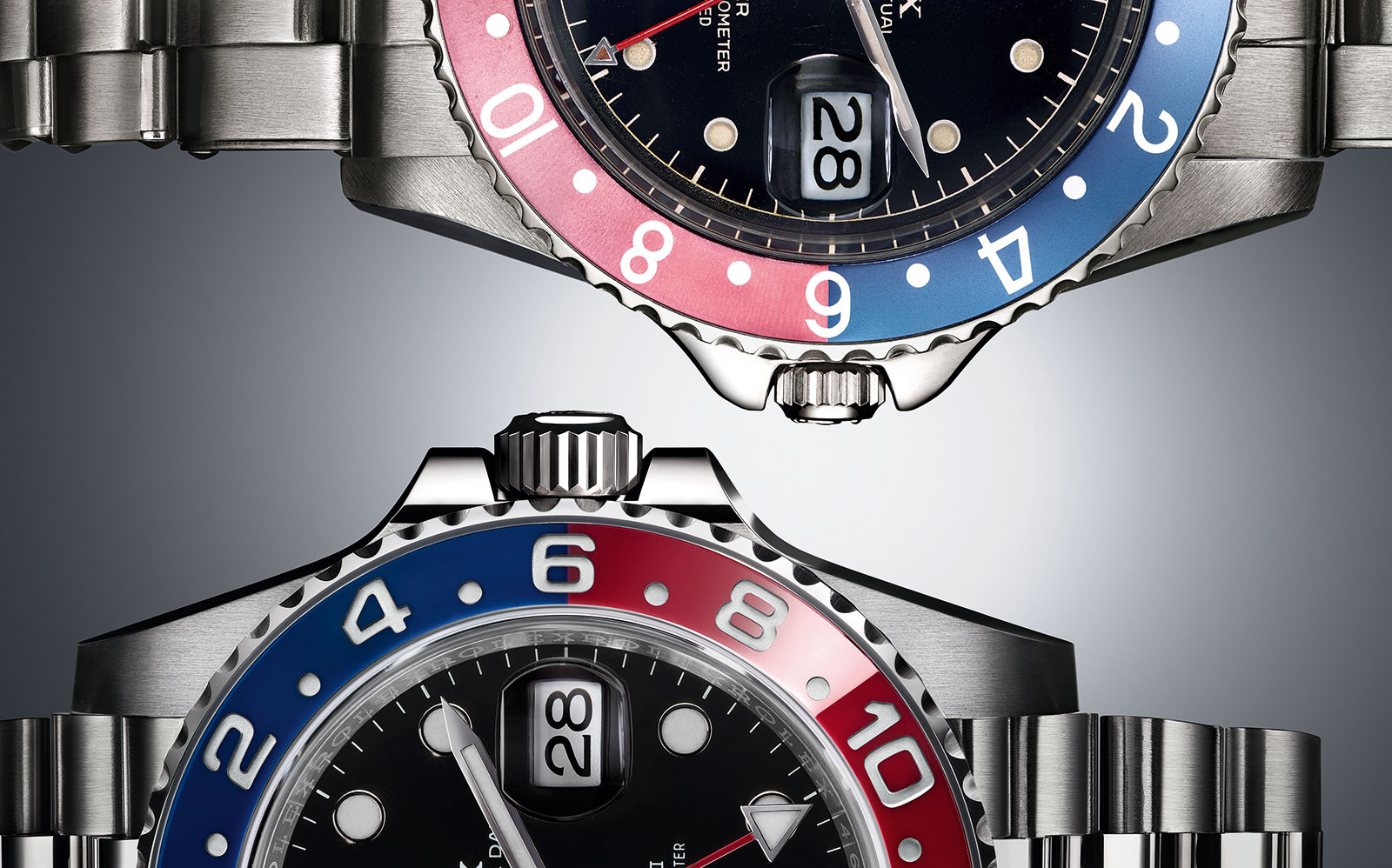
Before getting into the so-called "Bruce Wayne Rolex," let's establish some context. The Rolex GMT-Master is one of the Crown’s most popular models when it comes to the Professional line. It’s been an icon going back to its release in 1954, born out of a partnership with PanAm (in reality, it was a masterfully executed piece of marketing) that gave way to a new jet-setting, time-zone-malleable timekeeper. Since then, the GMT-Master (now the GMT-Master II, incorporating an even more user-friendly dual-time indication) has stood alongside the Datejust and Submariner as a core icon for the brand. It has also represented a platform for innovation for Rolex, being the first model line to see the brand transition to its “Super Case” format and its use of Cerachrom bezel tech. This paved the way for the introduction of a new, steel GMT-Master II in the late aughts with a black Cerachrom bezel insert, a green GMT hand, and green dial text. This stood for years as the most under-the-radar option for potential GMT-Master II buyers that didn’t feel comfortable slapping on a "Batman" or a "Pepsi." However, like many other popular models, it was discontinued. We saw echoes of its design materialize in form of the “Lefty” GMT, with its bi-color green-and-black bezel and matching green GMT hand. But the “Sprite” didn’t strike the same chord as that discontinued OG. Then the 70th anniversary of the GMT-Master rolled around in 2024, and Rolex surprised us all when it re...
 Fratello