 Revolution
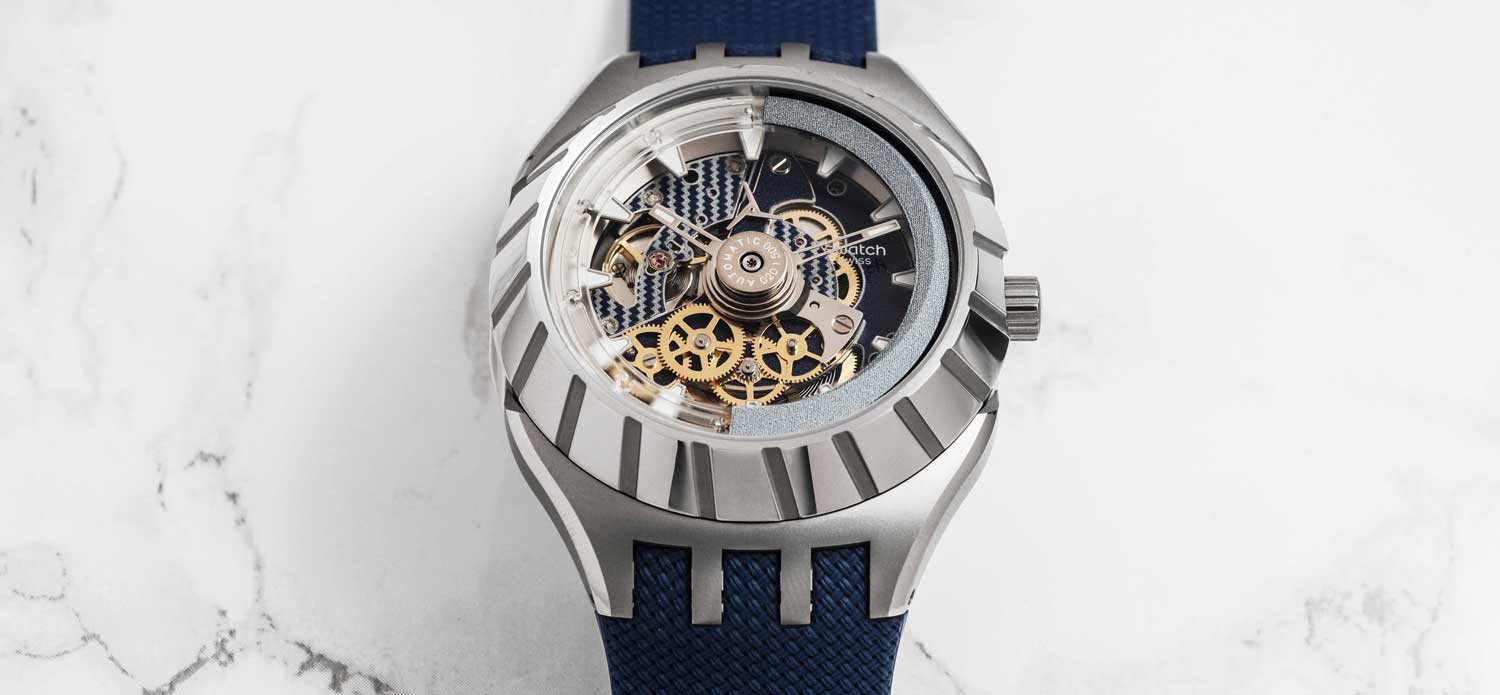
Introducing the Swatch Flymagic with Titanium-Based Nivachron Hairspring
Swatch Watches unveils the Swatch Flymagic featuring the Swatch Group’s latest innovation in watchmaking: the titanium-based Nivachron hairspring.
62 articles found · page 1 of 3
Revolution
Swatch Watches unveils the Swatch Flymagic featuring the Swatch Group’s latest innovation in watchmaking: the titanium-based Nivachron hairspring.
 Two Broke Watch Snobs
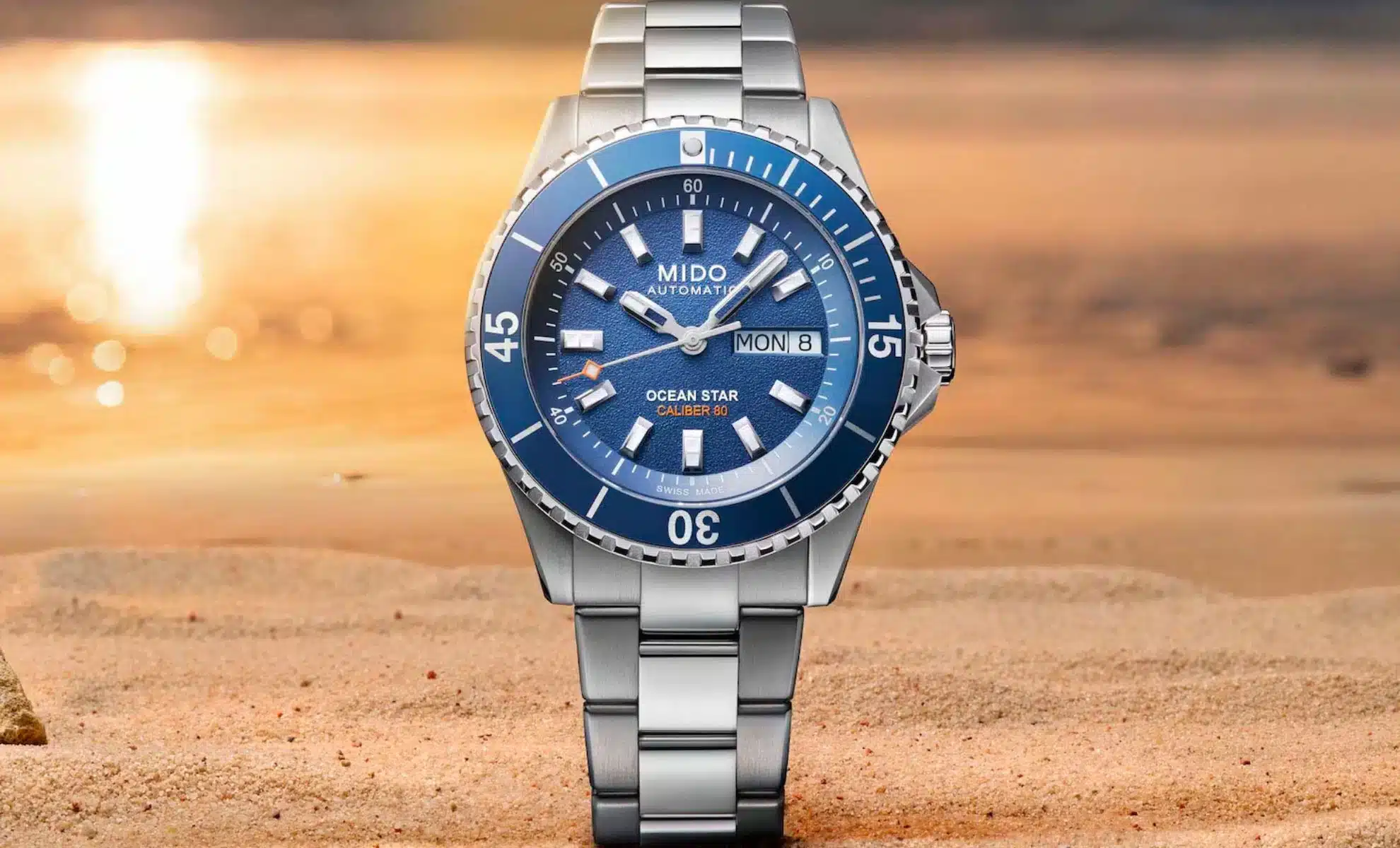
Mido refreshed the Mido Ocean Star 200 with the 80-hour Caliber 80 and a Nivachron hairspring, priced from $950 to $980 across four dial options.
 Two Broke Watch Snobs
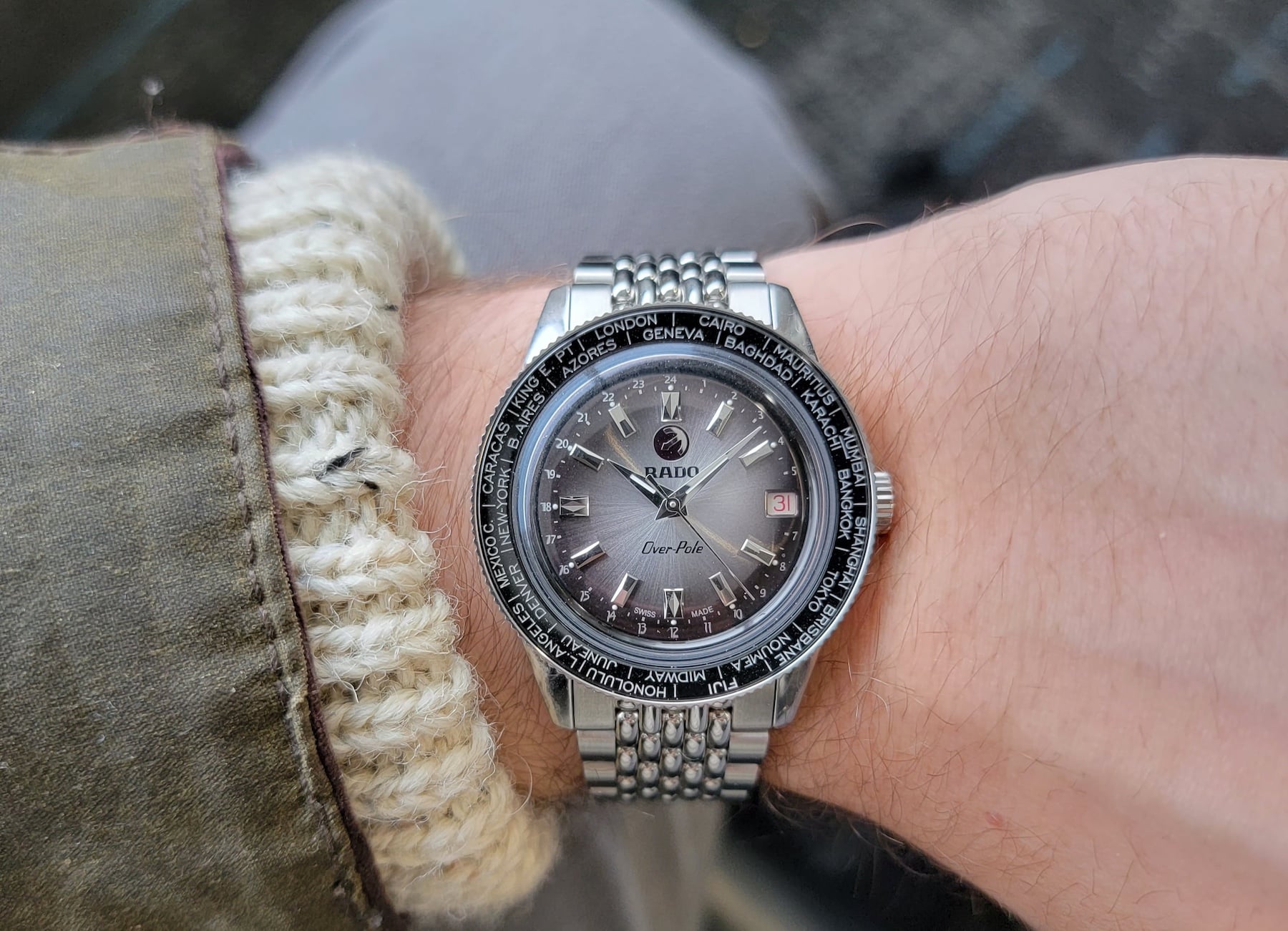
In 2022, Rado re-released the Over-Pole as a limited edition of 1,965 pieces. The diameter remains as svelte as the original at 37mm. The height of the case is 10.4mm, and the lug-to-lug is 43mm. The lug width is 19mm, and it has a water resistance rating of 100m, though it does not have a screw-down crown. The case is fully polished. Interestingly, Rado chose to use a manually-wound movement for this reissue, rather than the automatic movement an original Over-Pole would have used. The movement is known as the Rado R862, and is modified from a Powermatic 80 found in other Swatch group watches. It has 80 hours of power reserve, and the Nivachron hairspring to increase its anti-magnetic properties. The movement is well finished, and can be seen through the watch’s transparent caseback.
 SJX Watches
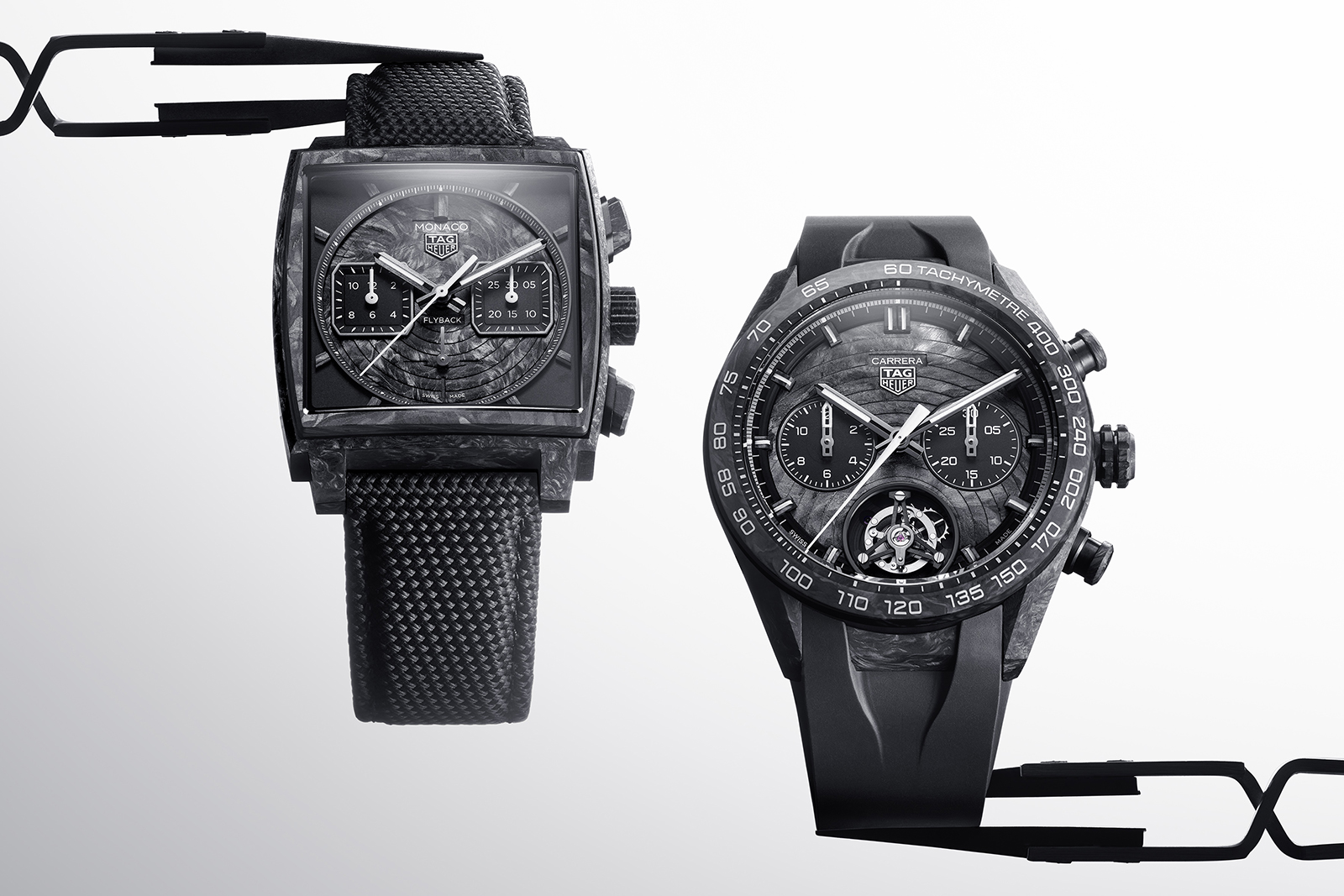
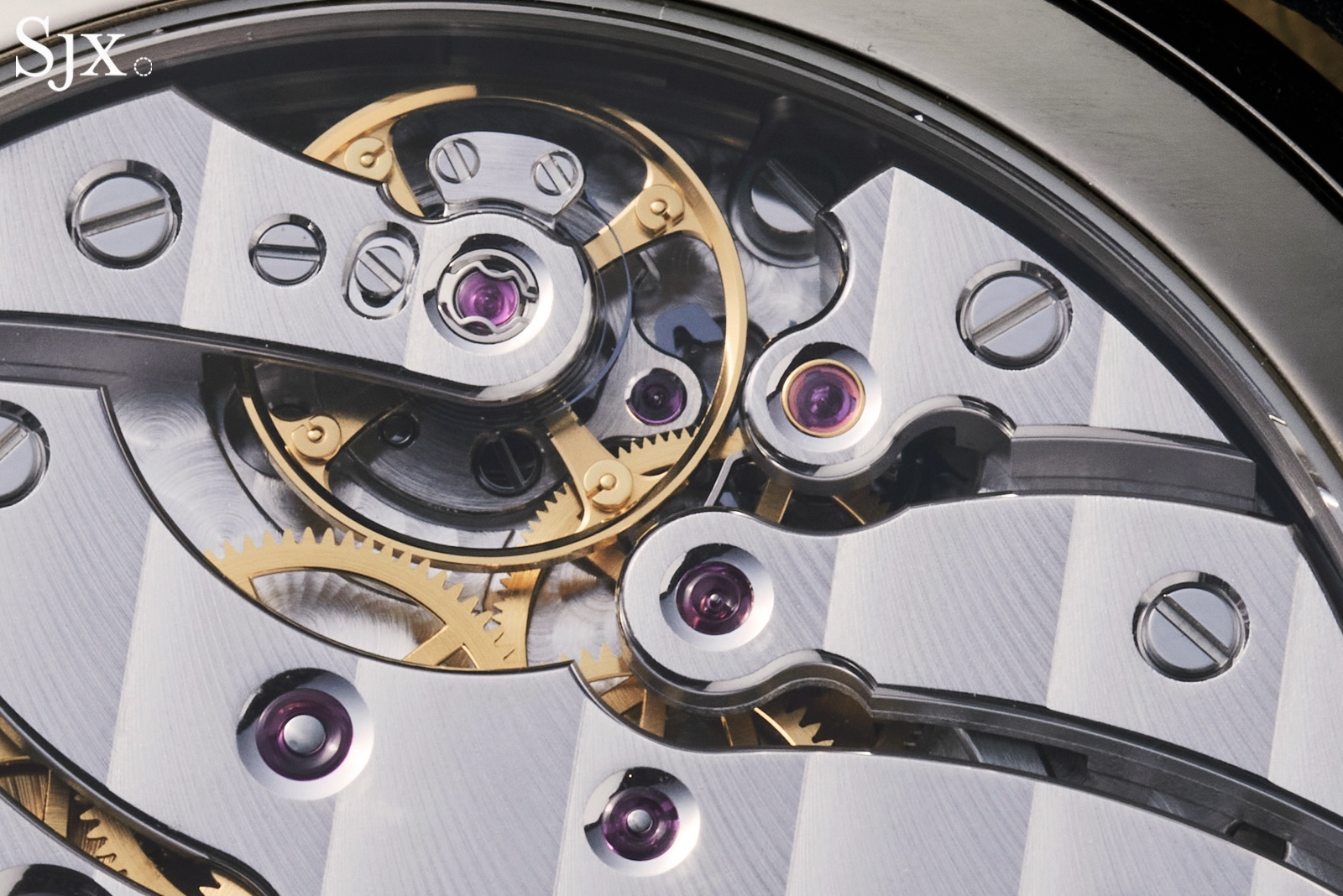
TAG Heuer is marking the rollout of its new-and-improved, and in-house, carbon hairsprings – timed to coincide with the 350th anniversary of the hairspring’s invention – with a pair of chronographs: the Monaco Flyback Chronograph TH-Carbonspring and Carrera Chronograph Tourbillon Extreme Sport TH-Carbonspring. More than just two new watches, the TH-Carbonspring is a notable technical achievement that might promise an entirely new generation of TAG Heuer movements equipped with oscillators that boast all of the advantages of silicon, but with added robustness. Protected by several patents, TH-Carbonspring is also the result of a fascinating process of research and development to overcome a surprising problem. Kitted out in carbon composite dials and cases, the two watches are centred on TAG Heuer’s latest-generation carbon-nanocomposite balance springs, with each being a limited edition of just 50 pieces Initial thoughts Both models serve as a launch platform for TAG Heuer’s improved and industrialisation-ready carbon hairspring. While the brand has been flirting with carbon hairsprings since 2019, its use of the technology has been intermittent and on limited scale. TAG Heuer explains previous attempts at carbon springs were not up to the brand’s standards, which is to say the hairsprings did not perform as expected and could not be produced at scale. The new TH-Carbonspring indicates TAG Heuer has perfected the technology to make reliable hairsprings, which m...
 SJX Watches
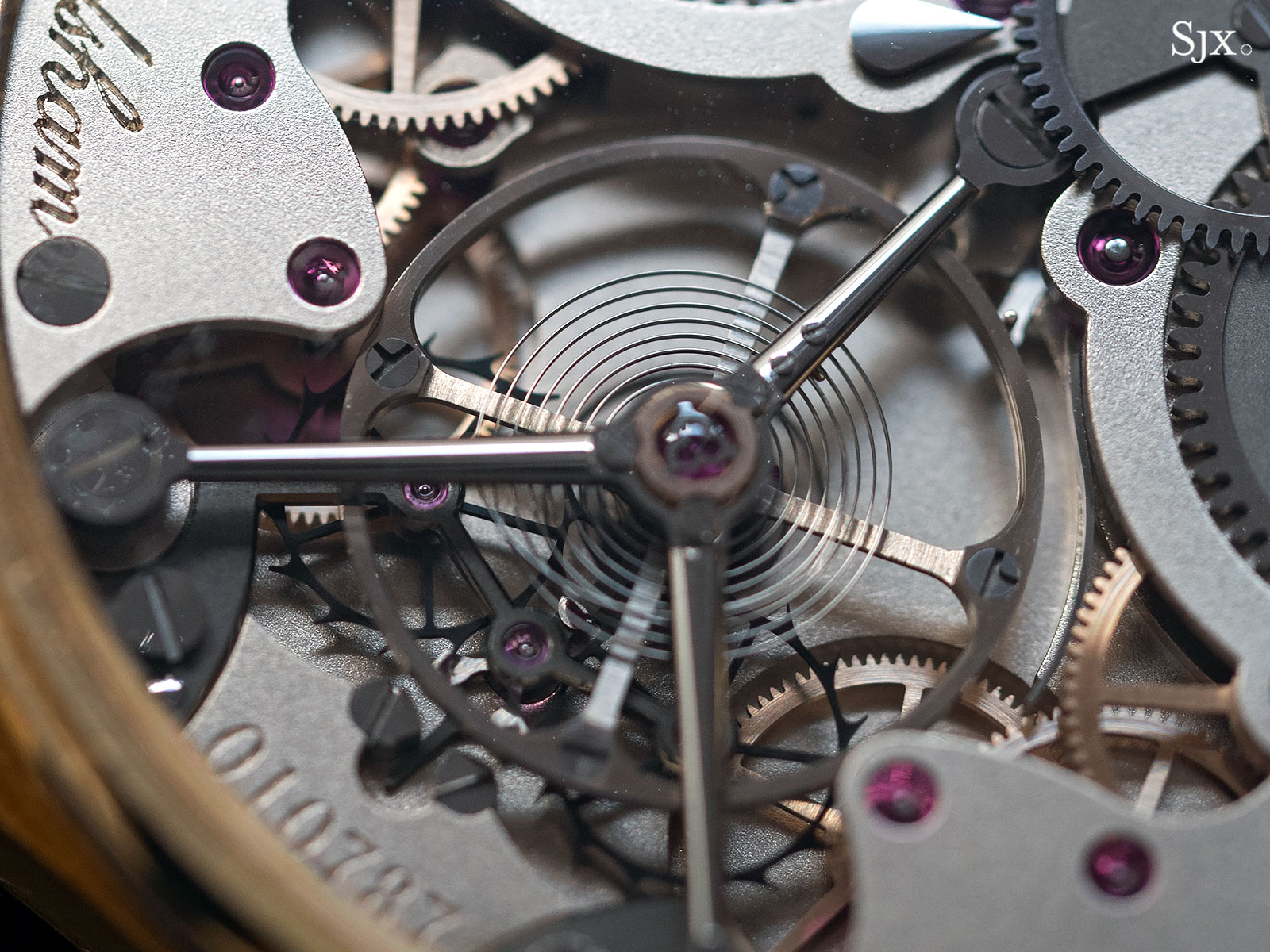
Part I of our story on the evolution of hairspring materials covered temperature compensation along with the development of the first specialised balance spring alloy, Elinvar. The story brought us to the 1920s, when scientist and horologist Charles-Edouard Guillaume (1861-1938) finished his work on nickel-iron alloys and watchmakers begun embracing Elinvar springs paired with mono-metallic balances. In this second part we turn to newer hairspring alloys, like the now-ubiquitous Nivarox. Then we look at today’s landscape and the future, touching on research done by the Swatch Group with alternative, niobium-based alloys and also the specialised but obscure Seiko SPRON 610 hairspring. Lastly we discuss silicon springs, which are growing more prevalent across a range of timepieces. Elinvar’s weaknesses Elinvar was by far the greatest breakthrough in self-compensating alloy hairsprings at the time. Guillaume considered Elinvar good enough and not needing further improvement - unsurprisingly since he was its inventor - but other watchmakers and engineers continued to experiment with iron-nickel compounds because Elinvar’s inherent properties made it a good, but imperfect, material. Even though the alloy behaved predictably with temperature changes, its physical properties were not ideal to begin with. Elinvar was a soft metal, which posed its own suite of problems for spring applications. The importance of softness in terms of hairspring performance is not related ...
 Revolution
 SJX Watches
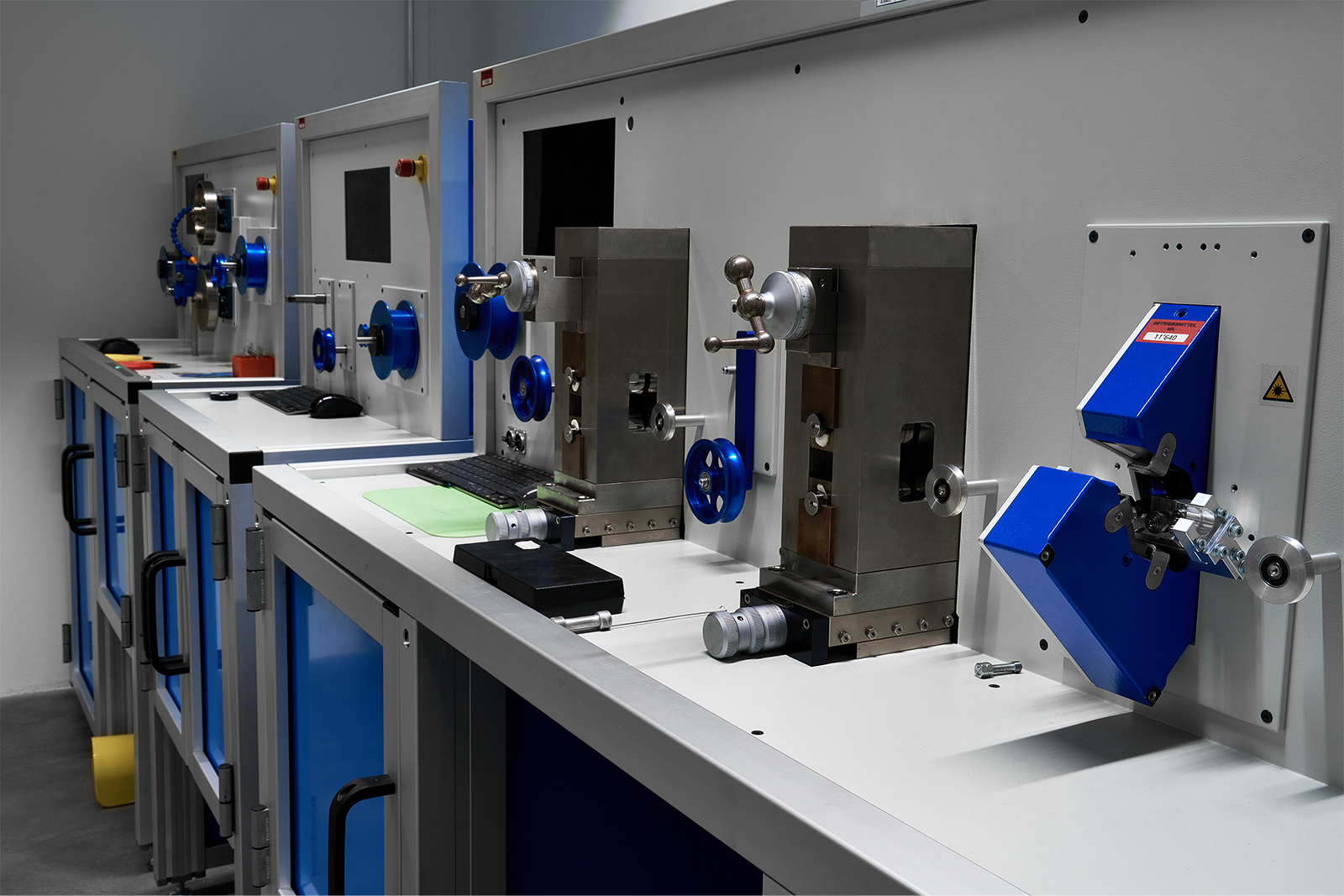
De Bethune plans to bring hairspring production in house, aiming to become one of the very few firms able to process alloy wire into a finished balance hairspring. This requires De Bethune’s new hairspring workshop to master wire drawing, rolling, cutting, heat treatment, and assembly. The rationale? “Externally produced hairsprings meet standards based on averages that do not enable fine adjustment of the dimensions to suit a particular balance wheel or its specific positioning in a calibre,” according to De Bethune. De Bethune’s “flat end curve” mated to a hairspring sourced from a supplier. Initial thoughts As De Bethune explains it, making its own hairsprings will allow the brand to tailor its hairspring to a specific balance or movement. Since its founding in 2002, De Bethune has presented itself as being on the cutting edge of chronometry, debuting a new balance design every year from 2004 to 2010. The brand was also quick to embrace silicon, and even briefly attempted a kilohertz magnetic oscillator system, Résonique. A new year, a new balance. Sometimes two new balances. Given De Bethune’s focus on chronometry, making its own hairsprings seems like a natural next step. However, there is a reason so few brands make their own hairsprings: the process is a difficult and demanding one that benefits greatly from economies of scale. For example, H. Moser & Cie. makes less than 4,000 watches per year, however, its sister company Precision Engineering claims...
 SJX Watches
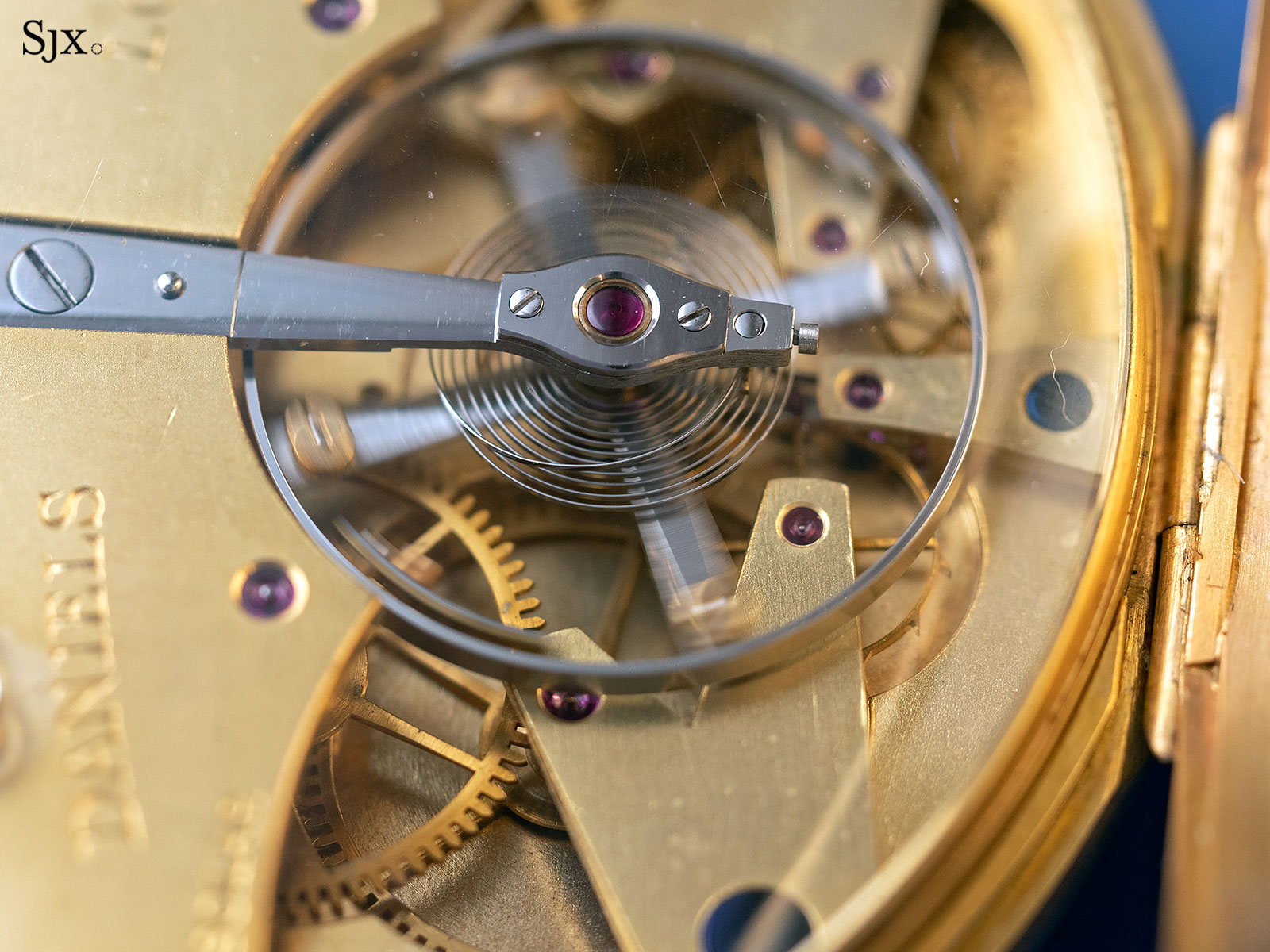
The invention of the hairspring was among the greatest breakthroughs in horology, since its inception suddenly made mechanical timepieces portable, transforming clocks into watches. This not only marked the start of precision timekeeping, but also set mankind upon the long road to perfecting the accuracy of mechanical watches, arguably the most sophisticated pieces of kit on Earth at the time, when such precision was paramount for fields as varied as navigation, warfare, and astronomy. The hairspring turned 350 years old in 2025 and we’re marking the occasion with a series of stories on the topic, including the story of the spiral hairspring and also the importance and evolution of the overcoil. Now we turn to temperature compensation and metallurgy in a two-part story covering the evolution of the hairspring materials up until metal alloys. More exotic materials and inventions will follow in Part II. Elasticity and thermal expandability One of the fundamental factors in hairspring function is ambient temperature, simply because metal alloys expand or contract uni-directionally with a change in temperature. As a result, watchmakers used calorimetry, the science of temperature effects, and material science, specifically metal alloys, to their gain in advancing hairspring technology. The equation below shows the relation between the initial length of a metal strip L0, measured at a given temperature and the final length LT after a certain change in temperature. The equ...
 SJX Watches
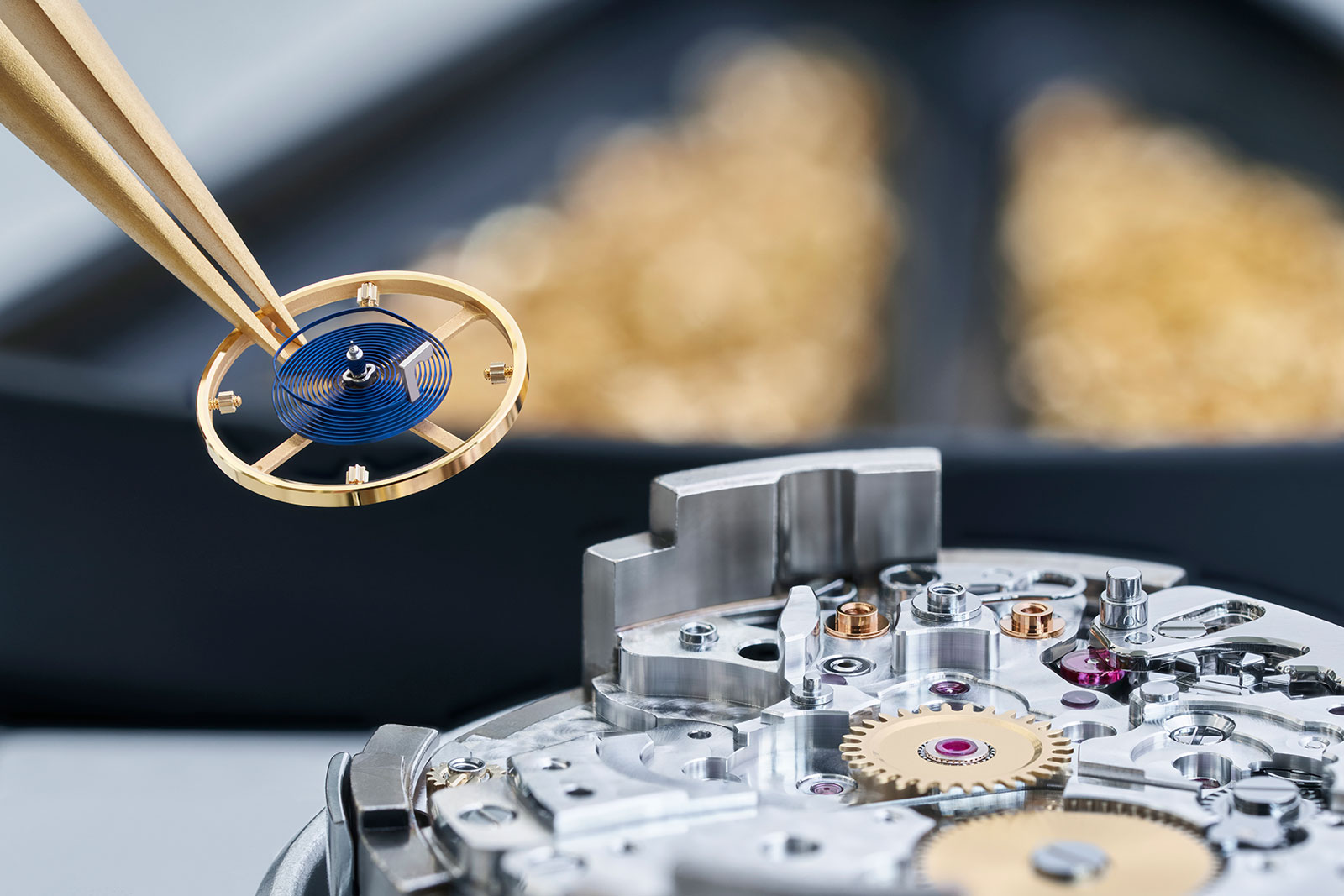
While the invention of the spiral hairspring by Christiaan Huygens in 1675 kickstarted a revolution in terms of portable precision timekeeping, the concept was far from fully developed. It was arguably only with the later invention of the overcoil hairspring that the ideal oscillator in portable watches emerged. For many years horologists - theoreticians and artisans alike - worked to perfect the balance-hairspring assembly to optimise its performance, notably in terms of isochronism. True isochronism became a sort of holy grail for watchmakers all around the world, who all sought to ameliorate the inherent quirks of the sprung oscillator. The recent Breguet Soucription features an overcoil hairspring of non-magnetic Nivachron alloy The need for end curves The quest for isochronism was a true challenge for horologists. Isochronism is the ability of the balance-hairspring assembly the have the same period of oscillation for small and large amplitudes alike. In other words, the balance oscillation takes the same period of time regardless of the degree travelled. This is very important, since a balance usually swings with high amplitude with a fully wound mainspring and then runs at progressively smaller amplitude as the barrel unwinds. As a timepiece is required to keep good time regardless of its winding state, an oscillator whose period is independent from its amplitude is needed. (Another solution to this is to optimise the energy delivery from the mainspring with a...
 SJX Watches
Twenty twenty-five marks the 350th anniversary of the hairspring – it’s hard to believe the spiral ticking away in tens of millions of mechanical watches is already over three centuries old. The hairspring’s history is marked by revelations, disputes, and technical advancements, driven forward by creative horological minds, making the story of the hairspring a fascinating one. But behind all of that lies the question: who invented the hairspring? There are two familiar contenders for the title and it’ll take a deep dive into history to figure out who deserves credit. The motivation Prior to the invention of the hairspring, most timekeepers were clocks. Watches existed, but were essentially miniature clocks that still relied on some sort of gravity pendulum, making such early watches wildly inaccurate. So the hairspring was born of necessity, the need to transform clunky, stationary clocks into relatively precise portable timekeepers. By the mid 17th century, Dutch mathematician and physicist Christiaan Huygens (1629-1695) had already demonstrated a swinging pendulum could indeed serve as a reliable base unit of time measurement for a mechanical timekeeper. He designed his own cycloidal pendulum clocks equipped with oscillating bobs that were only dependent on gravitational acceleration and the cord’s length, making them true isochronous timekeepers. The first such clock was built in 1657 with the help of clockmaker Salomon Coster. “Isochronous” refers to an o...
 SJX Watches
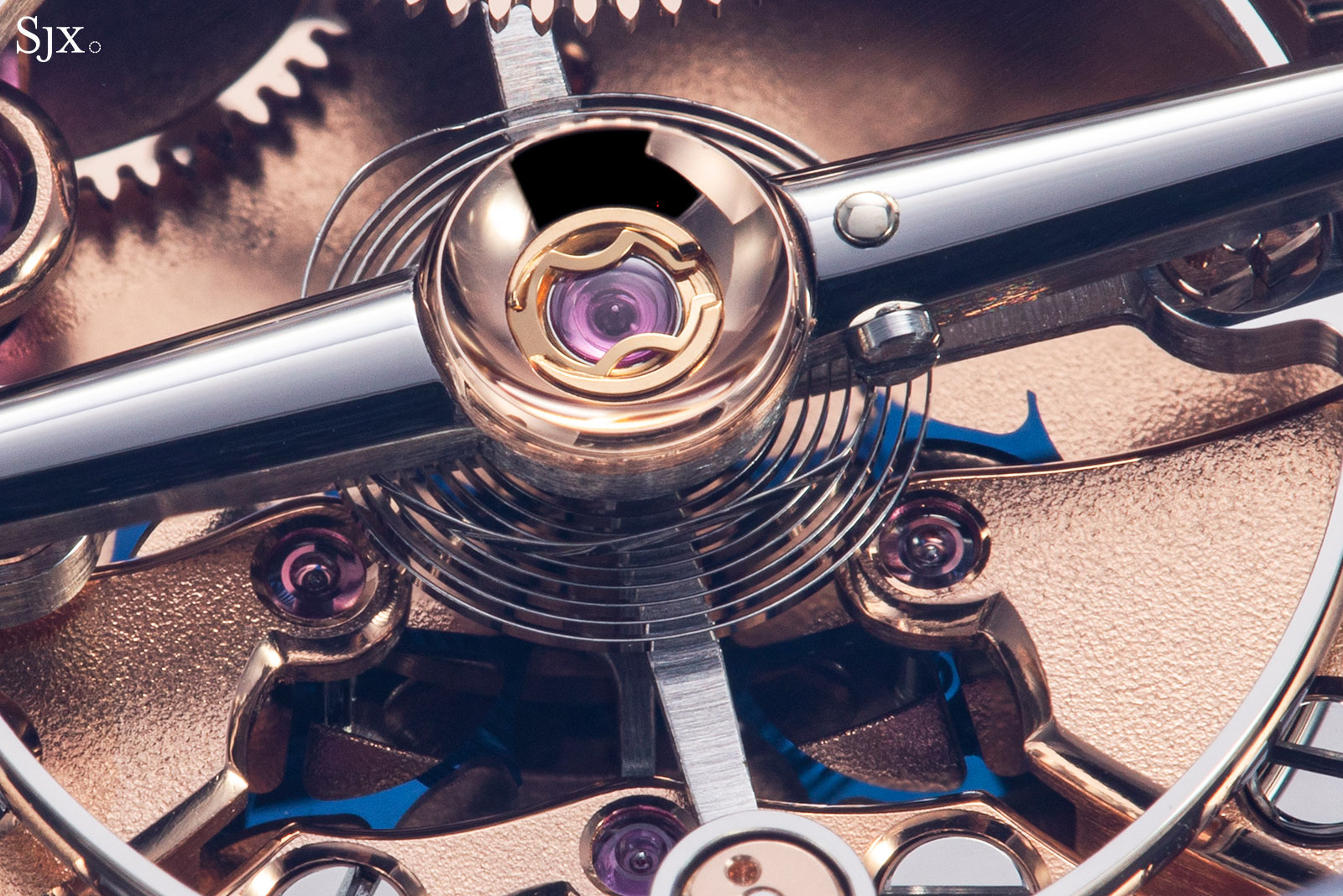
Over the last decade, metal alloy hairsprings seem to fallen out of favour across watchmaking, with even conservative, haute horlogerie brands like Breguet and Patek Philippe turning to silicon balance springs. Not to mention large-scale makers of sporty watches like Omega and Tudor, which already transitioned to silicon balance springs. Rolex, however, stands out. The Geneva marque continues to employ a hairspring fabricated of its proprietary blue alloy – the Parachrom hairspring. The Parachrom hairspring inside the cal. 4131 of the Cosmograph Daytona The advantages of alloy The use of blue Parachrom is rooted in the simple fact that the right metal alloy boasts performance that is at least on par with its silicon counterpart – while offering some distinct advantages missing in silicon. Alloy hairsprings are traditionally made of Nivarox (and its family of related alloys), a special alloy that neither oxidises nor change its dimensions with variations in temperature. Invented in 1933 and almost a century old, Nivarox is a mix of nickel and iron, making it a ferromagnetic alloy, thus susceptible to influence from magnetic fields. The cal. 3255 of the Day-Date 40 is equipped with a Parachrom hairspring. Image – Rolex In order to make its hairsprings more resistant to magnetism and to bypass the Swatch-imposed monopoly on Nivarox hairsprings (Nivarox-FAR being one of the key companies of Swatch Group), Rolex set out to develop its own hairspring alloy in the early 2...
 Time+Tide
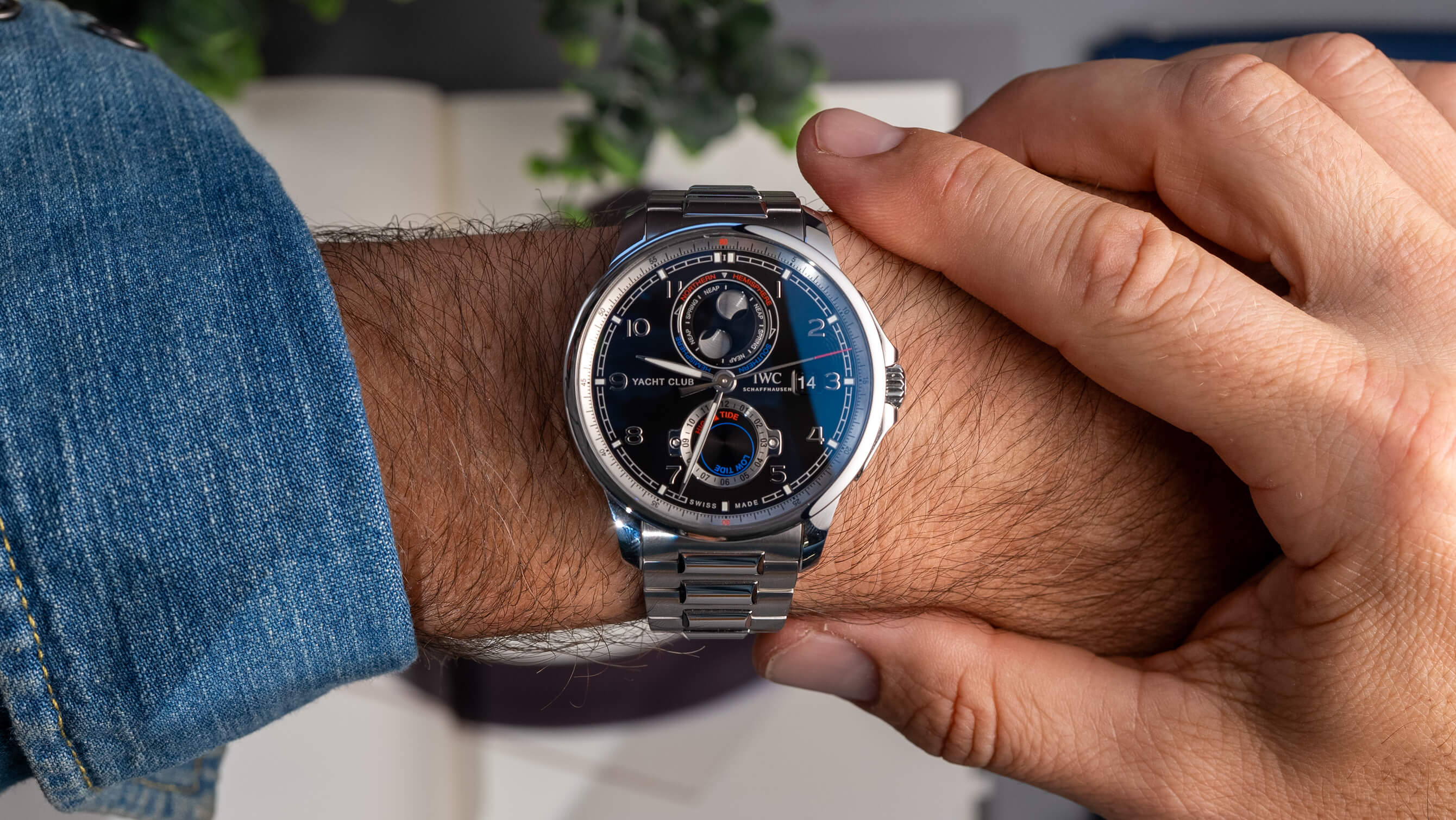
Unveiled at Watches & Wonders Shanghai 2024, its innovative tide indicator and moonphase can show high, low, spring and neap tides.The post Yacht rock: the new IWC Portugieser Yacht Club Moon & Tide boasts the brand’s first silicon hairspring appeared first on Time+Tide Watches.
 SJX Watches
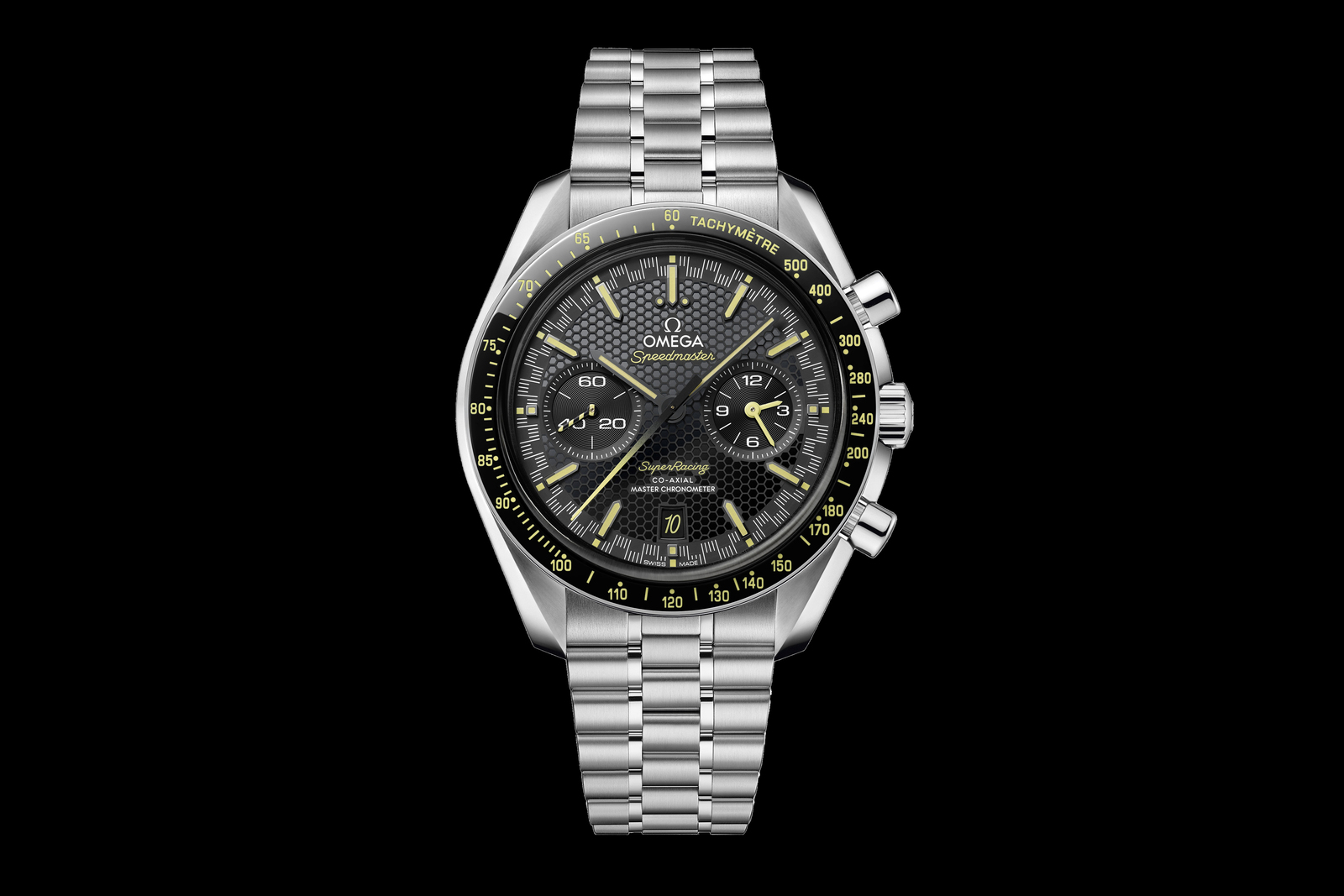
Having teased about a new innovation on social media for several weeks, specifically a “tiny device” that would be a game-changer for the Speedmaster, Omega has finally revealed the Speedmaster Super Racing. But the star of the show is not the watch but actually the technology in the all-new silicon hairspring within the latest Speedmaster. Known as Spirate, a portmanteau of “silicon” and “rate”, the new hairspring has a proprietary form that allows a watchmaker to vary the tension along its length, theoretically enabling fine adjustment of up to a tenth of a second. The result is a watch certified to have a daily rate of 0/+2 seconds, the most stringent timekeeping criteria amongst Omega watches. Initial thoughts While it is a given that Omega debuts a new Speedmaster every year, several of them at a go in fact, the revolutionary innovation in the hairspring was unexpected (though anyone who was trawling the Swiss patent registry would have gotten some hints). The patented Spirate hairspring The technical innovation behind Spirate is unquestionable, though the benefit to the wearer is probably less than the advantage it brings Omega in terms of streamlining regulation during production and assembly. And when Omega starts equipping its offerings with Spirate on a large scale, it will be an achievement from the perspective of industrial production. As for the Speedmaster Super Racing itself, well, the watch is less than spectacular. Visually it’s sim...
 Hodinkee
Industry veteran Antoine Pin says he doesn't regret being cautious about production with the relaunched Formula 1 collection.
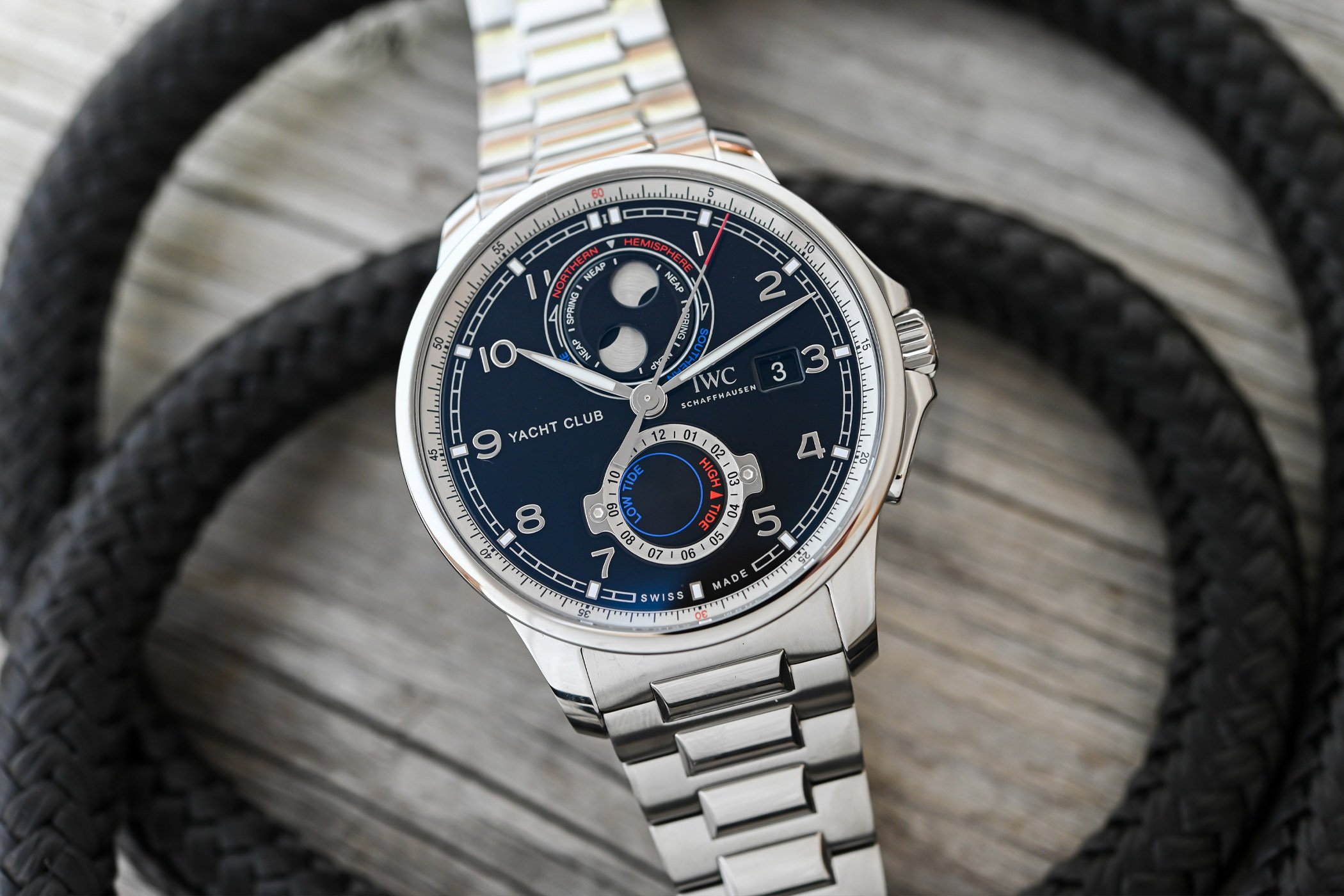 Monochrome
This year, IWC brings the emblematic Portugieser collection under the spotlight, introducing several stunning new additions to the collection, including the impressive Eternal Calendar and updates to several iconic models, such as the chronograph and the 7-day Automatic. On the occasion of Watches and Wonders Shanghai, the brand unveils a new version of its Portugieser […]
 Hodinkee
Holy helical horology!
 Revolution
 Time+Tide
Have TAG finally perfected carbon hairspring technology, and will this be a game changer - for them and the rest of the watch industry?The post TAG Heuer debuts two chronographs with revolutionary carbon hairsprings, a technology they’ve been developing for almost a decade appeared first on Time+Tide Watches.
 Quill & Pad
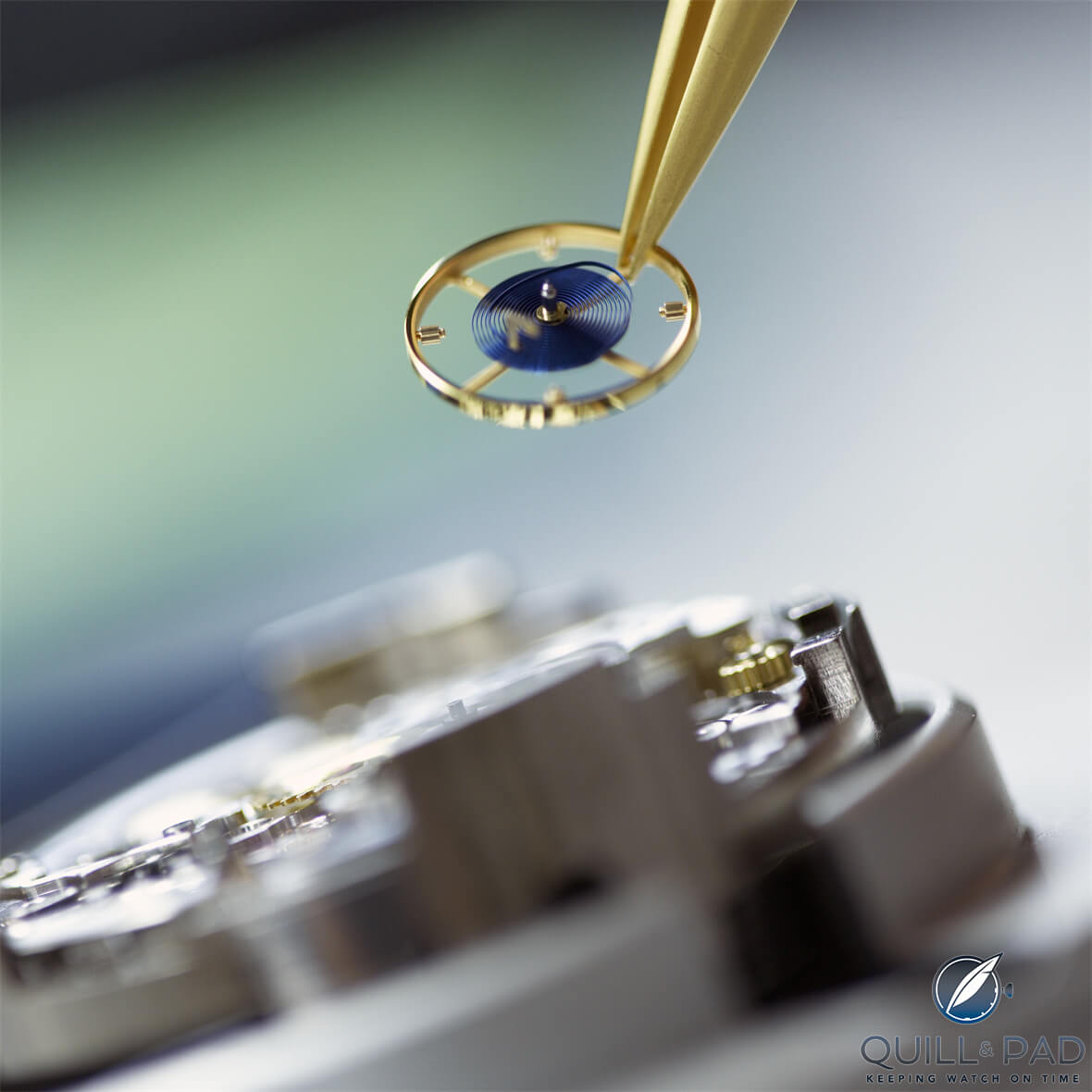
The tiny, delicate, nearly impossible-to-create hairspring is the one of the biggest advances for modern scientific technology there is. Here Joshua Munchow takes a dive into the muscle of the beating heart of most mechanical watches: the hairspring.
 Quill & Pad
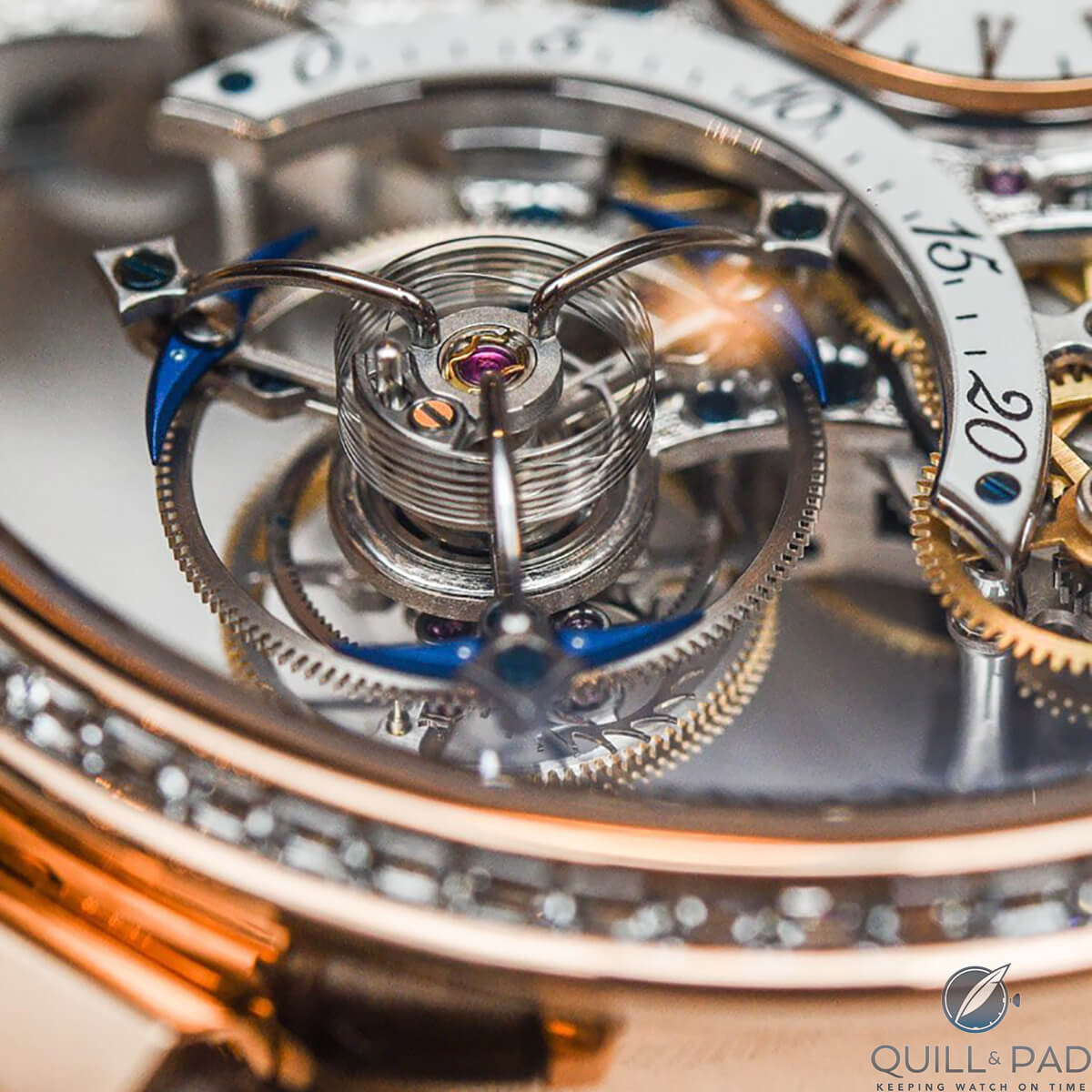
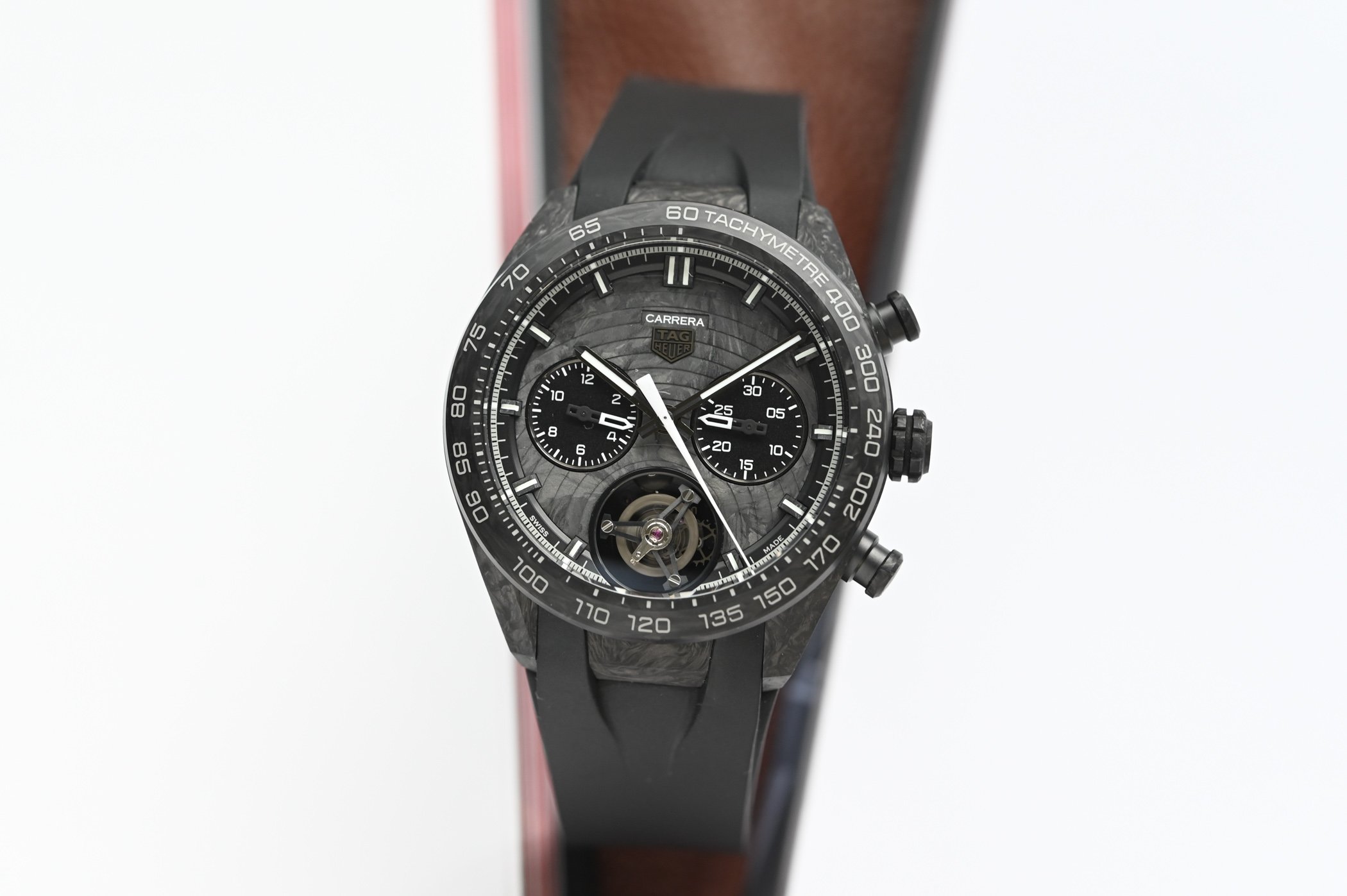
Out of all the “traditional” styles of hairsprings, the helical hairspring is Joshua Munchow's favorite because it adds three-dimensionality to the watch. These oscillators are so rarely seen that if you are only aware of five watches with helical hairsprings you already know a significant portion of the modern watches using them. Here are Joshua's favorite five.
 Monochrome
Since Christiaan Huygens paired a balance wheel and spiral spring in 1675, the hairspring has been the beating heart of every mechanical watch. Its material has always dictated chronometric performance. Steel, used for centuries, suffered from magnetism and temperature drift. Special alloys developed in the 20th century improved reliability – from Elinvar to Nivarox/Nivachron, made […]
 Hodinkee
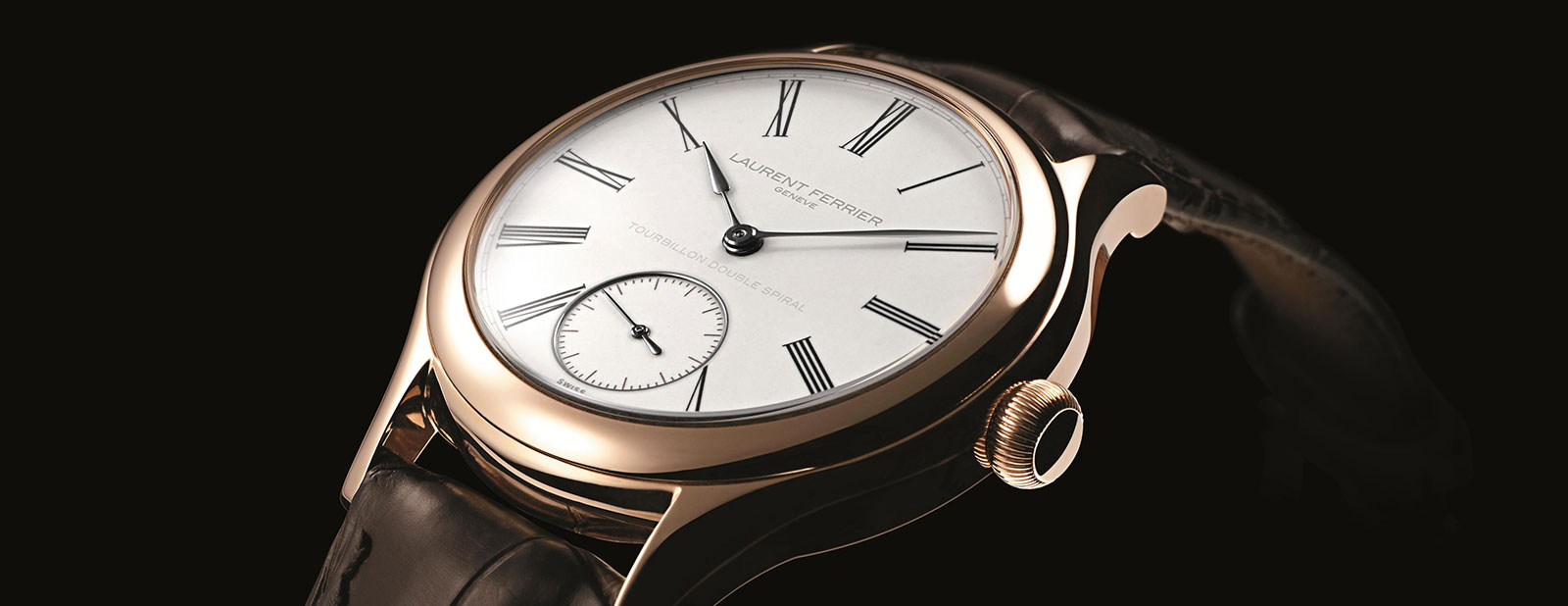
Plus, what's going on in the executive suite at TAG Heuer and what it means for Omega to launch a steel Speedmaster priced above $10,000.
 Revolution
 Quill & Pad
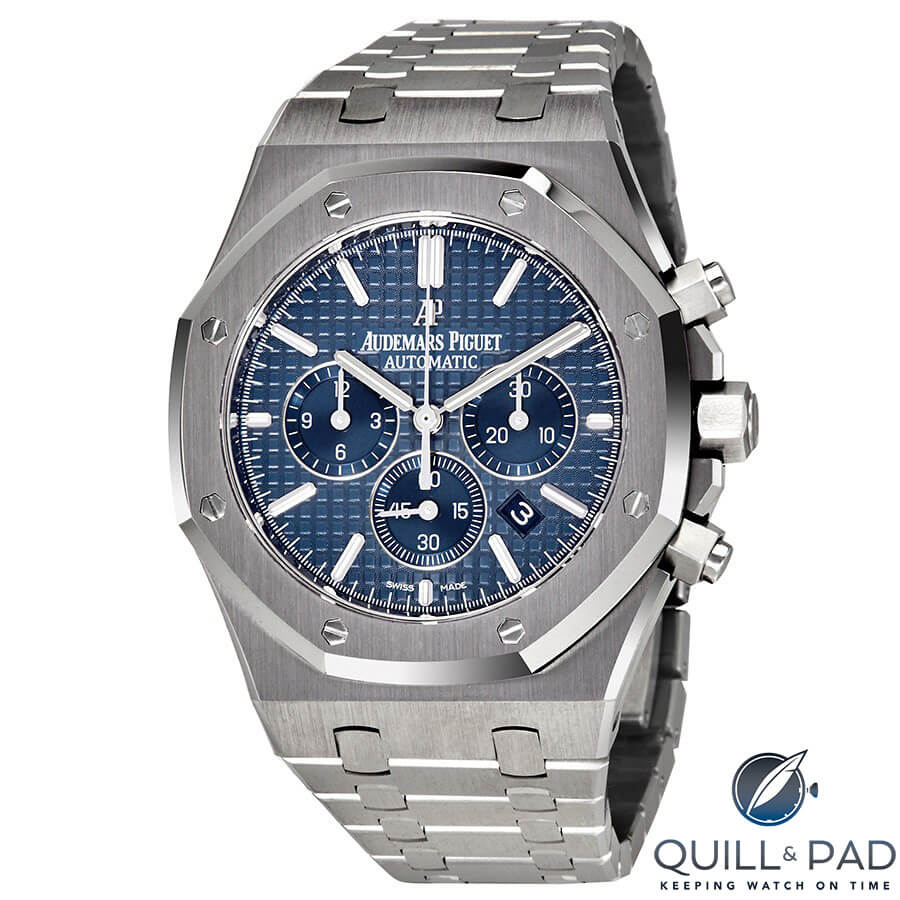
Joshua Munchow talks about steel here, the metal that made the world! Watch cases and other movement components are commonly made from certain stainless steels, 304 and 316L being the most frequent. It also happens that some brands hold exclusive rights to use specific alloys in the production of its watches. Here's what you should know about steel.
Quill & Pad
Joshua Munchow talks about steel here, the metal that made the world! Watch cases and other movement components are commonly made from certain stainless steels, 304 and 316L being the most frequent. It also happens that some brands hold exclusive rights to use specific alloys in the production of its watches. Here's what you should know about steel.
Quill & Pad
Joshua Munchow talks about steel here, the metal that made the world! Watch cases and other movement components are commonly made from certain stainless steels, 304 and 316L being the most frequent. It also happens that some brands hold exclusive rights to use specific alloys in the production of its watches. Here's what you should know about steel.
 Quill & Pad
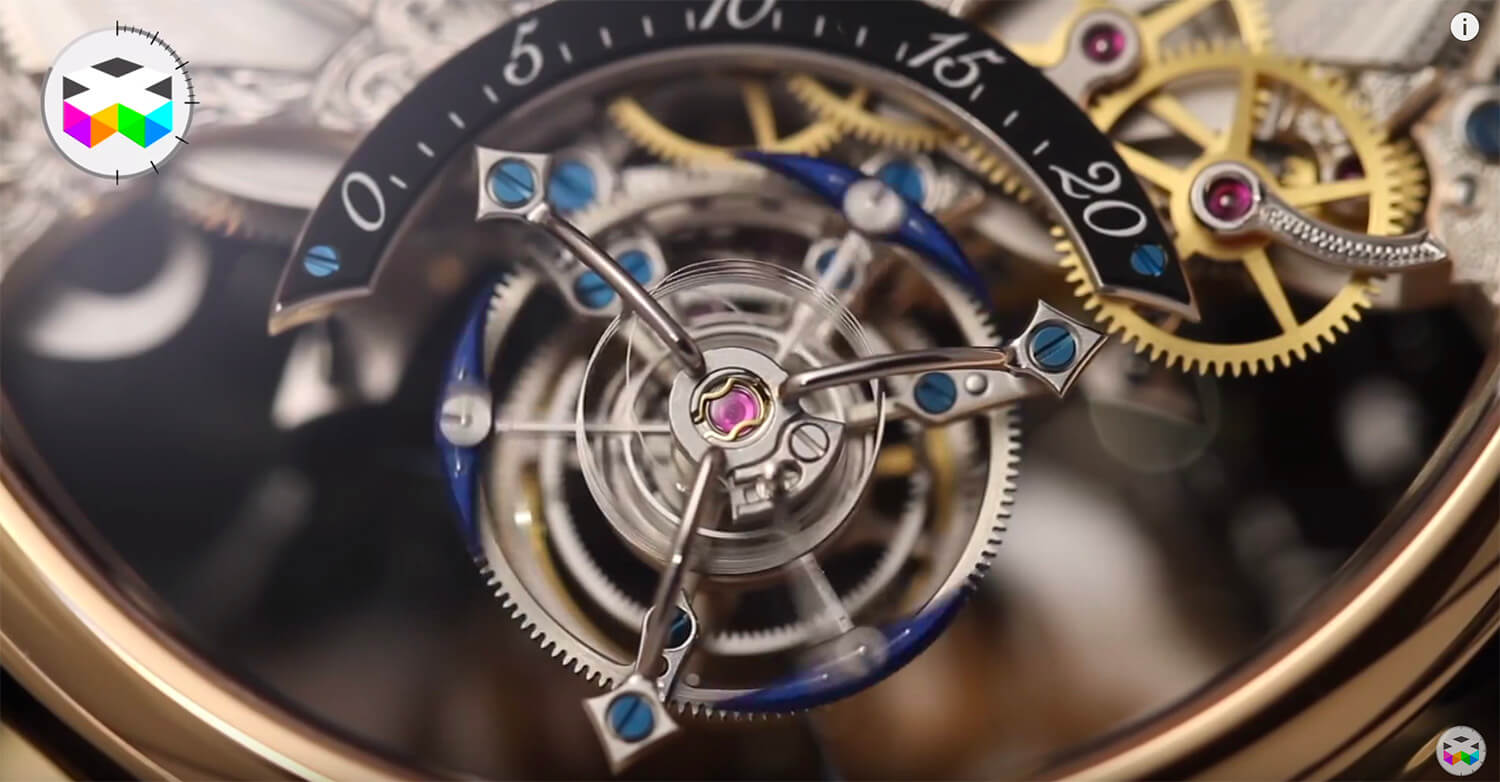
Only a handful of producers are able to make hairsprings, most of which are large-scale industry suppliers. But a few watch brands manufacture their own using recipes and processes they keep close to their hearts. Bovet is one of these rare few manufacturers. Take a walk through the factory here thanks to The Watches TV, one in which cameras are usually not allowed.
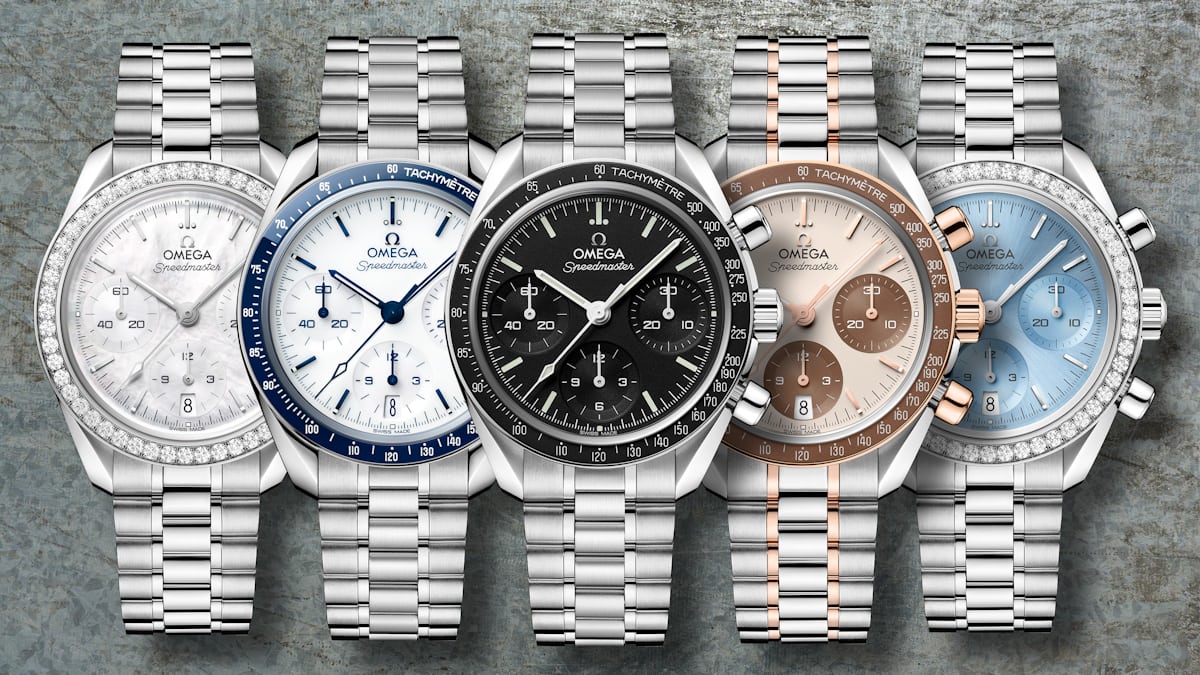 WristBuzz
Round subdials are back. A no-date black-dial variant reads as a shrunk Moonwatch. Seven references, cal. 3330 / 3332 with silicon hairspring, prices from €6,400 to €12,900. This is the Speedmaster Reduced successor the community has been asking Omega for since 2014.
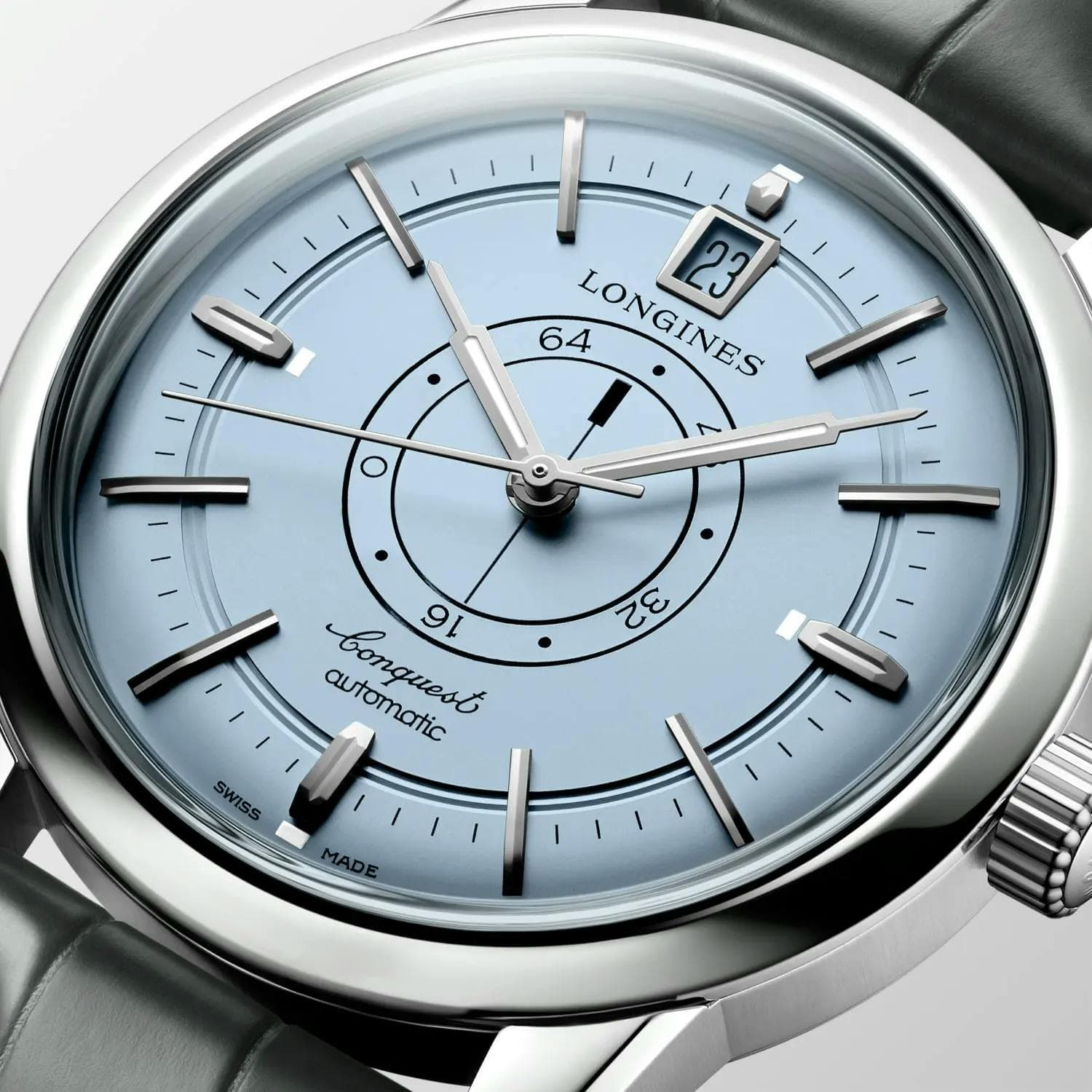 WristBuzz
Longines refreshes one of its most quietly interesting re-editions with a light blue opaline dial. Still 38mm, still the same central power-reserve rotating disc, still the silicon-hairspring L896.5. €3,950 on strap, €4,050 on bracelet.
WristBuzz
From Nivachron to besançon, from ISO 6425 to the quartz crisis. a working glossary built for people who read spec sheets for fun and want the concrete answer, not the marketing line.
Question, suggestion, or just want to say hi? Drop a note.