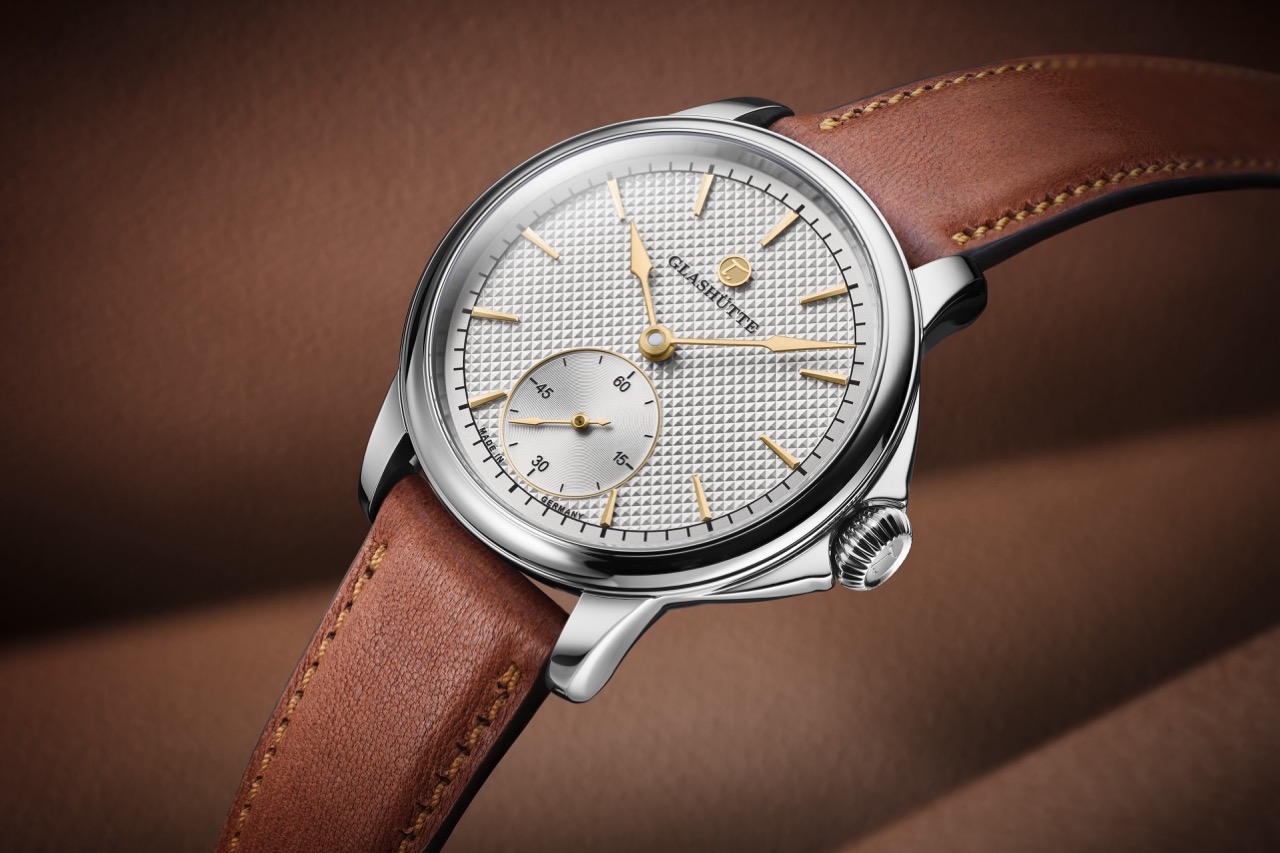
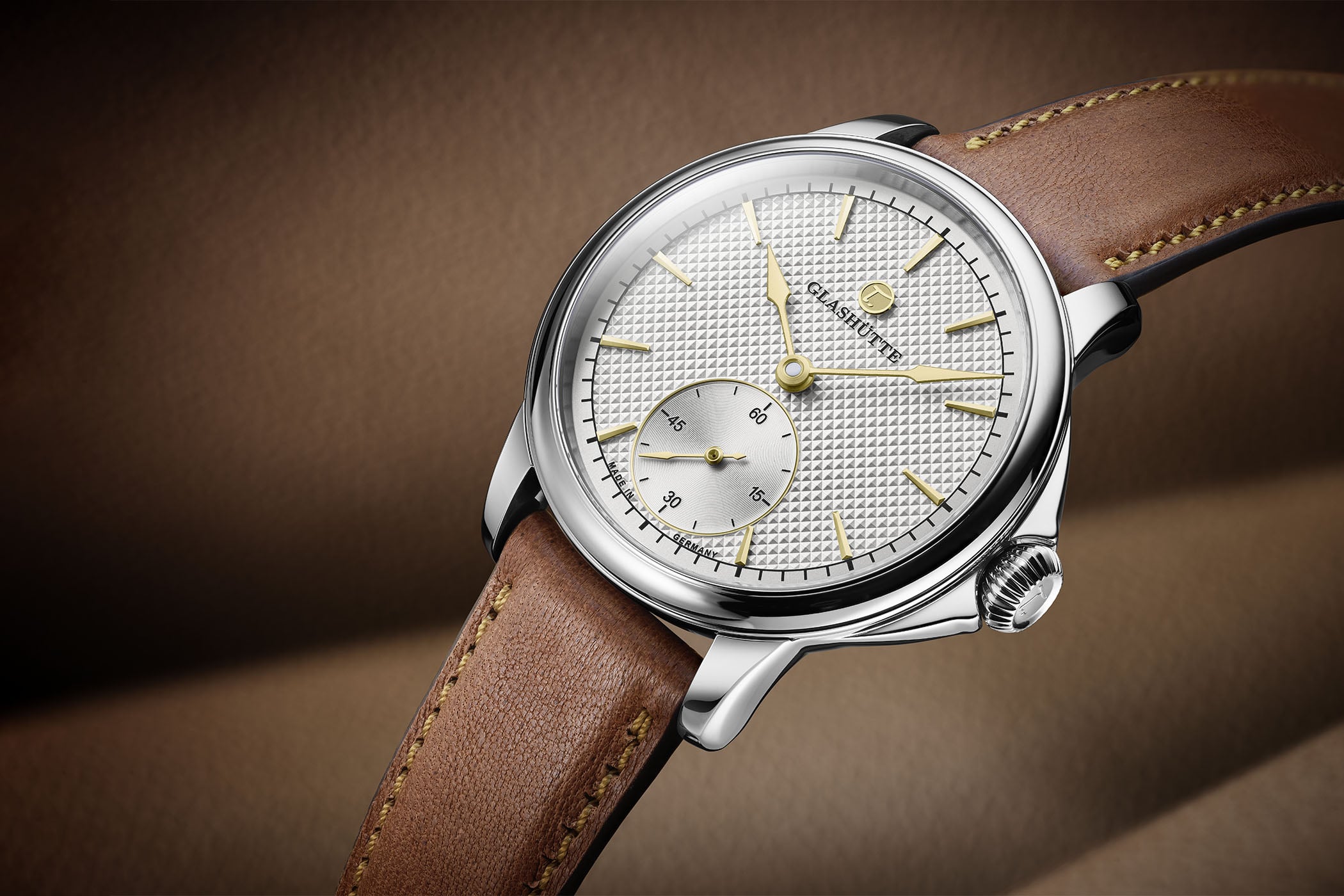
Dr. Ernst Kurtz founded what would become Tutima in Glashütte in 1927, initially under the UROFA / UFAG name as part of the Saxon watchmaking consolidation that also included A. Lange & Söhne and the precursor of Glashütte Original. The Tutima name (from Latin tutus, 'safe') was registered in 1927 and applied to the brand's chronometer-grade output. In 1941 Tutima introduced the Flieger Chronograph with the in-house Cal. 59 column-wheel chronograph movement, supplied to the Luftwaffe as a navigation chronograph for pilots.
On 8 May 1945 the Glashütte facility was almost completely destroyed by Soviet bombing on the last day of the war in Europe; the surviving staff and tooling were dispersed. Dr. Kurtz relocated to West Germany and re-established the brand in Ganderkesee, near Bremen, where Tutima operated for the next six decades. The brand survived through quartz-era German production, leveraging the heritage of the Cal. 59 to build a reputation as Germany's pilot-chronograph specialist. In 1984 Tutima won the contract to supply the Bundeswehr (German Air Force) with NATO-issue military pilot chronographs, the NATO Chronograph built on the Lemania 5100 movement - a contract the brand continues to hold.
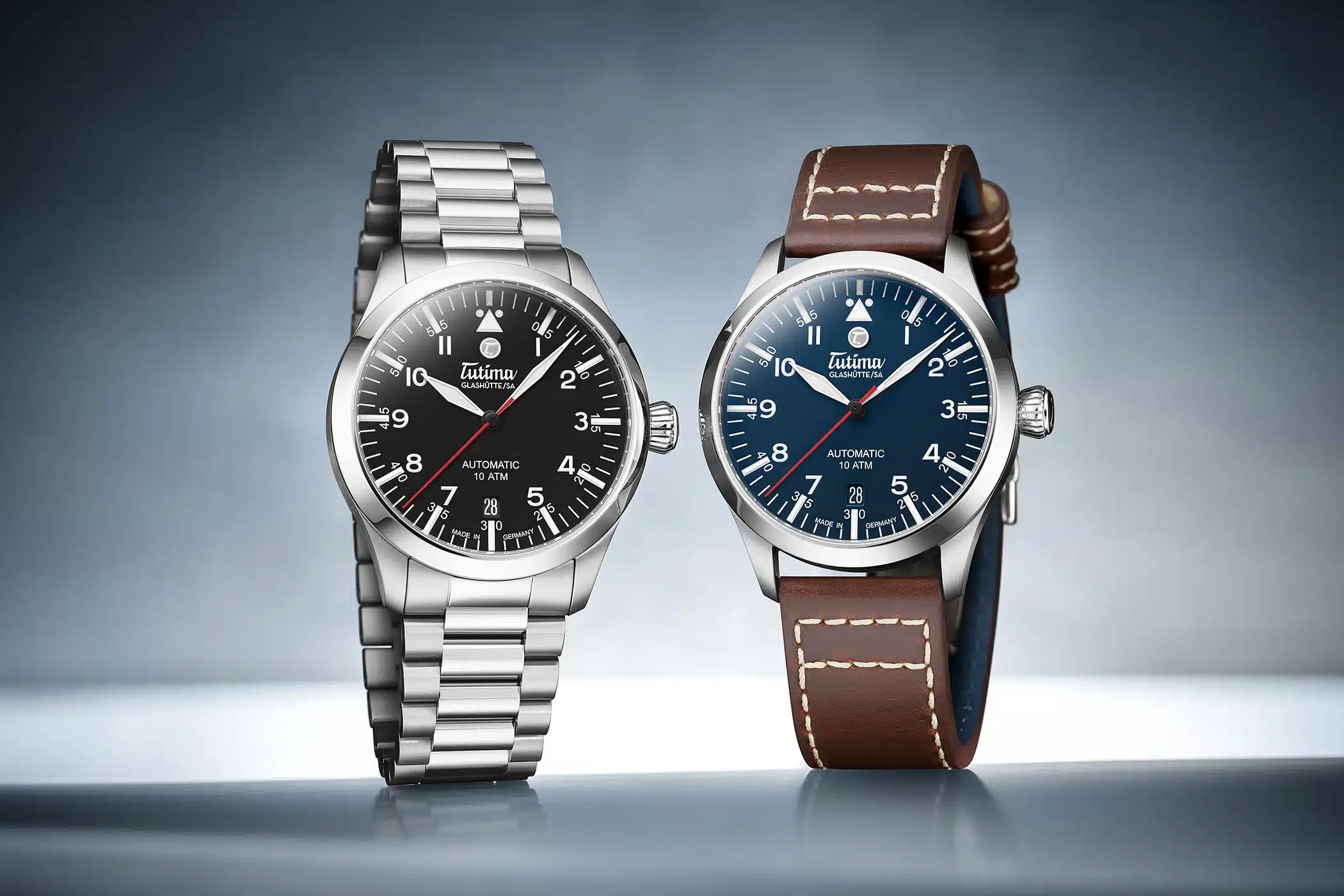
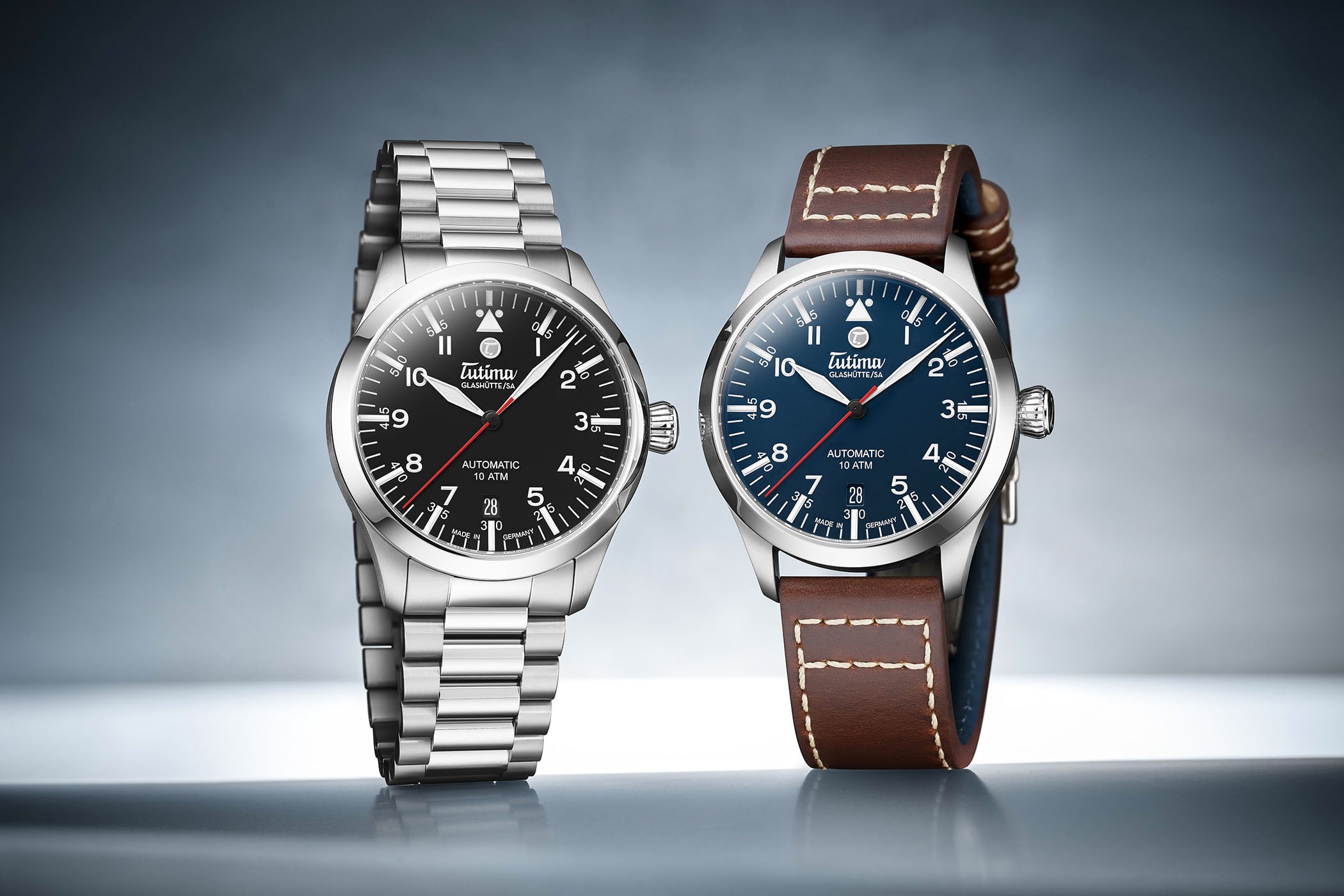
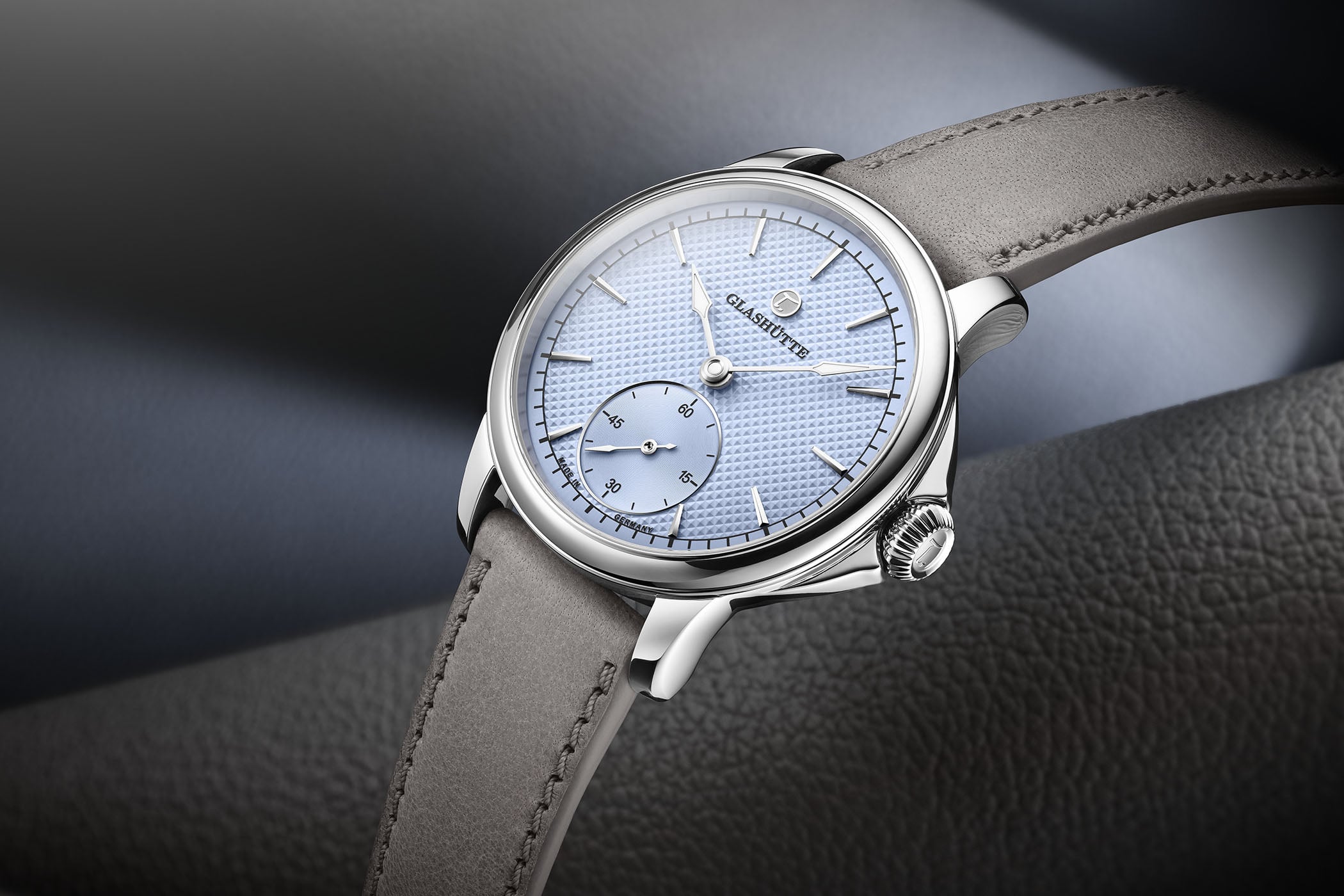
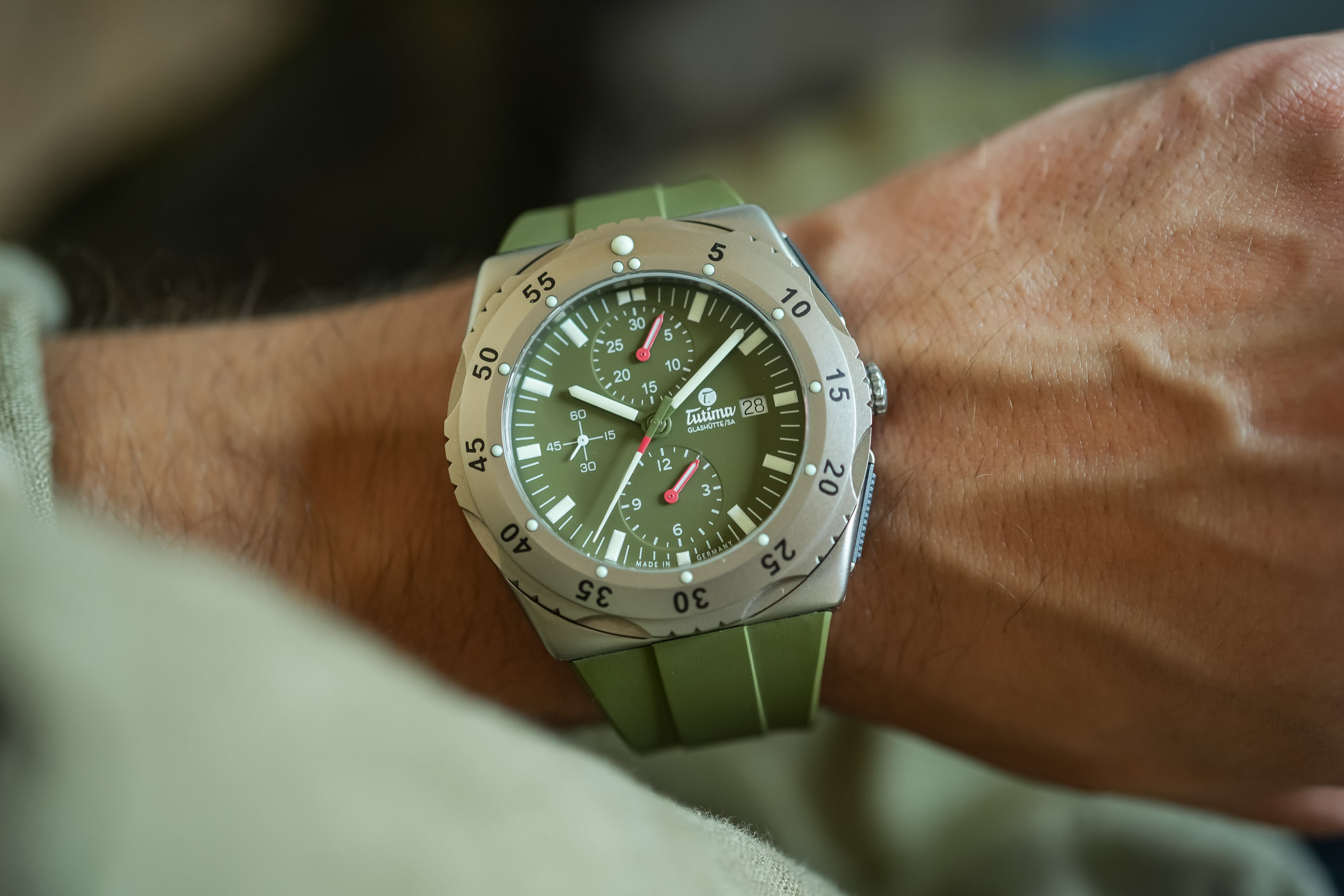
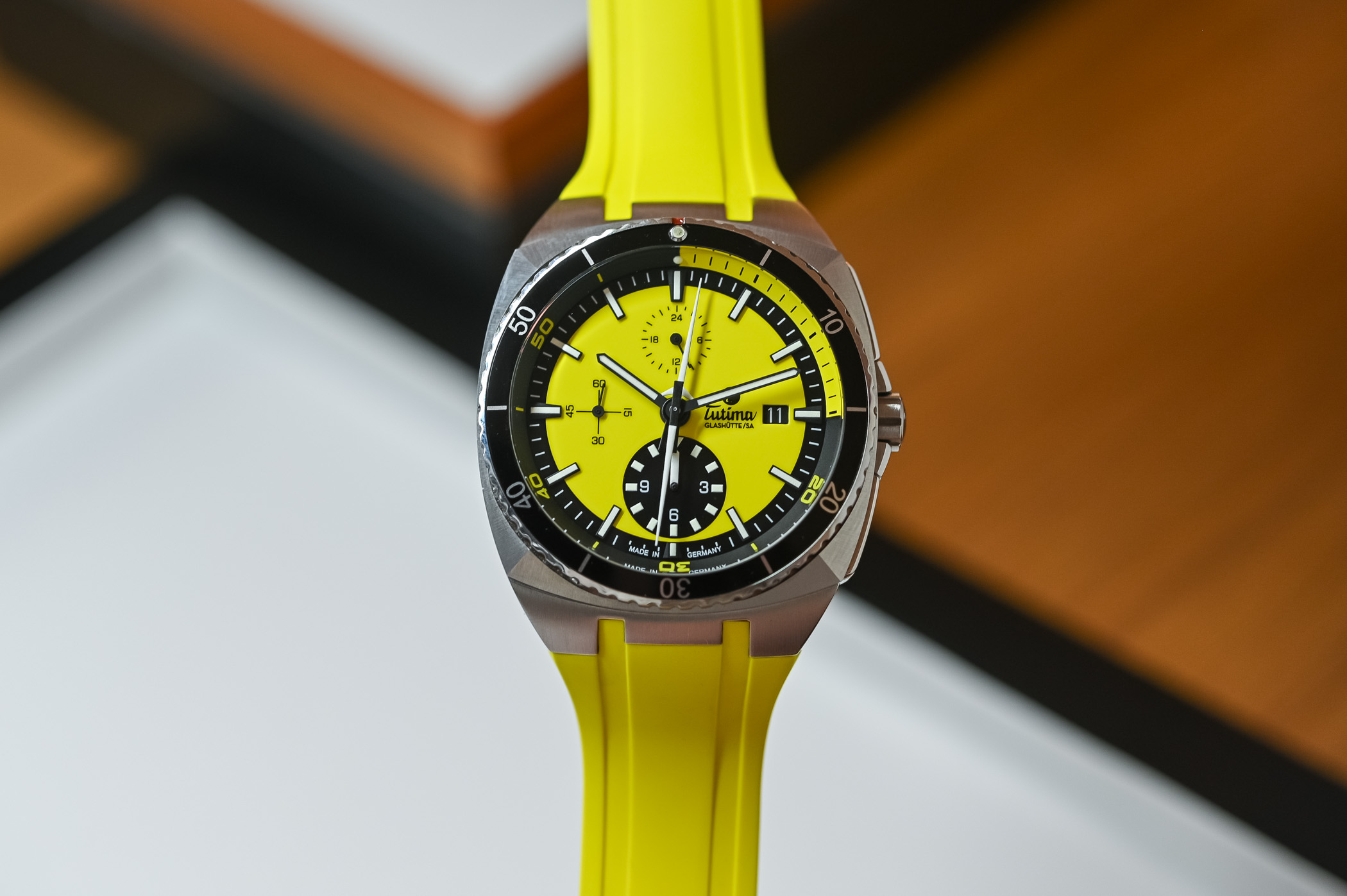
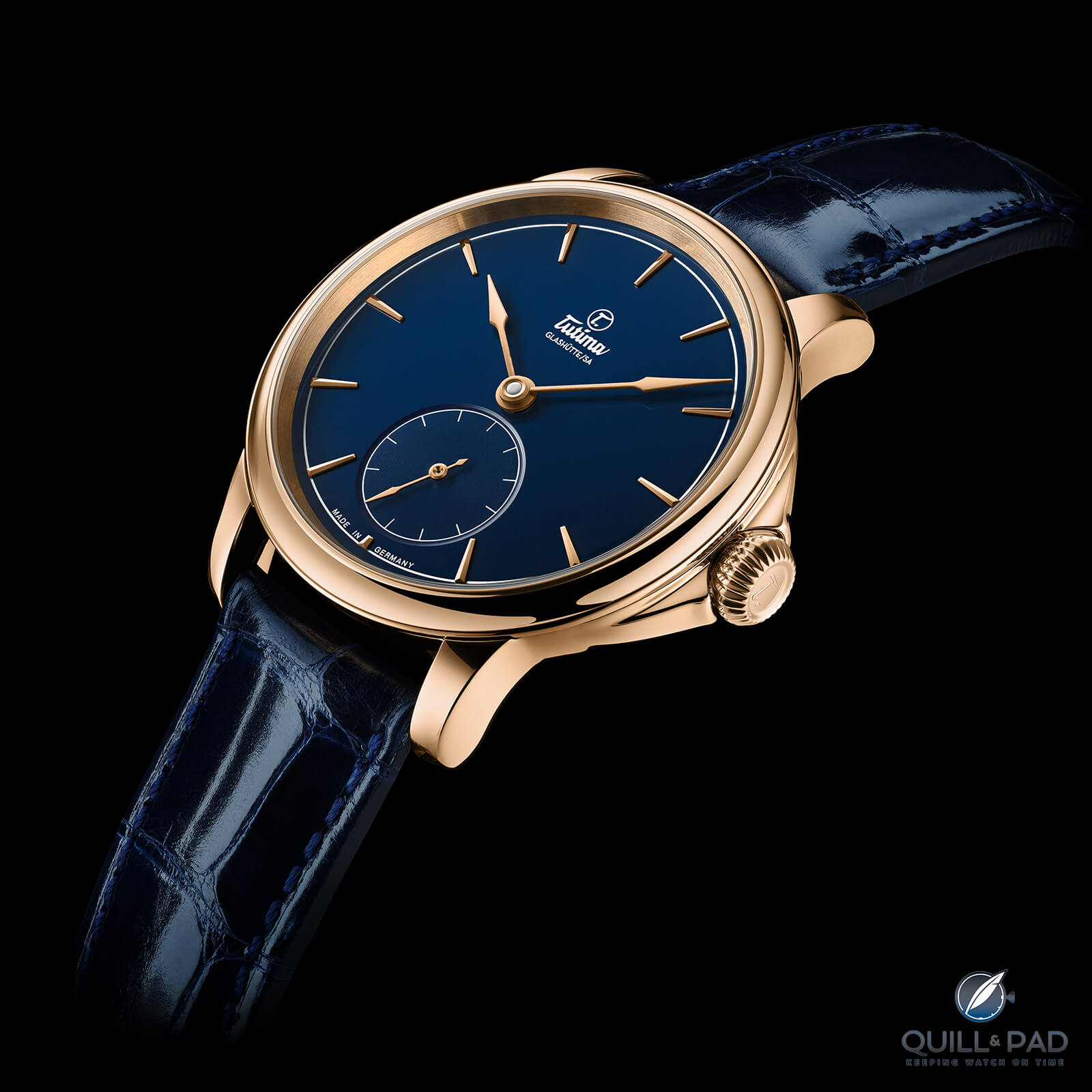
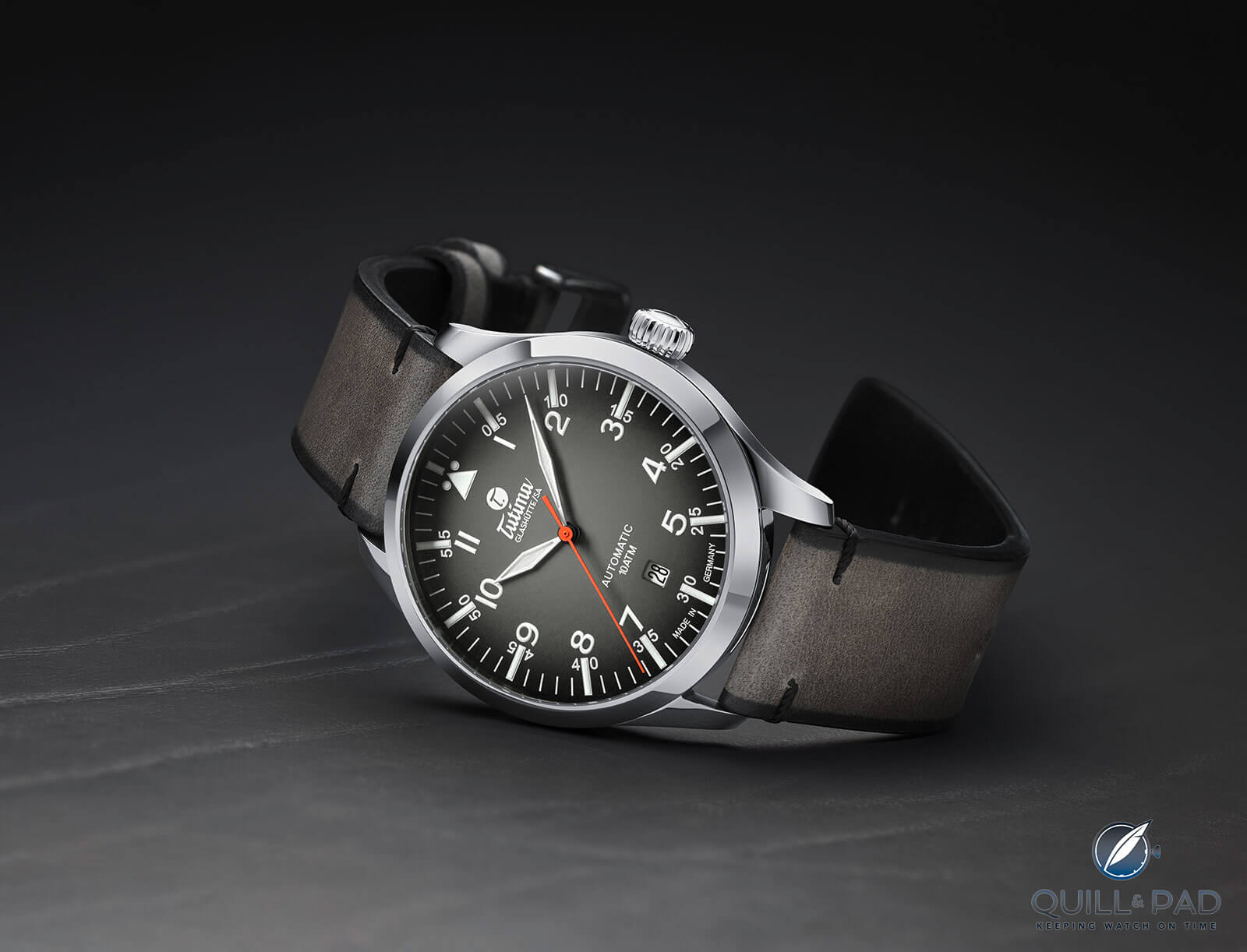
In 2011 Tutima returned to Glashütte, completing a EUR 12 million manufacture facility in the Saxon watchmaking village. The new manufacture launched with the in-house Cal. T659 (the brand's first new in-house caliber in over fifty years) inside the Patria dress watch collection. Today the catalogue spans the in-house Patria, the Grand Flieger Bauhaus and Classic, the M2 military pilot chronograph, the Saxon One sports collection, and various special editions for German military and civilian pilots. The brand remains independently owned by the Delecate / Ott families.



Comments
No comments yet, be the first to weigh in.