A mechanical watch's rate is influenced by multiple factors: position (gravity acts on the balance differently in vertical vs horizontal), temperature, magnetic exposure, and crucially the mainspring's state of wind. As the mainspring unwinds, it delivers progressively less torque to the gear train; the balance amplitude drops; and the rate typically slows by 5-15 seconds per day across the power reserve. The watchmaker's art is regulating the watch to average correctly across the typical wear envelope; precision-grade movements use a free-sprung balance for tighter rate consistency, but the underlying mainspring-decline problem persists.
The remontoir d'égalité ("equality re-winder") solves this directly. An auxiliary spring sits between the mainspring barrel and the escapement; the auxiliary spring delivers torque to the escapement at a constant nominal value; the mainspring rewinds the auxiliary spring at fixed time intervals (1, 8, or 60 seconds depending on design), keeping the auxiliary spring fully wound regardless of the mainspring's state. The escapement therefore sees identical torque every cycle, eliminating rate decline.
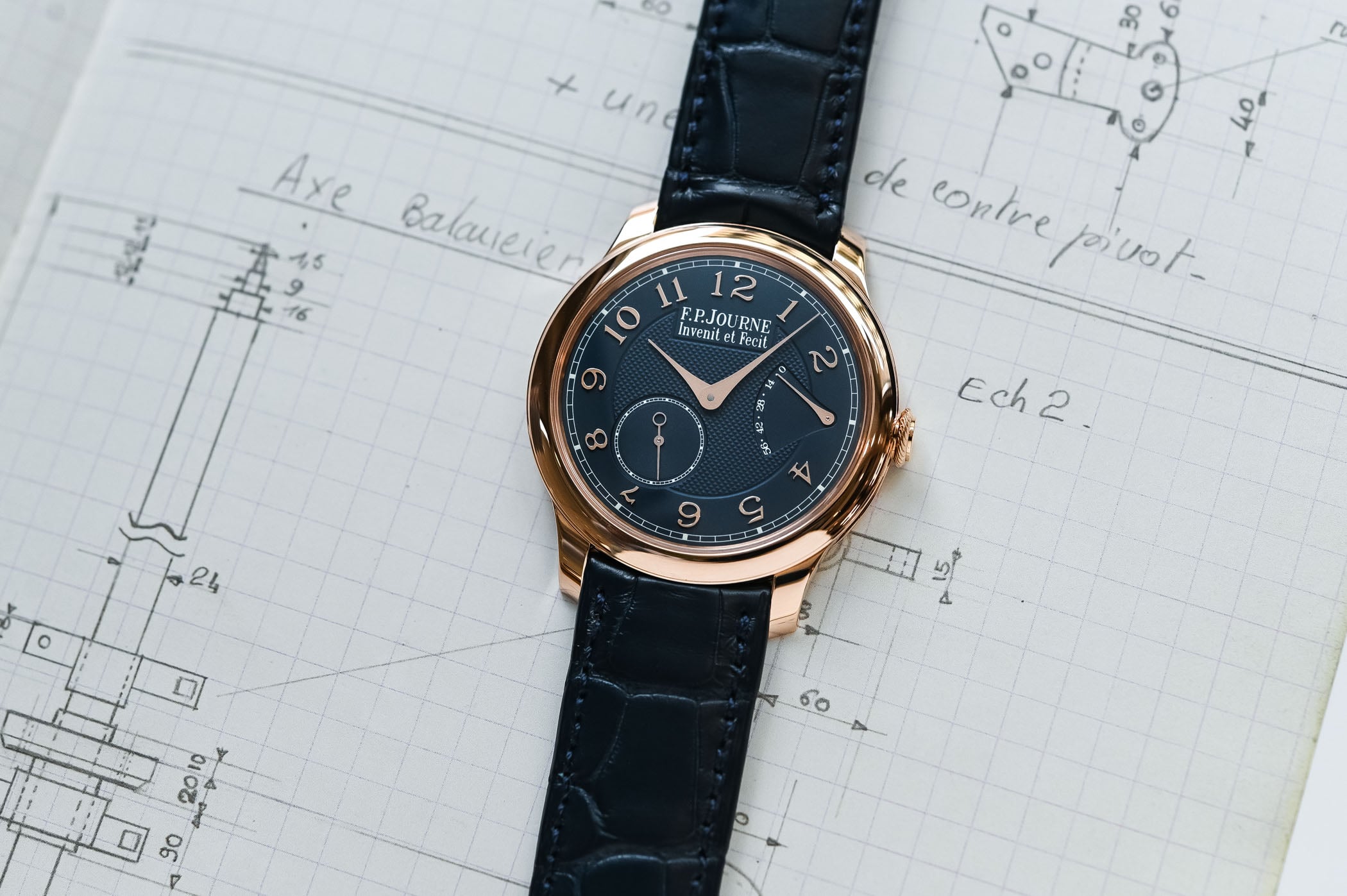
"The mainspring unwinds. The remontoir does not. The escapement sees the same torque every second of the power reserve. That is the only way to make a watch run truly constant."- F.P. Journe on the remontoir mechanism
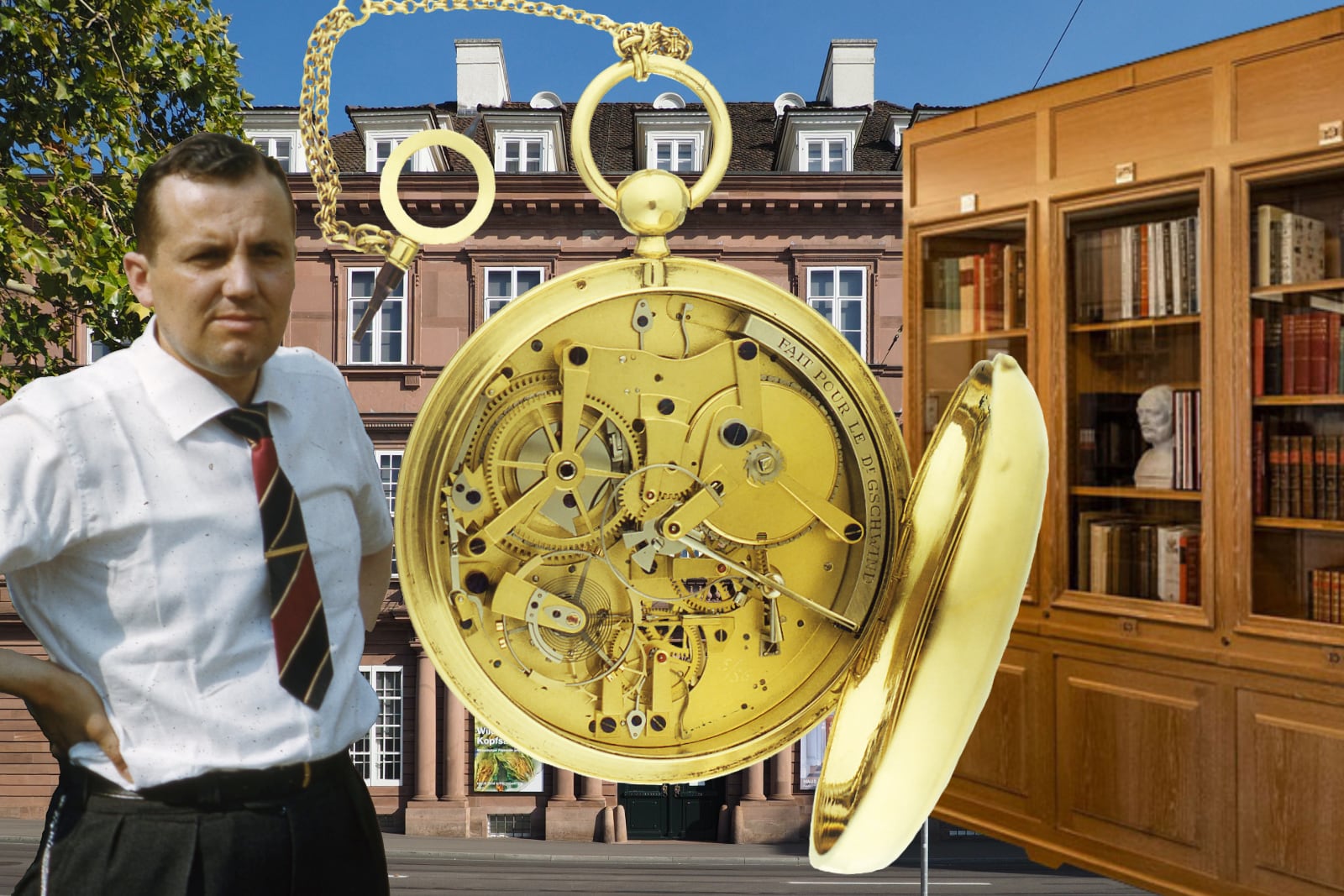
The mechanism dates to 18th-century pocket-watch engineering; Abraham-Louis Breguet employed remontoirs in his most precise pocket watches. The wristwatch implementation is significantly harder: the mechanism adds significant volume (the auxiliary spring assembly), introduces additional friction surfaces, and requires precise timing of the rewind cycle. Through the 20th century the wristwatch remontoir remained a haute-horlogerie research project; commercial production was rare.
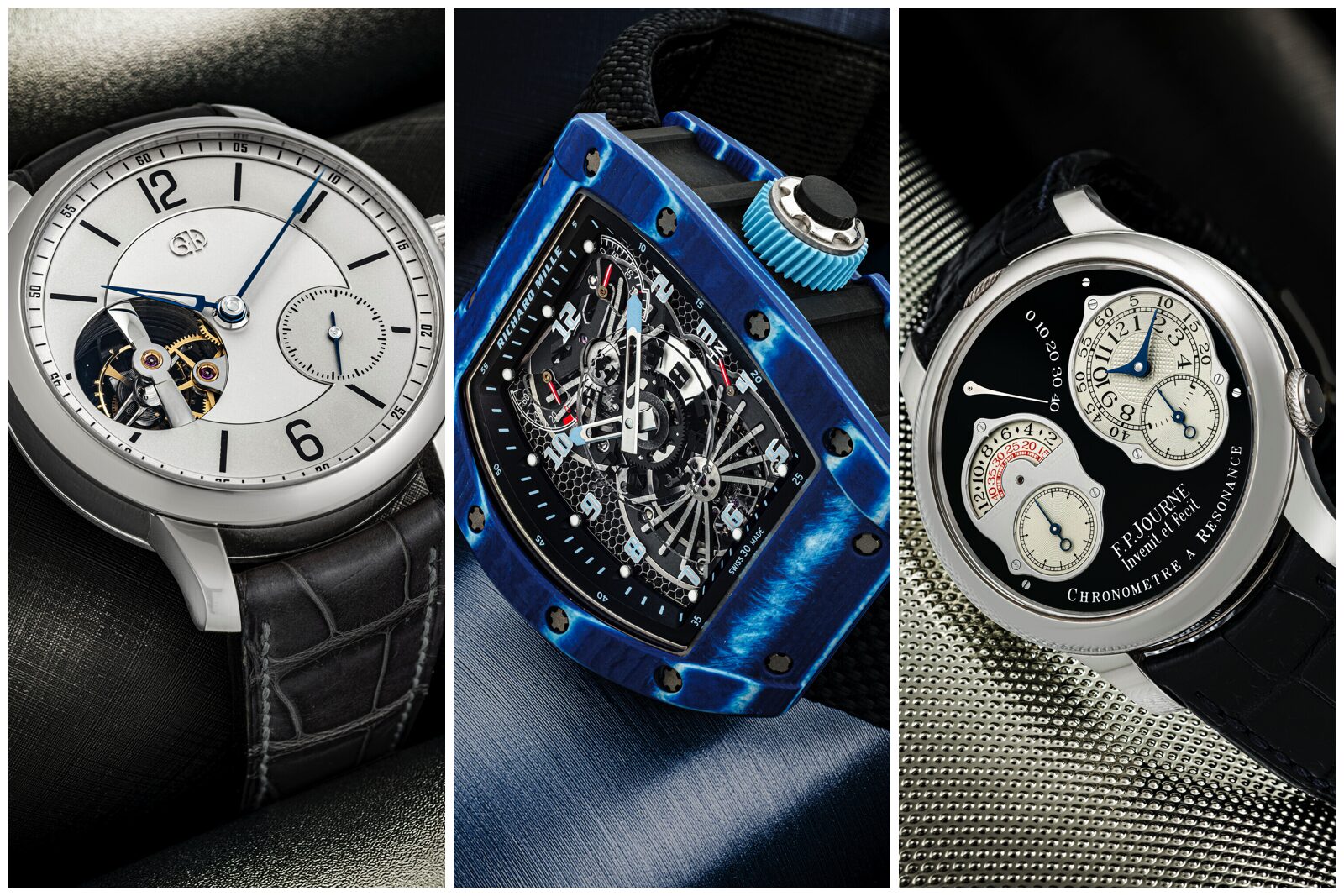
Modern wristwatch remontoir implementations begin with A. Lange & Söhne's Tourbillon "Pour le Mérite" at the 1994 Lange revival launch: the watch combines a tourbillon with a chain-and-fusee constant-force system (a slightly different mechanism: a chain wound around a tapered fusee equalises mainspring torque). F.P. Journe's Tourbillon Souverain (1999) uses a true 1-second remontoir; the rewind cycle is visible on the dial as the small seconds hand jumps in 1-second steps rather than smooth sweep. Romain Gauthier, Greubel Forsey, and Akrivia have produced modern remontoir references; AP's Code 11.59 RD#3 (2022) is the modern AP flagship constant-force.
The visible signature of a remontoir is the jumping seconds hand: the auxiliary spring rewinding at 1-second intervals causes the seconds hand to advance in discrete 1-second jumps rather than the continuous sweep of conventional movements. This is the same visual as a Spring Drive watch (which uses an electromagnetic regulator) or a quartz watch; the remontoir produces the same visual via a purely mechanical mechanism. For collectors the jumping seconds is the immediate identifier of a constant-force watch.
The practical effect on rate: a well-executed remontoir wristwatch maintains rate within ±2 seconds across the entire power reserve, vs ±10-15 seconds for a conventional movement. The price tier for remontoir watches is at the top of haute horlogerie: F.P. Journe Tourbillon Souverain ~CHF 250,000+; Lange Tourbillon Pour le Mérite ~CHF 400,000+; AP Code 11.59 RD#3 ~CHF 500,000+. The mechanism is reserved for showcase complications rather than volume production; modern silicon-hairspring 4 Hz movements achieve adequate rate stability for consumer-grade purposes without the mechanical complexity.


Comments 1