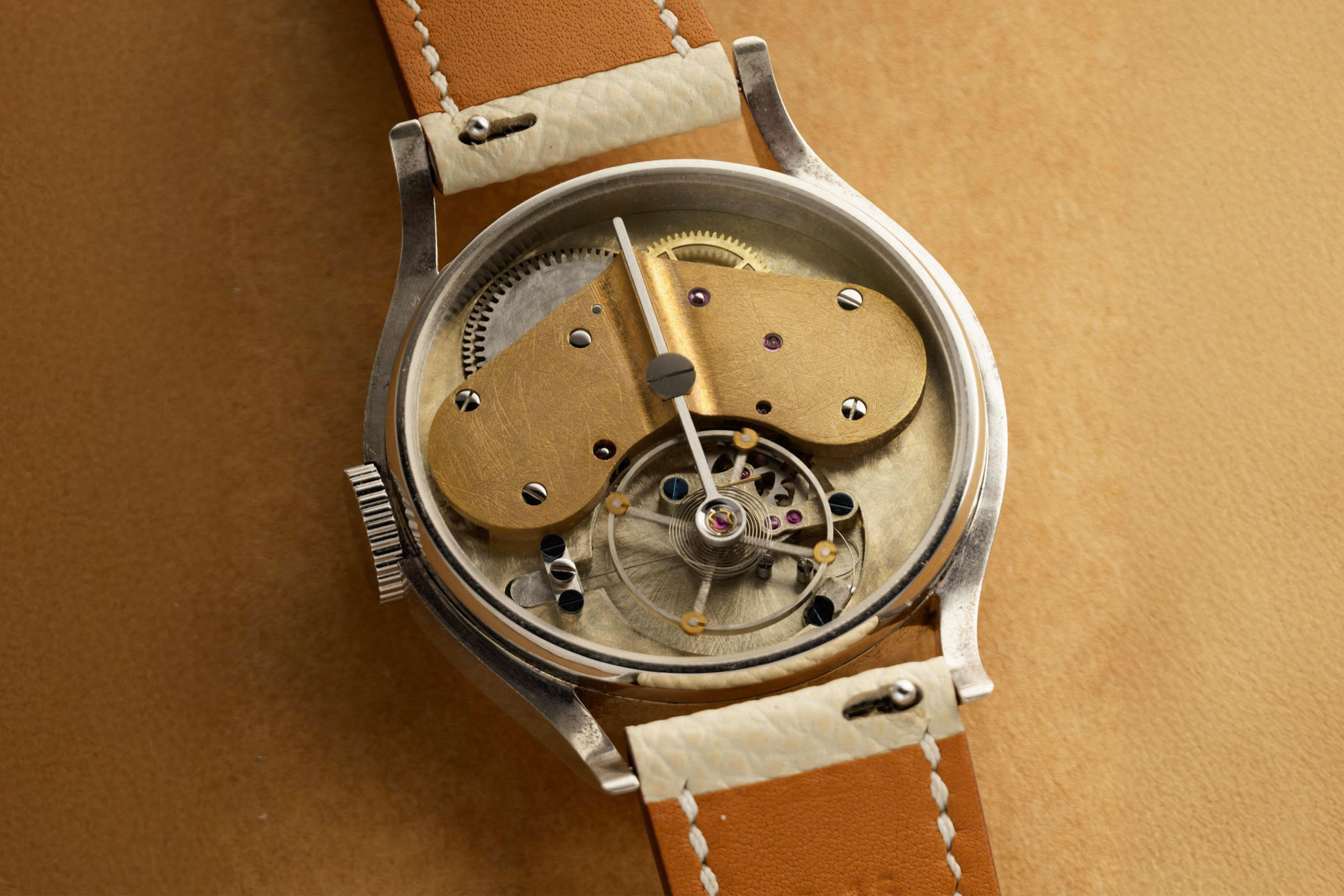
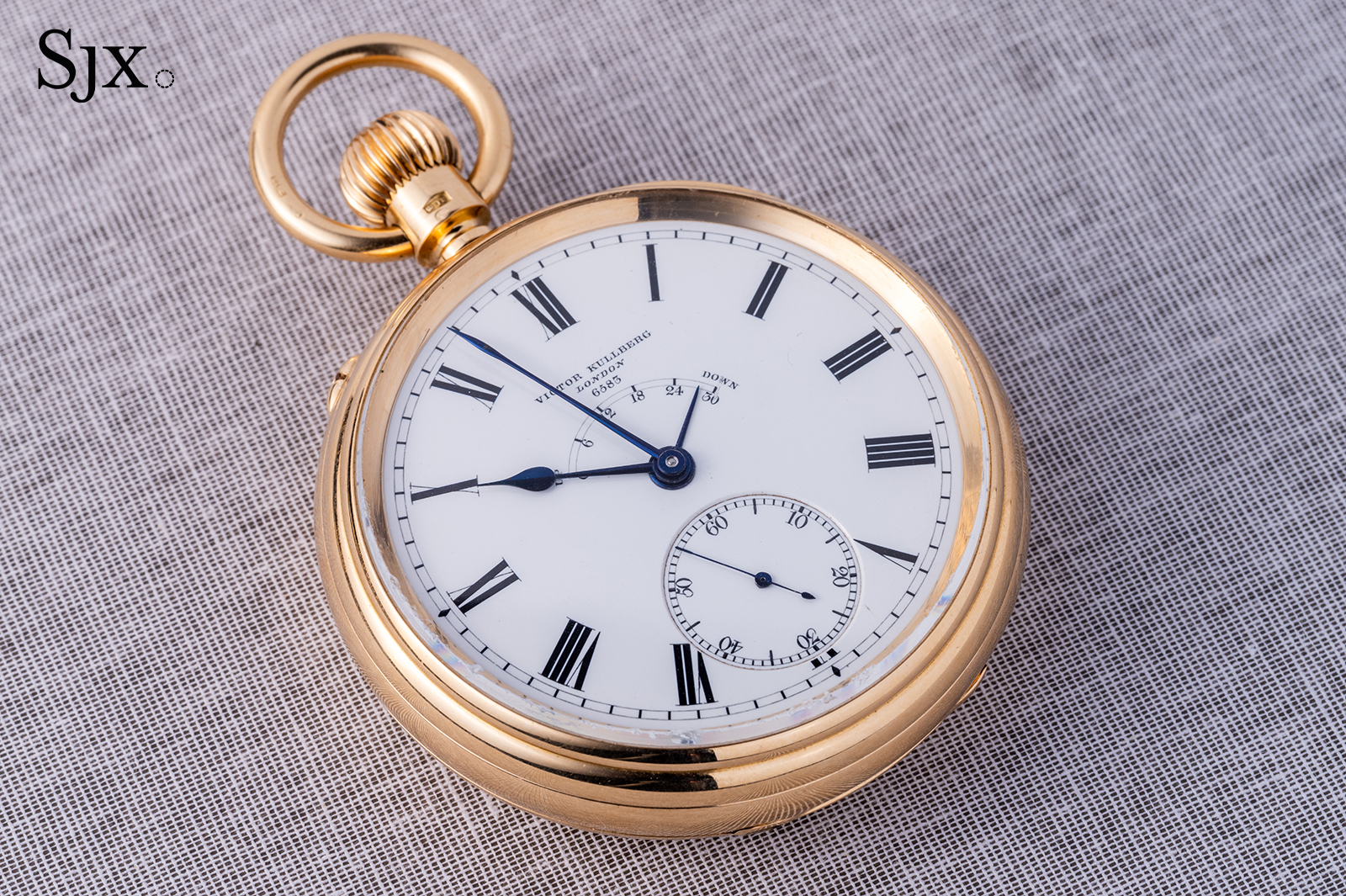
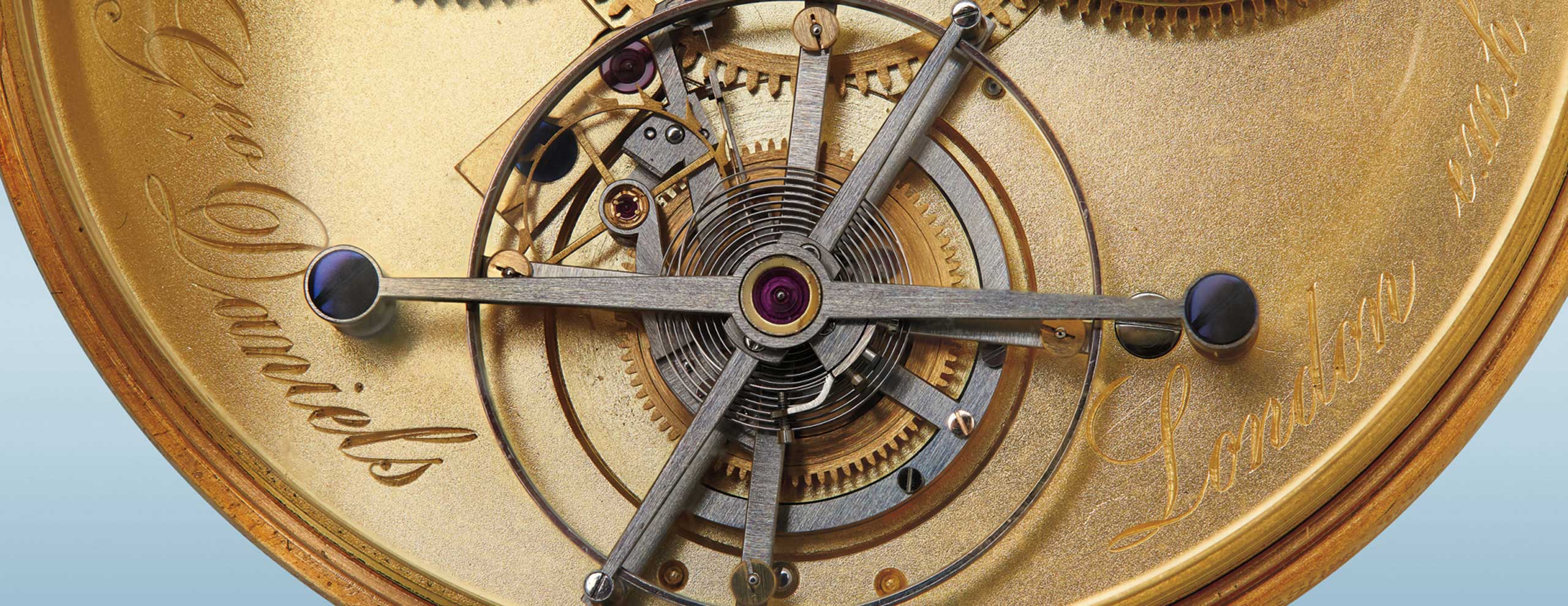
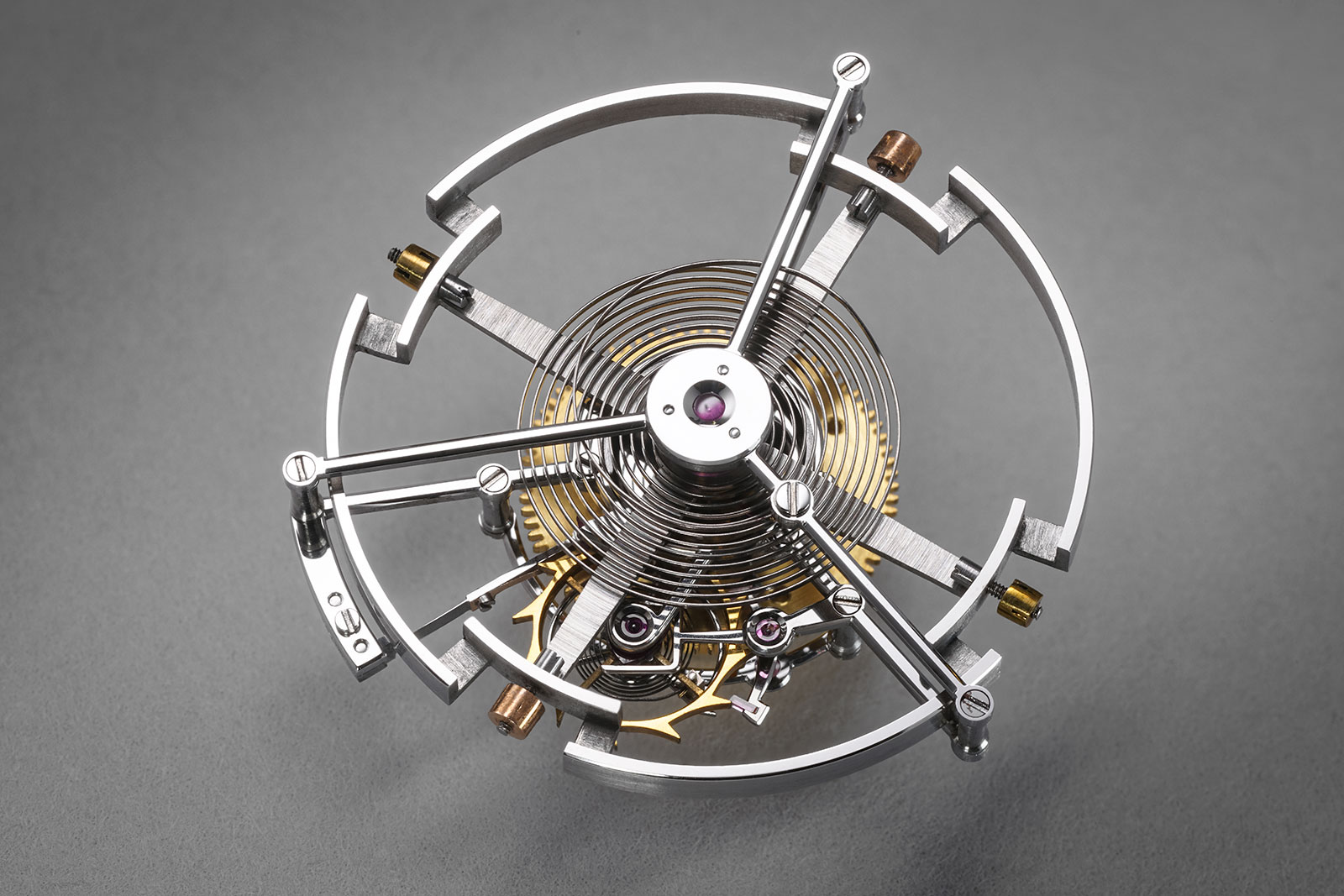
The detent escapement was developed in the late 18th century during the marine-chronometer race that followed the British Longitude Act (1714). John Arnold (UK) developed the spring detent (1779); Thomas Earnshaw (UK) refined it (1781) into the form used in most 18th-19th century marine chronometers. The mechanism delivers impulse to the balance only on alternate beats and the release is via a tiny gold spring (the 'detent'), eliminating the sliding friction that the lever escapement creates during unlock-and-impulse.
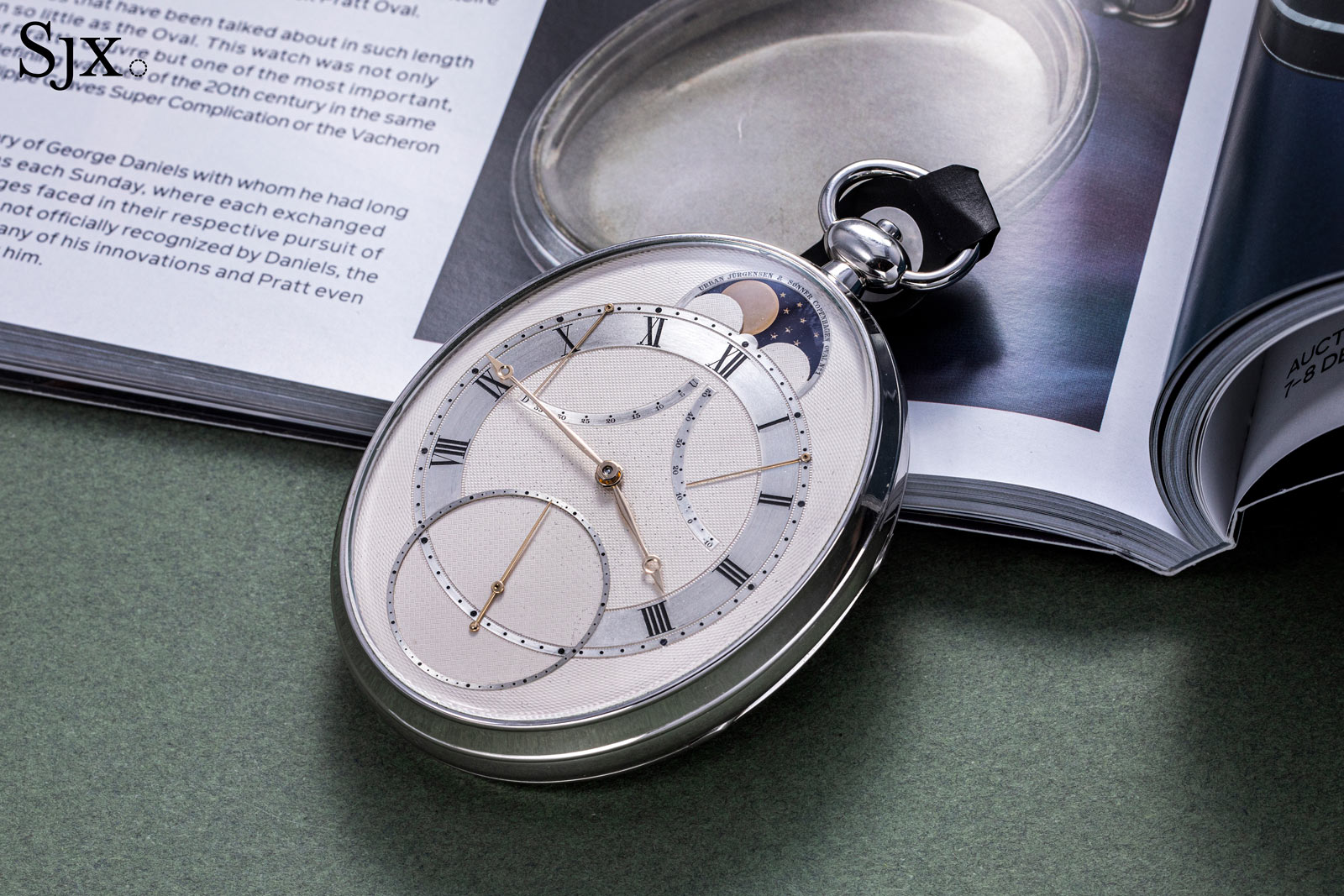
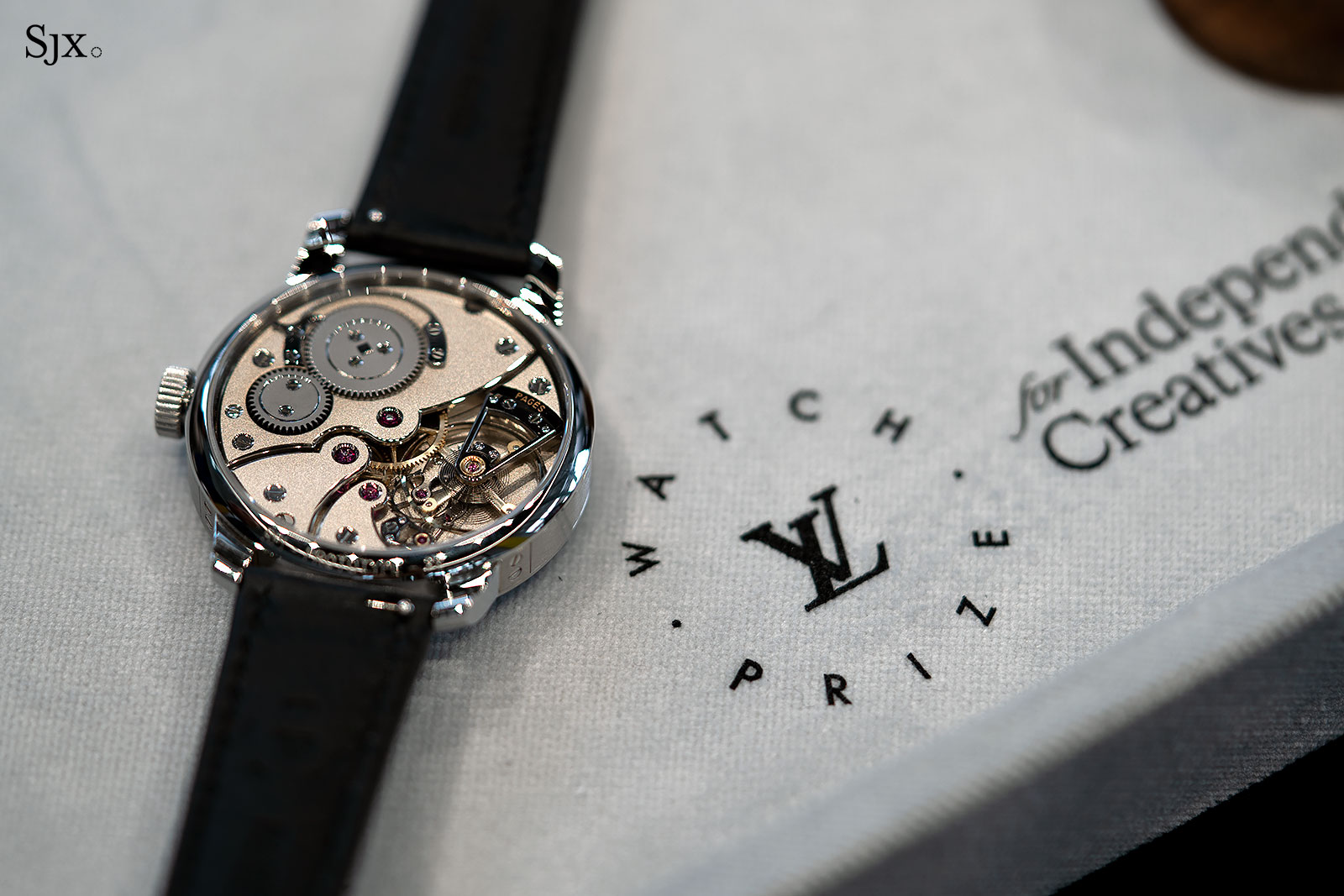
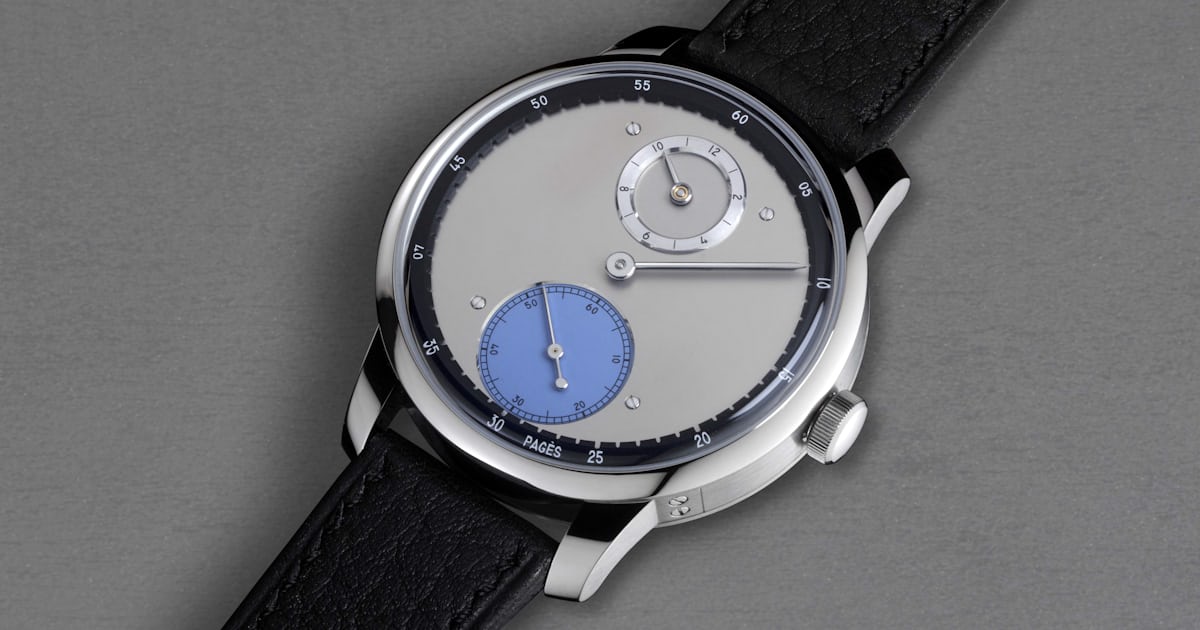
Why it isn't in wristwatches: the detent is sensitive to shock (a sudden movement can mis-trigger the release) and position (the mechanism works best in a stationary horizontal pocket-watch position). Marine chronometers were carried in gimballed boxes specifically to keep them horizontal. A wristwatch experiences far worse position and shock conditions than a chronometer-box pocket-watch, so the detent's accuracy advantage disappears under real wrist conditions. Modern wristwatches with detent escapements (Urban Jürgensen, Vianney Halter Antiqua, Christophe Claret pieces) are connoisseur references rather than practical accuracy plays.


Comments 2