 SJX Watches
Explained: The Detent Escapement
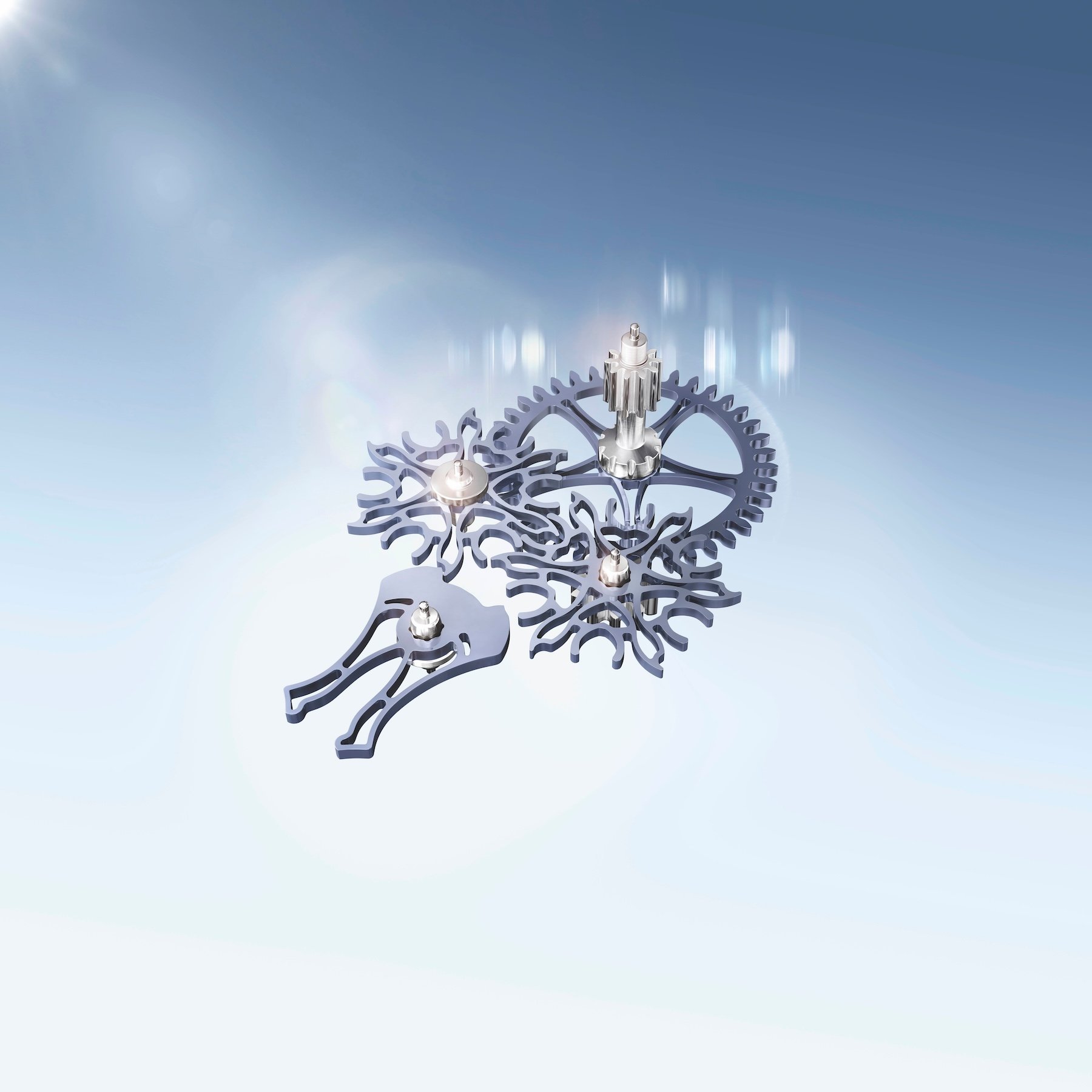
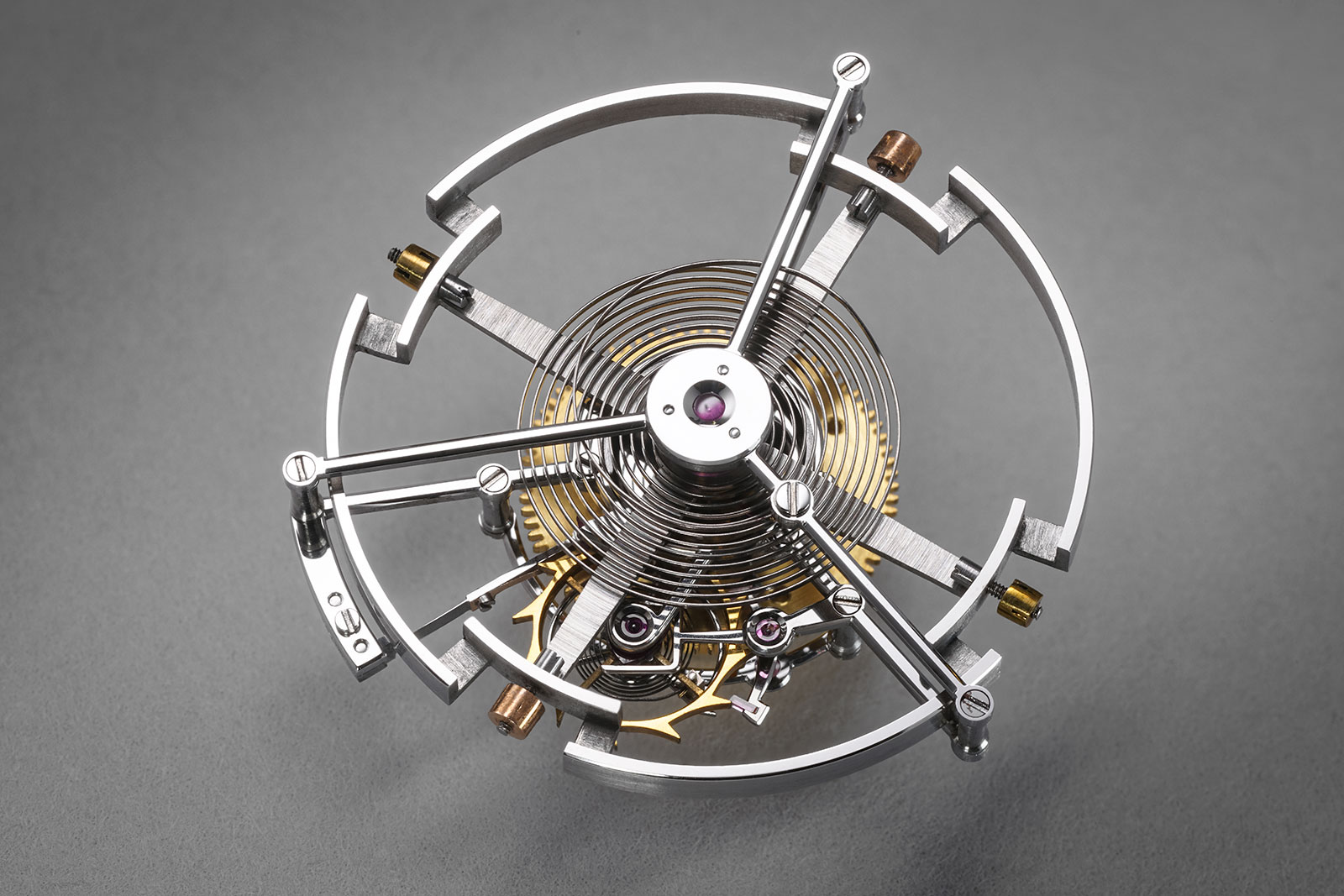
Among the many different escapement types, one in particular stands out, the detent escapement. Taking its name from détente, French for “trigger”, this system is often considered to be the purest type of escapement due to its efficiency and virtually lubrication-free operation. Any sort of mechanical clock or watch requires an escapement, a mechanism that transfers torque from the power source to the regulating organ. The escapement bridges the steady rotation of the gears in the going train and the oscillation of the balance. As a result, the escapement fulfils a double function, both maintaining the swing of the balance and regulating the discharge speed of the mainspring and going train. The detent escapement was invented in the second half of the 18th century, somewhat simultaneously but independently by the English watchmakers Thomas Earnshaw (1749-1829) and John Arnold (1736-1799). A somewhat similar escapement was prototyped by the Frenchman Pierre Le Roy (1717–1785) some three decades earlier, but the modern detent escapement is derived mostly from Earnshaw’s design. Initially, the escapement was conceived for use in marine chronometers, explaining why it is also known as a chronometer escapement. The chronometer escapement also inspired many innovative subsequent escapements, like the Breguet’s natural escapement, the Robin escapement, and the Daniels co-axial. Drawings of detent escapement types taken from ‘The Marine Chronometer: Its History and ...