Watch brandsWatch wikiWatch videosVariousWatch calendarSaved articles
PopularRolexOmegaPatek PhilippeAudemars PiguetTudorGrand SeikoCartierSeikoIWCTAG HeuerBreitlingJaeger-LeCoultreA. Lange & SohneZenith
WristBuzzWatch WikiMagic Gold (Hublot)
🪨 Material · Hublot · Scratch-Resistant 18k Gold

Magic Gold (Hublot)

Hublot's patented gold-ceramic composite: an 18-karat-certified gold alloy that is harder than steel and scratch-resistant.

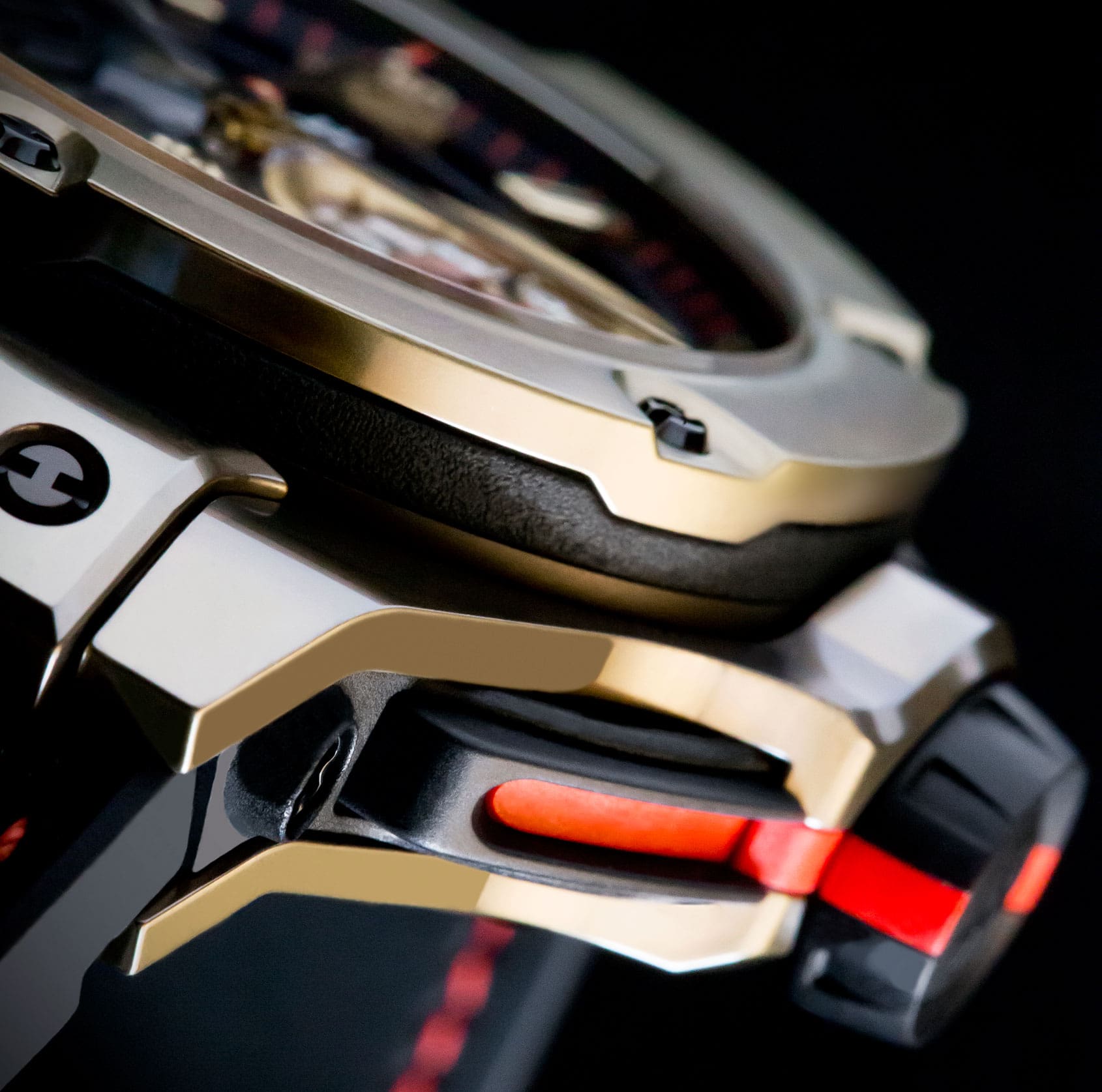
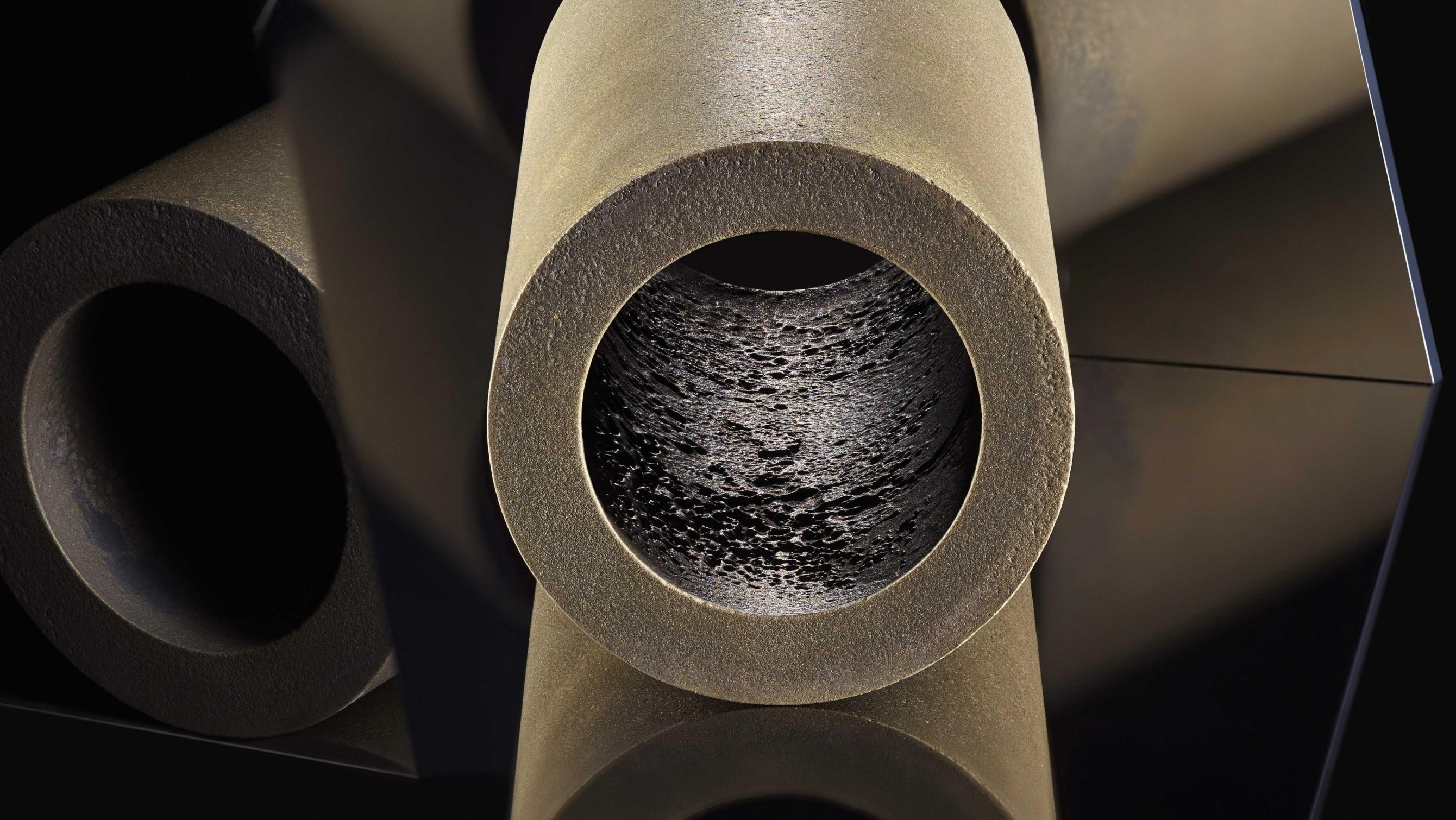
Magic Gold is Hublot's patented gold-ceramic composite launched in 2011, certified as 18-karat gold while being roughly 1,000 Vickers hard (vs ~150-200 for conventional 18k gold). The material is produced by infiltrating a porous boron-carbide ceramic skeleton with molten 24k pure gold at high pressure; the resulting bulk material is by mass >75% gold (qualifying for the 18k mark) but contains a continuous ceramic network that gives it scratch resistance comparable to steel. Magic Gold is unique to Hublot via patent and is used across the Big Bang Magic Gold and Classic Fusion Magic Gold lines.

TypeGold-ceramic composite (18k certified)
CompositionBoron-carbide ceramic skeleton + 24k gold infiltration
Hardness~1,000 Vickers (vs ~150-200 for conventional 18k gold)
Patented2011 by Hublot; unique to the brand
ProcessHigh-pressure molten-gold infiltration of porous ceramic
Use casesBig Bang Magic Gold; Classic Fusion Magic Gold
WristBuzz Articles13
Magic Gold (Hublot)

Photo: Time+Tide · Jul 28, 2024

2011Patented
18kCertified
~1000Vickers HV
HublotExclusive
13WristBuzz Articles

The Magic Gold (Hublot) Story

Conventional 18-karat gold alloys (75% gold + 25% other metals) have a Vickers hardness around 150-200, soft enough that gold watches scratch from contact with desks, doorframes, and jewellery; the soft metal is part of the haute-horlogerie aesthetic but a maintenance issue for everyday wear. Stainless steel sits at 200-250 Vickers; titanium grade 5 at ~350 Vickers; tegimented hardened steel (Sinn, Damasko) at ~1,200 Vickers. Gold has been the softest of the common watch materials.

In 2011 Hublot, under Jean-Claude Biver's leadership, patented Magic Gold: a gold-ceramic composite that is hard enough to qualify as scratch-resistant while still meeting the legal definition of 18-karat gold. The process: a boron-carbide ceramic skeleton (a hard, lightweight ceramic with Mohs hardness 9.3 between sapphire and diamond) is fired with a controlled porosity; molten 24k pure gold is then infiltrated into the porous structure under high pressure, completely filling the voids. The resulting bulk material is by mass over 75% gold (qualifying as 18k) with a continuous ceramic skeleton that gives it Vickers hardness around 1,000.

"Gold has always been beautiful and soft. We made it hard. The boron-carbide ceramic gives it the scratch resistance of steel without breaking the 18-karat mark."- Hublot technical announcement, 2011

The technical achievement is dual: maintaining the legal 18k mark while approximating the scratch resistance of tegimented steel. Magic Gold can be scratched only by materials harder than the boron-carbide ceramic content: sapphire, diamond, tungsten carbide. Normal-wear contact (keys, sand, doorframes, conventional metal jewellery) does not scratch it. The visual finish is a slightly warmer, less pure gold colour than conventional 18k; the ceramic content gives it a subtle "greyer" undertone visible in side-by-side comparison.

Magic Gold is used exclusively in Hublot watches via patent (the patent expires in roughly 2031). The technology was first demonstrated on the Big Bang Magic Gold in 2011 and has since been used in approximately 20-30 reference variations across the Big Bang and Classic Fusion lines. Production is small (the infiltration process is complex and slow); typical edition sizes are 50-500 pieces per reference.

The limitations are practical: Magic Gold cases cannot be polished or refurbished in the conventional sense (the surface ceramic is too hard for the gold-finishing tools used in normal restoration); deep impacts can chip the ceramic skeleton, exposing the underlying gold-only matrix; and the material is significantly heavier per unit volume than ordinary gold (the boron-carbide ceramic is denser than the gold it displaces). The density signature is one way to authenticate Magic Gold: a Magic Gold watch on a precision scale is heavier than the equivalent ordinary 18k gold watch by approximately 10-15%.

Magic Gold sits within Hublot's broader "Art of Fusion" material strategy: combining unconventional materials (rubber, ceramic, carbon, sapphire) with traditional precious metals to create technical and visual identities that differentiate the brand within the LVMH watch portfolio. Sister Hublot materials include King Gold (a stabilised rose-gold alloy with platinum), Texalium (an aluminium-glass-fiber composite), and various carbon-fibre and silicon-carbide constructions. Magic Gold is the most technically distinctive of the catalogue.

Magic Gold References

2011 · Hublot
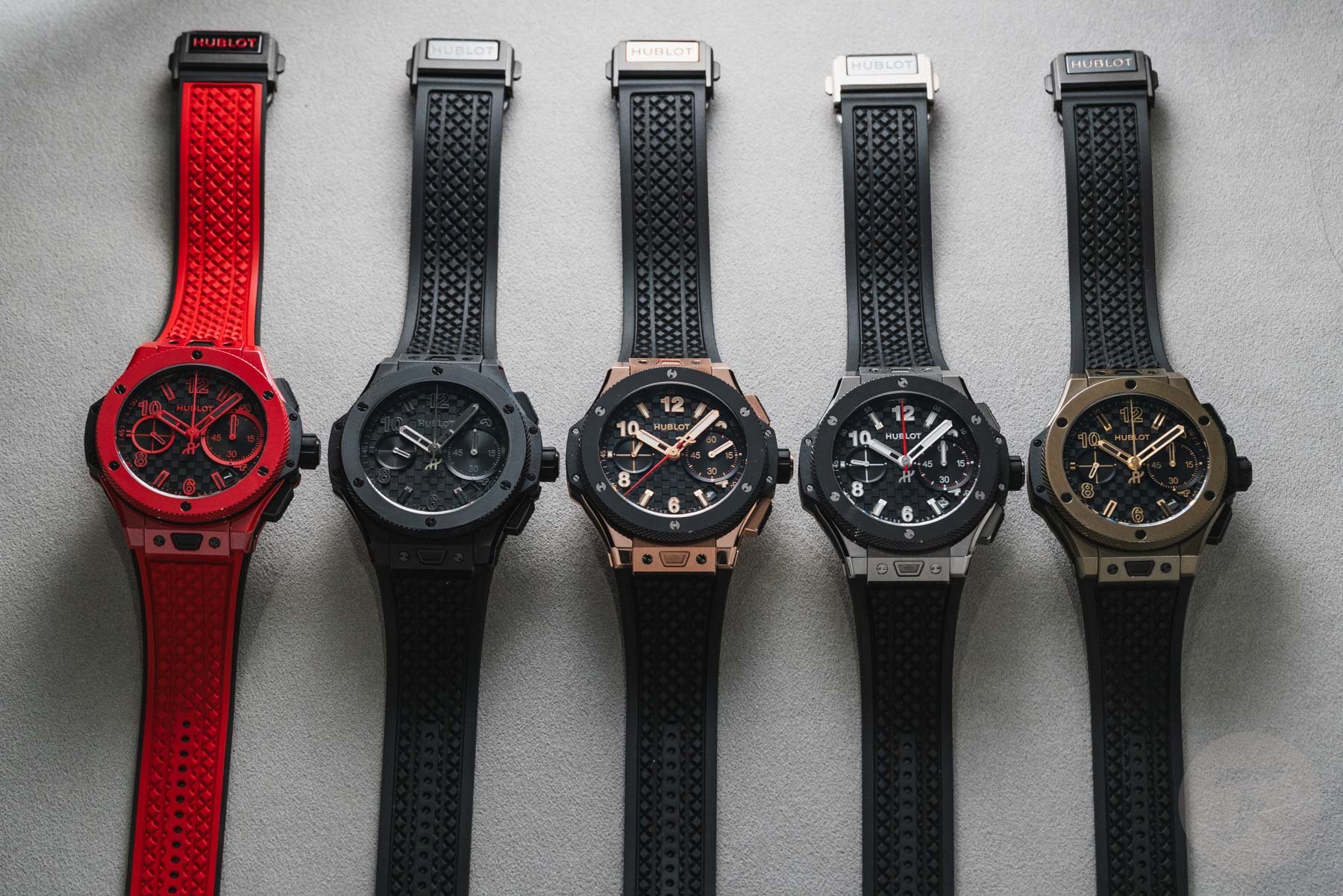
Big Bang Magic Gold (first reference)
Big Bang 41mm

The reference that launched Magic Gold. 41mm Big Bang case in the new gold-ceramic composite.

Original 2011
Modern · Hublot
Big Bang Unico Magic Gold
Big Bang Unico

Modern in-house Cal. Unico chronograph in Magic Gold case. The flagship modern Magic Gold.

Modern Flagship
Modern · Hublot
Classic Fusion Magic Gold
Classic Fusion

Magic Gold in the slimmer Classic Fusion case; broader-wear option vs the Big Bang chunkiness.

Classic Fusion
Sister · Hublot
King Gold (stabilised rose-gold)
King Gold

Sister proprietary alloy; rose-gold variant with platinum content for colour stability. Conventional hardness.

Sister Alloy
Sister · Hublot
Texalium (aluminium-glass composite)
Texalium

Hublot's aluminium-glass-fibre composite material; lightweight, distinctive matt finish. Used in selected Big Bang references.

Texalium

Latest Magic Gold (Hublot) News

Worn & Wound
Watches & Wonders: A Quick Rundown of the New Hublot Big Bangs
Apr 16, 2026
Fratello
Hands-On With A Quintet Of Hublot Big Bang 20th Anniversary Watches
Apr 21, 2025
SJX Watches
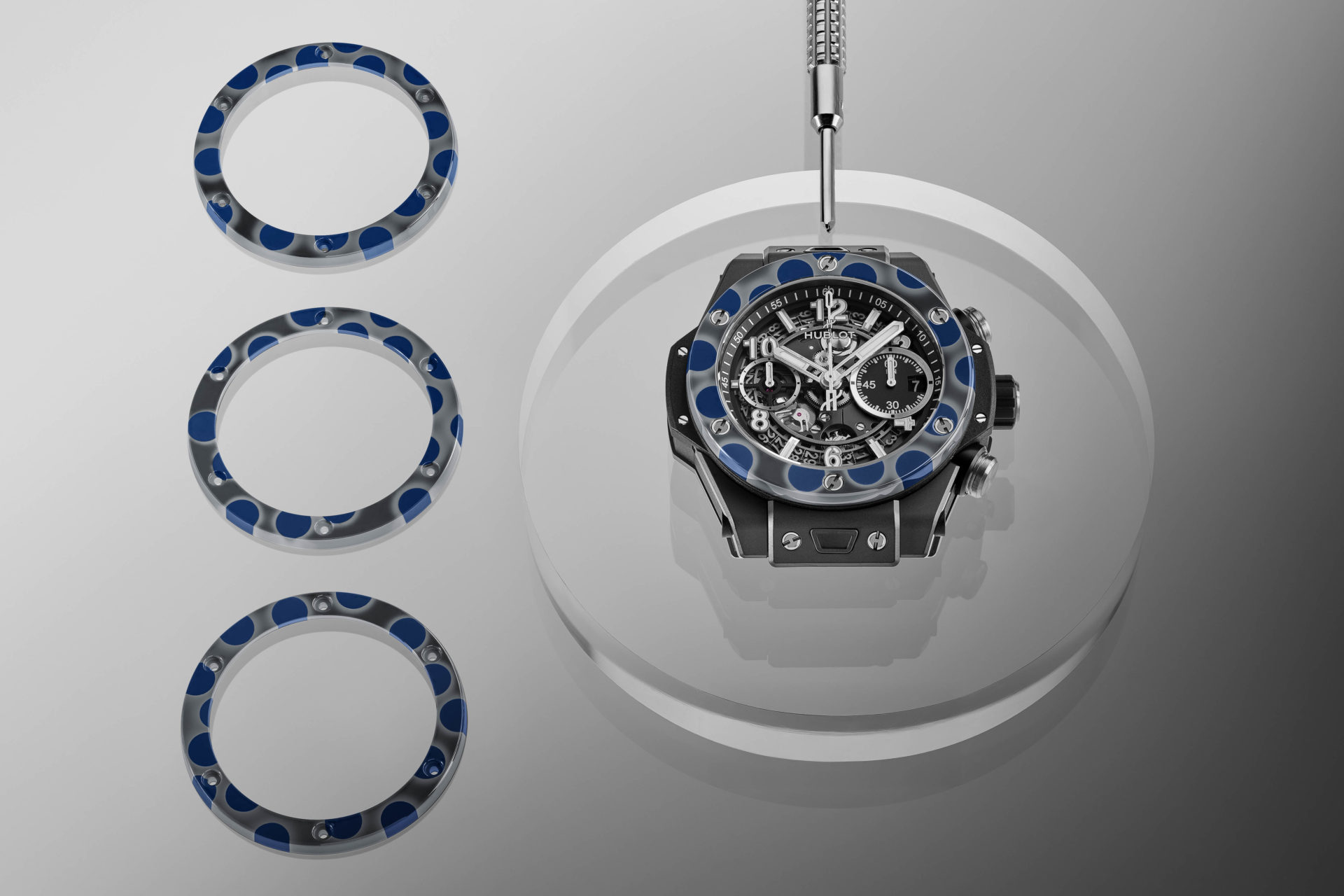
Hublot Debuts Multi-Colour Ceramic in Watches
Feb 20, 2025
Time+Tide
Learning about the madness of Magic Gold at the Hublot manufacture
Jul 28, 2024
Time+Tide
HANDS-ON: Hublot launches three new scratch-resistant iterations of the Big Bang Sang Bleu II in ceramic and Magic Gold
Jan 27, 2022
Hodinkee
Introducing: Hublot's Tattoo-Inspired Watch Line In Three Scratch Resistant Versions (Live Pics, Pricing)
Jan 25, 2022
Time+Tide
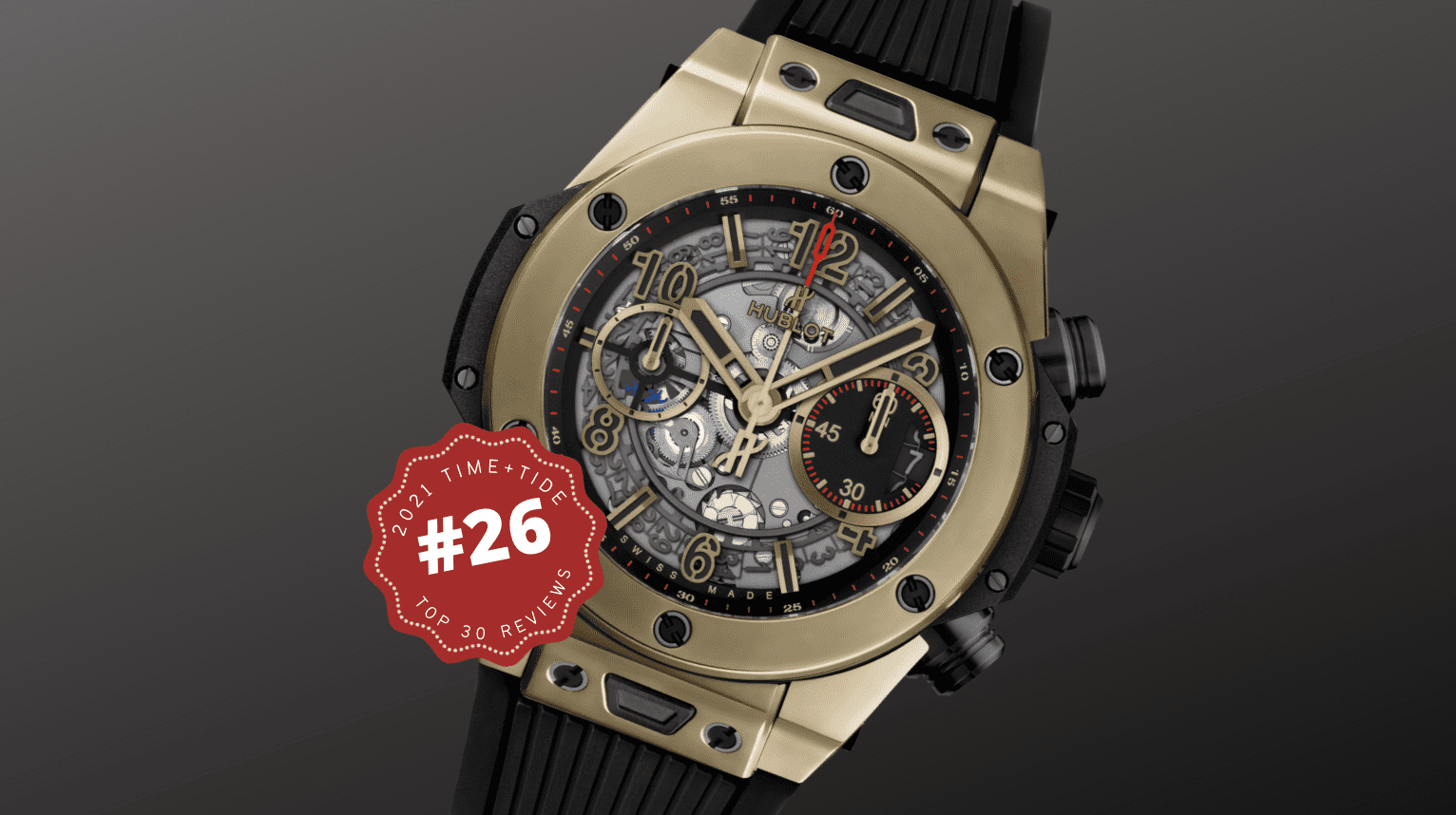
THE TOP WATCH REVIEWS OF 2021 – The Hublot Big Bang UNICO Full Magic Gold (#26)
Dec 26, 2021
Time+Tide
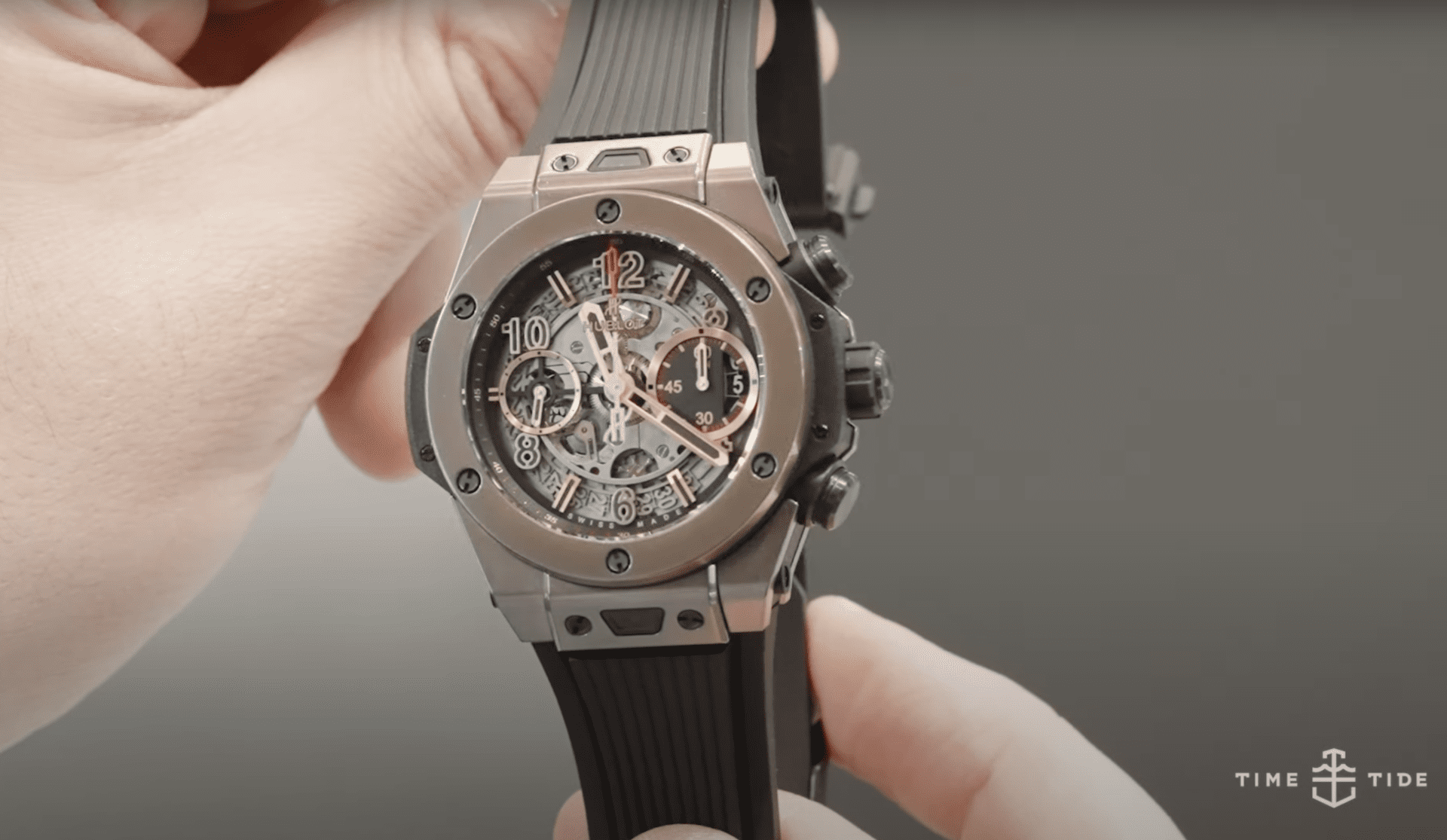
HANDS-ON: The Hublot Big Bang UNICO Full Magic Gold
Dec 17, 2021
Hodinkee
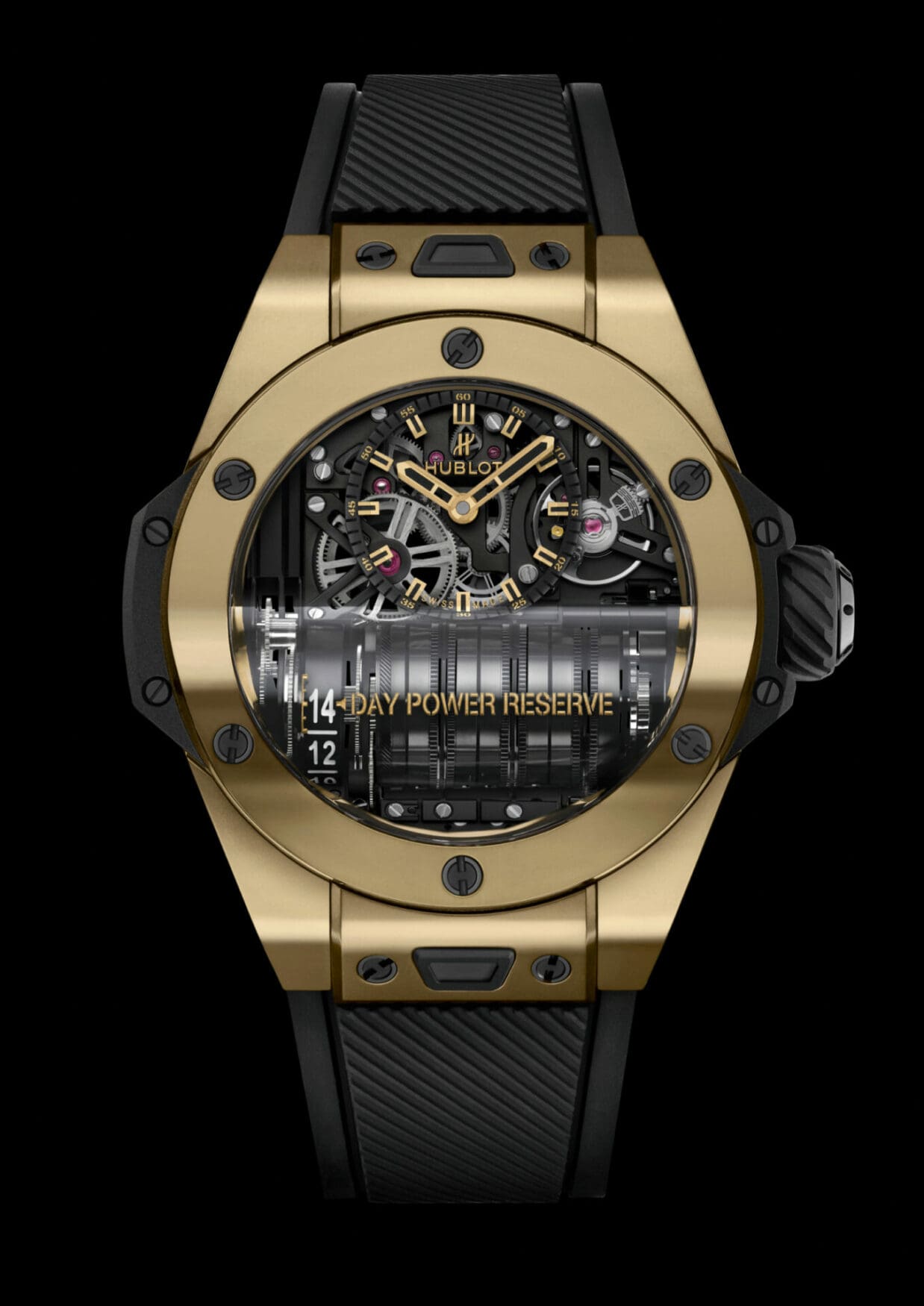
Introducing: The Hublot Big Bang MP-11 Magic Gold
Jun 23, 2021
Time+Tide
INTRODUCING: The Hublot Big Bang MP-11 Magic Gold weaves a golden web to trap you in a world of micro-mechanical wonder
Jan 25, 2021
Time+Tide
INTRODUCING: The harder, faster, stronger Hublot Big Bang Ferrari in Magic Gold
Mar 12, 2019
Time+Tide
HANDS-ON: The Hublot Spirit of Big Bang Yellow Sapphire – the not so mellow yellow
Feb 23, 2019
View all 13 articles

Learn More