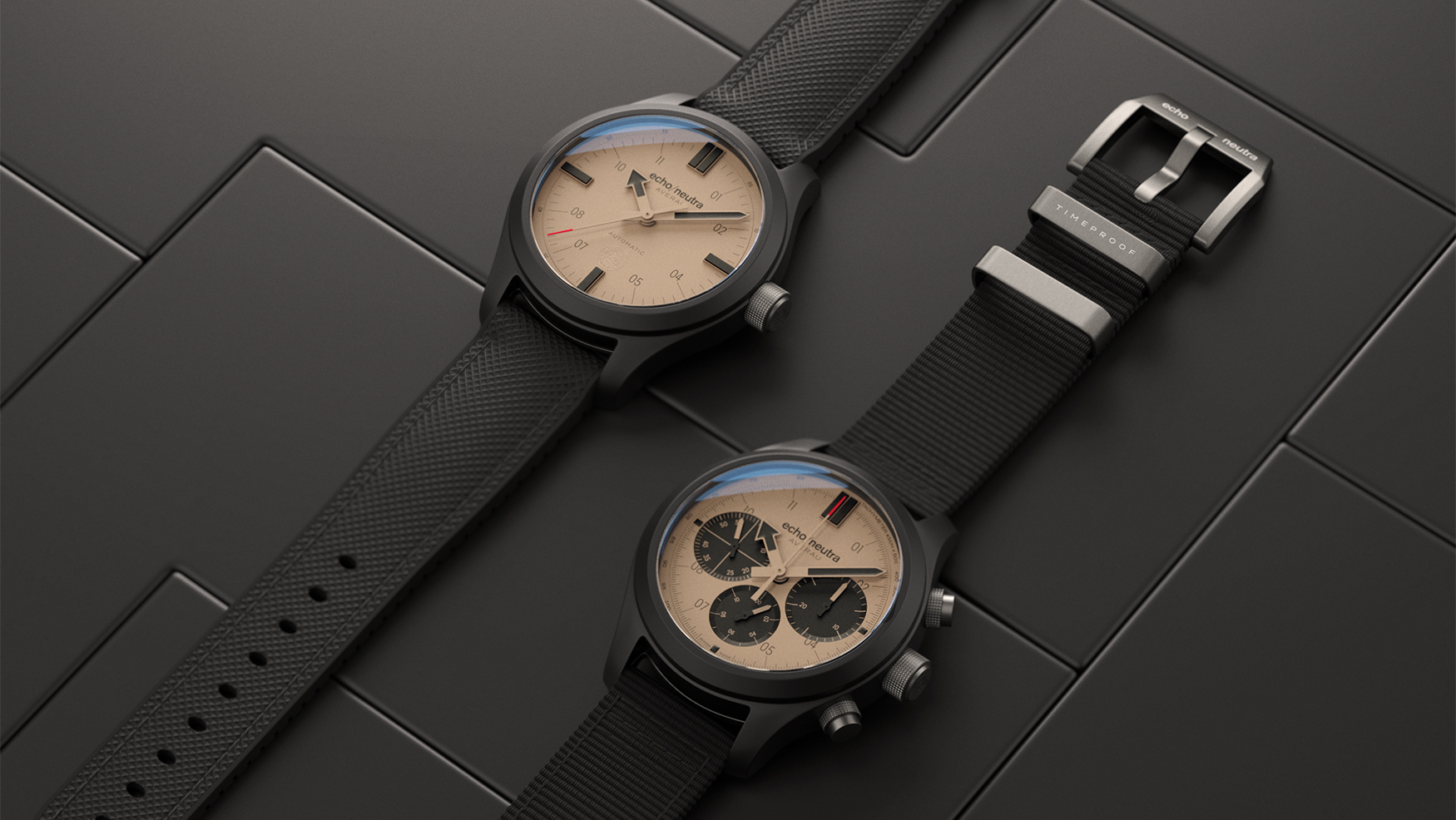
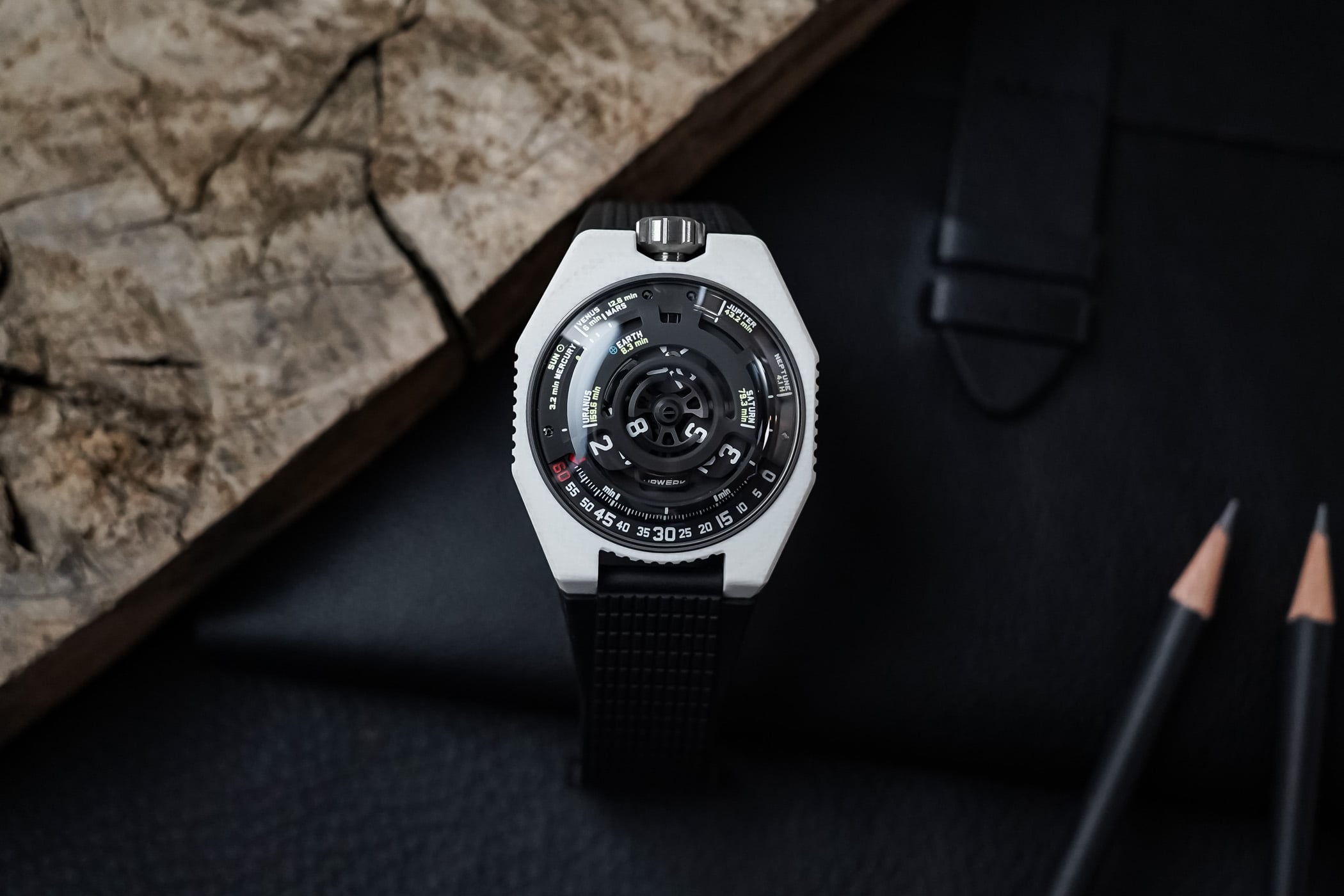
Watch ceramic is almost always zirconium dioxide (ZrO₂), a dense, hard, colour-fast engineering ceramic. Raw zirconia powder is mixed with a binder, pressed into a near-net-shape green part, then fired at 1,400-1,500°C in a kiln for several hours. The green part shrinks by roughly 20 percent during sintering and emerges as a fully dense, Mohs-9 ceramic component. Shape precision is then achieved via diamond-tool CNC machining after firing. The material is scratch-proof to everything but diamond, hypoallergenic, and permanently colour-fast (pigments are locked into the sintered matrix and cannot fade under UV).
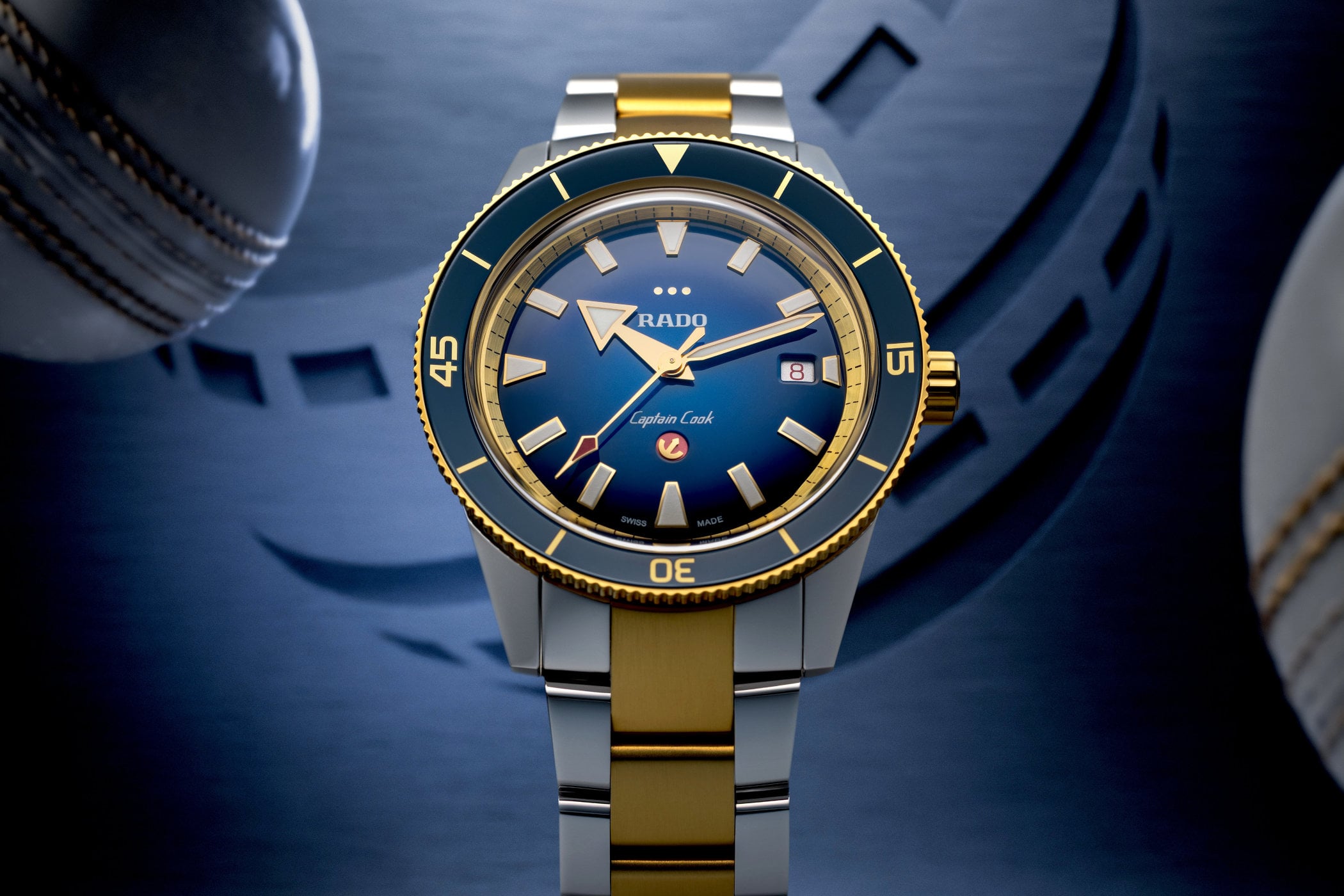
Rado pioneered ceramic watchmaking in 1986 with the Rado Integral, a bracelet watch with a ceramic case and ceramic centre bracelet links. Ceramic made sense for Rado, which had already positioned itself as "scratchproof" since the tungsten-carbide DiaStar of 1962. Through the 1990s Rado expanded its ceramic portfolio (Ceramica, True) and became synonymous with the material.
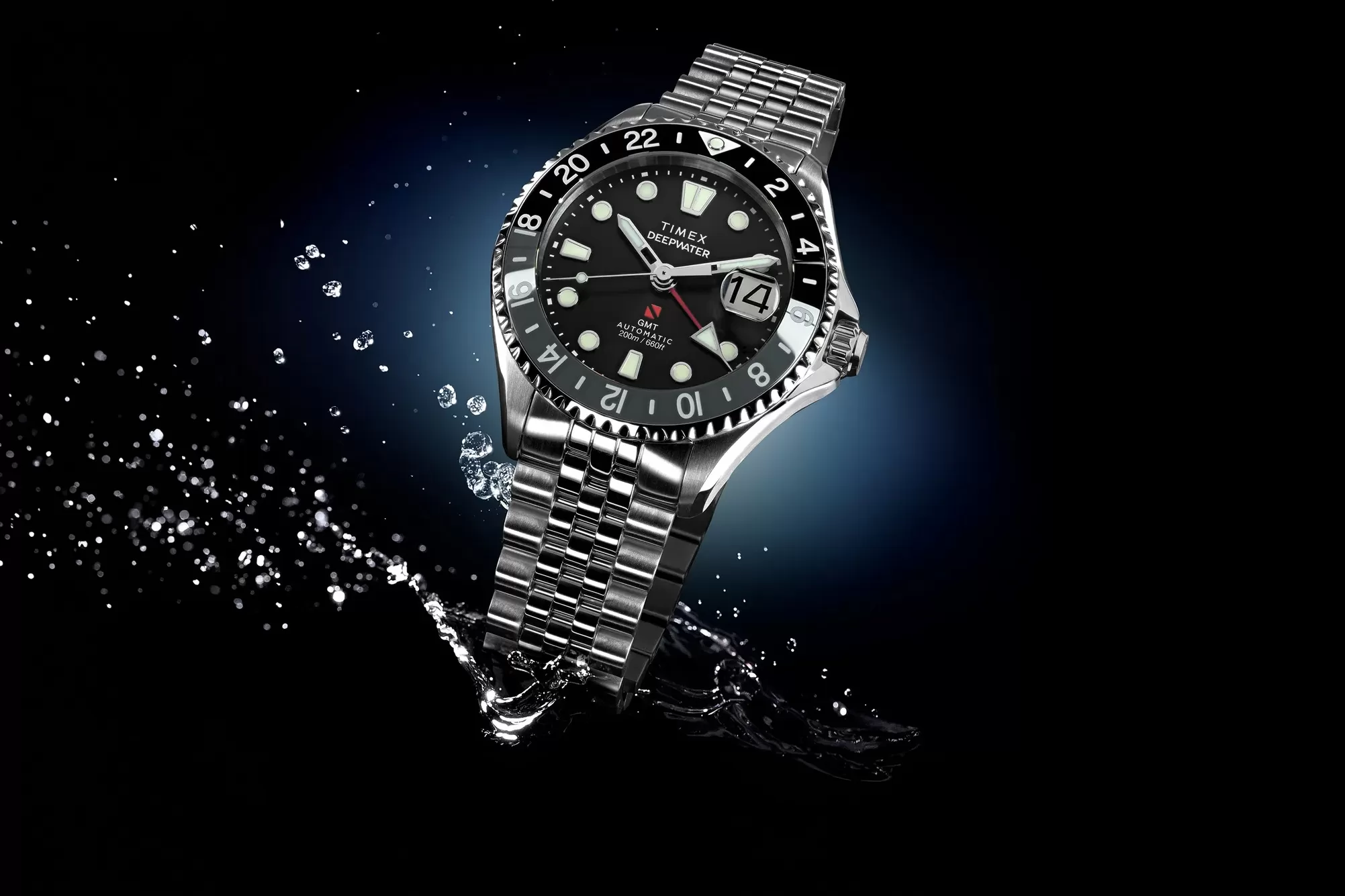
The mainstream breakthrough for ceramic was Rolex's Cerachrom bezel insert in 2005, introduced on the Daytona and the GMT-Master II. Cerachrom is a patented zirconia formulation with platinum-plated engraved numerals. It solved a chronic problem: aluminium bezel inserts faded and scratched, requiring replacement. Ceramic inserts do neither. From 2005 onward, ceramic bezels became the standard for every Rolex sports model, and the industry followed within five years.
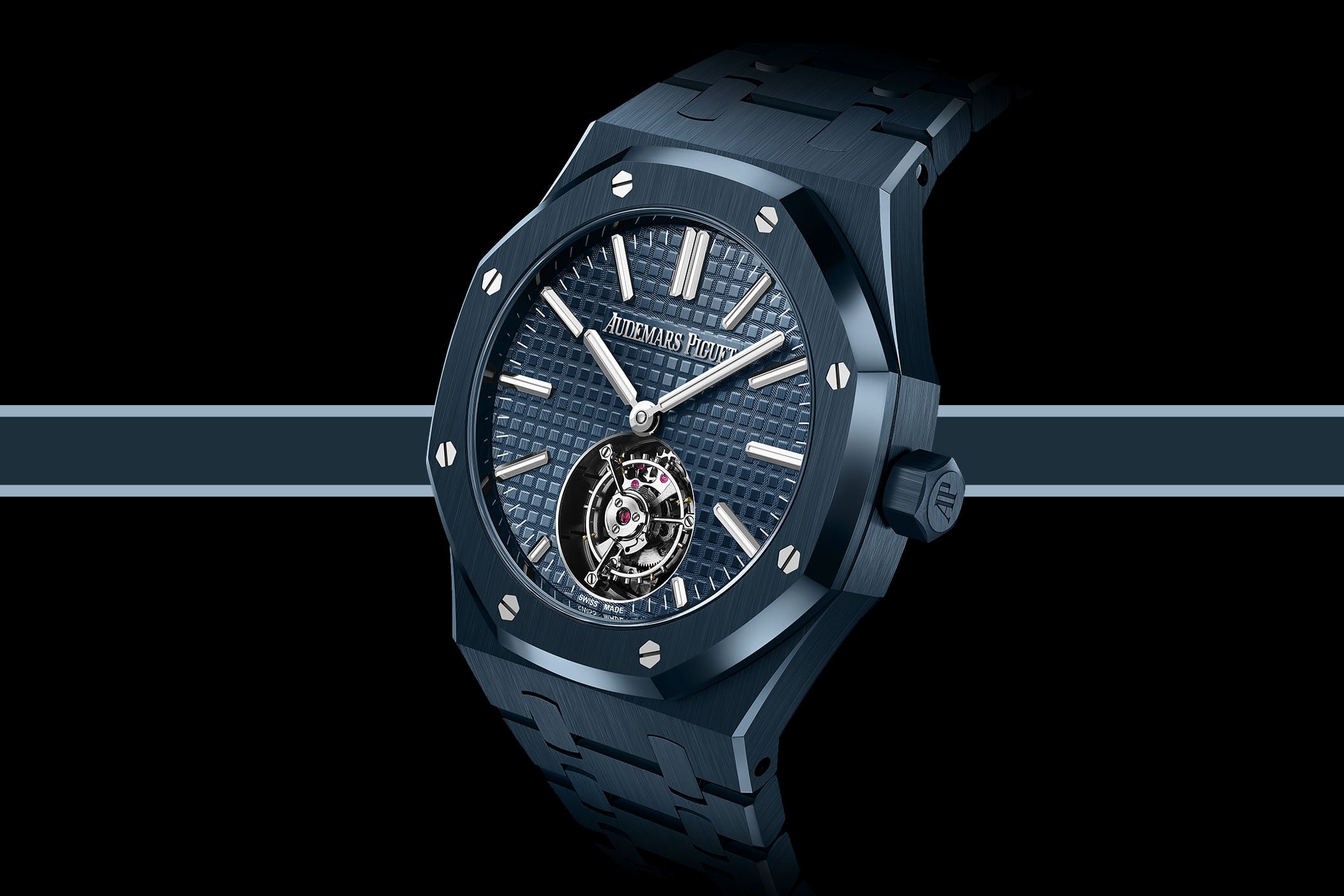
Full ceramic cases are now ubiquitous at the top of luxury sports watches. Audemars Piguet Royal Oak Offshore Diver Ceramic, Omega Speedmaster Moonwatch Ceramic (Dark Side of the Moon, 2013), IWC Top Gun Pilot, Hublot Big Bang Ceramic, Panerai Luminor Ceramic. Modern variants include coloured ceramics (blue, green, red, brown, white) developed by Omega in the 2010s, and transparent ceramic (Hublot Big Bang Sang Bleu) showcased as a display material. Rolex's platinum-pigmented Cerachrom is pigmented via a patented platinum-oxide mix that survives the 1,500°C sintering process.




Comments 3