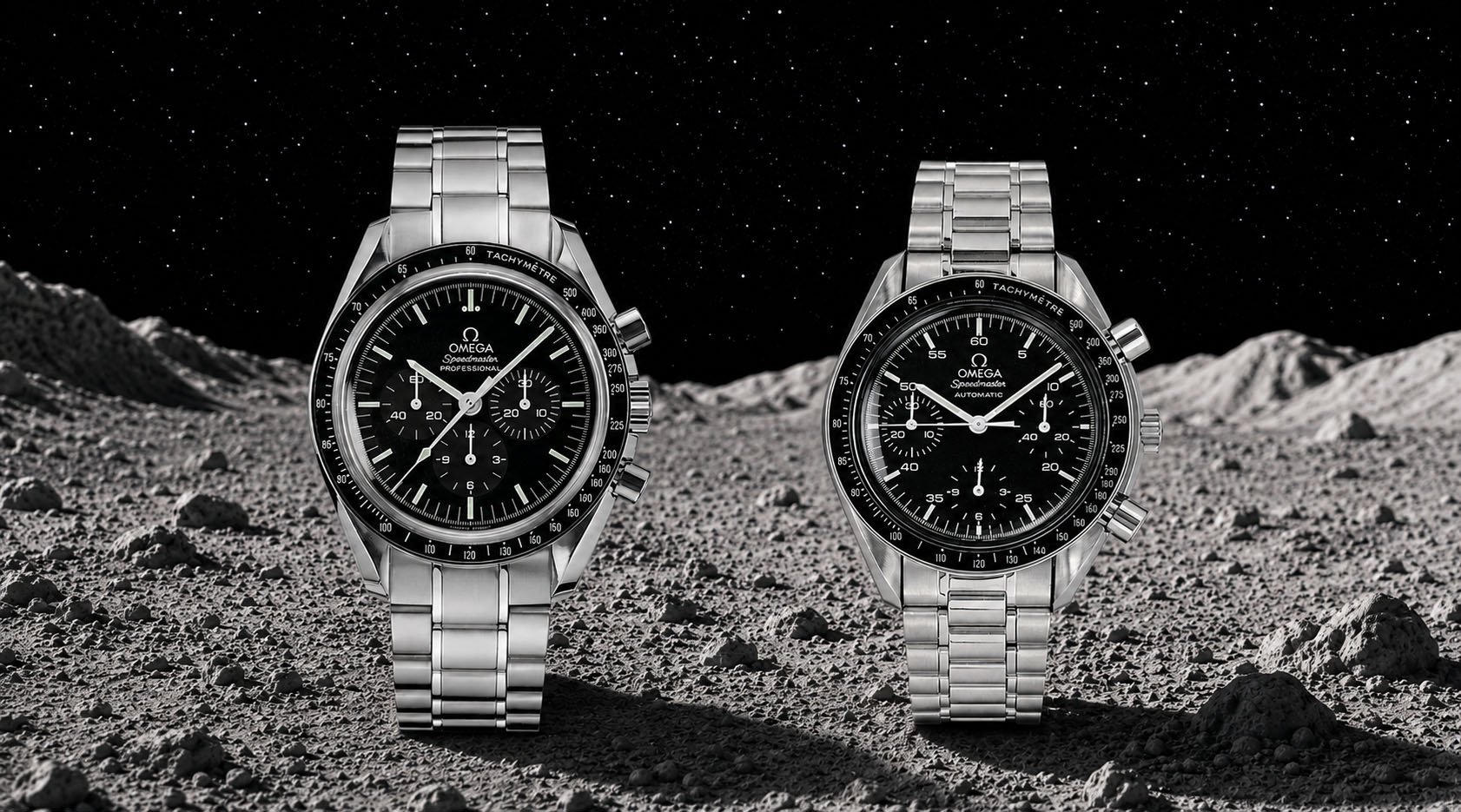
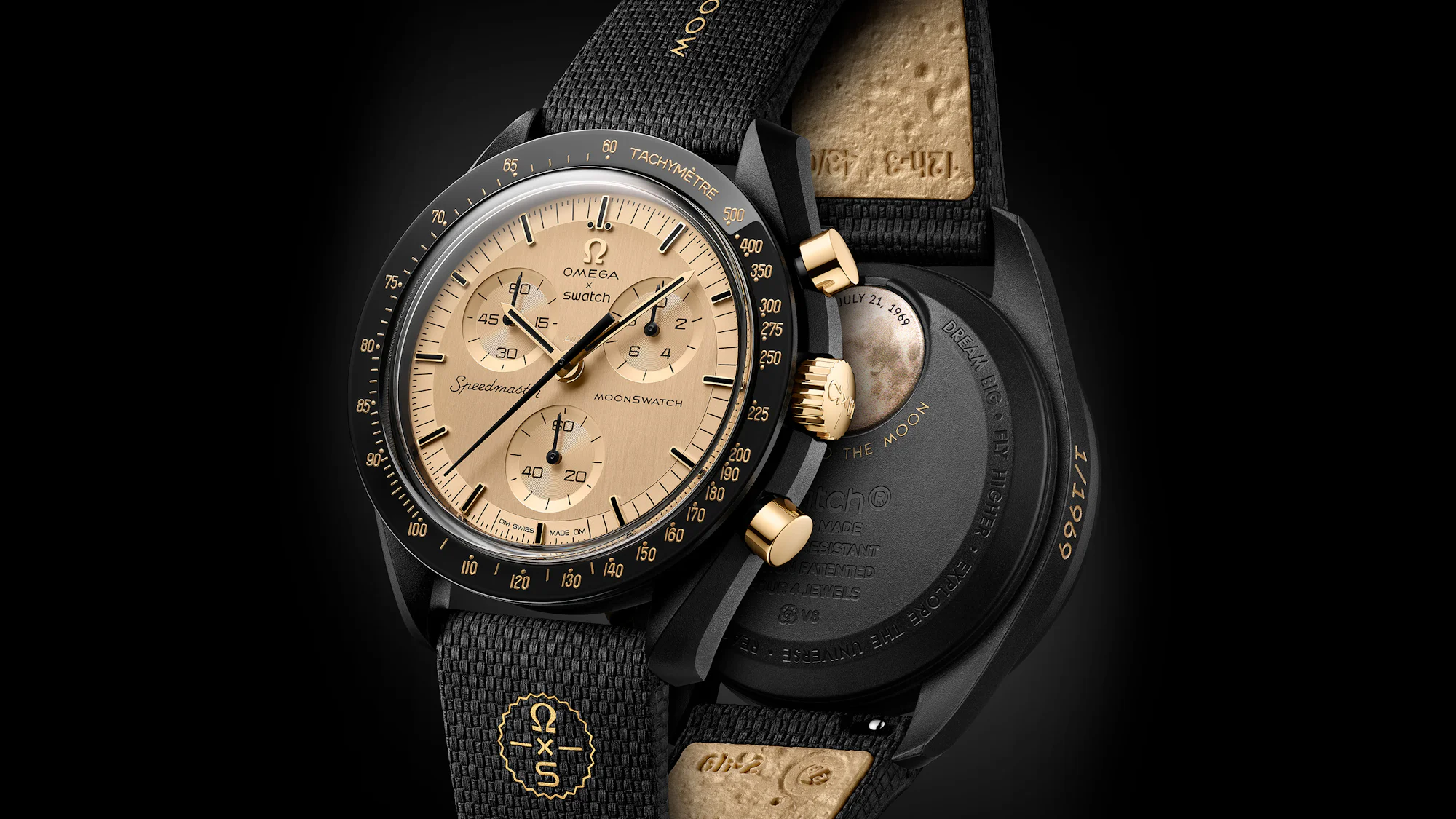
Moonwatch is the marketing nickname for the Omega Speedmaster Professional in its NASA flight-qualified configuration. The story starts in 1962, when astronaut Wally Schirra wore his own personal Speedmaster CK 2998 on the Mercury-Atlas 8 (Sigma 7) flight, the first Speedmaster in space. It was a private purchase, not a NASA-issued watch, but it caught the attention of NASA's Manned Spacecraft Center procurement office in Houston, which had begun looking for a chronograph robust enough for the upcoming Apollo programme.
NASA's qualification programme is the part of the story most often mistold. In 1964, NASA engineer James Ragan walked into the Corrigan's jewellery store in downtown Houston and bought, off the rack, examples of the Omega Speedmaster, the Rolex Cosmograph, and the Longines-Wittnauer 235T, plus Hamilton submitted a pocket watch and Hamilton chronograph after the testing began. NASA put the candidates through eleven tests: high temperature (71°C for 48 h, then 93°C for 30 min), low temperature (-18°C for 4 h), thermal vacuum, pressure (vacuum then 1.6 atm), relative humidity 95%, oxygen environment, shock (40g, six axes), linear acceleration (1g to 7.25g), vibration (8.8g RMS in three axes), acoustic noise (130 dB), and decompression. The Speedmaster was the only candidate to survive all eleven tests with the hand still moving and the chronograph still functional. NASA officially flight-qualified the ST 105.003 on 1 March 1965 for "all manned space missions."
"For their dedication, professionalism and outstanding contributions in support of the first United States manned space flight programs."- NASA Silver Snoopy Award citation, presented to Omega on 5 October 1970
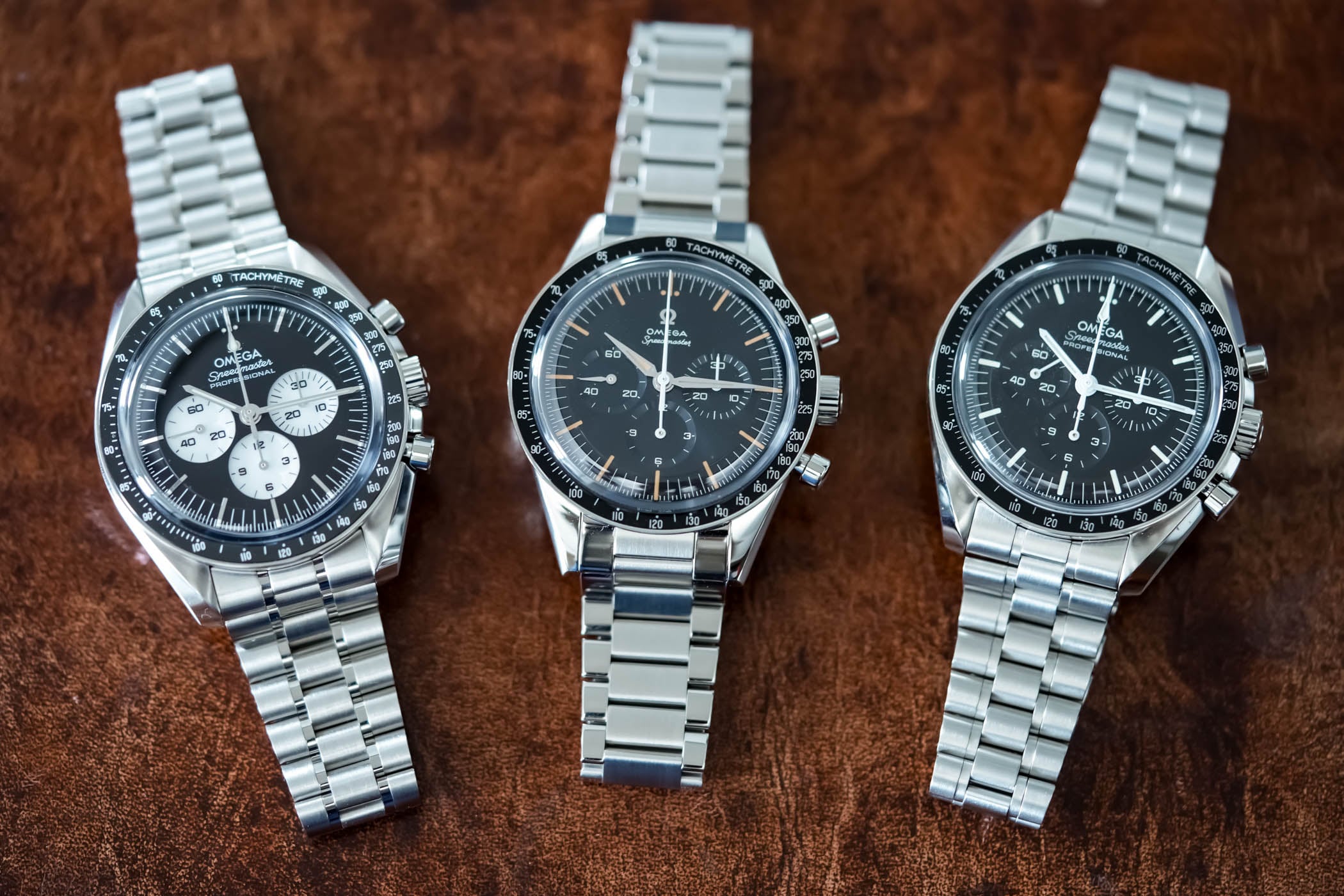
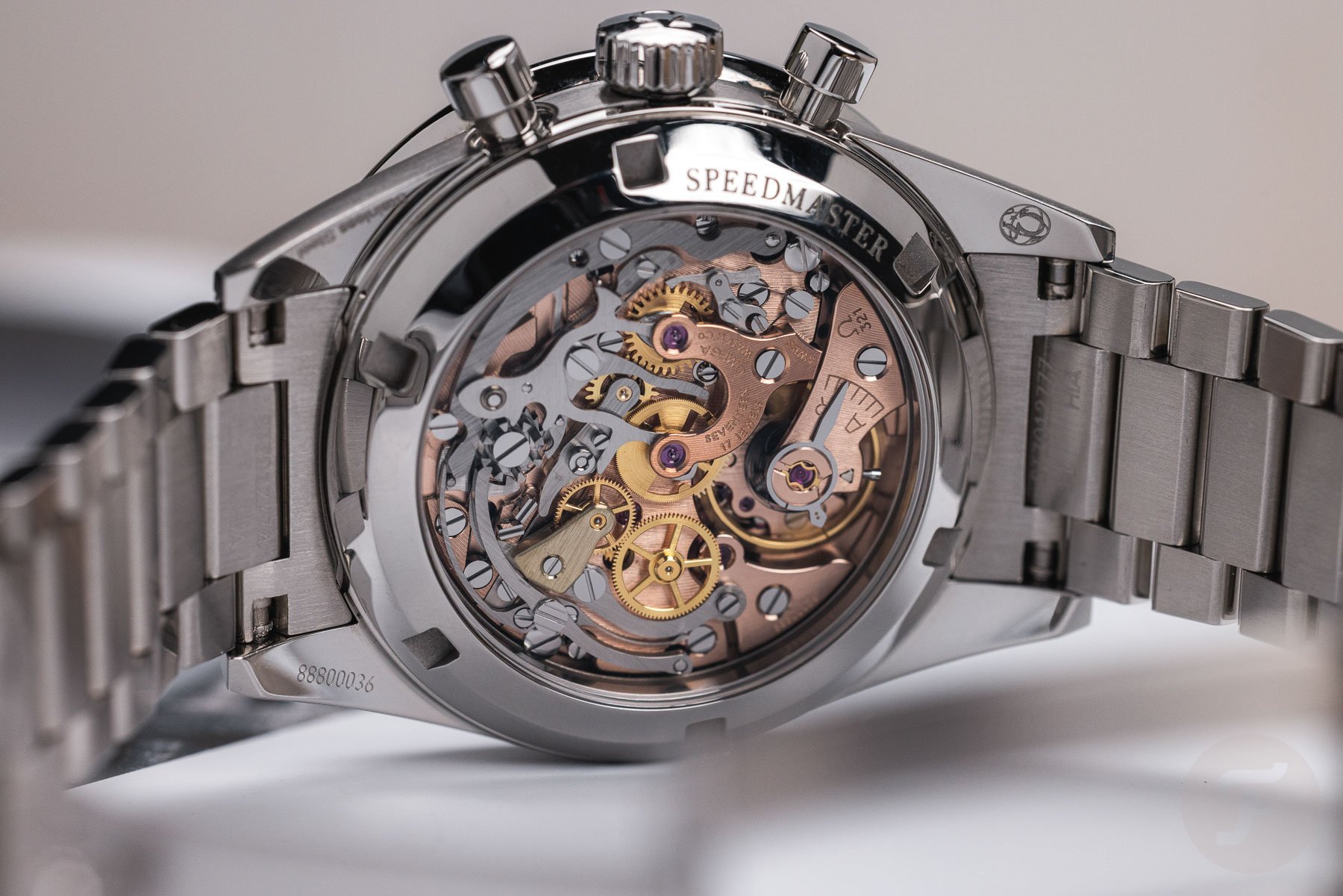
The "Moonwatch" name comes from 20 July 1969. Neil Armstrong stepped onto the lunar surface but left his Speedmaster ST 105.012 inside the Lunar Module as a backup timer (the LM's electronic mission clock had failed earlier). Buzz Aldrin wore his own ST 105.012 on the EVA, making it the only mechanical wristwatch worn on another celestial body. Aldrin's watch was later lost in transit to the Smithsonian; Armstrong's is on display today at the National Air and Space Museum. The Cal. 321-powered watches in this era are covered in detail on the Cal. 321 wiki page.
The Snoopy connection comes from Apollo 13 in April 1970. After the Service Module oxygen tank explosion crippled the spacecraft, the crew (Jim Lovell, Jack Swigert, Fred Haise) had to perform a critical engine burn to put themselves on a free-return trajectory home, with no functional onboard digital timer. They timed the 14-second burn manually using a Speedmaster ST 105.012 on Swigert's wrist. The burn worked. NASA awarded Omega the Silver Snoopy Award on 5 October 1970. Snoopy is NASA's longtime safety mascot (Charles Schulz licensed the character to NASA in 1968 for crew safety education), and the Silver Snoopy is the highest peer-recognition award given by NASA's astronaut corps, presented to fewer than 1% of the agency's workforce in a given year. This is why every Snoopy Speedmaster, from the 2003 first commemorative through the 2020 Silver Snoopy 50th, exists. They are not whimsy: they are the watch industry's only NASA peer-safety award translated into commemorative editions.
The Moonwatch designation has been continuously maintained. NASA re-qualified the Cal. 1861-powered Speedmaster Professional for the International Space Station in the 1990s and again for the post-Shuttle era. The Cal. 3861 Master Chronometer Speedmaster Professional refresh of 2021 was re-qualified by NASA in 2022 for the Artemis lunar return programme; the watch worn by the Artemis II crew on their planned 2026 lunar flyby will be a Cal. 3861 Speedmaster. The X-33 and Skywalker X-33 quartz-multifunction Speedmasters carry their own separate flight qualifications for use on the ISS but are not "Moonwatches" in the marketing sense, which remains reserved for the Cal. 321/861/1861/3861 hand-wound chronograph lineage that traces back to the 1965 qualification.





Comments 1