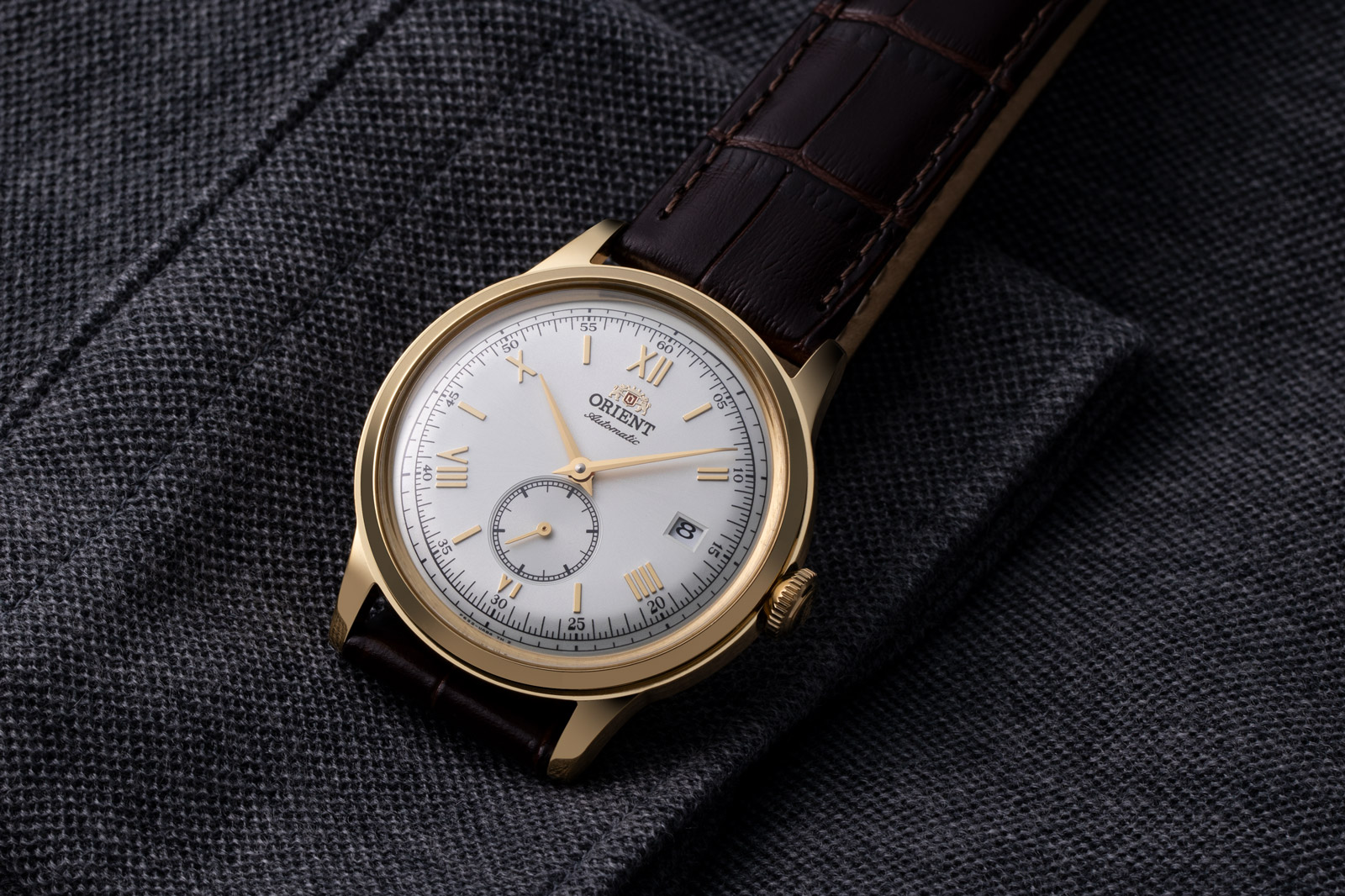
In the 19th-century American railway era, precision time-keeping was operationally critical: train collisions and missed switches were attributed to watch errors of as little as one minute. The 1893 Webb C. Ball railroad standard codified "Railroad Grade" chronometer specifications: 17+ jewels, lever escapement, ±30 sec/week accuracy, anti-magnetic, jewelled-balance, and dial requirements including large arabic numerals and a distinct minute-track scale. The dial requirement produced the railroad minute track: two parallel rails with 60 perpendicular ties, designed for unambiguous minute reading at any glance.
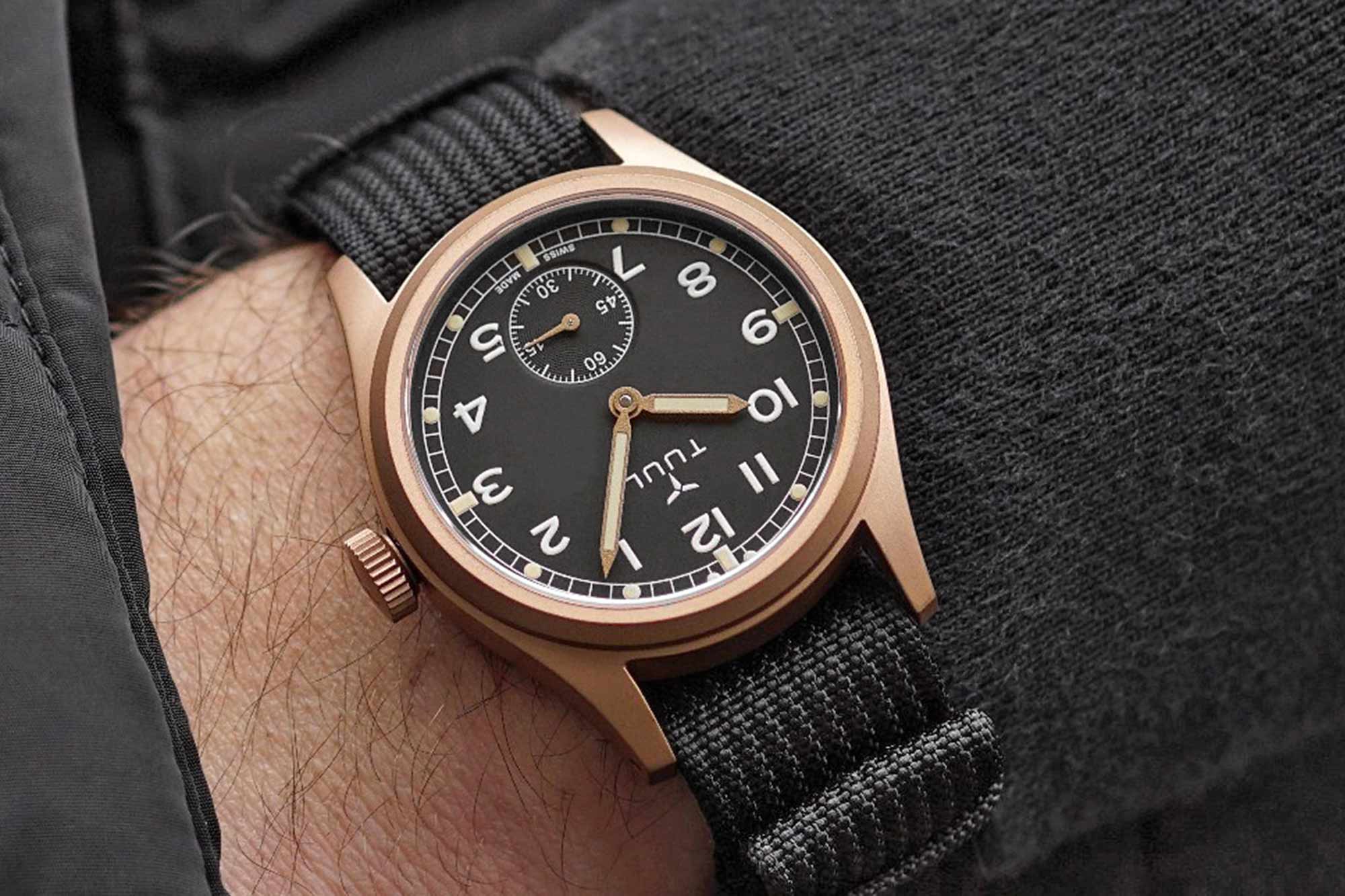
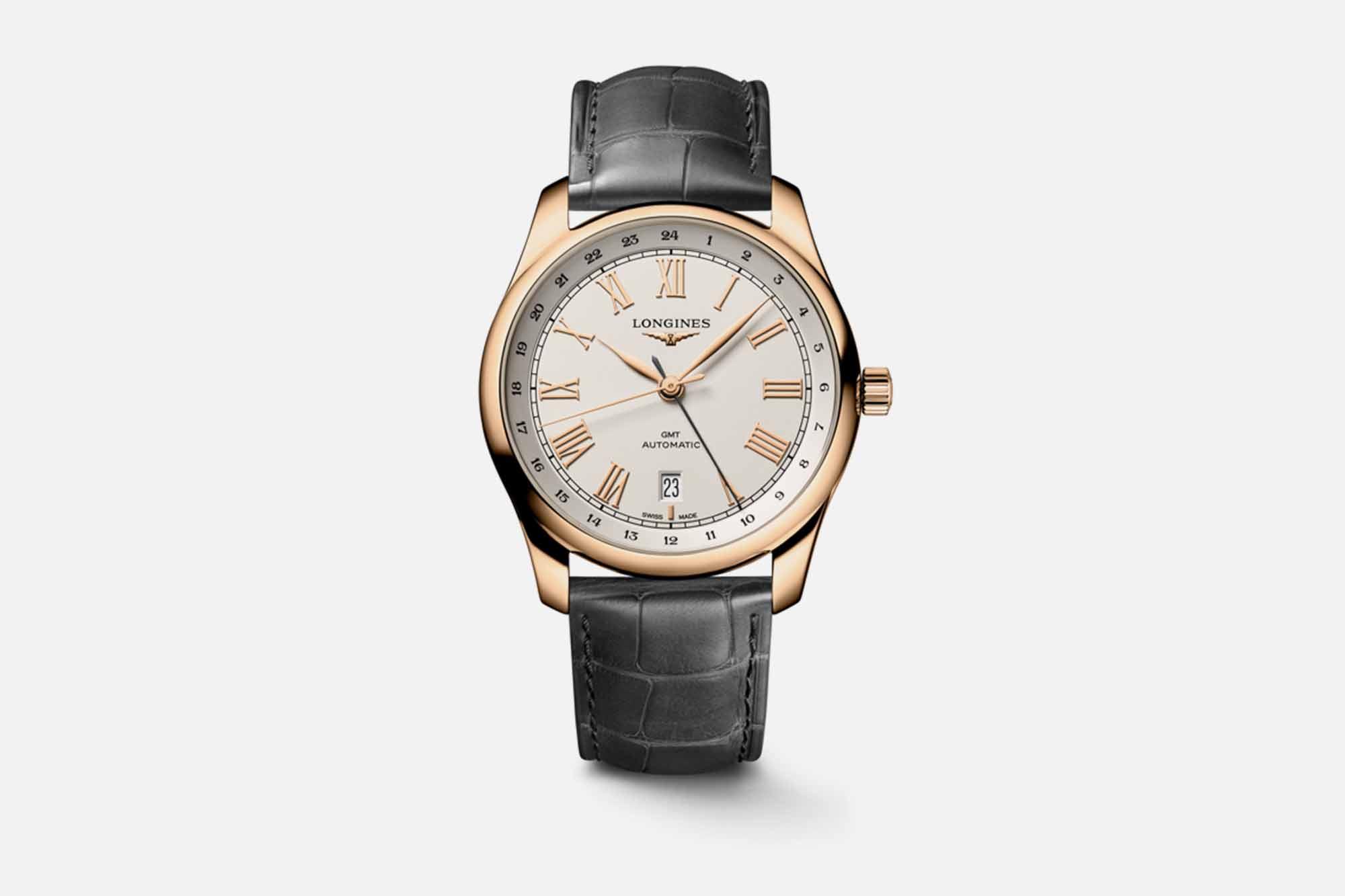
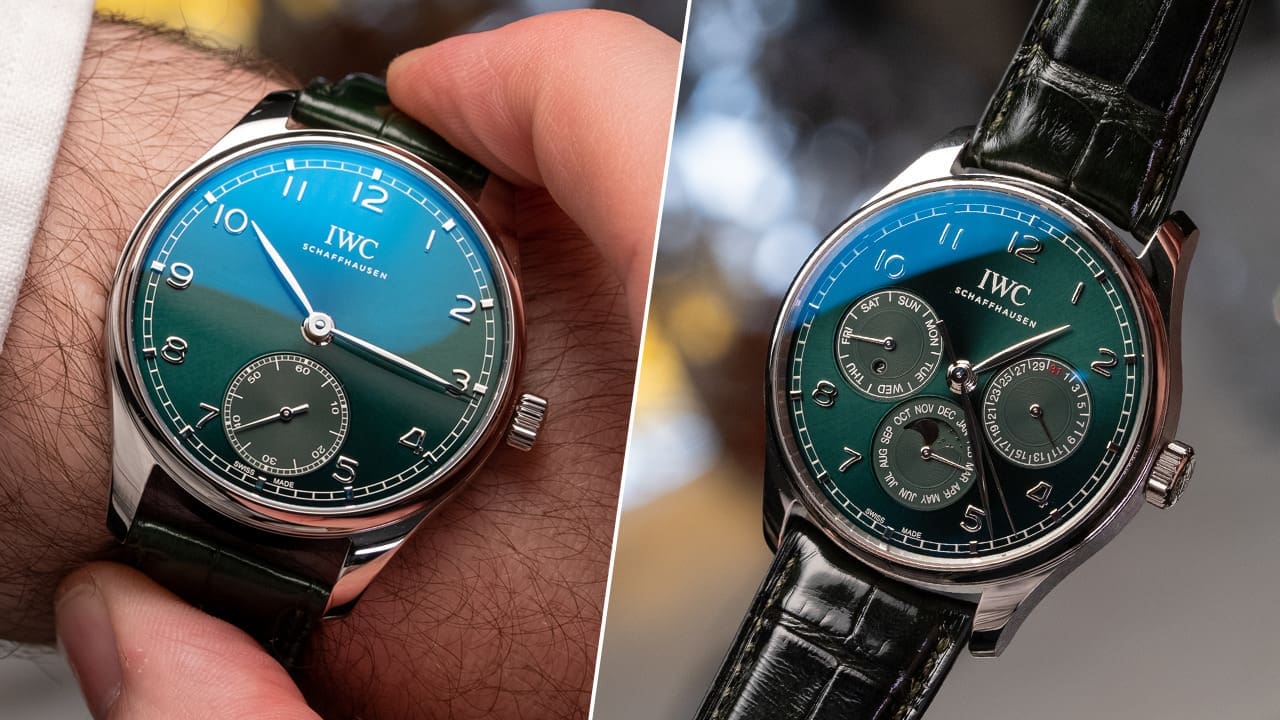
The visual signature: an outer rail and an inner rail running parallel around the dial perimeter, with short perpendicular tick marks every minute (60 ties), longer ticks every 5 minutes (12 longer ties), and sometimes further-elongated ticks at the cardinal hours (12, 3, 6, 9). The pattern resembles a railway track viewed from above; on better-finished dials the rails are printed in fine lacquer with the ties printed perpendicular to the rails to create a three-dimensional textural impression.
"The railway needed dials no railroad worker could misread. The 1893 spec gave us the railroad minute track. The dress-watch industry has been borrowing it for 130 years."- Watch historian on the railroad-grade legacy
Modern dress-watch usage: Patek Philippe Calatrava 5196 and 5227 (railroad track on white-enamel dial); Lange Saxonia Thin and Saxonia Outsize Date; Vacheron Constantin Patrimony references. The cue signals traditional dress-watch heritage with implicit reference to railroad-grade precision history.
Modern pilot-watch usage: IWC Pilot Mark XX and Big Pilot references use a railroad track around the minute scale (alongside syringe hands); Longines Heritage Aviator and Spirit references; many microbrand pilot pieces. Pilot-watch railroad tracks tend to be more strongly printed (higher contrast, thicker rails) for cockpit-distance readability.
Chronograph and seconds-track variants: many chronograph dials add an inner seconds track with railroad pattern around the central running-seconds zone, creating concentric railroad rings. Breguet Type XX and various heritage chronographs show this layout. The pattern is essentially infinitely variable in proportions and colour but always recognisable.


Comments 3