
Swiss Made is a legally regulated country-of-origin designation, not a marketing claim. A Swiss wristwatch can carry the words "Swiss Made" (or the older "Swiss" alone) on its dial and movement only if it meets a specific set of requirements laid out in Swiss federal law, administered by the Federation of the Swiss Watch Industry (FH), and enforceable by Swiss customs and consumer-protection authorities. The current standard came into force on 1 January 2017 as part of the broader Swissness legislation governing all Swiss country-of-origin marks on consumer goods.
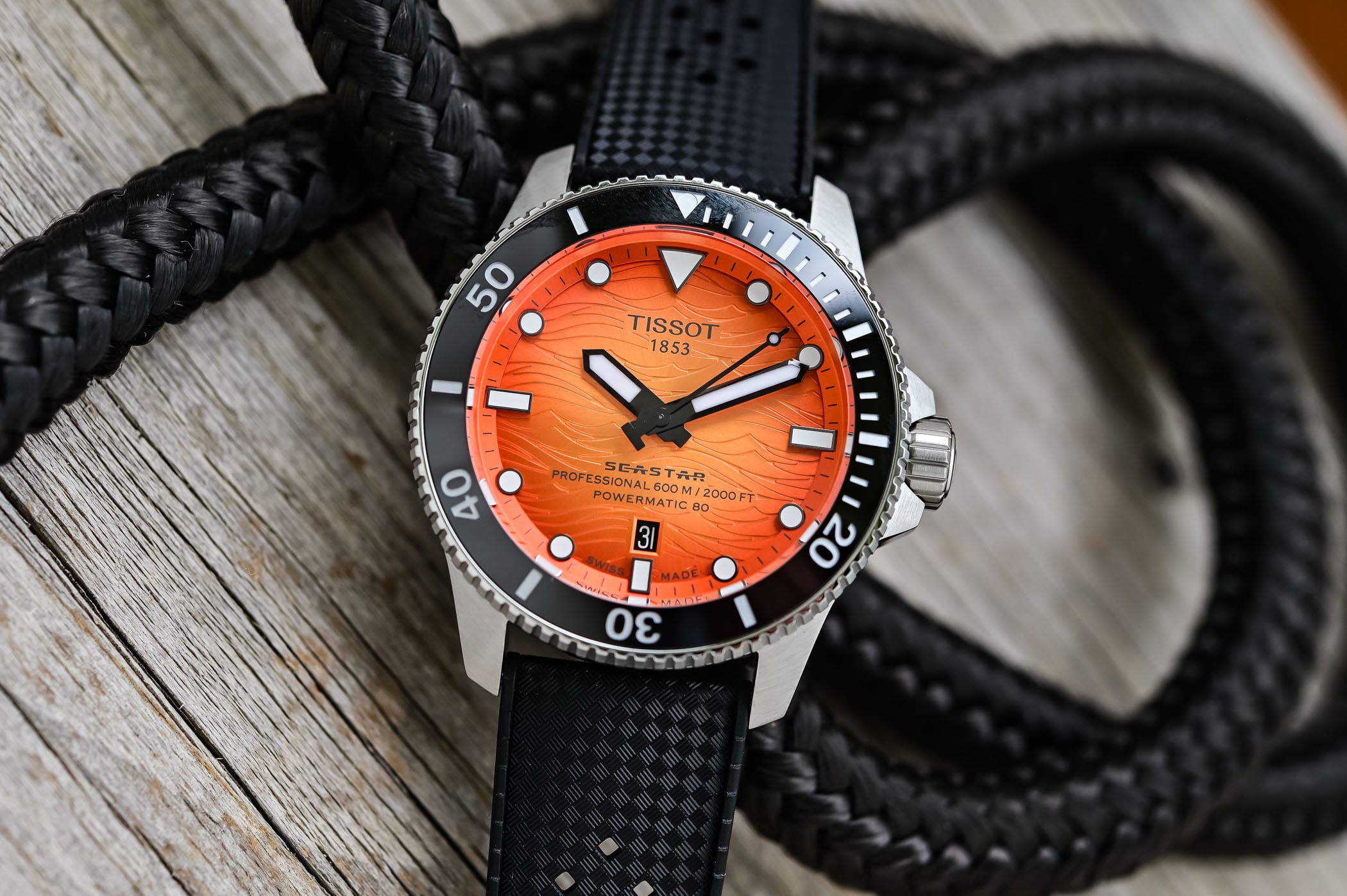
To carry the Swiss Made designation on the dial today, a wristwatch must meet four concurrent requirements. First, at least 60% of the production cost of the complete watch must be generated in Switzerland (up from 50% before 2017). Second, the technical development (mechanical, electronic, software) must be carried out in Switzerland. Third, the movement must be Swiss, meaning at least 60% of the movement's production cost must originate in Switzerland, the movement must be assembled in Switzerland, and inspected by the manufacturer in Switzerland. Fourth, the complete watch must be encased in Switzerland and undergo its final manufacturer inspection in Switzerland. Any watch that fails any one of these requirements cannot use the words on the dial.
"Where does Swiss watchmaking happen? It happens where Swiss watchmaking happens. That is the foundation of the Swiss Made mark, not a marketing slogan but a legal fact."- Federation of the Swiss Watch Industry (FH), commentary on the Swissness reform
Two lesser designations exist below the full "Swiss Made" mark. Swiss Movement means the movement alone qualifies as Swiss under the movement test, but other case and dial components may be foreign; the words must appear around the movement on the caseback, not on the dial. Swiss Parts is a weaker claim used historically for watches assembled abroad with Swiss components, though its practical use has faded. The Swissness reforms also clarify that simple assembly in Switzerland is no longer enough: a watch cased up in a Swiss factory but built from 80% foreign components cannot be Swiss Made.
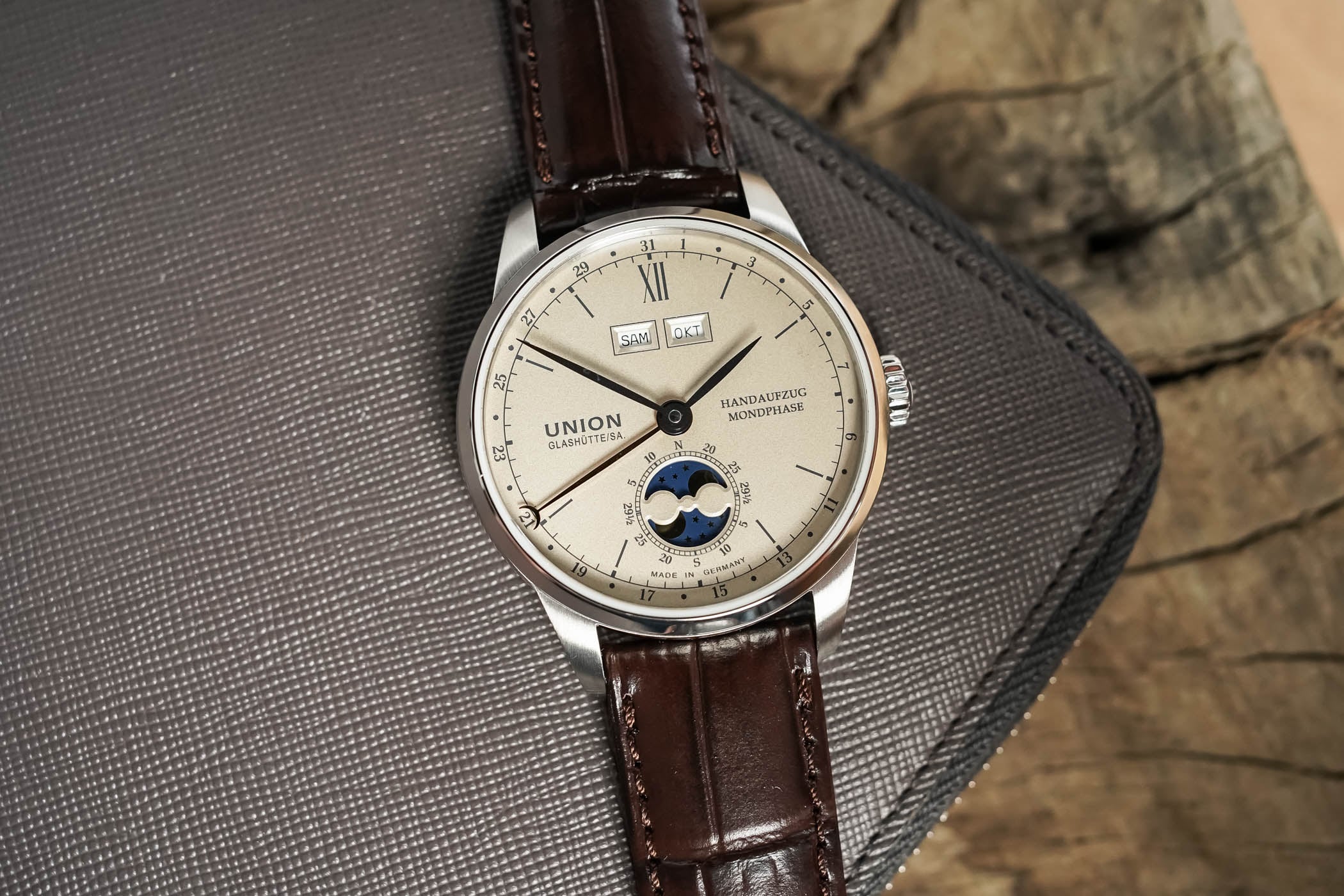
The practical implication is that most serious watchmaking brands located in Switzerland qualify easily, but certain categories of watch famously fall outside Swiss Made by origin, not by choice. A. Lange & Söhne, Nomos, Moritz Grossmann, and Glashütte Original are German brands from Glashütte, Saxony; they use "Glashütte Made" (a protected designation with its own 50% German-cost requirement), and wear the distinction proudly. Grand Seiko, Seiko, and Japanese makers are simply Japanese; English, American, Italian, and Chinese watch brands mostly cannot use Swiss Made either, whatever their movement supplier. The mark is exclusionary by design: about 21 million Swiss Made watches are produced per year out of roughly 1.5 billion watches produced globally, yet Swiss exports represent more than 50% of global watch value, a measure of the mark's commercial weight.
Controversies around Swiss Made have circled three issues. First, high-end brands argue the 60% threshold is too low; true haute-horlogerie manufactures like Patek Philippe, Vacheron Constantin (based in La Chaux-de-Fonds and Geneva), and independents headquartered in Le Locle typically exceed 90% Swiss content and feel the 60% rule allows too much dilution of the mark. Second, quartz and smart-watch brands can qualify more easily than mechanical makers, which some traditionalists resent. Third, the FH has limited enforcement tools against non-Swiss watch brands that misuse the term abroad, though EU and US customs cooperation has tightened in recent years. The COSC chronometer certification sits on top of the Swiss Made mark for accuracy-certified pieces, and the Poinçon de Genève (Geneva Seal) sits as an even stricter canton-level certification for watches made within the Canton of Geneva meeting additional hand-finishing criteria.





Comments 2