 Revolution
Results for Swiss Made
3,904 articles · 52 videos found · page 22 of 132
Related pages
Revolution
 Revolution
Watch Week Aspen brings Swiss Watchmaking to the Colorado Rockies
W
Worn & Wound
Worn & Wound
A Week in Watches Ep. 87 - TAG Heuer Actually Made a Cool Watch and More!
On episode 87 of A Week in Watches, we take a look at a couple of new releases and then talk a bit about the state of the watch industry. First up are some sexy new Grand Seiko US exclusives with Kirazuri dials. After, we have the newest offering from TAG Heuer x Hodinkee, which revives a very cool old complication. Lastly, Zach Weiss gives his two cents on all of the gloomy news about the watch industry and whether or not it should matter to enthusiasts. Next week, the Windup Watch Shop is celebrating National Aviation Week with a focus on pilot watches of all types. From traditional fliegers to modern ana-digis, very affordable quartz to aspirational chronos, simple designs to complex functions, there’s something for everyone. So head over to Windupwatchshop.com starting August 19th and embrace your inner aviator! The post A Week in Watches Ep. 87 – TAG Heuer Actually Made a Cool Watch and More! appeared first on Worn & Wound.
 Revolution
Why The Lemania 2310 Is The Greatest Chronograph Ever Made | Part II | Diving Deep
 Revolution
Why The Lemania 2310 Is The Greatest Chronograph Ever Made | Part I | Diving Deep
 Two Broke Watch Snobs
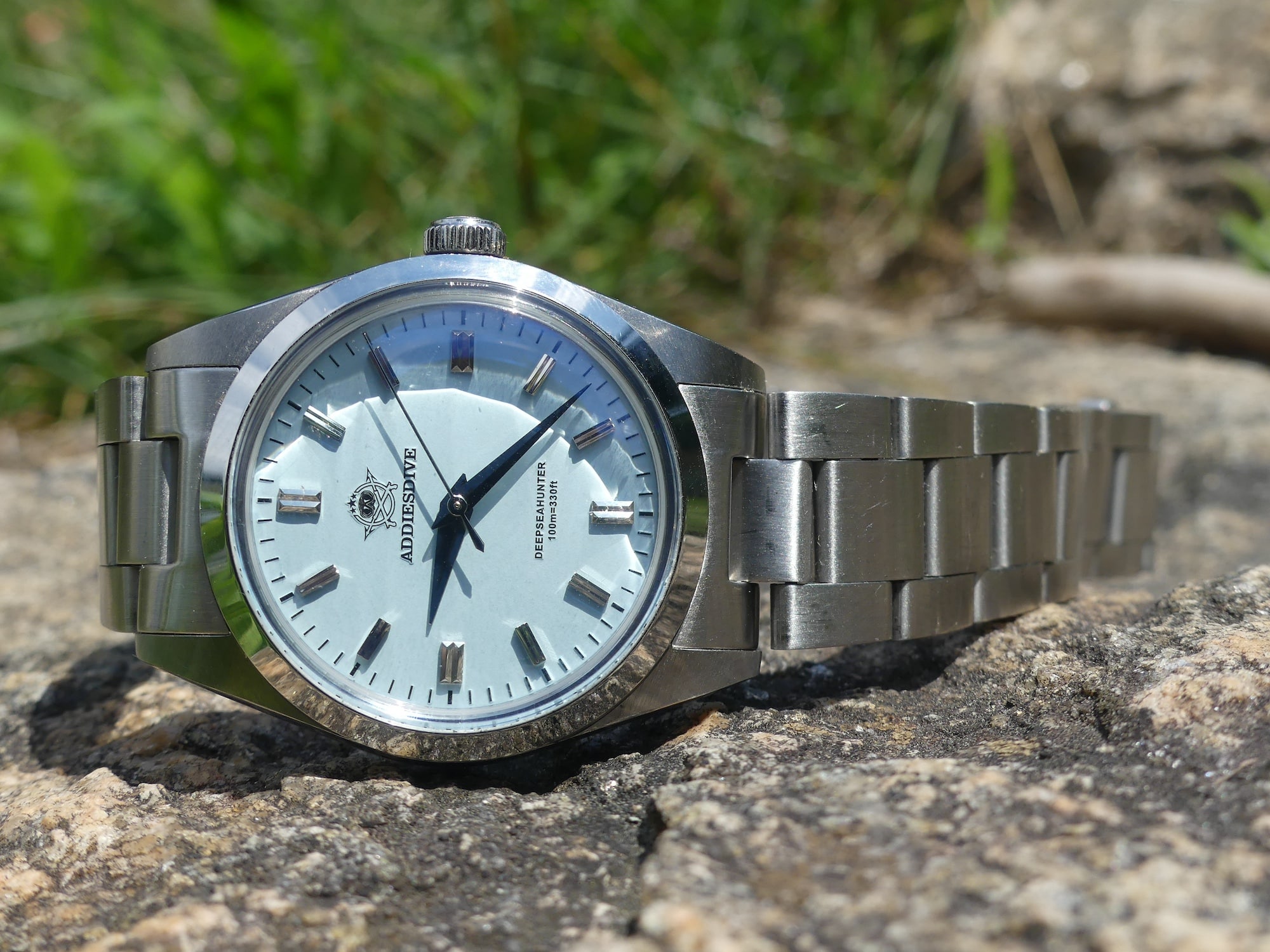
The Watch that Made AliExpress Homages Cool
When it comes to provenance, nothing has less of it than an AliExpress homage. On this online platform based in China that sells inexpensive Chinese products, there are plenty of watch brands (or should I say manufacturers?) offering copycat versions of watches with actual provenance. Selling everything from look-alike Seiko Turtles to Omega Seamasters, these brands specialize in affordable (often in the $100 to $300 dollar range) versions of popular watches.
 Monochrome
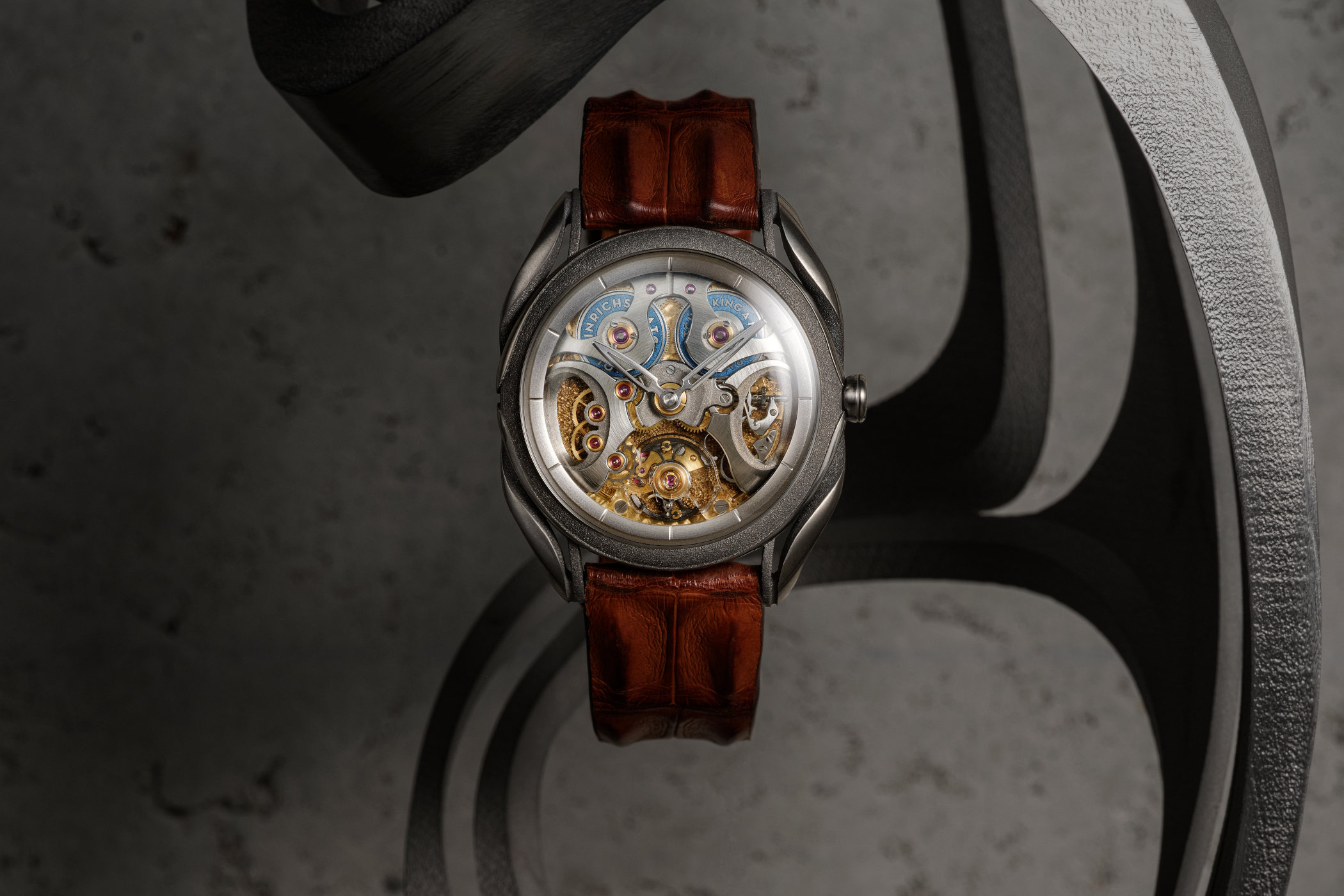
Introducing - Holthinrichs Launches The FIRST EVER Entirely Dutch Made Movement With The Ornament Nouveau
Since the start of MONOCHROME almost two decades ago, we have come a very long way. Through almost 10,000 articles, we have brought you some of the most amazing watches from all corners of the world. Despite the fact we always publish our stories in English and work with an international team, we are of […]
 Monochrome
Event - The GMT Watch Safari, A Week of Experiences to Discover Swiss Watchmaking
To celebrate their 24th anniversary, our colleagues at GMT Magazine are organising an exclusive watch experience for 24 lucky watch enthusiasts, from October 27 to November 1, 2024, in Switzerland. This meticulously curated tour will offer a behind-the-scenes look into the heart of Switzerland’s legendary watchmaking industry. From Geneva to the historic Jura Mountains, and […]
 Revolution
Swiss Watch Exports Continue Downward Trend, Confirming Yearly Decline Forecast
 Worn & Wound
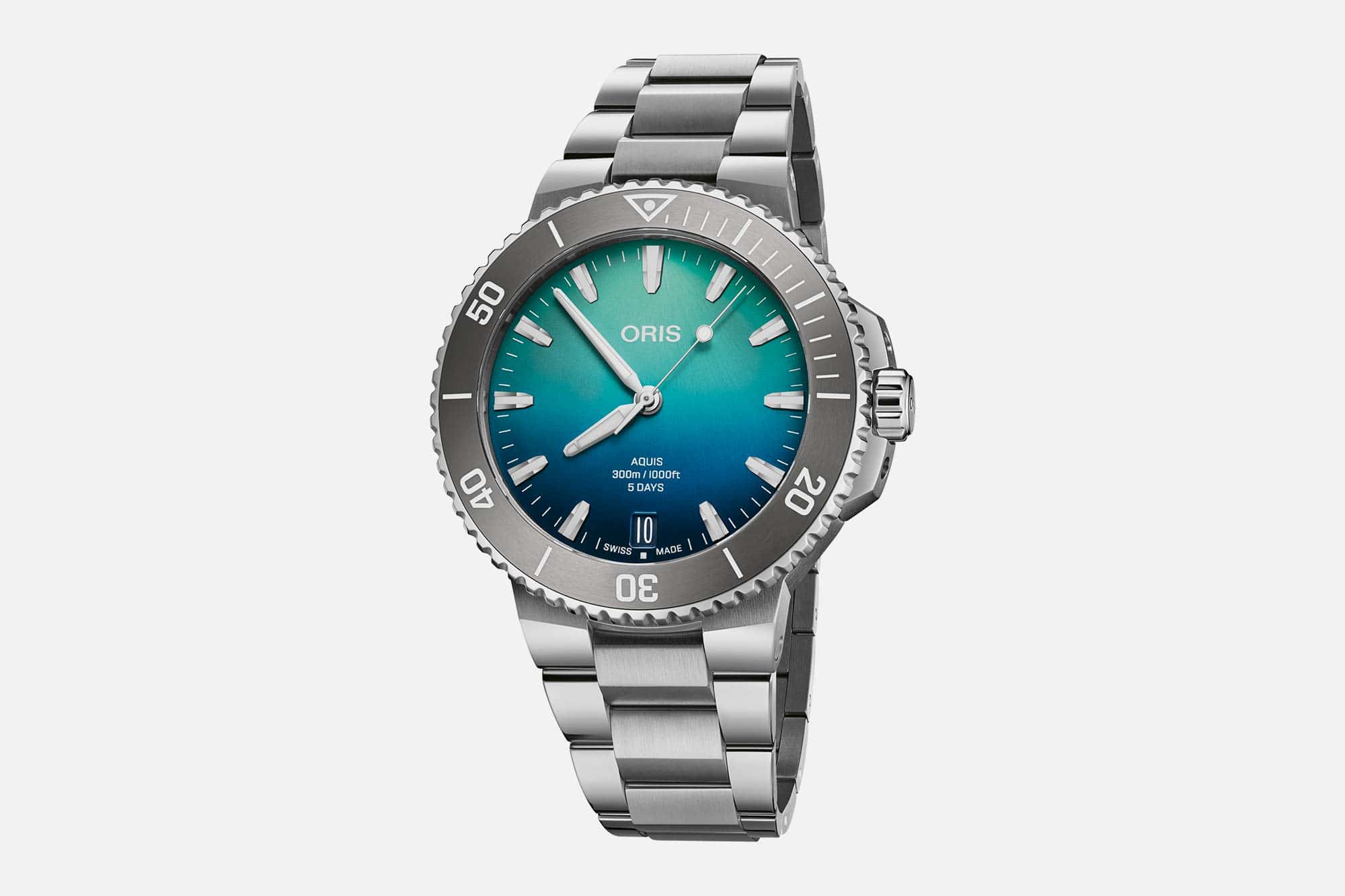
Oris Introduces the Great Barrier Reef Limited Edition IV, Made in Partnership with the Reef Restoration Foundation
Oris has unveiled their latest release in their ongoing “Change for the Better” campaign, a limited edition Aquis with a unique gradient dial. The Great Barrier Reef Limited Edition IV continues a tradition of partnership with the Reef Restoration Foundation, an Australian non-profit whose mission is to protect and restore the Great Barrier Reef. Watches in this series frequently feature evocative, nature inspired dial designs, and the Great Barrier Reef Limited Edition IV is no exception. It also marks the first of these watches to be built on the new Aquis platform that was unveiled at Watches & Wonders earlier this year. The most prominent design detail here is certainly the dial, rendered in a gradient blue that is meant to mimic the turquoise and blue water of the Great Barrier Reef as seen from the air. The gradient effect also captures the natural refraction of the sun’s rays through water, as you’d see if you were diving. This phenomenon is unique in nature and something that only a handful of divers get to see at depth. Oris points out that the vertical gradient seen in this dial design is rare for the brand, as typically their gradient dials emanate from the center. But the verticality here reinforces the idea of a diver descending, and fits the watch thematically. Regular readers will remember that when Oris introduced a revamped Aquis earlier this year, they did so in a multitude of sizes and configurations. This particular limited edition is built ...
 Revolution
How It’s Made: The Creation of a Chopard Alpine Eagle
 Hodinkee
Business News: LVMH Acquires Swiss Clockmaker L’Épée 1839
Plus, Bloomberg reports the LVMH CEO holds a personal stake in a rival conglomerate.
 Worn & Wound
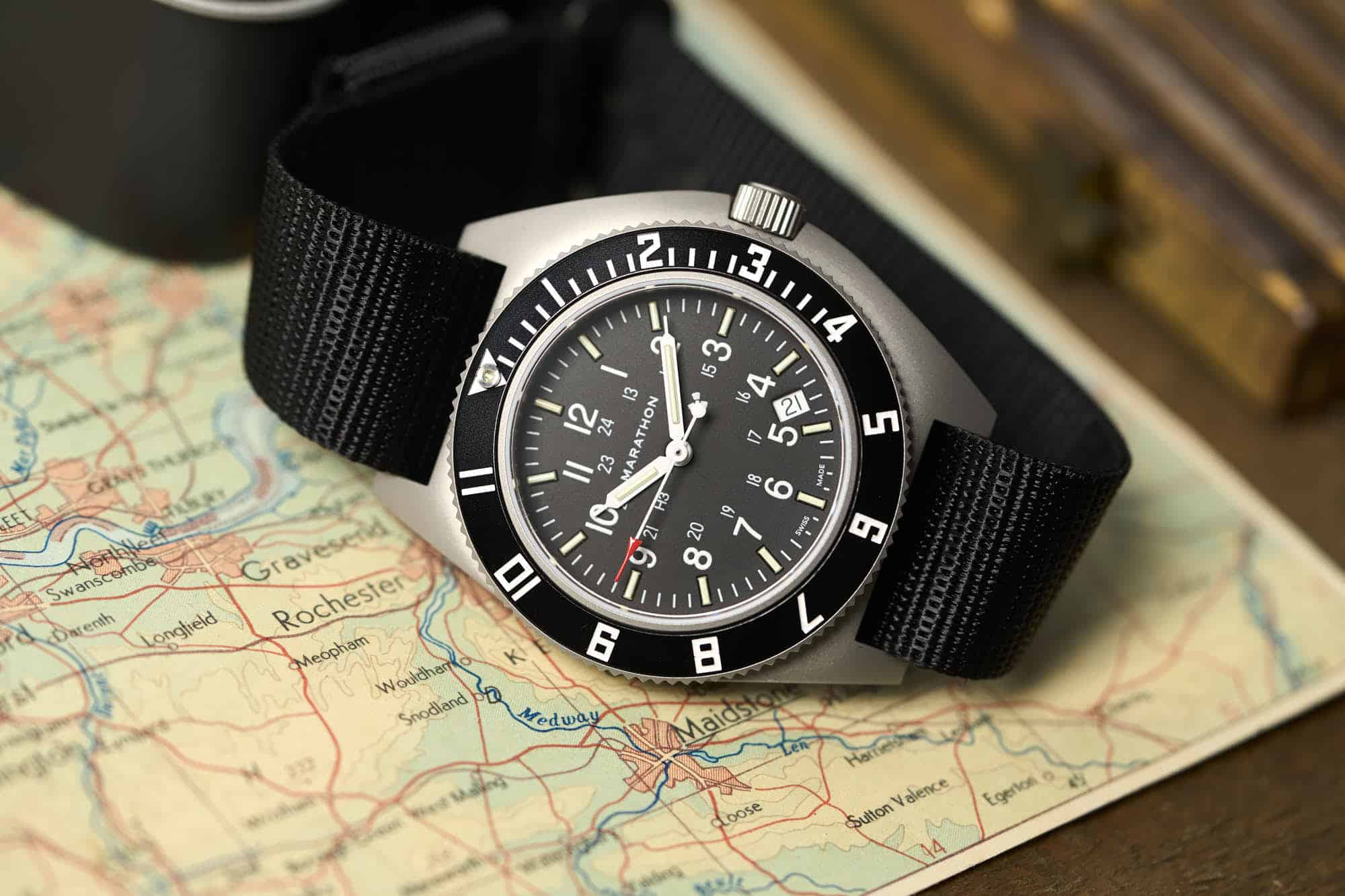
The Roundup: A Nostalgic Watch Made of Recycled Material, Some New W&W; Merch, And a Multitool That Won’t Pry Open the Piggybank
The Roundup is the Windup Watch Shop’s weekly rundown of the latest and greatest watches, accessories, EDC, and other gear. We’ve curated a selection to fit everyone’s style and budget. Hit the links below to learn more and pick something up. As always, the Windup Watch Team is available via consultation to answer any questions you have. In addition, all of these products are eligible for free domestic shipping across the US. The Roundup is the Windup Watch Shop’s weekly rundown of the latest and greatest watches, accessories, EDC, and other gear. We’ve curated a selection to fit everyone’s style and budget. Hit the links below to learn more and pick something up. As always, the Windup Watch Team is available via consultation to answer any questions you have. In addition, all of these products are eligible for free domestic shipping across the US. The post The Roundup: A Nostalgic Watch Made of Recycled Material, Some New W&W; Merch, And a Multitool That Won’t Pry Open the Piggybank appeared first on Worn & Wound.
 Monochrome
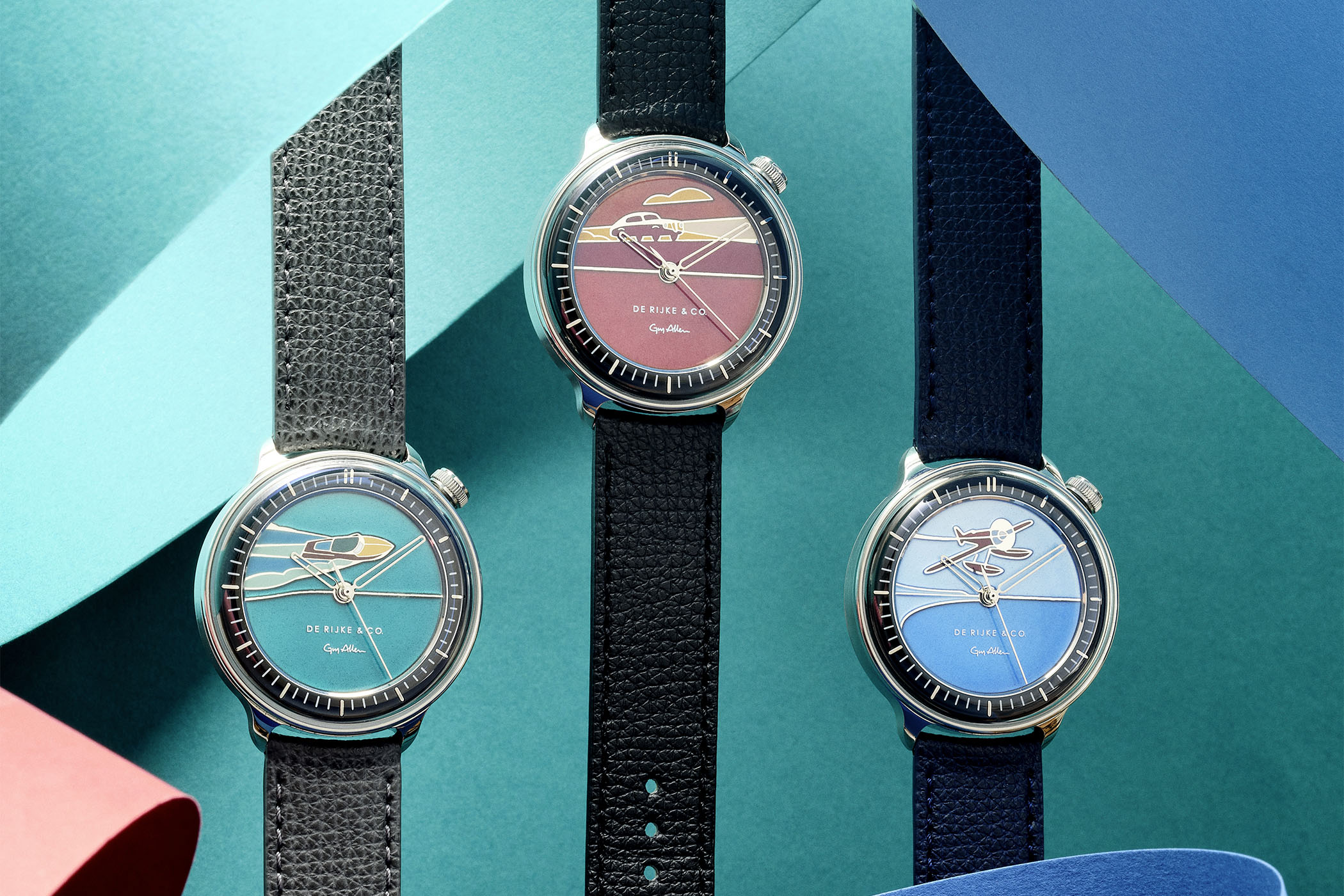
Introducing - The De Rijke & Co. Amalfi Enamel Series Made with Illustrator Guy Allen
One of the rising stars of the young Dutch independent watchmaking scene, De Rijke & Co. Watches, founded by Laurens De Rijke, started as a fun project during a… vintage Vespa moped road trip through eastern Europe. From there, what was a side project turned into a more prolific indie watch brand with always a […]
 Revolution
Pierre Jacques: The Silent Force of the Swiss Watch Industry
 Revolution
Watches & Wonders 2024: Who made the year’s best High Complications so far?
W
Worn & Wound
Worn & Wound
A Week in Watches Ep. 79 - Swiss Leftovers
On episode 79 of A Week in Watches, we start with a trip down memory lane, all the way back two weeks ago to Watches & Wonders 2024. Well, not exactly; rather than the fair itself, we look at the other shows and exhibitions, looking at several of the brands we got to check out. From there, we jump over to a new release by an old brand. Or, rather, the relaunch of the brand, Amida, and their most iconic watch, a jump hour with a digital display, the Digitrend. Lastly, we head over to the UK to celebrate a double anniversary with Christopher Ward through the launch of the Twelve X powered by the SH21 movement. Before diving into the week’s news, don’t forget that Windup Watch Fair San Francisco is starting on May 3rd at the Gateway Pavilion in Fort Mason and running until May 5th. It boasts over 85 brands and free admission for all, making it a perfect outing for family and friends to explore the world of watches; visit windupwatchfair.com for details. This episode is sponsored by the Windup Watch Shop. It features the exclusive Depancel x Worn & Wound Allure Valjoux 92 Chronograph collaboration, which showcases restored vintage chronograph movements visible through a display case back. The collaboration is limited to just 20 pieces and is available at windupwatchshop.com. The post A Week in Watches Ep. 79 – Swiss Leftovers appeared first on Worn & Wound.
 Revolution
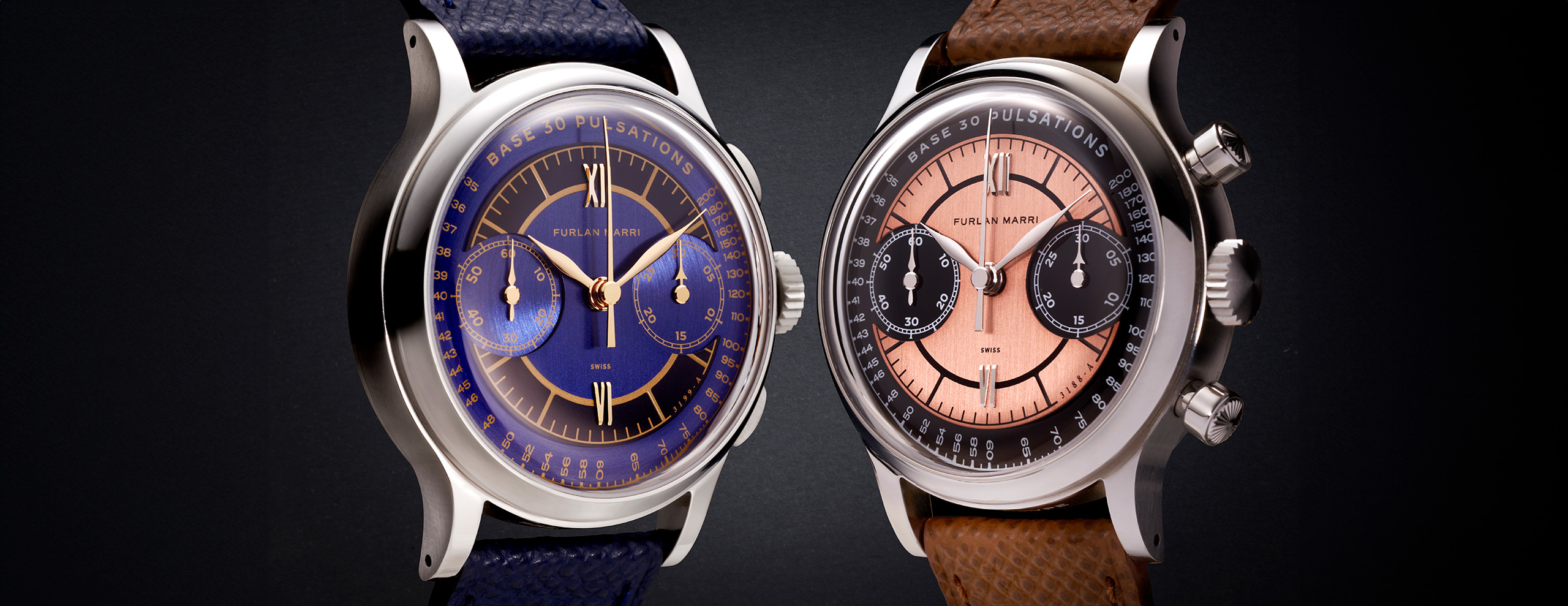
Did Furlan Marri and Auro Montanari create the best sub three thousand dollar Swiss flyback chronograph ever?
 Monochrome
The Petrolhead Corner - The Wickedly Cool Hand-Made Cars By Jonathan Ward And His ICON Crew
What would your initial thought be if you uncovered a run-down Oldsmobile, or a Hudson, in a dusty old barn? Would you think “piece of junk” or “diamond in the rough”? Would you see potential or just a bottomless money pit? If you have the right mind- and skillset, any derelict car can be turned […]
 Worn & Wound
Micro-Brand Digest: A Selection of Cool Divers, a Dial Made from a Demolished Bridge, and a Young (Very Young) Watchmaker to Keep an Eye On
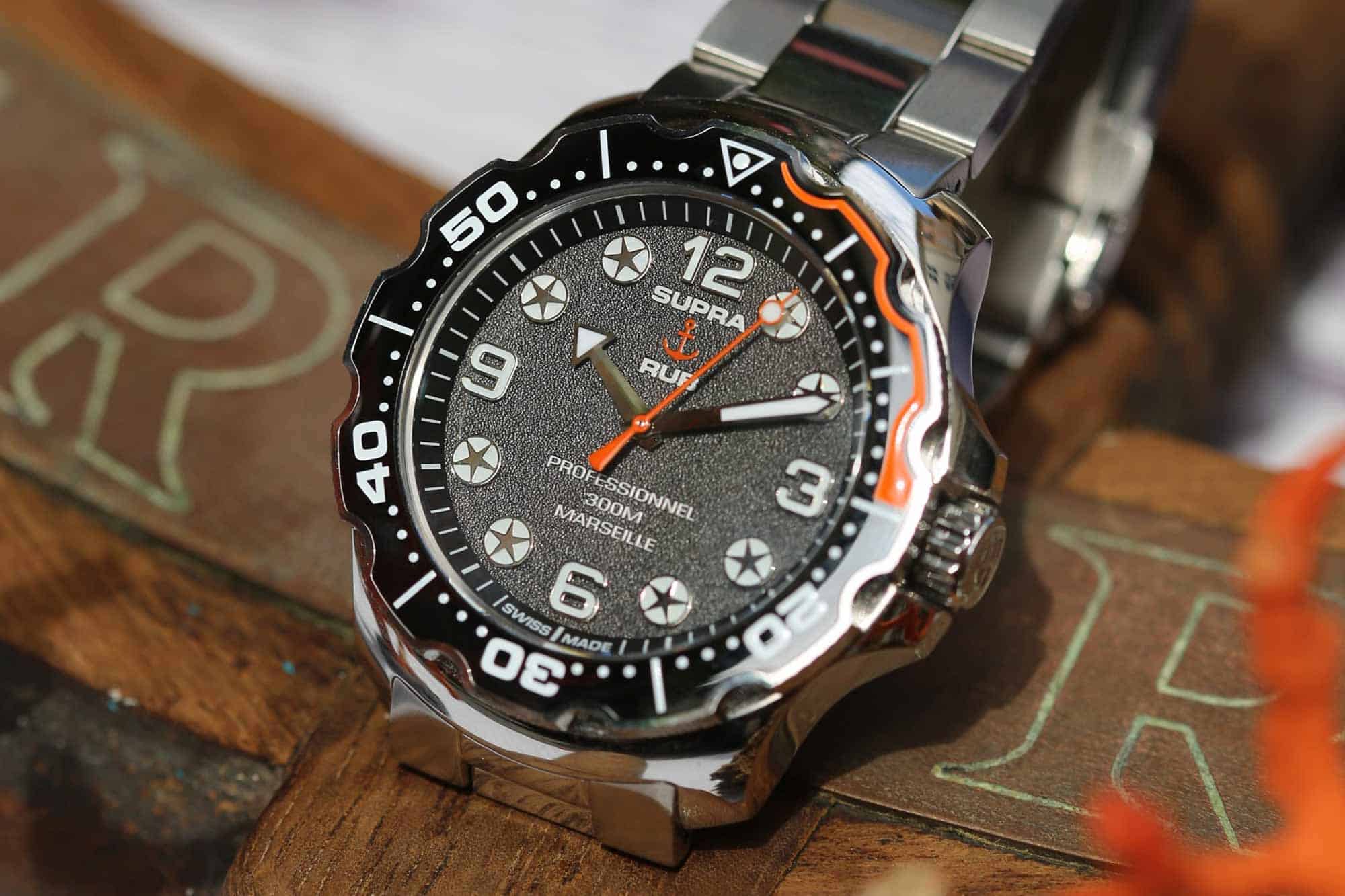
Welcome to the Worn & Wound Micro-Brand Digest, a semi-monthly roundup of all the new micro-brand news we’re following, from concepts that show promise, to Kickstarter launches to restocks, and everything in between. Small independents, and affordable micro-brands spurred the creation of Worn & Wound over 10 years ago, and they still drive our enthusiasm in a big way. Here’s what’s caught our eye this month. If you’ve come across a project you think qualifies, hit us up at info@wornandwound.com for inclusion. Supra Rub Having grown up in the south of France, surrounded by fishermen, sailors and divers, Supra Rub’s founder was frequently regaled by stories of unusual journeys and adventures. Epic tales of freedom and the courage to face the seas. That is when he noticed that all these men had one thing in common: a reliable, robust, and well-worn watch on their wrists. He understood then that not all watches could withstand these hostile environments and that is how his two passions were born. The Sea and the world of watches. With the creation of his brand Supra Rub, he is merging these two passions to offer his inaugural watch, the Aurora, named after his grandfather’s fishing boat. More than the sum of its parts, the Aurora is quite the dive watch. Made entirely of 904L stainless steel, which has higher corrosion resistance than standard 316L. It features a flush mounted automatic helium escape valve; it is water-resistant to 300m and has a ceramic unidirecti...
 Hodinkee
First Take: A Carabiner Watch Clip Made By Cartier
A little unexpected, sure? But we probably could have seen this coming.
 Hodinkee
One To Watch: Fleming’s 'Series 1' Brings Together Two Young Collectors, One Tennis Star, And A Cadre Of Swiss Industry Veterans For A New Independent
Based in the United States and built in Switzerland, Fleming is the culmination of years of passion from its founder, but with a plan to be in the industry for the long haul.
 Worn & Wound
The Roundup: Overbuilt Tool Watches, Versatile Gear, and Good Old US-Made Straps
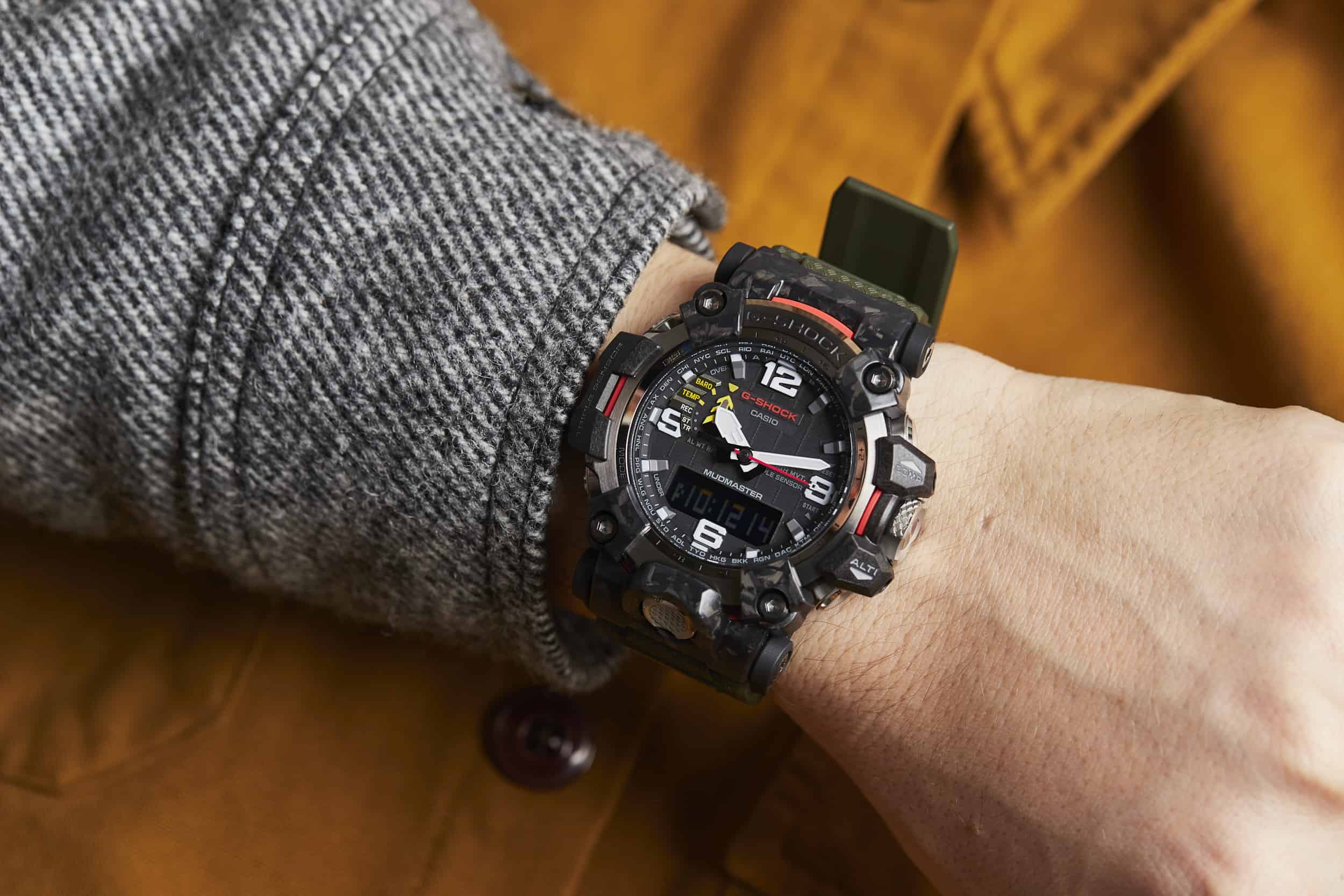
The Roundup is the Windup Watch Shop’s weekly rundown of the latest and greatest watches, accessories, EDC, and more. Top billing belongs to the Treat Yourself category, which spotlights special watches worth their price tag, while the Value-Packed Pick celebrates a timepiece that provides great bang for buck. Upgrade Your Kit highlights indispensable everyday carry gadgets. When You Have Too Many Watches is all about accessories and peripherals for your watch collection. Last but not least, the Deal of the Week is a limited time bargain that you will not want to miss. Don’t forget to join the Windup Watch Shop Rewards Program to save and earn points with every purchase. The Windup Team is also available to schedule a consultation or demo with you to answer any questions you may have. This week’s roundup is an exciting mix of sport-focused watches and gear that can stand the test of time. We start off with the Ollech & Wajs Navichron Chronograph and another chronograph of a completely different kind in the Casio DW6900. A sleek and modern everyday carry knife and single pass strap from ADPT make up our gear and accessories highlight; lastly, we wrap things up with a certified rig in the GWG2000 Mudmaster. Read on! The Roundup is the Windup Watch Shop’s weekly rundown of the latest and greatest watches, accessories, EDC, and more. Top billing belongs to the Treat Yourself category, which spotlights special watches worth their price tag, while the Value-Packed Pick c...
 Worn & Wound
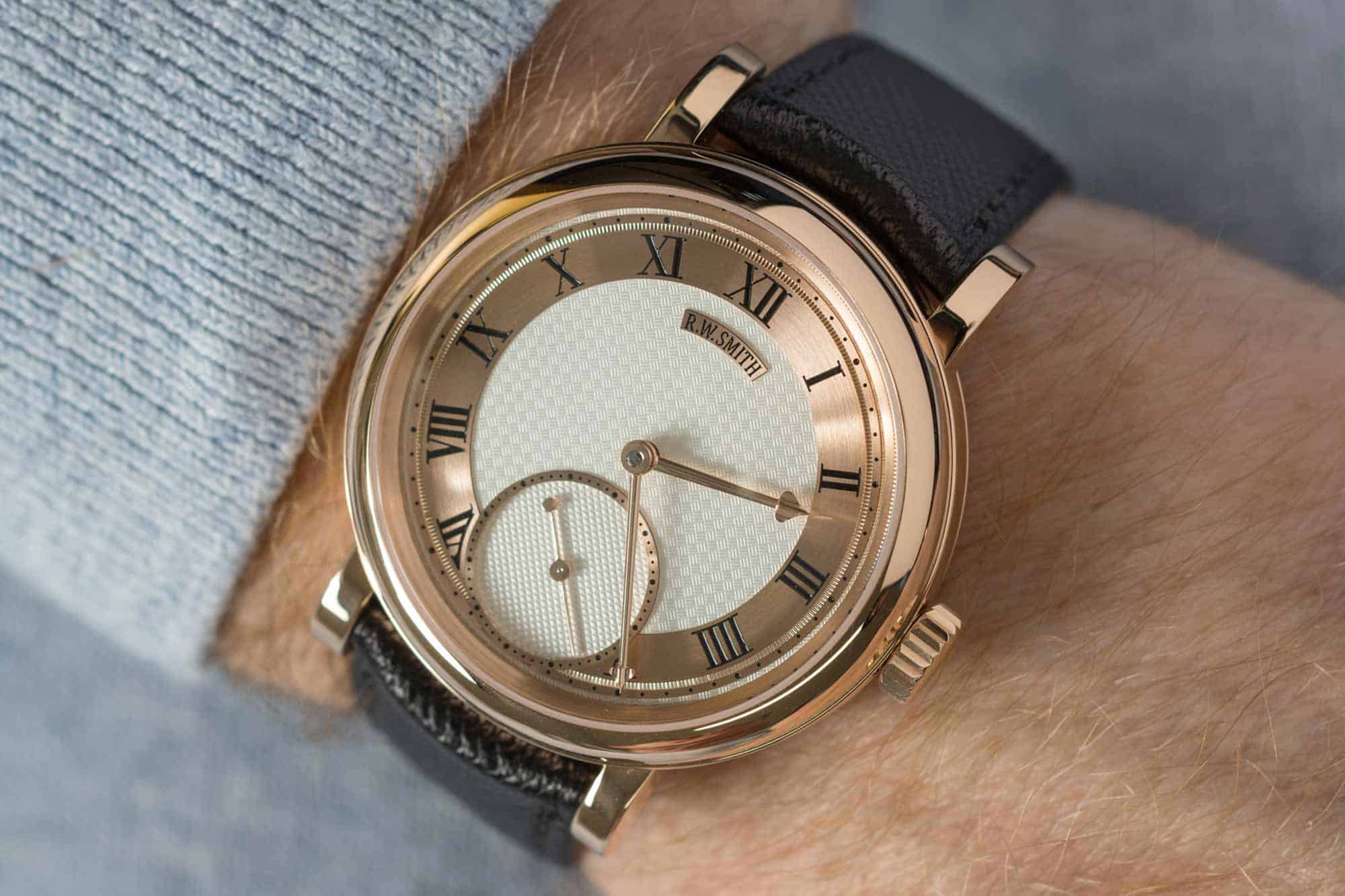
Roger W. Smith and His Unique Series 1 Made for British Watchmakers’ Day
British Watchmakers’ Day is nearly upon us. Tomorrow, March 9, watch lovers from across the UK (and across the world – our own Zach Weiss and Blake Malin will be in attendance) will descend on Lindley Hall in Westminster to celebrate all that British watchmaking has to offer. The event is run by the Alliance of British Watch and Clockmakers, and was conceived to raise awareness and money for the Alliance, which works to support watchmaking in the UK by fostering ties between its trade members. Roger W. Smith, the famed independent watchmaker who famously apprenticed for George Daniels, was an early Alliance member and one of the group’s most vocal supporters. He’s taking part in British Watchmakers’ Day this year alongside many of his colleagues in the Alliance, and he’s particularly excited about the diversity and the representation from a new generation of watch brands that will be present. “The vast majority of our trade members are outside of traditional horology,” Smith told me in an interview. “That’s very exciting to me, it means we’re going to have lots of innovation, lots of ideas, and new stories taking place.” One of those new stories is a watch Smith himself will be presenting at British Watchmakers’ Day, which is loosely organized around participating brands bringing limited edition pieces to sell for one day and one day only at the fair. For Smith, this presents a challenge and an opportunity. His watches are largely made by hand...
 Revolution
Morgan Stanley And LuxeConsult Publish Swiss Watch Industry’s Top 50 Companies For 2023
 Monochrome
Buying Guide - The Buying Guide Goes Technical With Six Non-Swiss Lever Escapement Watches
Like clockwork, every Sunday, we group together a bunch of watches around a common theme in our Buying Guide. This can revolve around a whole range of topics, such as colours, shapes and materials but also a certain style or even complications. Very rarely do we go deep into the movement to distinguish a series […]
 Worn & Wound
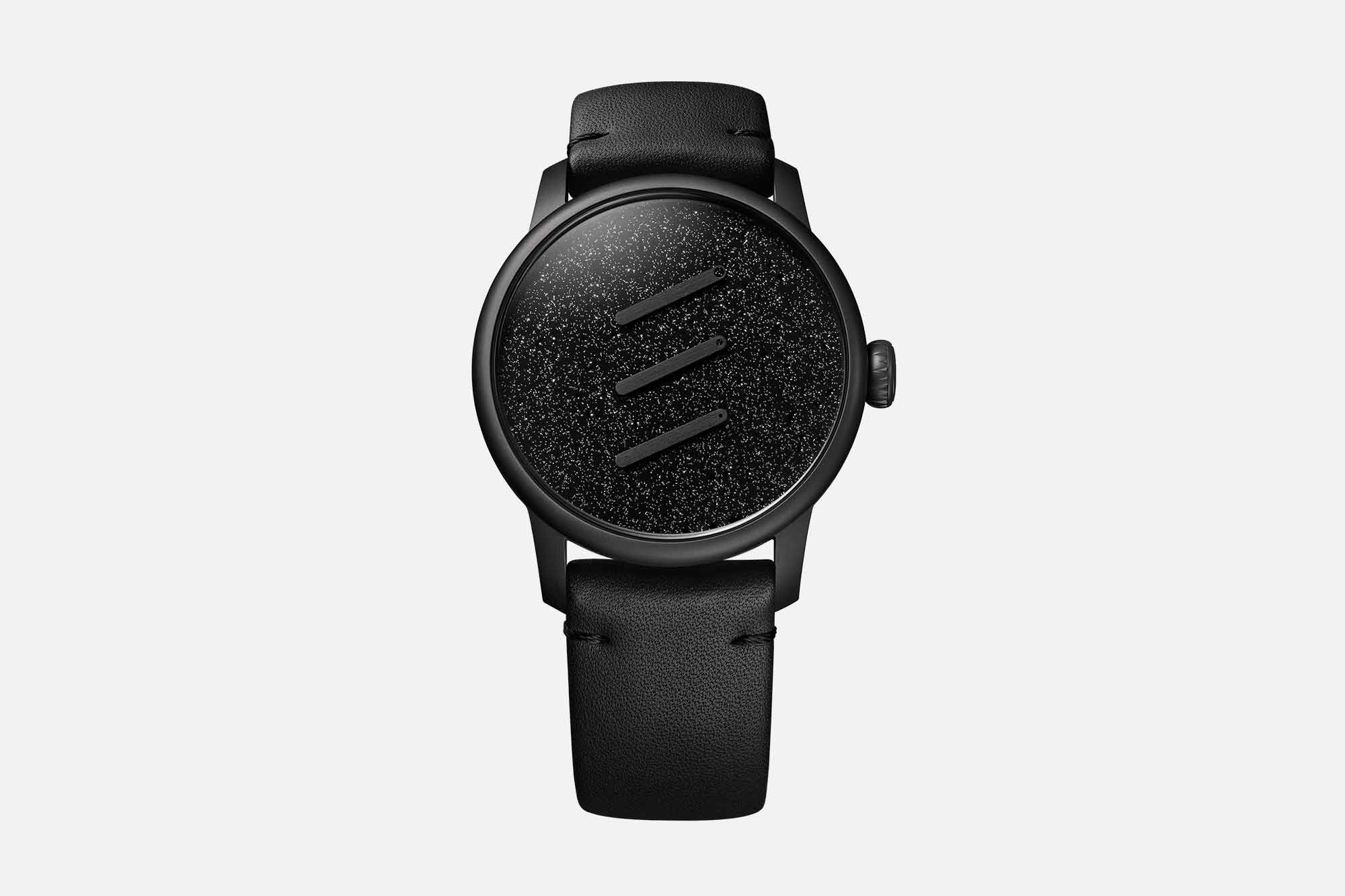
Louis Erard’s Latest Limited Edition is a Collaboration with a Swiss Abstract Artist, and their Most Challenging Work Yet
There’s a whole category of watches that I have come to genuinely love that I think can be fairly described as highly impractical art objects that also tell time. I wrote about one quite extensively here, and if you follow me on Instagram or have chatted with me in real life or in the Worn & Wound+ Slack community (which, to be fair, is technically “real life”) you know that I gravitate more and more toward the avant-garde, and love challenging designs that try to break what a watch even is. The new limited edition regulator from Louis Erard fits into this category nicely, and indeed was made in partnership with a Swiss abstract artist with a reputation for this type of challenging work. The new Le Régulateur Louis Erard x Olivier Mosset is perhaps the brand’s most purely abstract creation yet. Let’s start with the obvious question: how do you tell the time on this thing? This is not an unreasonable query – many who have encountered this watch on Louis Erard’s Instagram feed since its unveiling on Tuesday morning have been confused enough to send their question into the void. I won’t say it’s “simple” because even I have to admit that telling the time on this thing is probably difficult in a pinch, but the idea is straightforward. It’s a regulator, with the top hand reading the hours, the middle the minutes, and the bottom the seconds. But the task of actually reading the time is intentionally (I’m assuming) made more challenging for a few reas...
 Worn & Wound
The Roundup: Sporty Watches, Stylish Storage, and Good Old US-Made Gear
The Roundup is the Windup Watch Shop’s weekly rundown of the latest and greatest watches, accessories, EDC, and other gear. Don’t forget to join the Windup Watch Shop Rewards Program to save and earn points with every purchase. This week, we have an incredible lineup of timepieces featuring some that draw inspiration from the past and others that are pushing the boundaries of affordable GMT watches. We also highlight a universally useful accessory and close with a special knife that can do it all. Grab a coffee, pop a squat, and enjoy this week’s edition of the Roundup. The Roundup is the Windup Watch Shop’s weekly rundown of the latest and greatest watches, accessories, EDC, and other gear. Don’t forget to join the Windup Watch Shop Rewards Program to save and earn points with every purchase. This week, we have an incredible lineup of timepieces featuring some that draw inspiration from the past and others that are pushing the boundaries of affordable GMT watches. We also highlight a universally useful accessory and close with a special knife that can do it all. Grab a coffee, pop a squat, and enjoy this week’s edition of the Roundup. The post The Roundup: Sporty Watches, Stylish Storage, and Good Old US-Made Gear appeared first on Worn & Wound.
 Hodinkee
Three On Three: What Will You Wear When You've Made It To The Top?
A beloved HODINKEE video franchise returns. Our deputy editor sits down with Brynn Wallner and Malaika Crawford to discuss three watches that say "success" – the Patek Ellipse, Cartier Santos, and Vacheron Patrimony.
 SJX Watches
Raketa’s Dive Watch is Made from a Recycled Nuclear Submarine
The Raketa Sonar is a unique take on a dive watch. Featuring a funky, 1970s design with a colourful, 24-hour display – that was designed with the help of a Soviet navy captain – the Sonar has 200 m of water resistance. Two versions are available, a regular production and a limited edition – but it’s the latter that stands out. Both have steel cases, but the limited edition Sonar Kashalot has a bezel fabricated from titanium taken from the hull of the K-322 Kashalot, an Akula-class nuclear submarine that was deployed by the Soviet navy and decommissioned in 2019. Initial thoughts Known for its ostentatiously retro styling strongly evocative of Soviet-era timekeepers, Raketa sticks to its specialty with the Sonar. The design follows the mantra of form follows function: every aspect is catered to someone working in a nuclear-powered submariner. The 24-hour scale, for example, is useful since there is neither night nor day in a submarine. While the execution may not be to everyone’s taste, the originality of the concept is unmistakable. Recycled metal from Soviet nuclear submarines aren’t exactly rare – the Kashalot weighed over 14,000 tonnes fully loaded – but it gives the Sonar an additional degree of novelty and appeal. The submarine-titanium bezel is, however, substantially more expensive and only found on the limited edition. The standard model costs €1,900, and is the quality is as expected for the price. Raketa has improved its quality in recent years,...