In-Depth: An Engineer’s Technical and Personal Perspectives on Quartz Timekeeping
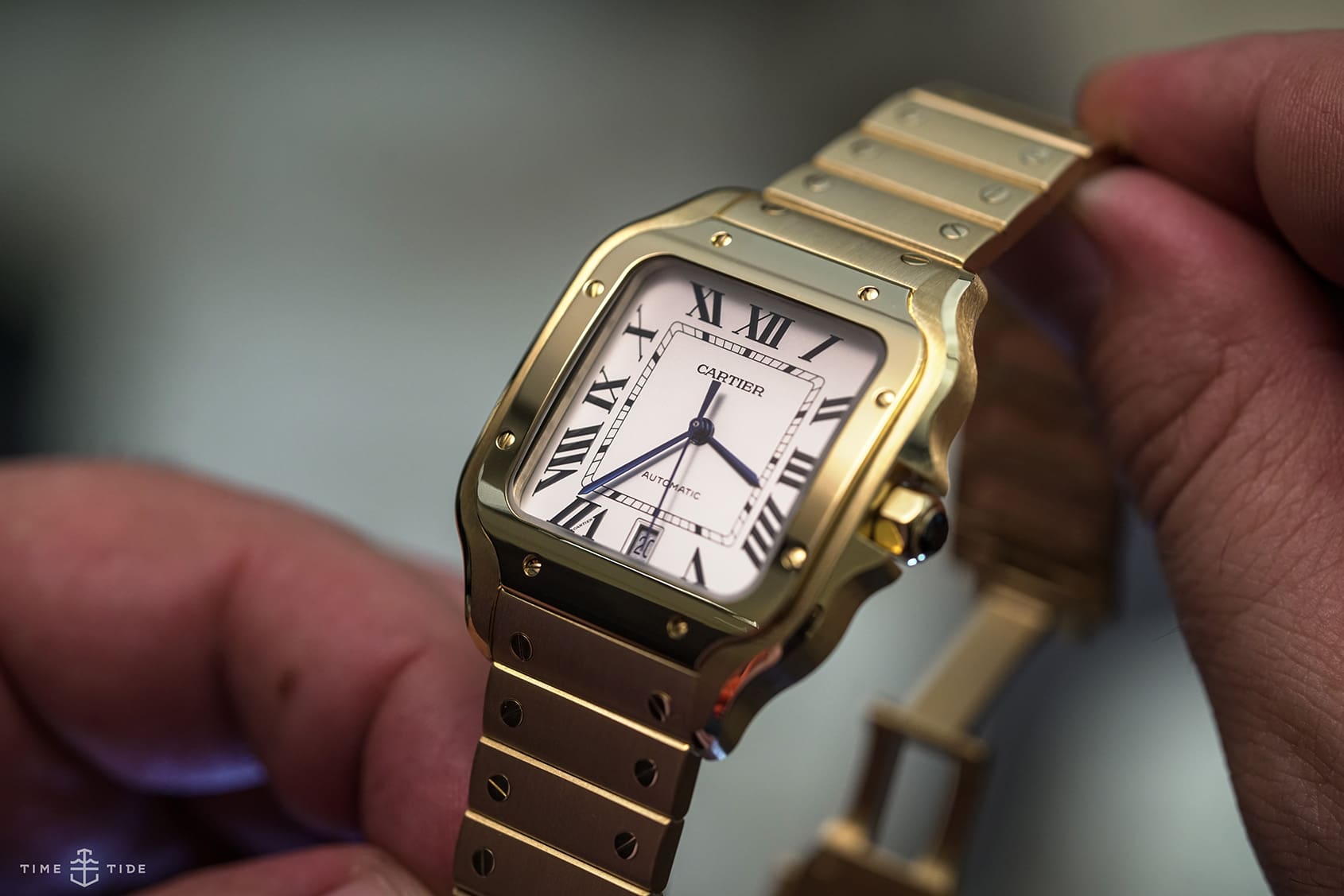
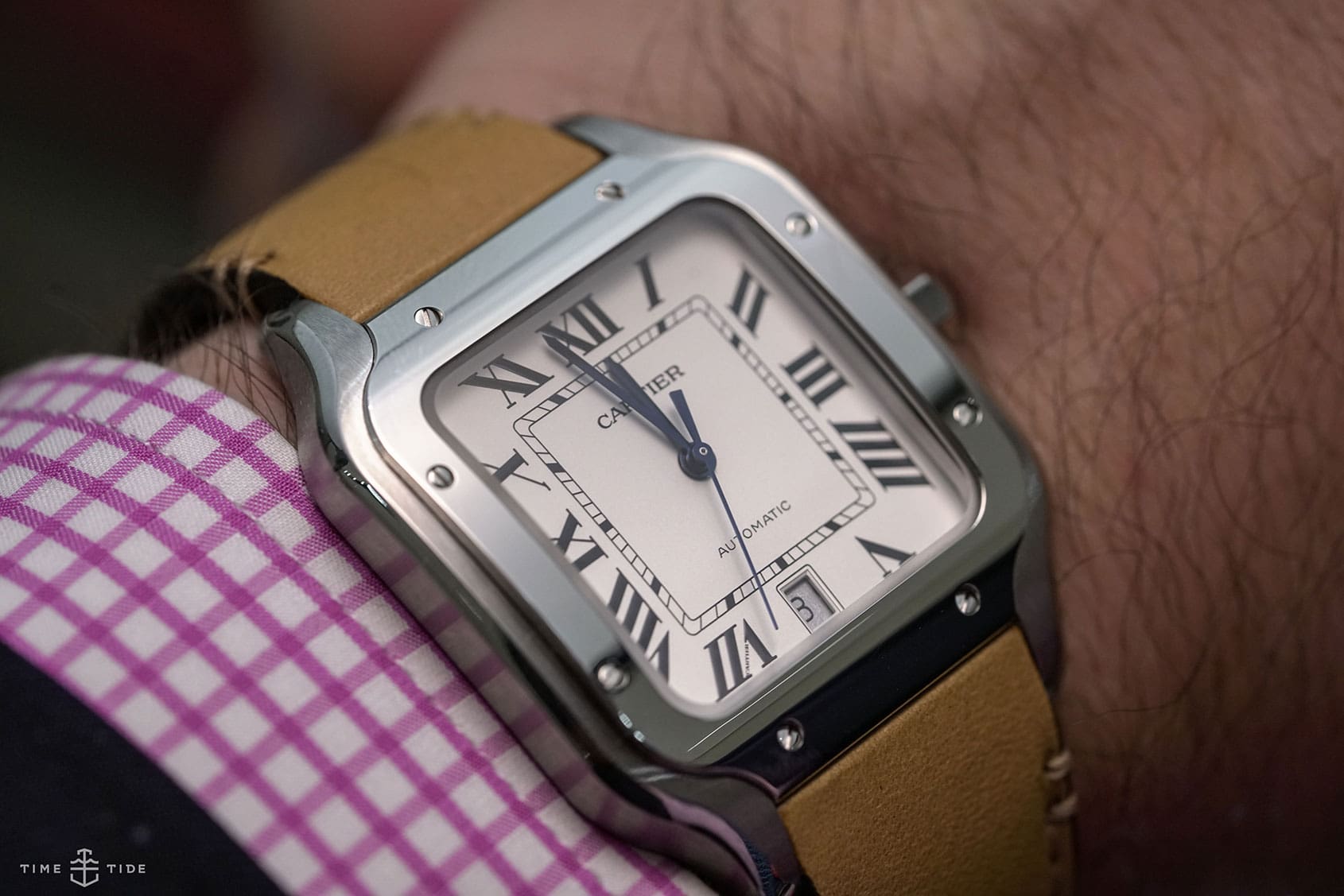
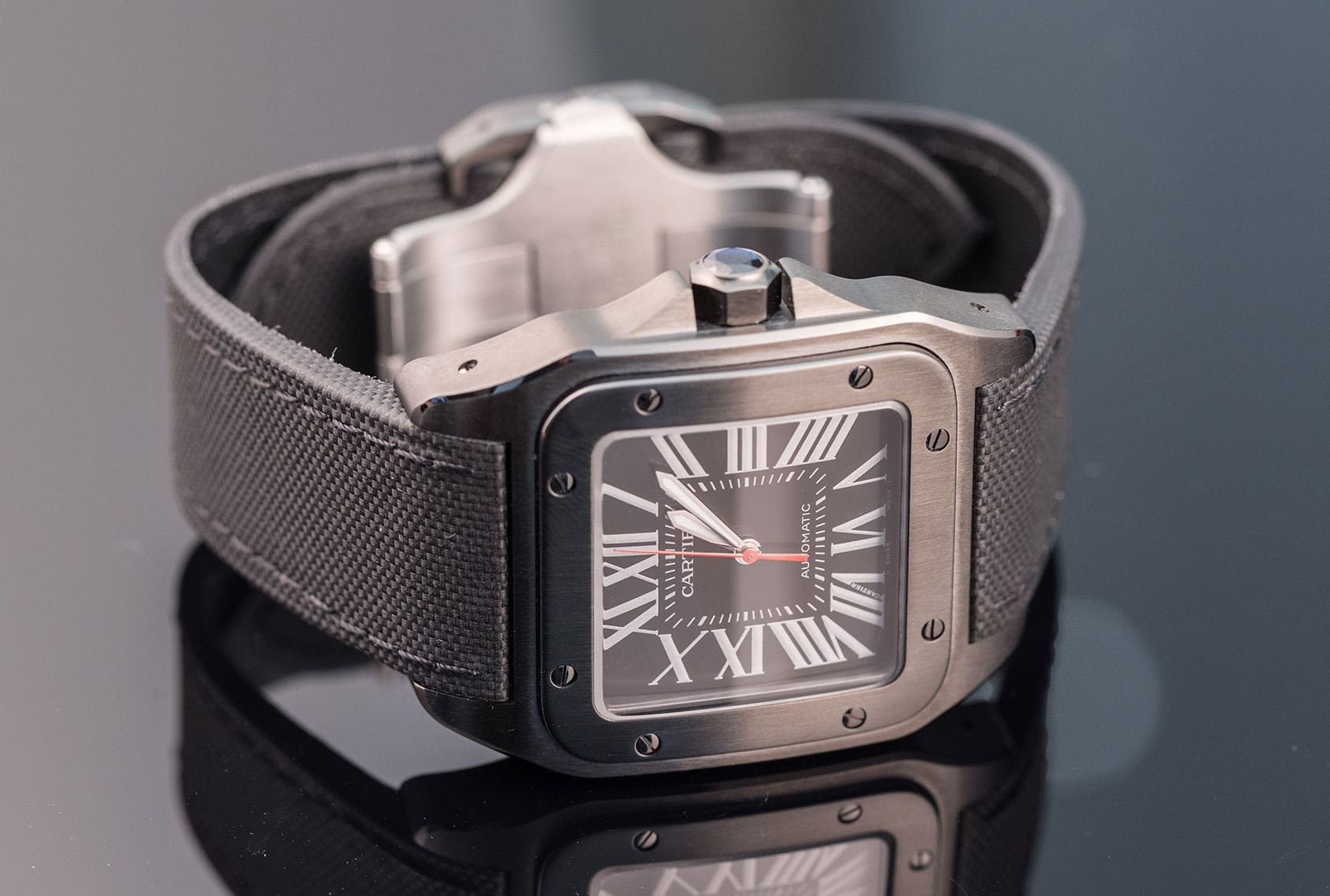
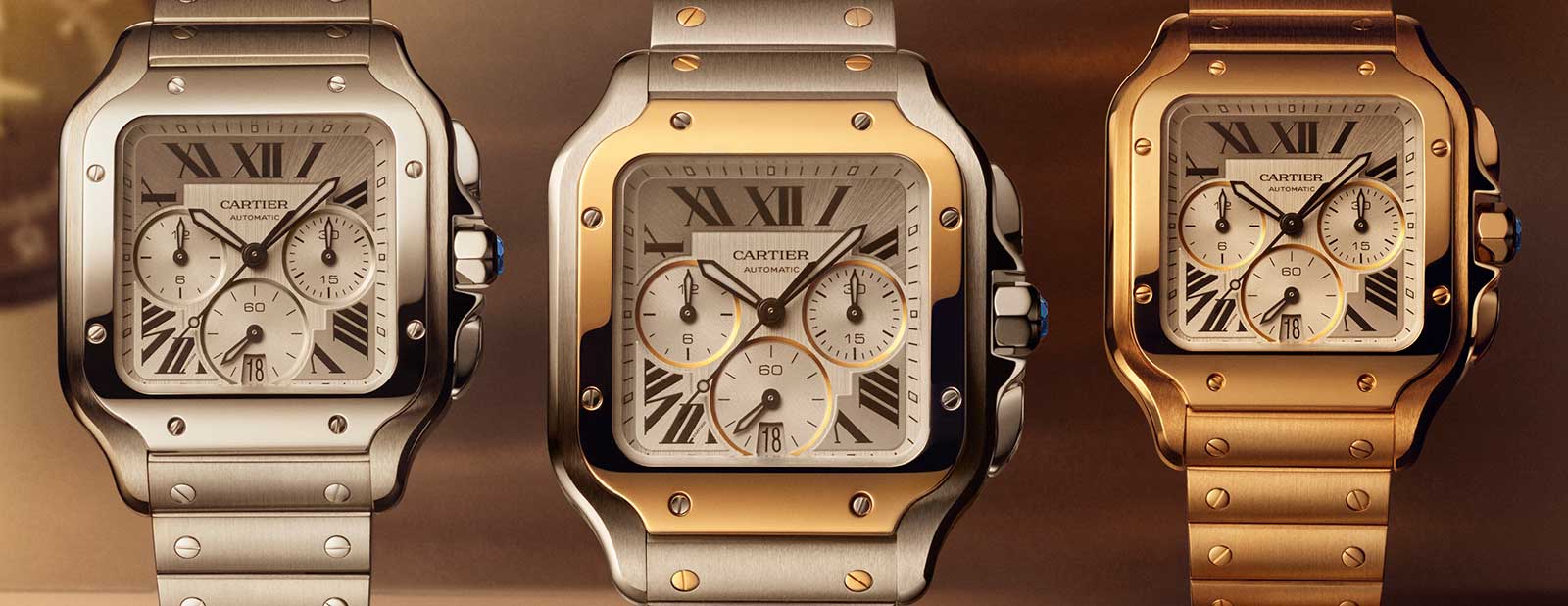
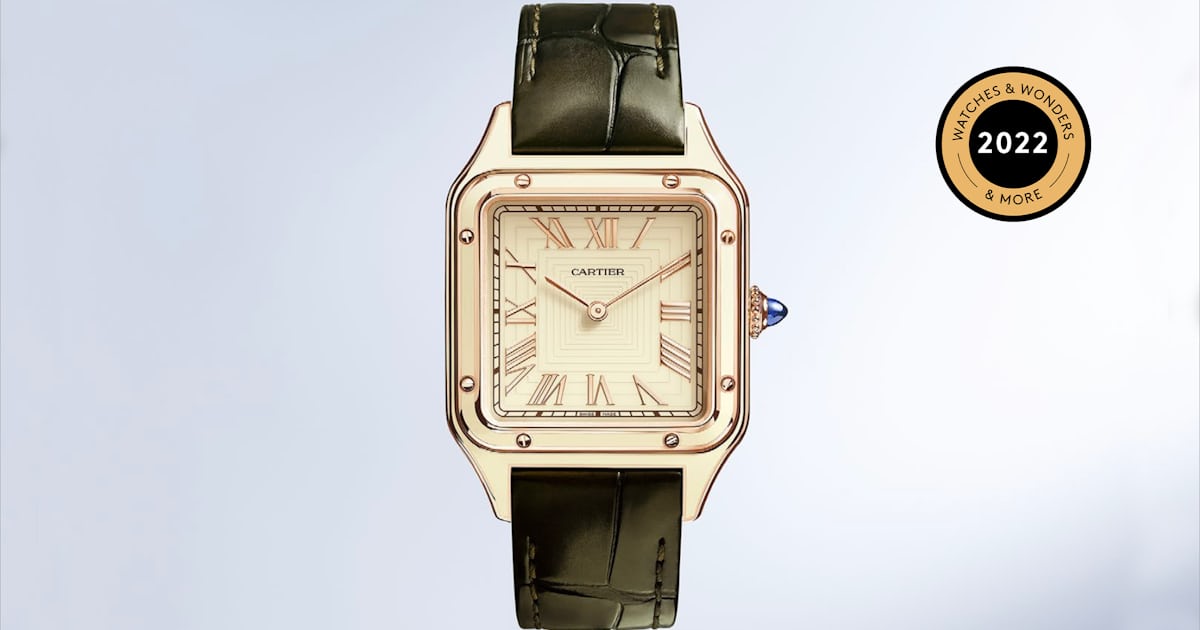
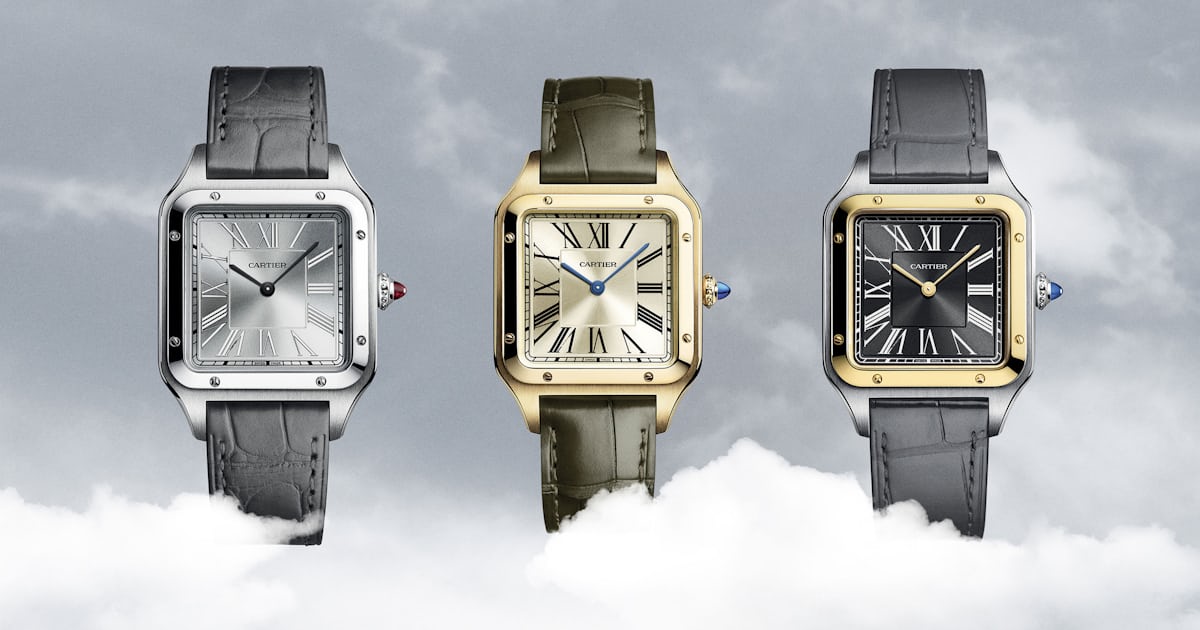
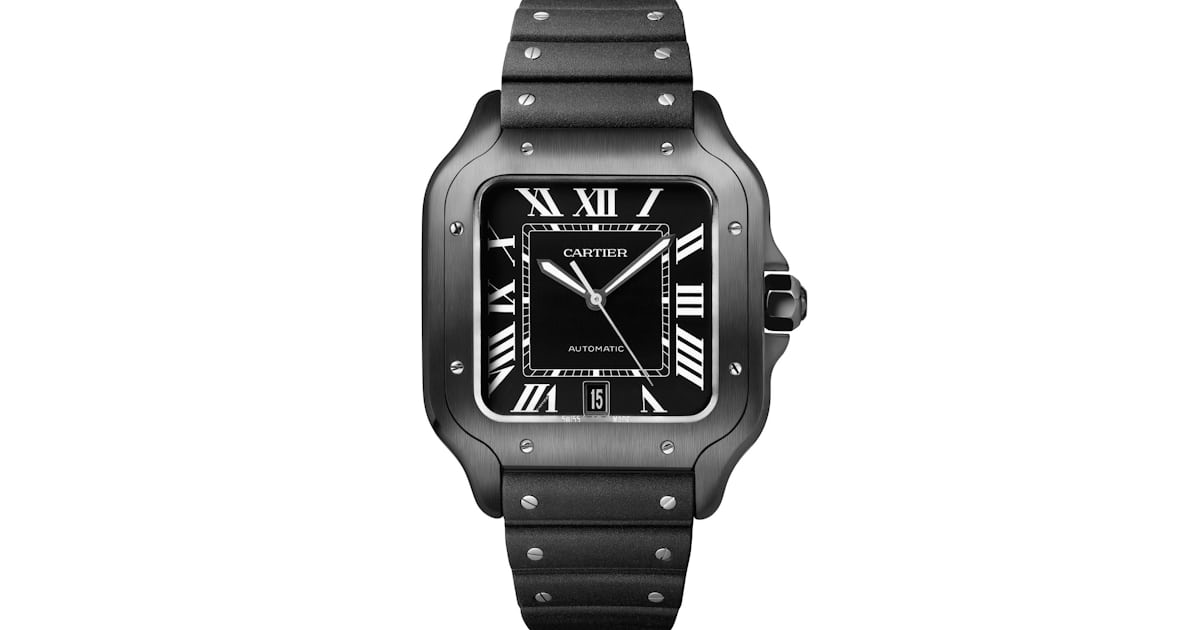
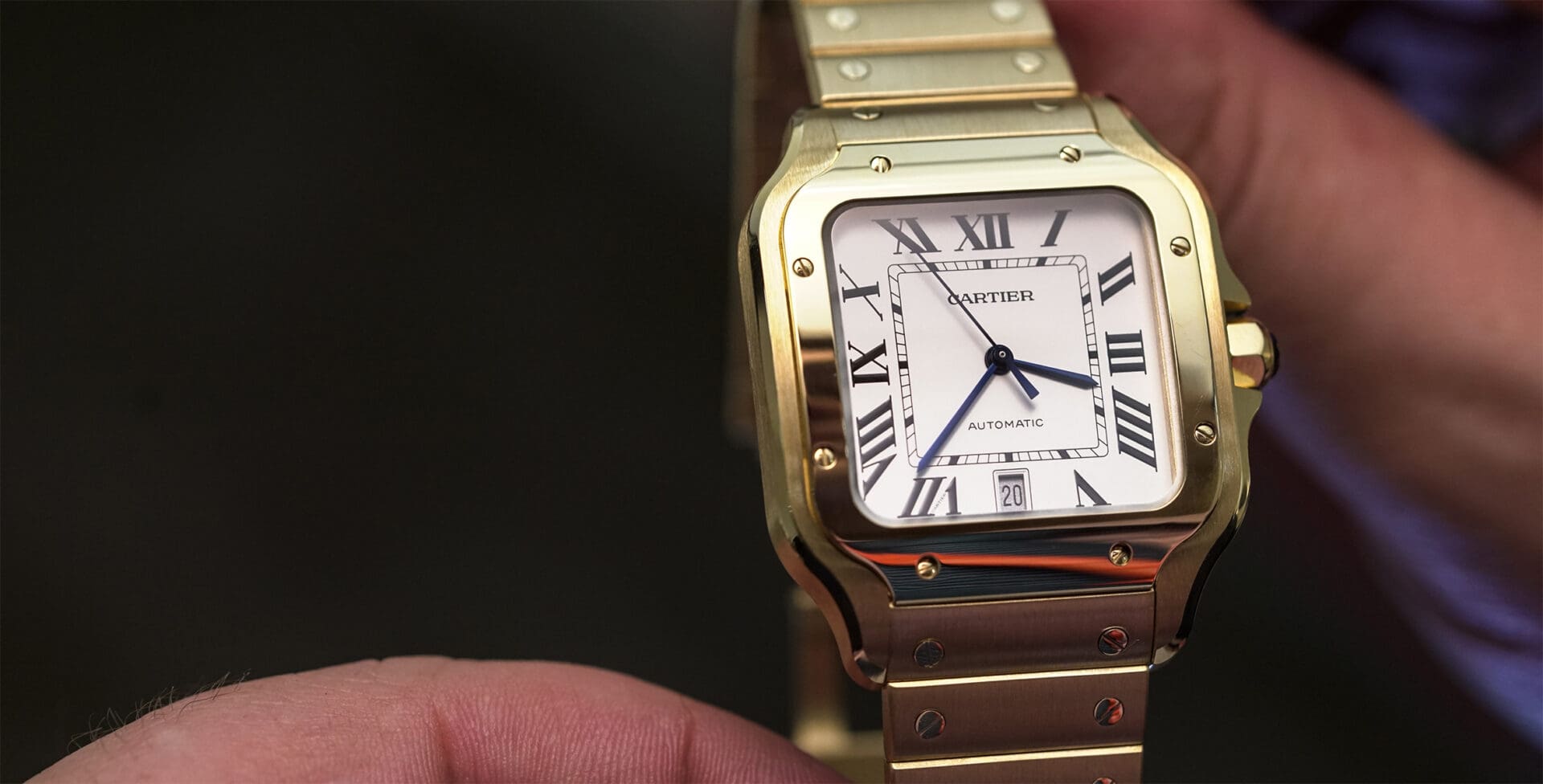
For an uncompromising mechanical watch enthusiast, one of the most dreaded words in the specifications of a watch is surely “quartz”. Oftentimes that dread is followed by the thought, if only it was mechanical… I must admit this went through my mind when I discovered the lovely Cartier Santos Dumont in 2019. And that was despite Cartier’s best efforts in communicating that the movement inside was a long-autonomy quartz calibre with a six-year battery life. The Cartier Santos Dumont trio, with only the XL variant (extreme left) being mechanical In the time since, I began to ponder the question: why do I seek the latest electronic gadgets, but am dismissive towards quartz watches? Just because quartz movements are often cheap and easily available, does that leave them uniformly uninteresting? The Quartz Crisis On Monday, December 29, 1969, tucked somewhere in the The New York Times was an eight-line paragraph that ended with “[the] world’s first electronic wrist watch with a crystal oscillator.” That electronic watch, as you may have guessed, was the Seiko Quartz-Astron. It was barely obvious at the time, but the announcement, innocuous as it was, would be the harbinger of a crisis for Swiss watchmaking. The father of all quartz watches, the Seiko Quartz-Astron 35SQ in 18K yellow gold The Quartz-Astron cost as much as a Toyota Corolla at the time of of its release – its price was equivalent to about US$1,200 – and was without a doubt a luxury product. Ov...