Mar 17, 2023
Pocket Watches: From Historical Icons to Modern Collectibles
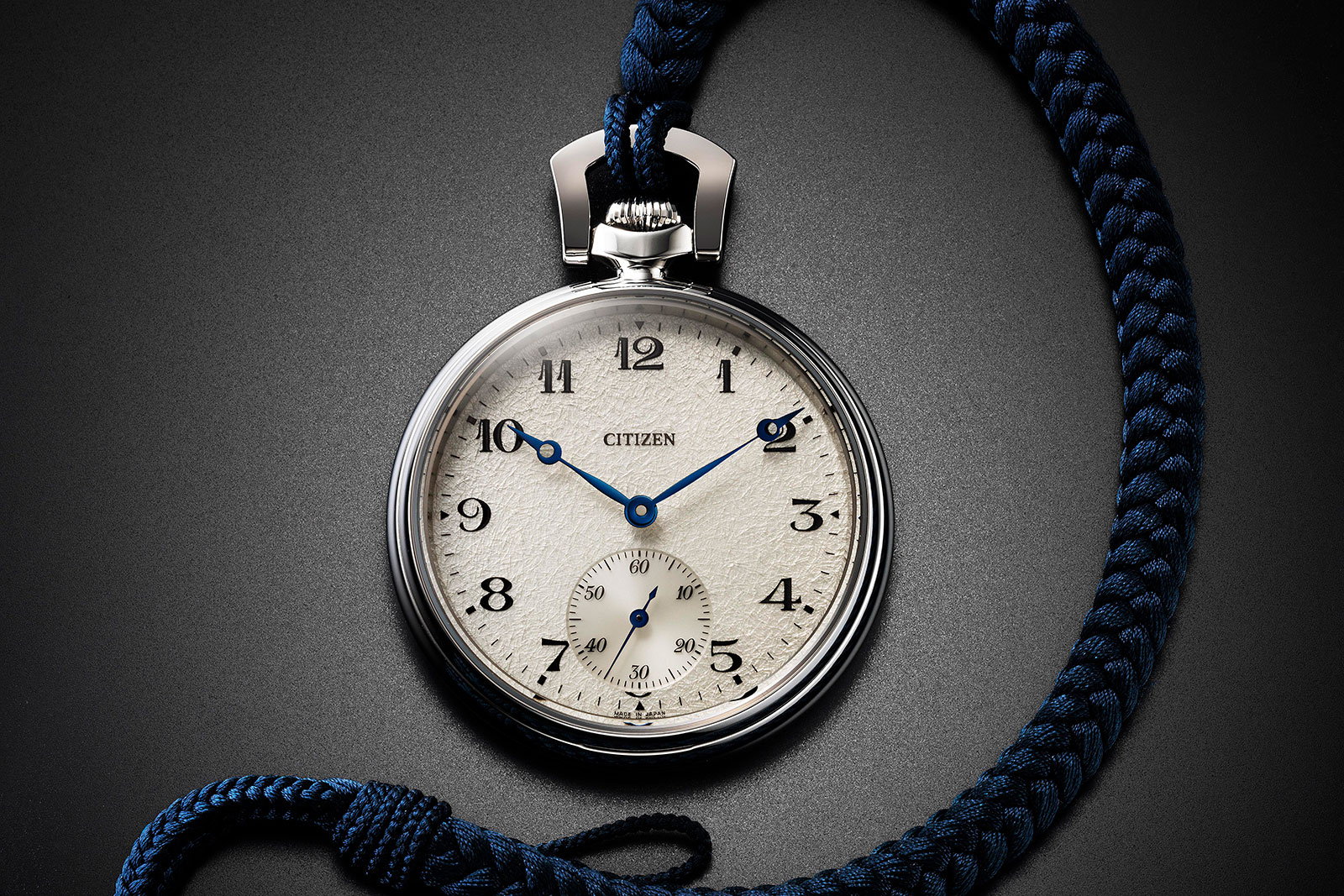
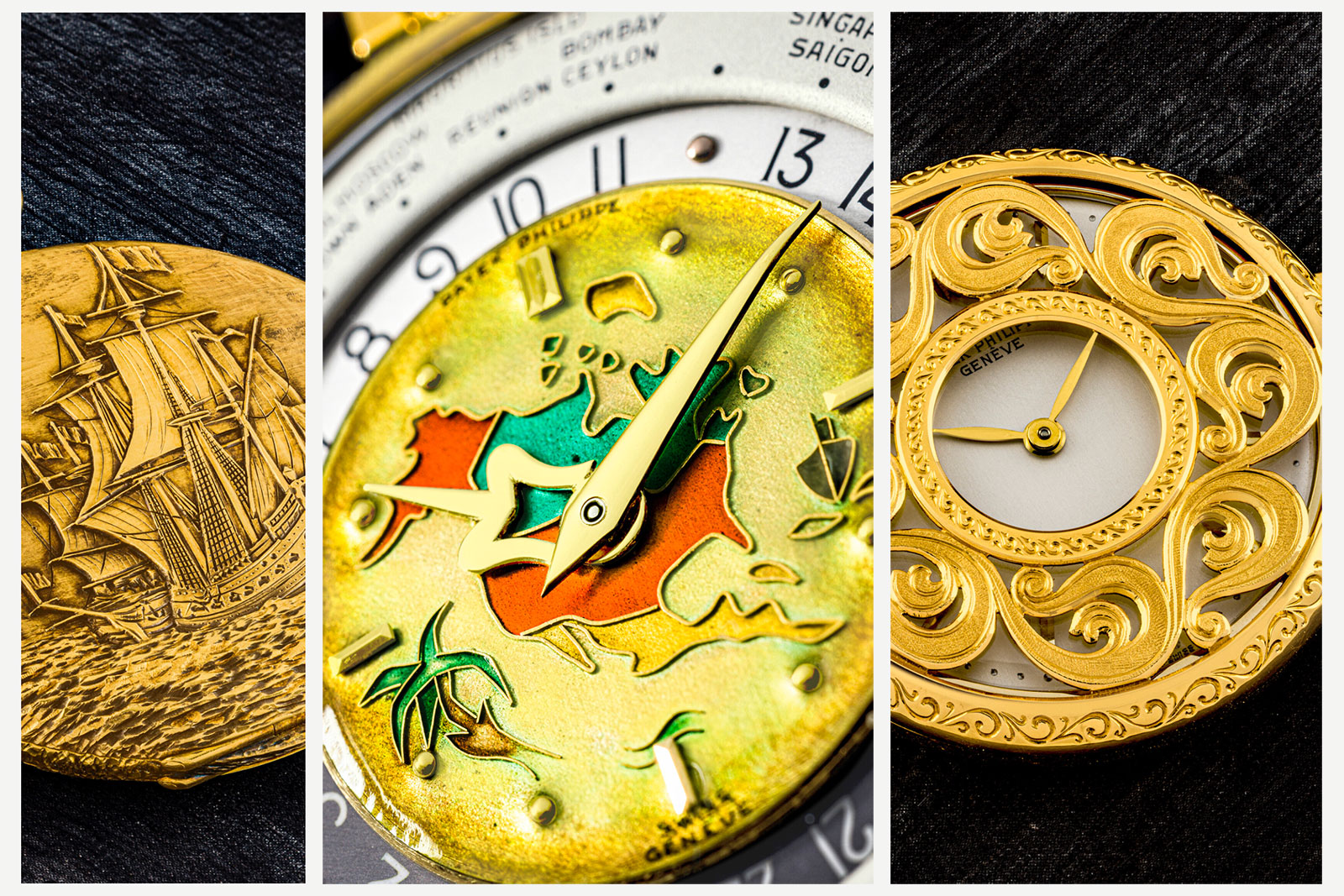
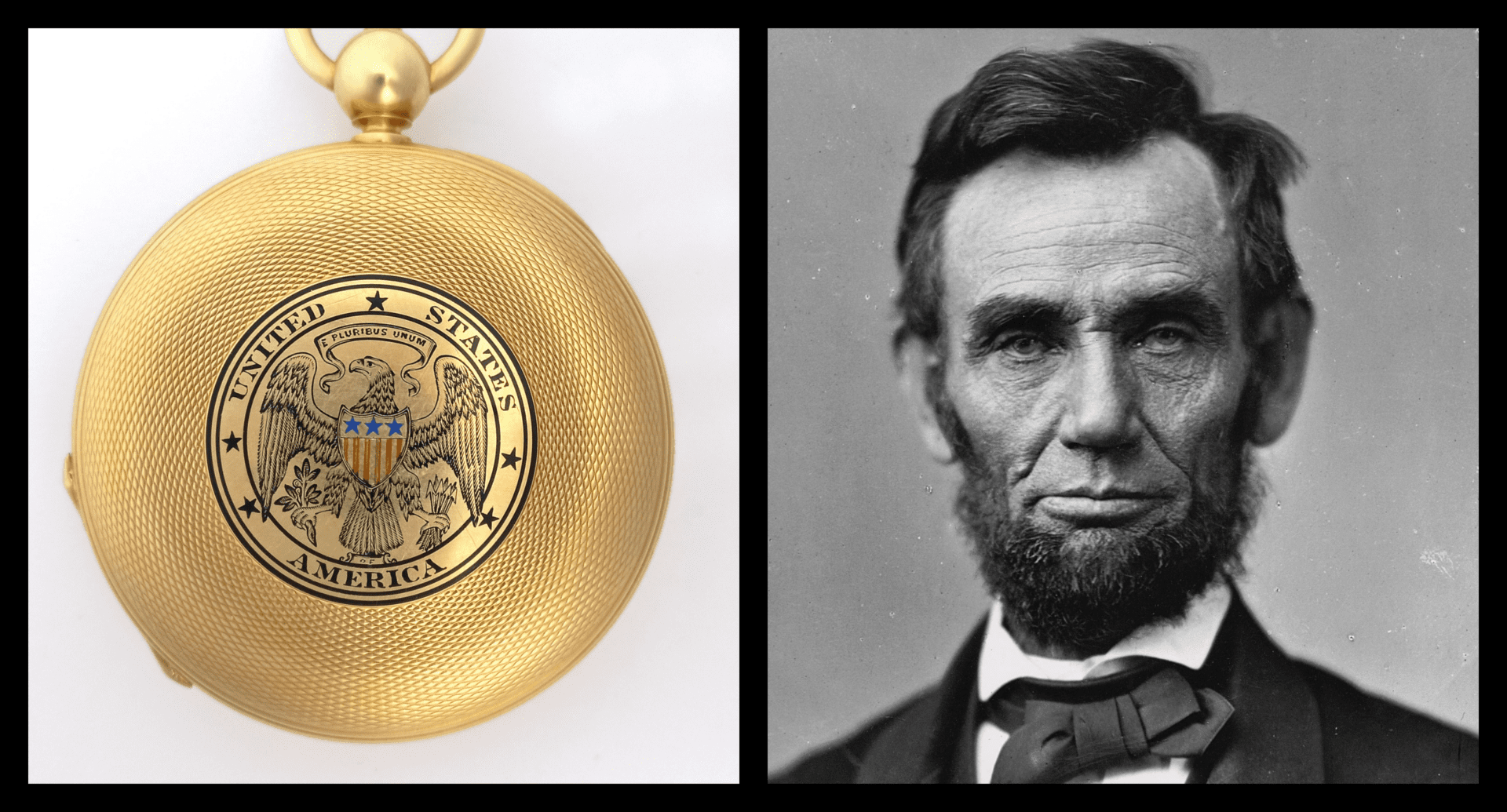
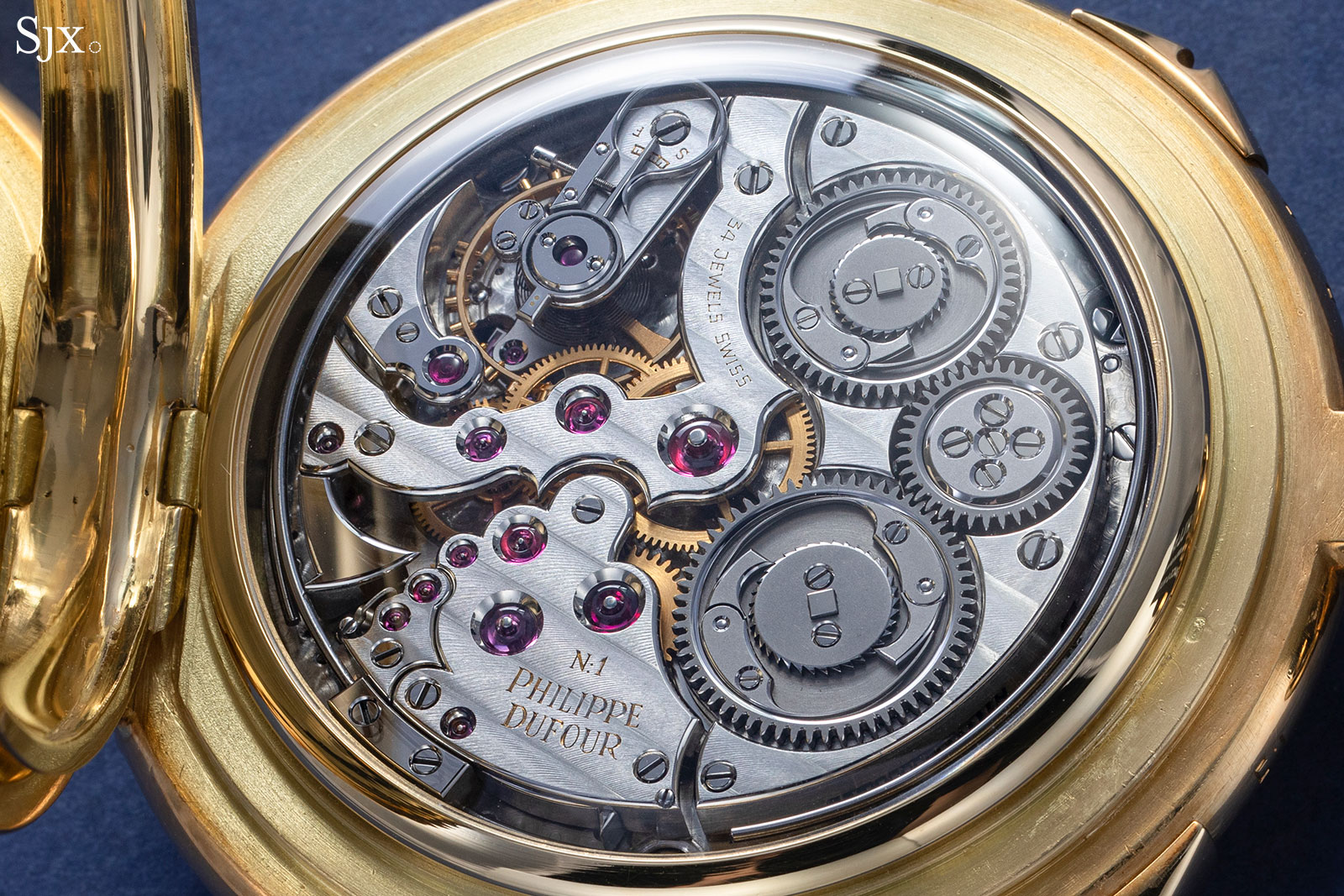
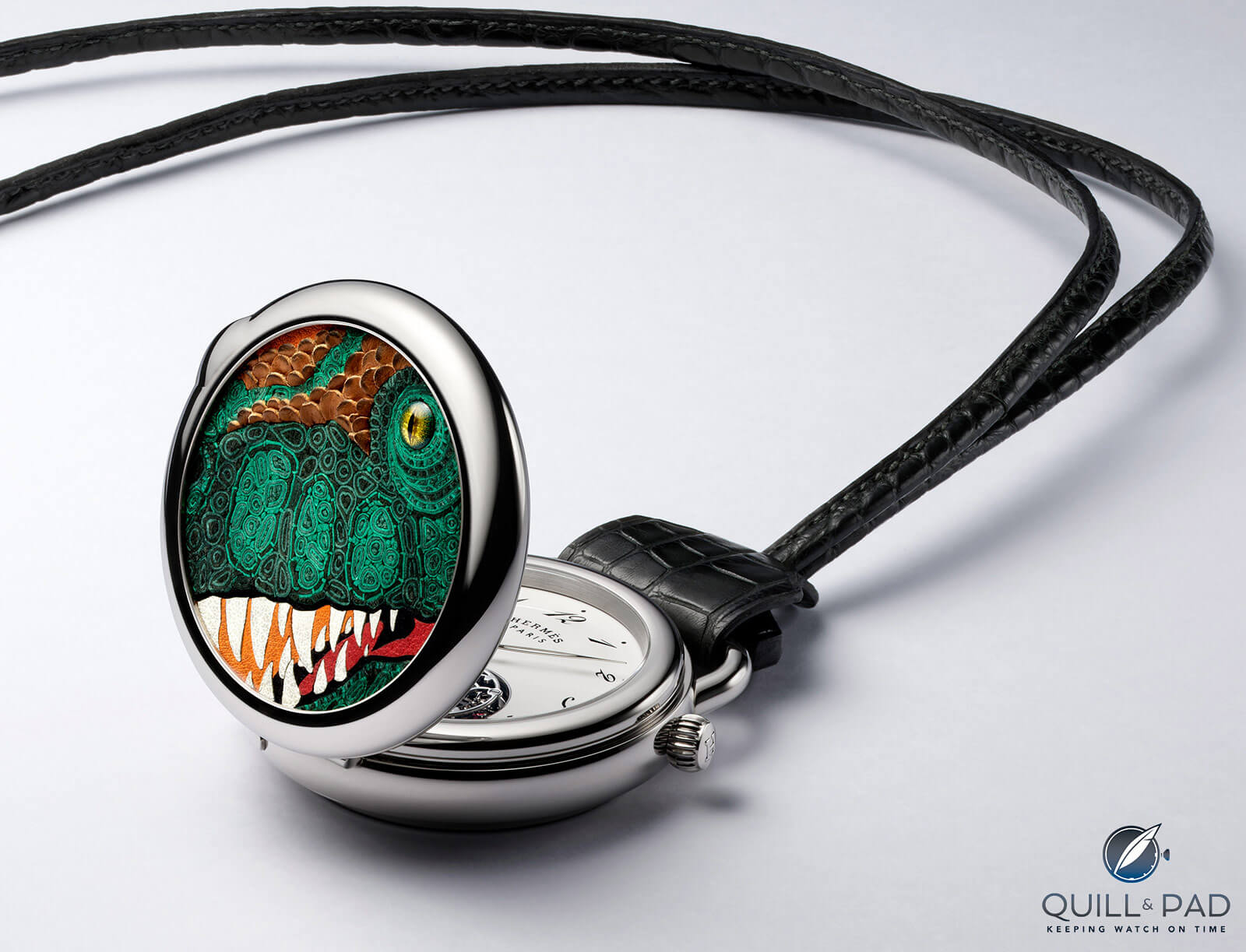
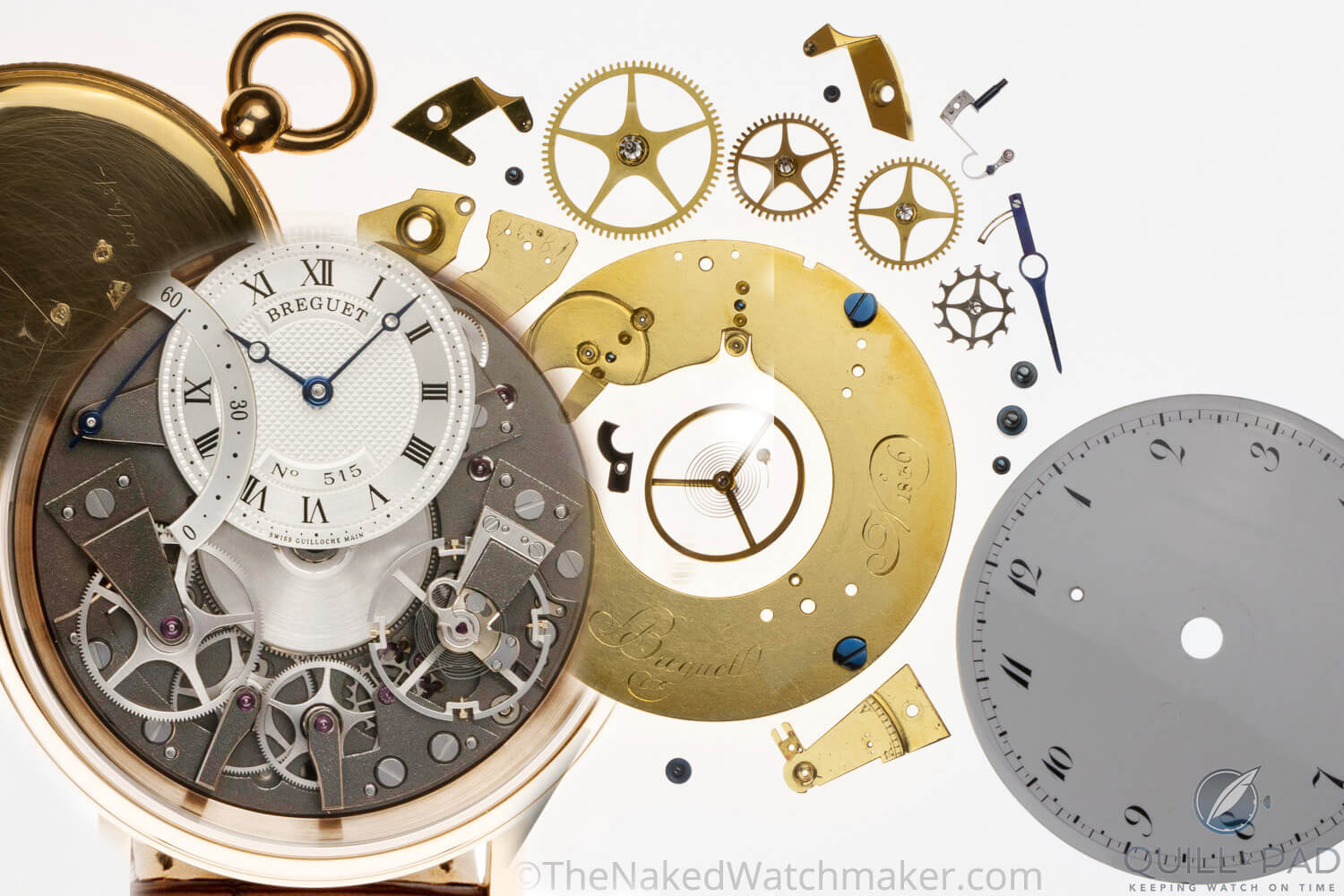
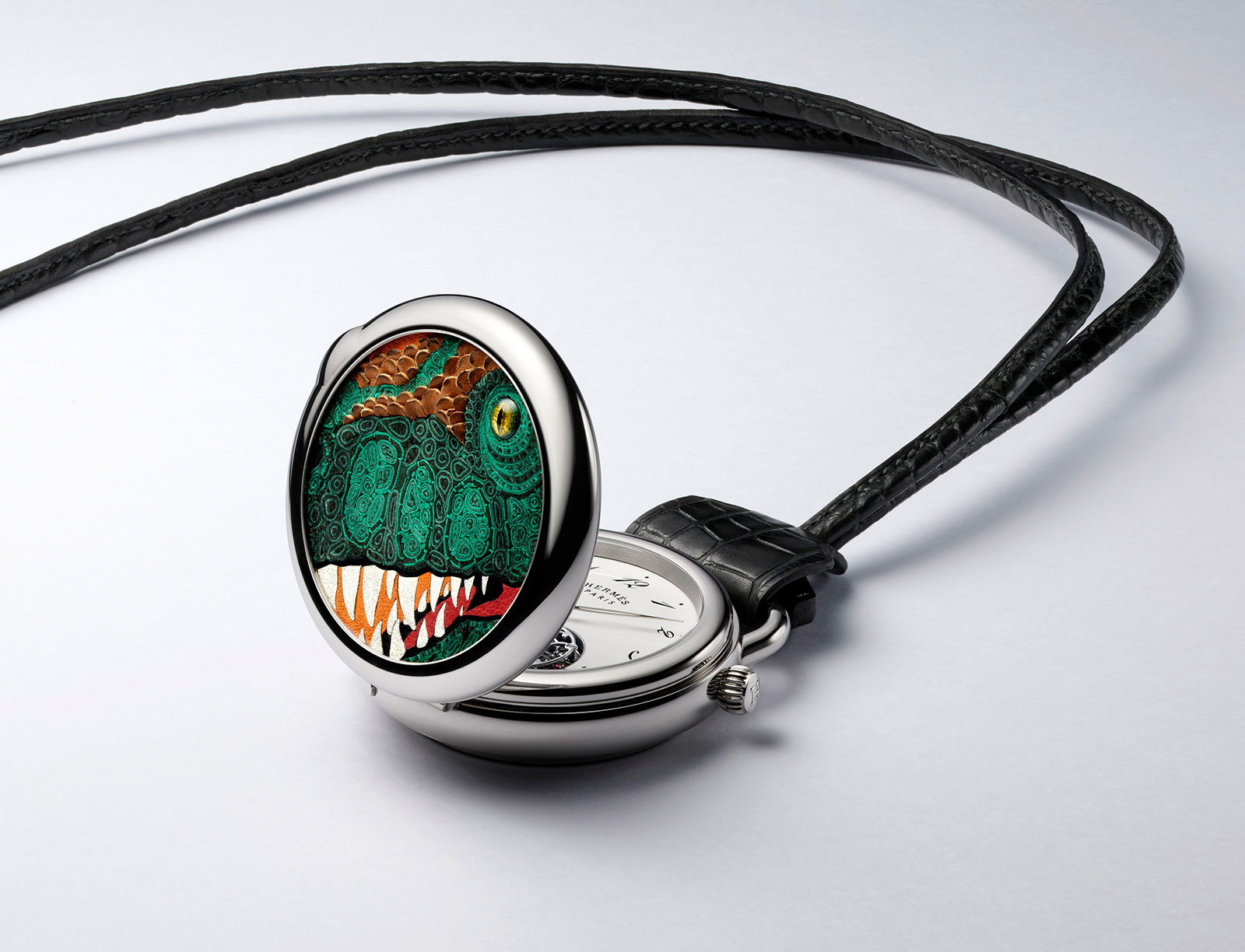
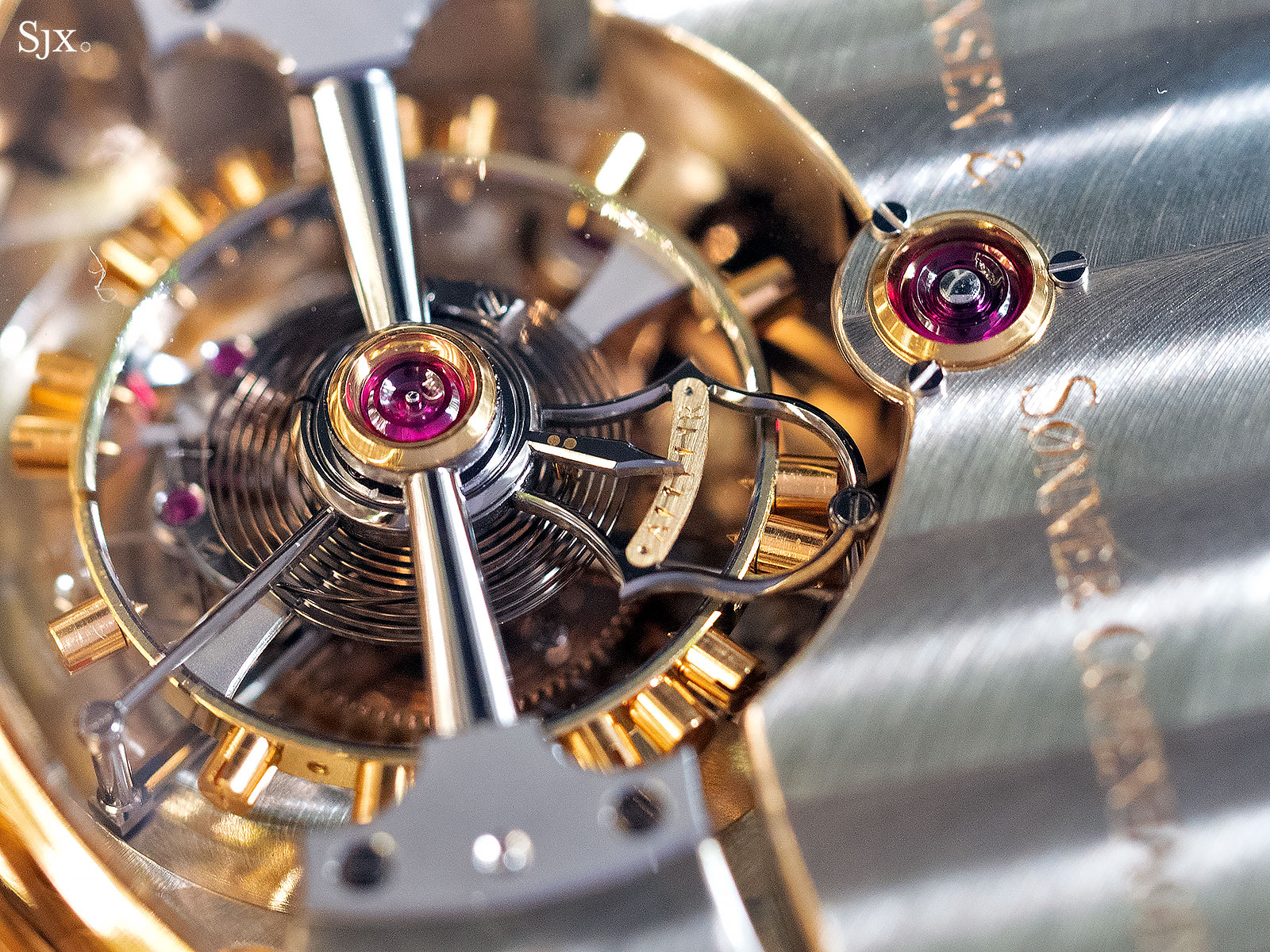
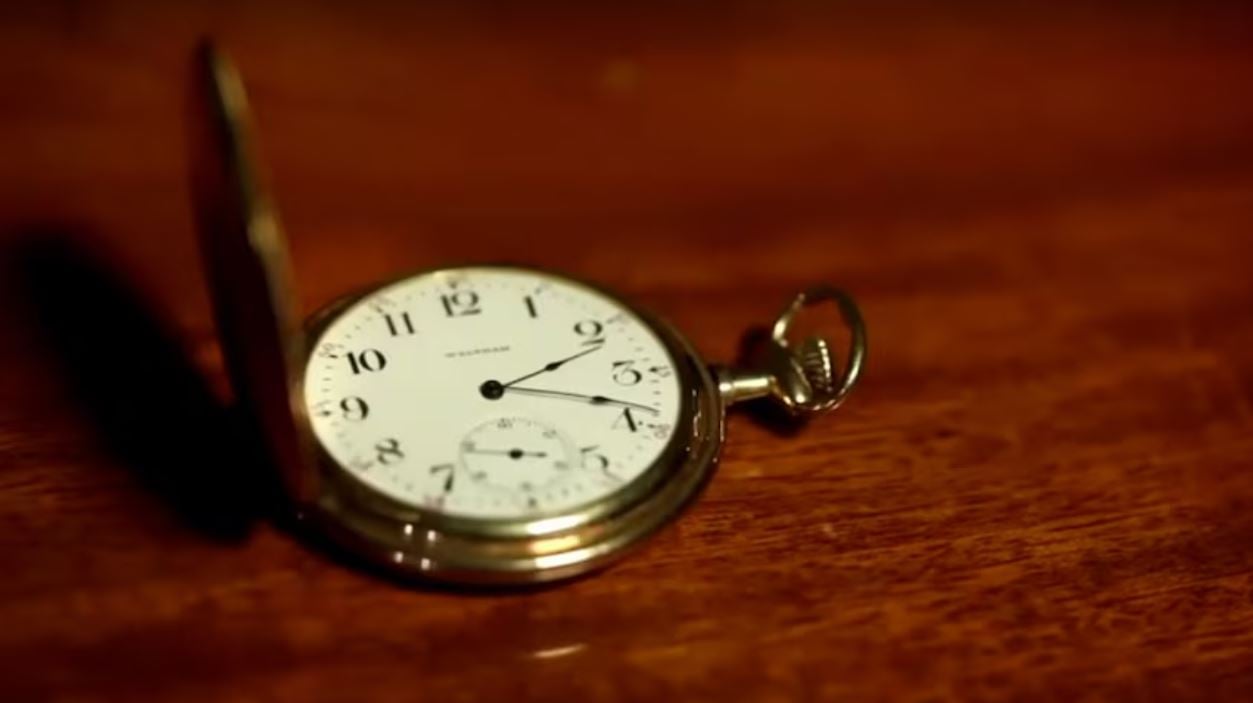
Before wristwatches, there were pocket watches, and while pocket watches have long been eclipsed in the market, and in the hearts of many collectors, by their wrist-worn brethren, they never went away entirely. In the 21st century, a pocket watch is a rarity that can represent many things: for a watch aficionado, it can be a proudly retrograde style statement to complement a boldly chosen ensemble, or a Holy Grail piece to proudly display at the center of a collection of wristwatches. For a watchmaker, the pocket watch’s larger dimensions can provide a playground for the most ambitious high-horological inventions and decorative artistry. As I explore in more detail in this article, the historical figure most often credited as the inventor of the pocket watch is German clockmaker and locksmith Peter Henlein (1485-1542), who cobbled together the first so-called “clock-watches,” i.e., compact timekeepers designed to be worn on a person’s body, in his shop in Nuremberg in 1510. Essentially drum-shaped, ornamental brass boxes, with primitive, single-handed movements made of iron or steel inside, and suspended on chains draped around one’s neck, these devices were more regarded as ornamental jewelry than reliable timepieces. The drum-shaped cases eventually gave way to more smoothly rounded oval shaped ones, aka the so-called “Nuremberg eggs,” which were also worn as pendants. King Charles II of England ushered in the next major step in the evolution of watches wit...
 Fratello