Teddy Baldassarre
Rolex Daytona: A Comprehensive Guide to the Iconic Racing Chronograph
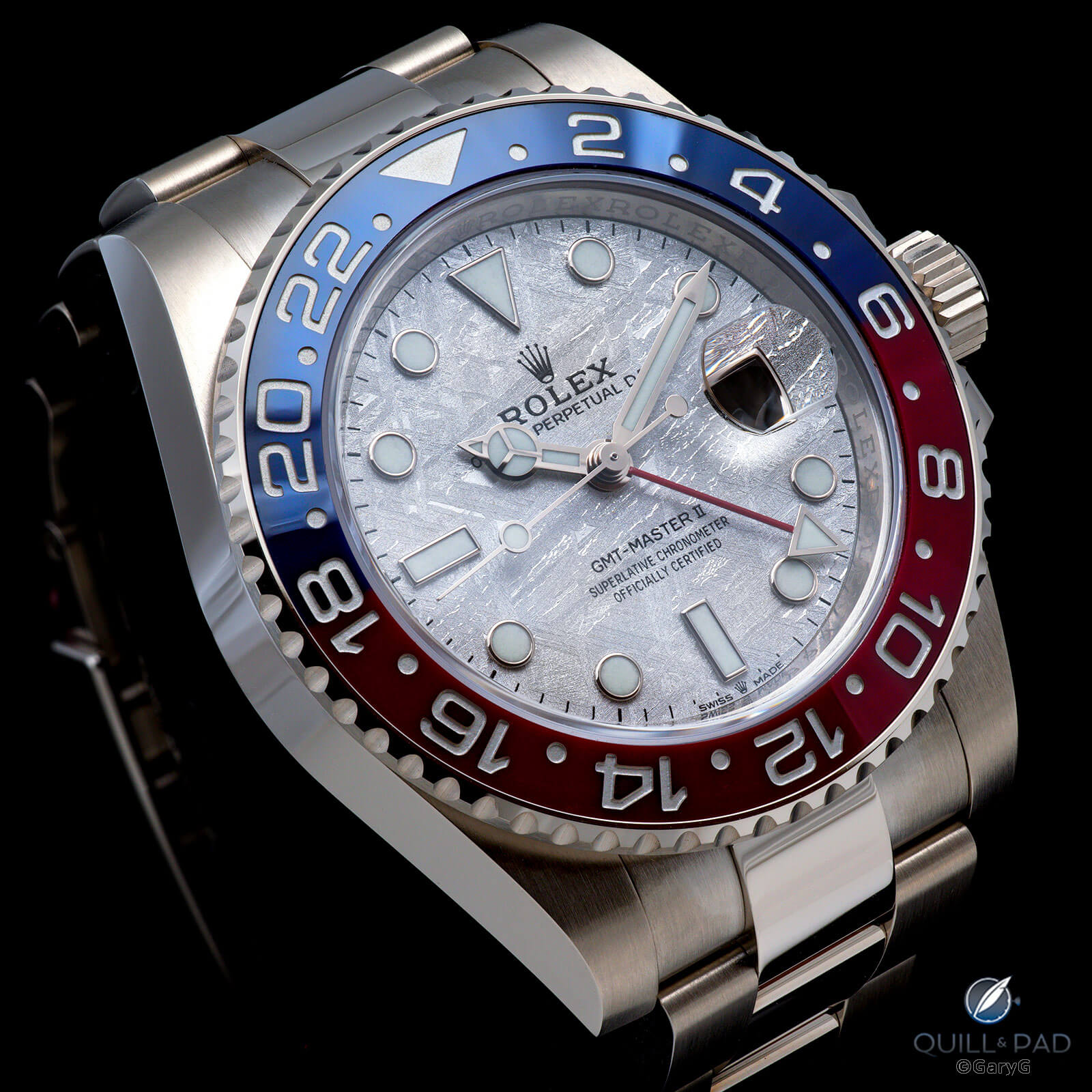
The Rolex Daytona is today one of the most coveted and collectible luxury watches in the world, and indisputably a legend among racing-inspired chronograph wristwatches. But it was far from an overnight success. Read on to discover how the Rolex Daytona went from languishing on retailers’ shelves in the early 1960s to inspiring years-long waiting lists and stratospheric auction prices in the 21st Century, and how some racetrack cred and Hollywood star power lent a hand along the way. Since its founding in 1905, Rolex has grown to become the world’s undisputed king of luxury sport watches and one of the most influential innovators in watchmaking history. Rolex inventions like the waterproof Oyster case, the self-winding Perpetual movement, and the user-friendly magnifying Cyclops lens have had widespread influence in the watch industry, and iconic watch models like the Explorer, Submariner and GMT-Master have become the standards against which others in their category are measured. All that said, Rolex was relatively late to the game when it comes to one of the most popular sport-watch fields: the chronograph. By the early 1950s, the decade in which all three of the aforementioned Rolex models debuted, competitors like Breitling, Longines, and Heuer (today’s TAG Heuer), all of whom had established themselves as specialists in chronographs since before the 20th Century, were dominant in the space. Rolex had dabbled with chronograph models intermittently since 1937, b...