The Business of Watches Podcast: Formex CEO And Head Of Product Development At Dexel Raphael Granito
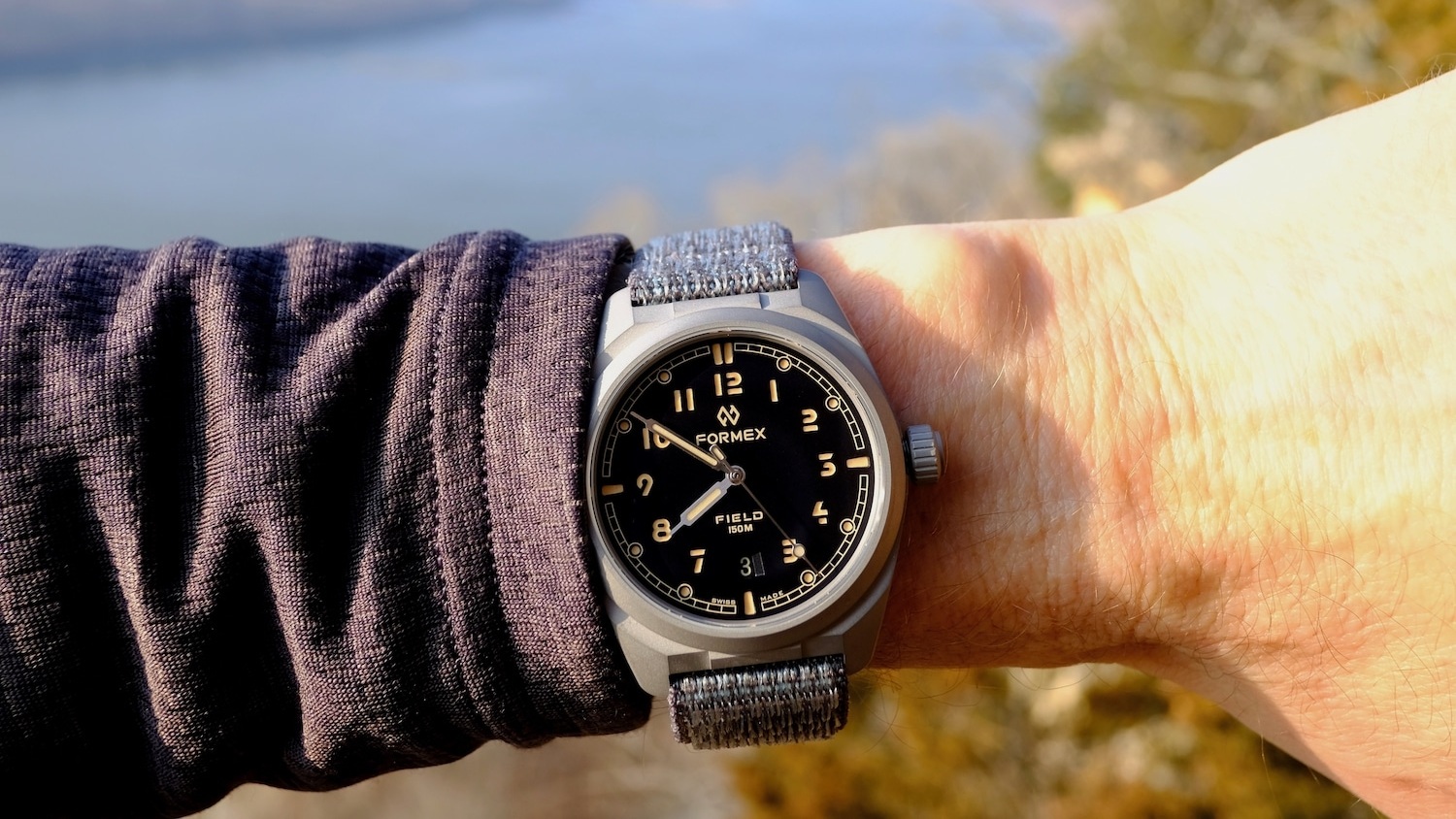
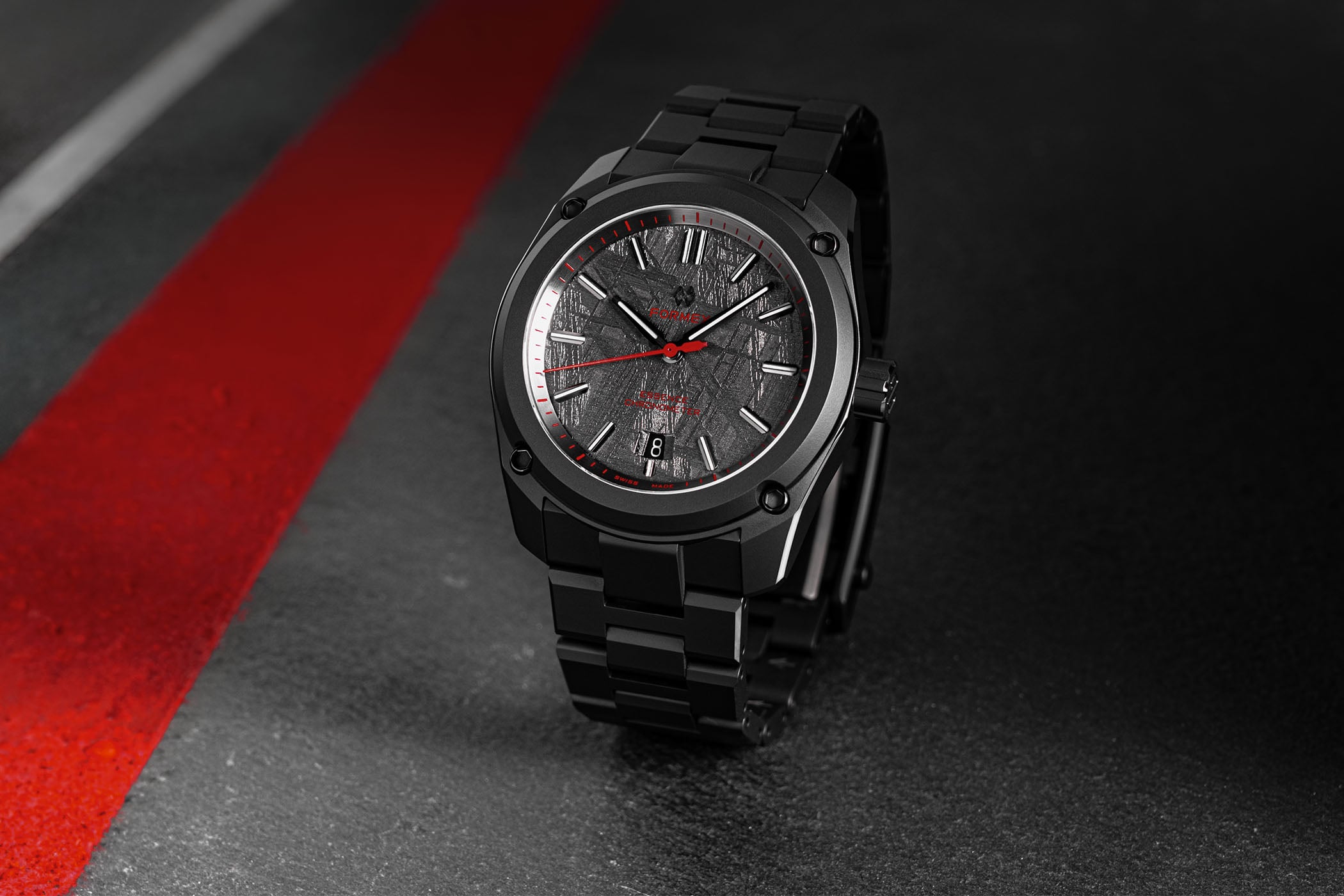
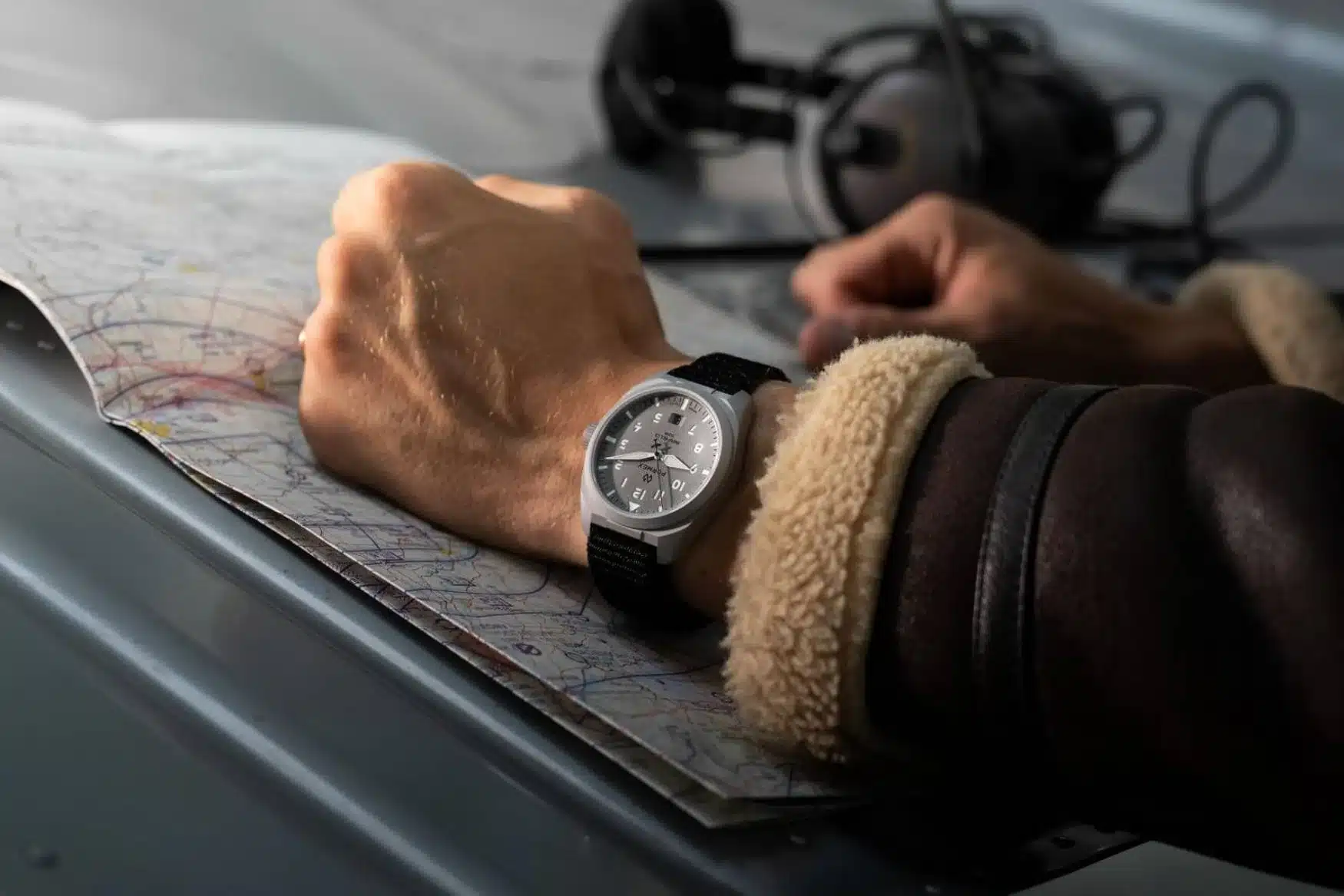
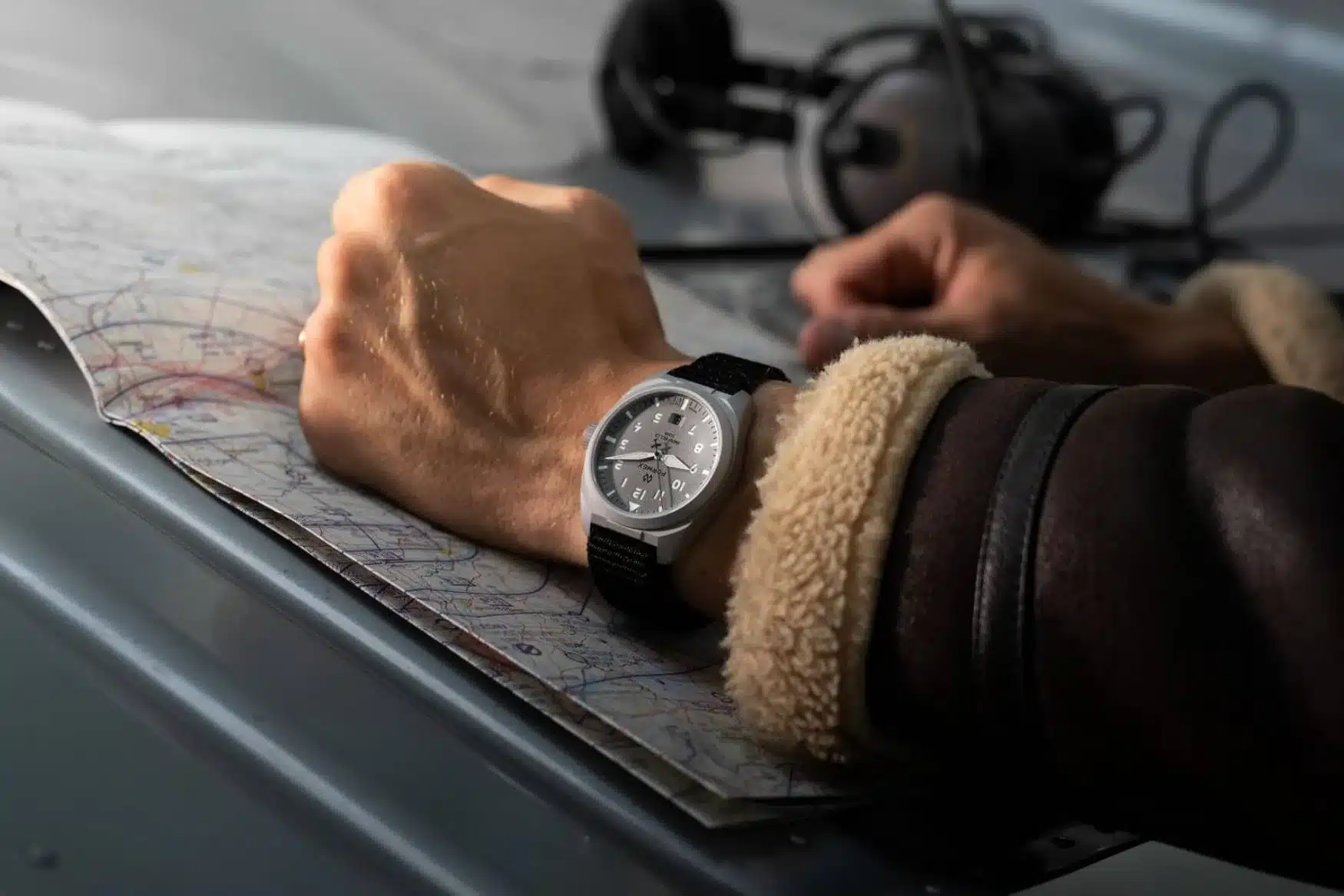
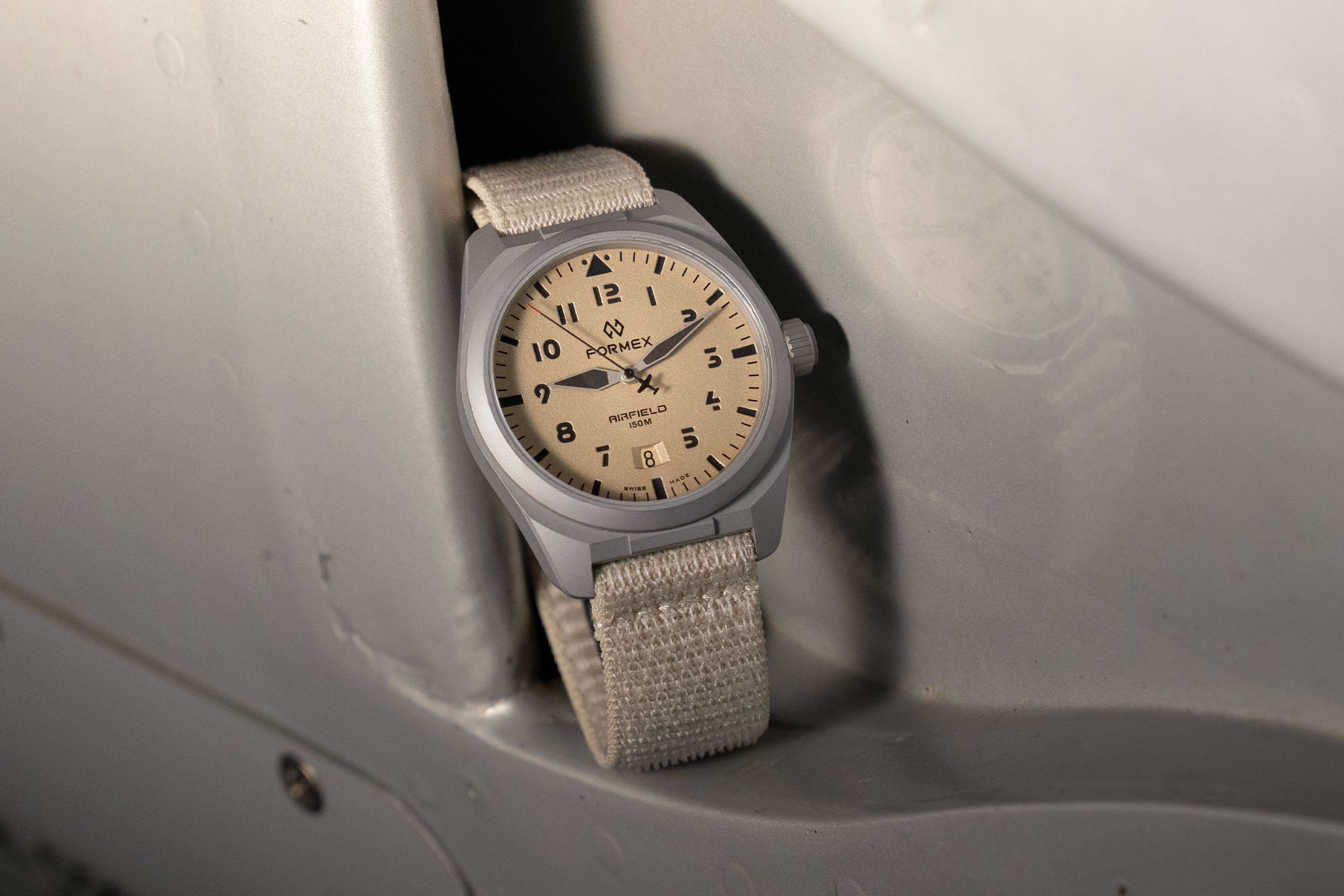
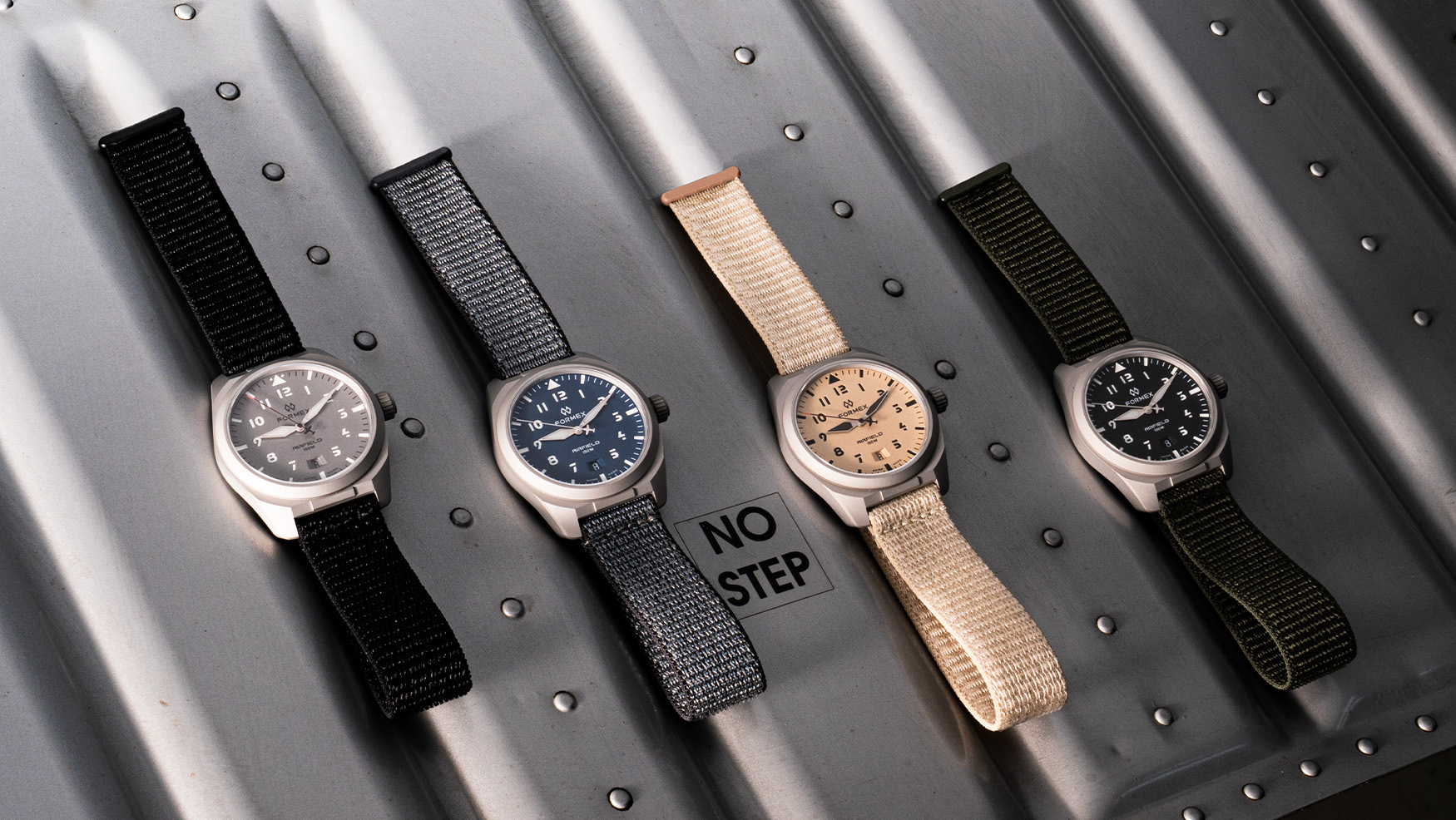
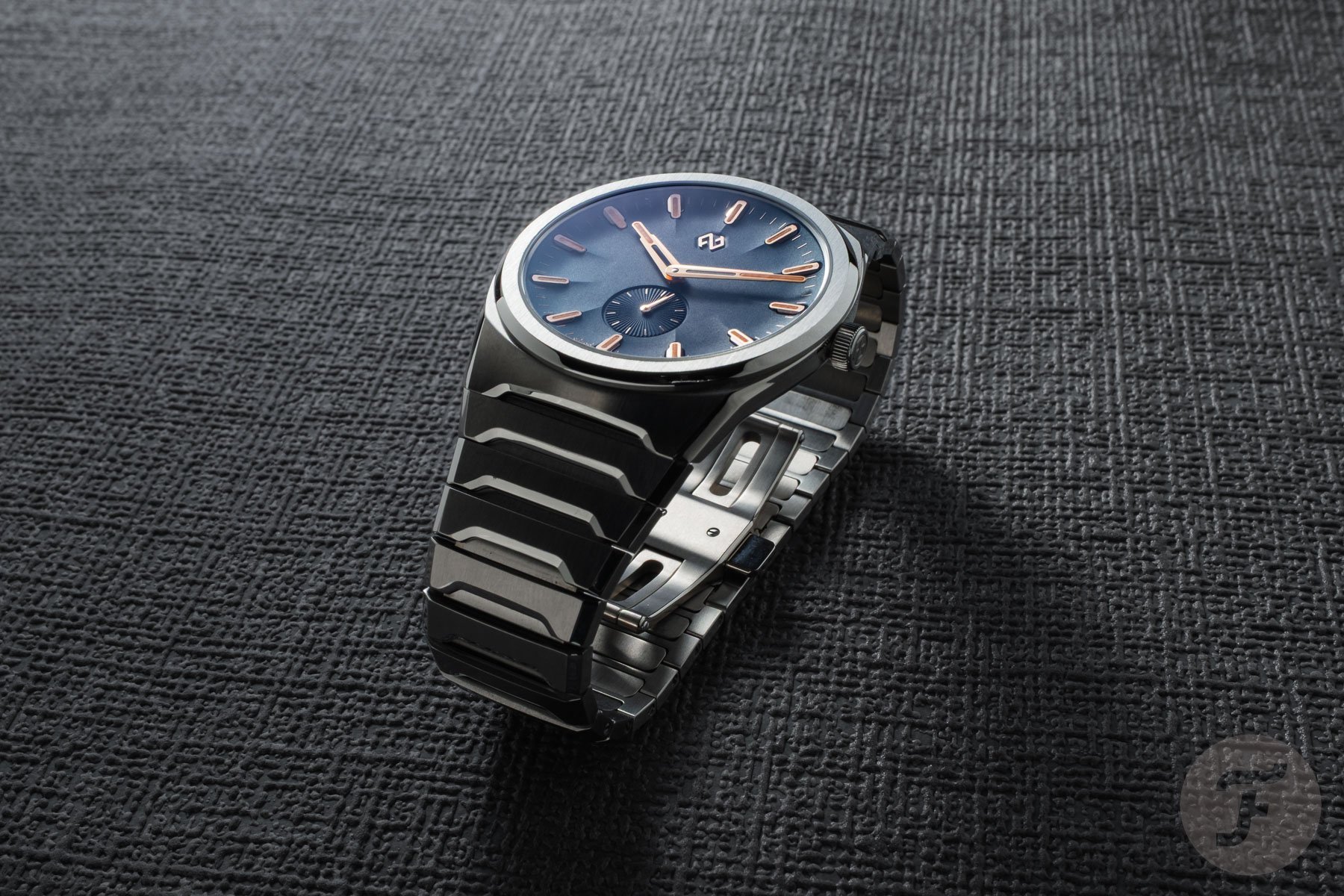
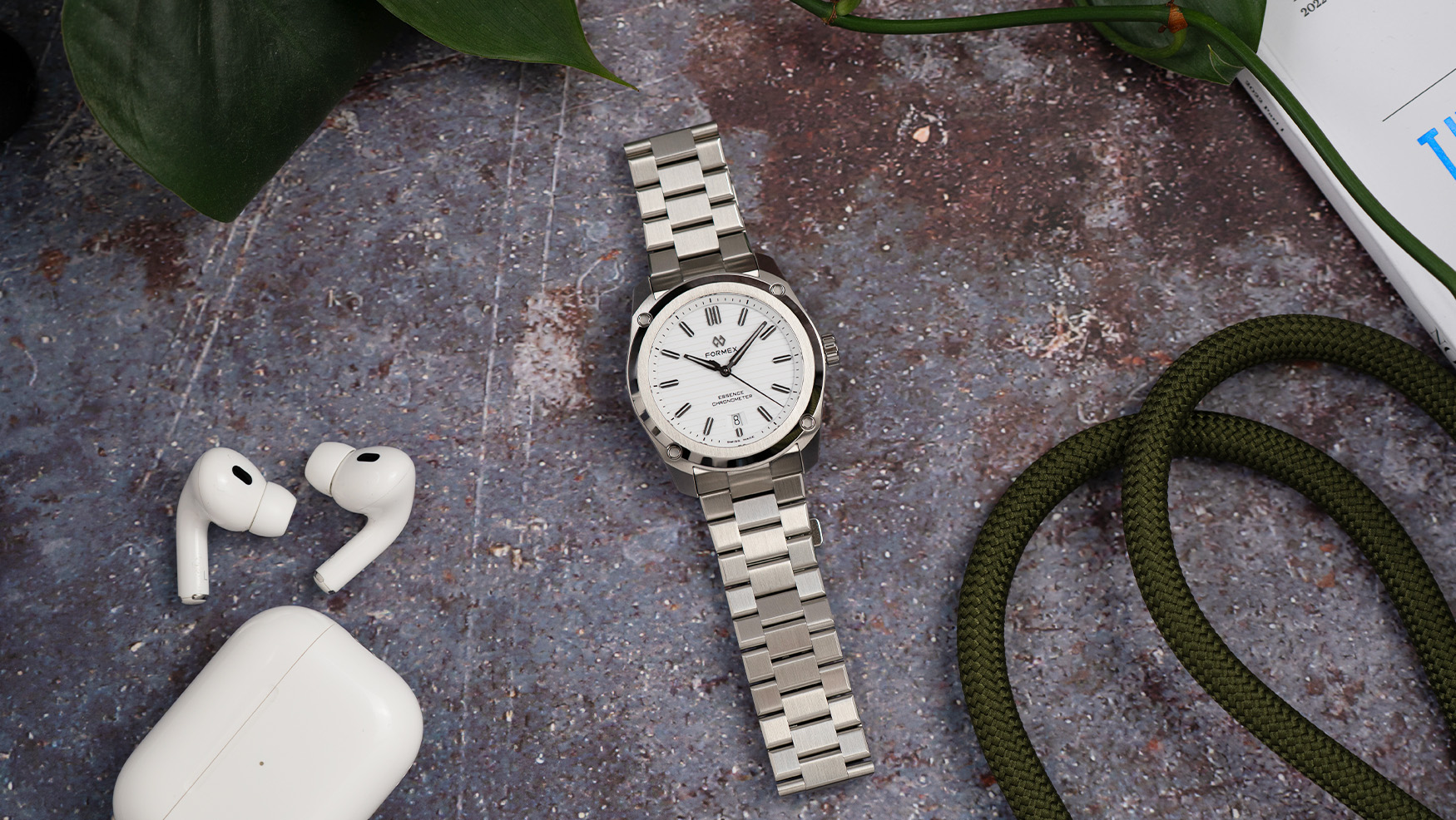
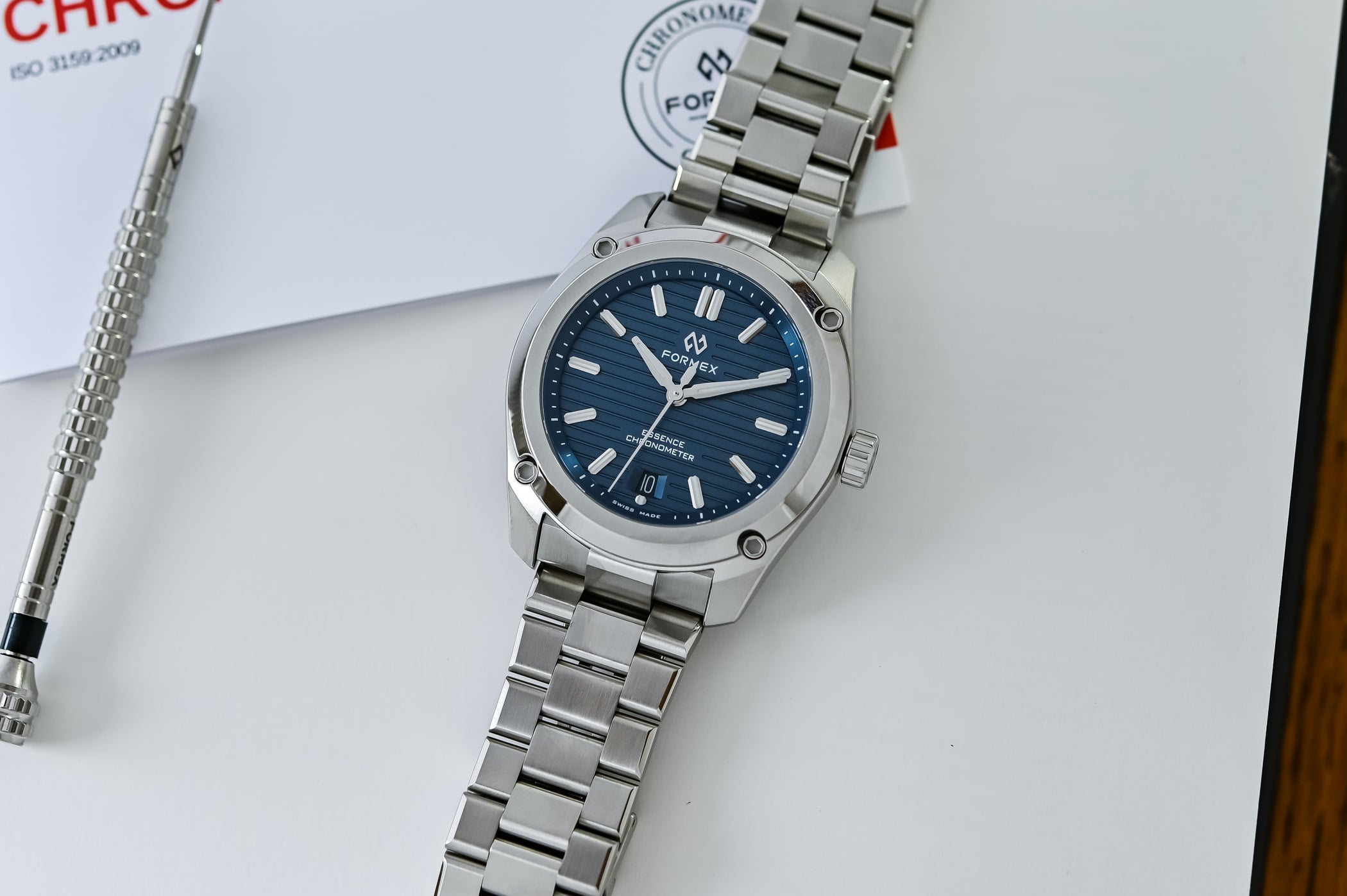
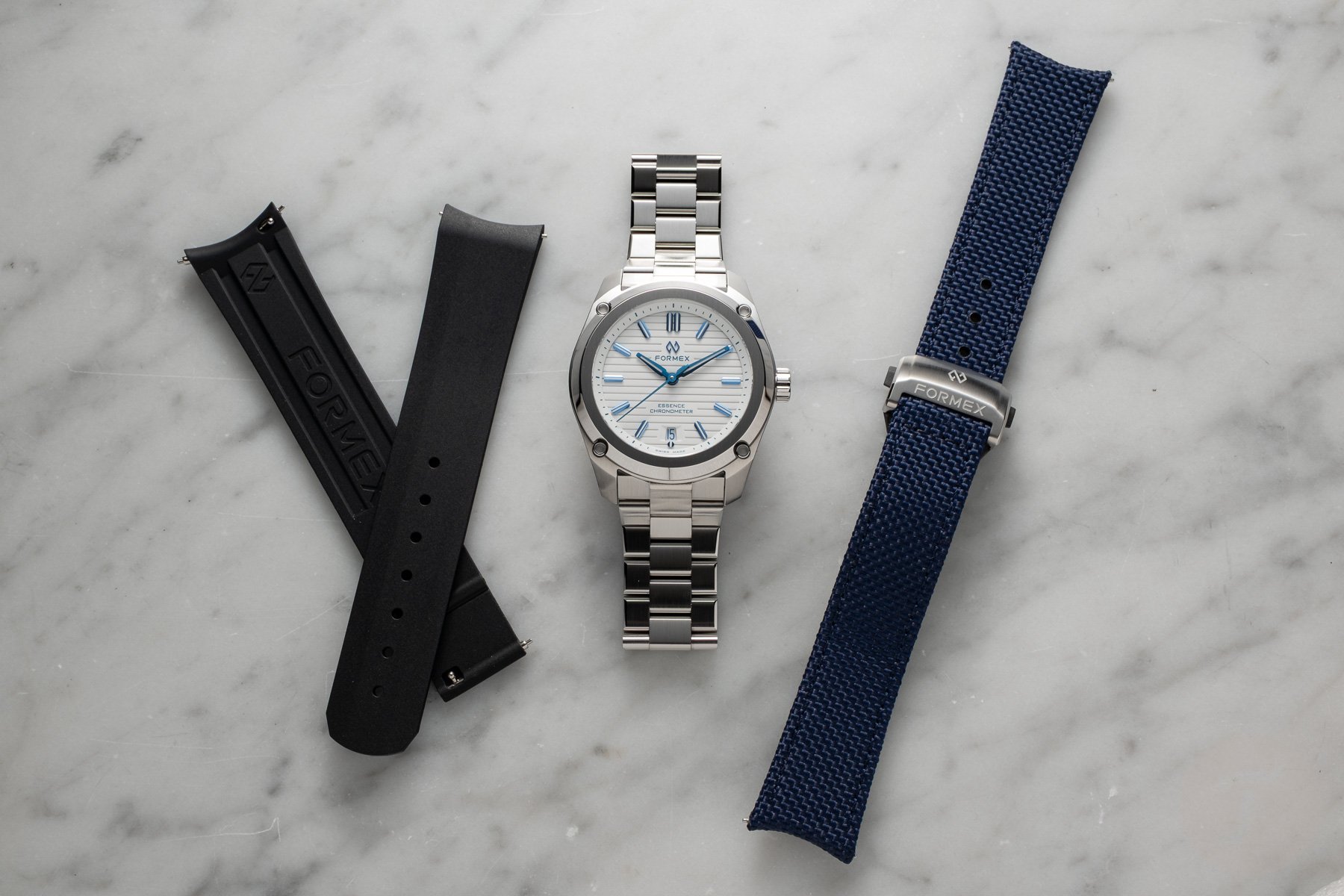
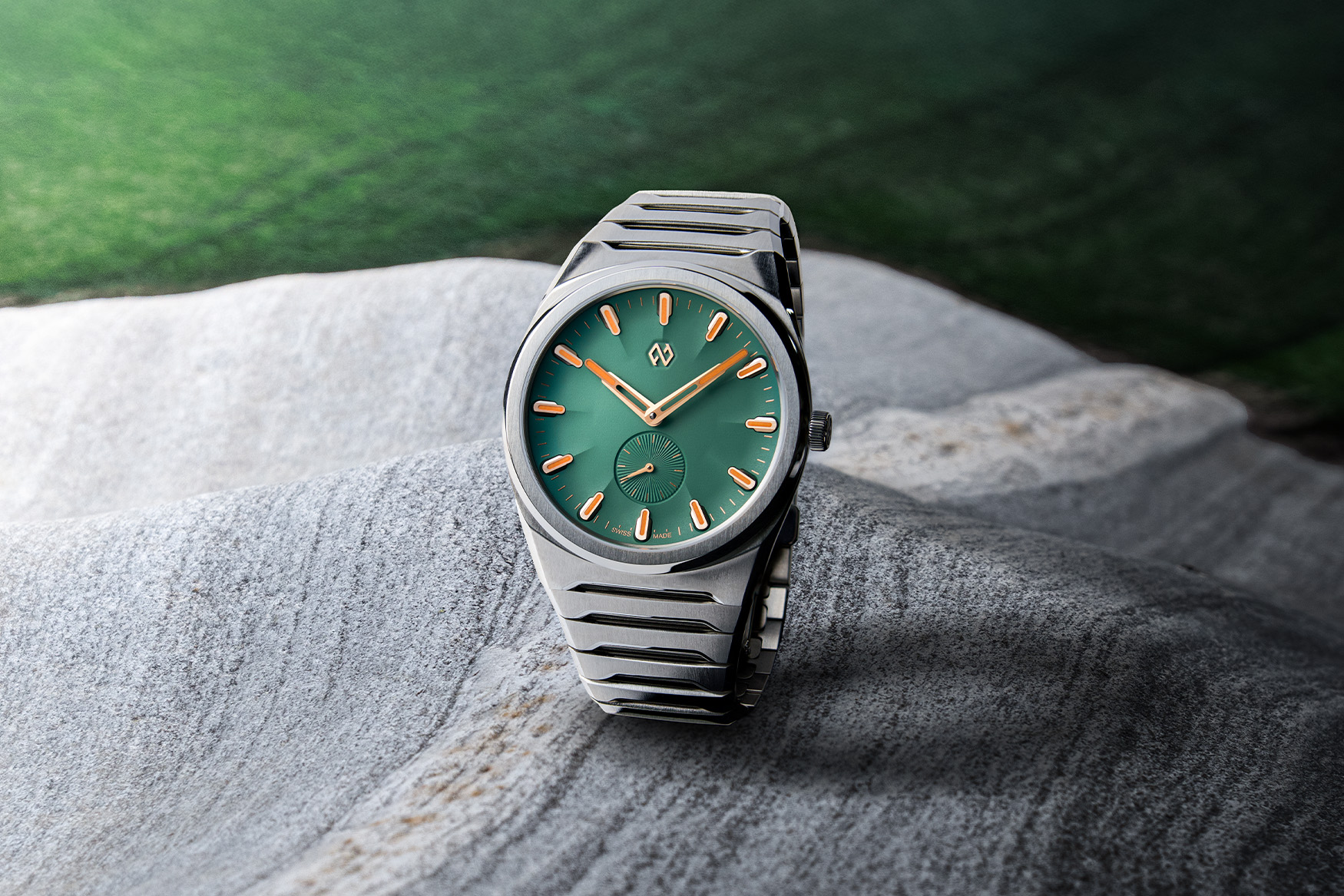
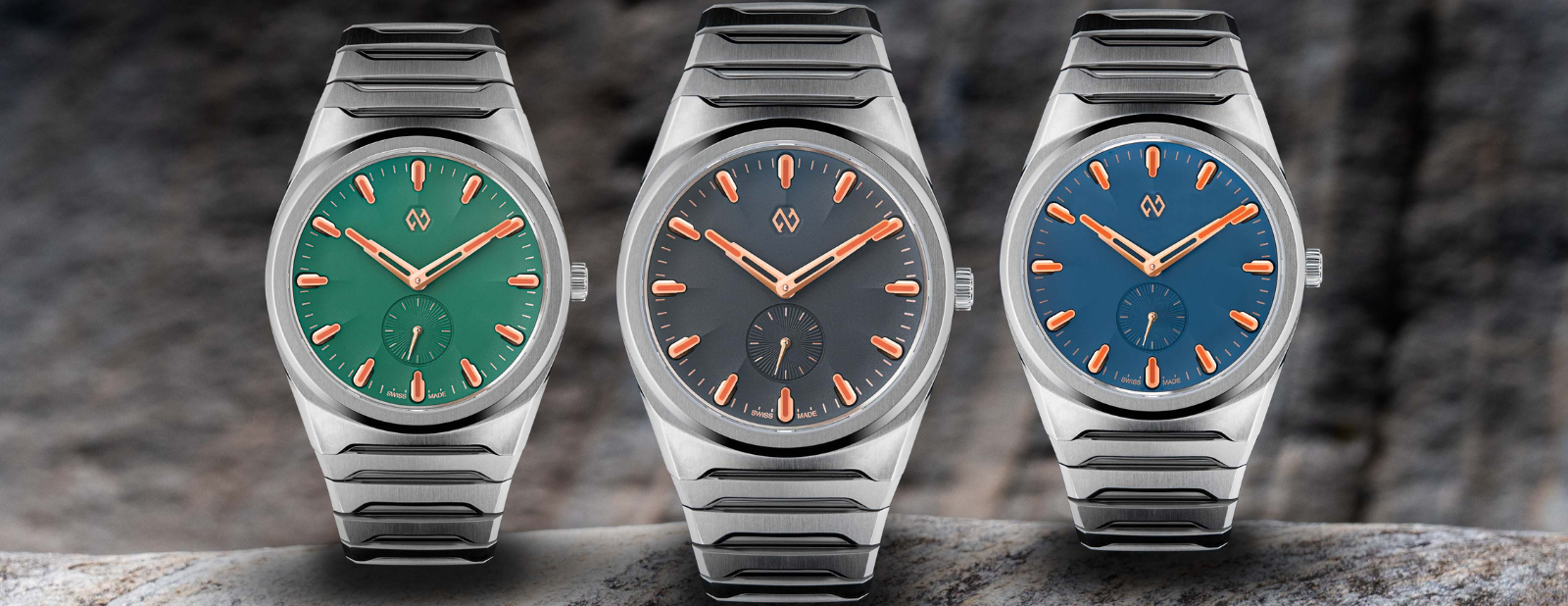
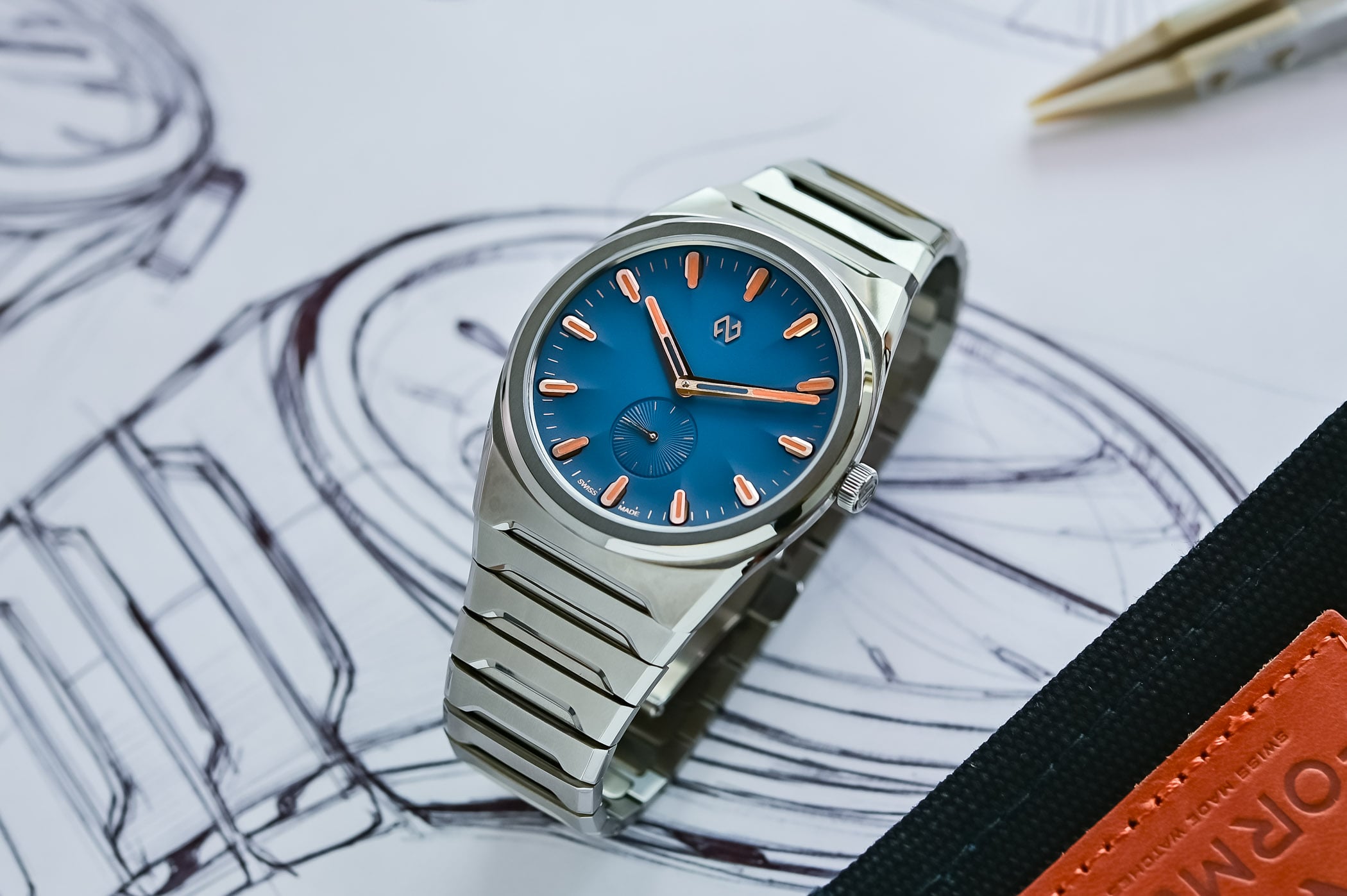
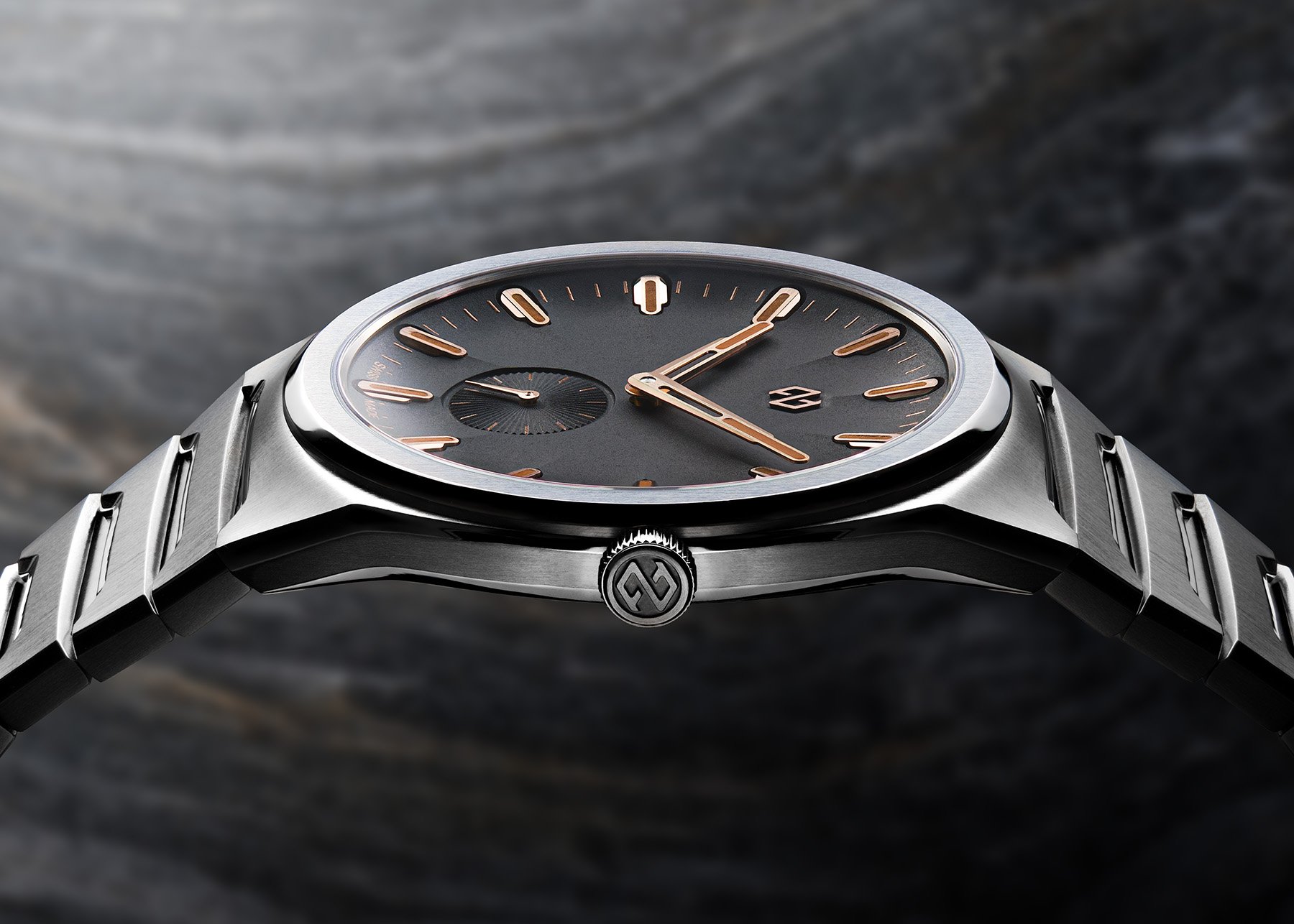
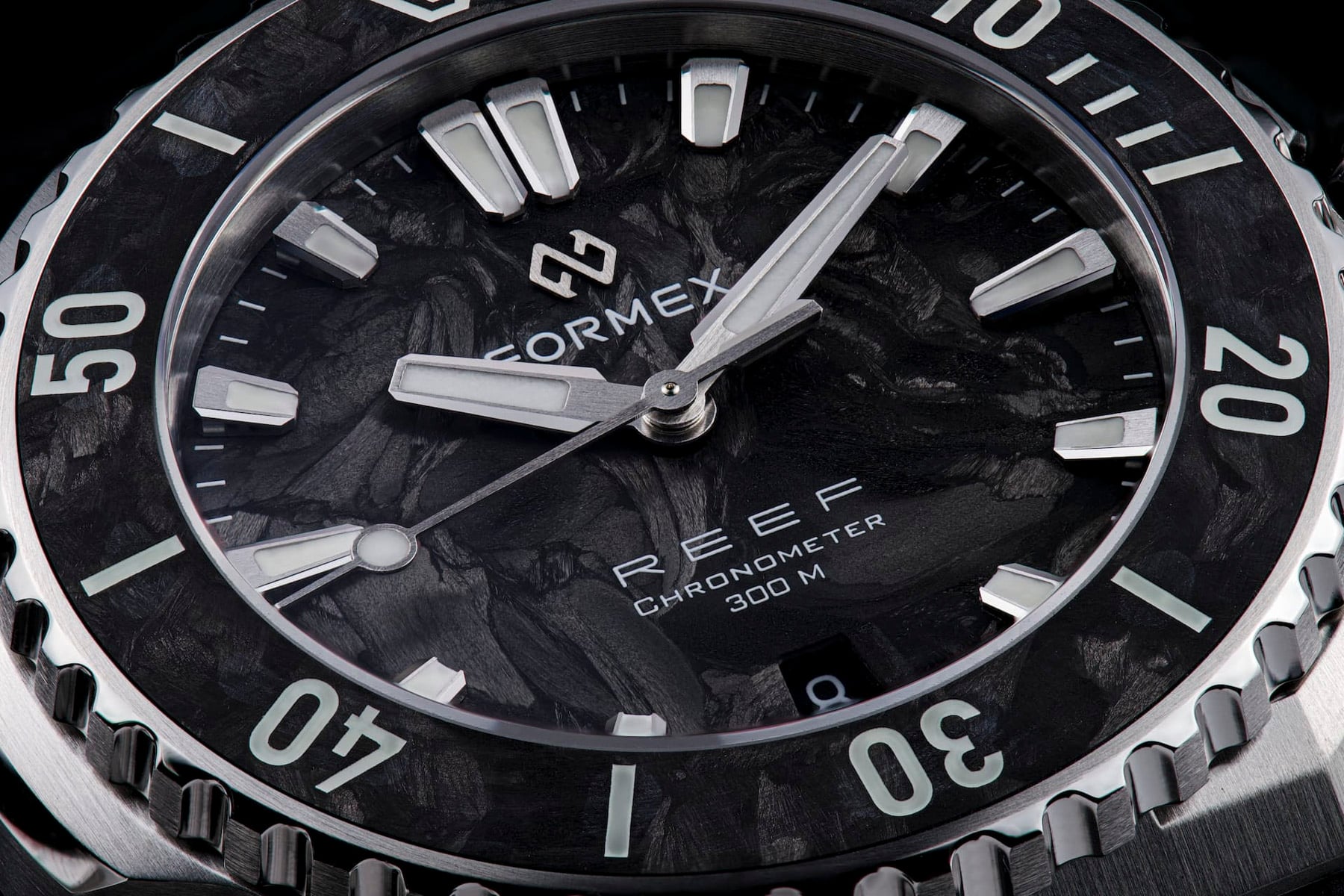
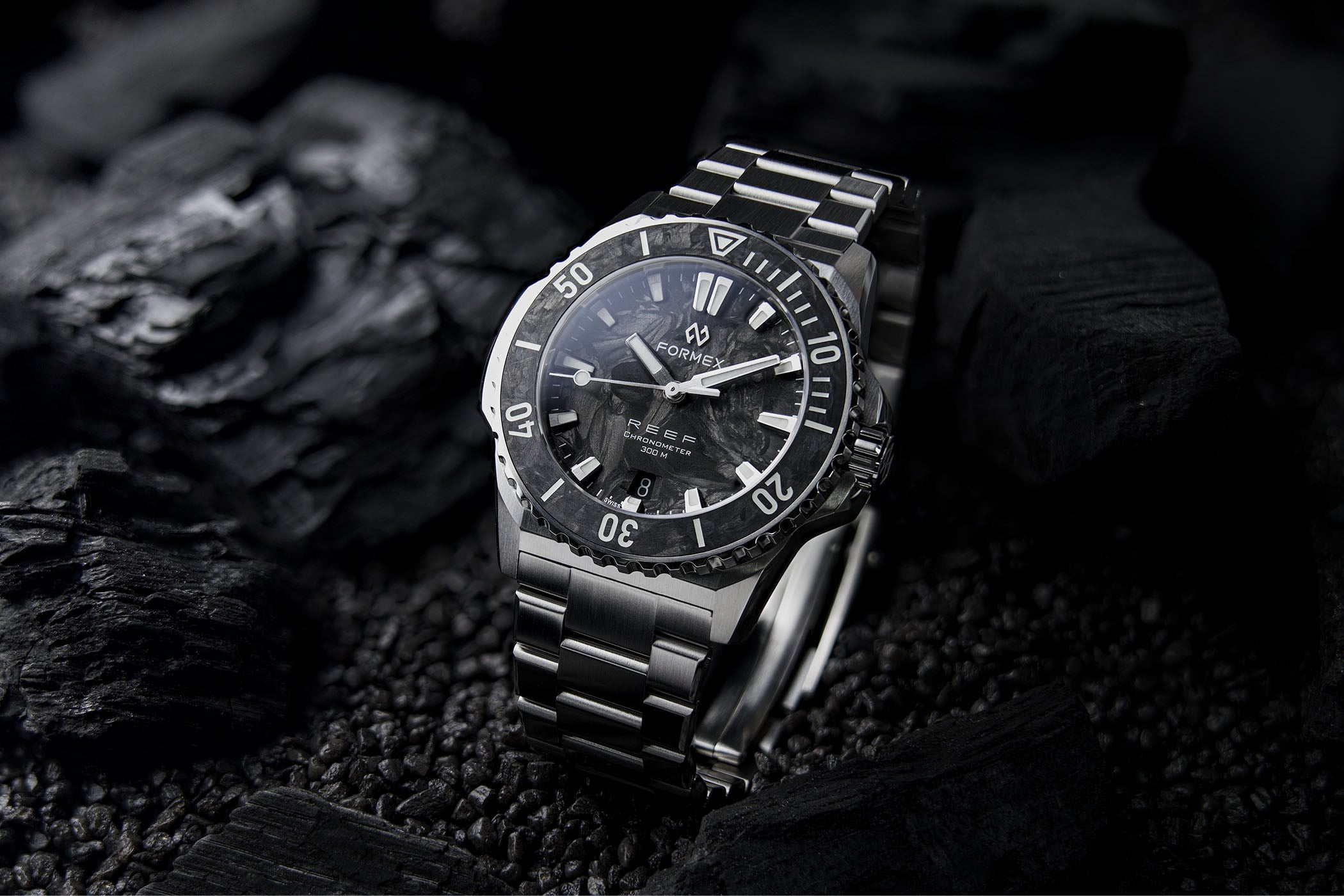
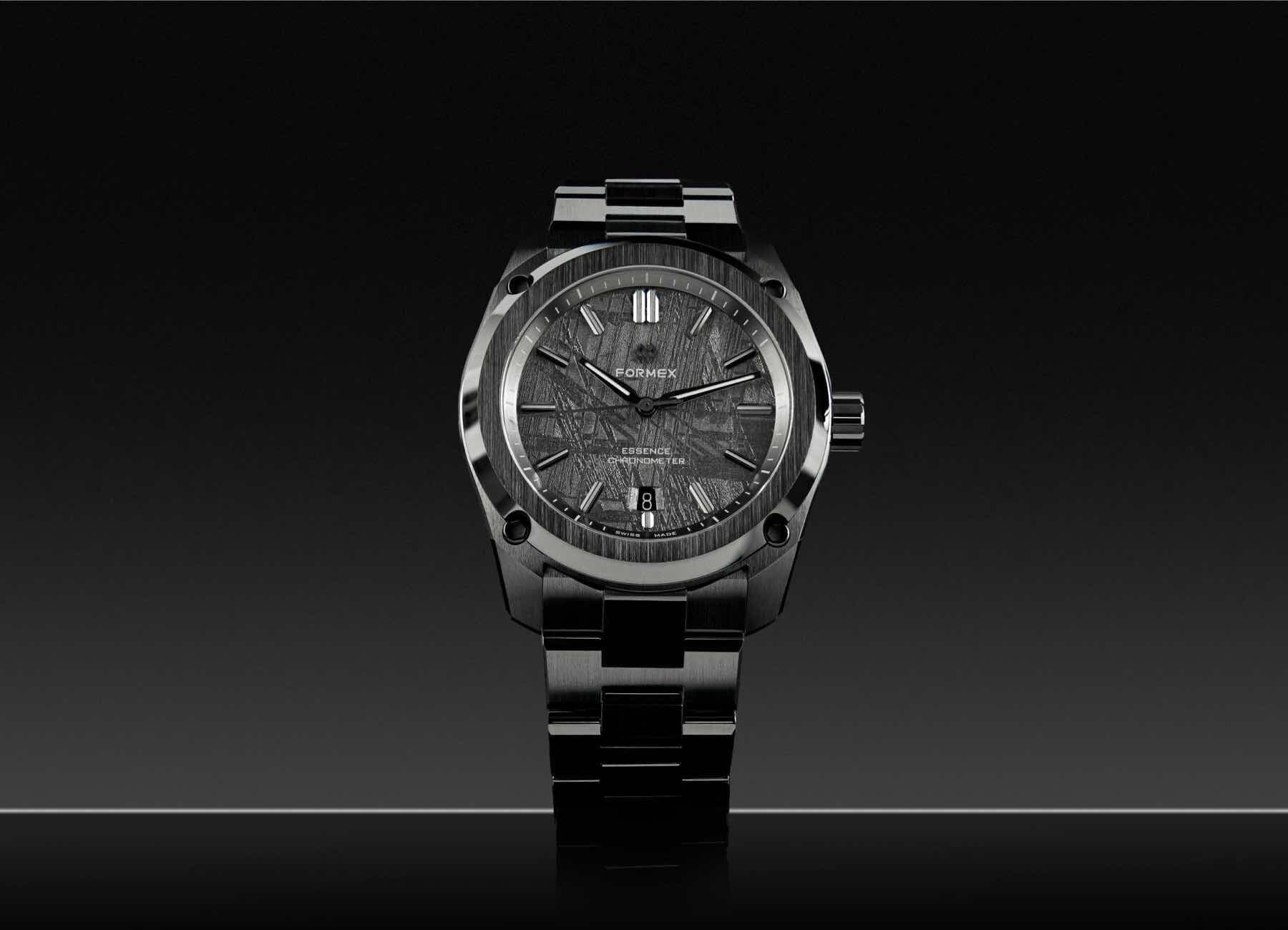
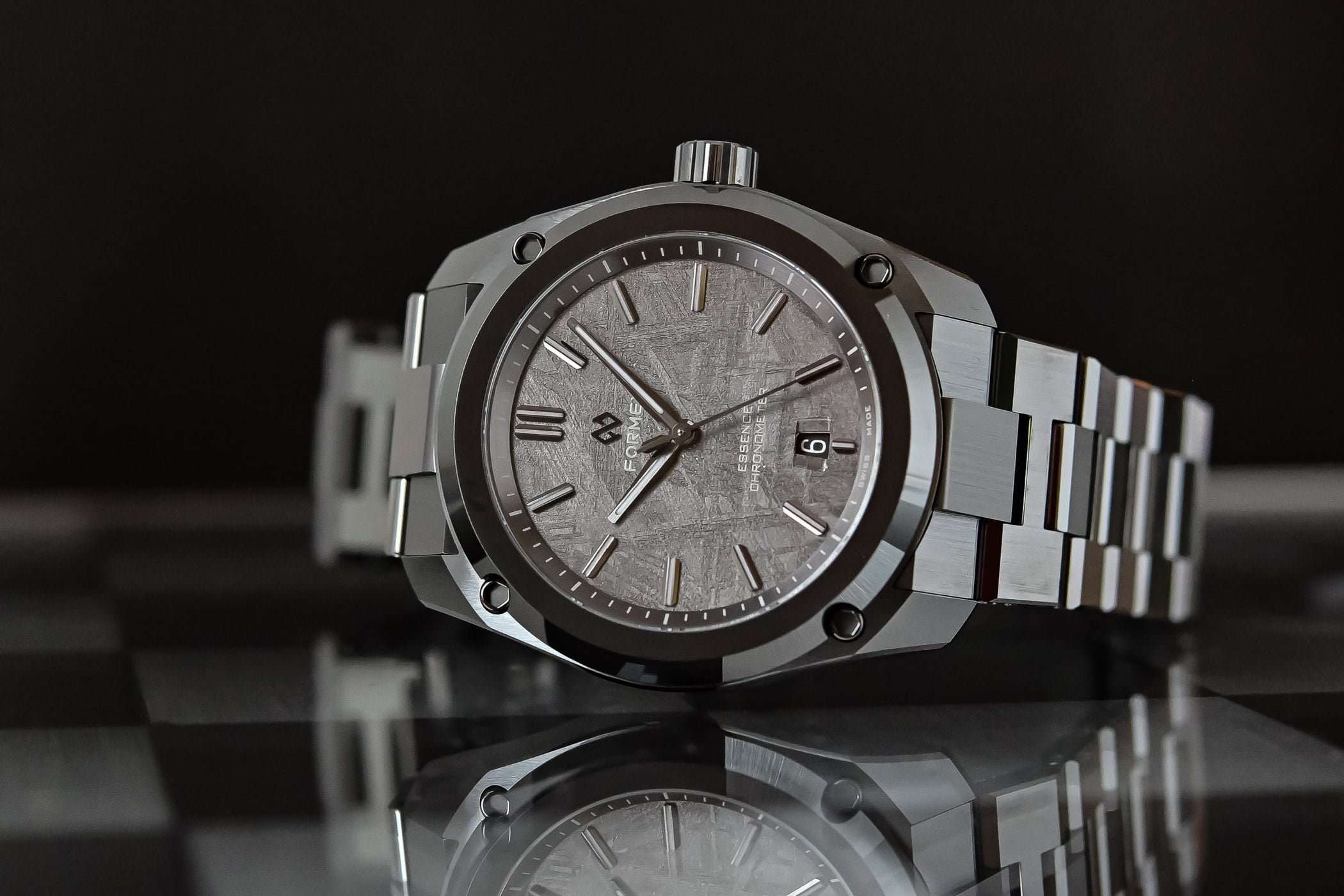
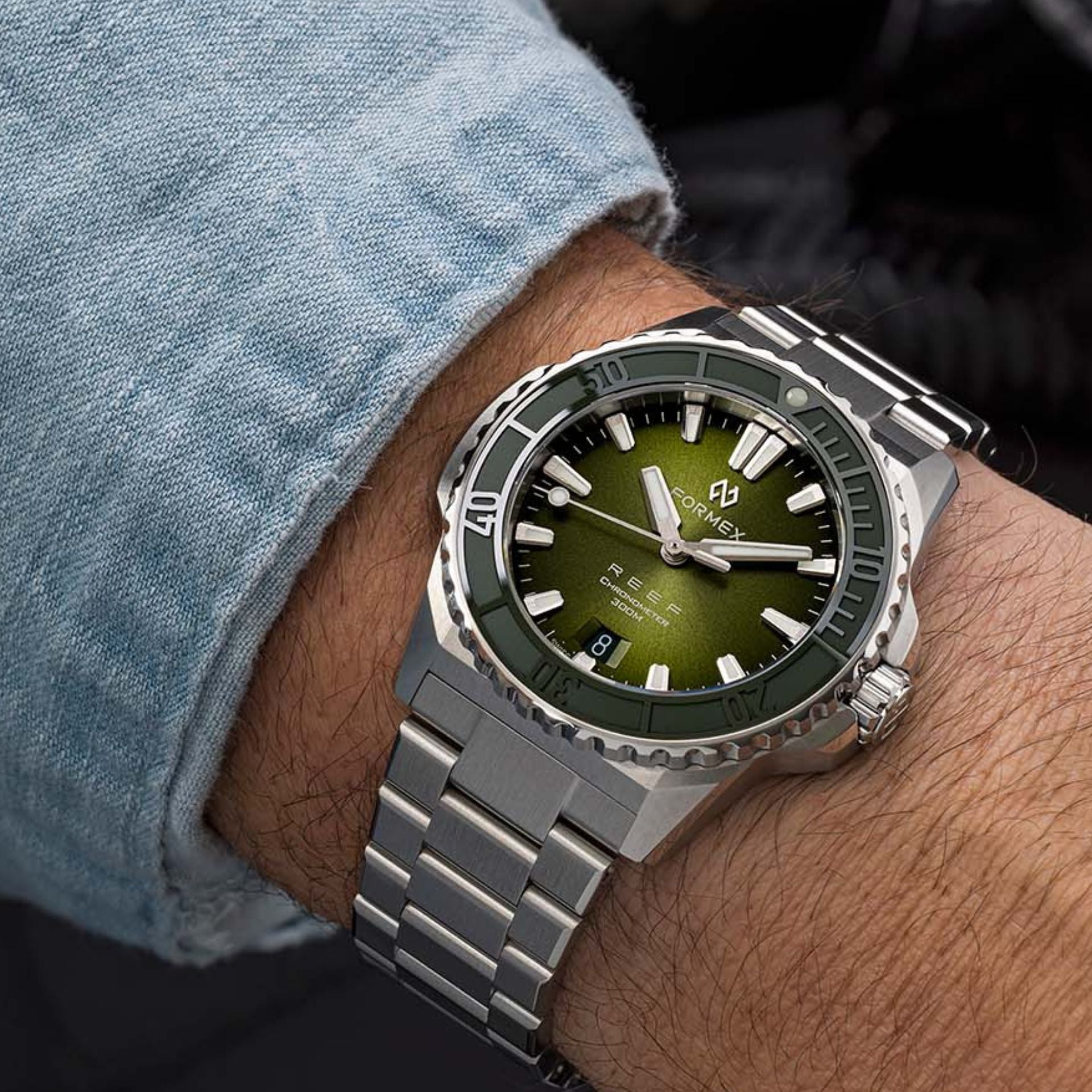
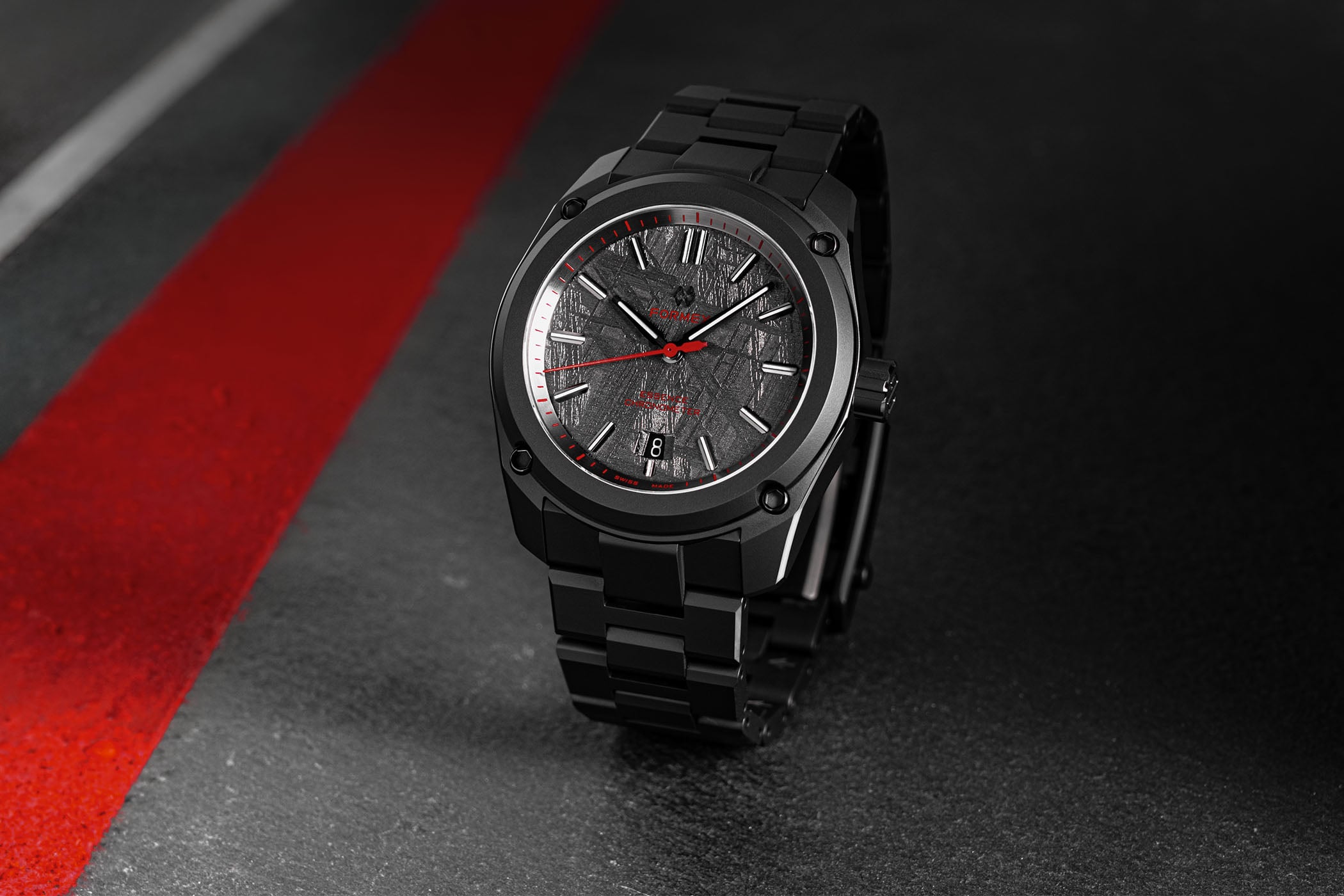
Formex holds a unique place in the Swiss watch industry. Born in the early 2000s, it featured a proprietary case suspension system and designs that reflected the origin of its name, 'forme extrême' (extreme shapes in French). However, the recession spurred by the Global Financial Crisis of 2008 dealt the brand a near-fatal blow, and it entered a period of relative dormancy. Then, in 2016, a group backed by one of its suppliers, Dexel, a Swiss component maker specializing in bracelets, clasps, and cases, as well as dials through its subsidiary Cadranor, took over Formex. Raphael Granito, now in his mid-thirties, is part of the family business behind Dexel and led the takeover and revival of the Formex marque. He has steered the brand's development ever since, and a decade later, Formex is leveraging Dexel's manufacturing savoir-faire and R&D; to produce innovative, approachable-priced Swiss-made watches. The brand's evolution culminated recently with the Aria, a high-end integrated-bracelet titanium sport watch with an ultra-thin, micro-rotor manufacture movement designed by Horage, priced below CHF 6,000. That's a significant step up compared to the CHF 1,800 average price point for its watches. Granito outlines how the brand has grown and connected with more customers, operating mainly outside the traditional retail structure. Still a family business, he hired his best friend from university to lead marketing and sales efforts. Formex has distinguished itself by offe...
 WristBuzz